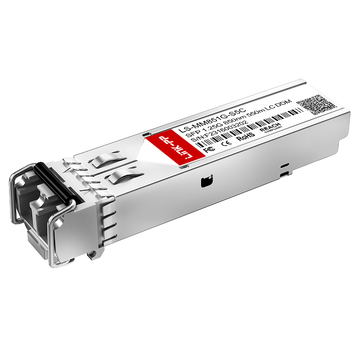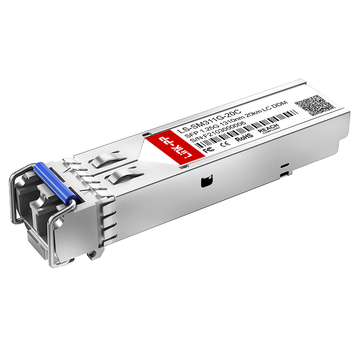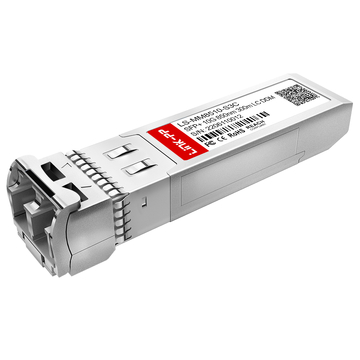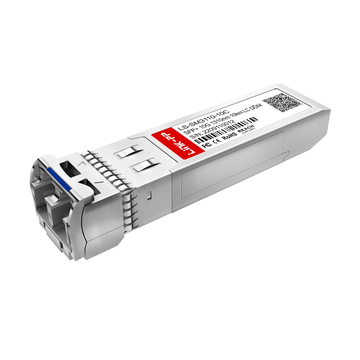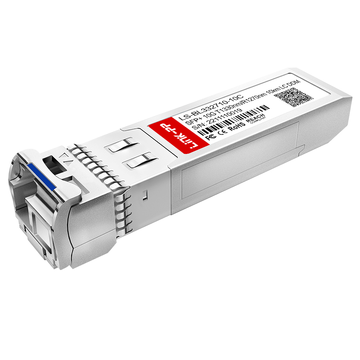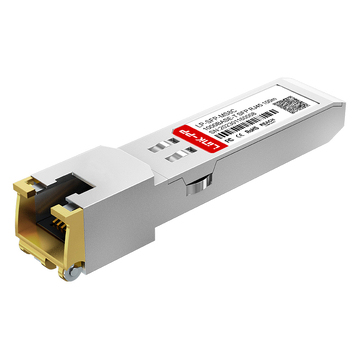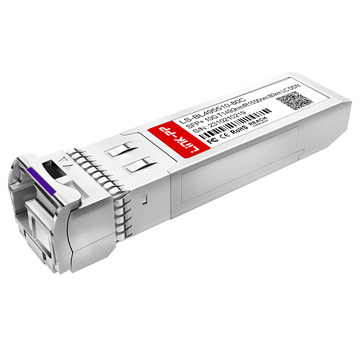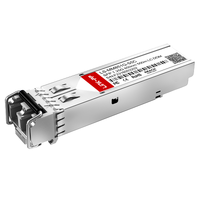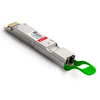






























As enterprise networks, industrial Ethernet systems, and fiber backbone infrastructures continue to expand, optical transceivers have become a critical component of modern connectivity. Among these solutions, Planet SFP modules are widely deployed in switches, media converters, and industrial networking equipment for applications ranging from campus networking to surveillance systems and long-distance fiber uplinks. However, as networks scale and hardware lifecycles extend, many administrators face increasing challenges related to SFP model identification, compatibility verification, and replacement planning.
One of the most common issues in optical network maintenance is determining whether a Planet SFP module can be safely replaced with another compatible transceiver. Similar naming conventions, different transmission standards, fiber type mismatches, and vendor coding limitations can all lead to deployment failures or unstable network performance. In addition, the growing availability of third-party compatible optics has introduced more replacement choices, making accurate model identification and technical validation even more important for network reliability.
This article provides a detailed Planet SFP model identification and replacement guide designed to help network professionals understand compatibility requirements and deployment considerations more clearly. The guide focuses on the following key areas:
- Understanding Planet SFP module categories and deployment scenarios
- Learning how to identify Planet SFP models correctly
- Verifying critical specifications such as speed, wavelength, and transmission distance
- Comparing OEM Planet optics with compatible replacement alternatives
- Reviewing common Planet SFP replacement mappings
- Understanding compatibility testing and validation procedures
- Avoiding common mistakes during SFP replacement projects
- Exploring future trends in Planet optical networking environments
By understanding these areas, network administrators can reduce compatibility risks, improve deployment efficiency, and build more scalable fiber network infrastructures.
📄 Understanding Planet SFP Modules
Planet SFP modules are compact optical transceivers designed to provide flexible fiber and copper connectivity for Planet networking equipment. These modules are commonly used in enterprise switches, industrial Ethernet systems, surveillance infrastructures, and long-distance fiber transmission environments. Understanding the different types of Planet SFP modules and their deployment characteristics is essential for accurate model identification and reliable replacement planning.

What Are Planet SFP Transceivers?
Planet SFP transceivers are hot-swappable networking modules that enable switches and other network devices to connect through fiber optic or copper Ethernet links. They are designed to support multiple transmission speeds, connector types, and distance requirements while maintaining compatibility with specific networking hardware platforms.
Planet SFP modules are typically used for the following purposes:
- Extending network transmission distance beyond standard Ethernet limitations
- Supporting flexible fiber infrastructure upgrades
- Enabling modular uplink connectivity in switches and routers
- Providing interoperability between different network segments
- Supporting industrial and outdoor networking applications
The most common Planet transceiver form factors include:
| Form Factor | Typical Speed | Common Applications | Connector Type |
|---|---|---|---|
| SFP | 1Gbps | Gigabit Ethernet uplinks | LC / RJ45 |
| SFP+ | 10Gbps | 10 Gigabit aggregation links | LC |
| Copper SFP | 1Gbps | Short-range copper Ethernet | RJ45 |
Because these modules are hot-swappable, network administrators can replace or upgrade optical links without shutting down the entire switch or network system. This flexibility makes Planet SFP transceivers widely adopted in scalable network infrastructures.
Common Planet SFP Categories
Planet SFP modules are available in several categories based on transmission speed, fiber type, wavelength, and deployment environment. Correctly identifying these categories is one of the most important steps in selecting a compatible replacement module.
The most widely used Planet SFP categories include:
- 1G SFP modules for standard Gigabit Ethernet connectivity
- 10G SFP+ modules for higher-bandwidth aggregation networks
- Single-mode fiber transceivers for long-distance transmission
- Multimode fiber transceivers for short-distance high-speed links
- RJ45 copper SFP modules for Cat5e/Cat6 Ethernet cabling
- BiDi SFP modules for single-fiber communication
- Industrial-temperature SFP modules for harsh environments
Different Planet SFP categories are designed for different network architectures and fiber infrastructures. The following comparison highlights some of the most common distinctions.
| SFP Category | Fiber Type | Typical Wavelength | Typical Distance |
|---|---|---|---|
|
1000BASE-SX (Planet MGB-SX) |
Multimode | 850nm | 550m |
|
1000BASE-LX (Planet MGB-LX) |
Single-mode | 1310nm | 10km |
|
10GBASE-SR (Planet MTB-SR) |
Multimode | 850nm | 300m |
|
10GBASE-LR (Planet MTB-LR) |
Single-mode | 1310nm | 10km |
|
BiDi SFP (Planet MTB-LB10) |
Single Fiber | Tx/Rx paired wavelengths | 10km–40km |
Understanding these categories helps prevent deployment issues caused by wavelength mismatches, unsupported transmission distances, or incorrect fiber selection.
Typical Planet SFP Deployment Scenarios
Planet SFP modules are widely used across multiple networking environments because they support flexible transmission distances and scalable fiber connectivity. Different deployment scenarios often require different optical specifications and environmental tolerances.
Common Planet SFP deployment environments include:
- Enterprise campus backbone networks
- Industrial automation and factory Ethernet systems
- IP surveillance and security monitoring infrastructures
- Smart transportation and smart city networks
- Data center aggregation layers
- Long-distance metropolitan fiber links
Industrial networking environments often require additional protection against temperature fluctuations, electrical interference, and vibration. In these situations, industrial-grade Planet SFP modules are commonly selected because they support wider operating temperature ranges and more stable operation under demanding conditions.
📄 How to Identify Planet SFP Models Correctly
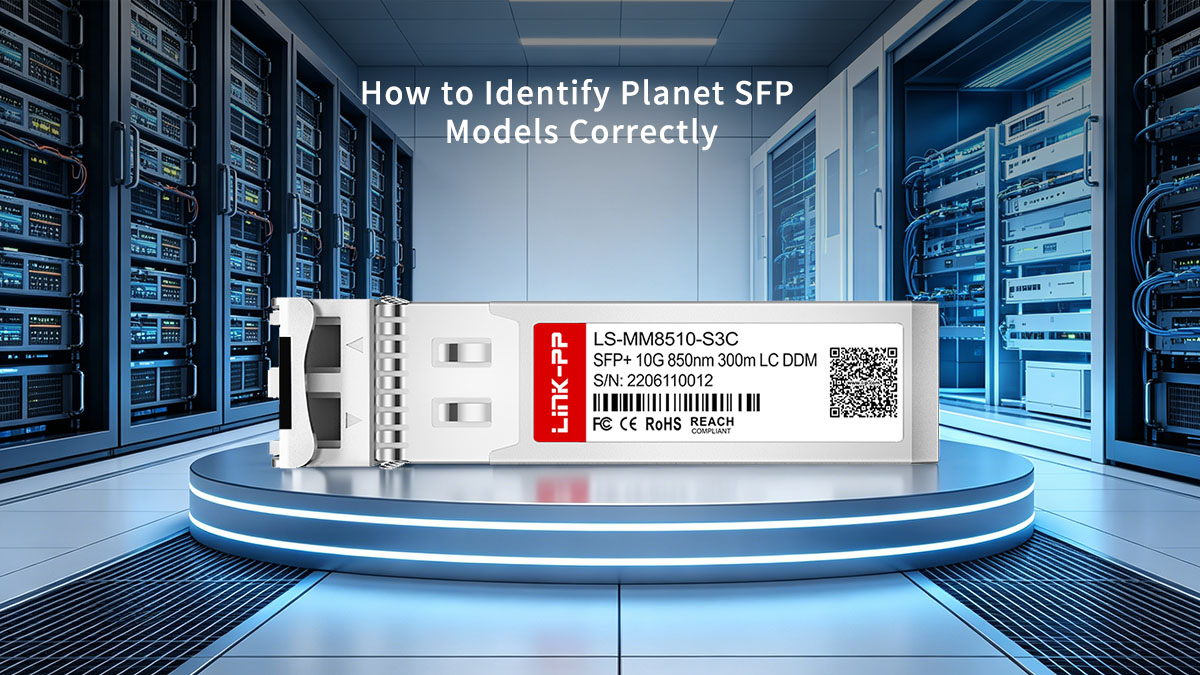
Correctly identifying a Planet SFP module is essential for maintaining stable network connectivity and avoiding compatibility problems during replacement or upgrades. Accurate identification requires administrators to verify multiple factors, including model naming conventions, transmission specifications, fiber type compatibility, and device-reported transceiver information. Misidentifying even a single parameter can lead to link failures, optical mismatches, or unsupported module warnings.
Understanding Planet SFP Naming Conventions
Planet SFP model names usually contain important technical information related to transmission speed, wavelength, fiber type, and distance. Understanding these naming conventions helps administrators quickly determine whether a module is suitable for a specific deployment scenario.
Most Planet SFP model names include the following elements:
- Ethernet speed designation
- Fiber transmission standard
- Transmission distance
- Wavelength specification
- Connector or interface type
The table below shows how common naming elements are typically interpreted.
| Naming Element | Meaning | Example |
|---|---|---|
| SX | Short-range multimode fiber | 850nm MMF |
| LX | Long-range single-mode fiber | 1310nm SMF |
| SR | Short-range 10G multimode | 300m MMF |
| LR | Long-range 10G single-mode | 10km SMF |
| TX | Copper Ethernet interface | RJ45 copper |
| BiDi | Single-fiber bidirectional optics | Tx/Rx wavelength pair |
For example, a Planet SFP module labeled as “1000BASE-LX” usually indicates:
- 1Gbps transmission speed
- Single-mode fiber compatibility
- 1310nm wavelength
- Up to 10km transmission distance
- LC optical connector
Understanding these naming structures significantly reduces the risk of selecting an incompatible replacement module.
Reading Labels and Hardware Information
The physical label attached to a Planet SFP module contains several important identifiers that help verify compatibility and technical specifications. Administrators should always inspect the module label before replacement or deployment.
Typical information printed on a Planet SFP label includes:
- Model number
- Transmission speed
- Supported wavelength
- Fiber type
- Transmission distance
- Connector type
- Serial number
- Vendor coding information
- Temperature rating
The following table summarizes the most important label parameters to verify.
| Label Information | Why It Matters |
|---|---|
| Speed Rating | Confirms Ethernet compatibility |
| Wavelength | Ensures optical signal matching |
| Distance Rating | Prevents optical budget issues |
| Fiber Type | Verifies SMF or MMF support |
| Connector Type | Ensures physical interface compatibility |
| Temperature Rating | Important for industrial deployments |
In many cases, Planet SFP modules also include DOM or DDM support indicators. These features allow administrators to monitor optical diagnostics such as transmit power, receive power, temperature, and voltage directly from the network device.
Identifying Fiber Type Compatibility
Fiber type compatibility is one of the most critical factors when identifying Planet SFP modules. Single-mode and multimode optics are not interchangeable, and mismatched fiber types can result in unstable communication or complete link failure.
Administrators should verify the following compatibility factors before deployment:
- Single-mode fiber (SMF) or multimode fiber (MMF)
- Duplex or simplex transmission
- Connector polarity
- Wavelength pairing for BiDi optics
- Fiber core size compatibility
The following comparison highlights the differences between common fiber types.
| Fiber Type | Typical Core Size | Common Wavelength | Typical Distance |
|---|---|---|---|
| Multimode Fiber | 50/125μm or 62.5/125μm | 850nm | Up to 550m |
| Single-Mode Fiber | 9/125μm | 1310nm / 1550nm | 10km and beyond |
BiDi modules require additional attention because they use different transmit and receive wavelengths on a single fiber strand. In these deployments, both sides of the connection must use complementary wavelength pairs to establish communication successfully.
📄 Key Technical Specifications to Verify Before Replacement
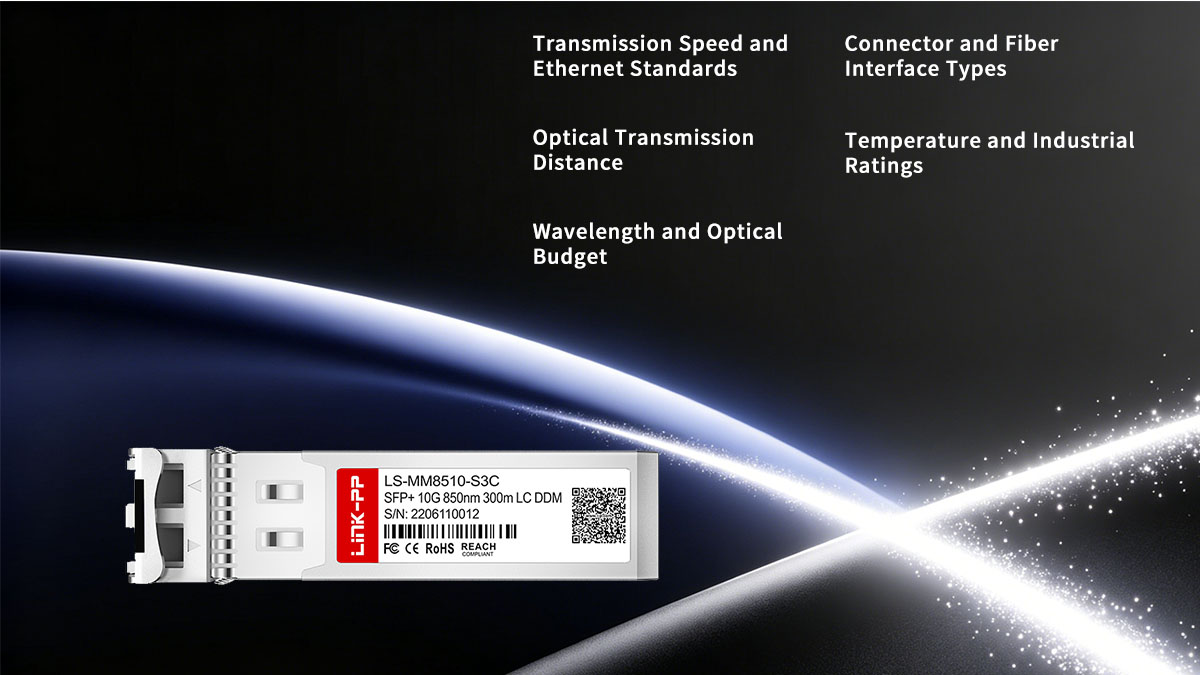
Before replacing a Planet SFP module, administrators must verify several critical technical specifications to ensure stable network operation and long-term compatibility. Even if two transceivers appear physically identical, differences in transmission speed, wavelength, fiber type, optical budget, or temperature rating can cause communication failures or degraded performance. Careful verification of these specifications helps minimize deployment risks and improves interoperability across mixed-vendor environments.
Transmission Speed and Ethernet Standards
Transmission speed is the first specification that should be verified before selecting a replacement Planet SFP module. The replacement transceiver must support the same Ethernet standard and data rate as both the network device and the connected link partner.
The following table summarizes common transmission standards and deployment characteristics.
| Ethernet Standard | Speed | Fiber Type | Typical Distance |
|---|---|---|---|
| 1000BASE-SX | 1Gbps | Multimode | 550m |
| 1000BASE-LX | 1Gbps | Single-mode | 10km |
| 10GBASE-SR | 10Gbps | Multimode | 300m |
| 10GBASE-LR | 10Gbps | Single-mode | 10km |
| 1000BASE-T | 1Gbps | Copper | 100m |
Administrators should also verify whether the network switch supports backward compatibility. Some 10G SFP+ ports may support 1G SFP modules, while others may not. Ignoring this compatibility factor can prevent the module from being recognized by the device.
Optical Transmission Distance
Transmission distance is another essential factor when replacing Planet SFP modules. Each optical transceiver is designed for a specific maximum transmission range based on wavelength, fiber type, and optical power levels.
Selecting the wrong distance rating can create several operational issues, including:
- Insufficient signal strength over long distances
- Excessive optical power in short-distance links
- Unstable communication caused by attenuation loss
- Increased packet errors and retransmissions
The table below shows common transmission distance categories.
| Module Type | Typical Distance | Common Deployment |
|---|---|---|
| Short-Range SX/SR | 300m–550m | Data centers and campus networks |
| Standard LX/LR | 10km | Building interconnections |
| Extended Range ER | 40km | Metropolitan fiber links |
| Long Haul ZR | 80km+ | Carrier and telecom networks |
Fiber quality and connector cleanliness also affect real-world transmission distance. In older fiber infrastructures, administrators should leave additional optical budget margins to compensate for attenuation and connector loss.
Wavelength and Optical Budget
Wavelength compatibility is critical for successful optical communication. A replacement Planet SFP module must operate at the correct wavelength and maintain sufficient optical budget for the deployed fiber link.
The following table highlights common wavelength usage scenarios.
| Wavelength | Fiber Type | Typical Use Case |
|---|---|---|
| 850nm | Multimode | Short-distance high-speed links |
| 1310nm | Single-mode | Standard long-distance Ethernet |
| 1550nm | Single-mode | Extended-distance transmission |
| Tx/Rx Paired | Single Fiber | BiDi communication |
In addition to wavelength matching, administrators should evaluate the optical budget. Optical budget represents the difference between transmitter output power and receiver sensitivity.
Several factors influence optical budget performance:
- Fiber attenuation
- Connector insertion loss
- Splice loss
- Fiber bending
- Environmental conditions
Insufficient optical budget can cause unstable links, especially in long-distance deployments or aging fiber infrastructures.
Connector and Fiber Interface Types
Physical connector compatibility is another important specification to verify before replacing a Planet SFP module. Even if the optical characteristics match, incompatible connectors or interface types can prevent successful installation.
Common connector types used in Planet SFP deployments include:
- LC duplex connectors
- SC connectors in legacy systems
- RJ45 copper Ethernet interfaces
- Simplex LC connectors for BiDi optics
Administrators should also verify fiber polarity and patch cable compatibility, particularly in duplex fiber installations. Incorrect polarity can prevent the transmit and receive paths from aligning correctly.
Proper connector verification simplifies installation and minimizes troubleshooting during deployment.
Temperature and Industrial Ratings
Environmental operating conditions play a major role in Planet SFP replacement planning, especially in industrial networking environments. Standard commercial transceivers may not operate reliably in locations with extreme temperatures, vibration, dust, or electrical interference.
Planet SFP modules are generally available in two main temperature categories:
- Commercial temperature optics
- Industrial-grade optics
The table below compares their typical operating ranges.
| Module Type | Typical Operating Temperature | Common Deployment |
|---|---|---|
| Commercial SFP | 0°C to 70°C | Office and enterprise environments |
| Industrial SFP | -40°C to 85°C | Factories and outdoor installations |
Industrial-grade Planet SFP modules are commonly used in:
- Manufacturing facilities
- Transportation systems
- Outdoor surveillance networks
- Smart city infrastructure
- Utility and energy environments
Using the wrong temperature rating can reduce transceiver lifespan and increase the risk of intermittent network failures under environmental stress.
📄 Comparing Original Planet SFP Modules and Compatible Alternatives
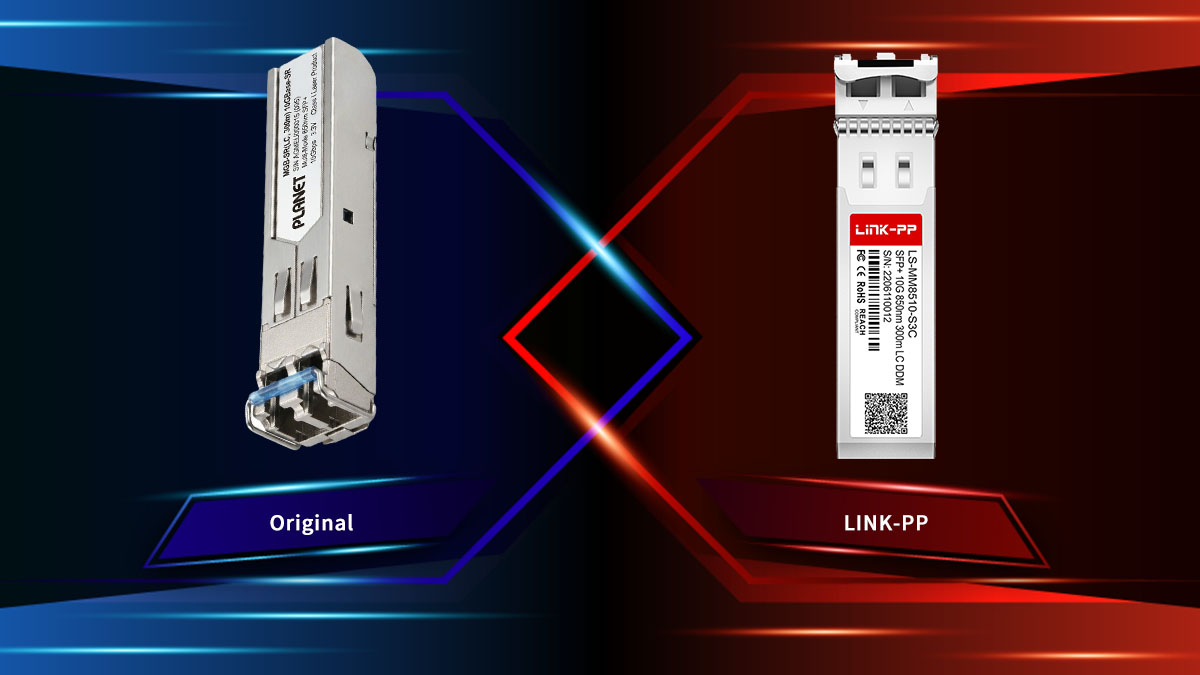
When replacing optical transceivers in Planet networking environments, administrators often compare original Planet SFP modules with compatible third-party alternatives. Both options can support stable fiber communication when properly matched to the network infrastructure, but they differ in areas such as vendor coding, deployment flexibility, hardware validation, and long-term operational strategy. Understanding these differences helps organizations select suitable transceiver solutions based on technical requirements and network scalability goals.
OEM Planet SFP Characteristics
Original Planet SFP modules are designed and validated specifically for Planet networking equipment. These transceivers are typically optimized for native compatibility with Planet switches, industrial Ethernet devices, and fiber networking platforms.
OEM Planet SFP modules commonly provide the following characteristics:
- Native firmware recognition
- Vendor-specific EEPROM coding
- Verified interoperability with Planet hardware
- Consistent management interface reporting
- Standardized support across official device compatibility lists
OEM optics are often preferred in highly standardized enterprise or industrial deployments where strict vendor validation policies are required. In these environments, administrators may prioritize predictable interoperability and simplified maintenance workflows.
Compatible Third-Party SFP Alternatives
Compatible third-party SFP modules are designed to operate with Planet networking equipment while maintaining compliance with industry MSA standards. Many organizations deploy these alternatives because they offer broader interoperability and more flexible sourcing options.
The following table compares several typical characteristics of compatible alternatives.
| Feature | Compatible SFP Alternatives |
|---|---|
| Vendor Compatibility | Multi-vendor support |
| MSA Compliance | Standardized interoperability |
| Hardware Availability | Broad global supply |
| Deployment Flexibility | Mixed-vendor environments |
| Coding Options | Re-programmable compatibility |
In many enterprise networks, compatible optics are deployed successfully across switching, aggregation, and industrial Ethernet layers without operational issues when proper validation procedures are followed.
Compatibility Risks and Misconceptions
One of the most common concerns surrounding compatible Planet SFP modules involves interoperability and firmware compatibility. While many modern compatible optics operate reliably, administrators should still understand potential risks associated with vendor coding and hardware validation.
Several misconceptions frequently appear in optical networking environments:
- All third-party optics are unreliable
- Non-OEM modules always trigger compatibility failures
- Compatible optics cannot support DOM/DDM functions
- Vendor lock restrictions affect every switch platform equally
In reality, compatibility behavior depends on multiple factors, including:
- EEPROM coding accuracy
- Switch firmware policies
- Hardware chipset quality
- Optical component consistency
- Environmental operating conditions
The following table outlines several common compatibility considerations.
| Compatibility Factor | Potential Impact |
|---|---|
| Incorrect EEPROM Coding | Module recognition failure |
| Unsupported Firmware Policies | Warning or port disablement |
| Optical Power Mismatch | Unstable fiber links |
| Poor Manufacturing Consistency | Reduced long-term reliability |
| Incomplete Diagnostics Support | Missing DOM/DDM data |
Many compatibility issues can be minimized through proper validation testing before large-scale deployment. Administrators should verify firmware behavior, optical diagnostics, and link stability under real operating conditions.
Performance Comparison Between OEM and Compatible Modules
From a transmission perspective, both OEM Planet SFP modules and high-quality compatible alternatives can often provide similar Ethernet connectivity performance when they comply with the same technical standards. The most important requirement is that the module matches the correct speed, wavelength, fiber type, and optical budget requirements.
The following comparison summarizes key operational differences.
| Comparison Area | OEM Planet SFP | Compatible Alternatives |
|---|---|---|
| Vendor Coding | Native | Re-coded for compatibility |
| Hardware Standards | Vendor-certified | MSA-compliant |
| Ecosystem Integration | Planet-focused | Multi-vendor capable |
| Inventory Flexibility | Limited | Broad compatibility |
| Deployment Scalability | Vendor dependent | Easier mixed-network scaling |
For organizations managing large and evolving network infrastructures, compatibility validation, documentation consistency, and long-term interoperability planning are typically more important than branding alone when evaluating Planet SFP replacement options.
📄 Common Planet SFP Models and Replacement Mapping
Planet networking environments commonly use a wide range of SFP and SFP+ transceivers for enterprise, industrial, and fiber uplink applications. Understanding the most widely deployed Planet SFP model types and their compatible replacement mappings helps administrators simplify maintenance, improve interoperability, and reduce deployment errors. Accurate replacement mapping is especially important in mixed-vendor infrastructures where multiple optical standards coexist.
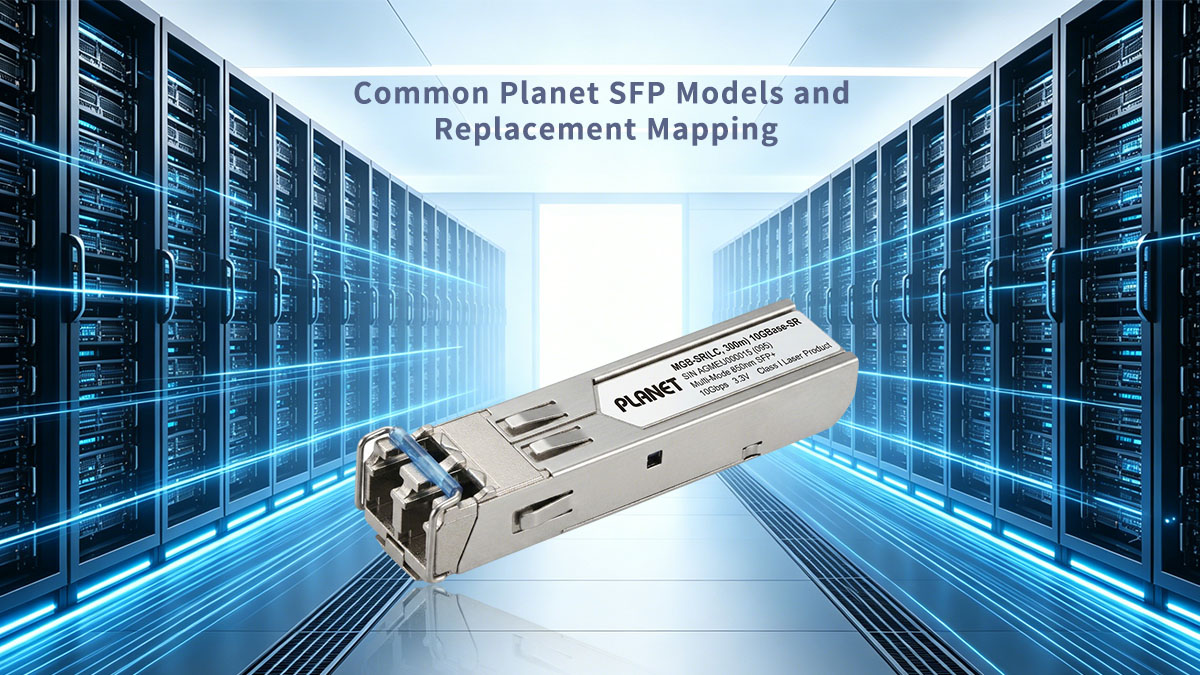
Popular 1G Planet SFP Models
1G Planet SFP modules remain widely used in Gigabit Ethernet environments because they provide stable fiber connectivity for access switches, industrial Ethernet systems, and campus backbone networks. These modules are typically deployed in environments where bandwidth requirements are moderate but long-term reliability is critical.
The following table summarizes several common 1G Planet SFP categories and their deployment characteristics.
| Planet 1G SFP Type | Fiber Medium | Wavelength | Typical Distance |
|---|---|---|---|
| 1000BASE-SX | Multimode fiber | 850nm | 550m |
| 1000BASE-LX | Single-mode fiber | 1310nm | 10km |
| 1000BASE-ZX | Single-mode fiber | 1550nm | 80km |
| 1000BASE-T | Copper Ethernet | N/A | 100m |
| BiDi 1G SFP | Single fiber | Tx/Rx paired | 10km–40km |
When replacing 1G Planet SFP modules, administrators should confirm:
- Fiber type compatibility
- Matching wavelength specifications
- Supported Ethernet standards
- Connector type consistency
- Transmission distance requirements
In many cases, standard MSA-compliant Gigabit SFP modules can provide equivalent functionality when properly coded and validated for compatibility.
Popular 10G Planet SFP+ Models
As enterprise and industrial networks continue migrating toward higher bandwidth infrastructures, 10G Planet SFP+ modules are increasingly deployed in aggregation, backbone, and data-intensive environments. These modules support faster transmission rates while maintaining compact SFP+ form factors.
The following table outlines common 10G Planet SFP+ categories.
| Planet 10G SFP+ Type | Fiber Medium | Wavelength | Typical Distance |
|---|---|---|---|
| 10GBASE-SR | Multimode fiber | 850nm | 300m |
| 10GBASE-LR | Single-mode fiber | 1310nm | 10km |
| 10GBASE-ER | Single-mode fiber | 1550nm | 40km |
| 10GBASE-ZR | Single-mode fiber | 1550nm | 80km |
| 10G Copper SFP+ | Copper DAC/Cat6A | N/A | Short-range |
10G deployments require additional attention because higher transmission speeds increase sensitivity to:
- Fiber attenuation
- Connector contamination
- Signal reflection
- Cable quality
- Optical power stability
Administrators should also verify whether switch ports support both 1G and 10G operation, as some SFP+ interfaces only recognize 10G optics.
Replacement Mapping Reference Table
Replacement mapping allows administrators to identify technically compatible alternatives for commonly deployed Planet SFP modules. Proper mapping reduces deployment uncertainty and simplifies inventory management across large-scale network environments.
The following table provides a general reference for common Planet SFP replacement scenarios.
| Planet SFP Model Type | Speed | Fiber Type | Typical Distance | Common Replacement Type |
|---|---|---|---|---|
| 1000BASE-SX | 1Gbps | Multimode | 550m | Generic SX SFP |
| 1000BASE-LX | 1Gbps | Single-mode | 10km | Generic LX SFP |
| 1000BASE-ZX | 1Gbps | Single-mode | 80km | Generic ZX SFP |
| 10GBASE-SR | 10Gbps | Multimode | 300m | Generic SR SFP+ |
| 10GBASE-LR | 10Gbps | Single-mode | 10km | Generic LR SFP+ |
| 10GBASE-ER | 10Gbps | Single-mode | 40km | Generic ER SFP+ |
| 1000BASE-T | 1Gbps | Copper | 100m | RJ45 Copper SFP |
Although replacement mapping provides a useful baseline, administrators should still validate:
- EEPROM compatibility
- DOM/DDM functionality
- Firmware recognition behavior
- Optical budget requirements
- Environmental operating conditions
Replacement mapping is most effective when combined with real-world compatibility testing in the target deployment environment.
Multi-Vendor Network Interoperability
Many modern enterprise and industrial networks operate in mixed-vendor environments where Planet switches coexist with networking equipment from multiple manufacturers. In these infrastructures, interoperability becomes an important consideration during SFP replacement planning.
Multi-vendor interoperability depends on several key factors:
- Compliance with MSA standards
- Correct vendor coding
- Ethernet protocol consistency
- Matching optical specifications
- Stable firmware behavior
Many network administrators perform interoperability validation before large-scale deployment by testing:
- Link establishment stability
- Optical diagnostics reporting
- Long-duration uptime performance
- Cross-vendor switch communication
- Fiber signal integrity
Proper interoperability planning helps organizations maintain flexible optical infrastructures while simplifying future network expansion and replacement management across heterogeneous networking environments.
📄 How to Validate a Planet SFP Replacement
Validating a Planet SFP replacement is a critical step before full deployment in enterprise or industrial fiber networks. Even when a replacement module matches the required speed and optical specifications, administrators should still verify compatibility, signal stability, and long-term operational reliability under real network conditions. Proper validation helps prevent intermittent link failures, firmware detection issues, and performance degradation after installation.
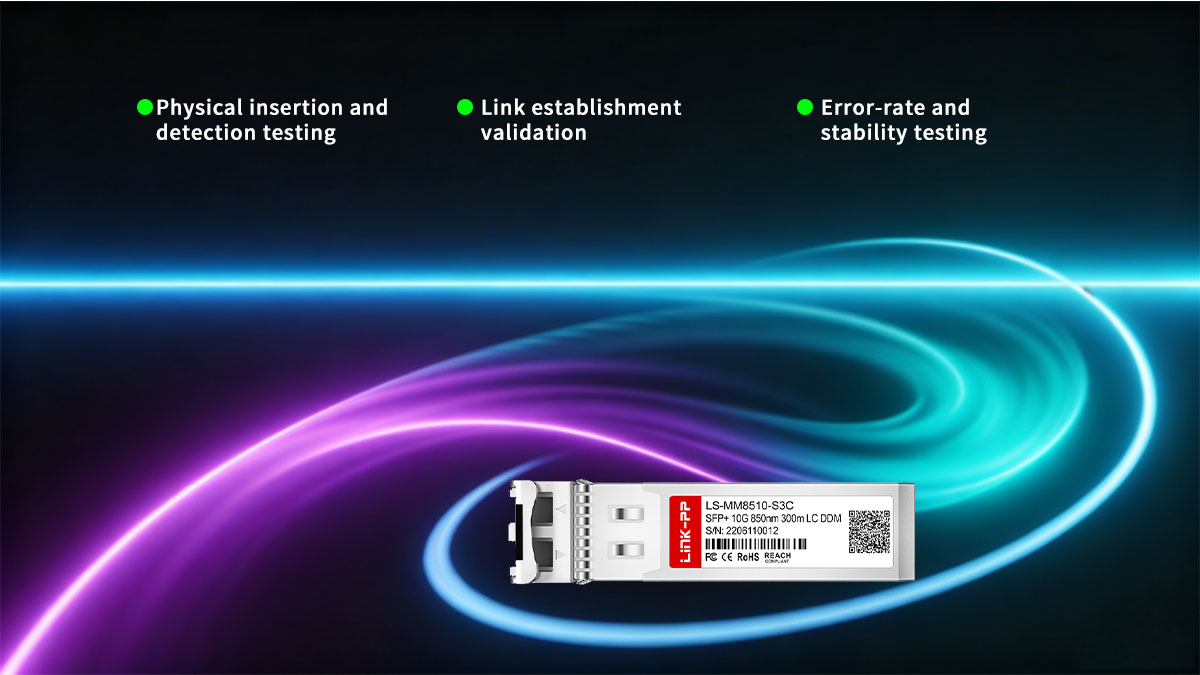
Compatibility Testing Procedures
The first stage of validation is confirming that the replacement Planet SFP module is correctly recognized and operates normally within the target networking equipment. Compatibility testing should be performed before large-scale deployment to reduce operational risks.
A standard compatibility validation process typically includes:
- Physical insertion testing
- Switch recognition verification
- Link establishment confirmation
- Port stability monitoring
- Cross-device interoperability testing
Compatibility testing becomes especially important in environments using:
- Mixed-vendor switches
- Older firmware versions
- Industrial Ethernet platforms
- High-density aggregation layers
Performing these checks early helps reduce unexpected downtime during production deployment.
Optical Performance Verification
After compatibility validation, administrators should verify optical transmission quality to ensure the replacement module operates within acceptable signal parameters. Optical instability can cause packet loss, retransmissions, or intermittent communication problems even when the link appears active.
Key optical performance indicators include:
- Transmit optical power
- Receive optical power
- Optical attenuation levels
- Signal-to-noise stability
- DOM/DDM sensor readings
Administrators should compare measured optical values against the transceiver specification range to confirm stable operation.
Several common issues can negatively affect optical performance:
- Dirty fiber connectors
- Excessive fiber bending
- Low-quality patch cables
- Incorrect wavelength pairing
- Damaged fiber infrastructure
Long-distance links require additional attention because attenuation and connector loss accumulate over extended transmission paths.
Reliable optical performance validation helps improve long-term network stability and reduces troubleshooting complexity after deployment.
Environmental and Reliability Testing
Planet SFP modules are frequently deployed in industrial and outdoor networking environments where environmental conditions can affect long-term transceiver reliability. Validation testing should therefore include environmental stress evaluation when the deployment involves harsh operating conditions.
The following table compares typical environmental considerations.
| Environmental Factor | Potential Impact |
|---|---|
| High Temperature | Thermal instability |
| Low Temperature | Signal degradation |
| Dust Exposure | Connector contamination |
| Vibration | Intermittent link disruption |
| Humidity | Corrosion risk |
Industrial-grade Planet SFP modules are commonly selected for environments such as:
- Manufacturing facilities
- Transportation systems
- Smart city infrastructure
- Utility networks
- Outdoor surveillance installations
Long-duration uptime testing is also recommended because some compatibility or thermal issues only appear after extended operation periods.
Environmental validation improves confidence that the replacement module can maintain stable operation under real deployment conditions.
📄 Common Mistakes When Replacing Planet SFP Modules
Replacing Planet SFP modules may appear straightforward, but small compatibility mistakes can lead to unstable links, signal loss, or complete network outages. Many deployment issues are caused not by defective hardware, but by incorrect specification matching and insufficient validation. Understanding the most common replacement mistakes helps administrators improve deployment reliability and reduce troubleshooting time in enterprise and industrial fiber networks.
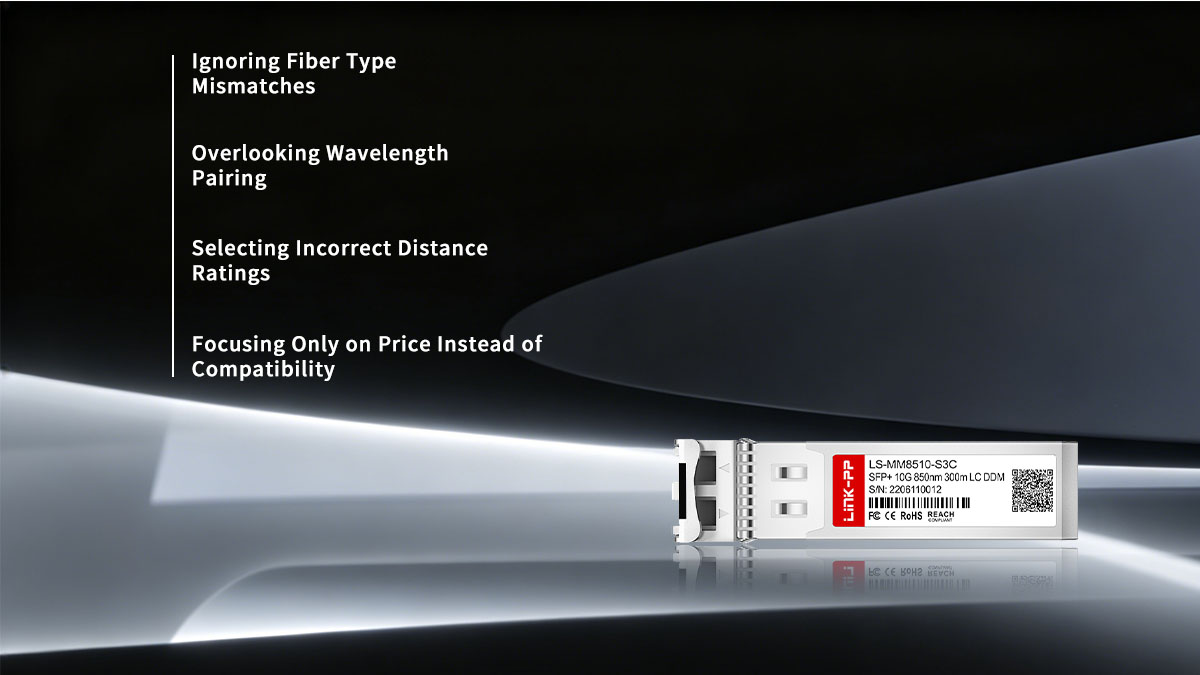
Ignoring Fiber Type Mismatches
One of the most common replacement mistakes is mixing single-mode and multimode transceivers or fiber cables. Although the connectors may appear identical, the optical characteristics are fundamentally different.
Administrators should always verify the following before replacement:
- Single-mode fiber (SMF) or multimode fiber (MMF)
- Fiber core size compatibility
- Matching optical wavelength
- Correct patch cable type
The table below highlights common fiber mismatch scenarios.
| Mismatch Type | Potential Result |
|---|---|
| SMF transceiver with MMF cable | Signal instability |
| MMF transceiver with SMF cable | Reduced transmission performance |
| Incorrect fiber core size | Excessive attenuation |
| Mixed connector standards | Physical connection failure |
Careful fiber verification helps avoid unnecessary troubleshooting after deployment.
Overlooking Wavelength Pairing
Wavelength mismatches are especially common in BiDi SFP deployments because these modules transmit and receive optical signals using different wavelengths over a single fiber strand.
Common wavelength-related mistakes include:
- Installing identical BiDi modules on both ends
- Mixing incompatible Tx/Rx wavelength pairs
- Using incorrect long-distance wavelength specifications
The following table shows common wavelength examples.
| Module Type | Typical Wavelength |
|---|---|
| SX/SR optics | 850nm |
| LX/LR optics | 1310nm |
| ZX/ER optics | 1550nm |
| BiDi optics | Paired Tx/Rx wavelengths |
Incorrect wavelength pairing often results in complete link failure even when all other specifications appear correct.
Selecting Incorrect Distance Ratings
Transmission distance is another area where replacement errors frequently occur. Using the wrong optical distance rating can create signal quality problems in both short-range and long-range deployments.
Common distance-related mistakes include:
- Deploying short-range optics on long-distance fiber
- Using high-power long-range transceivers in short links
- Ignoring fiber attenuation and connector loss
These issues can lead to:
- Intermittent packet loss
- Optical receiver overload
- Reduced link stability
- Increased transmission errors
Administrators should evaluate actual fiber conditions instead of relying only on theoretical maximum distance ratings.
Focusing Only on Price Instead of Compatibility
Another common mistake is selecting replacement modules based only on cost while ignoring compatibility validation and hardware quality. Although compatible optics are widely used, inconsistent module coding or poor manufacturing quality can still create operational risks.
Before deployment, administrators should confirm:
- EEPROM coding compatibility
- DOM/DDM support
- Firmware recognition behavior
- Environmental operating requirements
- Long-term reliability testing
A structured validation process is usually more important than the transceiver brand itself. Proper compatibility testing, accurate specification matching, and stable optical performance are the key factors that determine successful Planet SFP replacement deployments.
📄 Conclusion
Correctly identifying and replacing Planet SFP modules is essential for maintaining stable optical communication across enterprise, industrial, and long-distance fiber networks. Although many SFP modules may appear physically similar, factors such as transmission speed, wavelength, fiber type, transmission distance, connector compatibility, and firmware behavior all play a critical role in overall network reliability.
Throughout the replacement process, administrators should focus on several key areas:
- Verifying exact Planet SFP model specifications
- Matching fiber type and wavelength requirements
- Confirming transmission distance compatibility
- Testing interoperability across mixed-vendor environments
- Validating optical diagnostics and firmware recognition
- Evaluating environmental operating conditions
A structured replacement strategy helps reduce operational risks while improving long-term scalability for evolving network infrastructures. This is particularly important in environments where industrial Ethernet systems, surveillance networks, and high-speed aggregation links continue to expand.
For network administrators seeking reliable Planet SFP compatible solutions, platforms such as LINK-PP Official Store provide access to a wide range of optical transceivers covering 1G, 10G, industrial-grade, BiDi, and long-distance fiber networking applications. Proper specification matching, interoperability testing, and long-term reliability evaluation remain the foundation of stable optical network deployment regardless of the selected transceiver source.
As optical networking continues evolving toward higher bandwidth and more interconnected infrastructures, accurate Planet SFP identification and replacement planning will remain an important part of building scalable, efficient, and resilient fiber communication systems.