



































As network traffic continues to surge, high-speed transceivers like FTLC1154RDPL QSFP28 100GBASE LR4 have become essential components in modern data centers and telecom networks. Designed for long-distance, high-bandwidth transmission, this type of transceiver supports reliable 100G connectivity over single-mode fiber, making it a go-to choice for backbone links and interconnects.
However, with rising costs and increasing multi-vendor environments, many organizations are turning to FTLC1154RDPL compatible transceivers. These modules offer comparable performance and reliability while providing greater flexibility and cost savings. This article explores everything you need to know about FTLC1154RDPL compatibility, key specifications, and how to choose the right alternative for your networking needs.
🔷 What is FTLC1154RDPL and Why It Matters in Optical Networks
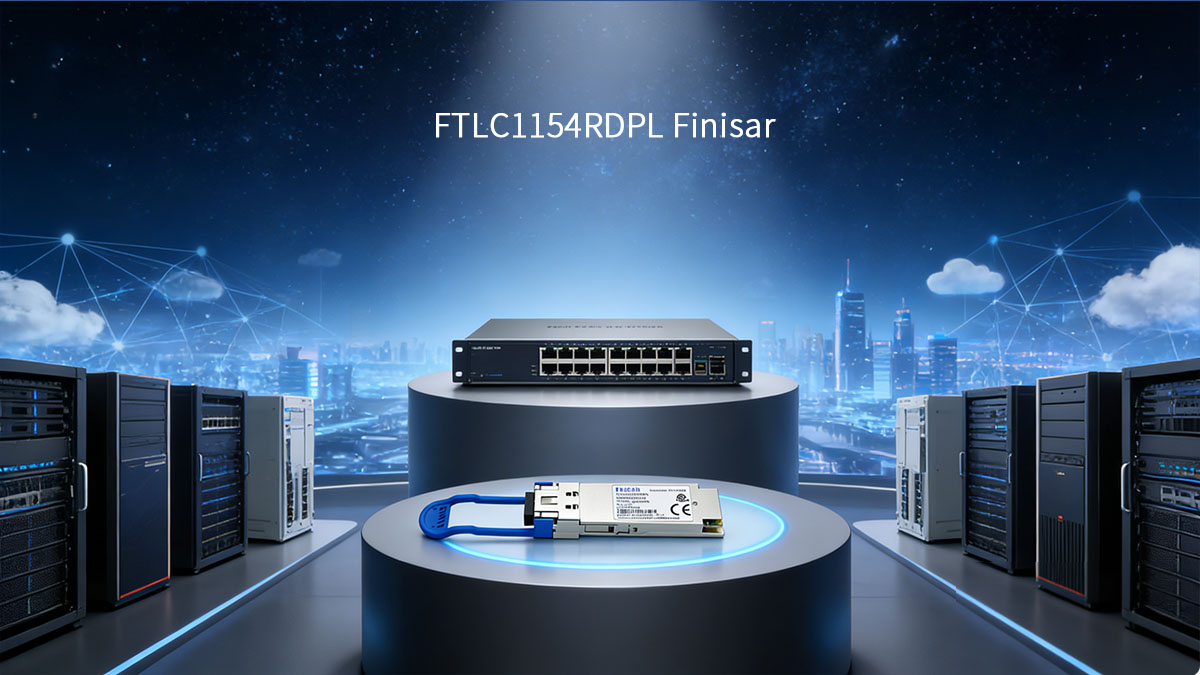
In modern optical networking, transceivers play a crucial role in ensuring seamless communication between devices that carry massive amounts of data. The FTLC1154RDPL, originally developed by Finisar, is a widely used 100G QSFP28 optical transceiver module designed to meet the growing demands of high-speed data transmission. Its balance of performance, reliability, and flexibility makes it a preferred choice in cloud data centers, carrier networks, and enterprise infrastructures.
The importance of FTLC1154RDPL lies in its ability to maintain high bandwidth transmission with low latency, enabling scalable, stable, and efficient network performance. As data traffic continues to expand globally, understanding the specifications and design advantages of modules like the FTLC1154RDPL helps organizations build more robust optical communication systems.
Overview of FTLC1154RDPL Specifications
The FTLC1154RDPL is a 100GBASE-LR4 optical module that typically supports transmission distances of up to 10km over single-mode fiber (SMF). It operates using four LAN-WDM wavelengths, enabling efficient multiplexing of signals within a compact form factor.
Key specifications include:
- Data Rate: 100Gbps (4 × 25Gbps lanes)
- Wavelength: LAN-WDM (around 1295 - 1310nm range)
- Connector Type: Duplex LC
- Transmission Distance: Up to 10km
- Form Factor: QSFP28
- Digital Diagnostics Monitoring (DDM): Supported for real-time performance tracking
In addition, the module complies with industry standards such as IEEE 802.3ba and MSA (Multi-Source Agreement), ensuring interoperability across vendors. This standardization is critical for organizations operating in multi-vendor environments.
Key Features and Performance Capabilities
Finisar FTLC1154RDPL module stands out for its ability to combine high-speed performance with strong environmental stability. Its hot-pluggable design allows easy installation and replacement without disrupting network operations — an essential feature for large data centers.
Important performance advantages include:
- Low Latency Transmission: Ideal for time-sensitive applications like financial trading or real-time analytics.
- Low Power Usage: Reduces operational costs and supports greener data center operations.
- Error-free Transmission: Advanced equalization and DSP technology enable clean signal recovery even over long fiber runs.
Together, these capabilities position FTLC1154RDPL as a dependable 100G SFP transceiver for networks requiring strong performance consistency.
Common Use Cases in Data Centers and Telecom
FTLC1154RDPL is widely used in environments where high-speed, long-distance connectivity is required. In data centers, it is commonly deployed for interconnecting switches, routers, and storage systems across different racks or facilities.
Typical use cases include:
- Data Center Interconnects (DCI): Linking geographically separated data centers.
- Core and Aggregation Networks: Supporting high-capacity backbone traffic.
- Enterprise Networks: Enabling reliable long-distance communication.
- Telecom Infrastructure: Facilitating carrier-grade transmission.
In telecom networks, FTLC1154RDPL supports backbone and metro applications where stability and reach are critical. Its ability to handle large volumes of data makes it suitable for both current and future network expansion.
Why FTLC1154RDPL is Widely Adopted
The widespread adoption of FTLC1154RDPL is driven by its balance of performance, reliability, and standardization. As a QSFP28 LR4 module, it meets the growing demand for high-speed connectivity while remaining compatible with existing infrastructure.
Several factors contribute to its popularity:
- Industry-standard Compliance: Ensures seamless integration across vendors.
- Proven Reliability: Trusted in mission-critical environments.
- Scalability: Supports network growth without major upgrades.
- Flexibility: Suitable for diverse applications and architectures.
Moreover, its availability in both OEM and compatible alternatives allows organizations to choose optical transceiver solutions that fit their budget and operational requirements. This flexibility has made FTLC1154RDPL a preferred choice in both enterprise and data center networks.
🔷 FTLC1154RDPL Compatibility Explained
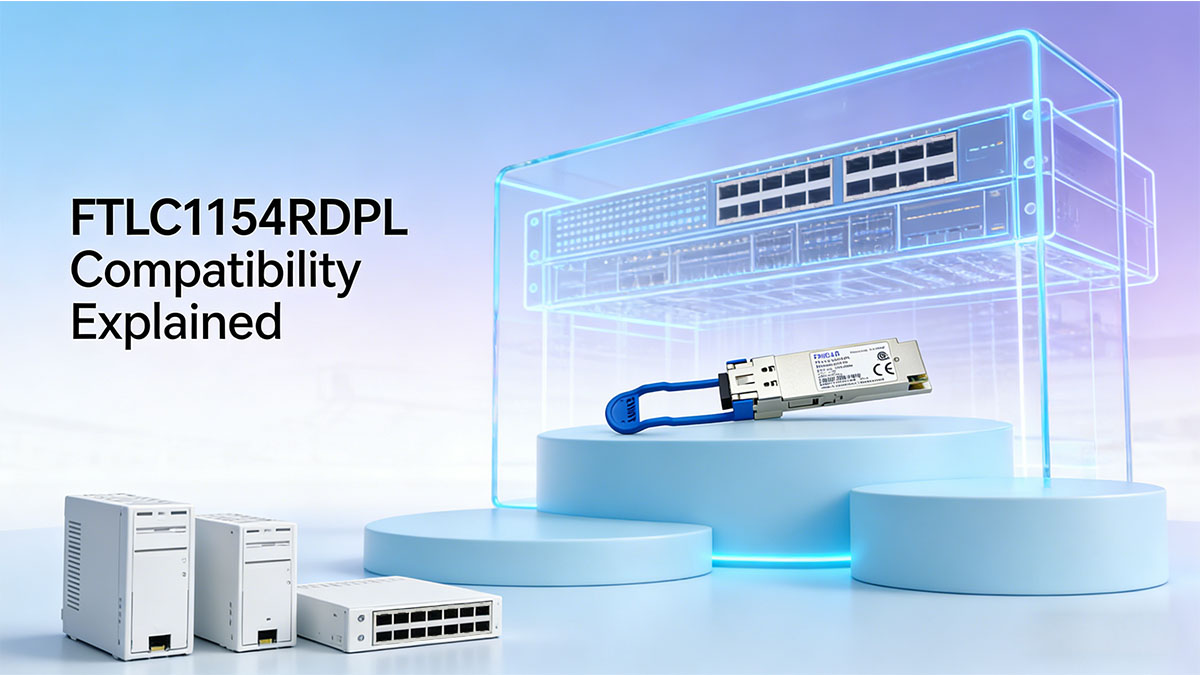
Compatibility is a critical factor when selecting alternatives to the FTLC1154RDPL SFP module. It determines whether a transceiver can seamlessly operate with specific networking equipment without errors or performance degradation. A clear understanding of compatibility helps ensure stable deployment and avoids costly integration issues.
In modern multi-vendor environments, compatibility goes beyond physical fit — it includes firmware recognition, coding, and adherence to industry standards. Knowing how compatible transceivers work allows organizations to confidently choose reliable alternatives.
What “Compatible Transceivers” Really Mean
Compatible transceivers are optical modules designed to function like OEM transceivers while being programmed to work with specific network devices. For FTLC1154RDPL, this means the module mimics the behavior and identification of the original Finisar transceiver.
These modules are typically tested and encoded to match the requirements of major switch and router brands. As a result, they can be inserted into compatible ports and operate without triggering system warnings or restrictions.
In practical terms, compatibility involves:
- EEPROM coding to match vendor requirements.
- Compliance with MSA standards for interoperability.
- Hardware consistency with original specifications.
This ensures that users can deploy FTLC1154RDPL compatible modules with confidence, even in complex network environments.
OEM vs Third-Party Compatibility
OEM transceivers are manufactured and branded by original vendors like Finisar, while third-party compatible modules are produced by independent manufacturers. Both aim to deliver the same functionality, but they differ in cost, flexibility, and sourcing.
While OEM modules are guaranteed to work within their ecosystem, third-party options are often engineered to provide the same compatibility through rigorous testing and vendor-specific coding. This makes them a practical alternative for cost-conscious organizations.
To better understand the differences, the following table highlights key comparison points:
| Feature | OEM FTLC1154RDPL | Compatible Alternatives |
| Brand | Finisar | Third-paty suppliers (e.g., LINK-PP) |
| Price Range | High, reflects brand value and supply chain costs | Typically 40 - 60% lower than OEM modules |
| Performance | Guaranteed by OEM; fully tested for vendor integration | Equivalent performance when built to MSA standards |
| Firmware Coding | Locked to specific vendor hardware | Customized to mimic vendor code for plug-and-play use |
How Compatibility Affects Network Performance
Compatibility directly impacts how well a transceiver integrates with networking equipment. A properly compatible FTLC1154RDPL module ensures stable link establishment, consistent data transmission, and minimal packet loss.
If compatibility is not properly addressed, networks may experience issues such as link failures, error messages, or reduced throughput. These problems can disrupt operations, especially in high-demand environments like data centers.
Key performance aspects influenced by compatibility include:
- Signal integrity and stability
- Error rates and packet loss
- Device recognition and configuration
- Long-term operational reliability
Therefore, choosing a fully compatible fiber optic SFP module is essential to maintaining optimal network performance and avoiding unexpected downtime.
Common Compatibility Concerns
Despite advancements in technology, users still face several concerns when deploying FTLC1154RDPL compatible modules. One common issue is whether the transceiver will be recognized by the host device without triggering compatibility warnings.
Another concern involves firmware updates, which may affect how third-party modules are detected. In some cases, network vendors implement restrictions that require properly coded transceivers to maintain compatibility.
Typical concerns include:
- Vendor lock-in or restrictions
- Firmware mismatches
- Inconsistent quality among suppliers
- Lack of proper testing or certification
To address these concerns, it is important to source modules from reputable third-party suppliers, such as LINK-PP, that provide compatibility guarantees, thorough testing, and ongoing technical support.
🔷 Key Specifications to Match FTLC1154RDPL Alternatives
When selecting a compatible alternative to the Finisar FTLC1154RDPL, matching the core technical specifications is essential to ensure seamless performance and interoperability. Even small deviations in parameters can lead to connectivity issues or degraded network efficiency.
By focusing on key specifications such as data rate, wavelength, power consumption, and monitoring capabilities, organizations can confidently choose alternatives that deliver the same level of reliability as the original module.
Data Rate and Transmission Distance
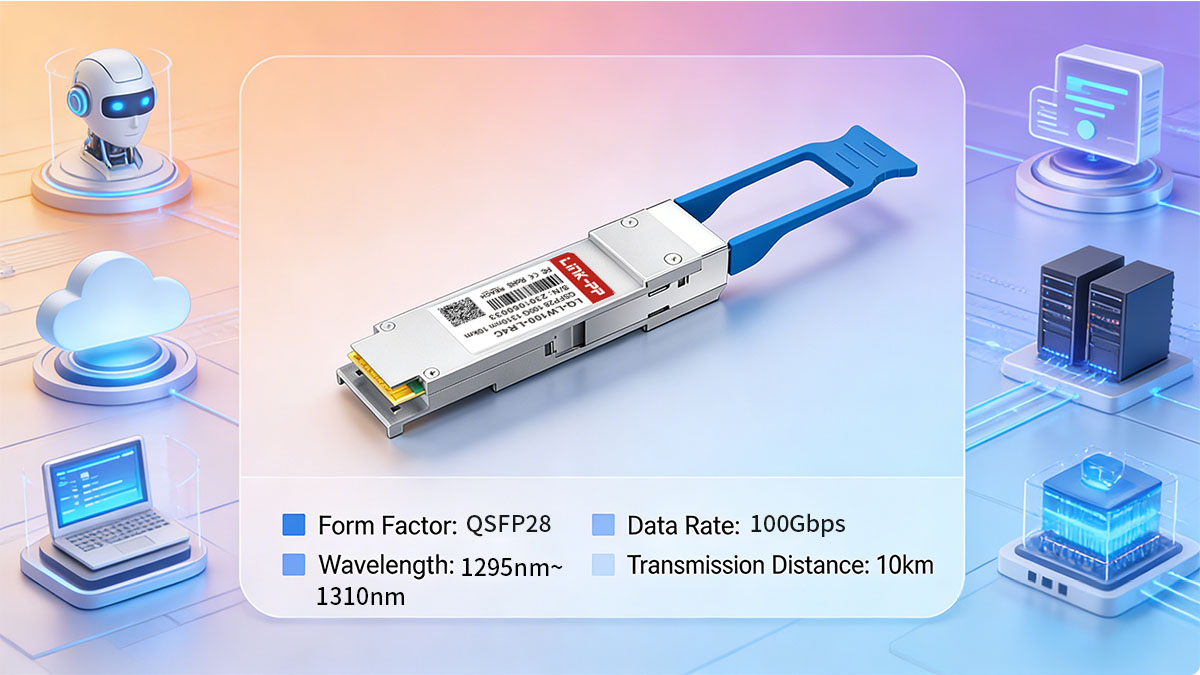
The FTLC1154RDPL is designed to support a 100Gbps data rate, achieved through four 25Gbps lanes. Any compatible alternative must match this configuration to ensure proper communication with switches and routers. A mismatch in data rate can result in link failures or reduced throughput.
Equally important is the transmission distance, which for FTLC1154RDPL 100GBASE-LR4 modules typically reaches up to 10km over single-mode fiber. Choosing a module with shorter or unsupported reach can limit deployment flexibility and affect network design.
To ensure compatibility, always verify:
- Support for 100G Ethernet (100Gbps).
- Compliance with IEEE 802.3ba standards.
- Ability to reach up to 10km on SMF.
Matching both data rate and distance guarantees that the alternative module performs reliably in long-range applications.
Wavelength and Connector Type
FTLC1154RDPL modules operate using LAN-WDM technology, typically within the 1295 - 1310nm wavelength range. This allows multiple optical signals to be transmitted over a single fiber pair, improving efficiency and reducing infrastructure complexity.
A compatible module must use the same wavelength scheme to ensure proper signal transmission and avoid optical mismatches. Using an incorrect wavelength can lead to signal loss or complete link failure.
In addition, the connector type is critical for physical compatibility. FTLC1154RDPL uses a duplex LC connector, which is widely adopted in high-speed optical networks.
When evaluating alternatives, confirm:
- Matching LAN-WDM wavelength range.
- Use of duplex LC interface.
- Compatibility with existing fiber infrastructure.
These factors ensure both optical and physical alignment within the network.
Power Consumption and Temperature Range
Power efficiency is an important consideration in high-density environments such as data centers. FTLC1154RDPL modules are designed with low power consumption, helping reduce heat generation and overall operational costs.
Selecting a compatible module with similar power characteristics ensures that it does not exceed the power budget of the host device. Excessive power consumption can lead to overheating, reduced lifespan, or even device instability.
Temperature range is another key factor, especially for deployments in varying environments. Most FTLC1154RDPL modules support a commercial temperature range (0°C to 70°C), while some alternatives may offer extended industrial ranges.
To maintain stability, ensure:
- Comparable power consumption levels.
- Suitable operating temperature range.
- Adequate thermal performance in high-density setups.
Proper alignment in these areas helps maintain long-term reliability and efficiency.
Digital Diagnostics Monitoring (DDM) Support
Digital Diagnostics Monitoring (DDM), also known as DOM (Digital Optical Monitoring), is a valuable feature in FTLC1154RDPL modules. It provides real-time insights into key operating parameters such as temperature, voltage, bias current, and optical power levels.
A compatible alternative should fully support DDM to enable network administrators to monitor performance and quickly identify potential issues. Without this feature, troubleshooting becomes more difficult and time-consuming.
DDM capabilities allow for:
- Proactive maintenance through real-time monitoring.
- Improved fault detection and diagnostics.
- Enhanced network visibility and control.
By ensuring DDM support, organizations can maintain higher operational efficiency and reduce the risk of unexpected network failures.
🔷 Benefits of Choosing FTLC1154RDPL Compatible Modules
Choosing FTLC1154RDPL compatible modules offers a practical balance between performance and cost efficiency in modern optical networks. As organizations scale their infrastructure, these alternatives provide a flexible way to maintain high-speed connectivity without being locked into expensive OEM solutions.
With proper compatibility and quality assurance, these modules can deliver the same functionality as original transceivers while offering additional operational advantages.
Cost Savings Compared to OEM
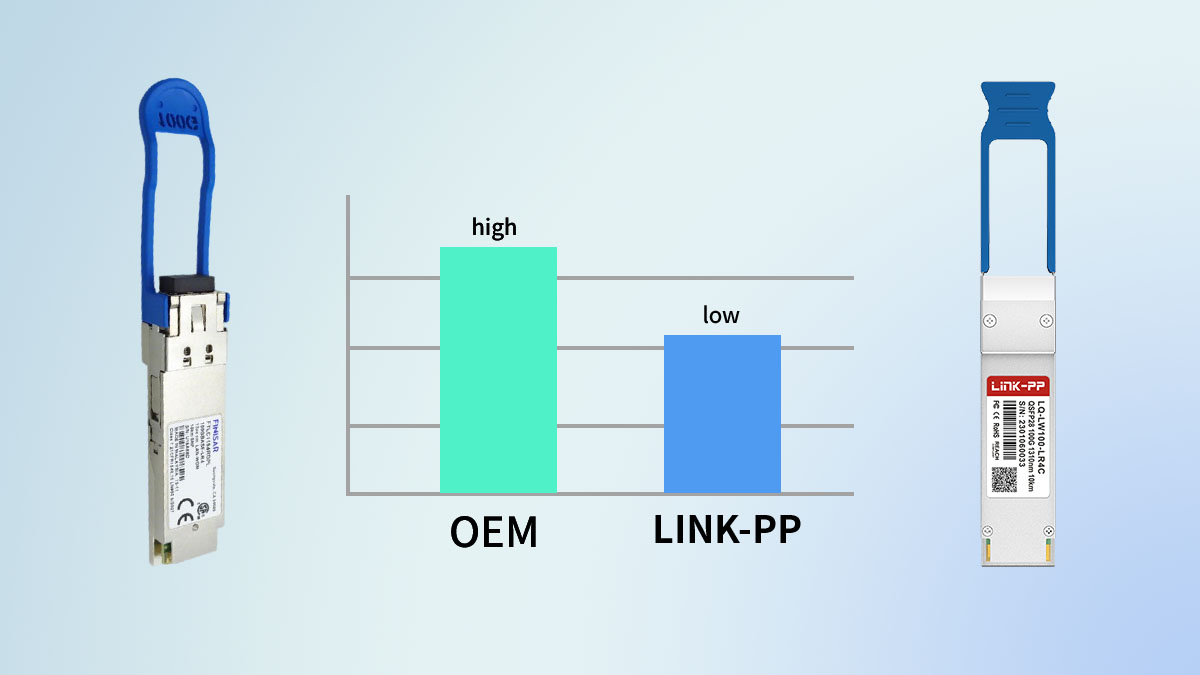
One of the most significant benefits of FTLC1154RDPL-compatible modules is substantial cost reduction compared to OEM-branded transceivers. Third-party alternatives can be 40 - 60% more affordable, allowing companies to reallocate budgets toward critical infrastructure upgrades, redundancy planning, or expansion projects. Despite the lower price, reputable suppliers manufacture these modules to MSA-compliant standards, ensuring they deliver the same throughput, reach, and optical performance as original Finisar modules.
Flexibility Across Multi-Vendor Networks
Modern data centers rarely operate under a single vendor ecosystem. FTLC1154RDPL compatible SFP modules allow network operators to integrate hardware from multiple switch and router vendors without compromising stability. This flexibility reduces vendor lock-in and fosters a more adaptive architecture where capacity can be scaled or reconfigured quickly. As networks evolve, such multi-vendor interoperability enables seamless migration to newer platforms or mixed-environment setups while maintaining full optical link performance.
Comparable Performance and Reliability
High-quality FTLC1154RDPL compatible transceivers, such as LINK-PP LQ-LW100-LR4C 100G QSFP28 LR4, deliver performance and reliability equivalent to OEM modules, meeting the same transmission standards and environmental specifications. Certified third-party optics transceivers undergo extensive compatibility, interoperability, and stress testing to ensure consistent stability under live network conditions. When sourced from trusted suppliers, these modules exhibit negligible differences compared to OEM modules in terms of signal integrity, power consumption, and long-term durability — offering dependable connectivity at a fraction of the cost.
🔷 How to Ensure FTLC1154RDPL Compatibility with Your Equipment
Ensuring FTLC1154RDPL compatibility requires systematic verification across hardware, firmware, and testing protocols to avoid deployment failures. This process guarantees that third-party modules integrate seamlessly with your switches, routers, or servers while maintaining full 100G performance.
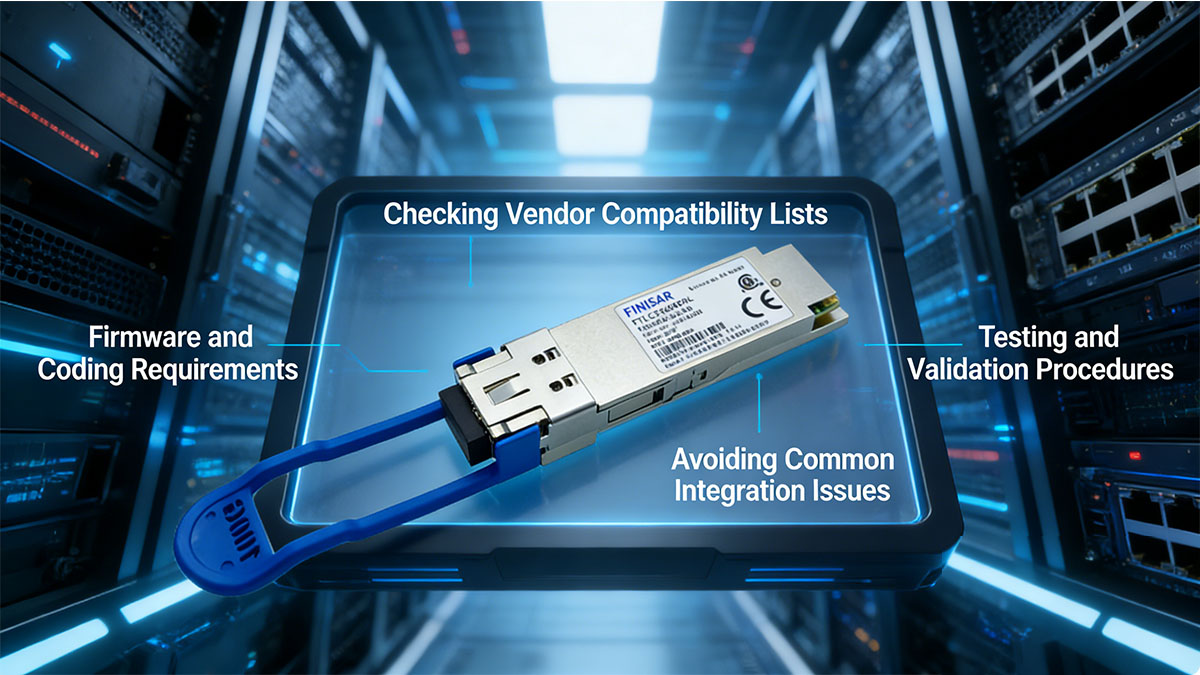
Checking Vendor Compatibility Lists
One of the most reliable ways to confirm compatibility is by reviewing the vendor compatibility list provided by your switch or router manufacturer. These lists outline which transceivers have been tested and approved for specific devices, helping you avoid unsupported modules.
If you are using a third-party FTLC1154RDPL compatible module, it is also important to check the supplier’s compatibility database. Reputable vendors usually provide detailed reference information to ensure their modules work with devices.
Firmware and Coding Requirements
Modern networking equipment often relies on firmware to verify and authenticate inserted transceivers. FTLC1154RDPL compatible modules must be properly encoded (EEPROM programmed) to match the target device’s requirements, otherwise they may be rejected or flagged.
In addition, firmware updates on switches can sometimes change compatibility behavior. It is important to ensure that the module coding aligns with the current firmware version and to work with suppliers who offer re-coding or updates if needed.
Testing and Validation Procedures
Before large-scale deployment, it is best practice to test FTLC1154RDPL compatible modules in a controlled environment. This allows you to verify link stability, performance metrics, and device recognition without impacting production networks.
Validation should include checking link establishment, monitoring error rates, and confirming DDM functionality. Conducting these tests helps identify potential issues early and ensures the modules meet your operational requirements.
Avoiding Common Integration Issues
Many compatibility issues arise from overlooked details during installation or planning. Problems such as mismatched fiber types, incorrect wavelength usage, or unsupported firmware can all lead to connectivity failures.
To avoid these issues, ensure that all components — optical transceivers, fiber cables, and devices — are aligned in terms of specifications. Working with experienced suppliers and following documented deployment procedures can significantly reduce the risk of integration problems.
🔷 Best Practices When Buying FTLC1154RDPL Compatible Modules
Selecting the right FTLC1154RDPL compatible module requires more than just matching specifications — it involves evaluating supplier reliability, product quality, and long-term support. A well-informed buying decision can help ensure stable performance, reduce operational risks, and maximize return on investment.
By following best practices during procurement, organizations can confidently deploy compatible modules that meet both technical and business requirements.
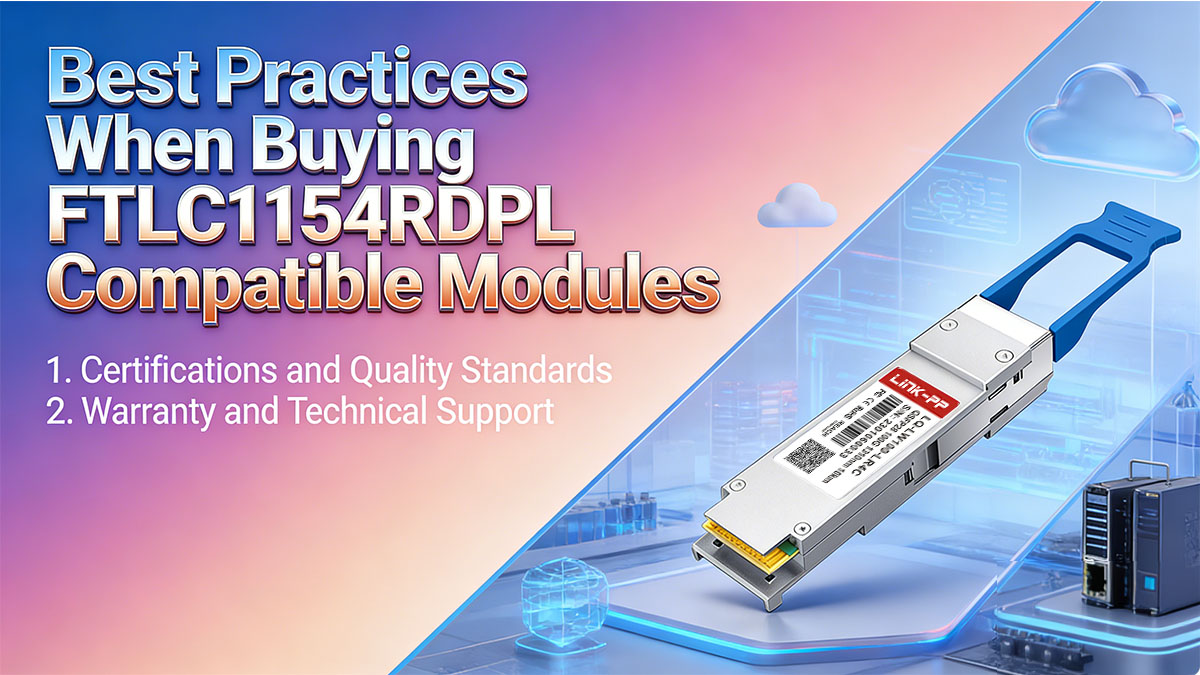
Choosing Reliable Third-Party Suppliers
Selecting a trustworthy third-party supplier is the foundation of a successful deployment. Reliable vendors not only provide properly coded FTLC1154RDPL compatible modules but also conduct extensive interoperability testing with major network brands.
Suppliers like LINK-PP are recognized for offering high-quality, fully tested optical modules with strong compatibility across multi-vendor environments. Working with such vendors ensures consistent product performance, accurate specifications, and access to professional technical guidance when needed.
Certifications and Quality Standards
Certifications and compliance standards are key indicators of product quality and reliability. FTLC1154RDPL compatible modules should meet industry requirements such as IEEE standards, MSA specifications, RoHS, and CE certifications, ensuring they adhere to safety and performance benchmarks.
In addition to certifications, reputable manufacturers implement strict quality control processes, including optical testing, environmental validation, and compatibility verification. These measures help guarantee that the modules perform consistently under real-world operating conditions.
Warranty and Technical Support
A comprehensive warranty and strong technical support are essential when investing in compatible transceivers. A clear warranty policy protects against manufacturing defects and performance issues, reducing potential risks after deployment.
Equally important is access to responsive technical support. Experienced vendors can assist with compatibility checks, troubleshooting, and firmware-related questions, helping minimize downtime and ensuring smooth integration into your network.
Recommended FTLC1154RDPL Compatible Alternative
When evaluating specific products, it is advisable to choose models that closely match the original FTLC1154RDPL specifications while offering proven reliability. A well-matched alternative ensures seamless integration and stable long-term performance.
For example, the LINK-PP LQ-LW100-LR4C 100G QSFP28 LR4 is a reliable FTLC1154RDPL compatible module designed for up to 10km transmission over single-mode fiber. It supports full DDM functionality, complies with industry standards, and is tested for compatibility with major network equipment, making it a strong and cost-effective alternative.
🔷 Common Mistakes to Avoid with FTLC1154RDPL Alternatives
While FTLC1154RDPL compatible modules offer many advantages, improper selection or deployment can lead to performance issues and unexpected costs. Many of these problems stem from overlooked details during purchasing or installation. By understanding and avoiding common mistakes, organizations can ensure smoother integration and maximize the benefits of compatible transceivers.
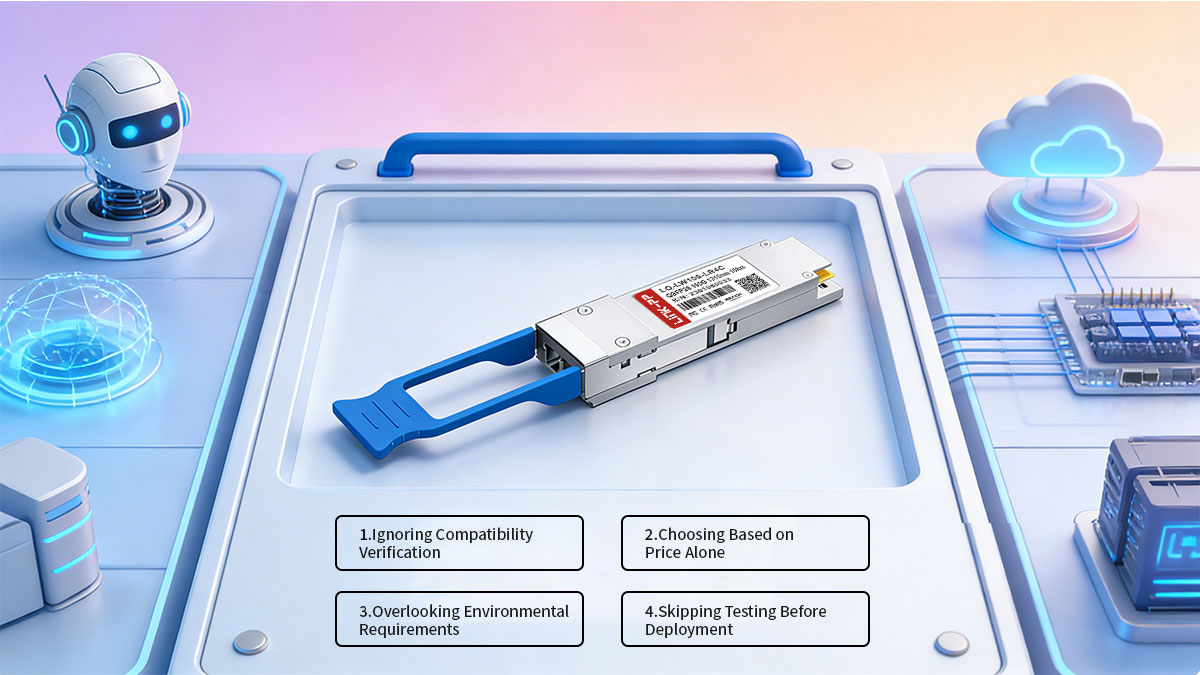
Ignoring Compatibility Verification
One of the most common mistakes is assuming that all compatible modules will work seamlessly with any device. Without proper verification, a module may not be recognized by the system or could trigger compatibility warnings.
To avoid this, always check vendor compatibility lists and confirm that the module is correctly coded for your specific equipment. Taking this extra step helps prevent link failures and ensures stable operation from the start.
Choosing Based on Price Alone
Focusing solely on price can lead to selecting low-quality modules that may not meet performance or reliability standards. While cost savings are important, extremely cheap options often come with risks such as inconsistent quality or lack of proper testing.
A better approach is to balance cost with quality by choosing reputable suppliers that offer proven compatibility, certifications, and support. This ensures long-term value rather than short-term savings.
Overlooking Environmental Requirements
Different deployment environments have varying requirements for temperature, humidity, and airflow. Ignoring these factors can result in overheating, reduced lifespan, or unstable performance of FTLC1154RDPL alternatives.
It is important to ensure that the selected module supports the appropriate operating temperature range and is suitable for your specific environment, whether it is a controlled data center or a more demanding industrial setting.
Skipping Testing Before Deployment
Deploying modules directly into a production network without prior testing can lead to unexpected issues. Even if a module appears compatible, untested deployment increases the risk of downtime and troubleshooting complexity.
Conducting pre-deployment testing allows you to verify link stability, performance metrics, and device recognition. This proactive approach helps identify and resolve potential issues before they impact live operations.
🔷 Conclusion: Pick the Right FTLC1154RDPL Alternative for Reliable Networking
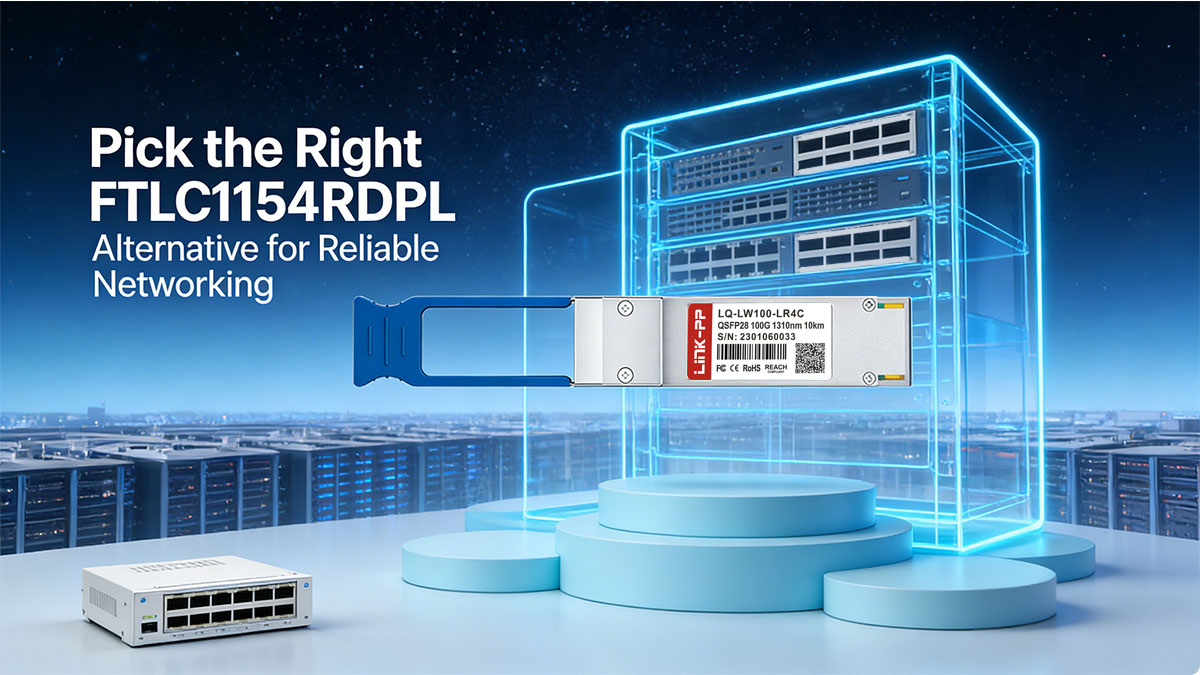
Selecting the right FTLC1154RDPL compatible module comes down to balancing performance, compatibility, and cost. By carefully matching key specifications, verifying vendor compatibility, and choosing reliable suppliers, you can ensure stable, high-speed connectivity without the premium cost of OEM solutions.
Ready to upgrade your optical network with reliable FTLC1154RDPL alternatives? Visit the LINK-PP Official Store today to explore compatible solutions, backed by proven performance and technical support for your networking needs.







