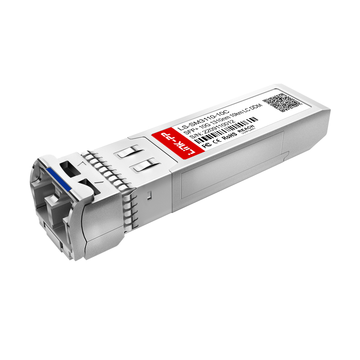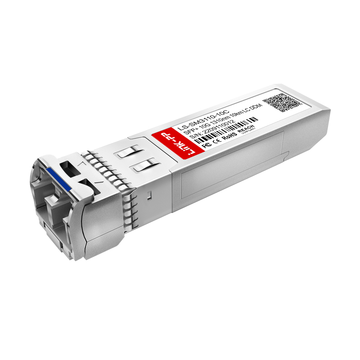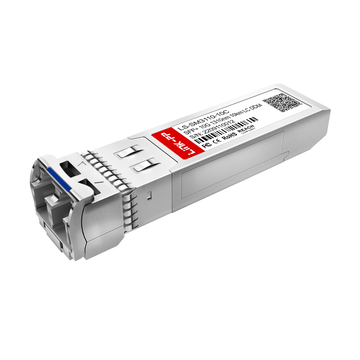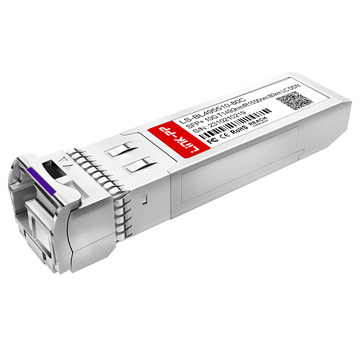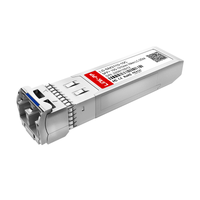


























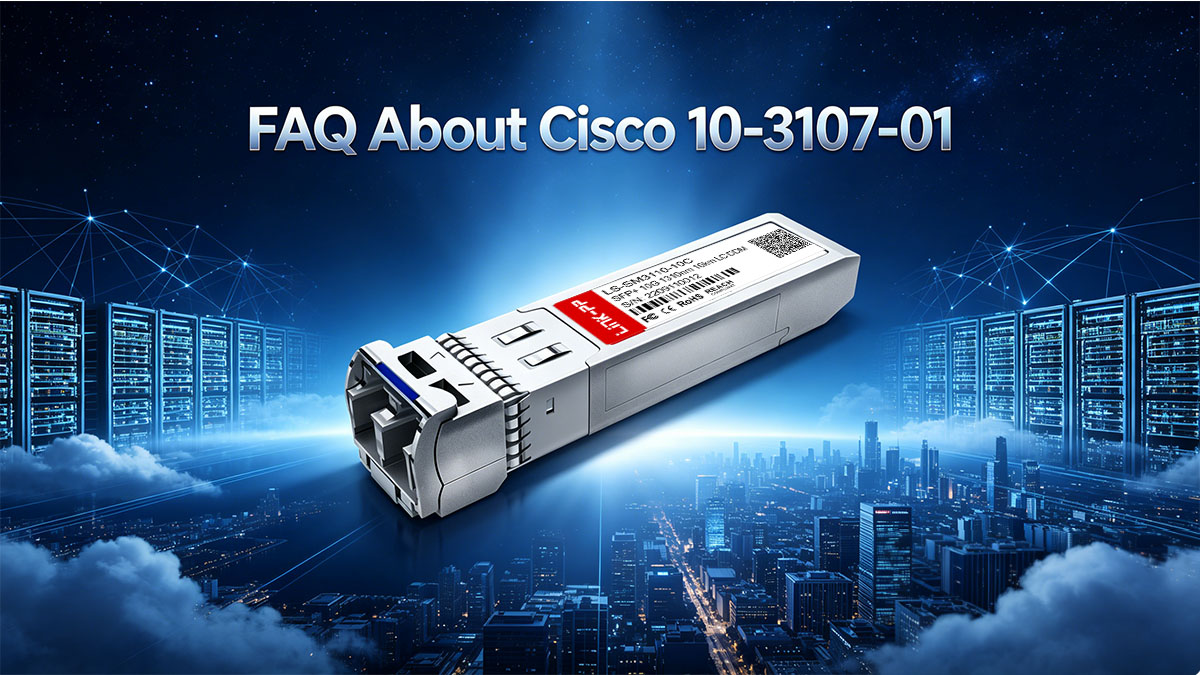
If you are searching for 10-3107-01, you are most likely trying to identify a specific Cisco optical module, confirm its specifications, or determine whether it is the right choice for your network deployment. In most cases, this part number is associated with the widely used Cisco SFP-10G-LR-S, a 10GBASE-LR SFP+ transceiver designed for single-mode fiber (SMF) connections over distances up to 10 km.
In modern enterprise and data center networks, 10G optical links remain a critical backbone for aggregation, inter-switch connectivity, and long-distance transmission. Choosing the correct SFP+ module is not just about matching speed—it also involves verifying fiber type, wavelength (1310 nm), interface (LC duplex), and device compatibility. This is exactly where many users encounter confusion, especially when comparing Cisco original optics vs. compatible alternatives, or trying to understand the difference between similar models like SFP-10G-LR and SFP-10G-LR-S.
This guide is designed to answer those questions clearly and efficiently. By the end of this article, you will understand:
-
What Cisco 10-3107-01 actually is
-
Its key specifications and real-world performance
-
Which devices and fiber environments it works best in
-
The differences between LR and LR-S variants
-
Whether a third-party compatible module is a viable option
-
How to troubleshoot common issues like link failures
Whether you are a network engineer, system integrator, or procurement specialist, this article will help you make a confident, technically sound decision when selecting a 10G LR SFP+ transceiver.
🌟 What Is Cisco 10-3107-01?
Cisco 10-3107-01 is a manufacturer part number most commonly associated with the Cisco SFP-10G-LR-S, a 10GBASE-LR SFP+ optical transceiver designed for 10 Gigabit Ethernet transmission over single-mode fiber (SMF). In practical terms, it is a compact, hot-pluggable module that allows switches, routers, and other network equipment to establish high-speed optical links up to 10 km.
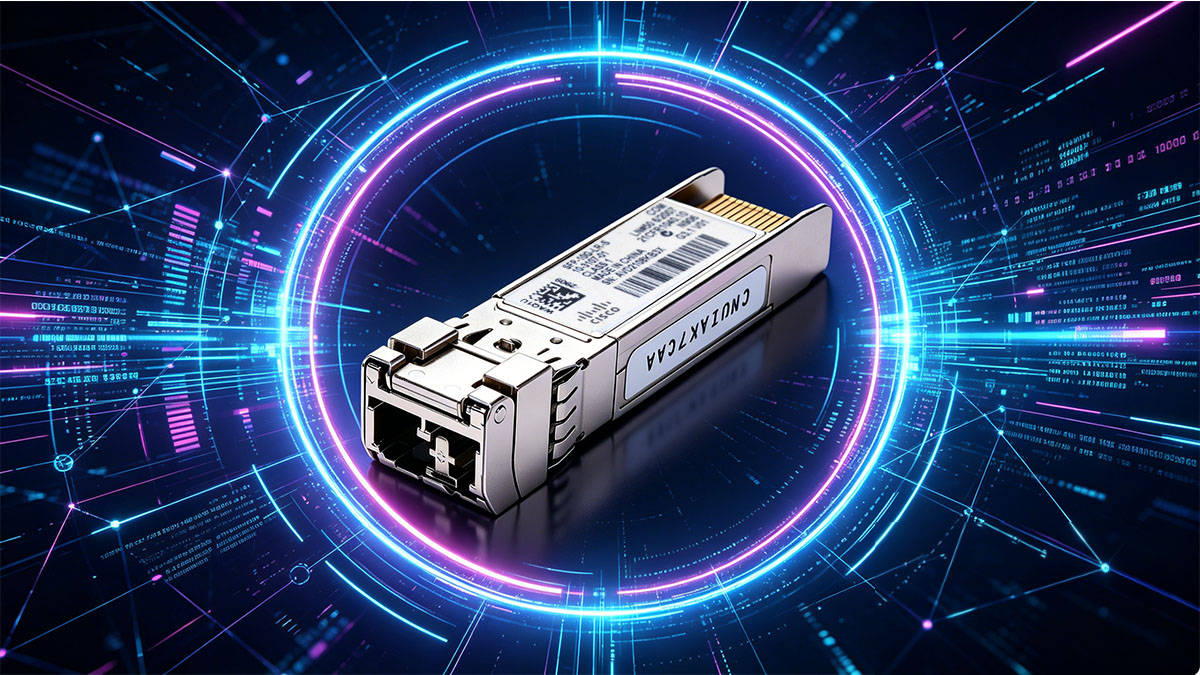
This module belongs to the widely adopted SFP+ (Small Form-factor Pluggable Plus) standard, which is used across enterprise networks, data centers, and telecom infrastructure. Because it follows the 10GBASE-LR standard, it operates at a 1310 nm wavelength and uses a duplex LC interface, both of which are industry norms for long-range 10G connections.
The “LR” (Long Range) designation indicates that the module is specifically optimized for long-distance transmission over single-mode fiber, rather than short-range multimode applications. The “-S” variant (SFP-10G-LR-S) is typically positioned as a more streamlined, cost-focused version of the standard LR module, making it a common choice for Ethernet-only deployments where advanced features such as FCoE are not required.
From a search intent perspective, users looking up “10-3107-01 Cisco” are usually trying to answer one core question: “What exactly is this part, and is it the right optic for my network?” More specifically, they are often trying to:
-
Confirm that 10-3107-01 corresponds to SFP-10G-LR-S
-
Verify it supports 10 km transmission over SMF
-
Check whether it is compatible with their Cisco switch or router
-
Understand if there are equivalent or compatible alternatives available
Another important point is that 10-3107-01 is not a marketing model name, but rather a Cisco internal or manufacturing part number. This is why it often appears in supply chain listings, reseller catalogs, or procurement systems, while technical documentation and product labels more commonly reference SFP-10G-LR-S.
In summary, the Cisco 10-3107-01 represents a standard, widely deployed 10G LR SFP+ optical module used for reliable long-distance Ethernet connectivity. Understanding its relationship to SFP-10G-LR-S is essential for accurate identification, compatibility verification, and making the right purchasing decision.
🌟 Cisco 10-3107-01 Key Specs and Real-World Performance
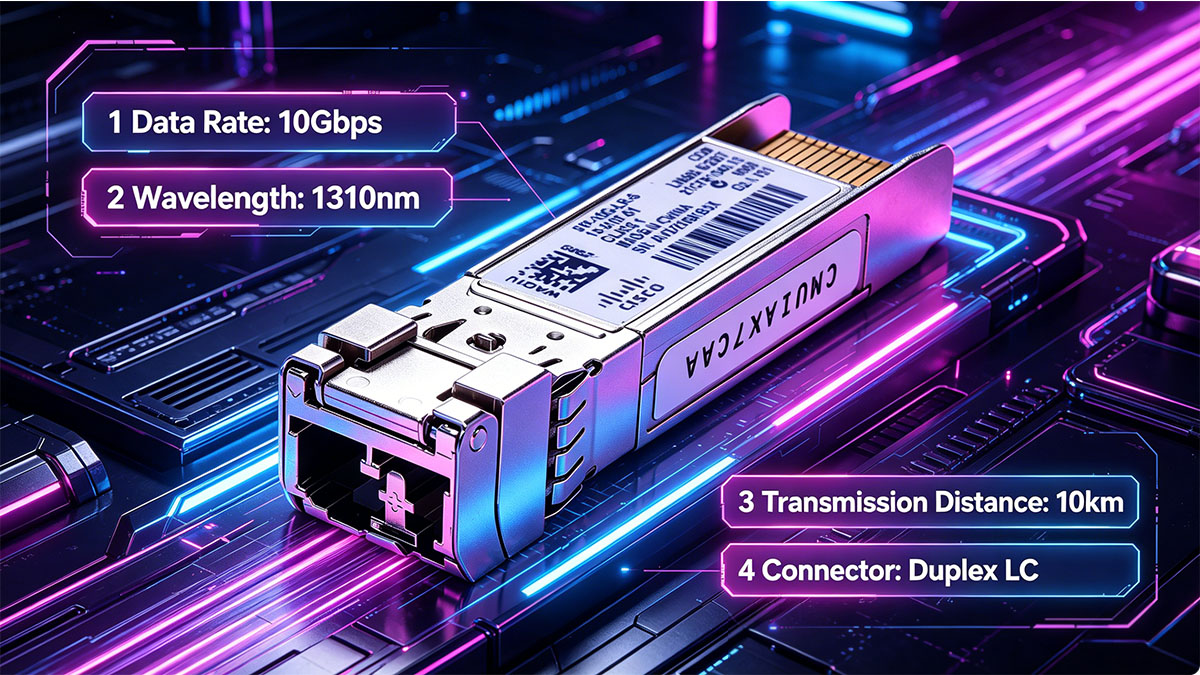
Before choosing any optical module, users typically want a clear view of its technical specifications and how it performs in real deployment scenarios. The Cisco 10-3107-01 (SFP-10G-LR-S) is designed to meet standard 10G long-range transmission requirements, making it a reliable option for most single-mode fiber networks.
Core Specifications
The table below summarizes the key technical parameters that define its performance:
|
Parameter |
Specification |
|---|---|
|
Data Rate |
10 Gbps |
|
Standard |
10GBASE-LR |
|
Wavelength |
1310 nm |
|
Fiber Type |
Single-Mode Fiber (SMF) |
|
Connector |
LC Duplex |
|
Max Distance |
10 km (10,000 meters) |
|
Form Factor |
SFP+ (Hot-pluggable) |
|
Application |
10 Gigabit Ethernet |
These specifications align with typical IEEE 10GBASE-LR requirements, ensuring compatibility with most standard 10G optical infrastructures.
Real-World Performance
In practical deployments, the 10-3107-01 performs consistently in environments where stable, medium-to-long-distance connections are required. It is commonly used for:
-
Switch-to-switch uplinks within buildings or campuses
-
Data center interconnections over single-mode fiber
-
Enterprise backbone links requiring stable 10G transmission
Because it uses 1310 nm over SMF, signal attenuation is low compared to multimode solutions, allowing reliable performance close to the 10 km limit when proper fiber and connectors are used.
Best Use Cases
Understanding where the 10-3107-01 fits in real deployments helps determine whether it is the right choice for your network. As a 10GBASE-LR SFP+ module, it is primarily used in scenarios that require stable, long-distance 10G connectivity over single-mode fiber.
Below are the most common use cases:
1. Enterprise Network Uplinks
The 10-3107-01 is widely used for uplink connections between access switches and core or aggregation layers. It provides reliable 10G bandwidth over longer distances within campus networks, making it ideal for:
-
Building-to-building connections
-
Floor-to-core switch uplinks
-
Campus backbone expansion
2. Data Center Interconnects (DCI)
In data center environments, this module is often deployed for:
-
Switch-to-switch connections within the same facility
-
Inter-rack or inter-row connectivity using SMF
-
Medium-distance links between data halls
Its 10 km capability makes it suitable for both intra-data center and short-range inter-data center links.
3. ISP and Telecom Infrastructure
Service providers use LR optics like 10-3107-01 for:
-
Aggregation layer connectivity
-
Fiber-based distribution networks
The combination of long reach and stable signal performance makes it a practical choice for carrier-grade Ethernet deployments.
4. Enterprise Backbone Networks
For organizations with distributed offices or large campuses, this module supports:
-
Backbone links between network segments
-
Long-distance connections across facilities
-
High-speed data transfer between departments or buildings
5. Lab, Testing, and Staging Environments
Due to its standard 10G LR specifications, the 10-3107-01 is also commonly used in:
-
Network testing labs
-
Pre-deployment validation setups
-
Training and simulation environments
In these scenarios, compatible versions are often used to reduce costs while maintaining realistic performance.
Key Takeaway
The 10-3107-01 is best suited for environments that require reliable 10G transmission over single-mode fiber, especially where distance exceeds the limits of short-range optics. Its flexibility across enterprise, data center, and service provider use cases makes it one of the most commonly deployed 10G LR optics.
🌟 Compatibility: Which Cisco Devices and Fiber Types Work Best?
After confirming the specifications, the next critical question is whether the Cisco 10-3107-01 will actually work in your environment. Compatibility depends on two main factors: device support (SFP+ ports) and the correct fiber type.
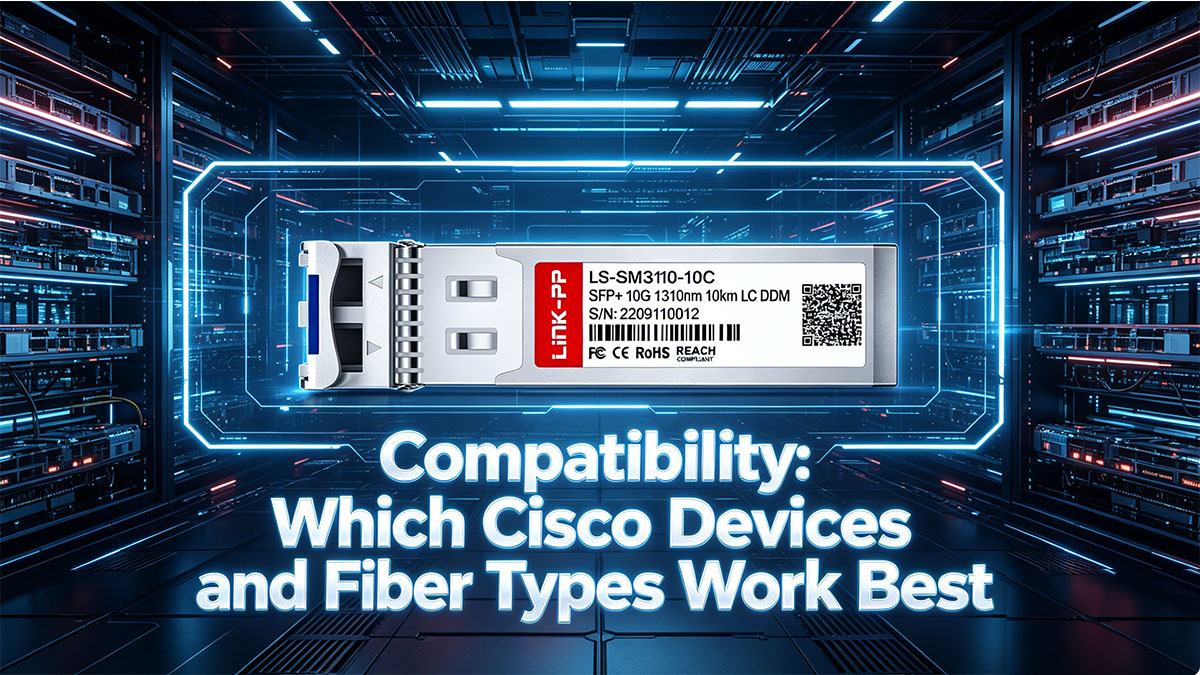
Cisco Device Compatibility
The 10-3107-01 (SFP-10G-LR-S) is designed for Cisco devices that support SFP+ modules. It is commonly used in:
-
Cisco enterprise switches (e.g., Catalyst series with SFP+ uplinks)
-
Data center switches (e.g., Nexus series)
-
Routers with SFP+ interfaces
In most cases, if your device supports 10GBASE-LR SFP+ optical modules, this optic will function correctly. However, Cisco devices often enforce compatibility checks, meaning:
-
Original Cisco modules are always supported
-
Third-party optical transceiver modules may require proper coding/EEPROM compatibility
-
Some devices may log warnings or restrict unsupported optics
For production environments, it is important to verify your device’s compatibility list or test modules in advance.
Fiber Type: SMF vs. MMF
Choosing the correct fiber type is just as important as device compatibility.
The Cisco 10-3107-01 is specifically designed for:
-
Single-Mode Fiber (SMF) → Supports distances up to 10 km
It is not designed for Multimode Fiber (MMF). Using it with MMF can result in:
-
Unstable links
-
High signal loss
-
Or complete link failure
If your network uses MMF (OM3/OM4), you should instead consider SR (Short Range) transceiver modules.
Connector and Cabling Considerations
This module uses a duplex LC connector, which is the standard for most 10G optical links. To ensure proper operation:
-
Use high-quality SMF patch cables (OS2 recommended)
-
Verify correct fiber polarity (Tx to Rx)
-
Ensure connectors are clean to avoid signal loss
Deployment Fit Summary
The Cisco 10-3107-01 is the right choice if your environment includes:
-
Devices with SFP+ ports supporting 10GBASE-LR
-
Single-mode fiber infrastructure
-
Link distances up to 10 km
If any of these conditions are not met—especially fiber type—this module may not perform as expected. Understanding these compatibility factors helps prevent common deployment issues and ensures a stable 10G connection.
🌟 SFP-10G-LR-S vs. SFP-10G-LR: What Is the Difference?
One of the most common questions behind the 10-3107-01 search is whether the SFP-10G-LR-S is different from the standard SFP-10G-LR—and if that difference actually matters in real deployments.
The short answer: for most Ethernet use cases, they perform almost the same. However, there are a few important distinctions that can affect specific environments.
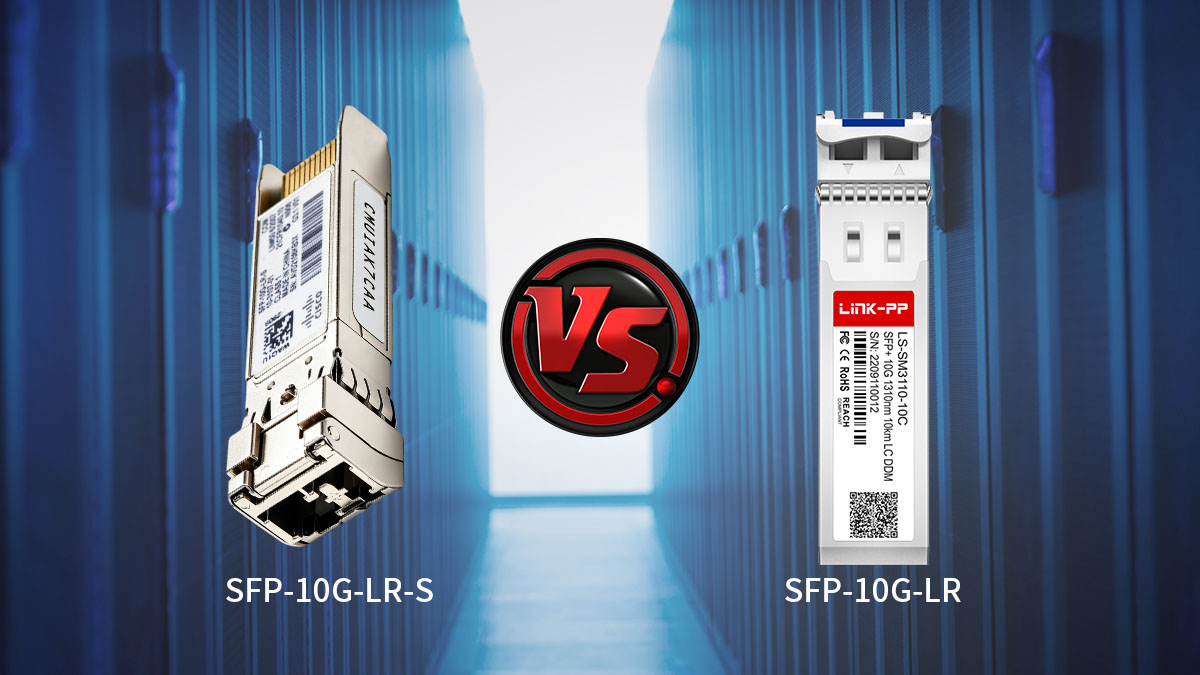
Key Differences at a Glance
|
Feature |
SFP-10G-LR-S |
SFP-10G-LR |
|---|---|---|
|
Typical Part Mapping |
10-3107-01 |
Varies |
|
Data Rate |
10 Gbps |
10 Gbps |
|
Standard |
10GBASE-LR |
10GBASE-LR |
|
Wavelength |
1310 nm |
1310 nm |
|
Fiber Type |
SMF |
SMF |
|
Max Distance |
10 km |
10 km |
|
Connector |
LC Duplex |
LC Duplex |
|
FCoE Support |
Not supported |
Supported |
|
Positioning |
Cost-optimized option |
Full-featured standard LR |
What Does “-S” Actually Mean?
The “-S” in SFP-10G-LR-S typically indicates a simplified or cost-optimized version of the standard LR module. The most important difference is:
-
No FCoE (Fibre Channel over Ethernet) support
For users running standard Ethernet traffic, this limitation usually has no impact on performance or functionality.
Real-World Impact
In most real-world deployments, both modules will:
-
Deliver identical 10G link performance
-
Support the same 10 km SMF distance
-
Use the same cabling and connectors
The difference only becomes relevant if your network requires:
-
FCoE environments
-
Advanced data center storage networking features
If not, the SFP-10G-LR-S (10-3107-01) is often chosen as a more cost-effective alternative without sacrificing core functionality.
Which One Should You Choose?
-
Choose SFP-10G-LR-S if you need standard 10G Ethernet over SMF and want a practical, lower-cost option
-
Choose SFP-10G-LR if your environment requires FCoE or advanced features
For most enterprise and general networking scenarios, the performance difference is negligible, making the 10-3107-01 a highly practical choice.
🌟 10-3107-01 Price, Alternatives, and Buying Decisions
For most buyers, the real question behind 10-3107-01 is not just technical—it’s financial. Should you choose a Cisco-branded optic, a third-party compatible, or a refurbished option? This decision directly affects both cost and long-term network reliability.
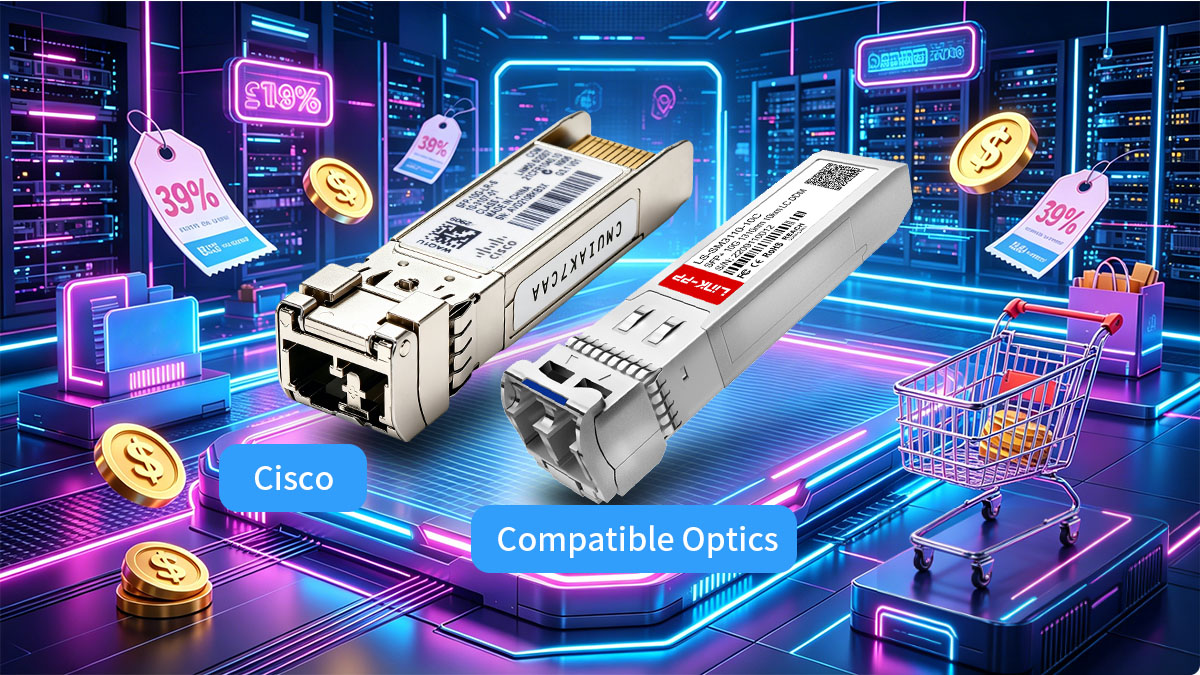
Price Overview: Cisco vs. Compatible Optics
In the current market, 10GBASE-LR SFP+ modules vary significantly in price:
-
Cisco OEM optics: typically higher-priced
-
Third-party compatible modules: often 50–80% lower cost
-
Refurbished Cisco optics: mid-range pricing
This price gap is usually not due to performance differences, but rather branding and support.
=Why Cisco Optics Cost More
Cisco modules like 10-3107-01 are priced higher because of:
-
Vendor certification and ecosystem integration
-
Guaranteed compatibility
-
Access to official support services
In most cases, you are paying for support and assurance, not better transmission performance.
Third-Party Alternatives: What to Expect
Compatible SFP+ modules are now widely used across enterprise networks. High-quality options typically:
-
Follow industry standards
-
Are tested for Cisco compatibility
-
Provide similar performance in real deployments
The key factor is choosing a reliable supplier with proper compatibility coding.
Real User Insights
User discussions consistently highlight a practical trend:
-
Third-party optics are widely used to reduce costs
-
Many users report stable performance over long periods
-
Some teams keep a small number of OEM modules for testing
This reflects a shift toward cost-efficient deployment strategies in real networks.
Cost vs. Support Trade-Off
|
Factor |
Cisco OEM |
Compatible Modules |
|---|---|---|
|
Price |
High |
Lower |
|
Performance |
Similar |
Similar |
|
Compatibility |
Guaranteed |
Depends on vendor |
|
Support |
Full support |
Limited/vendor |
Buying Decision: Which Should You Choose?
Choose Cisco 10-3107-01 if:
-
Your organization requires strict OEM compliance
-
You rely on full Cisco TAC support
-
You operate in a single-vendor environment
Choose compatible alternatives if:
-
You want to reduce cost per port significantly
-
You are deploying at scale (data center / enterprise)
-
You can verify compatibility before deployment
Key Takeaway
For most users, the decision comes down to balancing cost vs. support. The 10-3107-01 delivers standard 10G LR performance either way—the difference lies in how much you are willing to pay for vendor backing.
🌟 Common Problems: Why a 10G LR Module Does Not Link Up
Even when the specifications look correct, users often encounter a frustrating issue: the 10G LR link does not come up. In most cases, this is not a hardware failure but a configuration or compatibility problem. Below is a practical checklist to quickly identify and resolve the issue.
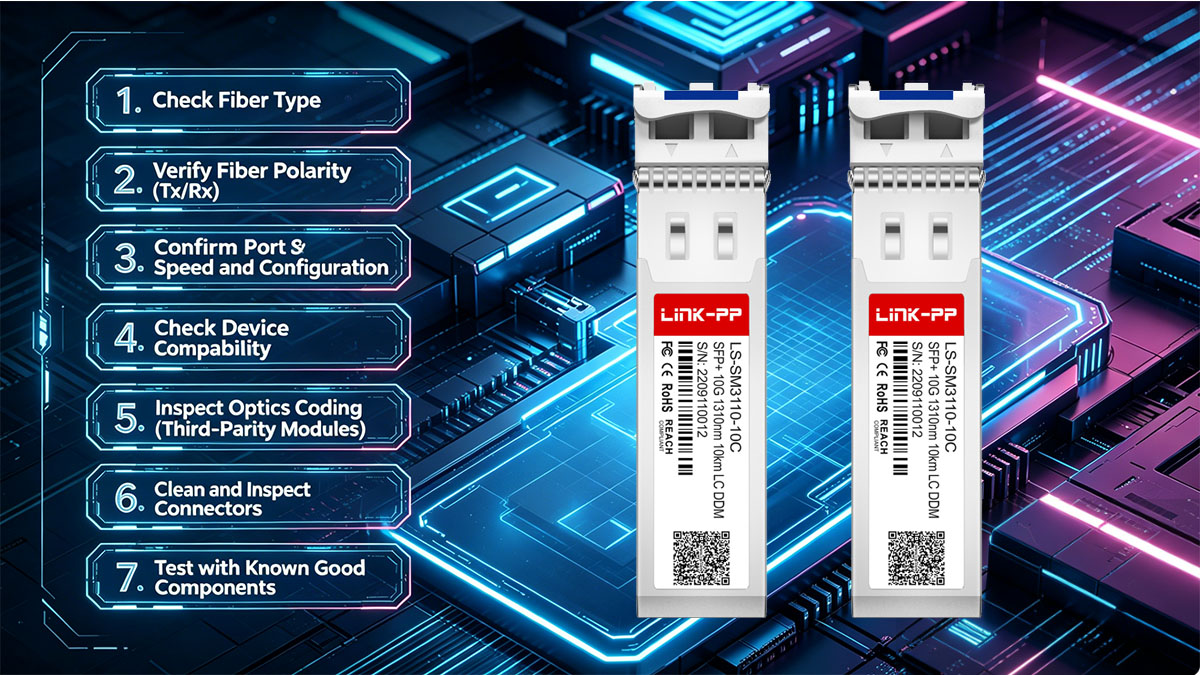
Step-by-Step Troubleshooting Checklist
1. Check Fiber Type (SMF vs MMF)
The 10-3107-01 is designed for single-mode fiber (SMF) only.
-
Ensure you are using OS2 SMF, not multimode (OM3/OM4)
-
Using the wrong fiber type can result in no link or unstable signal
2. Verify Fiber Polarity (Tx/Rx)
Incorrect polarity is one of the most common causes of link failure.
-
Make sure Tx (transmit) connects to Rx (receive) on the other side
-
If unsure, try swapping the two LC connectors
3. Confirm Port Speed and Configuration
A mismatch in port settings can prevent link establishment.
-
Ensure both ports are set to 10G speed
-
Avoid mixing 1G SFP modules with 10G SFP+ ports
-
Check for auto-negotiation or manual configuration conflicts
4. Check Device Compatibility
Not all devices accept all optics, even if they are physically compatible.
-
Verify your device supports 10GBASE-LR SFP+ modules
-
Some Cisco devices may restrict unsupported optics
-
Look for system log warnings related to transceivers
5. Inspect Optics Coding (Third-Party Modules)
If you are using compatible optics, coding matters.
-
Ensure the module is properly coded for Cisco
-
Incorrect EEPROM coding can cause the port to disable or reject the module
6. Clean and Inspect Connectors
Physical issues are often overlooked.
-
Clean LC connectors to remove dust or contamination
-
Inspect fiber ends for damage or bending
7. Test with Known Good Components
To isolate the issue:
-
Swap with a known working SFP+ module
-
Test with a different fiber patch cable
-
Try a different port on the device
Quick Diagnosis Summary
If your 10G LR link is down, the problem is most likely one of the following:
-
Wrong fiber type (not SMF)
-
Incorrect polarity (Tx/Rx reversed)
-
Port not running at 10G speed
-
Compatibility or coding issue with the module
Key Takeaway
Most link issues with 10-3107-01 are caused by simple mismatches rather than defective hardware. Following this checklist can quickly identify the root cause and restore a stable 10G connection without unnecessary replacement costs.
🌟 FAQ About Cisco 10-3107-01
Q1. Is 10-3107-01 the same as SFP-10G-LR-S?
Yes. 10-3107-01 is widely recognized as the part number associated with Cisco SFP-10G-LR-S, a 10GBASE-LR SFP+ optical transceiver. While naming formats may vary across suppliers, they typically refer to the same type of module.
Q2. What fiber type should be used with 10-3107-01?
This module is designed for single-mode fiber (SMF), usually OS2 fiber. It is not intended for multimode fiber, as that can lead to signal issues or link failure.
Q3. What is the maximum transmission distance?
Under standard conditions, the module supports up to 10 km transmission over single-mode fiber. Actual distance may vary slightly depending on fiber quality and environmental conditions.
Q4. What wavelength does 10-3107-01 operate at?
It operates at a 1310 nm wavelength, which is standard for 10GBASE-LR optics and optimized for long-distance transmission over SMF.
Q5. Does 10-3107-01 support FCoE?
No. The SFP-10G-LR-S version does not support FCoE. It is intended for standard Ethernet networking rather than storage networking environments.
Q6. Is it compatible with all Cisco switches?
It is compatible with most Cisco devices that support 10G SFP+ LR modules, but not necessarily all models. Compatibility may depend on firmware and platform restrictions, so verification is recommended before deployment.
Q7. Can I use 10-3107-01 in non-Cisco devices?
In many cases, yes. However, compatibility depends on whether the module is coded for the target device. Some systems require vendor-specific coding to function properly.
Q8. Is there a performance difference between OEM and compatible modules?
In most real-world scenarios, there is no significant performance difference if the compatible module meets the same specifications. The main difference lies in support, pricing, and vendor assurance, rather than transmission capability.
🌟 How to Choose the Right 10G LR Optic for Your Network
After understanding specifications, compatibility, and pricing, the final step is choosing the right type of optic for your specific scenario. The 10-3107-01 can be deployed in different ways depending on your priorities—whether that’s performance stability, budget control, or vendor support.
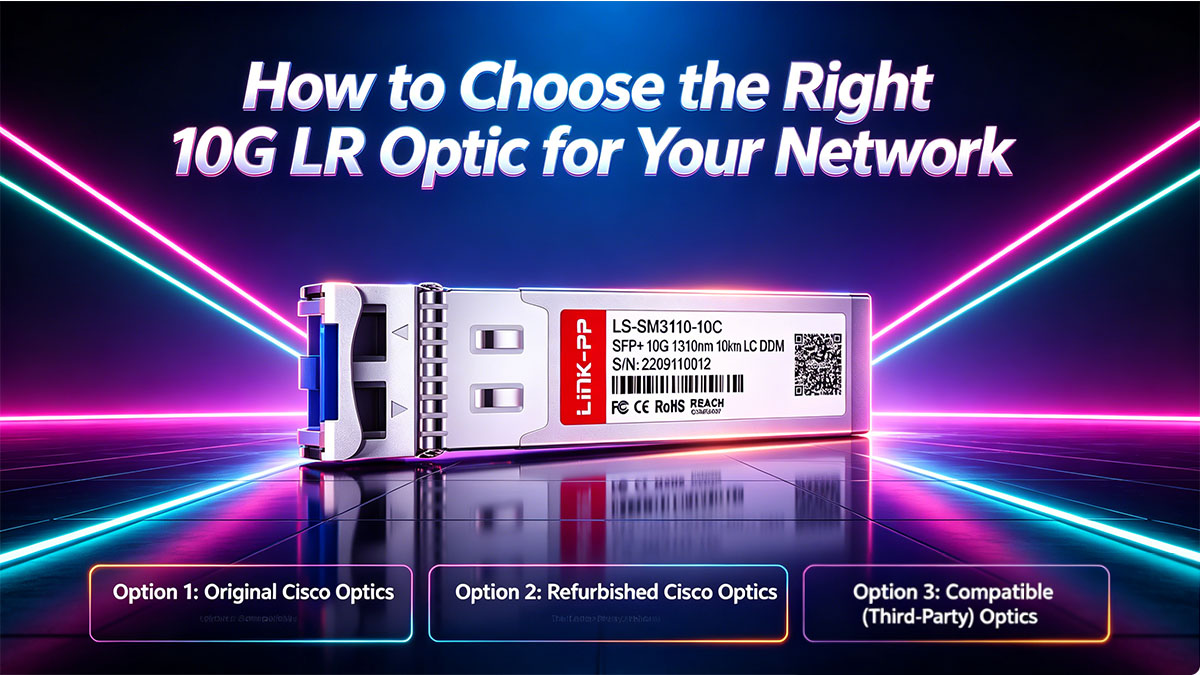
Option 1: Original Cisco Optics
Choose Cisco 10-3107-01 (OEM) if your environment requires:
-
Strict vendor compliance
-
Full Cisco TAC support
-
Zero tolerance for compatibility risks
This option is ideal for enterprise production networks, especially in finance, telecom, or mission-critical infrastructure where support and certification matter more than cost.
Option 2: Refurbished Cisco Optics
Refurbished modules offer a middle-ground solution:
-
Lower cost than new OEM
-
Original Cisco hardware
-
Suitable for stable but budget-aware environments
This option works well for network expansion or replacing failed modules without paying full OEM pricing.
Option 3: Compatible (Third-Party) Optics
Compatible modules are the most cost-efficient choice when sourced properly.
They are best suited for:
-
Large-scale deployments (data centers, ISPs)
-
Cost-sensitive projects
-
Multi-vendor network environments
As long as the module is properly coded and tested, performance is typically equivalent to OEM in standard Ethernet use.
Decision Guide (Quick Selection)
|
Scenario |
Recommended Option |
|---|---|
|
Mission-critical enterprise |
OEM Cisco |
|
Balanced cost + reliability |
Refurbished Cisco |
|
Large-scale / cost optimization |
Compatible modules |
|
Lab / testing environment |
Compatible modules |
When to Prioritize Support Over Price
You should prioritize OEM optics when:
-
You rely heavily on vendor support contracts
-
Downtime has high financial impact
-
Your organization enforces strict hardware policies
Otherwise, compatible optics often provide a better cost-performance balance.
Final Recommendation
For most modern networks, the best approach is not choosing one option exclusively, but combining them:
-
Use OEM modules for critical links
-
Deploy compatible optics for scale and cost efficiency
-
Keep a few tested modules as spares for troubleshooting
Where to Find Reliable Compatible Optics
If you are looking for reliable, fully compatible 10G LR SFP+ modules, consider sourcing from trusted suppliers with proven testing and coding standards.
👉 Explore the LINK-PP Official Store for high-quality compatible optics designed to match Cisco performance, helping you reduce costs without compromising network stability.