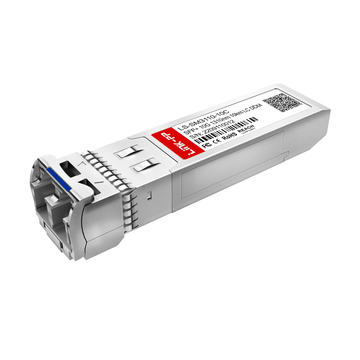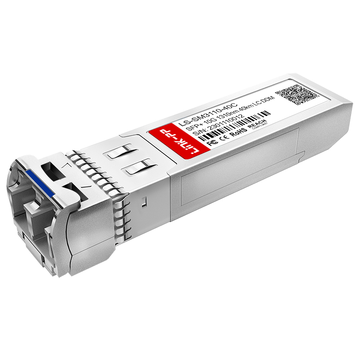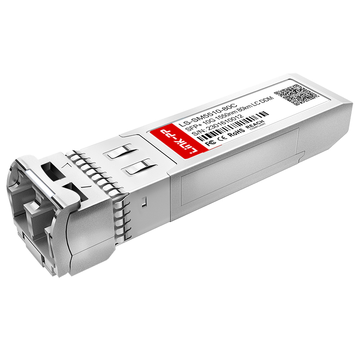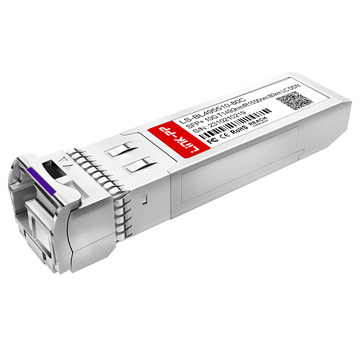
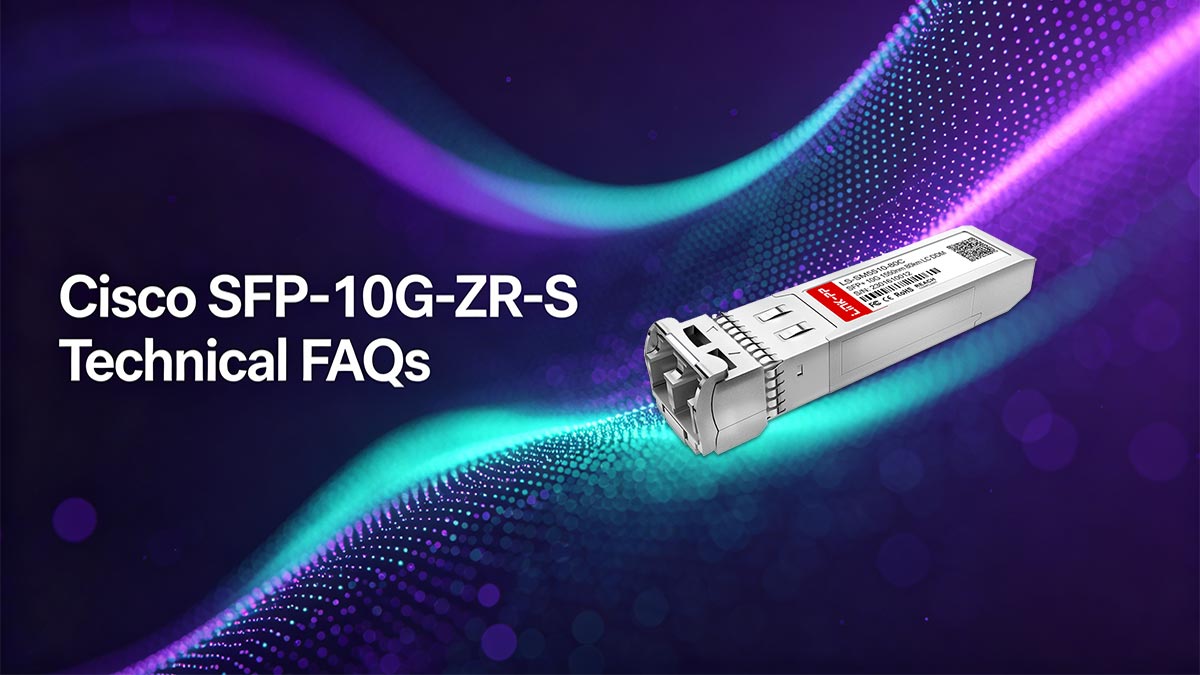
The Cisco SFP-10G-ZR-S is an enterprise-grade "S-Class" 10GBASE-ZR optical transceiver designed to transmit 10-Gigabit Ethernet over Single-Mode Fiber (SMF) for distances up to 80 kilometers. Operating at a 1550nm wavelength, it demands a strict 24 dB optical power budget and careful Optical Signal-to-Noise Ratio (OSNR) management. Unlike the standard SFP-10G-ZR, the S-Class strictly supports Ethernet protocols (no FCoE/OTN) and operates within standard commercial temperature ranges (0°C to 70°C).
Deploying long-haul 10G optical links across metropolitan or regional networks introduces complex physical layer challenges. While standard short-reach optics (like SR or LR) are largely "plug-and-play," pushing 10 Gbps traffic across 80 kilometers of glass requires rigorous mathematical planning. Network engineers must meticulously account for fiber attenuation, splice losses, and chromatic dispersion to prevent high Bit Error Rates (BER), link flapping, or total interface failure.
When utilizing the Cisco SFP-10G-ZR-S, link stability is dictated by two critical metrics:
- Optical Power Budget: The calculated difference between the minimum transmit (Tx) power and the maximum receiver (Rx) sensitivity. For the SFP-10G-ZR-S, this budget is strictly capped at 24 dB.
- OSNR (Optical Signal-to-Noise Ratio): The ratio of the optical signal power to the amplified spontaneous emission (ASE) noise power, acting as the ultimate indicator of signal quality over long distances.
Furthermore, standard operational hazards apply to these high-powered transceivers. Because 10GBASE-ZR optics utilize exceptionally strong lasers to achieve the 80km reach, deploying them on links shorter than 25km without inline optical attenuators will permanently overload and blind the receiving photodiode.
Drawing upon IEEE 802.3ae standards, MSA (Multi-Source Agreement) specifications, and real-world deployment data, this guide provides a comprehensive engineering framework. We will break down how to accurately calculate your 80km power budget, verify OSNR minimums, differentiate the S-Class from standard optics, and safely deploy the SFP-10G-ZR-S within your Cisco Catalyst or Nexus switching infrastructure.
✅ What is the Cisco SFP-10G-ZR-S?
The Cisco SFP-10G-ZR-S is an MSA-compliant small form-factor pluggable (SFP+) transceiver built for 10GBASE-ZR applications. It transmits 10 Gbps Ethernet traffic over Single-Mode Fiber (SMF) using a 1550nm laser, achieving a maximum reach of 80 kilometers. As an "S-Class" optic, it is optimized for standard enterprise environments, meaning it operates exclusively over Ethernet and within commercial temperature boundaries (0°C to 70°C).
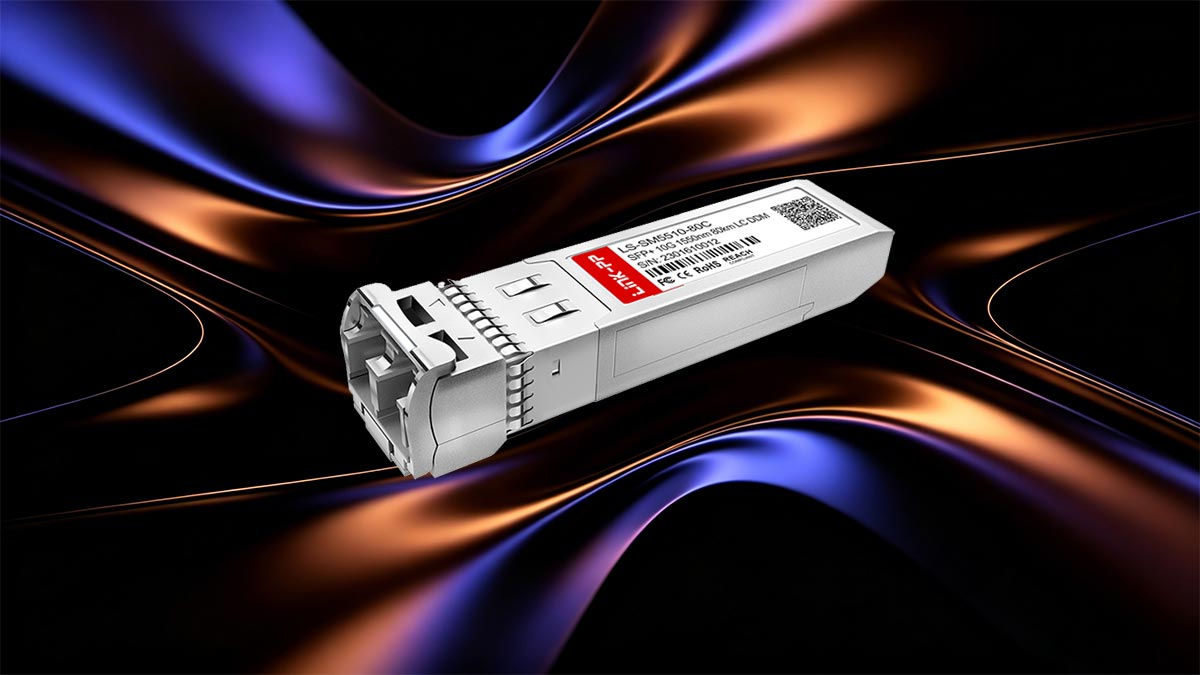
In modern Data Center Interconnect (DCI) and metropolitan area networks (MAN), pushing 10 Gbps over dark fiber requires robust optical hardware. The SFP-10G-ZR-S serves as a critical bridge for these long-haul connections. Compliant with the SFF-8431 specification, this transceiver integrates seamlessly into Cisco Catalyst, Nexus, and ASR platforms, providing highly reliable, low-latency connectivity without the need for intermediate optical amplification on links up to 80km.
Cisco SFP-10G-ZR-S Core Specifications
To accurately plan a long-haul optical link, network engineers must adhere to the module's exact physical parameters. Below are the core optical and physical specifications for the SFP-10G-ZR-S.
| Parameter | Specification |
|---|---|
| Form Factor | SFP+ |
| Data Rate | 10.3 Gbps (Ethernet Only) |
| Wavelength | 1550nm |
| Fiber Type | Single-Mode Fiber (SMF) - G.652 |
| Maximum Distance | 80 km (Approx. 24 dB link budget) |
| Transmit (Tx) Power | 0 dBm (Min) to +4.0 dBm (Max) |
| Receive (Rx) Sensitivity | -24.0 dBm (Max) |
| Receiver Overload | -7.0 dBm |
| Operating Temperature | 0°C to 70°C (32°F to 158°F) |
| DOM / DDM Support | Yes (SFF-8472 Compliant) |
DOM (Digital Optical Monitoring) is an industry-standard feature that allows network administrators to monitor real-time parameters of the SFP, such as optical Tx/Rx power, temperature, and laser bias current, directly via the switch CLI.
SFP-10G-ZR vs. SFP-10G-ZR-S: Understanding the "S-Class"
The "-S" denotes Cisco's "S-Class" optics, designed for enterprise cost savings. The SFP-10G-ZR-S supports only Ethernet and operates in commercial temperatures (0°C to 70°C). The standard SFP-10G-ZR is a multi-protocol optic supporting Ethernet, Fibre Channel over Ethernet (FCoE), and Optical Transport Network (OTN), with options for extended temperature ranges.
When procuring 80km optics, IT buyers frequently debate whether to invest in the standard SFP-10G-ZR or opt for the more budget-friendly SFP-10G-ZR-S. The distinction lies in protocol versatility and environmental tolerances.
Service providers utilizing carrier-grade telecom infrastructure or DWDM (Dense Wavelength Division Multiplexing) networks often require OTN (Optical Transport Network) support to wrap client signals for fault management over long distances. Similarly, legacy storage area networks (SANs) may require FCoE (Fibre Channel over Ethernet). The standard SFP-10G-ZR contains the necessary ASIC and firmware logic to process these protocols.
However, 95% of standard enterprise deployments—such as connecting two campus core switches via dark fiber—only require raw Ethernet transport. By stripping away OTN and FCoE capabilities, and utilizing components rated for standard climate-controlled data centers (0°C to 70°C), Cisco significantly reduces the manufacturing cost of the S-Class modules without sacrificing optical performance.
Decision Matrix: Pros & Cons
- SFP-10G-ZR-S (S-Class):
- Pros: Lower Capital Expenditure (CAPEX), identical 80km optical reach, perfect for standard enterprise LAN/WAN DCI.
- Cons: Incompatible with FCoE/OTN, unsuitable for unconditioned outdoor enclosures.
- SFP-10G-ZR (Standard):
- Pros: Multi-protocol support (Ethernet, FCoE, OTN), available in extended industrial temperature ranges (EXT/IND).
- Cons: Significantly higher unit cost, unnecessary features for standard IP routing.
✅ Calculating the 80km Power Budget for SFP-10G-ZR-S
The total optical power budget for the Cisco SFP-10G-ZR-S is 24 dB, calculated by subtracting the maximum receiver sensitivity (-24.0 dBm) from the minimum transmit power (0 dBm). To ensure a stable 80km link, you must deduct the fiber insertion loss (~0.25 dB/km at 1550nm), connector losses (~0.5 dB per pair), splice losses (~0.1 dB per splice), and an engineering margin (2-3 dB) from this 24 dB budget.
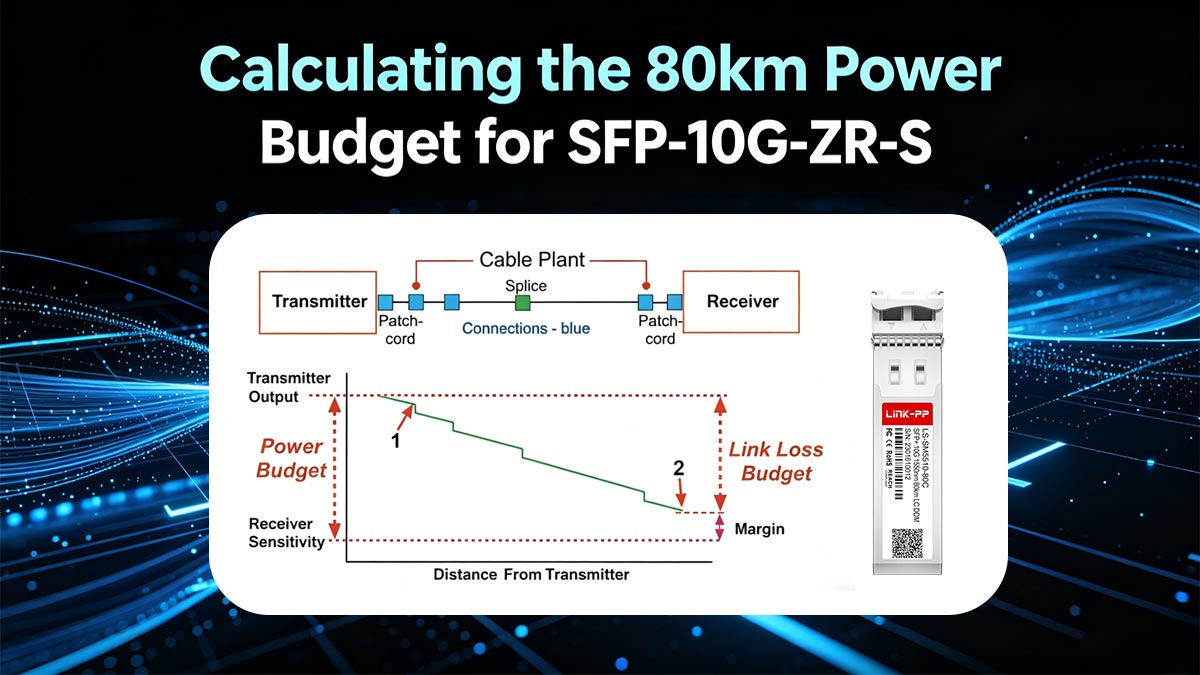
In long-haul optical networking, distance ratings (like "80km") are theoretical maximums used for marketing and categorization. In reality, a network engineer does not design a link based on distance; they design it based on the optical loss budget. If the physical fiber path introduces more attenuation than the transceiver's power budget can handle, the link will fail to establish line protocol, regardless of the actual kilometer distance.
To guarantee a stable 10-Gigabit connection using the SFP-10G-ZR-S, you must calculate worst-case scenario metrics using the transceiver's baseline physical parameters.
The Baseline Budget Calculation
The total available optical power budget is determined by the difference between the weakest possible laser output and the least sensitive receiver threshold.
- Minimum Transmit (Tx) Power: 0 dBm
- Maximum Receiver (Rx) Sensitivity: -24.0 dBm
Formula: Minimum Tx Power (0 dBm) - Maximum Rx Sensitivity (-24.0 dBm) = 24.0 dB Total Available Budget.
Deconstructing Optical Attenuation
Once you have your 24 dB budget, you must account for the physical "taxes" imposed by the passive optical infrastructure. For a standard ITU-T G.652 Single-Mode Fiber (SMF) link operating at the 1550nm wavelength, calculate the following penalties:
- Fiber Insertion Loss: At 1550nm, SMF typically attenuates the signal by 0.25 dB per kilometer. Over an exact 80km distance, the fiber alone consumes 20.0 dB of your budget (80 * 0.25).
- Connector Loss: Every mated pair of fiber connectors (e.g., LC/UPC patch panels at the source, destination, and any intermediate meet-me rooms) introduces loss. Industry standards dictate budgeting 0.5 dB per connector pair.
- Splice Loss: Dark fiber runs are rarely a single continuous spool of glass. They are fusion-spliced together every few kilometers. Budget 0.1 dB per fusion splice.
Engineering Margin is a reserved allocation of optical power (typically 2.0 to 3.0 dB) kept unassigned during link planning. It acts as a safety buffer against long-term fiber degradation, micro-bends, or future splice repairs following a fiber cut.
Practical 80km Link Budget Example
To illustrate a real-world deployment, consider an 80km dark fiber link connecting a primary data center to a disaster recovery site. The path includes 4 patch panel connections, 10 fusion splices, and requires a standard engineering margin.
| Parameter | Calculation | Loss Value (dB) |
|---|---|---|
| Total Available Budget | 0 dBm - (-24 dBm) | + 24.0 dB |
| Fiber Attenuation (80km) | 80 km × 0.25 dB/km | - 20.0 dB |
| Connector Loss (4 pairs) | 4 × 0.5 dB | - 2.0 dB |
| Splice Loss (10 splices) | 10 × 0.1 dB | - 1.0 dB |
| Remaining Margin | Before Engineering Reserve | 1.0 dB |
The Verdict: In the scenario above, the remaining margin is only 1.0 dB. Because standard engineering practices require a 2.0 to 3.0 dB buffer, this specific 80km link is at high risk of instability. To deploy the SFP-10G-ZR-S successfully here, the network engineer must either ensure lower-loss connectors/splices (e.g., verifying 0.2 dB loss per connector via OTDR testing) or reconsider the physical path.
✅ OSNR Guidelines for Long-Haul 10G Optical Links
For a stable, error-free Cisco SFP-10G-ZR-S deployment, the Optical Signal-to-Noise Ratio (OSNR) should strictly remain above 24 dB (measured at a 0.1nm resolution bandwidth). OSNR measures the ratio of the valid optical data payload to background interference. On 80km links, even if your optical power falls within the acceptable receiver sensitivity range, a degraded OSNR will cause the receiver to misinterpret the 10Gbps NRZ signal, leading to high Bit Error Rates (BER) and interface flapping.
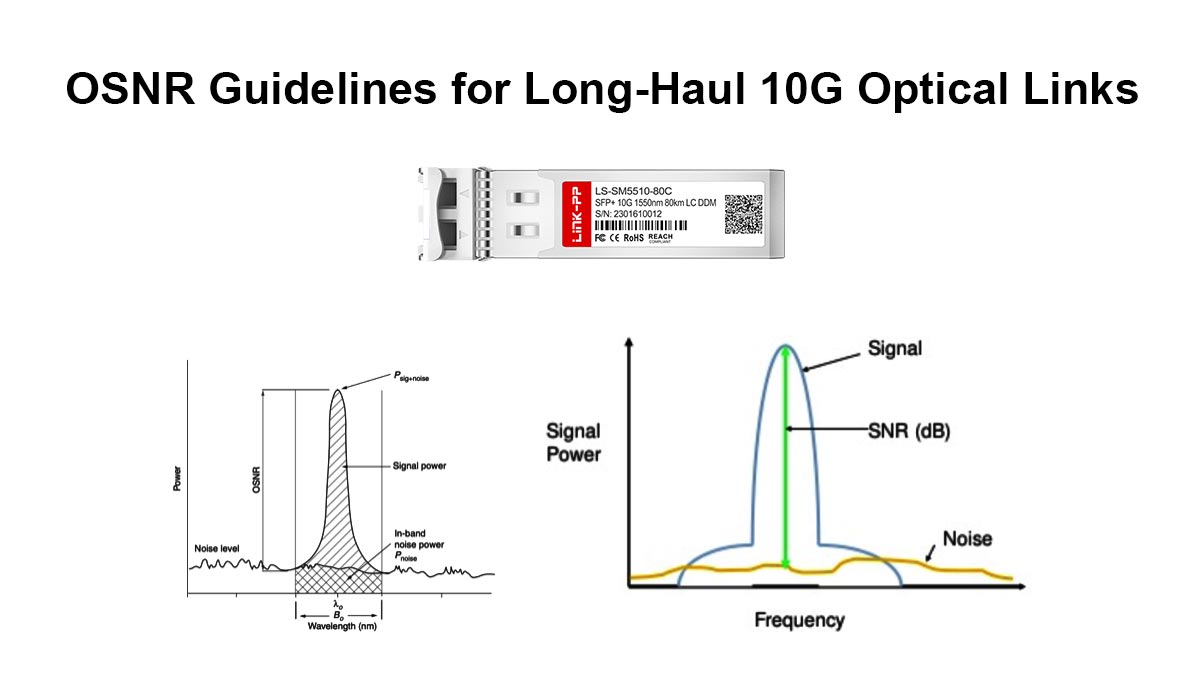
A common pitfall in long-haul network engineering is relying exclusively on the optical power budget while ignoring signal quality. Pushing 10-Gigabit traffic across 80 kilometers of glass introduces physical layer distortions—specifically chromatic dispersion and optical noise—that degrade the integrity of the light pulses.
Understanding OSNR in Simple Terms
In optical networking, light is not perfectly pure. As the laser pulse travels through the fiber, it accumulates noise from splices, microscopic fiber impurities, and reflections. OSNR is the mathematical ratio between the strength of your actual data signal and the strength of this accumulated background noise.
Consider an acoustic analogy: communicating over a long distance in a crowded room. The volume of the speaker's voice is the "Signal Power," while the ambient chatter is the "Noise." If the room is too loud (low OSNR), the listener cannot understand the words, regardless of how loud the speaker shouts. The receiver cannot distinguish the digital "1s" from "0s."
ASE (Amplified Spontaneous Emission) is the primary source of optical noise. It is generated when Erbium-Doped Fiber Amplifiers (EDFAs) are introduced into a fiber path to boost a fading signal. While EDFAs amplify the data, they simultaneously inject and amplify background noise, lowering the overall OSNR.
Using OSNR as an 80km Link Planning Check
When deploying the Cisco SFP-10G-ZR-S on a passive, unamplified 80km dark fiber run, the primary enemy is chromatic dispersion rather than ASE noise. However, if your 80km link passes through a DWDM (Dense Wavelength Division Multiplexing) system or utilizes optical amplification to overcome poor fiber quality, OSNR becomes the limiting factor for link viability.
To ensure carrier-grade stability, engineers must adhere to the following technical benchmarks:
- Modulation Format: The SFP-10G-ZR-S uses standard 10Gbps NRZ (Non-Return-to-Zero) modulation.
- Target BER: A healthy link requires a Bit Error Rate (BER) of 10-12 or better.
- OSNR Threshold: To achieve this BER without the aid of advanced Forward Error Correction (FEC), the OSNR must be > 24 dB. If the OSNR drops below 20 dB, the link will experience severe packet loss and eventual line protocol failure.
Engineering Best Practice: Do not rely solely on the switch CLI's show interfaces transceiver detail command during link commissioning, as standard DOM/DDM only reports total aggregate optical power (dBm), not signal quality. For 80km deployments, a field technician must use an Optical Spectrum Analyzer (OSA) to measure the precise OSNR and confirm it exceeds the 24 dB safety threshold before migrating production traffic.
✅ The Attenuator Warning: When Does a ZR Link Require Optical Attenuation?
Yes, if the fiber link is shorter than 25 kilometers, an inline optical attenuator is strictly required. The SFP-10G-ZR-S features a highly sensitive receiver with an overload threshold of -7.0 dBm. Because its laser can transmit at up to +4.0 dBm, connecting two ZR optics over a short distance without a 10dB to 15dB attenuator will instantly saturate the photodiode, causing permanent and irreversible hardware damage.
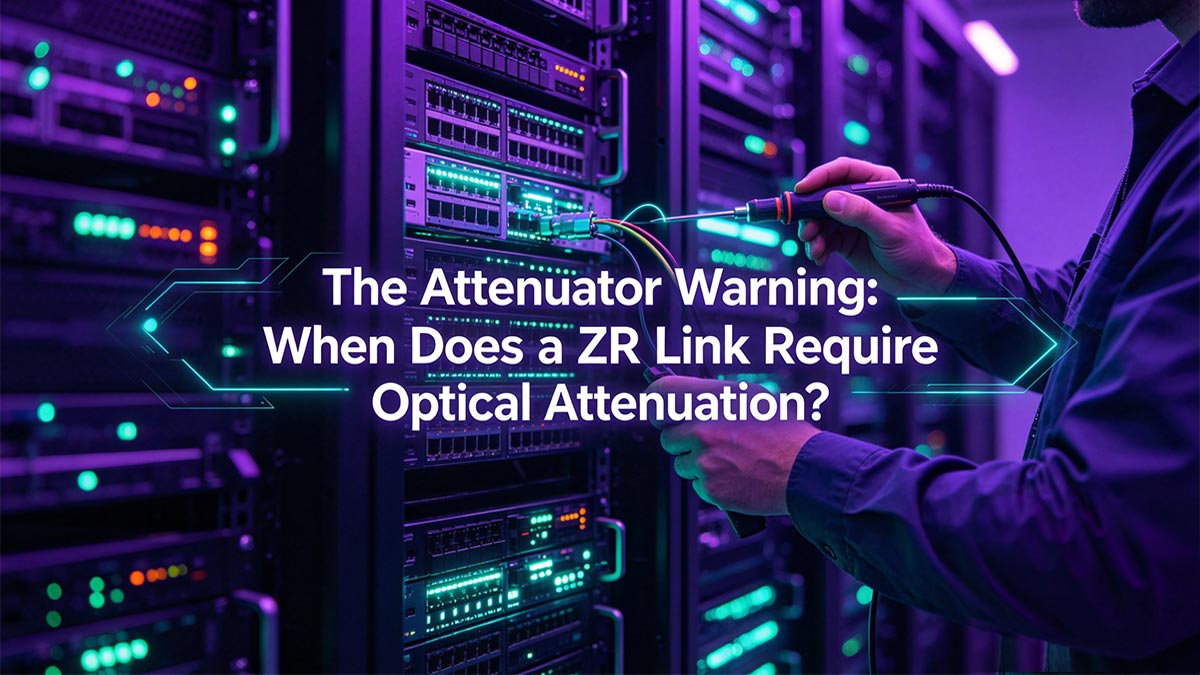
One of the most frequent catastrophic failures in optical network engineering occurs when high-power, long-haul transceivers are misused in short-reach environments. While standard 10GBASE-SR or LR optics are generally forgiving of short patch cables, ZR-class optics operate under entirely different physical constraints. This introduces the concept of the "minimum distance" problem.
The Physics of Receiver Damage
To capture a severely degraded light pulse after it has traveled 80 kilometers, the Cisco SFP-10G-ZR-S employs an extremely sensitive Avalanche Photodiode (APD). APDs amplify weak optical signals internally. However, this sensitivity comes with a strict upper power limit.
If you connect two ZR optics back-to-back in a lab environment using a standard 5-meter LC-to-LC patch cable, the receiver is subjected to the full force of the transmitter. The maximum transmit (Tx) power of the ZR-S is +4.0 dBm, but the APD receiver will overload and sustain physical thermal damage at anything stronger than -7.0 dBm. This 11 dB power discrepancy acts like staring directly into a high-powered laser pointer—it permanently blinds the optic.
Fixed Inline Optical Attenuator is a passive, plug-style device (typically doped with metal ions) inserted between the fiber patch cable and the transceiver. It intentionally absorbs a specific amount of optical power (e.g., 10dB) to protect sensitive receivers.
Calculating the 25km Safety Threshold
To determine if your physical link naturally provides enough attenuation to protect the receiver, network engineers calculate the minimum insertion loss required.
- Worst-Case Power Delta: Max Tx (+4.0 dBm) - Rx Overload (-7.0 dBm) = 11.0 dB minimum loss required.
- Standard Power Delta: Min Tx (0.0 dBm) - Rx Overload (-7.0 dBm) = 7.0 dB minimum loss required.
Given that standard Single-Mode Fiber (SMF) at 1550nm attenuates the signal by approximately 0.25 dB per kilometer, a natural loss of 7.0 dB requires roughly 28 kilometers of continuous fiber. Therefore, industry best practices dictate a conservative 25-kilometer minimum distance rule.
Actionable Guidelines for Fixed Attenuation
To protect your hardware investment and maintain link stability, adhere to these strict deployment rules when handling the SFP-10G-ZR-S:
- Lab Testing & Loopbacks: Never perform a loopback test or back-to-back bench test without snapping a 15dB fixed LC/UPC attenuator onto the Rx (Receive) port of the optic.
- Links Under 25km: If deploying a ZR optic on a 10km or 15km metropolitan ring (perhaps because it was the only optic available in inventory), install a 5dB or 10dB attenuator to pad the receive power down to a safe operating window (ideally between -12.0 dBm and -18.0 dBm).
- Placement Rule: Always install the attenuator on the Rx (Receive) side of the transceiver, never on the Tx (Transmit) side. This ensures the receiver is protected from any localized reflections.
✅ Cisco SFP-10G-ZR-S Compatibility and Platform Fit
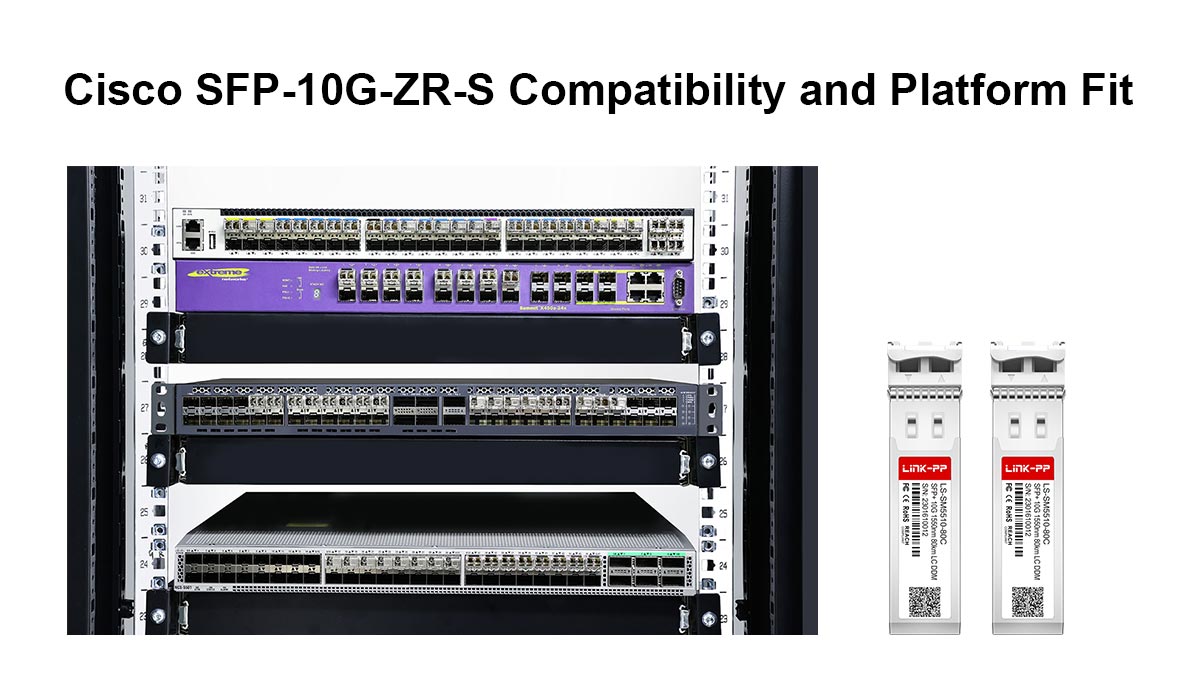
The Cisco SFP-10G-ZR-S is broadly compatible across Cisco’s enterprise portfolio, including the Catalyst 3850, 9300, and 9500 series, as well as Nexus 3000 and 9000 data center switches, and ASR routers. However, because it is an "S-Class" optic, it natively lacks support for Fibre Channel over Ethernet (FCoE). If your deployment requires SAN traffic encapsulation via FCoE, you must bypass the ZR-S and procure the standard, multi-protocol SFP-10G-ZR.
Procuring a high-performance 80km transceiver is only half the battle; ensuring it integrates seamlessly into your existing switching and routing infrastructure is equally critical. Network operators must navigate Cisco's compatibility matrices, understand the limitations of "Cisco-spec" optics, and carefully evaluate their protocol requirements before deployment.
Understanding "Cisco-Spec" and Platform Fit
When IT vendors refer to "Cisco-spec" optics, they are referring to the proprietary EEPROM (Electrically Erasable Programmable Read-Only Memory) coding flashed onto the transceiver. Cisco IOS, IOS-XE, and NX-OS operating systems actively interrogate the SFP upon insertion. If the switch does not recognize the specific Cisco vendor ID and part number (PID) in the EEPROM, it will trigger an %GBIC_SECURITY_CRYPT-4-VN_DATA_CRC_ERROR and place the port into an err-disable state.
The genuine Cisco SFP-10G-ZR-S is natively recognized across the following primary platforms without requiring hidden CLI overrides:
- Campus Core & Aggregation: Catalyst 3850, 9300, 9400, 9500, and 9600 Series.
- Data Center (Spine/Leaf): Nexus 3000, 7000, and 9000 Series.
- Service Provider Edge: ASR 900, 1000, and 9000 Series routers.
MSA (Multi-Source Agreement) is an industry standard governing the physical dimensions, electrical interfaces, and signaling of optical transceivers. While the ZR-S is MSA-compliant physically, it requires Cisco-specific EEPROM coding to function natively in Cisco hardware.
The FCoE Limitation: Why S-Class Isn't for SANs
As previously established, the "-S" designation denotes an Ethernet-only, commercial-temperature optic. This limitation becomes a hard roadblock in specific data center architectures.
Fibre Channel over Ethernet (FCoE) is a storage protocol that encapsulates Fibre Channel frames over standard Ethernet networks. This allows data centers to converge their LAN (Local Area Network) and SAN (Storage Area Network) traffic onto a single physical infrastructure, typically utilizing Cisco Nexus switches (like the Nexus 5000 or 9000 series).
Because FCoE traffic is highly sensitive to latency and packet drops (requiring lossless Ethernet via IEEE 802.1Qbb Priority-based Flow Control), it demands specific ASIC and firmware support at the physical transceiver level. The SFP-10G-ZR-S is hard-coded to reject FCoE and OTN frames.
Engineering Best Practice: If you are designing an 80km Data Center Interconnect (DCI) that must transport synchronous storage replication traffic via FCoE, the SFP-10G-ZR-S will fail to establish the storage link. You must upgrade your Bill of Materials (BOM) to the standard Cisco SFP-10G-ZR.
Troubleshooting Third-Party Compatibles
Due to the high OEM cost of genuine Cisco 80km optics, many network engineers deploy third-party compatibles (e.g., FS, Flexoptix, or LINK-PP). If a third-party SFP-10G-ZR-S is not coded perfectly, the Cisco switch will disable the port.
To force a Cisco switch to accept an uncoded or generic MSA-compliant 10G ZR optic, enter the following global configuration commands:
Switch# configure terminal
Switch(config)# service unsupported-transceiver
Switch(config)# no errdisable detect cause gbic-invalid
Note: While this command enables the port, Cisco TAC (Technical Assistance Center) reserves the right to refuse support for physical layer link issues if they detect a non-Cisco optic in the show tech-support output. A common industry strategy is to maintain at least one genuine SFP-10G-ZR-S in inventory solely for TAC troubleshooting purposes.
✅ Cisco SFP-10G-ZR-S Technical FAQs
To further assist network engineers in deploying and troubleshooting 80km optical links, we have compiled the most frequently asked technical questions regarding the Cisco SFP-10G-ZR-S, based on common TAC cases and field deployment data.
1. Can the SFP-10G-ZR-S connect directly to an LR or ER transceiver?
No. The SFP-10G-ZR-S operates at a 1550nm wavelength, whereas standard LR (Long Reach, 10km) optics operate at 1310nm. Optical transceivers must match wavelengths to communicate. While ER (Extended Reach, 40km) optics do use 1550nm, connecting a ZR to an ER without aggressive optical attenuation will permanently destroy the ER's receiver due to the ZR's massive +4.0 dBm transmit power.
2. What is the power consumption of the SFP-10G-ZR-S module?
The typical power consumption of the Cisco SFP-10G-ZR-S is approximately 1.5 Watts, with a maximum draw of up to 2.0 Watts. Because driving a 1550nm laser over 80km generates significant heat, network administrators must ensure proper switch chassis airflow. Avoid populating every adjacent port on a high-density line card with ZR optics to prevent localized thermal overload.
3. Is the SFP-10G-ZR-S backward compatible with 1G (1000BASE-ZX)?
No. The Cisco 10GBASE-ZR S-Class transceiver relies on a fixed oscillator and operates strictly at a 10.3 Gbps data rate. It does not support auto-negotiation down to 1 Gbps. If your network architecture requires an 80km link running at Gigabit Ethernet speeds, you must explicitly deploy a 1000BASE-ZX SFP module.
4. What type of fiber optic cable is required for the ZR-S?
The SFP-10G-ZR-S requires Single-Mode Fiber (SMF), specifically standard ITU-T G.652 glass with a 9/125µm core diameter. The module interface uses a standard Duplex LC/UPC (Ultra Physical Contact) connector. Never attempt to use Multi-Mode Fiber (MMF, such as OM3 or OM4) with this optic, as extreme modal dispersion will immediately block the 1550nm signal.
5. Does the SFP-10G-ZR-S support Digital Optical Monitoring (DOM)?
Yes. The SFP-10G-ZR-S is fully compliant with the SFF-8472 standard for Digital Optical Monitoring (DOM), also known as Digital Diagnostics Monitoring (DDM). By executing the show interfaces transceiver detail command in Cisco IOS/NX-OS, engineers can monitor real-time Tx output power, Rx input power, laser bias current, and module temperature.
✅ Conclusion
Selecting the right 80km transceiver comes down to three factors: protocol requirements, optical loss budget, and distance. Choose the Cisco SFP-10G-ZR-S for standard enterprise Ethernet links operating in climate-controlled environments. Ensure your optical loss does not exceed the 24 dB power budget, maintain an OSNR above 24 dB, and rigorously apply inline attenuators on any fiber path shorter than 25 kilometers to prevent hardware destruction.
Deploying a 10-Gigabit link over 80 kilometers of dark fiber is an exercise in optical precision. The Cisco SFP-10G-ZR-S provides the necessary transmit power and receiver sensitivity for long-haul Data Center Interconnects (DCI) and metropolitan area networks, but it is not a simple "plug-and-play" device. It demands strict adherence to physical layer constraints.
Before finalizing your Bill of Materials (BOM) and moving to procurement, use this final engineering checklist to validate your design:
- Verify the Protocol: Confirm that your network architecture only requires standard Ethernet transport. If you are encapsulating storage traffic via Fibre Channel over Ethernet (FCoE) or wrapping client signals in OTN, you must abandon the S-Class and purchase the standard multi-protocol SFP-10G-ZR.
- Calculate the Real Loss: Do not rely on theoretical distance ratings. Calculate the exact insertion loss of your fiber, connectors, and splices. If your total loss exceeds 21.0 dB, your link lacks a safe engineering margin, and you may experience interface flapping.
- Mandate Attenuation for Short Links: Update your deployment MOP (Method of Procedure) to require fixed inline optical attenuators (10dB or 15dB) for any lab testing or production links shorter than 25km. Failing to do so will permanently overload the -7.0 dBm APD receiver.
Ultimately, while genuine Cisco OEM optics offer guaranteed TAC support, their premium pricing often strains IT budgets, particularly in high-density DCI deployments. For network architects seeking to optimize their Capital Expenditure (CAPEX) without sacrificing optical integrity or platform compatibility, high-quality third-party compatibles are the industry standard.
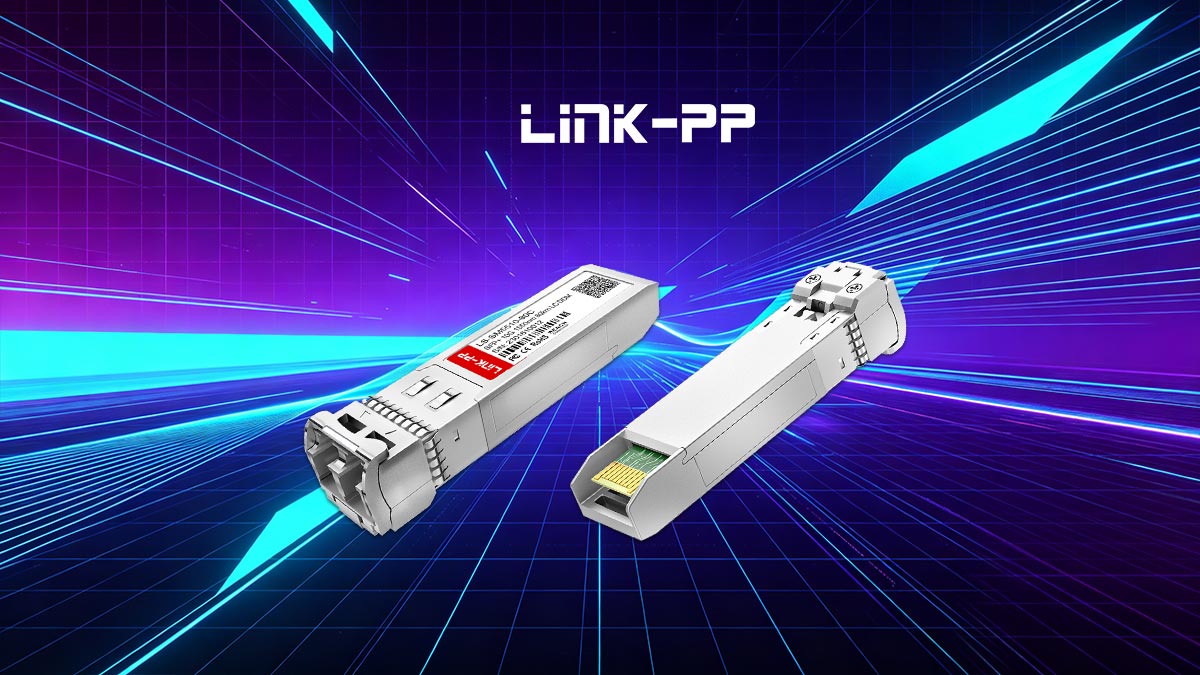
Looking for reliable, strictly MSA-compliant 10G ZR transceivers that your Cisco switches will recognize instantly? Explore high-quality, carrier-grade optical solutions at the LINK-PP Official Store today.