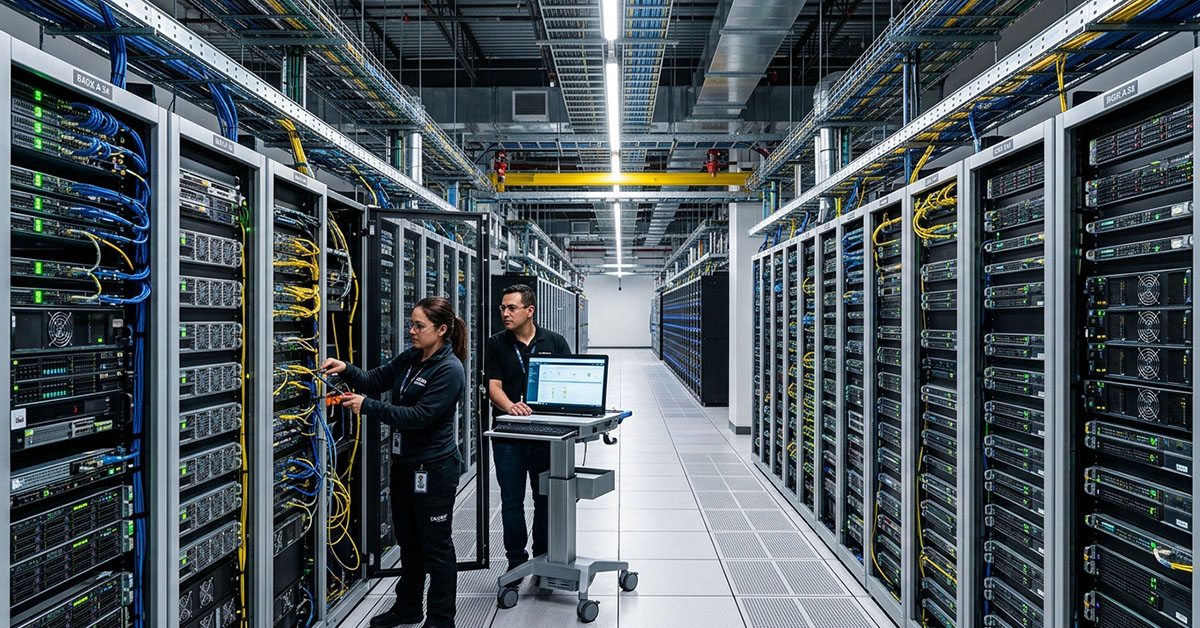
Modern network infrastructures are facing increasing pressure from cloud computing, AI workloads, 5G deployment, enterprise digital transformation, and large-scale data center expansion. As bandwidth demand continues to rise, network operators and enterprises are looking for ways to improve transmission efficiency while reducing fiber resource consumption. In many metropolitan, campus, and industrial environments, fiber availability has become a critical limitation, making efficient optical transmission technologies more important than ever.
Among the various optical networking solutions available today, BiDi Fiber technology has emerged as an effective approach for optimizing fiber utilization. Unlike traditional dual-fiber communication systems that require separate fibers for transmitting and receiving data, BiDi Fiber enables bidirectional communication over a single optical fiber by using different wavelengths in opposite directions. This technology not only simplifies cabling infrastructure but also improves scalability and deployment flexibility across modern Ethernet and telecom networks.
This article explores the working principles, technologies, advantages, and deployment considerations behind BiDi Fiber transmission. The following key topics will be covered throughout the guide:
- The fundamental principles of BiDi Fiber technology
- How single-fiber bidirectional transmission works
- The role of wavelength division multiplexing (WDM)
- Common BiDi module types and applications
- Differences between BiDi Fiber and traditional dual-fiber systems
- Advantages, limitations, and deployment challenges
- Typical use cases in data centers, enterprise networks, and telecom infrastructure
- Future development trends in high-speed BiDi optical networking
By understanding these concepts, readers can better evaluate how BiDi Fiber technology supports efficient, scalable, and resource-optimized optical network architectures.
🔳 What Is BiDi Fiber?
BiDi Fiber is a type of optical communication technology that enables bidirectional data transmission over a single optical fiber. In simple terms, it allows both sending and receiving data through one fiber strand by using different wavelengths of light, instead of requiring two separate fibers as in traditional optical links. This makes it a highly efficient solution for environments where fiber resources are limited or infrastructure expansion needs to be minimized.
To understand BiDi Fiber more clearly, it is helpful to view it as a wavelength-based communication method rather than a physical fiber expansion method. In conventional optical networks, one fiber is dedicated to transmitting data (TX), and another is used for receiving data (RX). BiDi Fiber changes this model by combining both directions into a single fiber while maintaining signal separation through optical wavelength techniques.
What Does BiDi Mean in Optical Networking?
BiDi stands for “bidirectional,” which refers to the ability to transmit and receive data simultaneously over a single optical path. In optical networking, this concept is implemented by assigning two different wavelengths—one for upstream transmission and one for downstream reception—within the same fiber.
This approach works because optical signals at different wavelengths do not interfere with each other when properly filtered. As a result, both directions of communication can coexist on one fiber without data collision or signal degradation. This makes BiDi a practical solution for modern Ethernet and telecom systems that require high efficiency and simplified cabling.
In practical deployments, BiDi technology is widely used in scenarios where fiber scarcity is a concern. Typical use cases include:
- Enterprise campus backbone connections
- Metro access networks with limited fiber availability
- Data center interconnects requiring dense cabling reduction
- FTTH (Fiber to the Home) access networks
After understanding the basic concept, it becomes clearer why BiDi Fiber is increasingly adopted in modern optical architectures.
How BiDi Fiber Differs from Traditional Dual-Fiber Systems
The key difference between BiDi Fiber and traditional dual-fiber systems lies in how data transmission paths are structured. In a conventional setup, two separate fibers are required: one dedicated to sending data and the other dedicated to receiving it. This creates a straightforward but fiber-intensive architecture.
BiDi Fiber, however, consolidates both directions into a single fiber by using wavelength separation. This reduces the physical fiber requirement by half in many deployment scenarios. The signal direction is not determined by fiber direction but by optical wavelength assignment.
This difference can be summarized through key structural and functional aspects:
BiDi Fiber systems typically rely on:
- Single optical fiber for full-duplex communication
- Complementary wavelength pairs for TX and RX
- Paired transceivers designed for opposite wavelength roles
Traditional dual-fiber systems typically rely on:
- Two separate fibers for TX and RX paths
- Identical wavelength usage in both directions
- Independent physical channels for upstream and downstream traffic
This architectural distinction is one of the main reasons BiDi Fiber is widely considered a fiber-saving alternative in modern network design.
Main Components of a BiDi Fiber System
A BiDi Fiber system is built from several key optical and electronic components that work together to enable stable bidirectional communication over a single fiber. Each component plays a specific role in ensuring signal accuracy, wavelength separation, and link reliability.
The core components include:
- BiDi optical transceiver modules that handle both transmission and reception functions
- Wavelength division multiplexing (WDM) filters used to separate and combine optical signals
- Single-mode optical fiber that carries both wavelength channels over long distances
- Network switches or routers that support BiDi-compatible optical interfaces
These components work together to ensure that upstream and downstream data can travel simultaneously without interference. The transceiver handles wavelength conversion, the WDM filter manages optical separation, and the fiber provides the physical transmission medium.
🔳 How Single-Fiber Transmission Works
Single-fiber transmission in BiDi Fiber systems is based on the principle of sending and receiving optical signals simultaneously over the same physical fiber by using different wavelengths of light. This allows full-duplex communication without requiring a second fiber, while maintaining clear signal separation and stable data integrity.
The Principle of Bidirectional Optical Transmission
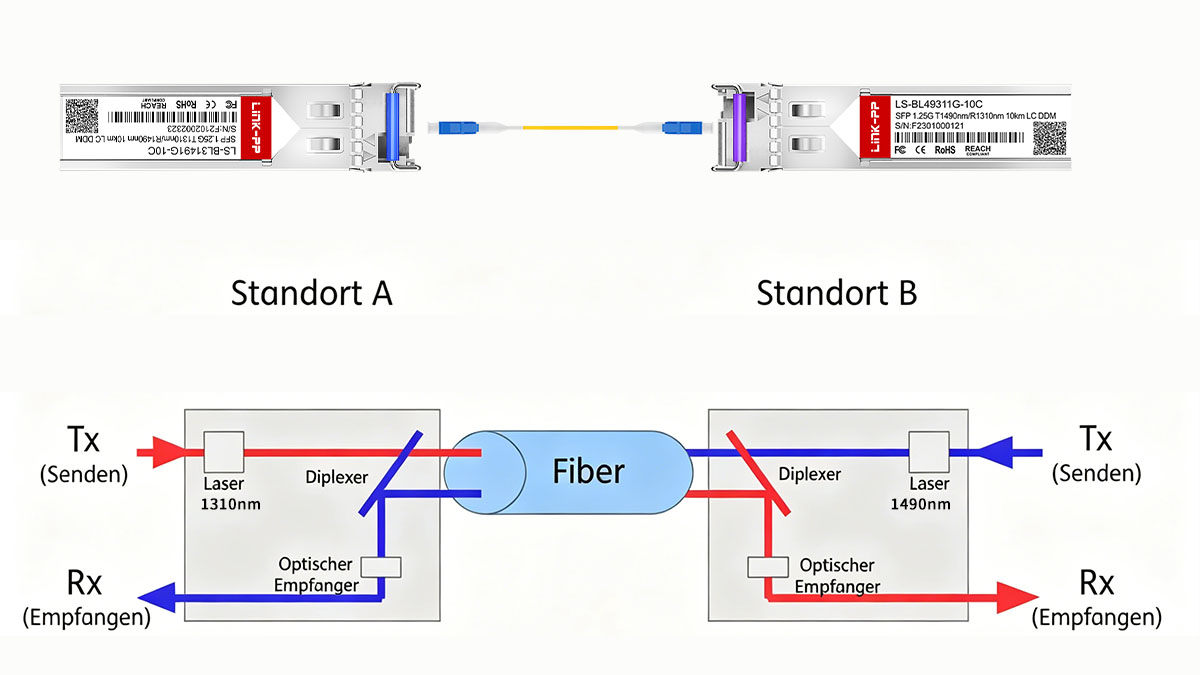
BiDi Fiber achieves bidirectional communication by leveraging wavelength differentiation rather than physical separation. Each transceiver is configured with a defined transmit (TX) wavelength and a corresponding receive (RX) wavelength, forming a paired system across both ends of the link.
This mechanism works because optical signals at different wavelengths can propagate through the same fiber simultaneously without mixing, provided that they are properly filtered and isolated. The transceiver at each end performs both optical-to-electrical and electrical-to-optical conversion while maintaining strict wavelength control.
The core process of bidirectional transmission can be summarized as:
- One transceiver sends data using a specific wavelength (e.g., λ1)
- The opposite transceiver sends data using a different wavelength (e.g., λ2)
- Both signals travel through the same fiber simultaneously
- Each transceiver only accepts the wavelength it is designed to receive
This structure enables full-duplex communication over a single optical path while preserving signal clarity and transmission reliability.
Wavelength Division Multiplexing in BiDi Fiber
Wavelength Division Multiplexing (WDM) is the key enabling technology behind BiDi Fiber systems. It allows multiple optical signals at different wavelengths to be transmitted through a single fiber without interference. In BiDi applications, WDM is typically simplified into a two-wavelength system dedicated to bidirectional communication.
TX and RX Wavelength Pairing
In a BiDi system, each link is built around a complementary wavelength pair. Common configurations include combinations such as 1310nm/1490nm or 1310nm/1550nm, depending on the module design and transmission distance requirements.
These wavelength pairs are carefully selected to minimize signal overlap and optimize fiber performance. Each end of the connection uses a mirrored configuration:
- One side transmits at 1310nm and receives at 1490nm
- The opposite side transmits at 1490nm and receives at 1310nm
This complementary arrangement ensures that both directions of communication remain isolated and stable across the same fiber link.
To illustrate typical wavelength pairing behavior:
| Direction | Transmit Wavelength | Receive Wavelength |
|---|---|---|
| End A → End B | 1310nm | 1490nm |
| End B → End A | 1490nm | 1310nm |
This wavelength symmetry is essential for correct BiDi operation and prevents cross-channel interference between upstream and downstream signals.
Optical Filtering Mechanisms
Optical filtering inside BiDi transceivers is responsible for separating incoming and outgoing signals based on wavelength. This is typically achieved using built-in WDM filters, which selectively route specific wavelengths to the correct optical path.
When a signal enters the transceiver, the filter performs the following actions:
- Incoming wavelengths are separated from outgoing transmission paths
- The designated RX wavelength is directed to the photodetector
- The TX wavelength is isolated and prevented from feedback interference
- Signal integrity is maintained through precise optical filtering
This filtering process ensures that even though both signals share the same fiber, they remain logically independent at the optical layer.
Signal Flow in a BiDi Fiber Link
The complete signal flow in a BiDi Fiber system follows a continuous loop between two endpoints, where each transceiver performs simultaneous transmission and reception.
At a high level, the process works as follows:
- Electrical data from a network device is converted into an optical signal by the transceiver
- The optical signal is transmitted into the single-mode fiber at a specific wavelength
- The signal travels through the fiber to the opposite endpoint
- The receiving transceiver filters the incoming light based on wavelength
- The optical signal is converted back into electrical data for the network device
At the same time, the reverse direction operates in parallel using the complementary wavelength. This simultaneous operation enables full-duplex communication without requiring additional fiber infrastructure.
This continuous bidirectional exchange is what makes BiDi Fiber especially efficient in high-density networking environments where fiber conservation and simplified cabling are critical.
🔳 Key Advantages of BiDi Fiber Technology
BiDi Fiber technology is widely adopted in modern optical networks because it delivers clear efficiency improvements in fiber utilization, deployment complexity, and operational scalability. By enabling full-duplex communication over a single fiber, it reduces infrastructure requirements while maintaining performance comparable to traditional dual-fiber systems.
Reduced Fiber Infrastructure Requirements
One of the most significant advantages of BiDi Fiber is its ability to cut fiber usage in half compared to traditional dual-fiber systems. Instead of requiring two fibers for transmit and receive paths, BiDi Fiber operates over a single strand using wavelength separation.
This reduction is especially valuable in environments where fiber resources are limited or expensive to expand. In many real-world deployments, such as metropolitan access networks or campus backbones, available fiber capacity is often already fully allocated.
The practical impact includes:
- Reduced dependence on additional fiber installation
- Better utilization of existing fiber infrastructure
- Extended lifespan of legacy cabling systems
- Easier expansion without physical fiber upgrades
This efficiency makes BiDi Fiber a strong solution for networks where physical fiber expansion is constrained by cost, geography, or regulatory limitations.
Lower Deployment Complexity
BiDi Fiber also simplifies physical network design by reducing the number of fiber runs required between devices. With fewer cables to manage, installation becomes more straightforward and less error-prone.
In operational environments, this simplification provides several benefits:
- Reduced cable clutter in racks and patch panels
- Easier labeling and tracing of fiber connections
- Simplified maintenance and troubleshooting procedures
- Smaller physical footprint for cabling infrastructure
This streamlined design is particularly beneficial in high-density environments such as data centers, where cable management complexity can directly impact operational efficiency and airflow optimization.
Improved Cost Efficiency in Network Expansion
BiDi Fiber can contribute to lower overall network expansion costs by reducing both material and labor requirements associated with fiber deployment. Since fewer fibers are needed, organizations can often avoid additional trenching, conduit expansion, or leased fiber services.
The cost-related advantages typically include:
- Reduced fiber procurement or leasing expenses
- Lower installation labor requirements
- Decreased civil infrastructure costs in large-scale deployments
- More efficient use of existing optical pathways
While BiDi transceivers may be more specialized than standard optics, the overall system-level savings often become more significant in medium to large network deployments, especially where fiber expansion would otherwise require substantial physical infrastructure work.
Scalability for Modern Networks
BiDi Fiber technology supports scalable network growth by enabling more connections within the same fiber infrastructure. This is particularly important as bandwidth demand continues to increase across cloud computing, enterprise IT, and telecom environments.
Its scalability benefits include:
- Easier addition of new links without new fiber runs
- Support for incremental network expansion
- Compatibility with existing single-mode fiber infrastructure
- Flexibility for both access and aggregation network layers
In addition, BiDi Fiber can be deployed alongside other optical technologies, allowing network architects to gradually evolve infrastructure without requiring a full redesign.
This makes it a practical choice for long-term network planning, especially in environments that anticipate continuous traffic growth and evolving connectivity requirements.
🔳 Common Types of BiDi Fiber Modules
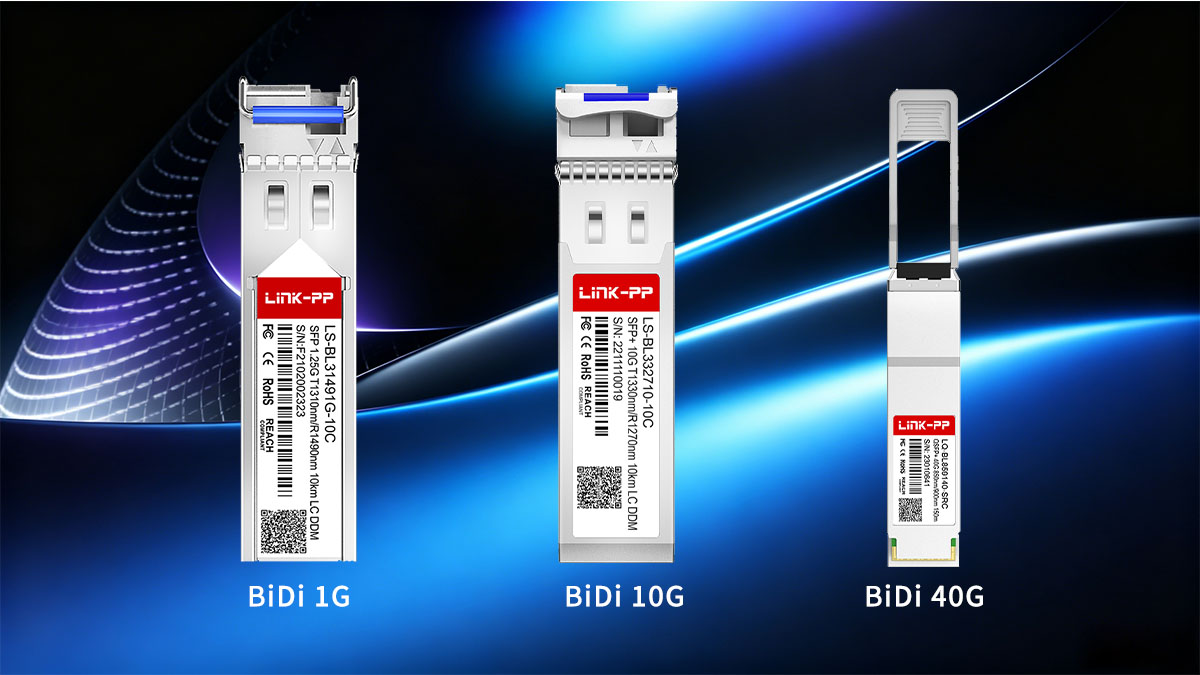
BiDi Fiber modules are available in multiple form factors and speed classes to support different network requirements, ranging from enterprise access links to high-density data center interconnects. Each type is designed around the same single-fiber bidirectional principle but differs in transmission speed, reach, and application environment.
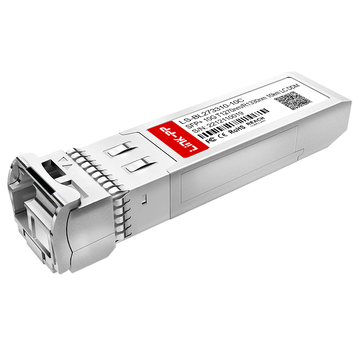
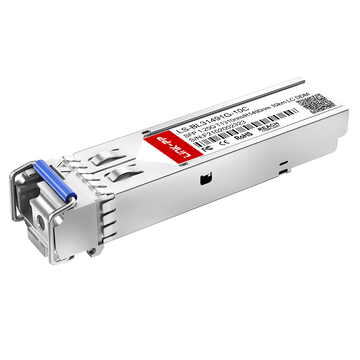
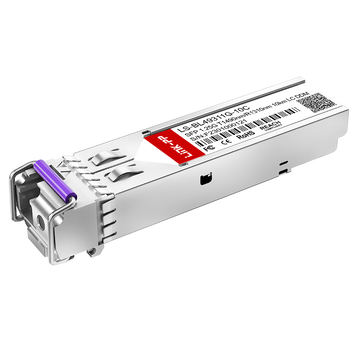
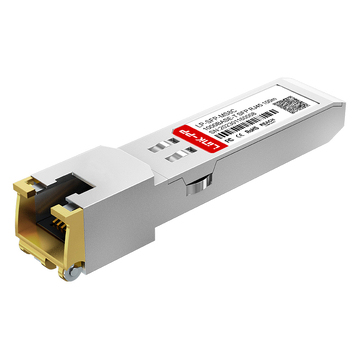
SFP BiDi Transceivers
SFP BiDi transceivers such as Cisco GLC-BX-U and Cisco GLC-BX-D are one of the most common and widely deployed types in BiDi Fiber systems. They are typically used in Gigabit Ethernet environments where stable, cost-efficient, and space-saving connectivity is required.
These modules are designed for 1Gbps transmission rates and are often used in enterprise networks, campus backbones, and access layer connections. Their compact size allows high port density in switches and routers, making them suitable for environments with limited rack space.
Typical characteristics of BiDi SFP modules include:
- 1Gbps data rate support
- Single-fiber full-duplex transmission
- Common wavelength pairs such as 1310nm/1490nm
- Transmission distances ranging from short-reach to long-reach variants
- Wide compatibility with standard Gigabit Ethernet equipment
These modules are often selected for cost-efficient network upgrades where fiber reduction is a key requirement.
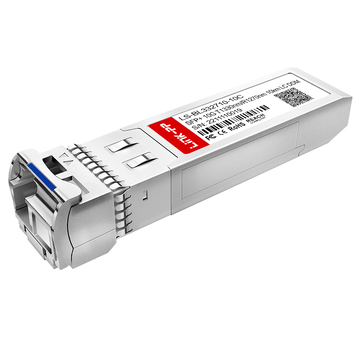
SFP+ BiDi Modules
SFP+ BiDi modules such as Cisco SFP-10G-BXU and Cisco SFP-10G-BXD extend the same single-fiber transmission principle to higher-speed environments, typically supporting 10Gbps Ethernet. They are widely used in data center and enterprise aggregation layers where higher bandwidth is required.
Compared to standard BiDi SFP modules, SFP+ versions require more precise optical components to maintain signal integrity at higher speeds. They are commonly deployed in scenarios that demand both performance and fiber efficiency.
Key characteristics include:
- 10Gbps transmission capability
- Enhanced optical signal stability for high-speed data
- Designed for data center interconnect (DCI) and aggregation networks
- Support for longer-distance single-fiber links in some configurations
- Increased sensitivity to wavelength accuracy and power budget control
SFP+ BiDi modules are especially useful in environments where upgrading bandwidth must be achieved without increasing fiber infrastructure.
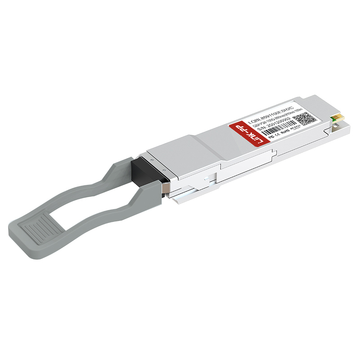
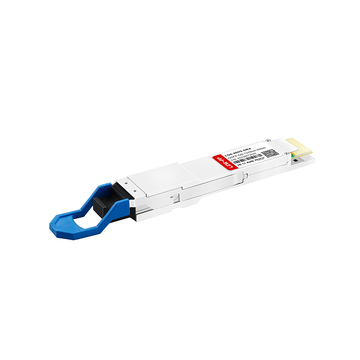
QSFP and Higher-Speed BiDi Solutions
As network demands continue to grow, BiDi technology has also been extended into QSFP and other high-speed transceiver formats. These solutions are designed for QSFP+ 40G, QSFP28 100G, and beyond, targeting high-performance data center environments.
Unlike lower-speed BiDi modules, high-speed versions such as Cisco QSFP-40/100-SRBD often integrate more advanced multiplexing and signal processing technologies to maintain signal integrity over single-fiber links.
Common features include:
- 40G and 100G transmission support depending on module design
- Advanced WDM and optical integration technologies
- High-density data center deployment capability
- Reduced fiber count in large-scale switching architectures
- Higher power and thermal management requirements
These modules are typically used in cloud data centers, hyperscale environments, and backbone networks where both performance and fiber efficiency are critical.
Comparison of Common BiDi Module Types
To better understand the differences between BiDi module categories, it is helpful to compare their key technical characteristics side by side. This allows network designers to select the most appropriate solution based on performance and deployment needs.
The comparison below highlights the main distinctions among common BiDi Fiber module types:
| Module Type | Data Rate | Typical Wavelength Pair | Application Scenario |
|---|---|---|---|
| 1G SFP BiDi | 1Gbps | 1310nm / 1490nm | Enterprise access, campus networks |
| 10G SFP+ BiDi | 10Gbps | 1270nm / 1330nm (varies) | Data centers, aggregation layers |
| QSFP BiDi | 40G / 100G | Advanced WDM-based pairs | Hyperscale data centers, core networks |
This comparison shows how BiDi technology scales from access networks to high-capacity backbone environments while maintaining the same core advantage of single-fiber bidirectional transmission.
🔳 BiDi Fiber vs Traditional Dual-Fiber Transmission
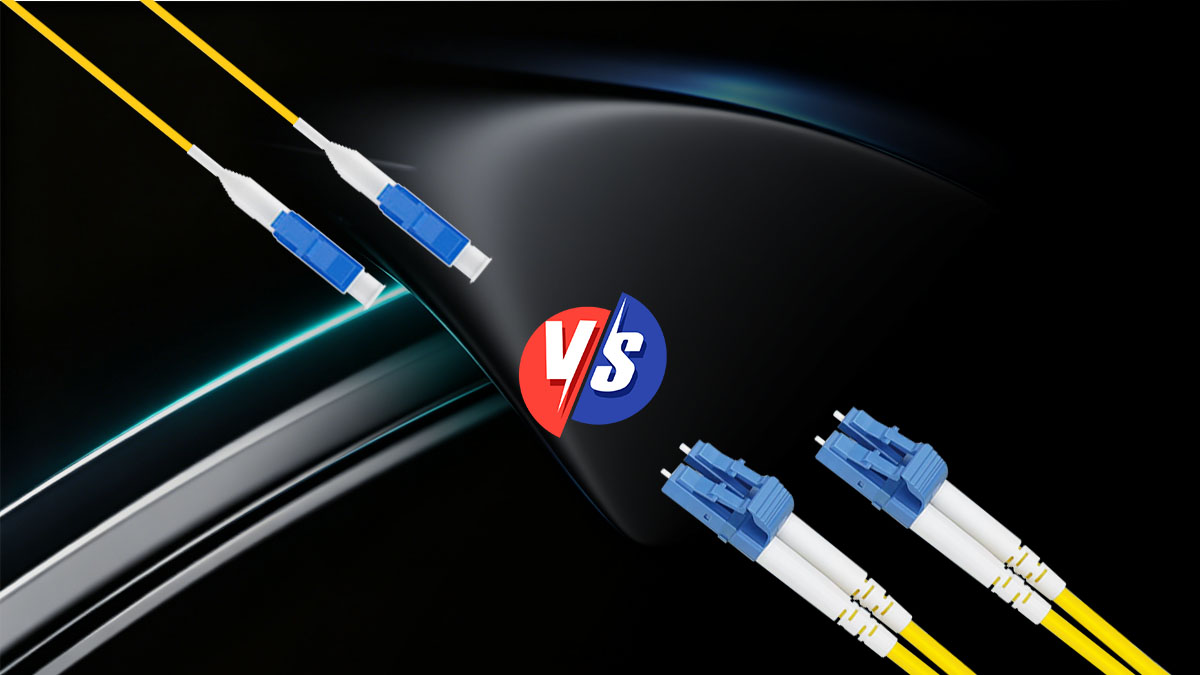
BiDi Fiber and traditional dual-fiber transmission represent two fundamentally different approaches to full-duplex optical communication. Both methods support simultaneous bidirectional data transfer, but they differ in how physical fiber resources are used and how signals are separated. Understanding these differences is essential for selecting the right solution for specific network environments.
Infrastructure Comparison
The most fundamental difference between BiDi Fiber and dual-fiber systems lies in the physical fiber architecture required for communication.
BiDi Fiber uses a single optical fiber to handle both transmit and receive directions by assigning different wavelengths to each direction. This reduces physical fiber usage and simplifies cabling pathways. In contrast, traditional dual-fiber systems require two separate fibers, one dedicated to upstream transmission and the other to downstream reception.
From a deployment perspective, this leads to distinct infrastructure characteristics:
- BiDi Fiber uses one strand of fiber per link
- Dual-fiber systems require two strands per link
- BiDi reduces patch panel and cabling density
- Dual-fiber increases physical separation of TX and RX paths
This difference makes BiDi Fiber particularly useful in environments where fiber availability is limited or expensive to expand.
Performance Comparison
In terms of data transmission performance, both BiDi and dual-fiber systems can support similar bandwidth levels when properly implemented. However, their operational characteristics differ slightly due to signal handling methods and optical design.
BiDi Fiber relies on wavelength separation within a single fiber, which introduces strict requirements for optical filtering and wavelength accuracy. Dual-fiber systems, on the other hand, physically separate transmission directions, which can simplify signal isolation.
Key performance considerations include:
- BiDi Fiber depends on precise wavelength matching between transceivers
- Dual-fiber systems rely on physical separation for signal isolation
- Both support full-duplex communication with comparable latency characteristics
- Signal integrity in BiDi systems is more sensitive to optical alignment and compatibility
Despite these differences, both technologies are widely used in high-performance networks, and neither inherently limits standard Ethernet transmission speeds when properly configured.
Operational and Maintenance Differences
From an operational perspective, BiDi Fiber and dual-fiber systems present different levels of complexity in installation, troubleshooting, and long-term maintenance.
BiDi Fiber reduces the number of physical cables, which simplifies rack organization and cable management. However, it requires careful attention to transceiver pairing and wavelength compatibility. Dual-fiber systems involve more cabling but are generally more straightforward in terms of optical pairing requirements.
Operational differences include:
- BiDi Fiber requires correct A/B transceiver pairing based on wavelength roles
- Dual-fiber systems typically use identical transceivers on both ends
- BiDi simplifies physical infrastructure but increases dependency on optical compatibility
- Dual-fiber increases cabling complexity but simplifies optical troubleshooting
In maintenance scenarios, dual-fiber links are often easier to diagnose because TX and RX paths are physically separated, while BiDi systems require additional attention to wavelength configuration and module compatibility.
Comparative Advantages and Limitations Overview
To better understand how each system performs in different deployment scenarios, it is useful to compare their strengths and constraints across key operational factors.
| Aspect | BiDi Fiber | Traditional Dual-Fiber |
|---|---|---|
| Fiber Usage | Single fiber per link | Two fibers per link |
| Cabling Complexity | Lower | Higher |
| Deployment Flexibility | High in fiber-limited areas | High where fiber is abundant |
| Configuration Sensitivity | Higher (wavelength pairing required) | Lower (simpler optical setup) |
| Troubleshooting | More dependent on module compatibility | Easier physical path isolation |
This comparison highlights that BiDi Fiber is generally preferred in environments where fiber efficiency and infrastructure reduction are priorities, while dual-fiber systems remain common in environments where simplicity and abundant fiber resources are available.
🔳 Typical Applications of BiDi Fiber
BiDi Fiber technology is widely used in modern optical networks where efficient fiber utilization and simplified infrastructure are critical. Because it enables full-duplex communication over a single fiber, it is particularly valuable in environments with limited fiber availability, high deployment costs, or dense cabling requirements.
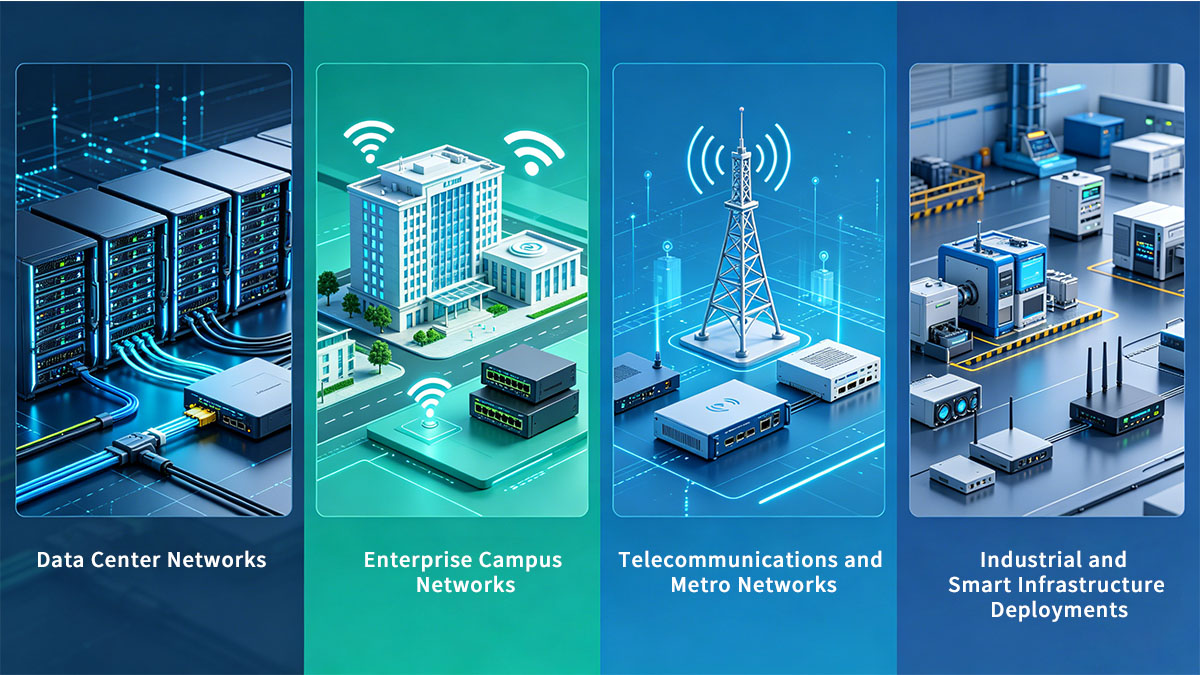
Data Center Networks
BiDi Fiber is frequently deployed in data center environments to optimize rack space, reduce cabling complexity, and improve overall infrastructure efficiency. As data centers scale, fiber density becomes a major challenge, making single-fiber solutions increasingly attractive.
In these environments, BiDi Fiber is typically used for short- to medium-reach interconnections between switches, servers, and aggregation layers. It helps operators maintain high bandwidth while minimizing the physical footprint of fiber infrastructure.
Typical use cases include:
- Switch-to-switch interconnects within racks or between adjacent racks
- Aggregation layer connections in leaf-spine architectures
- High-density server uplinks requiring simplified cabling
- Space-constrained environments where cable reduction improves airflow
By reducing fiber count per link, BiDi Fiber supports more scalable and manageable data center designs.
Enterprise Campus Networks
In enterprise campus environments, BiDi Fiber is commonly used to connect multiple buildings, floors, or network distribution points. These environments often face constraints in available fiber pathways, especially in older infrastructures where additional fiber installation is difficult or expensive.
BiDi Fiber provides a practical solution by enabling two-way communication over existing single-fiber routes. This reduces the need for new fiber deployment while maintaining reliable high-speed connectivity.
Common applications include:
- Building-to-building backbone connections
- Floor-to-floor distribution network links
- Connections between network closets and central data rooms
- Network expansion without increasing fiber duct usage
This makes BiDi Fiber particularly suitable for enterprise networks undergoing incremental upgrades rather than full infrastructure replacement.
Telecommunications and Metro Networks
Telecommunication operators and metro network providers often deploy BiDi Fiber in access and aggregation layers where fiber resources are limited or shared among multiple services. In urban environments, laying new fiber can be costly and logistically complex, making efficient fiber utilization essential.
BiDi Fiber helps carriers maximize the capacity of existing fiber infrastructure while supporting growing bandwidth demand from residential and business users.
Typical telecom applications include:
- Fiber-to-the-home (FTTH) access networks
- Metro Ethernet aggregation links
- Last-mile connectivity in dense urban areas
- Fiber-constrained backbone extensions
By reducing fiber requirements per connection, BiDi Fiber enables operators to scale services more efficiently within existing infrastructure constraints.
Industrial and Smart Infrastructure Deployments
BiDi Fiber is also widely used in industrial environments and smart infrastructure systems where reliability, space efficiency, and simplified cabling are important. These environments often include harsh conditions or distributed network topologies where fiber deployment must be optimized.
In such scenarios, BiDi Fiber supports stable communication between distributed devices while minimizing physical cabling requirements.
Common applications include:
- Industrial Ethernet networks in manufacturing facilities
- Surveillance and security camera backbone connections
- Smart city infrastructure such as traffic systems and sensors
- Transportation and utility monitoring networks
In these deployments, reducing fiber complexity also helps improve maintainability and system resilience, especially in remote or difficult-to-access locations.
🔳 Important Deployment Considerations for BiDi Fiber
BiDi Fiber technology offers clear advantages in fiber efficiency and deployment simplicity, but its performance and reliability depend heavily on correct planning and configuration. Because it relies on wavelength-based bidirectional transmission, improper module selection or fiber conditions can directly impact link stability.
Fiber Compatibility Requirements
BiDi Fiber systems are typically designed for single-mode fiber (SMF), which supports long-distance, low-loss optical transmission. Using the correct fiber type is essential to ensure signal integrity and maintain stable communication performance.
In addition to fiber type, physical condition and installation quality also play a major role in link stability. Even minor contamination or bending issues can introduce signal loss that affects bidirectional transmission.
Key compatibility considerations include:
- Use of single-mode fiber for most BiDi applications
- Proper fiber cleanliness to avoid optical signal degradation
- Avoidance of excessive bending radius that increases attenuation
- Verification of connector quality and polishing standards
These factors ensure that both transmit and receive wavelengths can propagate efficiently without unnecessary loss or distortion.
Wavelength Matching and Module Pairing
One of the most critical aspects of BiDi Fiber deployment is correct transceiver pairing. Since BiDi systems use complementary wavelengths for each direction, both ends of the link must be matched correctly to ensure proper communication.
Each BiDi transceiver is designed with a specific transmit/receive wavelength configuration. If the wrong pair is used, the link will not establish connectivity even if the physical fiber is correctly installed.
Key requirements include:
- Ensuring correct A-side and B-side transceiver pairing
- Verifying complementary wavelength configurations (e.g., TX 1310nm / RX 1490nm vs. reverse)
- Avoiding mixing incompatible vendor or wavelength standards
- Confirming module labeling before deployment
In many real-world cases, link failures in BiDi systems are not caused by fiber issues but by incorrect wavelength pairing, making this step critical in deployment planning.
Transmission Distance and Optical Power Budget
BiDi Fiber performance is directly influenced by optical power budget, which determines how far a signal can travel before degradation affects reliability. This includes transmitter output power, receiver sensitivity, and total link loss across the fiber path.
Distance limitations vary depending on module class and design. Short-reach, intermediate-reach, and long-reach BiDi modules each have different power characteristics and application scenarios.
Important considerations include:
- Total link loss from fiber attenuation and connectors
- Transceiver transmit power and receiver sensitivity range
- Environmental factors such as temperature variation and aging
- Selection of appropriate module type based on required distance
Proper power budget planning ensures stable signal reception and avoids intermittent link instability in long-distance deployments.
Compatibility with Network Equipment
Another important factor in BiDi Fiber deployment is compatibility with network switches, routers, and optical platforms. While many modern devices support standard BiDi transceivers, interoperability can still vary depending on vendor implementation and firmware restrictions.
In enterprise and carrier environments, ensuring compatibility helps avoid configuration issues and unexpected link failures.
Key deployment considerations include:
- Verification of switch or router support for BiDi optics
- Checking vendor compatibility matrices when using third-party modules
- Ensuring firmware supports optical module recognition
- Avoiding mixed configuration of unsupported optical standards
In addition, consistent configuration across network devices helps maintain predictable performance and simplifies long-term maintenance.
By carefully addressing these deployment factors, BiDi Fiber systems can deliver stable, efficient, and scalable performance in a wide range of optical networking environments.
🔳 Challenges and Limitations of BiDi Fiber Technology
BiDi Fiber technology delivers strong benefits in fiber efficiency and deployment simplicity, but it also introduces certain technical and operational constraints. These limitations are mainly related to wavelength dependency, compatibility sensitivity, and troubleshooting complexity. Understanding these challenges is essential for designing stable and scalable optical networks.
Troubleshooting Complexity
BiDi Fiber links can be more difficult to troubleshoot because both transmission directions share a single fiber while operating on different wavelengths. Unlike dual-fiber systems where TX and RX paths are physically separated, BiDi systems rely on optical filtering and wavelength control to maintain signal separation.
When a link failure occurs, the root cause may not be immediately obvious, as multiple factors can influence performance.
Common troubleshooting challenges include:
- Difficulty distinguishing between TX and RX signal issues on a shared fiber
- Dependence on accurate wavelength behavior rather than physical path separation
- Limited visibility into optical signal direction without specialized tools
- Sensitivity to minor optical power imbalance or contamination
This means that diagnosing issues often requires careful inspection of both transceiver configuration and fiber condition rather than simply testing physical connectivity.
Compatibility Risks
One of the most significant limitations of BiDi Fiber technology is its strict requirement for wavelength compatibility between paired transceivers. Even small mismatches in wavelength configuration can prevent link establishment entirely.
Unlike standard optical modules that often use identical transceivers on both ends, BiDi systems require complementary pairing, which increases the risk of configuration errors.
Key compatibility risks include:
- Incorrect pairing of A-side and B-side transceivers
- Mixing modules with incompatible wavelength standards
- Variations in vendor-specific optical implementations
- Firmware or hardware restrictions affecting interoperability
In heterogeneous network environments, these factors can lead to deployment inconsistencies if compatibility is not carefully validated before installation.
Scaling Challenges in Certain Architectures
While BiDi Fiber is highly effective for fiber optimization, it may not always be the best choice for large-scale or ultra-high-capacity network architectures. As bandwidth requirements increase, some network designs may favor dual-fiber or advanced multiplexing solutions instead.
Scaling limitations can appear in several scenarios:
- High-density backbone networks requiring maximum flexibility
- Ultra-high-speed links where advanced optical modulation is preferred
- Environments that prioritize simplified operational consistency over fiber savings
- Large multi-vendor networks with strict standardization requirements
In these cases, the added complexity of wavelength pairing and compatibility management may outweigh the benefits of fiber reduction.
🔳 Conclusion
BiDi Fiber technology has become an important solution in modern optical networking by enabling efficient single-fiber bidirectional communication through wavelength separation. It significantly reduces fiber consumption while maintaining full-duplex transmission performance, making it highly valuable in environments where fiber resources are limited or infrastructure expansion is costly.
Across data centers, enterprise campuses, telecom networks, and industrial deployments, BiDi Fiber consistently demonstrates its value in simplifying cabling architecture and improving overall network scalability. However, its successful implementation depends on correct wavelength pairing, proper power budget planning, and strict compatibility verification to ensure stable long-term operation.
To summarize the key insights discussed in this article:
- BiDi Fiber enables bidirectional communication over a single optical fiber using different wavelengths
- It reduces fiber infrastructure requirements and simplifies physical cabling design
- Proper transceiver pairing and wavelength matching are critical for stable operation
- It is widely used in data centers, enterprise networks, telecom systems, and industrial applications
- Deployment requires attention to optical power budget, compatibility, and maintenance practices
As network demand continues to grow, BiDi Fiber remains a practical and efficient option for optimizing optical infrastructure without compromising performance.
For organizations planning to deploy or upgrade BiDi-based optical networks, selecting reliable and compatible transceiver solutions is essential for ensuring system stability and long-term efficiency. The LINK-PP Official Store provides a wide range of optical transceiver solutions designed to support different BiDi Fiber applications, helping network operators build scalable and efficient fiber infrastructures aligned with modern connectivity requirements.