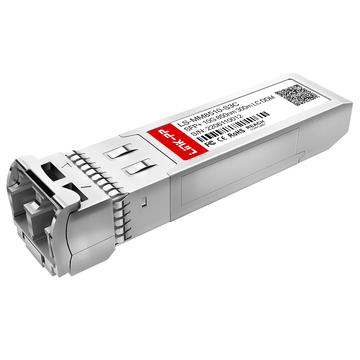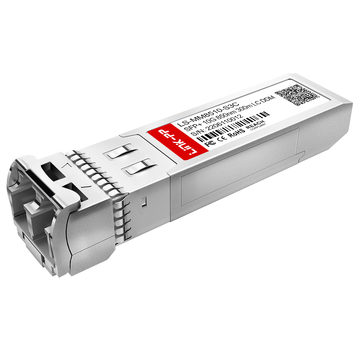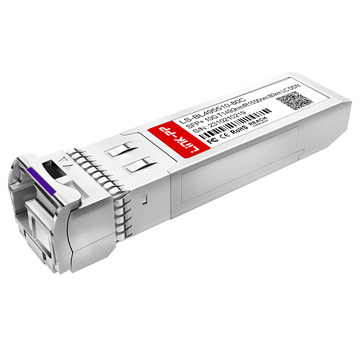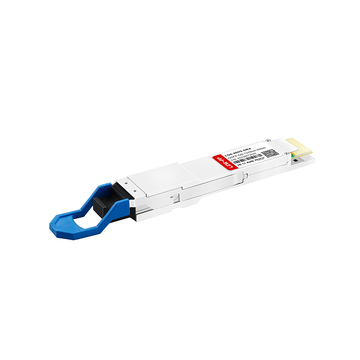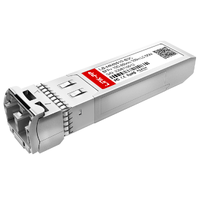
The Check Point CPAC-TR-10SR-C is a widely deployed 10G SFP+ SR optical transceiver designed for short-range, high-speed data transmission in enterprise and data center environments. As 10G infrastructure continues to serve as a stable backbone for many networks, this module remains relevant for organizations seeking reliable performance without transitioning immediately to higher-speed alternatives.
From a procurement perspective, understanding the price structure and sourcing landscape of CPAC-TR-10SR-C is essential. Costs can vary significantly depending on factors such as vendor type, compatibility requirements, supply chain conditions, and order volume. At the same time, the availability of third-party compatible optical transceiver modules introduces additional options that can impact both budget planning and deployment strategy.
This article focuses on price analysis and sourcing considerations to help decision-makers evaluate different supply channels, identify cost drivers, and select suitable options based on performance, reliability, and long-term value.
🏉 Overview of Check Point CPAC-TR-10SR-C in Modern Networks
The Check Point CPAC-TR-10SR-C is a short-range 10G SFP+ optical module primarily used to deliver stable, high-speed connectivity within data centers and enterprise networks. It is optimized for multimode fiber environments where cost efficiency and low latency are critical, making it a practical choice for dense network architectures.
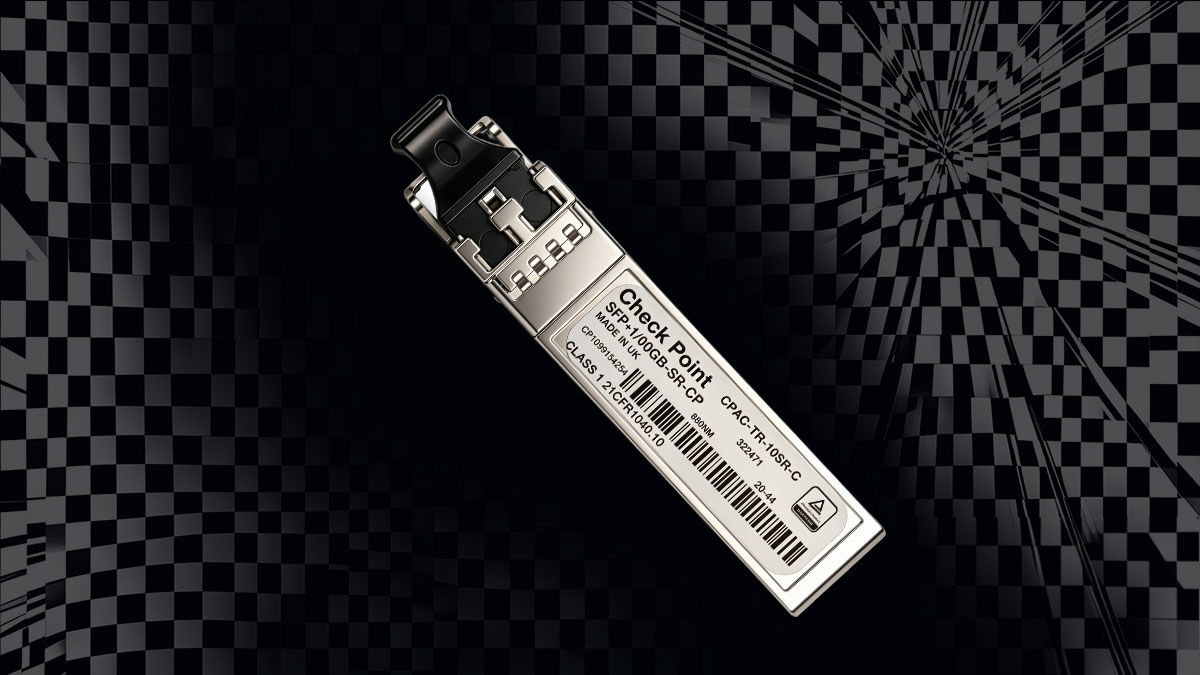
Core Specifications and Functional Role
The CPAC-TR-10SR-C is defined by standardized 10G SR optical characteristics that ensure predictable performance and interoperability across compliant devices. These specifications directly determine transmission distance, signal stability, and deployment flexibility.
- Data rate: 10Gbps, compliant with 10G Ethernet standards
- Wavelength: 850nm for multimode fiber transmission
- Connector type: Duplex LC interface
- Transmission distance: Up to 300m over OM3 multimode fiber
- Form factor: SFP+ hot-pluggable module
- Digital diagnostics monitoring (DDM): Supported for real-time performance tracking
These specifications position the module as a reliable solution for short-distance, high-bandwidth interconnects where consistent throughput and low error rates are required.
Typical Deployment Scenarios
The CPAC-TR-10SR-C is commonly deployed in environments where short-range optical links are needed to support high-density networking with minimal latency.
- Data center top-of-rack (ToR) switching connections
- Server-to-switch interconnects within racks
- Aggregation layer links in enterprise campus networks
- Storage area network (SAN) connectivity for high-speed data access
These scenarios highlight its role in supporting scalable architectures while maintaining cost control in short-reach optical deployments.
Compatibility Considerations
Compatibility is a key factor when deploying CPAC-TR-10SR-C, as it is designed for specific platforms but may also function in multi-vendor environments with proper configuration.
- Native compatibility with Check Point network appliances
- Vendor-specific coding requirements for third-party switches
- Potential firmware restrictions impacting module recognition
- Importance of interoperability testing in mixed-brand networks
Careful evaluation of compatibility ensures stable operation and helps avoid issues such as link failures or unsupported hardware alerts in production environments.
🏉 Price Analysis of CPAC-TR-10SR-C
The price of the Check Point CPAC-TR-10SR-C varies significantly depending on sourcing channel, product type (OEM vs compatible), and supply conditions. In practice, the market shows a wide pricing range—from under $30 for compatible units to several hundred dollars for original-branded modules—making price evaluation a critical step in procurement.
Key Factors Influencing Pricing
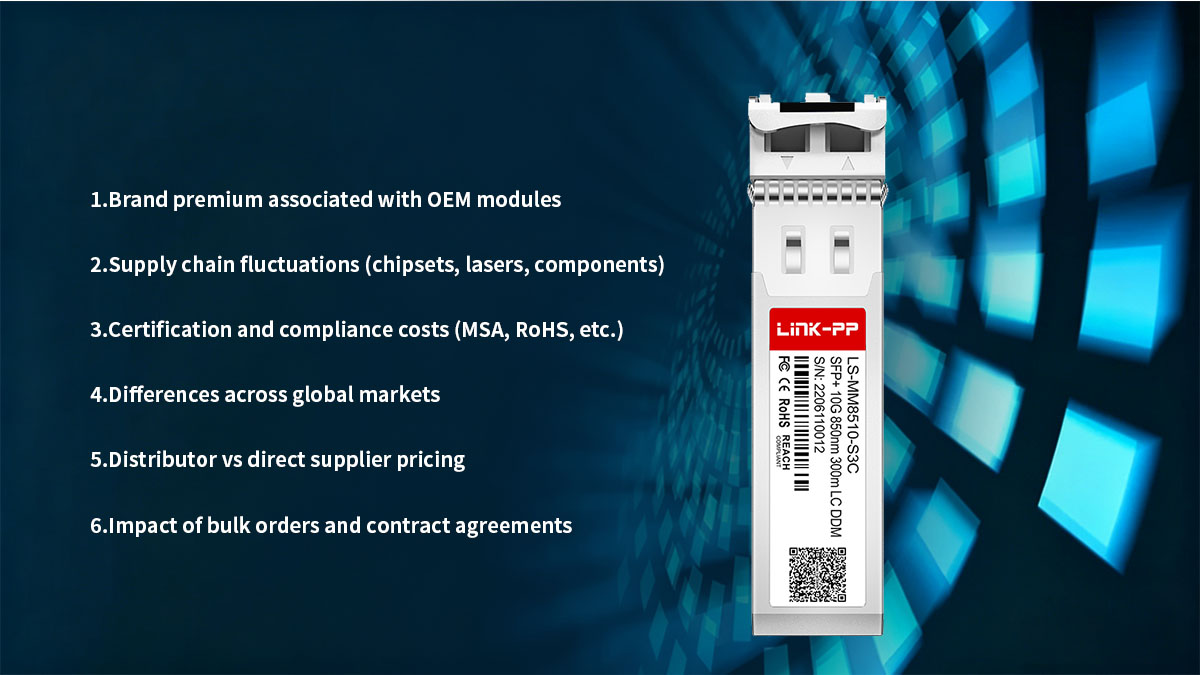
The cost of CPAC-TR-10SR-C is not fixed; it is shaped by multiple technical and commercial factors that directly impact final pricing.
- Brand premium: OEM-labeled modules carry higher prices due to brand assurance and official support
- Component cost: Laser diodes, chipsets, and optical assemblies influence manufacturing cost
- Certification requirements: Compliance with MSA, RoHS, and vendor-specific standards adds cost layers
- Supply chain conditions: Global semiconductor availability and logistics affect pricing stability
- Testing and quality assurance: Higher testing standards increase production cost but improve reliability
These factors explain why identical-looking modules can differ significantly in price across vendors.
OEM vs Compatible Module Pricing Comparison
A direct comparison between OEM and compatible modules reveals the most substantial price gap in the market, which is often the first consideration for cost-sensitive deployments.
| Category | Typical Price Range | Key Characteristics |
|---|---|---|
| OEM (Original Check Point) | $200 – $450+ | Official branding, guaranteed compatibility, vendor support |
| Third-party compatible | $30 – $200 | Lower cost, similar specs, depends on vendor quality |
For example, original or OEM-labeled units such as Check Point CPAC-TR-10SR-C Expansion Module are listed around mid-to-high price levels, while compatible alternatives like CPAC-TR-10SR Compatible SFP+ Transceiver can be priced dramatically lower.
This comparison highlights that while OEM modules provide assurance, compatible modules often deliver similar technical performance at a fraction of the cost when sourced from reliable vendors.
Regional and Channel-Based Price Variations
Pricing also varies depending on where and how the module is sourced, with noticeable differences across regions and sales channels.
- Authorized distributors: Higher pricing due to official supply chains and support guarantees
- Independent resellers: Moderate pricing with variable inventory conditions
- Online platforms: Competitive pricing but higher variability in quality
- Direct manufacturers: Lower unit cost but may require bulk orders
For instance, listings such as Check Point CPAC-TR-10SR-C Module and Check Point CPAC-TR-10SR Transceiver show noticeable price differences across sellers even for similar products.
These variations emphasize the importance of evaluating both price and supplier credibility rather than relying on a single quote.
Historical Price Trends and Market Dynamics
The pricing of 10G SR optical modules like CPAC-TR-10SR-C reflects a mature and competitive market segment with relatively stable long-term trends.
- Gradual price decline over time due to technology commoditization
- Reduced demand pressure as networks transition to SFP28 25G and higher speeds
- Continued demand in legacy and hybrid infrastructures
- Increasing availability of high-quality compatible modules driving competition
Market data shows that compatible modules can be found at significantly reduced price points, sometimes below $50, while OEM-branded units remain in higher ranges depending on availability and condition.
Overall, the price trend indicates that while OEM pricing remains relatively firm, the broader market is becoming increasingly cost-efficient due to competition and technological maturity.
🏉 Sourcing Channels for CPAC-TR-10SR-C
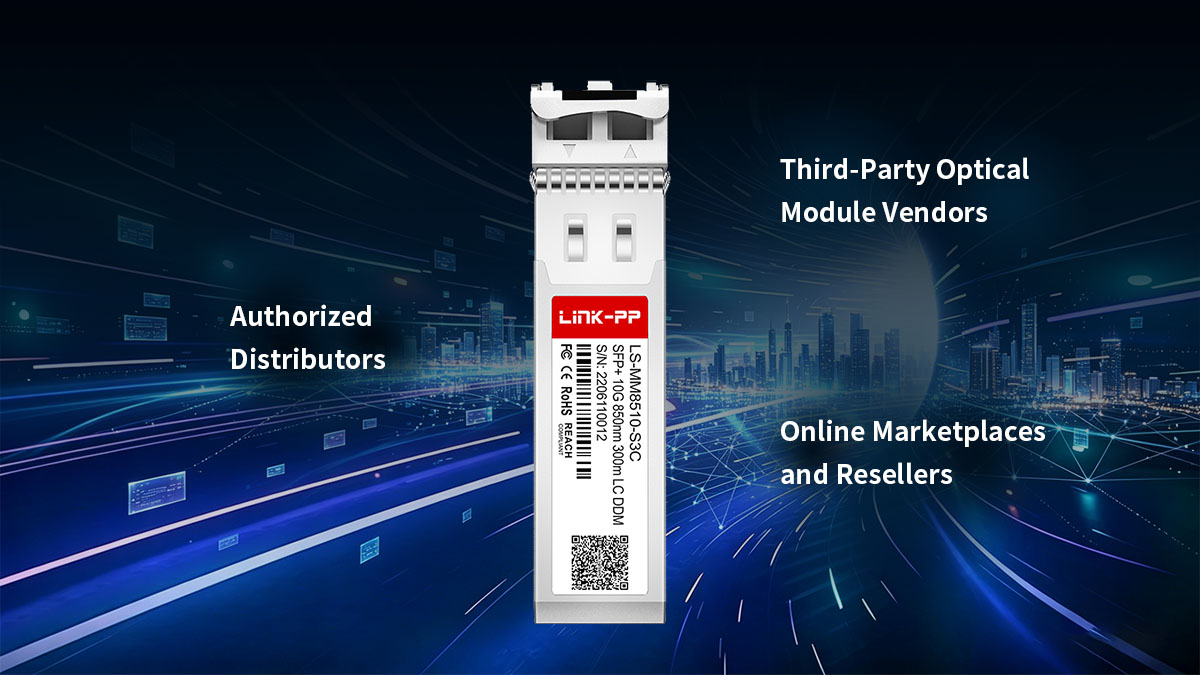
The Check Point CPAC-TR-10SR-C can be sourced through multiple channels, each offering different advantages in terms of price, authenticity, lead time, and technical support. Selecting the right sourcing path directly impacts both upfront cost and long-term network reliability.
Authorized Distributors
Authorized distributors provide original CPAC-TR-10SR-C modules with full vendor backing, making them the most reliable but also the most expensive option.
- Access to genuine OEM products with guaranteed compatibility
- Official warranty and vendor-certified technical support
- Higher pricing due to brand authorization and supply chain structure
- Suitable for regulated industries or mission-critical deployments
For example, OEM listings such as Check Point Expansion Module CPAC-TR-10SR-C are typically positioned at the higher end of the price spectrum due to authenticity assurance.
This channel is best suited for environments where compliance, stability, and vendor accountability outweigh cost considerations.
Third-Party Optical Module Vendors
Third-party vendors offer compatible alternatives that match the core specifications of CPAC-TR-10SR-C while significantly reducing costs.
- Pre-coded or customizable modules for multi-vendor compatibility
- Competitive pricing due to absence of OEM brand premium
- Wide range of suppliers with varying quality standards
- Often include testing reports and compatibility guarantees
Examples include compatible or equivalent modules such as LINK-PP SFP+ Transceiver Module (LS-MM8510-S3C) and budget-friendly options like CPAC-TR-10SR Compatible SFP+ Transceiver.
These vendors are commonly selected for large-scale deployments where cost efficiency is a priority, provided that supplier credibility is verified.
Online Marketplaces and Resellers
Online platforms and independent resellers provide a broad selection of CPAC-TR-10SR-C modules across different price points and conditions.
- Wide availability, including new, refurbished, and surplus inventory
- Competitive pricing due to multiple sellers in one marketplace
- Risk of inconsistent quality or unclear product origin
- Requires careful evaluation of seller reputation and return policies
For instance, listings such as Check Point CPAC-TR-10SR Transceiver and lower-cost entries like Check Point 10GBase-SR SFP+ Transceiver illustrate the broad pricing range available in reseller channels.
This sourcing route is suitable for flexible procurement strategies but demands stricter due diligence.
Direct Manufacturer Sourcing
Sourcing directly from manufacturers or OEM-compatible factories can offer the lowest per-unit cost, especially for bulk orders.
- Factory-direct pricing with minimal intermediary markup
- Customization options such as EEPROM coding and labeling
- Longer lead times depending on production schedules
- Minimum order quantity (MOQ) requirements
Examples of factory-oriented or bulk-friendly options include CPAC-TR-10SR-TFO Transceiver and other compatible modules designed for high-volume deployment.
This approach is ideal for large-scale infrastructure projects where cost optimization and supply consistency are key priorities.
🏉 How to Evaluate Reliable Suppliers
Selecting a reliable supplier for the Check Point CPAC-TR-10SR-C is critical because pricing alone does not guarantee long-term stability or compatibility. A structured evaluation helps reduce risks such as module failure, incompatibility, or inconsistent performance in production environments.
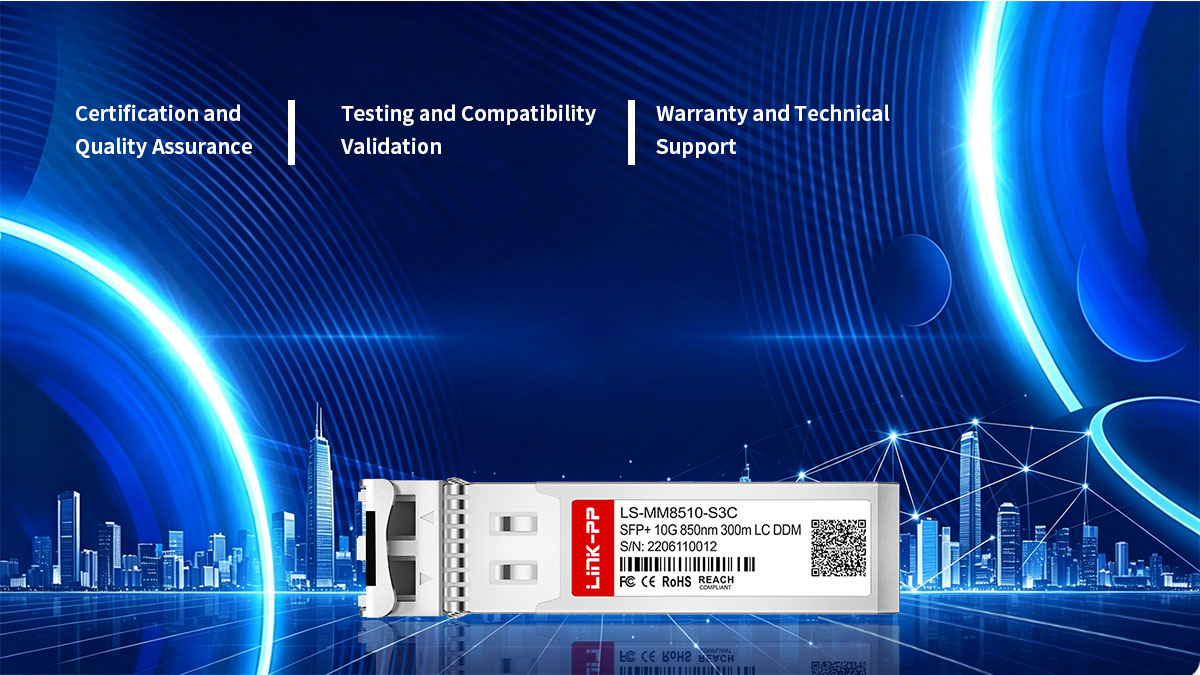
Certification and Quality Assurance
Reliable suppliers are typically distinguished by their adherence to recognized manufacturing and quality standards. These certifications directly influence product reliability and deployment confidence.
Before listing key criteria, it is important to understand that certifications act as a baseline filter for supplier credibility rather than a complete guarantee of performance.
- ISO 9001 certification for manufacturing quality management
- RoHS compliance ensuring environmental and material safety standards
- MSA (Multi-Source Agreement) adherence for optical interoperability
- Availability of Digital Diagnostics Monitoring (DDM) support
- Batch-level traceability for production consistency
These indicators help ensure that the CPAC-TR-10SR-C modules meet minimum industry expectations for performance and safety in network deployments.
Testing and Compatibility Validation
Even if a supplier meets certification standards, real-world validation is essential to confirm stable operation within specific network environments.
Before reviewing validation methods, it is important to note that compatibility issues often arise not from hardware defects but from firmware or vendor-specific restrictions.
- Pre-shipment functional testing for signal stability and error rate
- Compatibility testing across multiple switch vendors and platforms
- Burn-in testing under extended operational load conditions
- Verification of EEPROM coding for correct device identification
- Optical power and wavelength validation for multimode fiber compliance
These testing procedures help reduce deployment risks and ensure the module performs consistently under real network traffic conditions.
Warranty and Technical Support
Warranty and support capabilities are strong indicators of supplier reliability, especially in large-scale or mission-critical deployments where downtime must be minimized.
Before listing specific factors, it is important to recognize that after-sales support often determines the true lifecycle value of a transceiver module.
- Standard warranty periods ranging from 1 to 5 years depending on supplier
- Replacement policies for DOA (dead on arrival) or early failure cases
- Technical support for installation, configuration, and troubleshooting
- Availability of cross-platform compatibility assistance
- Clear RMA (Return Merchandise Authorization) process
Strong support infrastructure ensures that issues related to CPAC-TR-10SR-C can be resolved quickly, reducing operational disruption and maintenance costs over time.
🏉 Cost Optimization Strategies for Bulk Deployment
When deploying the Check Point CPAC-TR-10SR-C at scale, cost efficiency becomes less about unit price and more about total procurement structure. Bulk deployments introduce opportunities to significantly reduce overall expenditure while maintaining performance consistency across the network.
Volume Pricing and Negotiation
Large-scale procurement allows organizations to leverage volume-based pricing models, which can substantially reduce per-unit costs. However, achieving optimal pricing requires structured negotiation rather than ad-hoc purchasing.
Before listing strategies, it is important to understand that pricing tiers are typically determined by order size, supplier relationship strength, and delivery commitments.
- Tiered pricing structures based on quantity thresholds
- Long-term supply agreements for price stabilization
- Consolidated purchasing across departments or projects
- Negotiation of bundled pricing for mixed optical module orders
- Lead-time flexibility in exchange for cost reduction
These approaches help align procurement strategy with budget efficiency while ensuring supply continuity for CPAC-TR-10SR-C modules.
Standardization Across Network Infrastructure
Standardizing optical components across the network is one of the most effective ways to reduce hidden operational costs in large deployments.
Before exploring specific practices, it is important to note that non-standardized environments often lead to higher inventory complexity and maintenance overhead.
- Reducing SKU diversity across different network layers
- Using consistent SFP+ module types for uniform deployment
- Simplifying spare parts inventory management
- Minimizing compatibility testing across mixed hardware environments
- Improving deployment speed through repeatable configurations
Standardization not only lowers procurement complexity but also improves long-term operational efficiency in environments using CPAC-TR-10SR-C modules.
Lifecycle Cost Considerations
Focusing solely on purchase price can lead to underestimated long-term costs. A more accurate approach evaluates total cost of ownership across the module lifecycle.
Before outlining key elements, it is important to recognize that lifecycle costs often exceed initial procurement costs in large-scale networks.
- Maintenance and replacement frequency over operational lifespan
- Energy efficiency and thermal performance impact
- Downtime costs associated with module failure or incompatibility
- Logistics and storage costs for spare inventory
- Firmware updates and compatibility management over time
By considering these factors, organizations can make more balanced decisions when deploying CPAC-TR-10SR-C at scale, ensuring that upfront savings do not result in higher long-term operational expenses.
🏉 Risks and Pitfalls in Sourcing Optical Transceivers
Sourcing the Check Point CPAC-TR-10SR-C is not only a pricing decision but also a risk management process. Even when specifications appear identical across suppliers, differences in quality control, compatibility handling, and after-sales support can lead to significant operational issues.
Counterfeit and Low-Quality Modules
One of the most critical risks in the optical transceiver market is the presence of counterfeit or low-quality products that imitate genuine specifications but fail under real workloads.
Before listing common issues, it is important to note that counterfeit modules often enter the supply chain through unverified resellers or overly discounted listings.
- Inconsistent optical signal strength leading to unstable links
- Premature hardware failure under normal operating conditions
- Incorrect or missing EEPROM coding affecting device recognition
- Lack of compliance with MSA or IEEE standards
- No real quality assurance or burn-in testing before shipment
These risks can result in network downtime, troubleshooting complexity, and unexpected replacement costs in CPAC-TR-10SR-C deployments.
Compatibility Issues
Compatibility problems are another major challenge, especially in multi-vendor or mixed-environment networks where firmware behavior may vary.
Before exploring specific issues, it is important to understand that compatibility is not always guaranteed even when physical specifications match.
- Vendor lock-in restrictions blocking third-party modules
- Firmware updates disabling previously working transceivers
- Mismatched coding causing “unsupported transceiver” alerts
- Limited interoperability across different switch platforms
- Inconsistent performance under high traffic loads
These factors can disrupt deployment stability and often require additional configuration or module replacement to resolve.
Hidden Costs
Beyond the visible purchase price, several hidden costs can significantly affect the total expenditure of sourcing CPAC-TR-10SR-C modules.
Before listing these cost factors, it is important to highlight that many organizations underestimate lifecycle-related expenses during initial procurement planning.
- Shipping delays and expedited freight charges for urgent replacements
- Import duties, taxes, and regional compliance fees
- Downtime costs caused by module failure or incompatibility
- Additional labor for testing, validation, and troubleshooting
- Inventory holding costs for maintaining spare modules
These hidden expenses often outweigh initial savings from low-cost sourcing channels, making total cost evaluation essential in procurement strategy.
Lack of Reliable After-Sales Support
After-sales support is often overlooked during sourcing but becomes critical when technical issues arise in production environments.
Before outlining key risks, it is important to understand that optical transceivers are mission-critical components in network infrastructure.
- Limited or no warranty coverage for low-cost suppliers
- Slow response time for RMA (Return Merchandise Authorization) processes
- Lack of technical expertise for troubleshooting compatibility issues
- Absence of replacement guarantees for early-stage failures
- Poor documentation and configuration support
Without strong support infrastructure, resolving issues related to CPAC-TR-10SR-C can lead to extended downtime and increased operational risk.
🏉 Future Outlook for 10G SR Optical Modules
The 10G SR optical module segment, including solutions like the Check Point CPAC-TR-10SR-C, is transitioning from rapid growth to a more mature, stability-driven phase. While higher-speed technologies such as SFP28 25G, QSFP28 100G, and beyond continue to expand, 10G SR remains widely used due to its cost efficiency, compatibility with existing infrastructure, and strong presence in enterprise and data center networks.
Market Demand Trends
The demand for 10G SR optical modules remains stable because they continue to serve as a foundational connectivity layer in many network environments.
Before listing key demand drivers, it is important to recognize that 10G SR is no longer the fastest option, but it is still one of the most economically efficient for short-reach links.
- Strong continued usage in enterprise LAN and campus networks
- High deployment volume in data center server-to-switch connections
- Ongoing support for legacy infrastructure upgrades instead of full replacement
- Growth in edge computing environments requiring cost-efficient connectivity
- Sustained demand in hyperscale data centers for intra-rack communication
These factors ensure that CPAC-TR-10SR-C-class modules maintain relevance even as newer standards emerge.
Price Evolution Expectations
Pricing trends for 10G SR optical modules are expected to remain competitive, with gradual long-term downward pressure due to market maturity and increased competition.
Before outlining key pricing dynamics, it is important to note that this segment is heavily influenced by commoditization and alternative supplier ecosystems.
- Gradual price reduction driven by manufacturing scale and commoditization
- Increased influence of third-party compatible vendors on market pricing
- Stabilization of OEM pricing in premium segments
- Reduced cost volatility compared to other high-speed transceivers
- Continued price differentiation based on certification and brand assurance
Overall, pricing for CPAC-TR-10SR-C-type modules is expected to become more standardized over time, with wider gaps between OEM and compatible options remaining a key market characteristic.
Transition to Higher-Speed Alternatives
Although 10G SR remains widely deployed, the industry is steadily transitioning toward higher bandwidth technologies, which will shape long-term demand patterns.
Before listing transition drivers, it is important to emphasize that migration is gradual rather than immediate due to infrastructure investment cycles.
- Expansion of 25G and 100G Ethernet in modern data center architectures
- Increasing adoption of high-density QSFP-based platforms
- Performance requirements driven by cloud computing and AI workloads
- Gradual replacement of 10G uplinks in new deployments
- Continued coexistence of 10G and higher-speed links in hybrid networks
Despite this transition, 10G SR modules are expected to remain in use for many years due to installed base size and cost-sensitive deployment scenarios, ensuring ongoing relevance for products like CPAC-TR-10SR-C.
🏉 Conclusion
The Check Point CPAC-TR-10SR-C remains a widely used 10G SR optical transceiver in enterprise and data center networks, and its value is increasingly defined by price efficiency, sourcing flexibility, and long-term deployment reliability. A clear understanding of its pricing structure and supply channels helps organizations balance performance requirements with total cost control in modern networking environments.
The key takeaway is that CPAC-TR-10SR-C procurement is no longer just a hardware selection task, but a strategic sourcing decision. Both OEM and compatible options play important roles depending on operational priorities.
- CPAC-TR-10SR-C delivers stable 10G SR connectivity for short-range fiber links
- Pricing varies significantly across OEM, compatible, and reseller channels
- Sourcing strategy directly impacts total cost, compatibility, and lifecycle stability
To simplify decision-making, the most important considerations can be summarized as follows:
- Price structure is multi-layered: influenced by brand, supply chain, and certification
- Compatible modules reduce cost pressure: but require careful supplier evaluation
- Sourcing channel selection is critical: impacts reliability, warranty, and support
- Lifecycle cost matters more than unit price: especially in bulk deployments
- Market trend is stable but competitive: driven by mature 10G ecosystem and rising alternatives
In real-world deployments, selecting the right optical transceiver source is ultimately about achieving the right balance between cost efficiency and operational reliability. Organizations that evaluate suppliers systematically can significantly reduce long-term network risks while optimizing infrastructure investment.
For more reliable optical transceiver options and cost-effective networking solutions, explore the LINK-PP Official Store, where a wide range of compatible and enterprise-grade modules are available to support diverse deployment needs across modern network architectures.