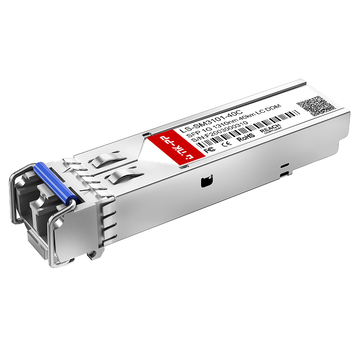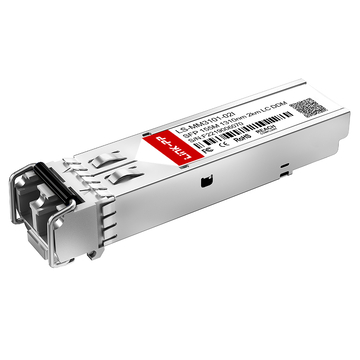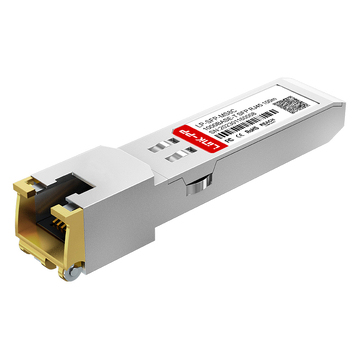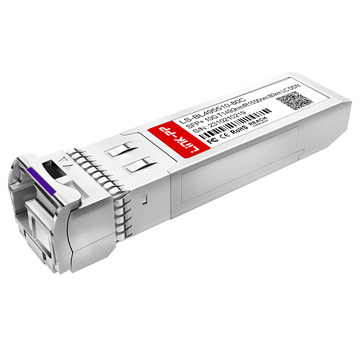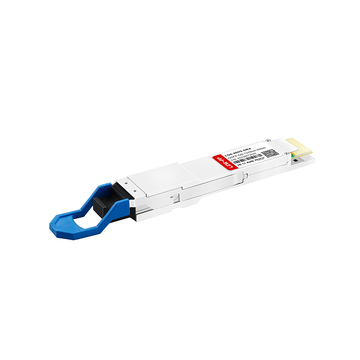


























Industrial networks demand more than just connectivity—they require stability, resilience, and long-term reliability in environments where temperature extremes, electromagnetic interference, and physical stress are common. In such scenarios, 100FX industrial SFP modules remain a practical and widely deployed solution for delivering consistent 100Mbps fiber connectivity.
Compared with higher-speed optical technologies, 100FX continues to hold its value in legacy systems and mission-critical applications due to its simplicity, deterministic performance, and strong compatibility with industrial Ethernet infrastructure. However, not all 100FX SFP modules are built for harsh environments, making it essential to understand how ruggedized, industrial-temperature (I-Temp) optics differ from standard commercial options.
This guide focuses on how to identify and source reliable 100FX industrial SFP Transceiver, covering key technical characteristics, deployment scenarios, and the most important factors to consider when selecting optics for demanding industrial applications.
? What Is 100FX and Why It Matters in Industrial Networks
100FX is a fiber-based Fast Ethernet standard that remains highly relevant in industrial networks because it delivers stable, interference-resistant communication over moderate distances, making it well-suited for legacy systems and harsh deployment environments.
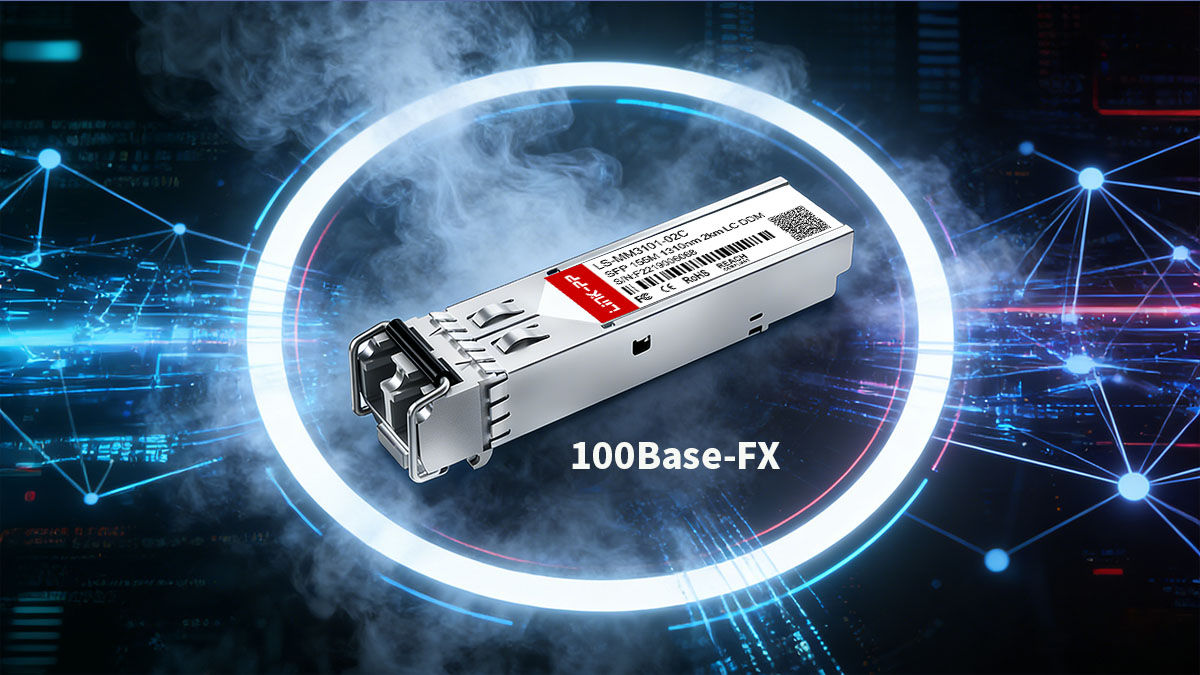
Overview of 100Base-FX Optical Standard
100FX is a Fast Ethernet fiber standard designed for stable 100Mbps transmission, making it a reliable choice for short- to medium-distance industrial optical links.
| Parameter | 100Base-FX Specification |
|---|---|
| Data Rate | 100Mbps |
| Wavelength | 1310nm |
| Fiber Type | Multimode Fiber (MMF) |
| Typical Distance | Up to 2km |
This standard uses dual-fiber transmission (separate Tx and Rx paths) and is commonly implemented via fiber SFP modules, enabling flexible deployment across industrial switches and media converters. Its relatively simple architecture reduces complexity while maintaining stable link performance.
Role of 100FX in Industrial Ethernet Applications
100FX remains highly relevant in industrial Ethernet because it prioritizes reliability, interference immunity, and long-term stability over bandwidth.
-
Ensures deterministic communication for control systems such as PLC and SCADA
-
Provides strong resistance to electromagnetic interference (EMI), especially in electrically noisy environments
-
Supports long lifecycle deployments where infrastructure upgrades are infrequent
-
Maintains compatibility with legacy industrial devices and networks
In many industrial scenarios, predictable performance and environmental resilience are more critical than higher throughput. As a result, 100FX continues to serve as a dependable optical layer in automation, utilities, and transportation systems.
? Key Features of Industrial-Grade 100FX SFP Modules
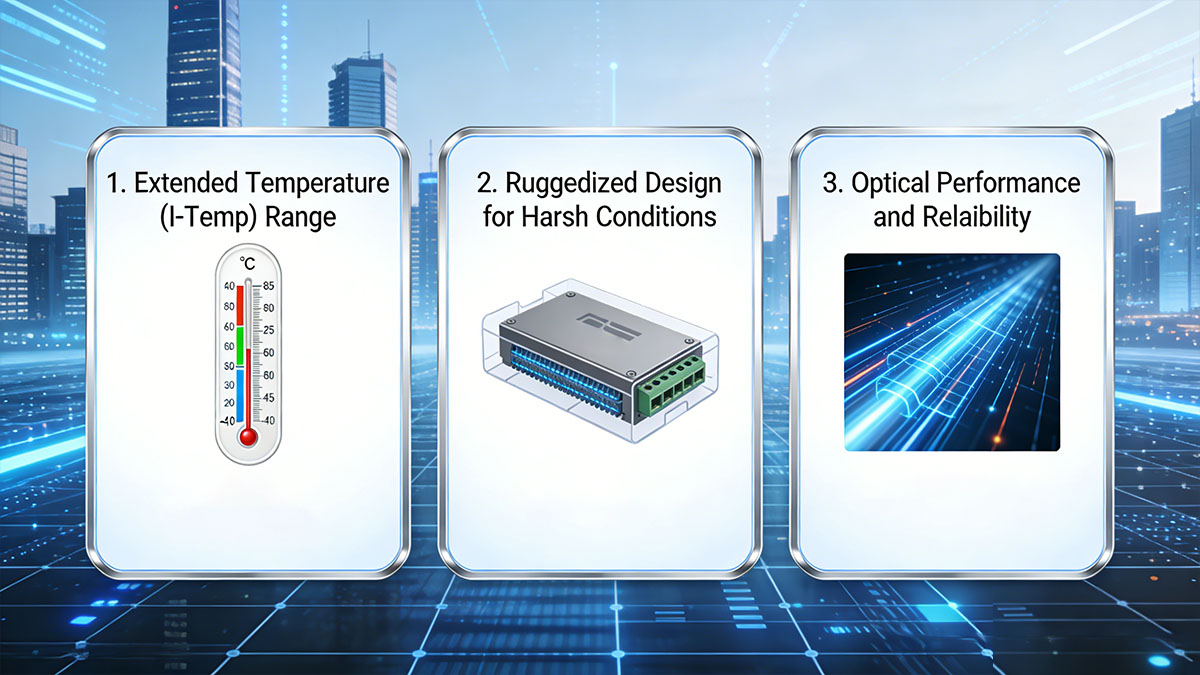
Industrial-grade 100FX SFP modules are differentiated not just by their ability to operate in harsh environments, but by how they maintain signal integrity, thermal stability, and hardware reliability under continuous stress, which directly impacts network uptime and lifecycle cost.
Industrial Temperature (I-Temp) Range
Industrial 100FX SFP optical transceiver is designed to sustain stable optical output and receiver sensitivity across extreme temperatures, rather than simply surviving those conditions.
| Parameter | Industrial 100FX SFP | Commercial 100FX SFP |
|---|---|---|
| Operating Range | -40°C to +85°C | 0°C to +70°C |
| Laser Stability | High across range | Degrades at extremes |
| Receiver Sensitivity | Consistent | Temperature-dependent |
| Failure Risk | Low | Elevated at edges |
Maintaining optical stability across temperature extremes requires tighter component tolerances, temperature-compensated laser drivers, and more robust calibration during manufacturing. Without these, optical modules may experience power drift, increased bit error rates, or even link failure when exposed to rapid thermal changes.
In industrial deployments such as roadside cabinets or substations, temperature swings can be frequent and abrupt. I-Temp modules are designed to handle these transitions without requiring active cooling or environmental control.
Ruggedized Design for Harsh Conditions
Industrial 100FX SFP modules incorporate mechanical and electrical design enhancements that directly improve resilience against environmental stressors, rather than relying solely on external protection.
-
Reinforced PCB mounting reduces microfractures caused by vibration over time
-
Shielded enclosures minimize electromagnetic coupling and signal distortion
-
مقاومة corrosion through protective coatings on critical components
-
Improved connector durability to withstand repeated insertion and removal
Unlike controlled data center environments, industrial sites often expose equipment to continuous vibration (e.g., rail systems), high EMI (e.g., power substations), and airborne contaminants. These factors can degrade signal quality or cause intermittent failures if not properly addressed at the module level.
Ruggedization therefore plays a critical role not only in preventing immediate failure but also in avoiding gradual performance degradation.
Optical Performance and Reliability
Industrial 100FX SFP modules are optimized for long-term link stability, ensuring predictable performance under continuous operation rather than peak performance under ideal conditions.
| Performance Metric | Industrial 100FX SFP | Typical Commercial SFP |
|---|---|---|
| Bit Error Rate (BER) | ≤10⁻¹² | ≤10⁻¹⁰ |
| Optical Power Stability | High | Moderate |
| MTBF | Extended | Standard |
| Link Recovery Behavior | Fast and stable | Variable |
Industrial-grade 100M SFP modules typically undergo stricter validation processes, including temperature cycling, vibration testing, and extended burn-in periods. These processes ensure that performance remains consistent over years of deployment, not just during initial operation.
For industrial Ethernet applications where communication interruptions can halt production lines or disrupt critical infrastructure, consistent optical behavior and predictable failure characteristics are more valuable than raw throughput.
? Common Deployment Scenarios for 100FX Industrial SFP
100FX industrial SFP modules are most commonly deployed in environments where network stability, electromagnetic immunity, and long-term reliability are more critical than bandwidth, especially in infrastructure with extended lifecycle requirements.

Factory Automation and Manufacturing Lines
100FX is widely used in factory automation because it provides deterministic and interference-resistant communication between control systems and field devices.
-
PLC-to-switch fiber uplinks for stable control signaling
-
Machine-to-machine communication in production lines
-
Integration with industrial Ethernet switches in ring or line topologies
-
Isolation from electrical noise generated by motors and heavy machinery
In manufacturing environments, copper links are often vulnerable to EMI and grounding issues. Fiber-based 100FX links eliminate these risks while ensuring consistent latency, which is essential for synchronized operations.
Transportation and Railway Systems
100FX is well-suited for transportation systems where environmental stress and physical vibration are constant factors.
| Deployment Area | Key Requirement | 100FX Advantage |
|---|---|---|
| Railway signaling | High reliability | Stable fiber communication |
| Trackside equipment | Temperature tolerance | I-Temp support |
| Onboard systems | Vibration resistance | Ruggedized design |
Railway and traffic control systems often operate in outdoor or semi-protected environments. 100FX industrial fiber optic SFP module ensures continuous communication despite exposure to vibration, dust, and temperature fluctuations.
Power Utilities and Substation Automation
100FX is frequently deployed in power utility networks due to its strong resistance to electromagnetic interference and ability to maintain stable links in high-voltage environments.
-
Communication between protection relays and control systems
-
Fiber links in substations with high EMI exposure
-
مقاومة electrical surges and grounding issues
-
Reliable data transmission over moderate distances
In substations, copper-based communication can be unreliable due to induced currents and electromagnetic noise. Fiber-based 100FX links provide electrical isolation, significantly improving network reliability.
Outdoor Surveillance and Smart Infrastructure
100FX industrial SFP modules are commonly used in outdoor surveillance and smart city infrastructure where environmental conditions are unpredictable.
-
CCTV backhaul over multimode fiber
-
Connectivity between roadside cabinets and control centers
-
Deployment in smart traffic systems and public safety networks
-
Operation in extreme weather conditions without active cooling
These deployments often require equipment to function continuously without maintenance access. Industrial 100FX modules ensure stable operation under temperature extremes, humidity, and dust exposure, making them a practical choice for long-term outdoor use.
? Critical Factors When Sourcing 100FX Industrial SFP Modules
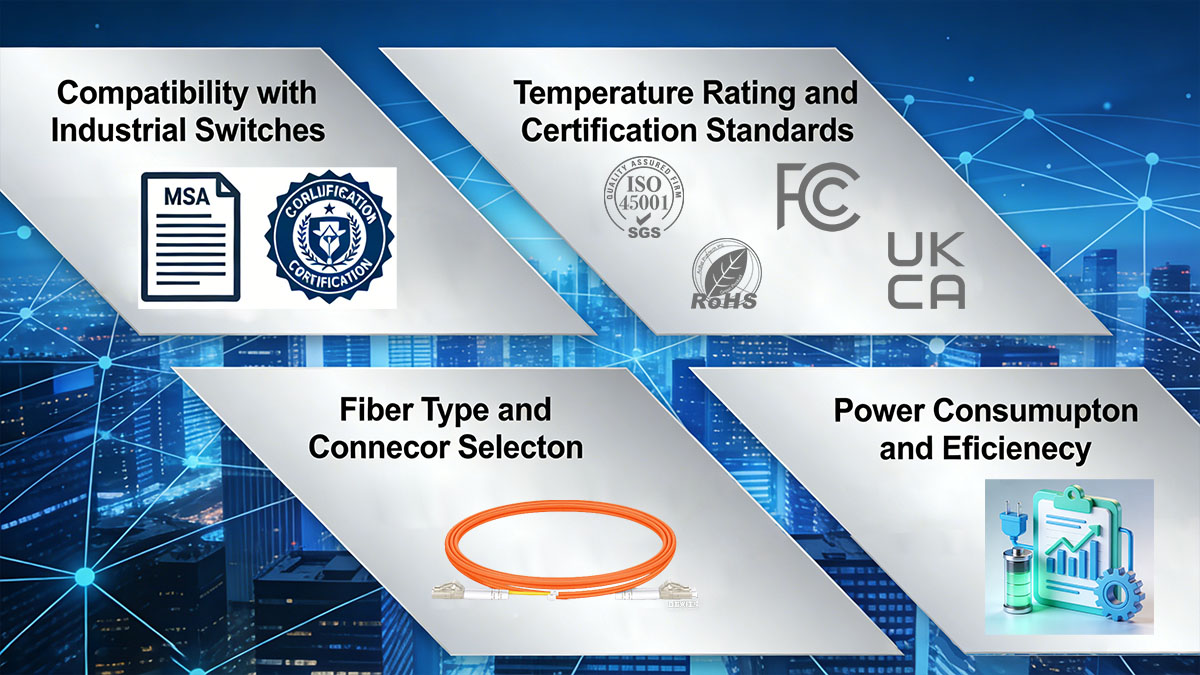
When selecting 100FX industrial SFP modules, reliability, compatibility, and environmental resilience are more important than cost alone. Choosing the right module ensures stable communication, long-term performance, and minimal maintenance in harsh deployments.
Compatibility with Industrial Switches
Ensuring compatibility between SFP modules and industrial switches is critical to avoid link failures or degraded performance.
-
Verify MSA (Multi-Source Agreement) compliance to guarantee interoperability
-
Confirm supported temperature and voltage ranges of the switch ports
-
Check firmware or vendor specifications for approved module models
-
Consider hybrid network scenarios where modules may connect to both industrial and standard switches
Industrial networks often include a mix of legacy and modern equipment. Using non-certified modules may cause intermittent link drops, errors, or even permanent port damage.
Temperature Rating and Certification Standards
Temperature tolerance and industry certifications are key indicators of module suitability for harsh environments.
| Factor | Importance for Industrial SFP |
|---|---|
| I-Temp Range | Ensures operation in -40°C to +85°C |
| CE / RoHS Compliance | Regulatory and environmental assurance |
| IEC 61000-4 Standards | EMC resistance in electrically noisy environments |
| MIL-STD / Vibration Testing | Durability under mechanical stress |
Modules lacking proper certification or inadequate temperature ratings may fail when deployed outdoors, near heavy machinery, or in transportation infrastructure.
Fiber Type and Connector Selection
Selecting the correct fiber type and connector ensures optical efficiency and simplifies deployment.
-
Use multimode fiber (OM1/OM2) for 100FX distances up to 2km
-
LC connectors are common for compact SFP modules; SC connectors may be preferred in legacy installations
-
Consider insertion loss, return loss, and connector durability in industrial conditions
-
Ensure consistency with existing fiber infrastructure to avoid performance bottlenecks
Incorrect fiber or connector choices can lead to increased attenuation, signal reflection, or physical damage during installation, reducing link reliability.
Power Consumption and Efficiency
Power efficiency is an often-overlooked factor, but it directly affects system stability, especially in edge devices or remote deployments.
-
Low-power SFP modules reduce heat generation in confined enclosures
-
Consistent power consumption helps maintain stable operation across multiple ports
-
Energy-efficient designs extend the life of industrial switches and reduce cooling requirements
-
Consider modules with integrated diagnostics to monitor optical power and voltage
Choosing modules optimized for power efficiency improves network reliability while minimizing the risk of overheating, voltage fluctuations, or unexpected shutdowns in critical systems.
? Common Challenges and Solutions in Deploying 100FX Industrial SFP
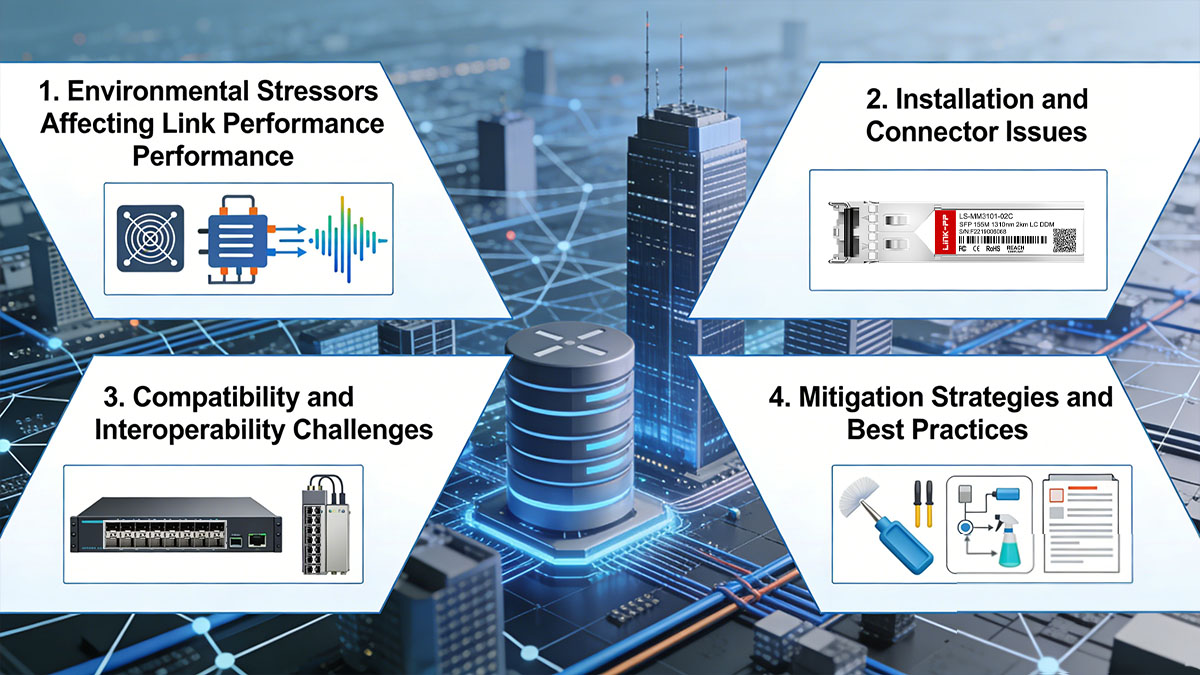
Deploying 100FX industrial SFP modules in real-world industrial environments comes with unique challenges that can affect link reliability and network performance. Understanding these challenges and applying practical solutions ensures stable and long-lasting fiber connections.
Environmental Stressors Affecting Link Performance
Industrial networks are often exposed to conditions that can degrade optical performance.
-
Temperature fluctuations can cause fiber expansion or contraction, affecting signal strength
-
Vibration from machinery or transportation systems can loosen connections or damage PCBs
-
High humidity and dust accumulation may lead to connector contamination or corrosion
-
Electrical interference from motors, transformers, or high-voltage lines can induce transient errors
Selecting modules rated for I-Temp and ruggedized operation mitigates the impact of these environmental factors.
Installation and Connector Issues
Even with industrial-grade modules, improper handling can compromise link performance.
-
Misaligned fiber connections increase insertion loss and reflection
-
Contamination from dust or oils on connector end faces reduces optical power
-
Repeated insertions or rough handling can wear out connectors and module ports
Implementing strict installation procedures, using dust caps, and cleaning connectors regularly are essential steps to prevent these issues.
Compatibility and Interoperability Challenges
Mixed-vendor networks or older industrial switches can introduce link negotiation and compatibility problems.
-
Non-MSA-compliant modules may not be recognized by certain switch models
-
Firmware limitations on industrial switches can prevent full support for I-Temp modules
-
Differences in optical power budgets or connector types can affect link stability
Verifying compatibility with switch vendor documentation and sticking to MSA-compliant modules minimizes the risk of connectivity problems.
Mitigation Strategies and Best Practices
Proactive measures can address deployment challenges and maintain reliable network performance.
-
Use ruggedized, I-Temp 100FX SFP modules suitable for the environmental conditions
-
Establish regular preventive maintenance schedules for cleaning and inspection
-
Confirm module-switch compatibility and monitor firmware updates
-
Employ monitoring tools such as DDM to track optical power, temperature, and voltage
By anticipating these challenges and implementing best practices, industrial networks can achieve reliable 100FX fiber links that perform consistently under harsh conditions, reducing downtime and operational risk.
? Comparing Industrial vs Commercial 100FX SFP Modules
Industrial-grade and commercial-grade 100FX SFP modules may look similar at first glance, but they differ fundamentally in design priorities and performance expectations. For harsh or mission-critical deployments, choosing the right category can mean the difference between stable long-term operation and frequent downtime or failures.
Core Differences in Environmental Tolerance
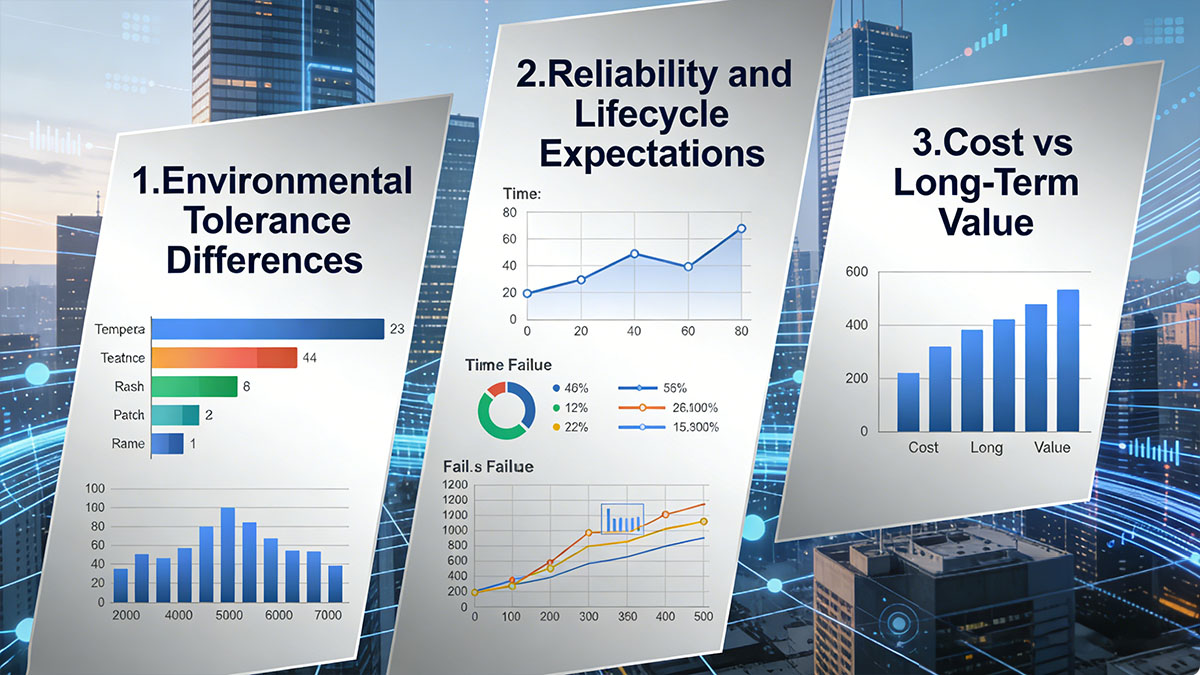
Industrial SFP modules are engineered to withstand environmental stresses that standard commercial modules cannot handle.
| Feature | Industrial 100FX SFP | Commercial 100FX SFP |
|---|---|---|
| Operating Temperature | -40°C to +85°C | 0°C to +70°C |
| Vibration & Shock Resistance | High | Low to Moderate |
| EMI/EMC Protection | Enhanced | Standard |
| Dust & Humidity Resilience | Designed for harsh environments | Limited |
Industrial modules (such as LINK-PP LS-MM3101-02I) use reinforced housings, improved shielding, and components rated for extended stress. These attributes are essential for outdoor cabinets, rail systems, and energy infrastructure prone to vibration, dust, and temperature swings.
Reliability and Lifecycle Expectations
Industrial modules are designed with longer lifecycle expectations, reducing the frequency of maintenance and replacement.
-
Industrial modules typically undergo stricter validation procedures, including temperature cycling and vibration testing.
-
Mean Time Between Failures (MTBF) is generally higher for industrial options, indicating expected longevity under continuous operation.
-
Commercial modules are intended for controlled environments such as office networks or data centers, where conditions are stable and external stressors are minimal.
The result is that industrial-grade modules offer predictable performance over years of operation, whereas commercial modules may degrade faster in non-ideal conditions.
Cost vs Long-Term Value
While commercial-grade 100FX SFP modules (such as Allied Telesis AT-SPFX/40) are often less expensive upfront, industrial-grade modules deliver better long-term value in demanding environments.
-
Industrial modules may carry a higher initial cost due to enhanced materials and testing requirements.
-
The reduced risk of link failure and infrastructure downtime can result in lower maintenance costs over time.
-
In mission-critical systems, unexpected failures can lead to operational disruptions that far outweigh the savings of lower-cost modules.
Selecting industrial-grade optics should be viewed in the context of total cost of ownership and operational reliability, especially for systems expected to run continuously for extended periods.
? How to Ensure Long-Term Performance in 100FX Deployments
Ensuring long-term performance in 100FX deployments requires a combination of proper installation practices, ongoing monitoring, and preventive maintenance. Following these steps helps maintain stable links, minimizes downtime, and extends the service life of industrial SFP modules.
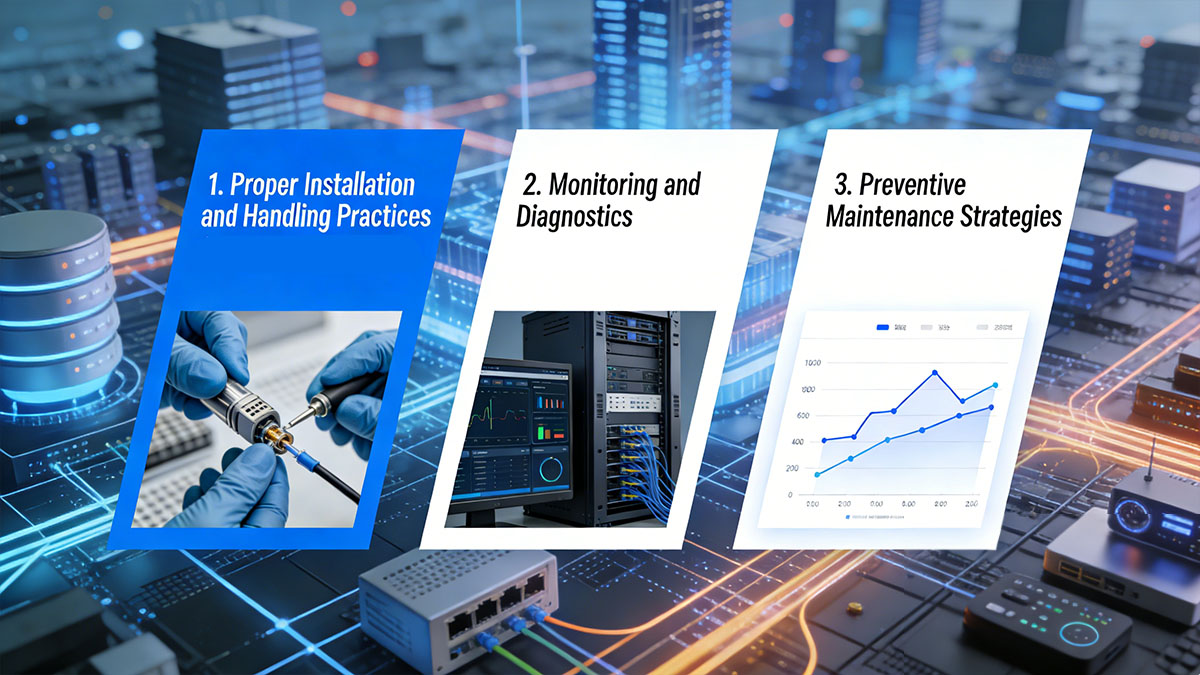
Proper Installation and Handling Practices
Correct handling and installation of SFP modules directly affect link reliability and performance.
-
Avoid touching fiber connectors to prevent contamination and signal loss
-
Ensure modules are fully seated in switch or media converter ports
-
Use proper labeling to track fiber paths and reduce accidental disconnections
-
Handle modules carefully to prevent mechanical stress or PCB damage
Even industrial-grade modules can fail prematurely if connectors are dirty, improperly inserted, or exposed to mechanical stress during installation.
Monitoring and Diagnostics
Monitoring optical links allows early detection of issues before they impact network performance.
| Monitoring Tool | Purpose |
|---|---|
| Digital Diagnostic Monitoring (DDM) | Track optical power, temperature, and voltage |
| Link Status LEDs | Visual confirmation of connectivity |
| Network Management Software | Centralized monitoring of multiple ports |
Using modules with DDM or equivalent diagnostic features enables real-time assessment of link health. Sudden drops in optical power or temperature spikes can indicate fiber degradation, module wear, or environmental issues.
Preventive Maintenance Strategies
Scheduled inspections and maintenance reduce the likelihood of unexpected failures in industrial networks.
-
Clean connectors periodically to remove dust or oxidation
-
Inspect modules for physical damage or signs of wear
-
Verify that operating conditions remain within the module’s specified I-Temp range
-
Replace aging modules before end-of-life thresholds are reached
Preventive maintenance ensures that fiber links remain reliable and minimizes the risk of system interruptions in critical industrial operations. It is particularly important in applications such as manufacturing lines, transportation systems, and energy infrastructure, where downtime can be costly.
? Future Outlook for 100FX in Industrial Networking
100FX is expected to remain relevant in industrial networking for the foreseeable future due to its simplicity, reliability, and compatibility with legacy systems. While higher-speed Ethernet standards are becoming more common, 100FX continues to meet the needs of many mission-critical applications where stability and environmental resilience are more important than bandwidth.
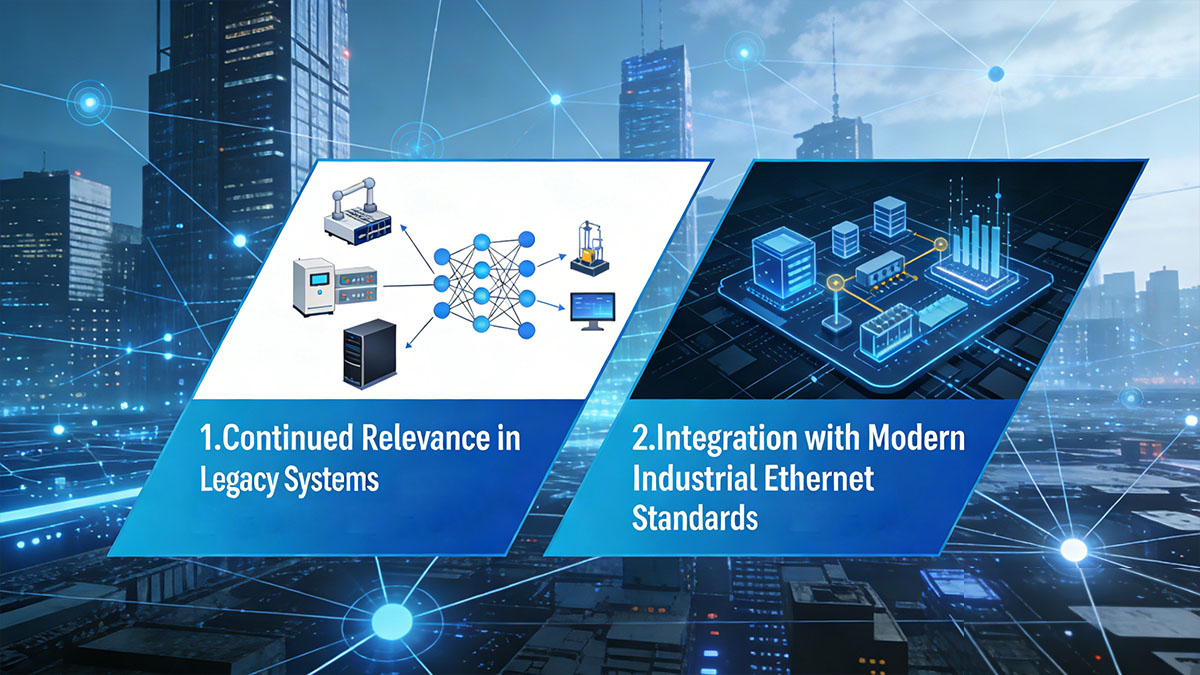
Continued Relevance in Legacy Systems
Many industrial networks have a long operational lifecycle, often exceeding 10–15 years. 100FX modules provide a stable, proven solution that integrates seamlessly with existing infrastructure.
-
Maintains compatibility with older industrial switches, PLCs, and SCADA systems
-
Reduces the need for large-scale network upgrades in mature plants
-
Supports applications where deterministic communication is more critical than high throughput
By leveraging 100FX, organizations can extend the life of their existing network infrastructure while minimizing maintenance complexity.
Integration with Modern Industrial Ethernet Standards
While 100FX remains in use, modern industrial networks increasingly incorporate Gigabit and higher-speed links. Hybrid networks combining 100FX and faster Ethernet can provide both backward compatibility and higher bandwidth where needed.
-
100FX links coexist with Gigabit (use SFP 1G) or 10G (use SFP+ 10G) Ethernet in ring or hierarchical topologies
-
Critical control systems continue to rely on 100FX for stable, predictable links
-
Industrial SFP modules are being designed with forward compatibility in mind to facilitate gradual network upgrades
This hybrid approach allows industries to modernize networks incrementally, maintaining reliability in critical segments while upgrading other areas to meet evolving bandwidth demands.
Long-Term Deployment Considerations
For industrial network planners, the focus will remain on reliability, environmental resilience, and predictable lifecycle costs. Selecting ruggedized, I-Temp 100FX modules ensures that key communication links remain operational for years, even as surrounding infrastructure evolves.
-
Prioritize modules with proven reliability and certifications
-
Plan for maintenance cycles and preventive replacement schedules
-
Consider future network expansions and hybrid integration needs
Overall, 100FX industrial SFP modules continue to offer a cost-effective, resilient, and reliable solution for maintaining stable industrial Ethernet networks, particularly in environments where high throughput is secondary to operational continuity.
? FAQs About 100FX Industrial SFP Modules
What is the maximum distance supported by 100FX SFP modules?
Most 100FX SFP modules support up to 2km over multimode fiber, making them suitable for short- to medium-range industrial links.
Can 100FX SFP modules operate in extreme temperatures?
Yes, industrial-grade 100FX SFP modules are designed for I-Temp ranges, typically from -40°C to +85°C.
Are industrial 100FX SFP modules compatible with commercial switches?
Compatibility depends on MSA compliance and vendor specifications; not all commercial switches support industrial-temperature modules.
What makes industrial 100FX SFP different from commercial SFP?
Industrial modules are ruggedized, with enhanced vibration, EMI, and temperature tolerance, while commercial modules are designed for controlled indoor environments.
Can 100FX still be used in modern industrial networks?
Yes, 100FX remains relevant for legacy systems, mission-critical links, and environments where reliability is more important than high bandwidth.
How can I monitor the performance of a 100FX link?
Modules with DDM (Digital Diagnostic Monitoring) provide real-time metrics for optical power, temperature, and voltage, allowing proactive maintenance.
? Conclusion
100FX industrial SFP modules continue to provide a reliable, cost-effective solution for industrial Ethernet networks that require stable, interference-resistant communication in harsh environments. Their extended temperature range, ruggedized design, and predictable optical performance make them ideal for manufacturing lines, transportation systems, power utilities, and outdoor infrastructure. By carefully selecting modules with the right environmental ratings, fiber compatibility, and diagnostics, organizations can ensure long-term network stability while minimizing maintenance and downtime.
For high-quality, ruggedized 100FX industrial SFP modules suitable for demanding deployments, explore the full range available at the LINK-PP Official Store.