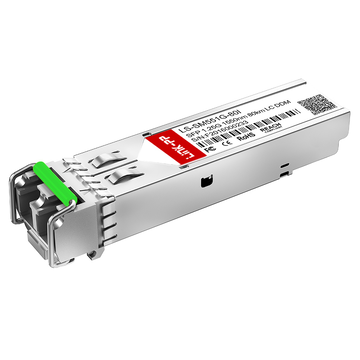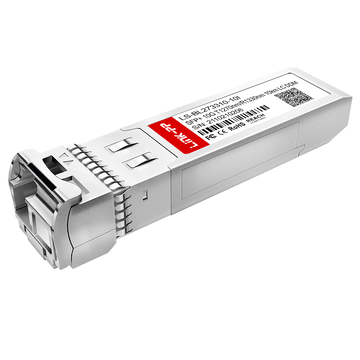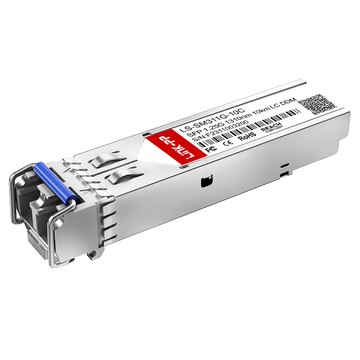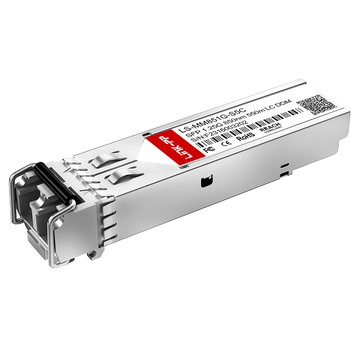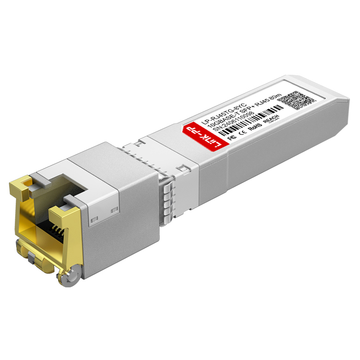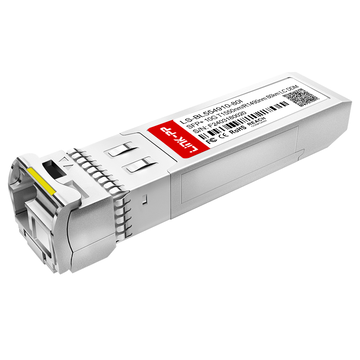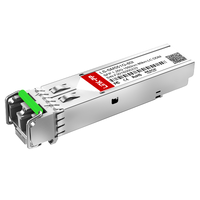
Small Form-factor Pluggable (SFP) modules play a critical role in the architecture of modern networks, serving as the bridge between high-speed devices and physical media. Beyond simply providing connectivity, SFP modules enable flexible, scalable, and cost-efficient network design by supporting a wide range of transmission types, from copper to single-mode and multimode fiber. Their hot-swappable nature allows network administrators to upgrade, replace, or reconfigure connections without interrupting operations, reducing downtime and improving overall reliability. Understanding what SFP stands for, how it operates, and the types available is essential for anyone managing enterprise networks, data centers, or telecommunications systems seeking both performance and adaptability.
? What Does SFP Stand For? Definition and Meaning
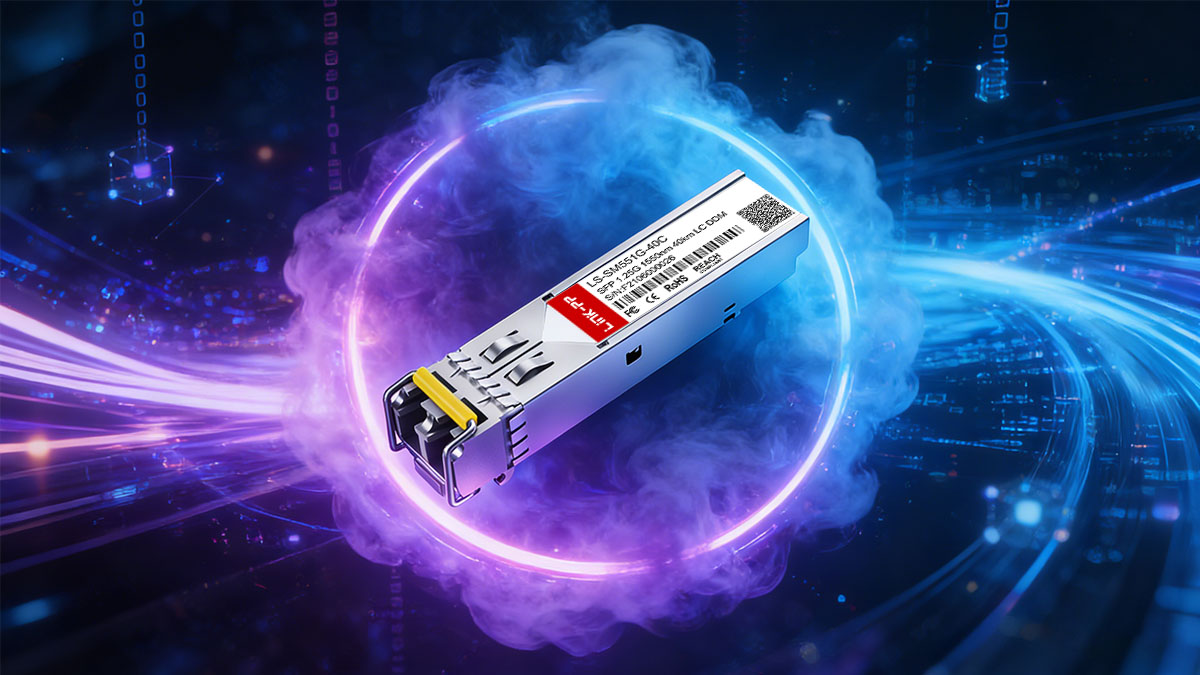
Small Form-factor Pluggable (SFP) modules are standardized, modular transceivers that enable network devices to interface with a variety of physical media, including both fiber optic and copper connections. In essence, fiber SFP modules act as a flexible bridge between a device’s internal electronics and the external transmission medium. Their small, pluggable form factor allows network engineers to deploy high-density ports while retaining the ability to upgrade or replace individual modules without disrupting network operations.
Full Form of SFP
SFP stands for Small Form-factor Pluggable. Each component of the name highlights a critical aspect of its design:
- Small Form-factor: The compact size reduces port footprint on switches, routers, and servers, enabling higher port density without increasing device size.
- Pluggable: Modules can be inserted or removed easily, supporting modularity and rapid reconfiguration of network infrastructure.
The SFP standard was formalized under the Multi-Source Agreement (MSA), a collaborative effort among leading networking vendors to ensure cross-vendor compatibility. Before SFP adoption, networking hardware often relied on proprietary transceivers, limiting flexibility and increasing operational costs. SFP’s standardized design resolved these challenges, allowing a modular approach to network expansion and media upgrades.
Key Characteristics of SFP Modules
SFP modules combine compactness with versatility, providing the following technical advantages:
- High Port Density: The small size allows multiple SFP ports to occupy the same physical space where a single legacy optical transceiver might have fit.
- Media Agnosticism: Supports multiple transmission types, including single-mode fiber for long-distance links, multimode fiber for short-distance connections, and copper for cost-effective, short-range deployments.
- Hot-Swappable Capability: SFPs can be inserted or removed while the device is powered on, which reduces downtime and simplifies maintenance in live networks.
- Vendor-Neutral Interoperability: MSA compliance ensures that SFP modules from different manufacturers function reliably together, reducing dependency on a single vendor.
- Scalable Bandwidth Support: SFP modules support speeds from 100Mbps to 10Gbps (and beyond with SFP+ or SFP28 variants), making them adaptable to evolving network demands.
| Feature | Description | Typical Benefit |
|---|---|---|
| Size | Compact, 1.25-inch width | High-density port deployment |
| Media Type | Fiber (single/multi-mode) and copper | Flexible physical connectivity options |
| Hot-Swap | Yes | Minimal downtime during upgrades or replacements |
| Vendor Compliance | MSA standard | Interoperable across multiple manufacturers |
The modularity and standardization of SFP make it a cornerstone in both enterprise and carrier networks. By abstracting the physical interface from the device hardware, SFP allows network architects to plan for future upgrades, adjust link types, and scale infrastructure efficiently without replacing entire devices. This combination of flexibility, density, and interoperability is why SFP remains a widely adopted transceiver format decades after its introduction.
? Understanding Hot-Swappable Technology
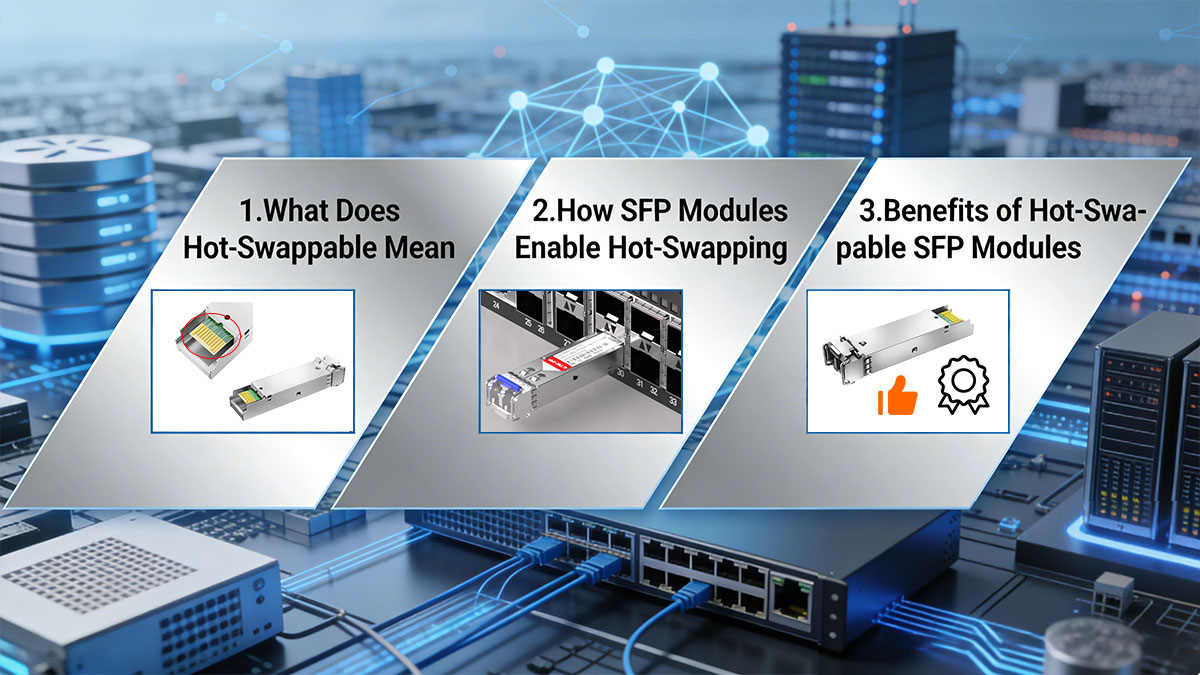
Hot-swappable technology allows hardware components, such as SFP modules, to be inserted or removed while the network device is powered on, without causing interruptions to ongoing operations. This capability is critical for maintaining uptime in enterprise networks, data centers, and carrier environments where continuous connectivity is essential. By supporting hot-swapping, SFP modules enable rapid maintenance, flexible upgrades, and simplified network management.
What Does Hot-Swappable Mean?
Hot-swappable refers to the ability to replace or install a module without shutting down the host device. Unlike traditional components, which require powering off a device for replacement, hot-swappable modules rely on standardized electrical interfaces and robust signaling to safely engage or disengage while the system is active. Key points include:
- No downtime during module replacement
- Safe electrical and data signal handling
- Instant recognition by network hardware upon insertion
How SFP Modules Enable Hot-Swapping
SFP modules are specifically designed for plug-and-play operations. The hot-swappable feature is enabled by several technical characteristics:
- Standardized Connector Interface: LC or RJ-45 connectors ensure proper alignment and secure electrical contact.
- Electrical Isolation and Signal Protection: Internal circuitry prevents voltage spikes or data corruption during insertion/removal.
- Firmware and Device Recognition: Network equipment automatically detects newly inserted modules, negotiates link speed, and establishes connectivity without manual intervention.
| Hot-Swap Feature | Technical Implementation | Benefit |
|---|---|---|
| Electrical Safety | Isolation circuitry in SFP module | Prevents damage to module or device during insertion/removal |
| Plug-and-Play Recognition | Automatic device detection | Immediate link activation without user configuration |
| Live Replacement | Standardized MSA interface | No network downtime during maintenance or upgrades |
| Modular Flexibility | Swappable fiber/copper media | Enables quick adaptation to changing network requirements |
This design allows network administrators to replace faulty modules, upgrade link speeds, or adjust media types without disrupting service. For high-density environments, such as data center switches with dozens of SFP ports, hot-swappable capability significantly reduces operational complexity and maintenance windows.
Benefits of Hot-Swappable SFP Modules
- Reduced Downtime: Modules can be replaced without shutting down devices, minimizing network interruptions.
- Simplified Maintenance: Faulty or outdated modules can be swapped quickly, avoiding extended service windows.
- Operational Flexibility: Supports dynamic network reconfiguration and upgrades as bandwidth or media requirements evolve.
- Cost Efficiency: Eliminates the need for full device replacement for media or speed upgrades, preserving existing infrastructure investments.
Hot-swappable SFP modules therefore combine technical safety, operational convenience, and long-term network adaptability, making them a cornerstone of modern, resilient network architectures.
? Types of SFP Modules and Their Applications
SFP modules come in several variants, each designed to address specific transmission requirements and deployment scenarios. Choosing the right fiber optic transceiver types ensures optimal network performance, cost-efficiency, and compatibility with the existing infrastructure.
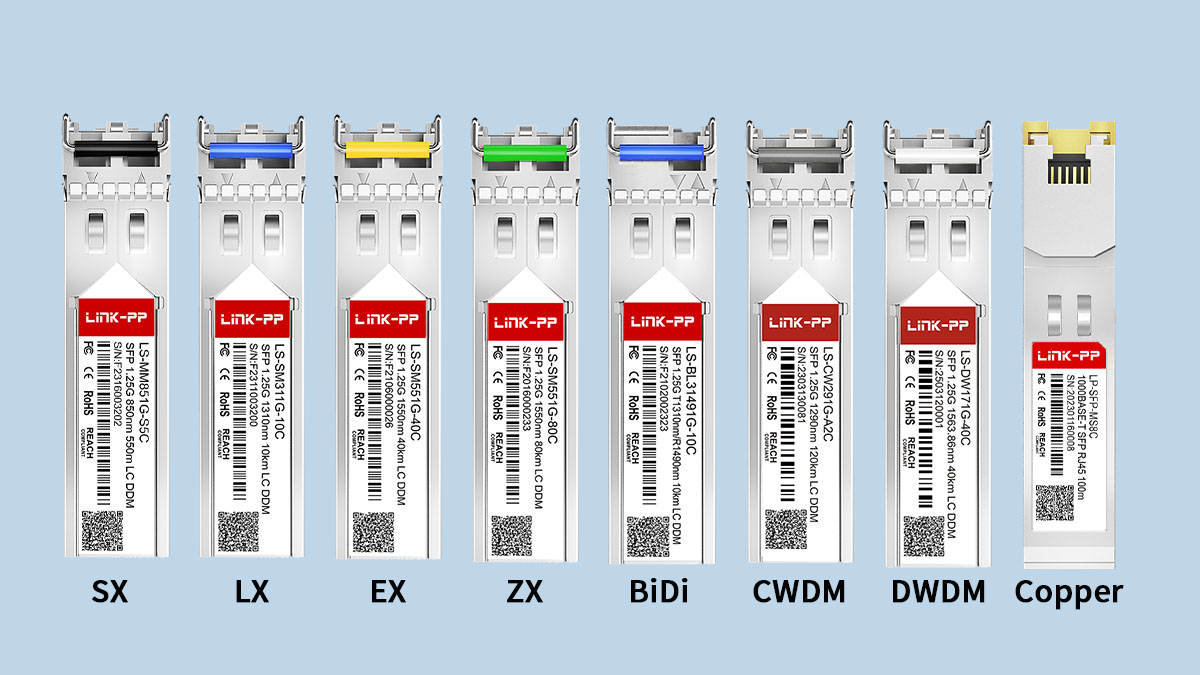
Optical SFP Modules
Optical SFPs are designed for fiber optic connections and support different transmission distances and wavelengths depending on the fiber type.
- SX Modules (like MGBSX1): Short-range, multimode fiber, typically up to 550 meters. Ideal for intra-building connections.
- LX Modules (like SFP-1G-LX): Long-range, single-mode fiber, up to 10 km, suitable for campus or metro networks.
- ZX Modules (like GLC-ZX-SM-RGD): Extended range, single-mode fiber, up to 80 km, used in long-distance carrier networks.
| Module Type | Fiber Type | Maximum Distance | Typical Use Case |
|---|---|---|---|
| SX | Multimode | 550 m | Building or floor connections |
| LX | Single-mode | 10 km | Campus backbone or metro links |
| ZX | Single-mode | 80 km | Long-haul ISP or carrier networks |
Optical SFPs allow network engineers to balance distance, bandwidth, and cost depending on deployment needs, while maintaining high signal quality.
Copper SFP Modules
Copper SFPs use RJ-45 interfaces for short-range connections over twisted-pair cables, typically Cat5e or Cat6.
- Ideal for short-distance links in enterprise LANs.
- Cost-effective for environments where fiber deployment is unnecessary.
- Often used to connect switches to servers or desktop aggregations.
| Feature | Description | Typical Benefit |
|---|---|---|
| Interface | RJ-45 | Easy integration with existing copper infrastructure |
| Speed | 100Mbps–1Gbps | Sufficient for most short-range LAN connections |
| Distance | Up to 100 m | Suitable for intra-building connectivity |
Copper SFP modules are particularly useful for hybrid networks where both fiber and copper links coexist.
Specialized SFP Variants
Some SFP modules are designed for niche applications or advanced transmission requirements:
- BiDi (Bidirectional) SFP: Transmits and receives on a single fiber using two wavelengths, reducing cabling costs.
- CWDM/DWDM SFP: Supports coarse or dense wavelength division multiplexing for multiple signals over a single fiber.
- Industrial-Grade SFP: Ruggedized modules that operate in extreme temperature or vibration conditions, often used in industrial networks or outdoor deployments.
| Variant | Key Feature | Typical Application |
|---|---|---|
| BiDi | Single fiber, dual wavelength | Cost-efficient fiber deployment in buildings |
| CWDM/DWDM | Multiplexing multiple channels | Metro networks, ISP long-haul links |
| Industrial | Extended temperature and rugged design | Manufacturing plants, outdoor networks |
By selecting the appropriate SFP type, network designers can optimize link performance, reduce costs, and ensure compatibility with device capabilities. This modular approach supports both short-term operational needs and long-term scalability.
? Common Use Cases of SFP Modules
SFP modules are deployed in a wide range of network environments, providing flexibility, scalability, and reliability. Their modularity and media compatibility make them suitable for data centers, enterprise networks, and telecommunications networks, among others. Selecting the right SFP transceiver ensures optimal performance and cost efficiency for the intended use case.
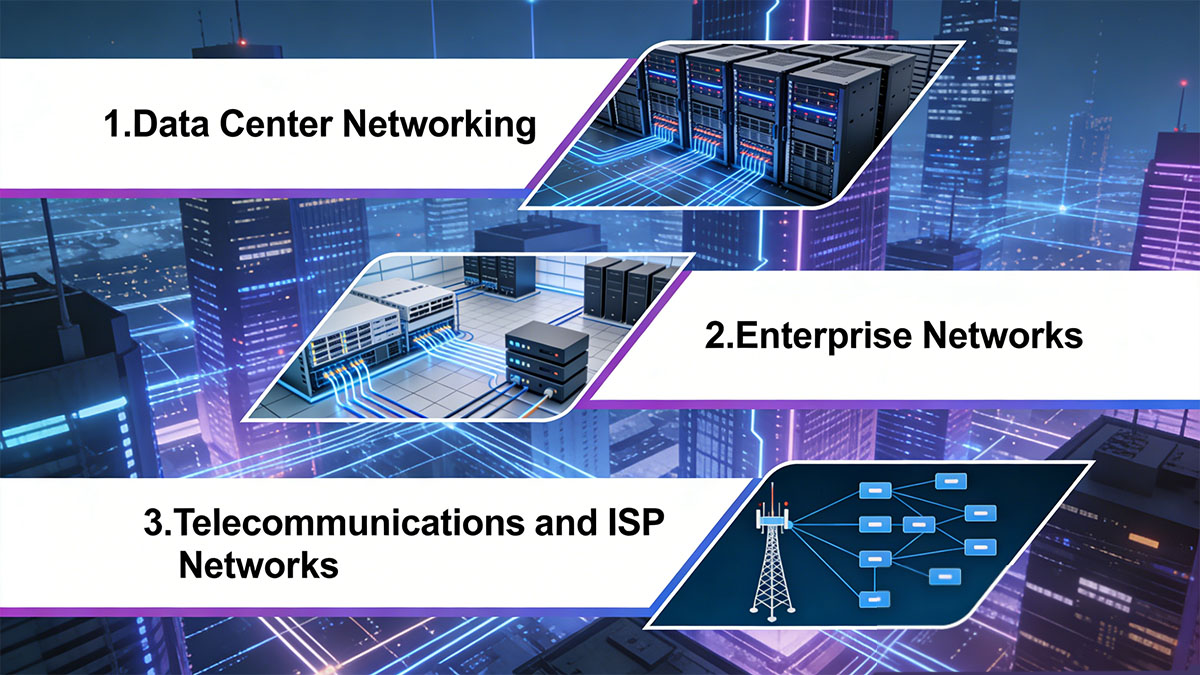
Data Center Networking
SFP modules play a crucial role in high-density, high-performance data centers. They enable network engineers to design flexible and scalable architectures while maintaining low latency and high availability. Key applications include:
- High-density switch connectivity, allowing dozens of ports in a compact chassis.
- Spine-leaf architectures, providing modular connections between core and aggregation layers.
- Rapid replacement or upgrades without interrupting live services.
| Use Case | SFP Role | Benefit |
|---|---|---|
| Switch-to-switch connectivity | Optical or copper SFP | High port density, low latency |
| Spine-leaf interconnect | LX/ZX modules | Scalable, long-distance connectivity |
| Module replacement | Hot-swappable SFP | Minimal downtime during maintenance |
These capabilities allow data centers to expand or reconfigure network topologies efficiently while maintaining uninterrupted service.
Enterprise Networks
In enterprise LAN environments, SFP modules provide flexibility in access and aggregation layers, supporting both fiber and copper links. Common use cases include:
- Aggregating multiple floors or buildings over single-mode or multimode fiber.
- Connecting switches to servers with short-range copper SFPs.
- Enabling hybrid networks with mixed fiber and copper infrastructure.
| Use Case | SFP Types | Benefit |
|---|---|---|
| Campus building interconnect | LX or SX modules | Reliable fiber connectivity over varying distances |
| Switch-to-server | Copper SFP | Cost-effective short-range links |
| Mixed media deployment | Fiber and copper SFP | Flexible network design, easy upgrades |
By leveraging modular SFP modules, enterprises can adapt network layouts to evolving business needs without replacing entire switches or cabling systems.
Telecommunications and ISP Networks
Service providers rely on SFP modules for backbone and metro networks, where long-distance transmission and high reliability are essential. Typical applications include:
- Long-haul fiber connections for metro and regional networks.
- High-capacity aggregation in ISP backbones using CWDM or DWDM SFPs (like CWDM-SFP-1590).
- Cost-efficient single-fiber BiDi links in densely cabled environments.
| Use Case | SFP Variant | Benefit |
|---|---|---|
| Long-haul fiber backbone | ZX module | Reliable extended distance transmission |
| Metro aggregation | CWDM/DWDM SFP | Multiple channels over single fiber, efficient bandwidth utilization |
| Dense building deployment | BiDi SFP | Reduced fiber cabling, simplified infrastructure |
These applications illustrate how SFP modules support both operational efficiency and long-term scalability in high-demand networking environments.
? SFP vs Other Transceiver Form Factors
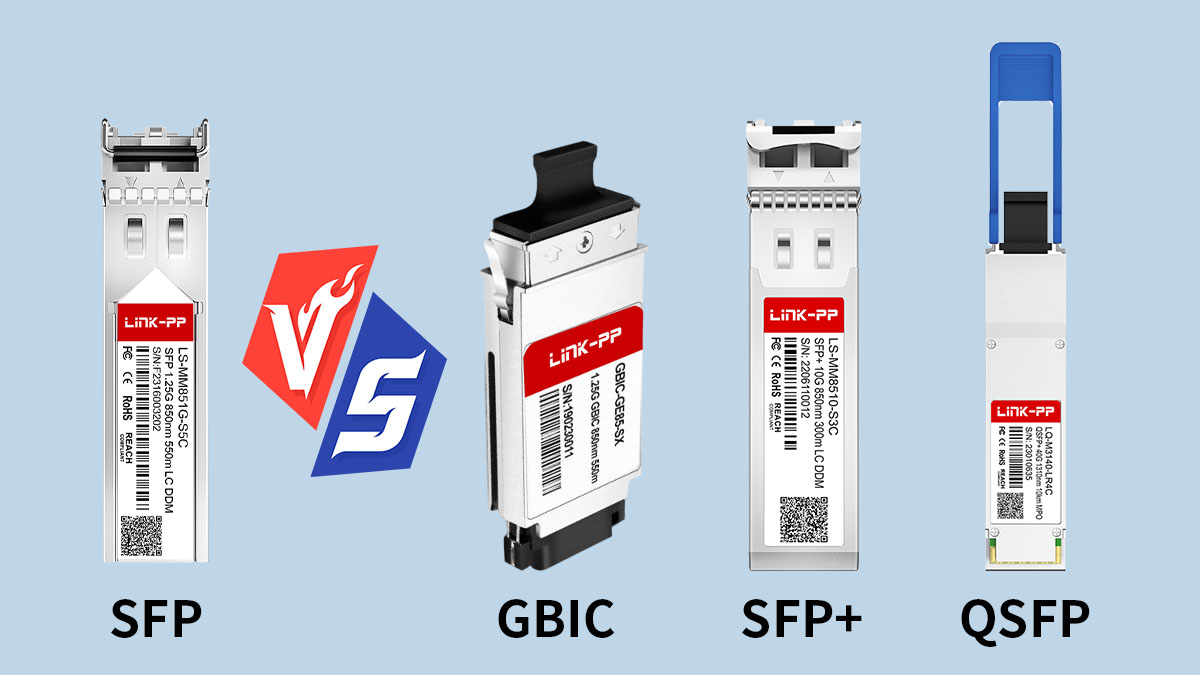
SFP modules are one of several transceiver form factors used in networking equipment, each optimized for different speeds, densities, and use cases. Understanding how SFP compares to other standards helps network designers make informed decisions about deployment, scalability, and compatibility.
SFP vs GBIC
GBIC (Gigabit Interface Converter) is the predecessor to SFP, offering similar functionality but in a larger form factor.
- SFP modules are significantly smaller than GBICs, allowing higher port density on switches and routers.
- While both support 1Gbps connections, SFP enables easier upgrades due to its compact, hot-swappable design.
- GBICs are now largely obsolete in modern networks, replaced by SFP for both fiber and copper connectivity.
| Feature | SFP | GBIC |
|---|---|---|
| Size | Small form-factor | Larger, occupies more space |
| Speed | 100Mbps–10Gbps (SFP+) | 1Gbps |
| Port Density | High | Lower |
| Hot-Swap | Supported | Limited or not supported |
The smaller size and hot-swappable design make SFP modules more suitable for modern high-density networks, providing greater flexibility and scalability.
SFP vs SFP+
SFP+ is an enhanced version of SFP, primarily designed for higher data rates:
- SFP+ modules (like SFP-10G-T-80) support 10Gbps connections, while standard SFP modules typically support up to 1Gbps.
- Many SFP+ ports are backward compatible with SFP modules, allowing gradual upgrades without replacing all hardware.
- SFP+ maintains the same form factor as SFP, ensuring continuity in high-density deployments.
| Feature | SFP | SFP+ |
|---|---|---|
| Max Speed | 1Gbps | 10Gbps |
| Form Factor | Standard SFP | Identical to SFP |
| Backward Compatibility | N/A | Can support SFP modules |
| Typical Use | Enterprise, campus networks | High-speed data center links |
SFP+ 10G (like SFP-10G-BXU-I) offers a seamless upgrade path for networks requiring higher bandwidth while preserving existing infrastructure layouts.
SFP vs QSFP
QSFP (Quad Small Form-factor Pluggable) is designed for multi-lane, high-bandwidth applications:
- QSFP modules aggregate multiple lanes, supporting 40Gbps or higher speeds (like QSFP+ 40G, QSFP28 100G, QSFP-DD 400G), compared to the single-lane SFP.
- Ideal for data center uplinks and high throughput backbone connections.
- QSFP modules are larger than SFP, so port density per chassis is lower, but total aggregated bandwidth is higher.
| Feature | SFP | QSFP |
|---|---|---|
| Lane Count | 1 | 4 or more |
| Max Speed | 1Gbps (SFP 1G) | 40Gbps–400Gbps |
| Typical Use | Access and aggregation | Data center spine/backbone |
| Form Factor | Small | Larger, multi-lane |
QSFP modules complement SFP deployments in networks that require high throughput at the core or aggregation layer, while SFP remains ideal for edge and access layers.
Understanding these differences allows network architects to select the right transceiver based on speed requirements, port density, and deployment scenario. SFP modules offer a versatile, high-density solution for many networks, while SFP+, QSFP, and legacy GBICs address specific performance and scale needs.
? Compatibility and Standards
Ensuring compatibility and adherence to industry standards is critical when deploying SFP modules. Proper alignment with standards guarantees reliable operation, interoperability across vendors, and long-term scalability. Network engineers must consider Multi-Source Agreement (MSA) compliance, vendor-specific firmware limitations, and fiber/connector types when planning deployments.
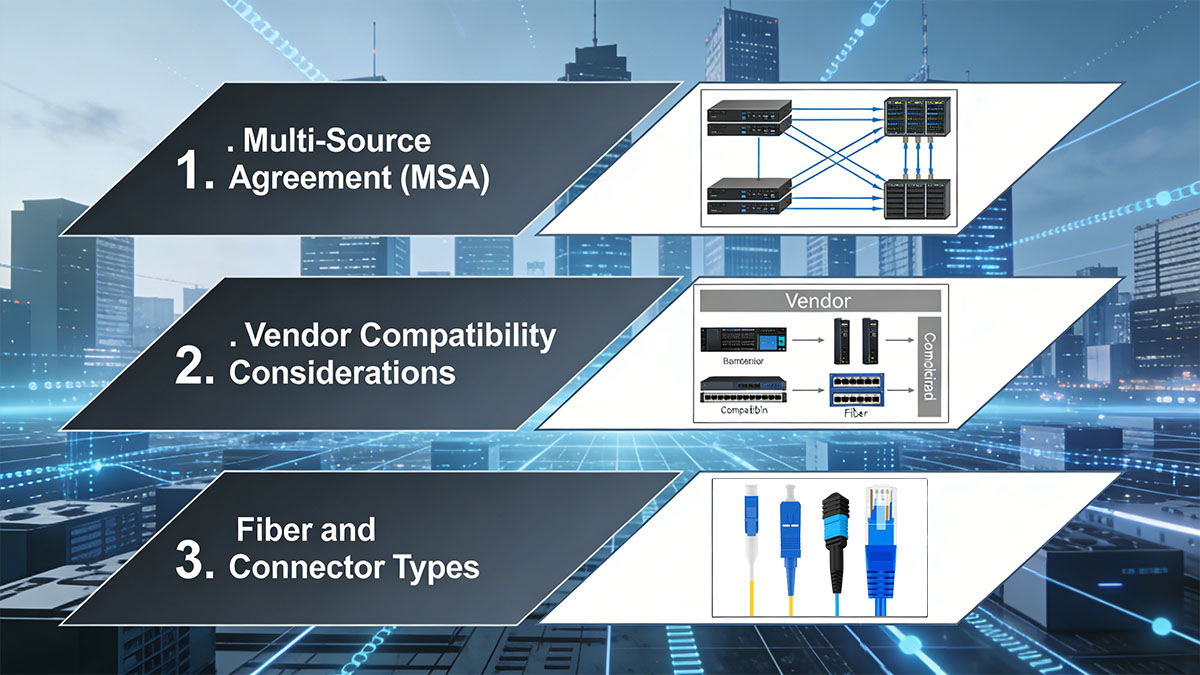
Multi-Source Agreement (MSA)
The Multi-Source Agreement (MSA) defines standardized form factors, electrical interfaces, and optical specifications for SFP modules. Key points:
- Ensures interoperability across different manufacturers.
- Defines mechanical dimensions, connector types, and signal specifications.
- Provides a framework for backward and forward compatibility with SFP, SFP+, and newer modules.
Vendor Compatibility Considerations
Even with MSA compliance, modules may behave differently depending on the vendor:
- Some network devices may reject third-party SFPs due to firmware checks.
- Vendor-specific coding or authentication may be required.
- Compatibility testing is recommended before large-scale deployment.
| Compatibility Aspect | Recommendation | Impact |
|---|---|---|
| MSA Compliance | Use certified MSA-compliant modules | Ensures cross-vendor interoperability |
| Firmware / Coding | Verify switch/router firmware support | Avoid link failures or errors |
| Third-Party Modules | Test before deployment | Prevent unexpected downtime |
| Hardware Revision | Match module with device generation | Ensure full feature support |
Fiber and Connector Types
The type of fiber and connector used must match the fiber optic SFP module specifications:
- LC Connectors: The most common connector type for optical SFPs, supporting both single-mode and multimode fiber.
- RJ-45: Standard for copper SFP modules.
- Fiber Type: Single-mode for long-distance, multimode for short-distance connections.
- Polarity and Wavelength: Must be compatible for BiDi, CWDM, and DWDM modules to function properly.
| SFP Type | Connector | Fiber Type | Typical Distance |
|---|---|---|---|
| SX | LC | Multimode | Up to 550 m |
| LX | LC | Single-mode | Up to 10 km |
| ZX | LC | Single-mode | Up to 80 km |
| Copper | RJ-45 | Twisted pair | Up to 100 m |
By following these standards and compatibility guidelines, network administrators can deploy SFP modules with confidence, reducing the risk of link failures, downtime, or suboptimal performance. Proper attention to both module specifications and network device requirements ensures seamless integration and long-term reliability.
? Advantages and Limitations of SFP Modules
SFP modules offer significant advantages that make them a cornerstone of modern networking, but they also have inherent limitations that must be considered when designing and upgrading networks. Understanding these factors ensures that deployments are both efficient and future-proof.
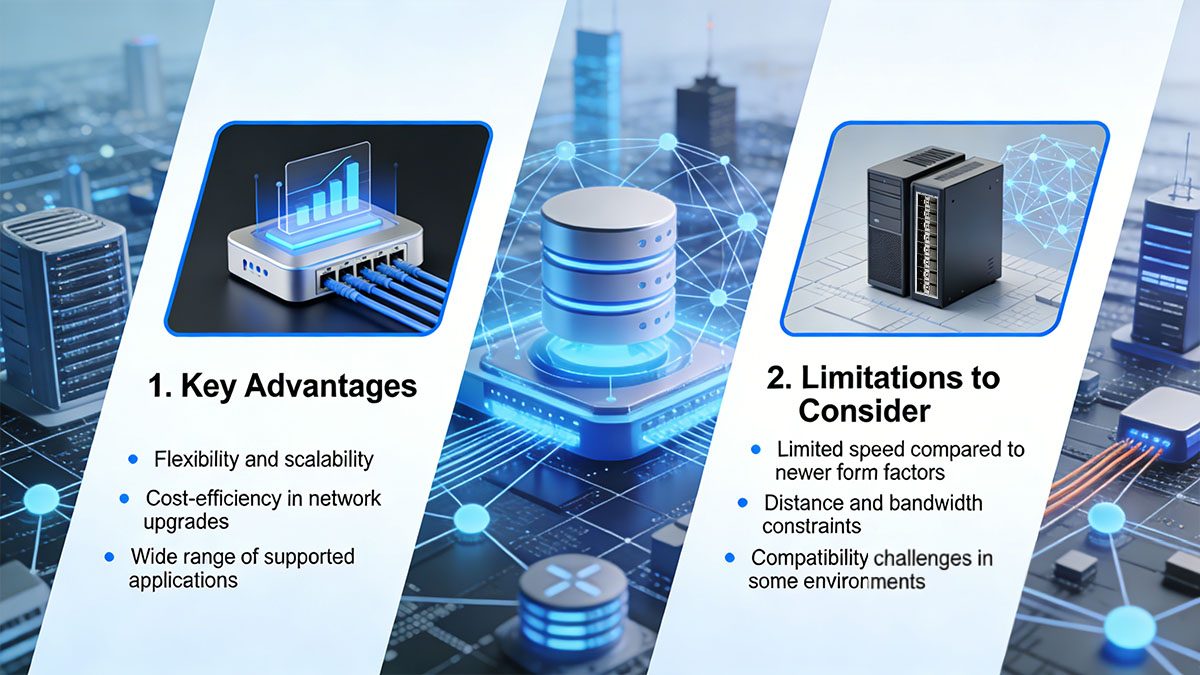
Key Advantages
SFP modules provide multiple operational and design benefits for networks of all sizes:
- Flexibility and Scalability: Modular design allows network architects to mix and match fiber and copper media, as well as different speeds, within the same chassis.
- High Port Density: The small form factor enables more ports per switch or router, maximizing infrastructure efficiency.
- Hot-Swappability: Modules can be replaced or upgraded without shutting down equipment, reducing downtime and maintenance complexity.
- Vendor-Neutral Interoperability: MSA compliance ensures that SFP modules from different vendors can operate together, providing procurement flexibility.
- Cost Efficiency: Modular upgrades reduce the need to replace entire devices when bandwidth or media requirements change.
| Advantage | Explanation | Impact on Network |
|---|---|---|
| Flexibility | Supports multiple media types and speeds | Simplifies network upgrades and adaptation |
| High Port Density | Compact form factor | More connections in limited rack space |
| Hot-Swappable | Plug-and-play replacement | Minimal operational downtime |
| Vendor Interoperability | MSA-compliant | Reduces dependency on single vendor |
| Cost Efficiency | Modular upgrades | Lowers long-term infrastructure cost |
Limitations to Consider
Despite their benefits, SFP modules have certain limitations that must be considered during network planning:
- Speed Constraints: Standard SFP modules typically support up to 1Gbps, which may be insufficient for high-bandwidth data center applications. Higher-speed SFP+ or SFP28 modules are required for 10Gbps and beyond.
- Distance Limitations: Each module type has a maximum supported transmission distance, which may necessitate additional infrastructure for long-haul connections.
- Compatibility Challenges: Vendor-specific firmware or device restrictions can prevent certain third-party modules from functioning properly.
- Physical Constraints: While compact, each port still occupies space, which can limit scalability in ultra-high-density deployments without advanced switch design.
| Limitation | Description | Mitigation |
|---|---|---|
| Speed | Standard SFP up to 1Gbps | Use SFP+ or SFP28 for higher speeds |
| Distance | Limited by module and fiber type | Select modules matching link requirements |
| Compatibility | Vendor/device restrictions | Verify firmware support and MSA compliance |
| Physical Port Density | Limited by chassis design | Choose high-density switch models or QSFP for aggregation |
By understanding both the advantages and limitations of SFP modules, network engineers can make informed decisions about deployment, upgrade paths, and long-term network scalability. Proper module selection ensures networks remain flexible, reliable, and capable of adapting to future requirements.
? Future Trends of SFP Technology
SFP technology continues to evolve in response to increasing bandwidth demands, higher port densities, and specialized industrial applications. Understanding these trends helps network engineers plan for scalable, future-proof infrastructures.

Evolution Toward Higher Speeds
SFP modules are progressively supporting higher data rates to meet modern network requirements.
- SFP+ 10G and SFP28 25G are becoming standard for high-speed data center connections.
- Backward compatibility with standard SFP modules allows gradual upgrades without replacing all infrastructure.
- Emerging technologies like 50Gbps SFP variants are under development for next-generation networks.
| Speed Evolution | SFP Type | Typical Use Case |
|---|---|---|
| 1Gbps | Standard SFP | Enterprise access and campus networks |
| 10Gbps | SFP+ | High-speed data center uplinks |
| 25Gbps | SFP28 | Next-gen data center and telecom networks |
| 50Gbps+ | Future SFP variants | Emerging high-bandwidth applications |
This evolution ensures that networks can scale performance incrementally while maintaining compatibility with existing hardware.
Role in Hybrid Network Environments
SFP modules continue to support hybrid deployments that combine different speeds and media types:
- Networks increasingly combine SFP, SFP+, and QSFP modules within the same infrastructure.
- Fiber and copper links coexist to optimize cost, distance, and performance.
- Hot-swappable SFP modules enable on-the-fly reconfiguration, supporting dynamic network topologies.
| Hybrid Scenario | SFP Role | Benefit |
|---|---|---|
| Mixed SFP/SFP+ | Edge and aggregation | Seamless upgrades and media flexibility |
| Fiber/Copper mix | Campus or enterprise | Cost optimization and deployment flexibility |
| Hot-swap replacement | Data center | Minimized downtime and operational continuity |
Hybrid networks leverage the modularity of SFP modules to balance performance, cost, and scalability across multiple layers of infrastructure.
Growth in Industrial and Edge Applications
Industrial and edge networking environments are adopting SFP modules to meet ruggedization and low-latency requirements:
- Industrial-grade SFPs operate under extreme temperature, vibration, and humidity conditions.
- Edge computing deployments use SFP modules for short-distance, high-speed connections to support IoT and smart infrastructure.
- BiDi and CWDM/DWDM SFPs reduce cabling complexity in dense industrial or urban environments.
| Industrial Trend | SFP Variant | Application |
|---|---|---|
| Ruggedized operation | Industrial SFP | Manufacturing plants, outdoor networks |
| Short-range edge connectivity | Copper or multimode SFP | IoT gateways, edge switches |
| Single-fiber deployment | BiDi SFP | Dense fiber environments with limited cabling |
By adapting to industrial and edge requirements, SFP modules extend their relevance beyond traditional enterprise and carrier networks, supporting the expanding needs of IoT, smart cities, and high-density edge deployments.
? Conclusion
Small Form-factor Pluggable (SFP) modules remain a foundational element in modern networking, offering flexibility, scalability, and reliability across enterprise, data center, and industrial environments. Their modular, hot-swappable design allows networks to adapt to evolving bandwidth requirements, media types, and deployment scenarios without disrupting operations. By understanding the various types, standards, and applications of SFP modules, network engineers can design infrastructures that are both future-proof and cost-efficient.
For those looking to explore a wide range of high-quality SFP modules and accessories, the LINK-PP Official Store provides comprehensive options that meet industry standards and compatibility requirements, supporting smooth integration and long-term network performance.