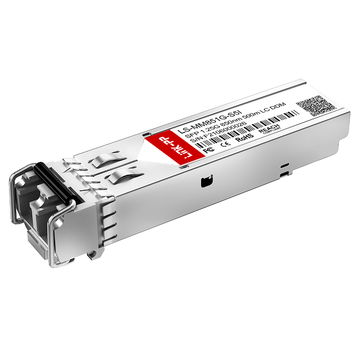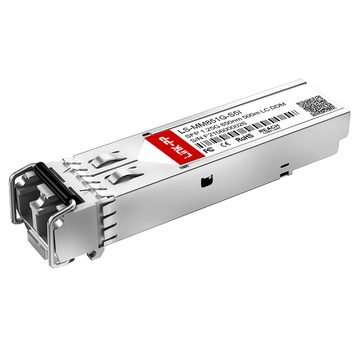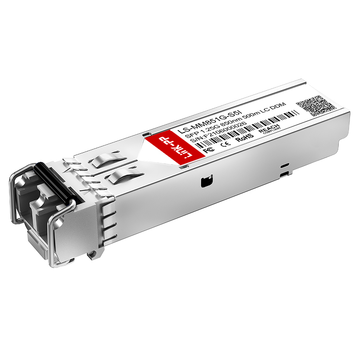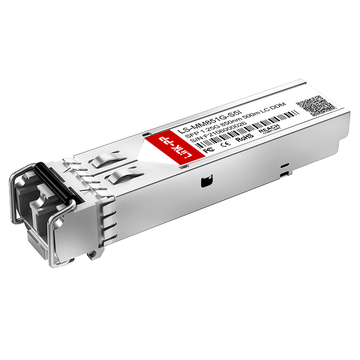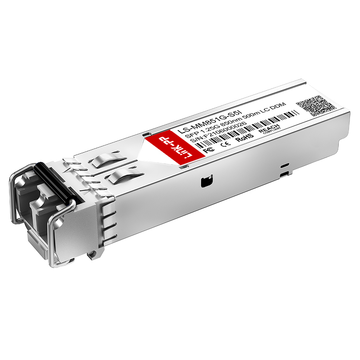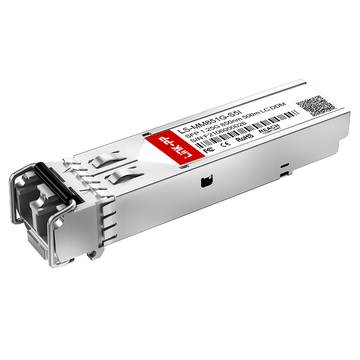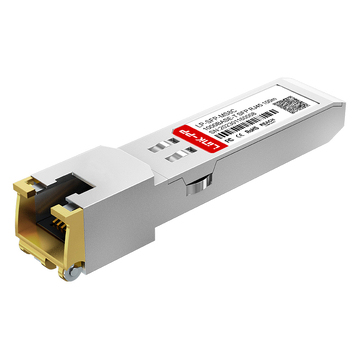
The GE SX optical transceiver has remained a foundational component in Gigabit Ethernet networking for many years, particularly in enterprise campuses, data centers, and legacy fiber infrastructures. Although the networking industry continues shifting toward higher-speed optical technologies such as SFP+ 10G, SFP28 25G, and QSFP28 100G, a substantial number of organizations still rely on 1000BASE-SX connectivity for stable and cost-efficient short-distance transmission. As a result, GE SX SFP transceivers continue to maintain consistent market relevance across infrastructure maintenance, network expansion, and hardware replacement cycles.
In recent years, the global optical transceiver market has experienced significant changes driven by semiconductor supply fluctuations, manufacturing concentration in Asia-Pacific regions, logistics disruptions, and evolving vendor compatibility ecosystems. These factors have directly influenced the availability, lead times, and pricing structures of GE SX optical transceivers. At the same time, enterprises are increasingly evaluating the balance between OEM optics and compatible alternatives to optimize long-term infrastructure costs while maintaining operational reliability.
This article explores the global supply and pricing trends surrounding GE SX optical transceivers, including manufacturing dynamics, regional market developments, procurement considerations, compatibility challenges, and future market outlooks. By examining both technical and commercial perspectives, the article aims to help network operators, IT infrastructure planners, and enterprise procurement teams better understand how market conditions impact deployment strategies and lifecycle cost management within modern Gigabit Ethernet environments.
🚩 Market Overview of GE SX Optical Transceivers
GE SX optical transceivers continue to occupy an important position in enterprise and legacy Gigabit Ethernet environments due to their balance of performance, deployment simplicity, and infrastructure compatibility. Even as higher-speed optical technologies gain market share, 1G SFP SX modules remain widely deployed in organizations that prioritize stable short-distance fiber connectivity and controlled network upgrade costs.
Definition and Technical Positioning
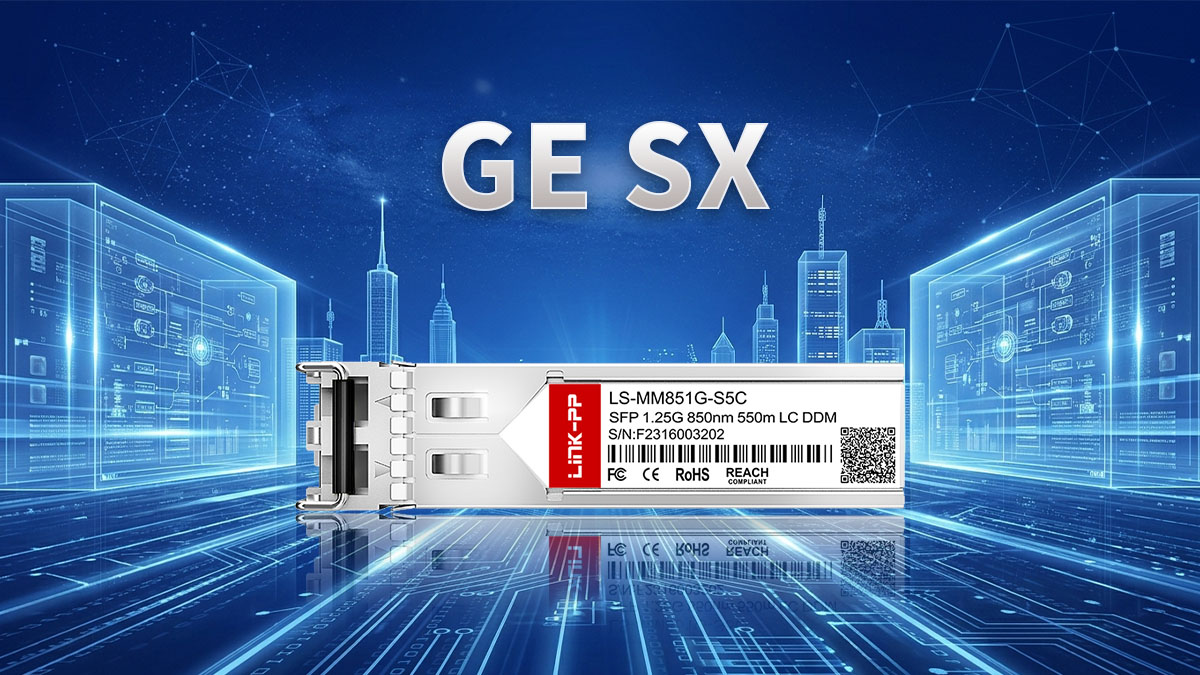
GE SX optical transceivers are designed for Gigabit Ethernet communication over multimode fiber and are commonly associated with the 1000BASE-SX networking standard. Their primary role is to provide reliable short-range optical transmission within enterprise and data center environments.
The most common technical characteristics include the following:
| Parameter | GE SX Optical Transceiver Specification |
|---|---|
| Ethernet Standard | 1000BASE-SX |
| Typical Speed | 1Gbps |
| Operating Wavelength | 850nm |
| Fiber Type | Multimode Fiber (MMF) |
| Typical Transmission Distance | Up to 550m |
| Common Form Factor | SFP |
| Primary Deployment Scope | Short-range optical networking |
These specifications make GE SX modules particularly suitable for environments where short-distance fiber links are required without the complexity or cost associated with long-range optical systems.
Key Application Scenarios
The continued market relevance of GE SX optical transceivers is closely tied to their broad deployment flexibility across enterprise networking environments. Their short-range multimode design aligns well with internal infrastructure connectivity where high-density, stable fiber communication is required.
Common deployment scenarios include:
- Enterprise campus backbone connections
- Data center access-layer switching
- Server-to-switch fiber interconnects
- Storage area network (SAN) environments
- Building-to-building links within corporate campuses
- Educational and healthcare institution networks
- Industrial Ethernet infrastructures
These use cases remain highly relevant because many organizations continue operating Gigabit Ethernet architectures that do not yet require large-scale migration toward other high-speed transceivers.
Primary Demand Drivers
The demand for GE SX optical transceivers is largely sustained by the extensive installed base of Gigabit Ethernet equipment worldwide. Rather than being driven primarily by new high-performance network construction, the market is increasingly supported by infrastructure continuity and lifecycle extension strategies.
Several major factors continue influencing global demand:
- Long operational lifespan of enterprise Ethernet switches
- Ongoing maintenance requirements for legacy fiber networks
- Cost-sensitive IT infrastructure planning
- Incremental network expansion projects
- Stable demand for compatible third-party optical modules
- Continued use of multimode fiber cabling in existing facilities
One important trend shaping the market is the growing preference for compatible SFP modules instead of original branded optics. Many enterprises are prioritizing:
- Vendor interoperability
- Supply flexibility
- Lower infrastructure operating costs
- Faster procurement cycles
At the same time, organizations are attempting to maximize the value of existing networking assets before transitioning to next-generation optical architectures.
🚩 Global Supply Chain Landscape
The global supply chain for GE SX optical transceivers has evolved into a highly interconnected ecosystem involving semiconductor suppliers, optical component manufacturers, assembly facilities, compatibility testing providers, and international logistics networks. Although GE SX modules are considered mature optical products, their availability and pricing are still heavily influenced by broader conditions within the global optical communications industry.
Manufacturing Ecosystem Overview
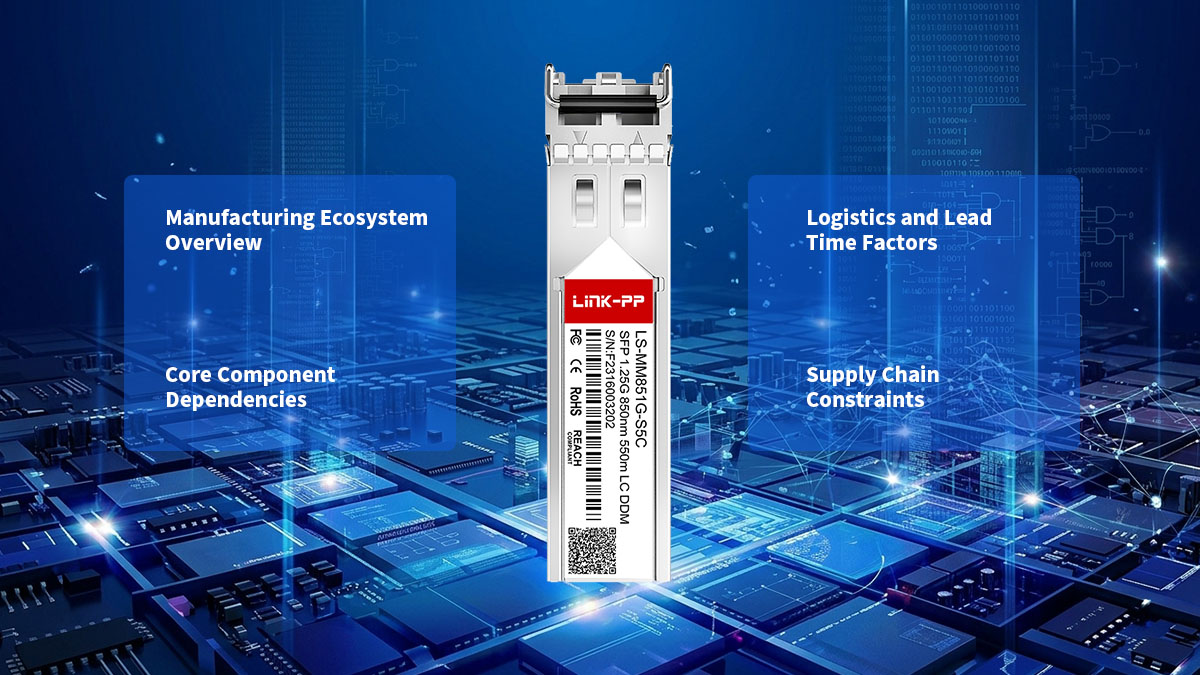
The production ecosystem for GE SX optical transceivers is heavily concentrated in East Asia, where most optical component manufacturing, module assembly, and testing operations are located. Countries such as China, Taiwan, Malaysia, and Vietnam play central roles in the global optical transceiver supply chain.
The manufacturing structure typically involves multiple layers:
- Semiconductor suppliers producing driver ICs and control chips
- Laser and photodiode manufacturers supplying optical components
- Optical subassembly factories integrating TOSA and ROSA units
- Module assembly facilities handling enclosure integration and calibration
- Compatibility testing providers validating interoperability across networking platforms
Many manufacturers also operate under OEM and ODM business models, allowing:
- Branded network vendors to outsource production
- Compatible optics suppliers to scale manufacturing efficiently
- Regional distributors to customize inventory strategies
Because GE SX modules are mature products with stable technical standards, production efficiency has improved significantly over time. However, competition for manufacturing capacity with higher-speed optics continues influencing allocation priorities across factories.
Core Component Dependencies
Although GE SX optical transceivers are relatively mature products, they still depend on several highly specialized optical and semiconductor components. The availability of these upstream components directly affects production stability and delivery timelines.
The most important component categories include:
| Component | Primary Function |
|---|---|
| VCSEL Laser | Generates 850nm optical signals |
| Photodiode Receiver | Converts optical signals into electrical signals |
| TOSA | Optical transmission subassembly |
| ROSA | Optical receiving subassembly |
| Driver IC | Controls laser signal transmission |
| EEPROM/Controller Chip | Stores module identification and compatibility data |
| Optical Connector Interface | Supports fiber connectivity and alignment |
Among these components, VCSEL lasers and semiconductor ICs are particularly important because they require:
- Precision manufacturing processes
- Strict thermal control
- High production consistency
- Advanced semiconductor packaging capabilities
Even temporary shortages in these upstream areas can create ripple effects throughout the optical module market.
Logistics and Lead Time Factors
International logistics play a critical role in the GE SX optical transceiver market because most manufacturing operations are geographically separated from enterprise deployment regions such as North America and Europe.
Several factors commonly influence delivery timelines:
- International shipping congestion
- Air freight cost fluctuations
- Customs clearance delays
- Regional warehouse inventory levels
- Seasonal production peaks
Lead times can vary substantially depending on:
- Module volume requirements
- OEM versus compatible supply channels
- Availability of upstream semiconductor components
- Regional demand surges
During periods of supply instability, enterprises often adjust procurement strategies by:
- Increasing local inventory buffers
- Diversifying supplier networks
- Establishing long-term supply agreements
- Forecasting infrastructure replacement cycles earlier
In many cases, compatible optical suppliers are able to provide shorter lead times because they maintain:
- Flexible manufacturing partnerships
- Larger inventory pools
- Faster coding and testing workflows
This operational flexibility has become increasingly valuable for organizations attempting to reduce deployment delays in large-scale network environments.
Supply Chain Constraints
Despite being a mature technology category, GE SX optical transceivers are still exposed to several ongoing supply chain risks. One of the most important industry trends is the gradual reallocation of manufacturing resources toward higher-speed optical products with stronger market growth potential.
Several major constraints currently affect the market:
- Reduced factory focus on legacy Gigabit optics
- Semiconductor production competition across industries
- Rising labor and manufacturing costs
- Geopolitical trade restrictions
- Currency exchange volatility
- Fluctuating raw material pricing
Another important challenge is that some older networking platforms remain operational far longer than originally expected. This creates:
- Extended replacement demand
- Unexpected procurement pressure
- Increased dependency on aftermarket optical supply ecosystems
To reduce these risks, many enterprises now prioritize:
- Multi-vendor compatibility strategies
- Standardized optical deployment policies
- Long-term inventory planning
- Supplier diversification across regions
As the networking industry continues transitioning toward higher-speed Ethernet architectures, the GE SX optical transceiver market is expected to remain stable but increasingly influenced by legacy infrastructure support requirements and evolving global manufacturing priorities.
🚩 Pricing Structure and Cost Drivers
The pricing of GE SX optical transceivers is influenced by a combination of manufacturing costs, component availability, compatibility requirements, supply chain conditions, and vendor positioning. Although GE SX modules are considered mature networking products, pricing can still fluctuate significantly depending on procurement channels, production scale, and global market conditions.

Core Cost Components
The overall cost structure of a GE SX optical transceiver is shaped by several hardware, manufacturing, and validation elements. Even though the technology itself is relatively mature, precision optical production still requires specialized processes and quality control standards.
The major cost contributors include the following:
| Cost Component | Pricing Impact |
|---|---|
| VCSEL Laser Assembly | High |
| Photodiode Receiver Components | Medium to High |
| Driver and Controller ICs | Medium |
| PCB and Circuit Design | Medium |
| Optical Calibration and Testing | Medium |
| EEPROM Programming | Low to Medium |
| Housing and Connector Assembly | Low |
| Compatibility Validation | Medium |
| Packaging and Logistics | Variable |
Among these elements, optical component quality and testing procedures often have the greatest influence on reliability and long-term operational stability.
OEM vs Third-Party Pricing Structures
One of the most significant pricing differences in the GE SX optical transceiver market exists between OEM-branded optics and compatible third-party modules.
OEM optical transceivers are generally positioned at premium pricing levels due to:
- Brand certification
- Official compatibility guarantees
- Vendor support programs
- Extended warranty structures
- Integrated ecosystem positioning
In contrast, compatible optical modules often focus on:
- Cost efficiency
- Multi-vendor interoperability
- Flexible inventory availability
- Faster procurement cycles
The following comparison highlights the general pricing structure differences:
| Category | OEM GE SX Modules | Compatible GE SX Modules |
|---|---|---|
| Pricing Level | Higher | Lower |
| Vendor Branding | Original Equipment Vendor | Third-Party Supplier |
| Compatibility Scope | Primarily Native Platforms | Multi-Vendor Platforms |
| Inventory Flexibility | Moderate | High |
| Procurement Agility | Moderate | High |
| Certification Model | Vendor-Specific | Interoperability-Focused |
Because 1000BASE-SX is a highly standardized technology, many enterprises increasingly adopt compatible optics for:
- Campus network expansion
- Data center maintenance
- Legacy infrastructure replacement
- Budget-sensitive deployments
This trend has intensified pricing competition throughout the optical transceiver market and has encouraged broader supplier diversification.
Volume and Contract-Based Pricing
Pricing structures for GE SX optical transceivers are heavily influenced by procurement scale and supply agreement models. Enterprises operating large networking environments often negotiate customized pricing arrangements based on projected deployment volumes and long-term infrastructure planning.
Several procurement factors commonly affect pricing levels:
- Annual purchase commitments
- Batch order quantities
- Regional inventory allocation
- Contract duration
- Forecast accuracy
- Delivery scheduling requirements
Large-scale procurement strategies often provide several advantages:
- Lower per-unit pricing
- Improved inventory availability
- Reduced lead time risk
- More stable long-term budgeting
For example, organizations managing multi-site enterprise networks may consolidate optical procurement under centralized sourcing frameworks to reduce operational complexity.
Vendor Ecosystem and Lock-In Effects
Vendor ecosystem dynamics play an important role in determining GE SX optical transceiver pricing across enterprise networking environments. Some networking vendors maintain strict optical compatibility policies that influence procurement flexibility and infrastructure costs.
Several factors contribute to vendor lock-in effects:
- Proprietary firmware validation
- Optical module authentication systems
- Platform-specific compatibility coding
- Warranty policy limitations
- Approved vendor lists
These restrictions can reduce sourcing flexibility and increase dependency on branded optics.
However, the market has evolved considerably in recent years due to the expansion of compatible optical suppliers that provide:
- Vendor-coded transceivers
- Cross-platform interoperability testing
- Firmware compatibility validation
- Multi-brand deployment support
This has allowed many enterprises to reduce infrastructure cost pressure while maintaining operational consistency.
🚩 Regional Market Trends
The global market for GE SX optical transceivers demonstrates significant regional variation in demand patterns, infrastructure priorities, procurement strategies, and supply chain dependencies. While Gigabit Ethernet is gradually being replaced by higher-speed optical technologies in some mature markets, GE SX modules continue to maintain stable demand across regions with large installed bases of legacy enterprise infrastructure.
Regional trends are also shaped by factors such as data center expansion, enterprise modernization cycles, telecom investment levels, and local supply chain capabilities. As a result, pricing stability, inventory availability, and deployment strategies can vary considerably between markets.

North America Demand Landscape
North America remains one of the largest markets for GE SX optical transceivers due to its extensive enterprise networking infrastructure and long-established data center ecosystem. Many organizations continue operating large-scale Gigabit Ethernet environments that rely on multimode fiber connectivity for short-range transmission.
Several factors continue supporting regional demand:
- Large installed base of enterprise switches and routers
- Ongoing maintenance of campus networking environments
- Hybrid infrastructure strategies combining legacy and modern systems
- Strong demand for operational stability and interoperability
In many North American enterprises, infrastructure planning focuses on:
- Extending hardware lifecycle value
- Reducing operational disruption during upgrades
- Managing network expansion costs efficiently
The region also demonstrates strong adoption of compatible optical modules because organizations increasingly prioritize:
- Flexible sourcing options
- Reduced infrastructure expenditure
- Faster deployment timelines
- Multi-vendor interoperability
At the same time, supply chain resilience has become more important due to:
- Semiconductor market volatility
- International logistics disruptions
- Extended procurement lead times during peak demand periods
As a result, many enterprises maintain larger optical inventory reserves compared with previous years.
Europe Adoption Patterns
The European GE SX optical transceiver market is strongly influenced by enterprise modernization initiatives, regulatory efficiency goals, and long-term infrastructure optimization strategies. Although many organizations are transitioning toward higher-speed Ethernet architectures, Gigabit Ethernet remains widely deployed across commercial, education, healthcare, and public-sector networks.
Key regional demand drivers include:
- Stable enterprise networking environments
- Incremental infrastructure upgrade strategies
- Emphasis on operational efficiency
- Long equipment replacement cycles
European organizations often prioritize:
- Network reliability
- Standardized infrastructure policies
- Energy-efficient hardware deployment
- Sustainable lifecycle management
In many sectors, organizations continue maintaining existing multimode fiber infrastructure because full-scale migration projects can require substantial investment and operational planning.
The European market also shows growing interest in:
- Compatible optical modules
- Vendor interoperability testing
- Diversified supplier ecosystems
- Long-term procurement contracts
These trends are helping enterprises reduce dependency on single-vendor sourcing models while improving infrastructure scalability.
Asia-Pacific Supply and Demand Hub
Asia-Pacific plays a dual role within the GE SX optical transceiver market as both a major manufacturing center and a rapidly growing infrastructure deployment region. The majority of global optical module production capacity is concentrated within this region due to its advanced electronics manufacturing ecosystem and large-scale semiconductor supply networks.
Several countries serve critical functions in the supply chain:
- China as a major optical assembly and manufacturing center
- Taiwan as an important semiconductor and IC production hub
- Malaysia and Vietnam as expanding electronics manufacturing locations
At the same time, regional demand continues growing because of:
- Enterprise digital infrastructure expansion
- Telecom network development
- Industrial automation projects
- Rapid data center growth
Asia-Pacific enterprises frequently prioritize:
- Cost-efficient network scaling
- Large-volume procurement strategies
- High inventory flexibility
- Fast deployment capabilities
The region also experiences intense competition among optical module suppliers, which contributes to:
- Aggressive pricing strategies
- Rapid product availability
- Broader compatible optics adoption
- Faster manufacturing turnaround cycles
Because of its manufacturing concentration, Asia-Pacific remains highly influential in determining global GE SX pricing trends and supply stability.
🚩 Technical Evolution Impacting Pricing
The pricing dynamics of GE SX optical transceivers are closely connected to broader technological changes within the optical networking industry. Although GE SX modules are based on mature Gigabit Ethernet standards, ongoing advancements in higher-speed networking technologies, manufacturing processes, and compatibility ecosystems continue influencing production priorities and market valuation.

Transition Toward Higher-Speed Optics
One of the most important factors influencing GE SX optical transceiver pricing is the networking industry's gradual migration toward higher-bandwidth infrastructure. Modern enterprise and hyperscale environments increasingly deploy faster Ethernet standards to support cloud computing, virtualization, AI workloads, and high-density data traffic.
The following comparison illustrates how GE SX relates to newer optical technologies:
| Optical Standard | Typical Speed | Common Use Case | Relative Market Growth |
|---|---|---|---|
| SFP GE SX (1000BASE-SX) | 1Gbps | Legacy enterprise networking | Stable to gradual decline |
| SFP 10G SR | 10Gbps | Enterprise and data center upgrades | Strong |
| SFP 25G SR | 25Gbps | Modern server connectivity | Rapid |
| QSFP 100G SR4 | 100Gbps | Hyperscale and cloud infrastructure | Very rapid |
As higher-speed modules receive greater industry investment, manufacturers increasingly prioritize:
- Advanced optical platforms
- High-bandwidth transceiver development
- Next-generation semiconductor integration
- Large-scale data center demand fulfillment
This shift creates several effects on the GE SX market:
- Reduced production allocation for legacy modules
- Smaller manufacturing volumes
- Gradual normalization of pricing
- Increased reliance on aftermarket supply ecosystems
However, because many organizations still operate extensive Gigabit Ethernet infrastructure, GE SX modules continue maintaining consistent replacement demand despite slower growth in new deployments.
Standards and Compatibility Frameworks
The long-term stability of the GE SX optical transceiver market is heavily supported by standardized Ethernet protocols and mature compatibility frameworks. Unlike some proprietary networking technologies, 1000BASE-SX is built upon widely adopted IEEE standards that enable broad interoperability across networking platforms.
The standardized nature of GE SX technology provides several advantages:
- Consistent interoperability across vendors
- Reduced deployment complexity
- Easier infrastructure maintenance
- Lower migration risk
The following technical standards remain foundational within the market:
| Standard Element | Market Impact |
|---|---|
| IEEE 802.3z | Defines Gigabit Ethernet optical transmission |
| SFP MSA Compliance | Enables multi-vendor hardware compatibility |
| 850nm MMF Operation | Supports established multimode fiber infrastructure |
| Standardized EEPROM Coding | Improves interoperability flexibility |
Because compatibility has become increasingly important in enterprise procurement, many organizations now prioritize optical modules that support:
- Multi-vendor switching environments
- Flexible hardware replacement
- Cross-platform interoperability
- Simplified inventory management
This growing emphasis on interoperability has strengthened the position of compatible optical suppliers and intensified competition throughout the GE SX market.
As compatibility barriers decrease, enterprises gain greater pricing flexibility and sourcing diversity.
Efficiency and Design Improvements
Although GE SX optical transceivers are mature products, manufacturing technologies and module designs have continued improving over time. Advances in optical packaging, semiconductor integration, and automated production processes have helped manufacturers optimize operational efficiency and product consistency.
Several improvements have contributed to cost stabilization:
- Better VCSEL production yields
- Enhanced thermal management
- More efficient PCB layouts
- Automated calibration systems
- Improved testing procedures
Modern production facilities also benefit from:
- Higher assembly precision
- Faster testing throughput
- Reduced manufacturing defects
- Scalable production automation
These improvements help suppliers:
- Maintain consistent product quality
- Reduce production waste
- Improve inventory scalability
- Optimize manufacturing costs
At the same time, advancements in compatibility coding technologies have simplified deployment across different networking platforms. This allows compatible optical vendors to:
- Expand interoperability coverage
- Accelerate product validation
- Improve deployment reliability
As manufacturing efficiency improves, compatible GE SX optical modules become increasingly competitive within enterprise procurement environments.
🚩 Procurement and Deployment Considerations
Procurement and deployment strategies for GE SX optical transceivers are increasingly shaped by long-term infrastructure planning rather than simple unit acquisition. Because these modules are deeply embedded in existing Gigabit Ethernet environments, enterprises focus on stability, compatibility, and lifecycle assurance when designing optical sourcing strategies.
Compatibility Validation Across Vendors
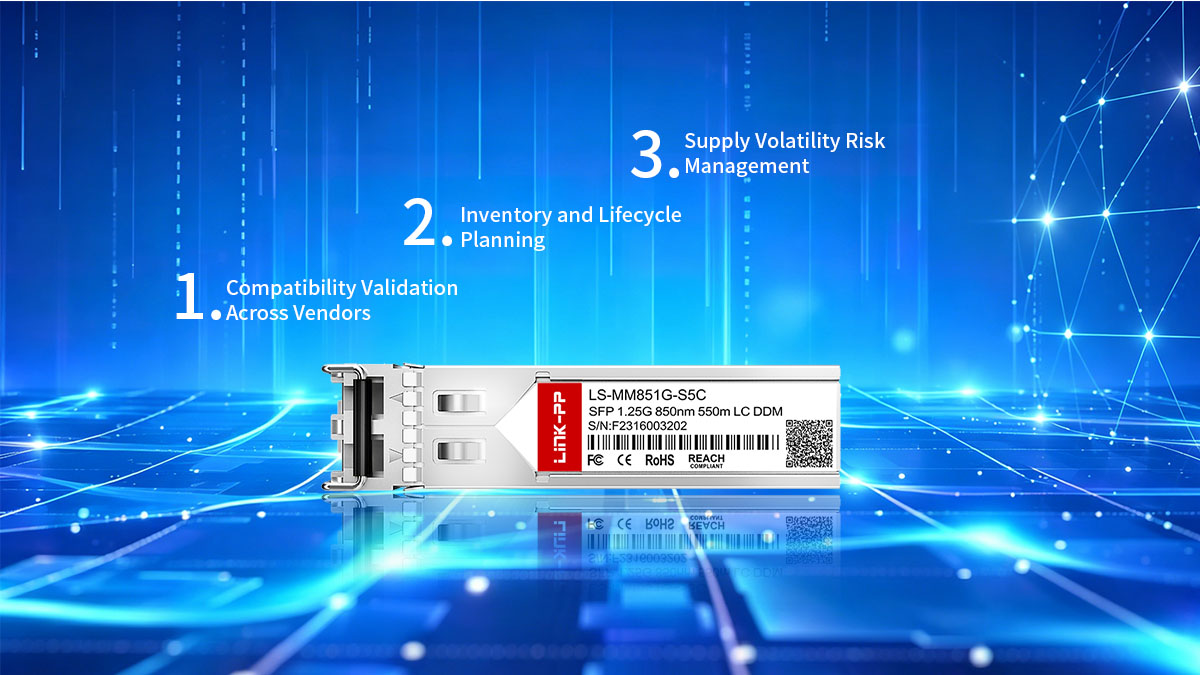
Compatibility remains one of the most critical considerations in GE SX optical procurement, especially in multi-vendor network environments where switches, routers, and fiber infrastructure may come from different manufacturers.
Before deployment, organizations typically ensure that optical modules meet platform requirements such as:
- SFP MSA compliance standards
- IEEE 802.3z 1000BASE-SX compatibility
- Vendor firmware recognition rules
- EEPROM coding validation
A structured compatibility validation process helps reduce operational risks such as:
- Module rejection by network equipment
- Link instability or intermittent connectivity
- Firmware-related performance limitations
- Unexpected downtime during deployment
In many enterprise environments, compatibility testing is conducted through:
- Pre-deployment lab verification
- Cross-platform interoperability testing
- Pilot deployment in controlled network segments
This approach ensures that optical modules perform consistently across different hardware ecosystems before full-scale rollout.
Inventory and Lifecycle Planning
Effective inventory planning plays a central role in maintaining stable network operations, particularly in environments where GE SX optical transceivers support mission-critical infrastructure.
Organizations typically develop inventory strategies based on:
- Historical replacement cycles
- Network expansion forecasts
- Equipment refresh timelines
- Failure rate statistics of installed modules
A well-structured inventory approach helps ensure:
- Continuous availability of replacement modules
- Reduced risk of unexpected supply shortages
- Faster response to hardware failures
- More predictable operational costs
Many enterprises adopt a tiered inventory model, such as:
- On-site critical spares for essential network nodes
- Regional warehouse stock for distributed locations
- Centralized procurement reserves for bulk replenishment
Lifecycle planning is also important because GE SX modules are often tied to long-term switch deployments. As a result, organizations must consider:
- End-of-support timelines for networking equipment
- Expected fiber infrastructure lifespan
- Compatibility continuity across firmware updates
By aligning procurement with lifecycle planning, enterprises can reduce emergency procurement events and improve overall network resilience.
Supply Volatility Risk Management
Although GE SX optical transceivers are mature products, supply volatility remains a relevant concern due to upstream semiconductor dependencies and global logistics variability. Enterprises must therefore implement risk management strategies to ensure consistent availability.
Common sources of supply volatility include:
- Fluctuations in semiconductor component production
- Manufacturing capacity shifts toward higher-speed optics
- Global logistics disruptions and shipping delays
- Regional trade policy changes
- Raw material shortages affecting optical components
To mitigate these risks, organizations often adopt several procurement strategies:
- Multi-supplier sourcing models to reduce dependency
- Framework agreements with flexible delivery schedules
- Strategic buffer inventory for critical network segments
- Demand forecasting based on infrastructure lifecycle data
In addition, compatible optical suppliers often help stabilize supply chains by:
- Maintaining distributed manufacturing capabilities
- Offering faster production turnaround cycles
- Supporting flexible order volumes
- Providing broader cross-platform compatibility
These factors collectively improve procurement resilience and reduce exposure to global supply chain disruptions.
🚩 Conclusion
The GE SX optical transceiver continues to serve as a foundational component in global Gigabit Ethernet infrastructures, even as the networking industry progressively transitions toward higher-speed optical technologies. Its long-term relevance is primarily driven by extensive installed bases, predictable replacement cycles, and the ongoing need for stable short-reach multimode fiber connectivity across enterprise and campus environments.
Across global markets, supply conditions and pricing structures are increasingly shaped by manufacturing concentration in Asia-Pacific regions, evolving semiconductor availability, and shifting production priorities toward higher-speed optical modules. At the same time, mature standards such as 1000BASE-SX and SFP MSA compliance ensure that GE SX remains highly interoperable across multi-vendor networking ecosystems, supporting continued deployment flexibility in complex infrastructure environments.
From a procurement perspective, organizations are placing greater emphasis on lifecycle planning, compatibility validation, and total cost optimization rather than focusing solely on initial unit pricing. This shift is encouraging broader adoption of flexible sourcing strategies and multi-supplier ecosystems to ensure stable availability and reduced operational risk.
In this context, suppliers such as LINK-PP Official Store provide a structured optical module portfolio that supports enterprise networking requirements across different deployment scales. With a focus on compatibility, manufacturing capacity, and global delivery capability, LINK-PP offers GE SX optical transceivers designed to meet the operational demands of modern network environments while maintaining cost efficiency and deployment stability.