Reliable long-distance 10Gbps connectivity is a fundamental requirement in modern enterprise networks, and the Palo Alto PAN-SFP-PLUS-LR transceiver is specifically designed to meet this need in security-driven environments. For IT teams and procurement professionals, the key question is not just what this module does, but how to source it efficiently while ensuring compatibility, performance, and cost control.
In procurement scenarios, decisions around PAN-SFP-PLUS-LR often involve balancing multiple factors, including network requirements, supplier reliability, and pricing structures. Whether deployed in data center interconnects, campus backbones, or firewall uplinks, selecting the right module directly impacts network stability and long-term operational efficiency.
This guide focuses on procurement-oriented insights, helping organizations evaluate technical specifications, compare sourcing options, and identify reliable suppliers. By aligning purchasing strategies with actual deployment needs, businesses can optimize both performance outcomes and budget utilization without unnecessary risk.
✔️ Understanding Palo Alto PAN-SFP-PLUS-LR in Enterprise Procurement
In enterprise procurement, Palo Alto PAN-SFP-PLUS-LR is primarily selected to deliver stable 10Gbps long-distance connectivity over single-mode fiber, making it a standard choice for backbone and inter-device links. Understanding its technical characteristics and deployment roles is essential for aligning procurement decisions with real network requirements.
Core Technical Overview
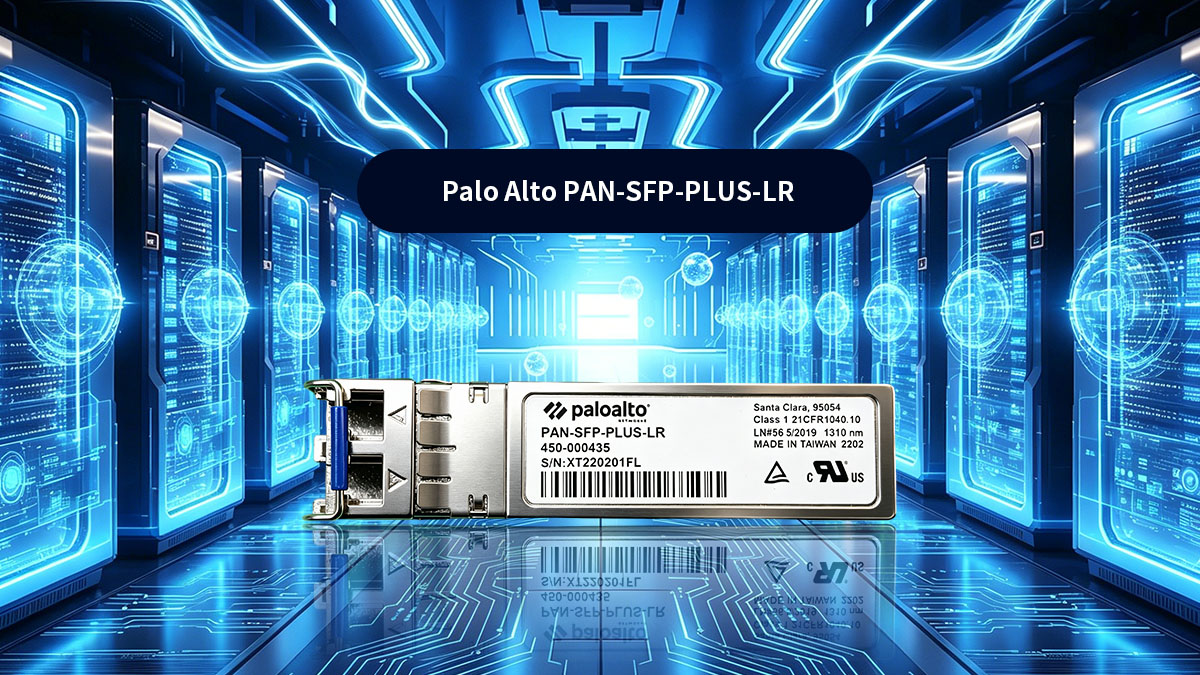
Palo Alto PAN-SFP-PLUS-LR is designed to support high-speed optical transmission with specifications that directly influence compatibility and performance in enterprise environments. The following table summarizes its key technical parameters:
| Parameter | Specification |
|---|---|
| Data Rate | 10Gbps |
| Wavelength | 1310nm |
| Fiber Type | Single-mode (SMF) |
| Transmission Distance | Up to 10km |
| Connector Type | LC Duplex |
| Form Factor | SFP+ |
These specifications indicate that the module is optimized for medium- to long-distance transmission while maintaining low latency and high reliability. In procurement, matching these parameters with actual network conditions—such as fiber type and link distance—is critical to avoid performance mismatches or unnecessary costs.
Typical Deployment Scenarios
From a procurement perspective, PAN-SFP-PLUS-LR is commonly used in scenarios where stable, long-range 10G connectivity is required. Its application environments typically include:
- Data center interconnect (DCI)
- Enterprise campus backbone links
- Switch-to-firewall or firewall-to-firewall connections
- Aggregation layer to core network uplinks
- Hybrid cloud infrastructure connectivity
These deployment scenarios highlight its role as a backbone connectivity component rather than an access-layer solution. Understanding where the module fits within the network architecture helps procurement teams avoid over-specification or underperformance.
In practice, selecting PAN-SFP-PLUS-LR for the right use case ensures optimal link stability and minimizes future replacement or upgrade costs, which is a key objective in enterprise procurement planning.
✔️ Key Procurement Drivers for PAN-SFP-PLUS-LR
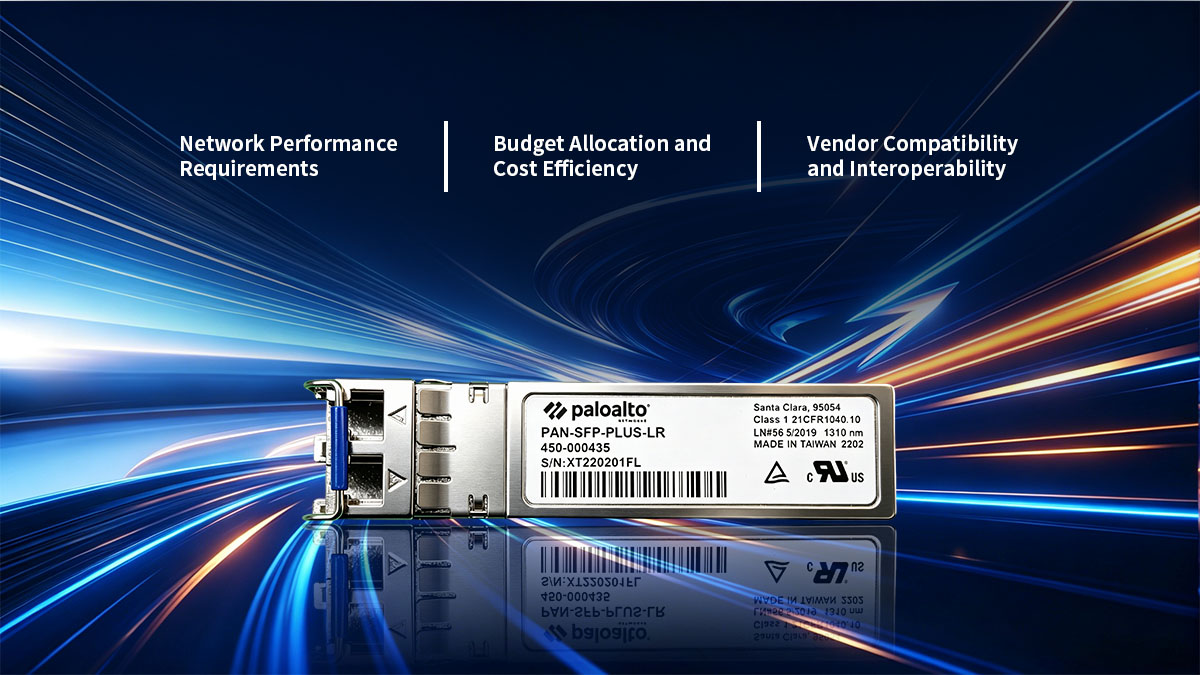
In enterprise sourcing decisions, procurement of Palo Alto PAN-SFP-PLUS-LR is primarily driven by three core factors: network performance requirements, cost efficiency considerations, and compatibility assurance. These drivers determine whether the module can meet both technical expectations and long-term operational goals.
Network Performance Requirements
The primary procurement driver for PAN-SFP-PLUS-LR is ensuring stable 10Gbps optical performance across required transmission distances. In enterprise environments, performance requirements directly influence module selection decisions.
Before listing key performance considerations, it is important to understand that procurement teams typically evaluate performance based on real network workloads and infrastructure design rather than theoretical specifications.
Key performance-related factors include:
- Requirement for consistent 10Gbps throughput without packet loss
- Support for up to 10km single-mode fiber transmission
- Low latency performance for time-sensitive applications
- Stability under continuous high-bandwidth traffic loads
- Compatibility with firewall and switching hardware in production environments
These factors collectively ensure that the optical module does not become a bottleneck in high-demand network architectures. In procurement planning, performance alignment reduces future troubleshooting and replacement costs.
Budget Allocation and Cost Efficiency
Cost efficiency is a critical procurement driver, especially in large-scale network deployments where multiple PAN-SFP-PLUS-LR optical transceiver modules may be required. Organizations must balance performance requirements with total procurement expenditure.
Before breaking down cost-related considerations, it is important to note that pricing decisions are often influenced by lifecycle value rather than upfront cost alone.
Key cost efficiency considerations include:
- Differences between OEM transceiver modules and compatible optical transceivers
- Total cost of ownership (TCO) over deployment lifecycle
- Bulk procurement pricing advantages for large-scale rollouts
- Inventory management and spare module planning costs
- Potential cost impact of downtime caused by incompatible modules
These factors highlight that procurement decisions should focus on long-term value optimization rather than short-term pricing advantages. A well-balanced cost strategy reduces operational risk while maintaining network performance standards.
Vendor Compatibility and Interoperability
Compatibility assurance is one of the most critical procurement drivers for PAN-SFP-PLUS-LR, particularly in vendor-locked environments such as Palo Alto Networks ecosystems.
Before outlining key compatibility factors, it is essential to recognize that interoperability issues can directly impact network availability if not properly validated during procurement.
Key compatibility considerations include:
- Verified compatibility with Palo Alto firewall and switch platforms
- Proper module coding to ensure device recognition
- Firmware alignment with network hardware versions
- Interoperability with existing optical infrastructure
- Risk mitigation against unsupported third-party modules
These considerations are essential for avoiding deployment failures and ensuring seamless integration into existing network environments. In procurement strategy, compatibility validation is often prioritized over cost optimization to ensure operational stability.
✔️ OEM vs Compatible Modules: Procurement Trade-offs
In procurement planning for Palo Alto PAN-SFP-PLUS-LR, one of the most critical decisions is whether to select OEM modules or compatible third-party alternatives. This choice directly impacts cost structure, operational risk, and long-term network flexibility.
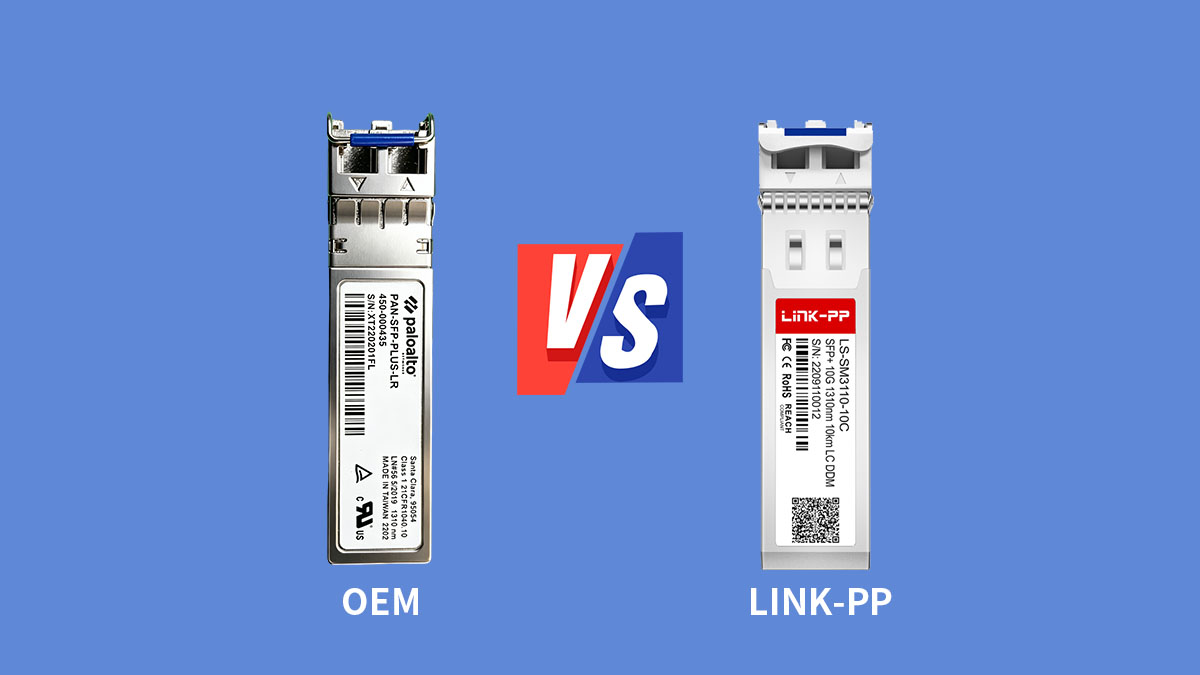
Original Palo Alto Modules
OEM modules are designed and distributed by Palo Alto Networks to ensure full alignment with their hardware ecosystem. In procurement contexts, they are typically selected when maximum assurance and vendor-backed stability are required.
Before listing key characteristics, it is important to note that OEM modules are often preferred in environments with strict compliance or support requirements.
Key attributes include:
- Guaranteed compatibility with Palo Alto firewalls and switches
- Full vendor warranty and official technical support coverage
- Pre-validated firmware and hardware integration
- Lower risk of interoperability or recognition issues
- Consistent performance across enterprise deployments
These advantages make OEM modules a conservative but highly reliable procurement choice, particularly for mission-critical infrastructures. However, this reliability typically comes with higher acquisition costs, which must be factored into budget planning.
Third-Party Compatible Options
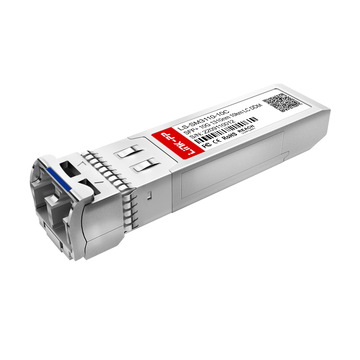
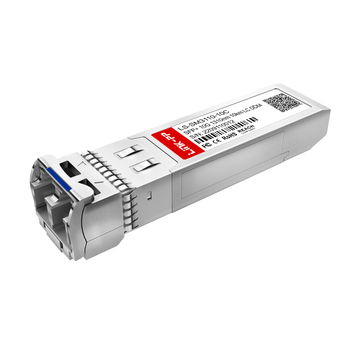
Compatible modules ( like LINK-PP LS-SM3110-10C ) are produced by independent manufacturers and designed to function within Palo Alto environments while offering greater cost efficiency. In procurement strategies, they are often considered for scaling deployments or cost-sensitive projects.
Before outlining key characteristics, it is important to understand that quality can vary significantly between suppliers, making vendor selection a crucial factor.
Key attributes include:
- Lower cost compared to OEM equivalents
- Broad availability across global supply channels
- Support for multi-vendor network environments
- Flexible procurement for large-scale deployments
- Increasing levels of quality parity with OEM standards
These benefits make compatible modules an attractive option for organizations seeking cost optimization without sacrificing essential performance requirements. However, procurement teams must carefully evaluate supplier credibility to mitigate quality and compatibility risks.
Risk Assessment in Procurement
When comparing OEM and compatible modules, procurement decisions must also account for potential operational risks. These risks are often more significant than initial pricing differences.
Before listing key risks, it is important to emphasize that risk evaluation should be aligned with network criticality and downtime sensitivity.
Key risk factors include:
- Possible firmware or device recognition conflicts
- Limited or non-existent vendor warranty support for compatible modules
- Variability in manufacturing quality across suppliers
- Potential network downtime due to incompatibility issues
- Reduced long-term lifecycle predictability
These risks highlight the importance of structured procurement policies. While OEM modules reduce operational uncertainty, compatible modules require stronger supplier vetting and internal validation processes to ensure stable deployment outcomes.
✔️ How to Evaluate Reliable Suppliers
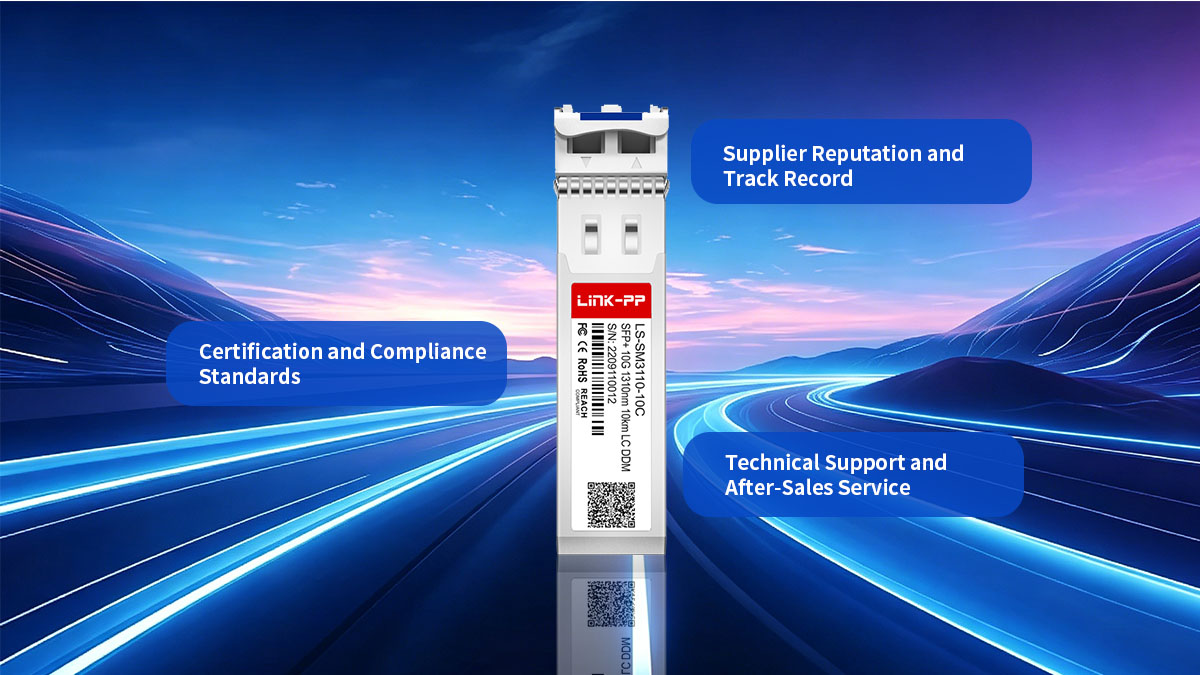
In procurement for Palo Alto PAN-SFP-PLUS-LR, supplier selection is a decisive factor that directly affects module quality, compatibility, and long-term network stability. Even when technical specifications are identical, supplier reliability can significantly change deployment outcomes. Therefore, structured supplier evaluation is essential before committing to any sourcing decision.
Certification and Compliance Standards
A reliable supplier must demonstrate that their PAN-SFP-PLUS-LR modules meet internationally recognized standards and compatibility requirements. These certifications serve as baseline indicators of product quality and manufacturing consistency.
Before listing key certification points, it is important to understand that compliance is not only a regulatory requirement but also a practical safeguard against deployment risks.
Key compliance indicators include:
- MSA (Multi-Source Agreement) compliance for optical interoperability
- RoHS certification for environmental safety standards
- CE and FCC certification for international regulatory alignment
- Factory-level quality assurance and testing procedures
- Optical performance validation under real network conditions
These factors help procurement teams reduce uncertainty when integrating third-party or alternative modules into existing network infrastructures. Certified products generally offer more predictable performance in enterprise environments.
Supplier Reputation and Track Record
Beyond technical compliance, supplier reputation plays a major role in procurement decisions for PAN-SFP-PLUS-LR. Established suppliers typically offer more consistent product quality and reduced operational risk.
Before outlining evaluation points, it is important to note that reputation should be assessed using both historical performance and industry presence.
Key evaluation factors include:
- Years of experience in optical transceiver manufacturing or distribution
- Proven deployment cases in enterprise or telecom environments
- Customer feedback consistency across multiple sourcing channels
- Global supply capability and inventory stability
- Responsiveness in handling procurement inquiries and technical requests
These indicators help procurement teams distinguish between high-quality suppliers and inconsistent or short-term market entrants. A strong track record often correlates with more reliable long-term supply performance.
Technical Support and After-Sales Service
In enterprise procurement, supplier support capability is often as important as the product itself. For PAN-SFP-PLUS-LR modules, post-purchase support ensures smooth deployment and operational continuity.
Before listing key service aspects, it is important to recognize that optical modules may require troubleshooting during installation or integration phases.
Key support considerations include:
- Availability of pre-sales technical consultation for compatibility verification
- Access to installation and configuration guidance
- Responsiveness in troubleshooting optical link issues
- Clear return, replacement, and warranty policies
- Ongoing support for firmware or interoperability updates
These service elements significantly reduce deployment risks and improve procurement confidence. Suppliers with strong technical support infrastructure provide added value beyond hardware delivery, especially in complex enterprise network environments.
✔️ Pricing Factors and Market Trends
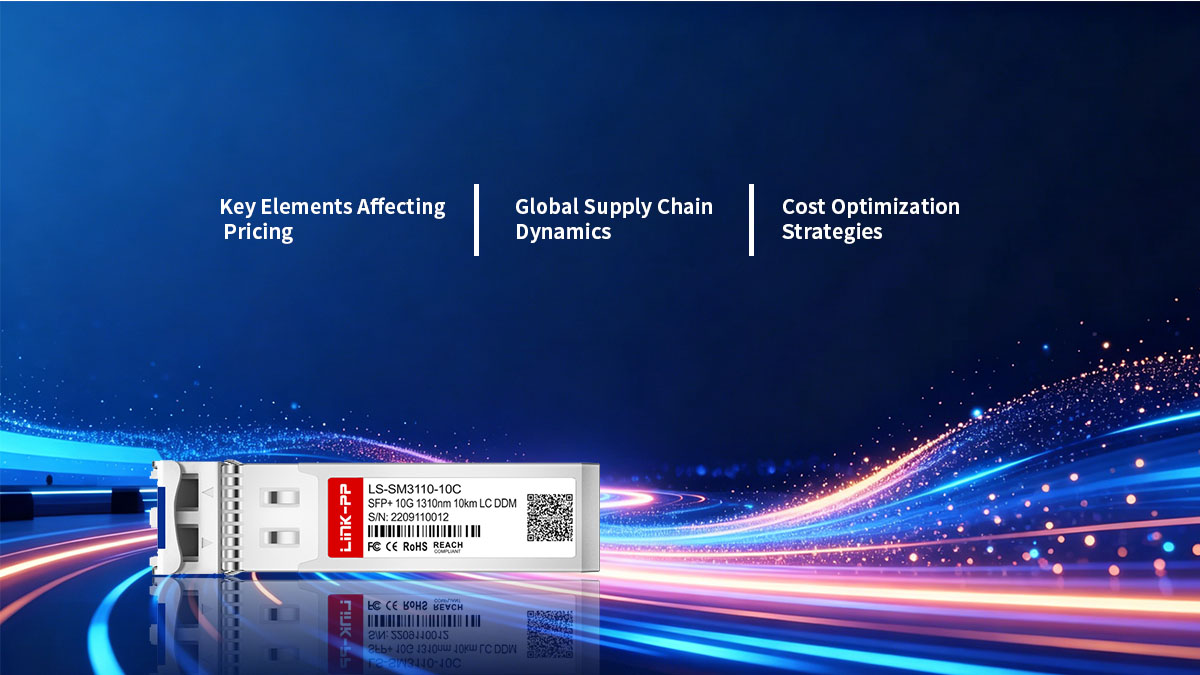
In procurement for Palo Alto PAN-SFP-PLUS-LR, pricing is influenced by a combination of technical supply conditions, vendor positioning, and global market dynamics. Understanding these factors helps organizations make more predictable sourcing decisions and avoid unnecessary cost volatility in large-scale deployments.
Key Elements Affecting Pricing
Pricing for PAN-SFP-PLUS-LR modules is not determined by a single factor but by multiple interrelated variables across manufacturing, branding, and supply chain structure. Before breaking down these elements, it is important to recognize that OEM and compatible modules often follow different pricing logic even when technical specifications are identical.
The table below summarizes the main pricing drivers and their typical impact on procurement cost:
| Pricing Factor | Impact on Cost Structure |
|---|---|
| OEM Branding | Higher due to vendor premium and certification assurance |
| Manufacturing Cost | Direct influence based on optical component sourcing |
| Order Volume | Bulk procurement reduces per-unit cost |
| Certification Level | Higher compliance increases production and testing cost |
| Supply Chain Conditions | Logistics and component shortages drive price fluctuations |
These factors collectively shape the final procurement cost across different sourcing channels. In practical procurement scenarios, organizations often balance brand assurance with cost efficiency to achieve optimal total expenditure.
Global Supply Chain Dynamics
Supply chain conditions play a significant role in determining the availability and pricing stability of PAN-SFP-PLUS-LR modules. Before listing key influences, it is important to note that optical transceiver markets are highly sensitive to semiconductor and logistics fluctuations.
Key supply chain influences include:
- Semiconductor availability affecting core optical component production
- Regional manufacturing concentration impacting lead times
- International logistics costs and shipping delays
- Inventory fluctuations among distributors and resellers
- Demand surges driven by data center expansion cycles
These factors can lead to short-term price volatility, especially during periods of high global demand. For procurement teams, monitoring supply chain trends is essential to avoid unexpected cost increases and delivery delays.
Cost Optimization Strategies
Organizations often implement structured procurement strategies to control costs while maintaining performance standards for PAN-SFP-PLUS-LR deployments. Before outlining specific approaches, it is important to emphasize that cost optimization should not compromise network reliability.
Key optimization strategies include:
- Planning bulk procurement to leverage volume-based pricing advantages
- Diversifying supplier base to reduce dependency on single vendors
- Evaluating compatible alternatives where appropriate for non-critical links
- Establishing long-term procurement agreements for price stability
- Aligning procurement cycles with market demand fluctuations
These approaches help organizations maintain a balance between cost efficiency and operational reliability. In enterprise environments, effective cost optimization is achieved through strategic planning rather than reactive purchasing decisions.
✔️ Deployment Considerations After Procurement
After sourcing Palo Alto PAN-SFP-PLUS-LR modules, procurement work does not end—deployment quality determines whether the purchased units deliver stable 10Gbps performance in real network conditions. Proper post-procurement validation helps reduce downtime risks and ensures smooth integration into existing infrastructure.
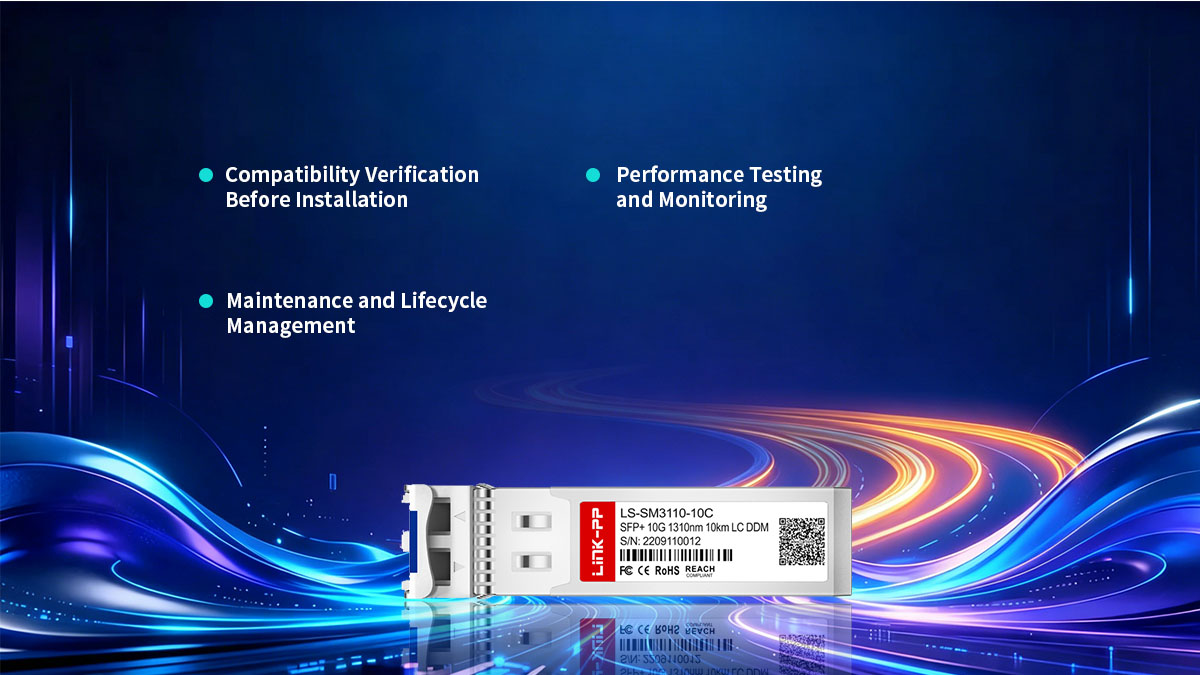
Compatibility Verification Before Installation
Before installing PAN-SFP-PLUS-LR modules into production environments, compatibility verification is a critical step that ensures the hardware is correctly recognized and functions as expected within Palo Alto systems.
Before listing key checks, it is important to emphasize that even correctly sourced modules may fail if firmware or platform alignment is overlooked.
Key verification steps include:
- Confirming Palo Alto firewall or switch model compatibility
- Checking firmware version support for SFP+ LR optics
- Validating module coding recognition within the device
- Ensuring correct single-mode fiber (SMF) infrastructure is in place
- Verifying link distance does not exceed 10km specification
These steps help prevent initialization failures and reduce troubleshooting time during deployment. In enterprise environments, early validation significantly improves operational stability.
Performance Testing and Monitoring
Once installed, PAN-SFP-PLUS-LR modules should undergo structured performance testing to confirm stable optical transmission and link reliability. This ensures the module performs consistently under real traffic loads.
Before outlining testing methods, it is important to note that optical performance can vary depending on fiber quality and environmental conditions.
Key testing and monitoring activities include:
- Measuring optical power levels (Tx/Rx) for signal integrity
- Conducting end-to-end link stability tests under load conditions
- Monitoring latency and packet loss in live traffic scenarios
- Using Digital Diagnostics Monitoring (DDM) for real-time status data
- Validating error rates (BER) over extended operational periods
These evaluations help identify potential issues early and ensure the module meets expected performance standards in production environments.
Maintenance and Lifecycle Management
Effective lifecycle management of PAN-SFP-PLUS-LR modules is essential for maintaining long-term network reliability and optimizing procurement investment. Proper maintenance planning reduces unexpected failures and improves infrastructure resilience.
Before listing key practices, it is important to understand that optical modules are typically managed as part of broader network lifecycle strategies.
Key maintenance practices include:
- Maintaining spare module inventory for fast replacement
- Tracking module usage duration and performance trends
- Scheduling periodic inspection of optical links and connectors
- Replacing modules showing signal degradation or instability
- Planning upgrades aligned with network expansion cycles
These practices ensure consistent network uptime and help organizations extend the operational value of their procurement decisions. In enterprise environments, proactive lifecycle management is a key factor in maintaining stable 10Gbps connectivity over time.
✔️ Common Procurement Pitfalls to Avoid
In procurement for Palo Alto PAN-SFP-PLUS-LR, even experienced IT and sourcing teams can encounter avoidable mistakes that lead to compatibility issues, unexpected costs, or deployment delays. Understanding these pitfalls helps improve decision-making and ensures smoother network integration.

Overlooking Compatibility Requirements
One of the most common procurement mistakes is underestimating the importance of strict compatibility validation between PAN-SFP-PLUS-LR modules and Palo Alto devices. Even small mismatches can result in link failures or device recognition issues.
Before listing key risks, it is important to emphasize that compatibility is not interchangeable across vendors without verification.
Key issues caused by poor compatibility checks include:
- Module not being recognized by Palo Alto hardware
- Firmware mismatch between optical module and device system
- Reduced link stability or intermittent connectivity
- Inability to activate full 10Gbps performance capability
- Increased troubleshooting time during deployment
These risks highlight why compatibility validation must be completed before large-scale procurement or installation begins. In enterprise environments, this step directly impacts network reliability.
Choosing Based Solely on Price
Focusing only on unit price is another frequent procurement pitfall when sourcing PAN-SFP-PLUS-LR modules. While cost efficiency is important, overly aggressive price optimization can introduce long-term operational risks.
Before listing key consequences, it is important to recognize that optical modules are infrastructure components, not short-term consumables.
Key risks of price-driven decisions include:
- Higher failure rates due to inconsistent manufacturing quality
- Increased replacement frequency leading to higher total cost of ownership
- Potential downtime caused by unstable optical performance
- Limited or absent technical support from low-tier suppliers
- Hidden costs from troubleshooting and network disruptions
These factors demonstrate that the lowest upfront cost does not always result in the lowest overall procurement expense. Balanced evaluation is essential for sustainable network operations.
Ignoring Supplier Transparency
Another critical mistake is failing to assess supplier transparency during procurement. Without clear visibility into product sourcing, testing, and warranty policies, organizations face higher operational uncertainty.
Before outlining key concerns, it is important to note that transparency is often a strong indicator of supplier reliability.
Key issues linked to low transparency include:
- Lack of detailed product specifications or test reports
- Unclear warranty or replacement policies
- Limited information about manufacturing processes
- Difficulty verifying product authenticity or certification
- Reduced accountability in case of module failure
These gaps can significantly increase procurement risk, especially in mission-critical network environments. Transparent suppliers provide greater confidence in long-term product performance and support continuity.
✔️ Future Trends in SFP+ Transceiver Procurement
Procurement strategies for Palo Alto PAN-SFP-PLUS-LR and similar LR SFP+ modules are evolving as enterprise networks scale toward higher bandwidth, greater automation, and more diversified supply chains. Understanding these trends helps organizations plan long-term sourcing strategies that remain cost-efficient and technically relevant.

Shift Toward Third-Party Ecosystems
The procurement landscape is gradually shifting from strict OEM dependency toward broader acceptance of third-party compatible optical modules. This change is largely driven by cost pressure and increasing confidence in standardized optical technologies.
Before outlining key trends, it is important to recognize that compatibility validation remains essential even as market openness increases.
Key developments include:
- Wider enterprise adoption of MSA-compliant compatible transceivers
- Increasing interoperability across multi-vendor network environments
- Reduced reliance on single-vendor sourcing models
- Improved quality consistency among reputable third-party manufacturers
- Growing acceptance of compatible modules in non-core network layers
These shifts allow procurement teams to achieve better cost control while maintaining required performance standards, especially in large-scale deployments.
Increasing Demand for 10G and Beyond
Although higher-speed standards such as SFP28 25G and QSFP28 100G are expanding, 10G SFP+ modules like PAN-SFP-PLUS-LR continue to play a stable role in enterprise infrastructure. Procurement strategies are increasingly balancing legacy support with next-generation upgrades.
Before listing key trends, it is important to note that network transitions rarely occur all at once and often involve hybrid architectures.
Key demand trends include:
- Continued deployment of 10Gbps links in campus and access layers
- Integration of 10G optics in hybrid 10G/25G network designs
- Gradual migration toward higher-speed uplinks in core networks
- Extended lifecycle usage of existing SFP+ infrastructure
- Strategic procurement to support mixed-speed environments
These trends indicate that PAN-SFP-PLUS-LR and similar modules will remain relevant in procurement planning for the foreseeable future.
Automation in Procurement Processes
Procurement operations for optical transceivers are becoming increasingly automated, with digital tools and analytics improving decision-making efficiency and supply chain visibility.
Before outlining key developments, it is important to understand that automation primarily enhances accuracy and reduces manual sourcing complexity.
Key automation trends include:
- Use of procurement platforms for real-time supplier comparison
- Data-driven demand forecasting for optical module inventory
- Automated reordering systems for network spare parts management
- Integration of procurement systems with network asset monitoring tools
- AI-assisted pricing analysis and supplier evaluation
These advancements enable procurement teams to make faster, more informed decisions while reducing operational overhead. In the long term, automation is expected to play a central role in optimizing optical transceiver sourcing strategies.
✔️ Conclusion
Procurement of Palo Alto PAN-SFP-PLUS-LR modules is ultimately a balance between performance assurance, cost efficiency, and long-term network stability. Across enterprise environments, this 10Gbps LR SFP+ transceiver continues to play a critical role in enabling reliable single-mode fiber connectivity over distances up to 10km, especially in data center, campus backbone, and security appliance interconnect scenarios.
Key Points:
- PAN-SFP-PLUS-LR is widely used for stable 10Gbps long-distance enterprise connectivity
- Procurement decisions are driven by performance requirements, compatibility, and total cost of ownership
- OEM modules offer maximum assurance, while compatible options provide cost optimization opportunities
- Supplier evaluation is essential to reduce deployment and compatibility risks
- Market trends show continued relevance of 10G optics alongside gradual transition to higher speeds
- Automation and diversified sourcing strategies are reshaping optical transceiver procurement
For organizations planning scalable and cost-controlled optical network deployments, selecting a reliable sourcing partner is as important as the module itself. Evaluating compatibility, certification, and long-term support capability should remain central to any procurement strategy.
For enterprises seeking consistent supply options and verified optical transceiver solutions, platforms such as the LINK-PP Official Store can serve as a practical reference point for exploring compatible and OEM-equivalent networking components while maintaining procurement efficiency and deployment stability.