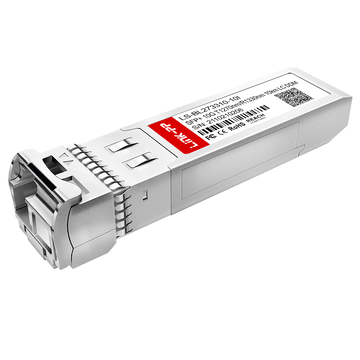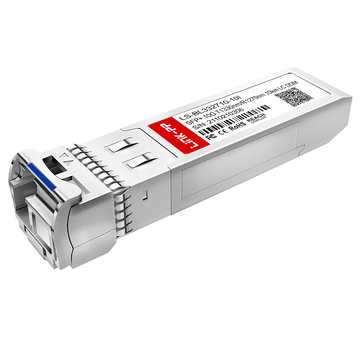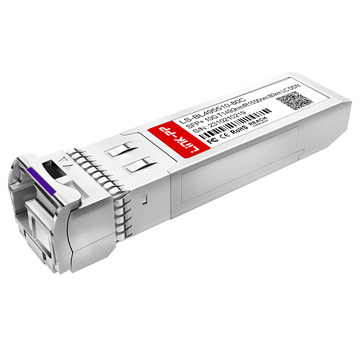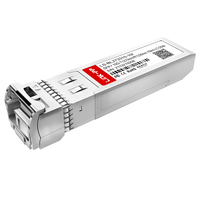
Cisco SFP-10G-BXU-I is a specialized 10G SFP+ BiDi transceiver designed for single-fiber transmission in industrial environments, and its replacement options are increasingly sought after for cost efficiency and supply flexibility. For networks operating in harsh conditions, selecting a compatible I-Temp BiDi alternative is not just about price—it directly impacts link stability, deployment scalability, and long-term reliability.
In practical terms, organizations evaluating a Cisco SFP-10G-BXU-I replacement are typically aiming to achieve three outcomes: maintain seamless compatibility with existing Cisco infrastructure, ensure stable performance across extended temperature ranges (-40°C to 85°C), and optimize overall network investment. This makes it essential to understand not only the original module’s specifications but also how equivalent solutions perform in real-world scenarios.
This guide is structured to help you navigate that decision process with clarity. It breaks down the core specifications of Cisco SFP-10G-BXU-I, explains when and why a replacement is viable, and outlines the key technical and sourcing factors that determine whether a compatible module can deliver the same level of performance. By the end, you will have a clear framework for selecting a reliable I-Temp BiDi SFP+ module that aligns with both your network requirements and operational priorities.
↪️ Understanding Cisco SFP-10G-BXU-I and Its Role
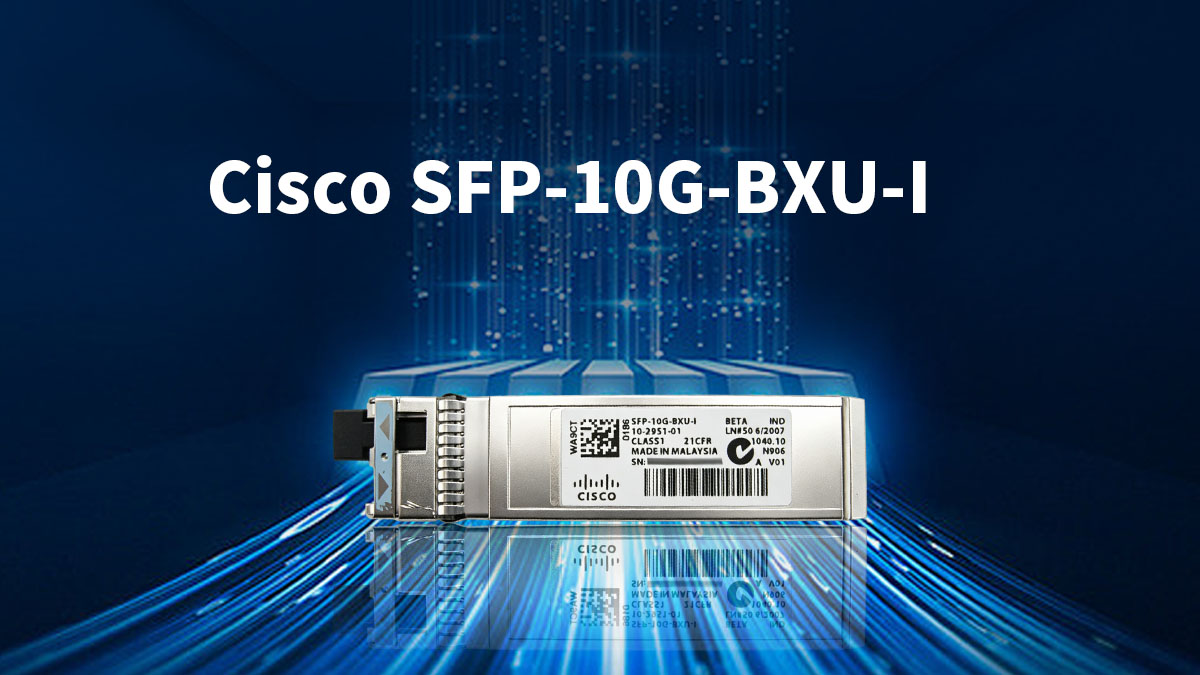
Cisco SFP-10G-BXU-I is a 10Gbps industrial-grade BiDi SFP+ module designed to enable single-fiber communication while maintaining stable performance in extreme temperature environments. Understanding its specifications, functional role, and deployment scenarios is essential before evaluating any replacement, as these factors directly determine compatibility, link reliability, and network efficiency.
Core Technical Specifications
Cisco SFP-10G-BXU-I is defined by a set of standardized optical and environmental parameters that ensure predictable 10G BiDi transmission over a single fiber strand. These specifications must be closely matched when selecting a replacement to avoid performance inconsistencies.
| Parameter | Specification |
|---|---|
| Data Rate | 10Gbps (10GBASE-BX compliant) |
| Transmission Type | BiDi (single fiber) |
| TX Wavelength | 1270nm |
| RX Wavelength | 1330nm |
| Connector | LC simplex |
| Max Distance | Up to 10km |
| Temperature Range | -40°C to 85°C (Industrial) |
| Form Factor | SFP+ |
These parameters highlight that the module is optimized for efficient fiber usage and harsh-environment stability. Any deviation—especially in wavelength pairing or temperature tolerance—can result in link failure or degraded performance, making precise specification matching critical when sourcing alternatives.
Functional Role in Network Architecture
Cisco SFP-10G-BXU-I plays a key role in optimizing fiber infrastructure by enabling bidirectional communication over a single strand, which is particularly valuable in fiber-constrained or cost-sensitive deployments.
- Reduces fiber usage by 50% compared to dual-fiber transceiver modules
- Enables higher port density in switches and routers
- Supports long-distance 10G links without requiring additional fiber resources
- Simplifies cabling in complex or space-limited environments
In network architecture, this module is commonly used in aggregation layers or edge connections where efficient bandwidth delivery and infrastructure optimization are priorities. Its BiDi capability makes it especially suitable for scaling networks without increasing physical fiber footprint.
Common Deployment Environments
Cisco SFP-10G-BXU-I is specifically designed for environments where both temperature resilience and efficient fiber utilization are required. Its industrial-grade design allows it to operate reliably where standard commercial modules may fail.
- Outdoor telecom and roadside cabinets
- Industrial automation systems and factory networks
- Smart city infrastructure (traffic systems, surveillance networks)
- Transportation networks such as rail and metro systems
- Edge data center or remote site connectivity
These deployment scenarios emphasize the importance of durability and stability. In such environments, selecting a replacement module is not just about matching speed and distance—it also requires ensuring consistent performance under temperature fluctuations, vibration, and other environmental stresses.
↪️ Why Consider a Cisco SFP-10G-BXU-I Replacement
Choosing a Cisco SFP-10G-BXU-I replacement is primarily driven by the need to balance cost, availability, and performance without compromising network reliability. In most deployment scenarios, compatible I-Temp BiDi optics can deliver equivalent functionality, making them a practical option for scaling and maintaining 10G networks.
Cost Efficiency Without Performance Trade-offs
A key reason to consider a replacement is that compatible transceivers can significantly reduce costs while maintaining the same technical performance as the original Cisco SFP-10G-BXU-I.
- Lower unit cost compared to OEM-branded modules
- Reduced total cost in large-scale or multi-site deployments
- Comparable optical performance when specifications are matched
- No need for additional infrastructure changes
These advantages make replacements particularly valuable in projects where dozens or hundreds of optical modules are deployed. As long as the replacement adheres to the same 10G BiDi and industrial temperature specifications, performance differences are typically negligible in real-world operation.
Supply Chain Flexibility
Another important factor is the increasing need for flexible sourcing strategies, especially in environments where original modules may face availability constraints.
- Broader vendor ecosystem for compatible modules
- Reduced dependency on a single manufacturer
- Faster lead times in urgent deployment scenarios
- Ability to source from regional or global suppliers
This flexibility allows network operators to maintain continuity even during supply shortages. By diversifying sourcing channels, organizations can mitigate delays and ensure that network expansion or maintenance timelines are not disrupted.
Equivalent Standards and Interoperability
Modern compatible SFP-10G-BXU-I replacements are typically built to industry standards, ensuring seamless integration with Cisco equipment.
| Aspect | Original Module | Compatible Module |
|---|---|---|
| Standards Compliance | Proprietary + MSA aligned | MSA compliant |
| Device Recognition | Native Cisco | EEPROM-coded for Cisco |
| Plug-and-Play | Yes | Yes |
| Optical Performance | Guaranteed | Equivalent when properly manufactured |
This comparison shows that interoperability is no longer a major barrier when selecting a replacement. With proper EEPROM coding and compliance with Multi-Source Agreement (MSA) standards, compatible modules can be recognized and function identically within Cisco switches and routers.
In practice, the key is to ensure that the supplier has validated compatibility with the specific Cisco platforms in use. When this requirement is met, replacement modules can provide the same operational experience as original hardware while offering greater flexibility and cost control.
↪️ Key Specifications to Match in a Replacement Module
Selecting a Cisco SFP-10G-BXU-I replacement requires precise alignment of critical specifications to ensure seamless compatibility and stable performance. The most important factors include optical parameters, industrial temperature capability, and physical/interface compatibility—any mismatch in these areas can directly impact link reliability.
Optical Parameters
The optical characteristics of a replacement module must closely match the original Cisco SFP-10G-BXU-I to maintain proper BiDi communication and link stability. Even small deviations can lead to signal loss or link failure.
| Optical Parameter | Requirement for Replacement |
|---|---|
| TX Wavelength | 1270nm (must match BXU standard) |
| RX Wavelength | 1330nm |
| Transmission Distance | Up to 10km |
| Optical Budget | Sufficient for link margin (typically ≥6–8dB) |
| Receiver Sensitivity | Aligned with original specifications |
| Output Power | Within standard 10GBASE-BX range |
These parameters ensure that the BiDi pair (SFP-10G-BXU-I with SFP-10G-BXD-I) operates correctly over a single fiber. In real deployments, incorrect wavelength pairing is one of the most common causes of link failure, so strict adherence is essential.
Industrial Temperature Reliability
For environments requiring Cisco SFP-10G-BXU-I, industrial temperature performance is not optional—it is a core requirement. Replacement modules must be designed and tested for extreme conditions.
- Operating temperature range of -40°C to 85°C
- Use of industrial-grade components (laser, PCB, and ICs)
- Resistance to thermal cycling and environmental stress
- Compliance with industrial reliability standards
These characteristics ensure that the module maintains stable optical output and signal integrity even under fluctuating or extreme temperatures. Without proper I-Temp support, modules may experience premature failure or inconsistent performance in outdoor or industrial deployments.
Form Factor and Interface Compatibility
Physical and electrical compatibility ensures that the replacement module integrates seamlessly with existing Cisco hardware without requiring configuration changes.
- SFP+ form factor compliance (hot-swappable support)
- LC simplex connector for single-fiber BiDi transmission
- Electrical interface aligned with 10G Ethernet standards
- EEPROM coding for Cisco platform recognition
Matching these interface characteristics allows for true plug-and-play deployment. In practice, incompatibility at the form factor or firmware level can prevent the module from being recognized by the device, even if optical parameters are correct.
Ensuring alignment across these three areas—optical, environmental, and physical—provides a reliable foundation for selecting a Cisco SFP-10G-BXU-I replacement that performs consistently in real-world network conditions.
↪️ Original vs Compatible SFP-10G-BXU-I Modules
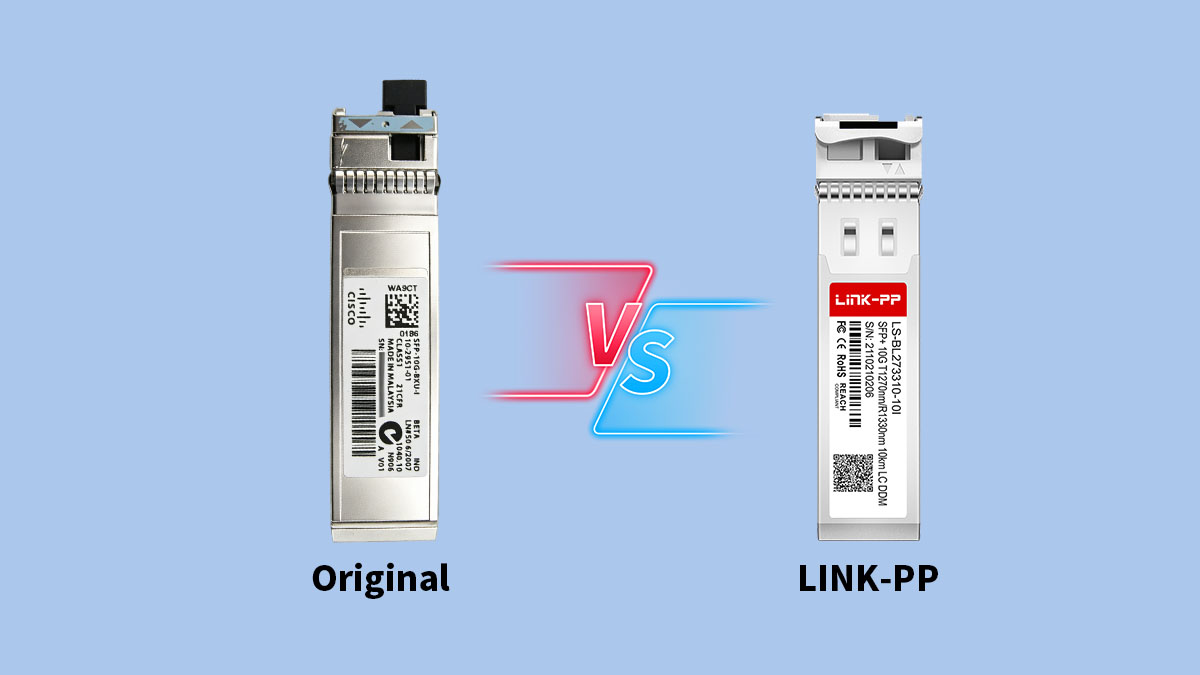
Original Cisco SFP-10G-BXU-I modules and compatible alternatives can deliver similar functionality, but they differ in validation processes, cost structure, and lifecycle flexibility. Understanding these differences helps determine whether a replacement module can meet performance expectations while optimizing long-term network value.
Performance and Reliability Comparison
In most real-world deployments, compatible SFP-10G-BXU-I modules can achieve performance parity with original modules when built to proper standards and tested thoroughly. The key is consistency under load and environmental stress.
Data Throughput| Dimension | Original Cisco Module | Compatible Module |
|---|---|---|
| Stable at 10Gbps | Stable at 10Gbps | |
| Optical Stability | Vendor-guaranteed | Equivalent with quality manufacturing |
| Industrial Temperature Performance | Certified (-40°C to 85°C) | Equivalent if I-Temp graded |
| MTBF | High (vendor specified) | Comparable depending on components |
| Failure Rate | Very low | Low with proper QA/testing |
This comparison shows that performance differences are minimal when compatible modules are sourced from reliable manufacturers. The primary risk lies not in the technology itself, but in inconsistent quality control across suppliers.
Compatibility Testing and Vendor Support
Compatibility is a critical concern, but modern replacement modules are typically designed to integrate seamlessly with Cisco systems when properly validated.
- EEPROM coding ensures Cisco device recognition
- Pre-tested compatibility with specific Cisco switches and routers
- Support for digital diagnostics monitoring (DDM/DOM)
- Availability of firmware adjustments if compatibility issues arise
These factors ensure that compatible modules can function as true plug-and-play solutions. However, unlike original modules, compatibility assurance depends heavily on the supplier’s testing processes and technical expertise.
Cost and Lifecycle Value Analysis
From a procurement perspective, the most significant difference lies in cost structure and long-term value rather than immediate performance.
| Factor | Original Module | Compatible Module |
|---|---|---|
| Initial Cost | High | Lower |
| Scalability Cost | Expensive at scale | Cost-efficient for bulk deployment |
| Replacement Flexibility | Limited sourcing options | Multiple vendor choices |
| Lifecycle ROI | Stable but costly | Optimized for long-term savings |
This analysis highlights that compatible modules offer a clear advantage in cost efficiency, especially in large or expanding networks. While original modules provide brand-backed assurance, compatible alternatives enable better budget allocation without sacrificing functionality.
In practice, the optimal choice depends on balancing risk tolerance, budget constraints, and supplier reliability. For many organizations, high-quality compatible SFP-10G-BXU-I modules represent a practical and scalable solution.
↪️ How to Identify a Reliable Replacement Supplier
Selecting a reliable supplier for a Cisco SFP-10G-BXU-I replacement is critical to ensuring consistent optical performance, device compatibility, and long-term network stability. The safest sourcing decisions are based on verifiable certifications, structured quality control processes, and proven supply chain reliability rather than price alone.
In practice, a trustworthy supplier is defined by its ability to consistently deliver modules that meet MSA standards, pass compatibility testing with Cisco equipment, and maintain stable performance in industrial environments.
Technical Certification and Compliance
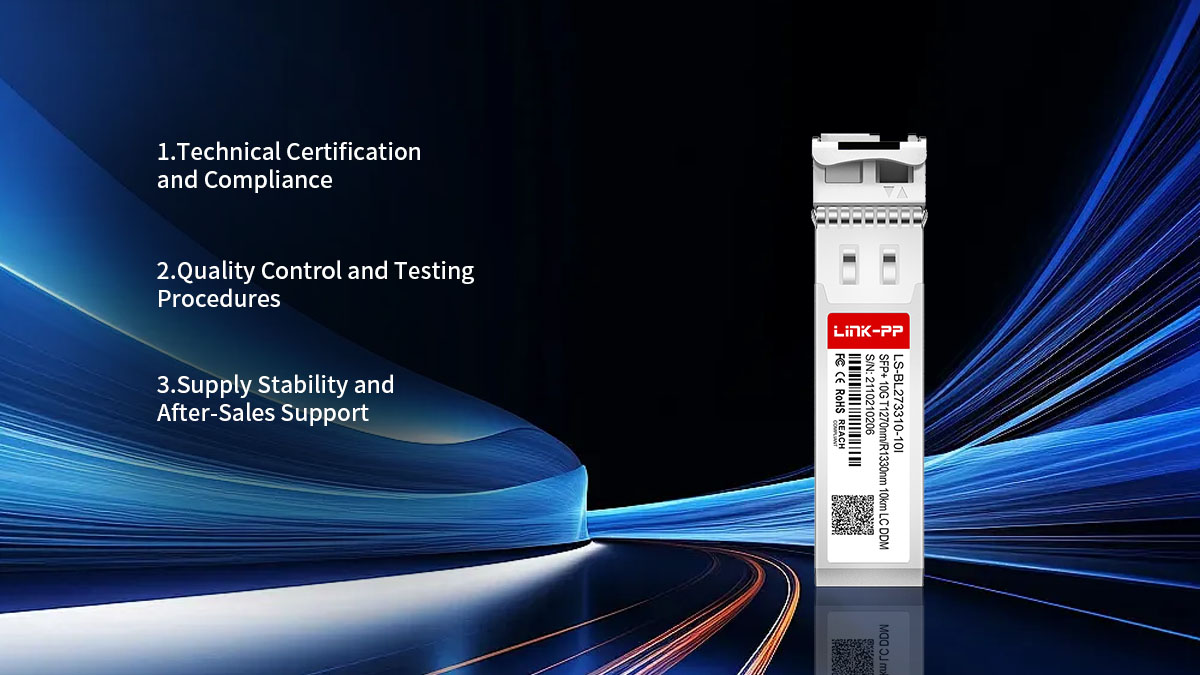
A qualified supplier must demonstrate that its Cisco SFP-10G-BXU-I replacement modules meet recognized industry standards. This ensures interoperability and reduces deployment risk in production networks.
- Compliance with MSA (Multi-Source Agreement) standards
- RoHS and CE certification for environmental and safety compliance
- Support for 10GBASE-BX optical specifications
- Verified industrial temperature grading (-40°C to 85°C)
- Documented compatibility with Cisco platforms
These certifications are not just formal requirements—they directly indicate whether a module can safely operate in enterprise and industrial environments. Without them, compatibility and reliability cannot be guaranteed.
Quality Control and Testing Procedures
Reliable suppliers differentiate themselves through rigorous testing processes that validate both optical performance and hardware stability before shipment.
- 100% optical performance testing (power, wavelength, sensitivity)
- Compatibility testing on real Cisco switches and routers
- Digital Diagnostics Monitoring (DDM/DOM) verification
- High/low temperature stress testing for I-Temp validation
- Burn-in testing to eliminate early-life failures
These procedures ensure that each Cisco SFP-10G-BXU-I replacement module performs consistently under real-world conditions. Suppliers that skip or minimize testing often introduce variability that can lead to link instability or early failure in the field.
Supply Stability and After-Sales Support
Beyond technical quality, long-term reliability also depends on the supplier’s ability to maintain consistent availability and provide responsive technical support.
- Stable inventory levels for continuous project deployment
- Predictable lead times for large-scale procurement
- Warranty coverage for performance and compatibility issues
- Technical support for installation and troubleshooting
- Ability to provide batch consistency for network standardization
These factors are especially important in large networks where multiple deployment phases require identical module performance. A reliable supplier ensures that every Cisco SFP-10G-BXU-I replacement unit behaves consistently across batches, reducing operational risk and simplifying maintenance.
In summary, choosing the right supplier is not only a procurement decision but also a network reliability strategy. Strong certification, thorough testing, and stable supply capability together form the foundation of a dependable sourcing partner.
↪️ Deployment Best Practices for I-Temp BiDi Modules
Proper deployment of I-Temp BiDi modules such as Cisco SFP-10G-BXU-I replacements is essential to ensure stable 10G link performance, especially in industrial or outdoor environments. Even when using fully compatible optics, installation quality, fiber hygiene, and correct pairing practices directly influence network reliability.
In real-world deployments, most performance issues are not caused by the module itself but by improper handling, mismatched BiDi pairing, or suboptimal fiber conditions.
Installation and Handling Guidelines
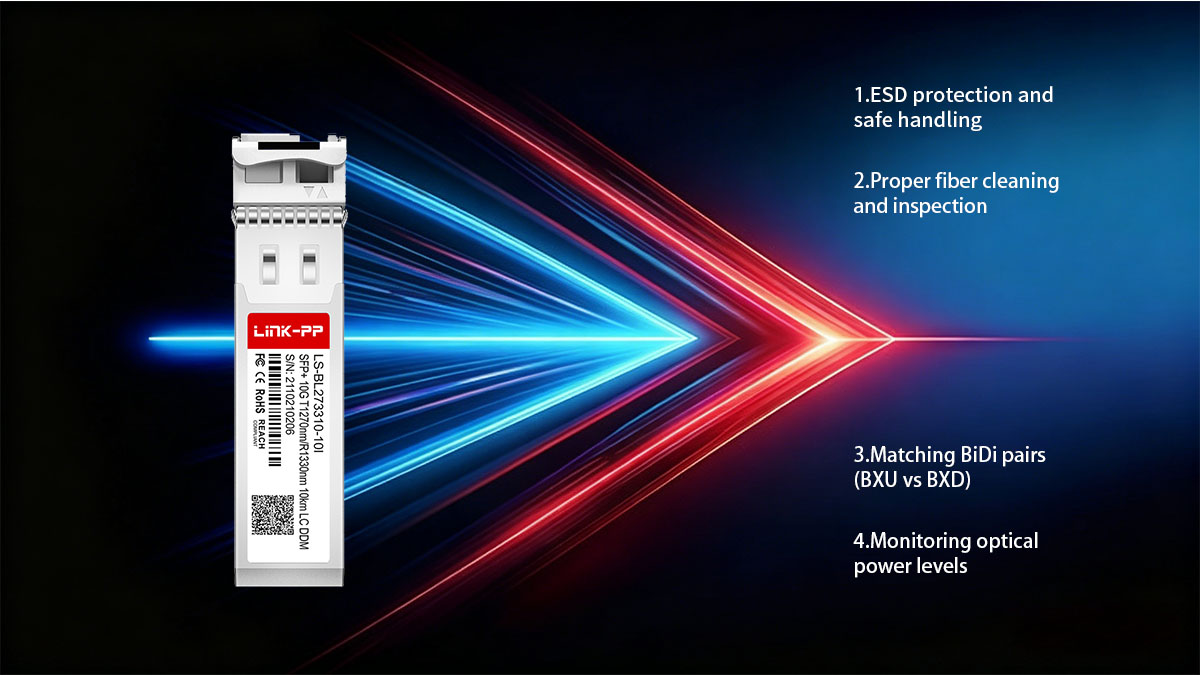
Correct installation practices help prevent physical damage and optical degradation, ensuring that the module operates within its designed parameters from the start.
- Always use proper ESD (electrostatic discharge) protection during handling
- Avoid direct contact with LC connector ferrules to prevent contamination
- Inspect and clean fiber connectors before insertion
- Ensure the module is fully seated into the SFP+ port
- Handle fiber cables with minimum bending radius compliance
These steps are critical because even minor contamination or improper insertion can significantly increase insertion loss, leading to unstable or intermittent links. In industrial environments, where maintenance access may be limited, initial installation quality becomes even more important.
Network Configuration Considerations
Correct configuration and pairing are essential for BiDi optical modules, since transmission depends on matched wavelength pairs operating over a single fiber strand.
- Ensure correct pairing of BXU (1270nm TX / 1330nm RX) with BXD counterpart
- Verify port configuration supports 10G SFP+ operation
- Confirm auto-negotiation settings are compatible with connected devices
- Monitor optical power levels via DDM/DOM when available
- Maintain proper link budget within the supported 10km range
These configuration checks ensure that both ends of the link operate in synchronization. A mismatch in BiDi pairing is one of the most common causes of link failure, even when both modules are individually functional.
Troubleshooting Common Issues
When deployment issues occur, systematic troubleshooting helps quickly identify whether the problem is related to optics, fiber infrastructure, or configuration.
- Link failure: verify correct BiDi pairing and wavelength alignment
- Intermittent connectivity: check fiber cleanliness and connector integrity
- Low optical power: assess fiber attenuation and distance limits
- No module detection: confirm EEPROM compatibility with Cisco device
- High error rates: inspect fiber bends, damage, or poor splicing
In most cases, issues can be resolved by validating physical fiber conditions or ensuring proper module pairing. Industrial environments may introduce additional challenges such as vibration or temperature fluctuation, so ongoing monitoring is recommended for critical links.
↪️ Market Trends and Availability Insights
The market for Cisco SFP-10G-BXU-I and its compatible I-Temp BiDi replacements is evolving rapidly due to increasing demand for high-density, fiber-efficient 10G connectivity and ongoing supply chain diversification. In practice, availability is no longer limited to OEM channels, and compatible industrial BiDi modules are widely accessible with improved performance consistency.
At a high level, the trend is shifting from single-vendor dependency toward multi-source optical ecosystems, where interoperability and cost efficiency are key drivers of procurement decisions.
Increasing Demand for Industrial Optics
The demand for Cisco SFP-10G-BXU-I-type modules is strongly influenced by the expansion of edge computing, industrial IoT, and smart infrastructure deployments. These environments require rugged, temperature-resistant optics that can operate reliably outside traditional data centers.
- Growth of smart city deployments (traffic, surveillance, utilities)
- Expansion of industrial automation and OT networks
- Increased fiber deployment in transportation systems (rail, metro, roadside cabinets)
- Rising need for compact 10G uplinks at network edges
These factors collectively push demand for I-Temp BiDi 10G SFP+ modules, as they reduce fiber consumption while maintaining high-speed connectivity. As a result, both OEM and compatible suppliers are scaling production to meet sustained market growth.
Evolution of BiDi Technology
BiDi optical technology has matured significantly, moving beyond niche deployment into mainstream 10G and even higher-speed applications. Cisco SFP-10G-BXU-I represents a stable generation of this technology, but newer variants are expanding its capabilities.
- Standard 10G BiDi now widely supported across multiple vendors
- Improved optical integration reduces power consumption and heat output
- Expansion toward SFP28 25G and dual-rate BiDi modules in industrial environments
- Enhanced DDM/DOM monitoring for predictive maintenance
In real deployments, this evolution means that compatible modules are increasingly indistinguishable from OEM versions in terms of functionality. The main differentiation now lies in vendor implementation quality and certification depth rather than core technology limitations.
Pricing and Supply Dynamics
Pricing and availability for Cisco SFP-10G-BXU-I replacements are influenced by global supply chain shifts, manufacturing diversification, and competitive pressure from third-party vendors.
- OEM modules typically maintain premium pricing due to branding and certification overhead
- Compatible modules offer significantly lower cost while maintaining MSA compliance
- Bulk procurement reduces per-unit cost further in large-scale deployments
- Supply availability is generally more stable in the compatible module ecosystem
| Factor | OEM Modules | Compatible Modules |
|---|---|---|
| Price Level | High | Moderate to Low |
| Availability | Limited channels | Multiple global suppliers |
| Lead Time | Longer in shortages | Typically shorter |
| Market Flexibility | Low | High |
This pricing structure explains why many enterprises now adopt a hybrid sourcing strategy, using OEM modules for critical nodes and compatible I-Temp BiDi modules for scalable deployments. The flexibility of the compatible market also reduces procurement risk during supply shortages.
↪️ How to Choose the Right Cisco SFP-10G-BXU-I Replacement
Selecting the right Cisco SFP-10G-BXU-I replacement is ultimately about matching technical compatibility with deployment requirements while maintaining long-term network stability. A correct choice ensures seamless integration into Cisco environments, stable 10Gbps BiDi performance, and reliable operation in industrial temperature conditions.
In practical procurement scenarios, the best selection is not determined by a single factor such as price or distance, but by a balanced evaluation of compatibility, environment, and risk control.
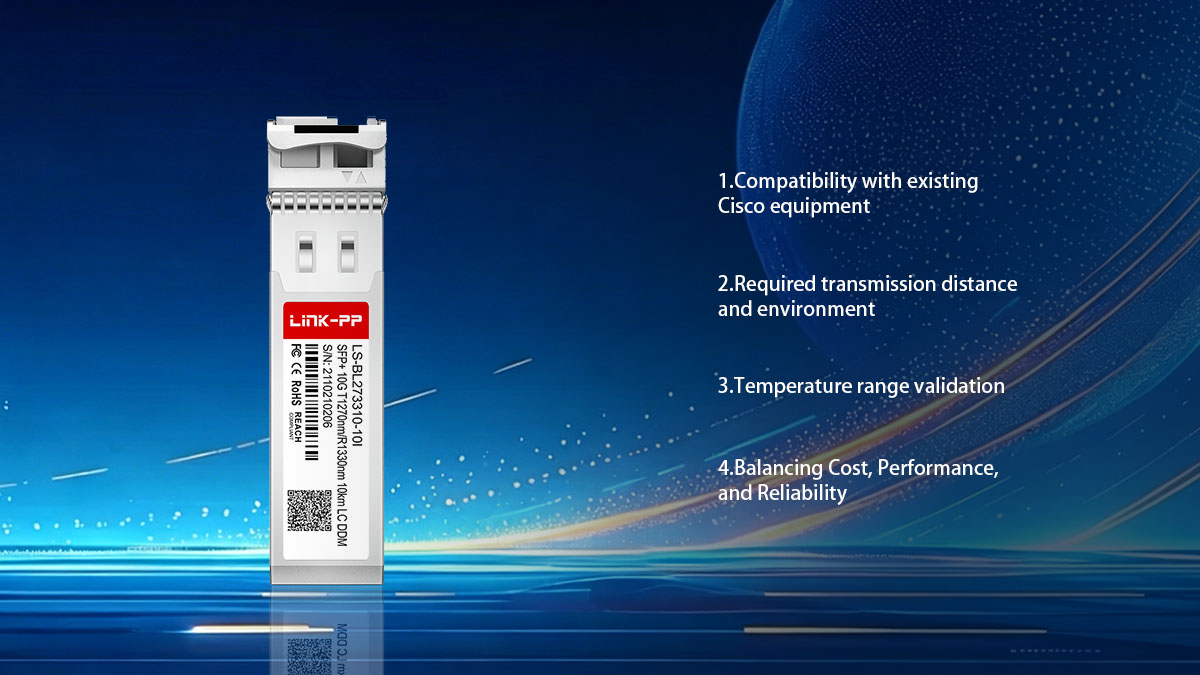
Decision Checklist
A structured checklist helps simplify the selection process and ensures that all critical technical and operational requirements are covered before deployment.
- Verify 10GBASE-BX compliance and correct BiDi wavelength pairing (1270nm/1330nm)
- Confirm industrial temperature range support (-40°C to 85°C) for I-Temp environments
- Ensure compatibility with specific Cisco switches or routers in your network
- Validate optical distance requirements (commonly up to 10km)
- Check support for DOM/DDM diagnostics for real-time monitoring
- Confirm LC simplex interface and SFP+ form factor compliance
This checklist ensures that the replacement module aligns with both physical network requirements and environmental constraints. Skipping any of these validation points can lead to link instability or reduced operational lifespan.
Risk Mitigation Strategies
Even when specifications appear aligned, deployment risks can still exist due to variations in manufacturing quality or network complexity. Risk mitigation focuses on testing, validation, and controlled rollout strategies.
- Conduct small-scale pilot testing before full deployment
- Validate optical power levels and link stability under real traffic conditions
- Use matched BiDi pairs (BXU and BXD) from the same quality standard
- Deploy in non-critical segments first to verify compatibility
- Maintain spare modules for fast replacement in case of failure
These strategies reduce operational risk and ensure that any potential compatibility issues are identified early. In large-scale deployments, staged rollout is particularly important to avoid widespread network disruption.
Balancing Cost, Performance, and Reliability
Choosing a Cisco SFP-10G-BXU-I replacement is not just a technical decision—it is also a balance between budget efficiency and long-term network stability. Each factor must be evaluated in context.
- Cost efficiency: compatible modules significantly reduce procurement cost
- Performance parity: properly manufactured replacements deliver equivalent 10G performance
- Reliability assurance: depends heavily on supplier quality control and testing standards
- Operational continuity: consistent batch quality is essential for scalable deployments
A simplified comparison helps clarify trade-offs:
| Factor | Priority in Enterprise Networks |
|---|---|
| Cost Optimization | High in large-scale deployments |
| Optical Performance | Must match OEM specifications |
| Environmental Reliability | Critical for industrial use |
| Vendor Trustworthiness | Essential for long-term stability |
The ideal replacement is one that meets all technical requirements while maintaining predictable behavior across deployment environments. In most modern networks, high-quality compatible I-Temp BiDi modules provide the best balance between cost efficiency and operational reliability.
↪️ Conclusion
Cisco SFP-10G-BXU-I replacement selection is ultimately about ensuring that 10G BiDi connectivity remains stable, compatible, and cost-efficient across industrial and enterprise networks. A well-matched I-Temp BiDi SFP+ module can deliver performance equivalent to the original Cisco SFP-10G-BXU-I, provided that key specifications such as wavelength pairing, temperature tolerance, and Cisco compatibility are properly aligned.
To simplify the decision process, the most important insights from this guide can be summarized as follows:
- Cisco SFP-10G-BXU-I replacements must strictly match 10GBASE-BX BiDi optical parameters (1270nm/1330nm)
- Industrial temperature support (-40°C to 85°C) is essential for outdoor and harsh environments
- Compatibility with Cisco platforms depends on proper EEPROM coding and MSA compliance
- Reliable performance is achieved only when optical quality, testing standards, and supplier validation are all aligned
- Compatible I-Temp BiDi modules offer strong cost efficiency without sacrificing core network performance
These points highlight that successful sourcing is not just about finding an alternative, but about ensuring full lifecycle reliability in real-world deployments.
In modern network planning, the choice between OEM and compatible optics is no longer a question of basic functionality—it is a strategic decision balancing scalability, supply resilience, and total cost efficiency. When properly selected, a Cisco SFP-10G-BXU-I replacement can integrate seamlessly into existing infrastructure while supporting long-term network growth.
For organizations evaluating high-quality and fully tested I-Temp BiDi solutions, working with a specialized optical transceiver supplier is essential to ensure consistency and performance assurance. Exploring industrial-grade compatible modules from the LINK-PP Official Store can provide a practical path toward reliable sourcing, stable supply, and optimized network investment.