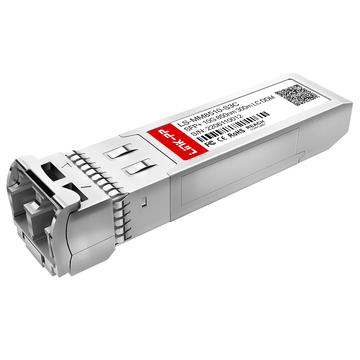
The Cisco 10-2415-03 SFP+ module is widely used in enterprise and carrier-grade optical networks where stable data transmission and predictable link behavior are essential. As network infrastructures continue to scale toward higher bandwidth demands and lower tolerance for packet loss, the performance characteristics of optical transceivers like the Cisco 10-2415-03 become a critical factor in overall system reliability.
In modern fiber-optic deployments, SFP modules are no longer treated as simple connectivity components. Instead, they are evaluated as performance-sensitive elements that directly influence link stability, signal integrity, and end-to-end transmission quality. Even minor variations in optical power levels, thermal behavior, or compatibility can lead to measurable differences in network performance, especially in high-density switching environments.
The Cisco 10-2415-03 is typically deployed in environments where consistent optical performance is required over long operating cycles. This includes access-layer switches, aggregation networks, and enterprise backbone links where downtime or signal degradation can impact business-critical services. Understanding how this module behaves under real-world conditions helps network engineers design more resilient architectures and avoid common performance bottlenecks.
This article provides a detailed examination of Cisco 10-2415-03 from a performance perspective, focusing on optical transmission characteristics, environmental sensitivity, compatibility considerations, and practical optimization strategies.
♠️ Overview of Cisco 10-2415-03 SFP Module
The Cisco 10-2415-03 is a Small Form-factor Pluggable (SFP) optical transceiver designed to support reliable Gigabit Ethernet connectivity in enterprise and service provider networks. Its primary value lies in delivering stable optical transmission performance while maintaining compatibility with Cisco switching and routing platforms. In practical deployments, it is commonly used as a standard interface module for short- to medium-range fiber links where predictable performance and interoperability are essential.
In modern network architectures, this type of fiber optic SFP module is typically selected not only for its data rate capability but also for its consistency in optical signaling, low error rates, and stable power behavior under continuous operation. These characteristics make it suitable for access and aggregation layers where link stability is more important than ultra-high throughput scaling.
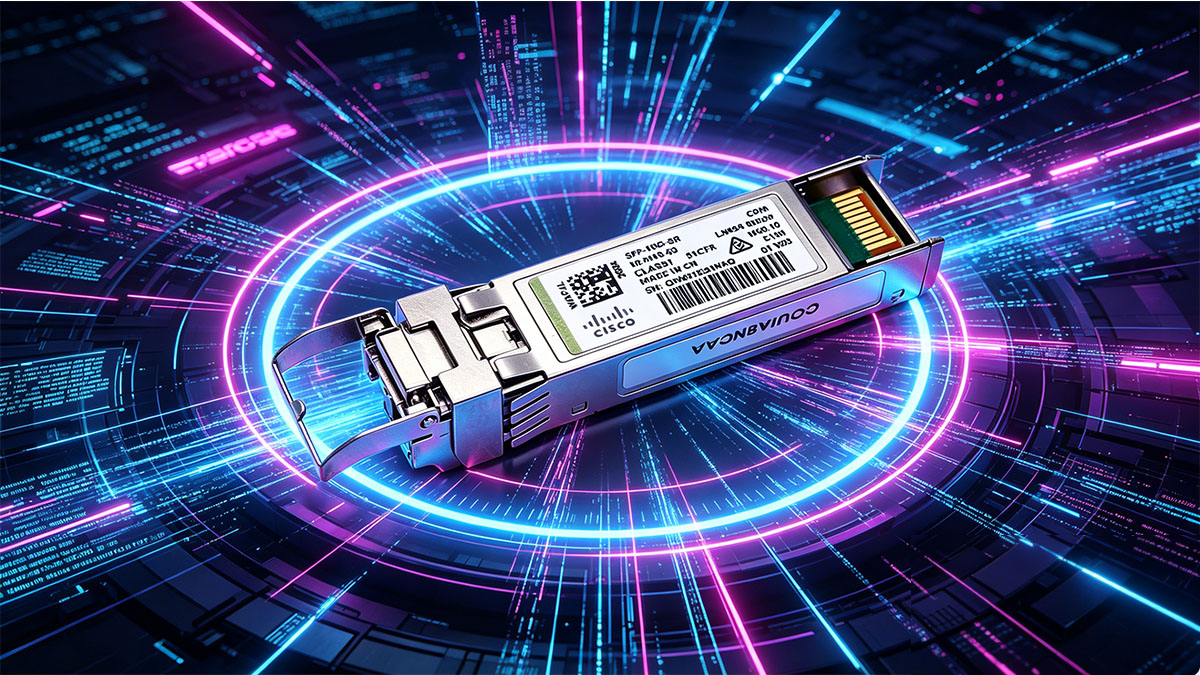
Key Specifications and Technical Profile
The Cisco 10-2415-03 follows standard SFP design conventions, ensuring interoperability across a wide range of networking equipment while maintaining Cisco-validated performance characteristics. Its specifications define how it behaves in terms of transmission speed, optical wavelength, and physical reach.
To better understand its technical positioning, the following table summarizes its core profile characteristics:
| Parameter Category | Typical Specification | Performance Impact |
|---|---|---|
| Form Factor | SFP (MSA-compliant) | Ensures broad hardware compatibility |
| Data Rate | 1.25Gbps class (Gigabit Ethernet) | Supports stable Layer 2/Layer 3 forwarding |
| Optical Type | Short-reach fiber interface | Optimized for intra-building links |
| Media Support | Multi-mode fiber (MMF) | Lower deployment cost in enterprise networks |
From a performance standpoint, these parameters indicate that the module is optimized for stable, short-distance optical communication rather than long-haul transmission. This positioning helps reduce signal distortion and simplifies deployment in structured cabling environments.
Typical Deployment Scenarios
In real-world network design, the Cisco 10-2415-03 is most commonly deployed in environments where reliability and consistent throughput are prioritized over long-distance reach. Its design makes it suitable for structured enterprise networks with clearly defined fiber runs.
Typical use cases include:
- Enterprise campus networks connecting access switches to distribution layers
- Data center top-of-rack (ToR) and aggregation switch interconnects
- Intra-building fiber links where multi-mode fiber is already deployed
- Network edge environments requiring stable Gigabit Ethernet uplinks
Each of these scenarios shares a common requirement: predictable optical performance under continuous traffic conditions. In campus networks, for example, the module must maintain stable connectivity even during peak usage periods when multiple VLANs and services are actively passing through the same link.
♠️ Understanding SFP Performance Metrics
In optical networking, the performance of an fiber SFP module is not determined solely by its nominal data rate. Instead, real-world behavior depends on a combination of optical, electrical, and environmental factors. For the Cisco 10-2415-03, understanding these performance metrics is essential to accurately evaluate link stability, diagnose issues, and design reliable fiber connections.
In practice, network engineers focus on a small set of core indicators that directly reflect how well the SFP performs under operational conditions. These include optical power budget, signal integrity, latency impact, and thermal stability. Each metric represents a different layer of performance behavior within the optical transmission chain.
Optical Power Budget and Its Impact
The optical power budget defines whether a fiber link can maintain reliable communication between the transmitting and receiving ends. It is calculated based on the difference between transmit (Tx) power and receive (Rx) sensitivity, minus all losses in the optical path.
P_{budget} = P_{Tx} - P_{Rx(min)}}
A positive and sufficient power budget ensures that the signal arriving at the receiver remains above the minimum detection threshold. When the margin is too small, even minor disruptions such as connector dust, fiber bending, or aging components can cause link instability.
To understand how different factors influence optical power budget outcomes in real deployments, consider the following breakdown:
Before reviewing the comparison, it is important to note that these values vary depending on fiber quality, connector condition, and installation practices.
| Factor | Impact on Power Budget | Network Effect |
|---|---|---|
| Fiber attenuation | Reduces available signal strength | Limits maximum link distance |
| Connector loss | Introduces localized signal drops | Increases risk of intermittent faults |
| Splice quality | Adds cumulative degradation | Affects long-term stability |
| Module aging | Gradual power decline | Reduces operational margin over time |
After evaluating these factors, it becomes clear that maintaining a healthy optical power budget is not only about module specifications but also about physical layer maintenance and installation quality.
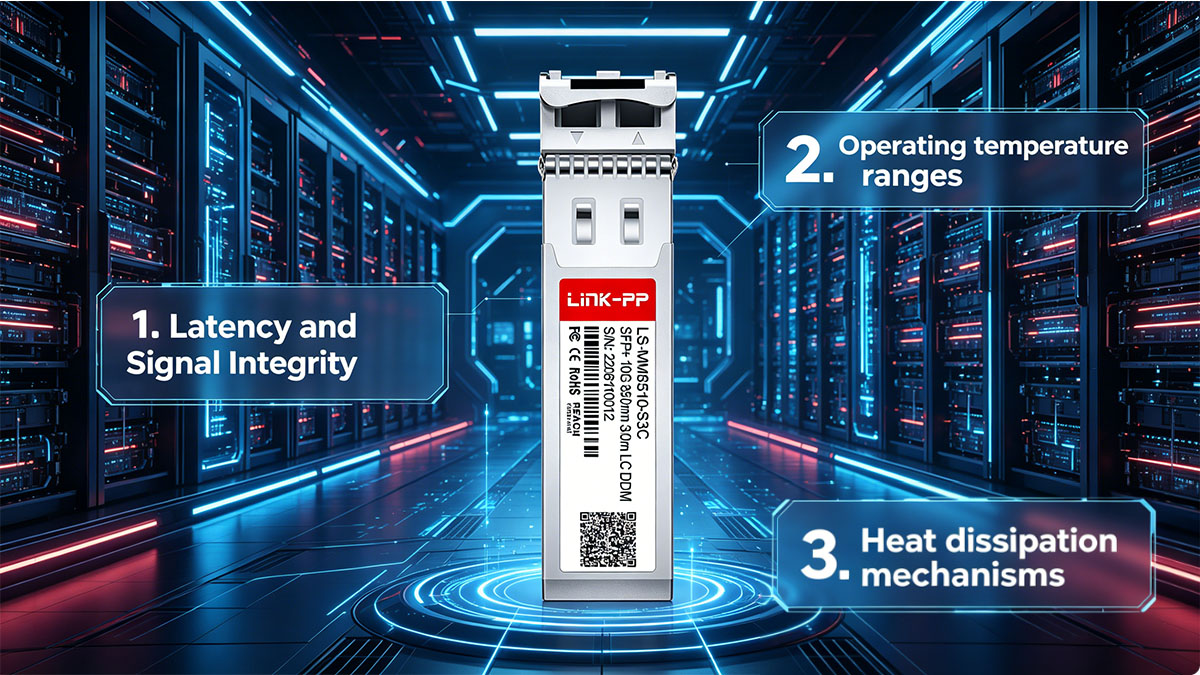
Latency and Signal Integrity
SFP transceiver modules like the Cisco 10-2415-03 introduce minimal but measurable latency, primarily due to optical-electrical-optical conversion processes. While this delay is typically negligible in most enterprise applications, it becomes more relevant in latency-sensitive environments such as financial trading systems or high-performance computing clusters.
Signal integrity, on the other hand, has a more direct impact on network performance. It refers to the accuracy and cleanliness of the transmitted signal as it travels through fiber. Degradation in signal integrity often manifests as increased bit error rate (BER), retransmissions, or reduced throughput efficiency.
Key factors influencing signal integrity include:
- Chromatic dispersion in fiber medium over distance
- Connector contamination or misalignment
- Electrical noise in transceiver circuitry
- Inconsistent laser output stability
In well-designed networks, these issues are minimized through proper fiber selection, controlled installation practices, and regular inspection cycles. The Cisco 10-2415-03 maintains stable signal characteristics under normal operating conditions, but its performance still depends heavily on external physical-layer quality.
Thermal Performance and Stability
Thermal behavior is a critical but often underestimated performance dimension of SFP modules. The Cisco 10-2415-03 operates within a defined temperature range, and deviations beyond this range can significantly impact optical output stability and long-term reliability.
Temperature changes influence laser efficiency, receiver sensitivity, and overall signal consistency. As temperature increases, optical power output may drift, while excessive heat can accelerate component aging.
To better understand thermal impact zones, the following table outlines common operating conditions and their effects:
| Temperature Range | Operating Condition | Performance Impact |
|---|---|---|
| Normal (stable range) | Controlled airflow | Optimal signal stability |
| Elevated temperature | Limited ventilation | Gradual power fluctuation |
| High thermal stress | Poor airflow or dense stacking | Increased error rates |
| Extreme conditions | Cooling failure risk | Potential link instability |
Once thermal stress exceeds acceptable thresholds, performance degradation typically appears as intermittent connectivity issues or reduced transmission quality. This makes proper airflow design and rack ventilation essential for maintaining consistent SFP behavior.
♠️ Performance Advantages of Cisco 10-2415-03
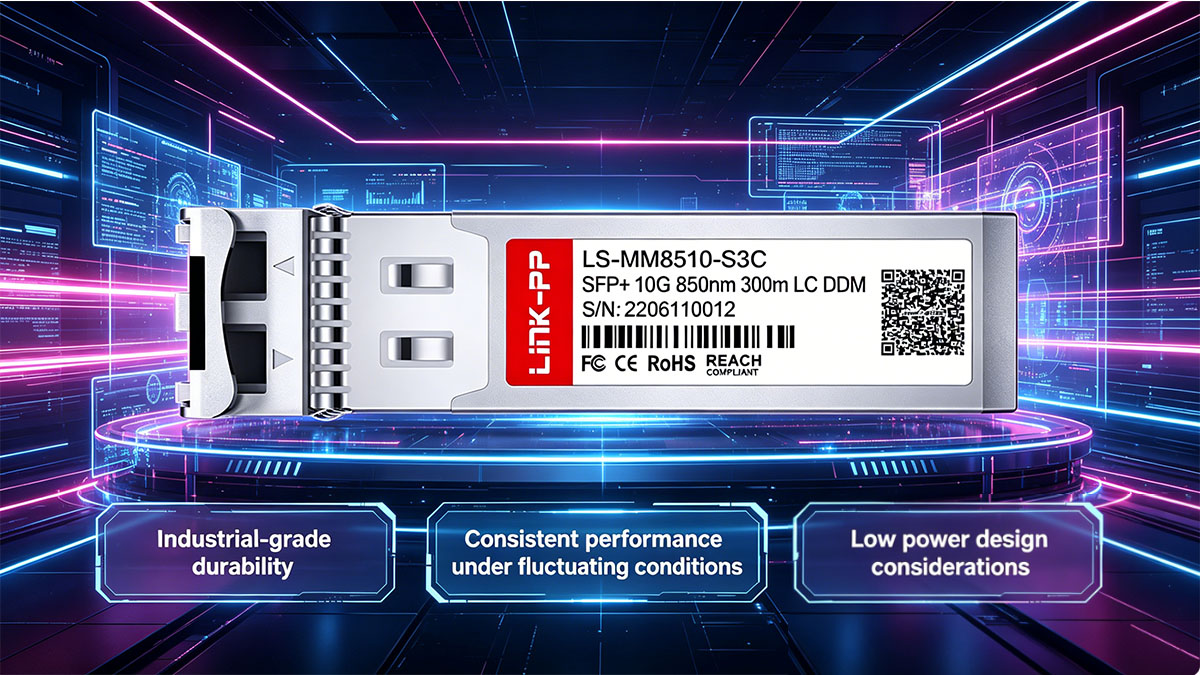
The Cisco 10-2415-03 is positioned as a reliability-oriented SFP module, where its performance advantages are not defined by peak speed alone, but by consistency, stability, and predictable behavior in real network environments. In enterprise and service provider networks, these characteristics are often more valuable than marginal gains in raw throughput, especially when long-term operational stability is required.
High Reliability in Demanding Environments
Reliability is one of the most important performance differentiators for the Cisco 10-2415-03. In production networks, SFP modules must operate continuously for extended periods without signal drift, link flapping, or unexpected degradation. This module is designed to maintain stable optical behavior even under fluctuating traffic patterns and hardware load conditions.
Before breaking down specific reliability factors, it is important to understand that stability in optical networking is primarily influenced by internal component quality, calibration consistency, and environmental resilience.
| Reliability Factor | Operational Benefit | Network Impact |
|---|---|---|
| Laser stability | Consistent optical output | Reduced signal fluctuation |
| Receiver sensitivity consistency | Stable signal detection | Lower packet loss risk |
| Component calibration | Predictable performance curve | Easier network planning |
| Manufacturing tolerance control | Reduced variation between units | More uniform deployments |
After evaluating these factors, it becomes clear that the Cisco 10-2415-03 is engineered to reduce performance variability across large-scale deployments, which is a key requirement in enterprise-grade infrastructure.
Optimized Compatibility with Cisco Ecosystem
Another major advantage of the Cisco 10-2415-03 is its optimized compatibility with Cisco networking equipment. While many SFP modules follow MSA standards, Cisco-optimized modules are often fine-tuned for tighter integration with Cisco switching and routing platforms.
This compatibility advantage is not just about physical connectivity but also extends to firmware interaction, diagnostics, and operational stability.
Key compatibility benefits include:
- Reduced risk of transceiver recognition issues on Cisco devices
- Improved consistency with Cisco IOS/IOS-XE diagnostic reporting
- More predictable Digital Optical Monitoring (DOM) behavior
- Lower probability of interoperability-related link instability
In real-world deployments, this translates into fewer configuration anomalies and reduced troubleshooting time during network expansion or maintenance cycles.
Energy Efficiency and Power Consumption
Power efficiency is an increasingly important performance metric in modern network design, especially in high-density switching environments such as data centers. The Cisco 10-2415-03 is designed with low power consumption characteristics that help reduce overall energy load on networking hardware.
While SFP modules individually consume relatively low power, their cumulative effect becomes significant when deployed in large quantities across multiple switches.
To understand how energy efficiency translates into operational benefits, consider the following comparison:
| Power Aspect | Operational Effect | Deployment Benefit |
|---|---|---|
| Low module power draw | Reduced heat generation | Improved rack cooling efficiency |
| Stable power usage | Predictable energy planning | Easier capacity management |
| Reduced thermal output | Lower cooling requirements | Extended hardware lifespan |
| Efficient optical conversion | Minimal energy waste | Better overall system efficiency |
After reviewing these aspects, it is evident that energy efficiency in the Cisco 10-2415-03 contributes not only to cost optimization but also to improved thermal stability, which indirectly enhances long-term performance reliability.
♠️ Factors Affecting Real-World SFP Performance
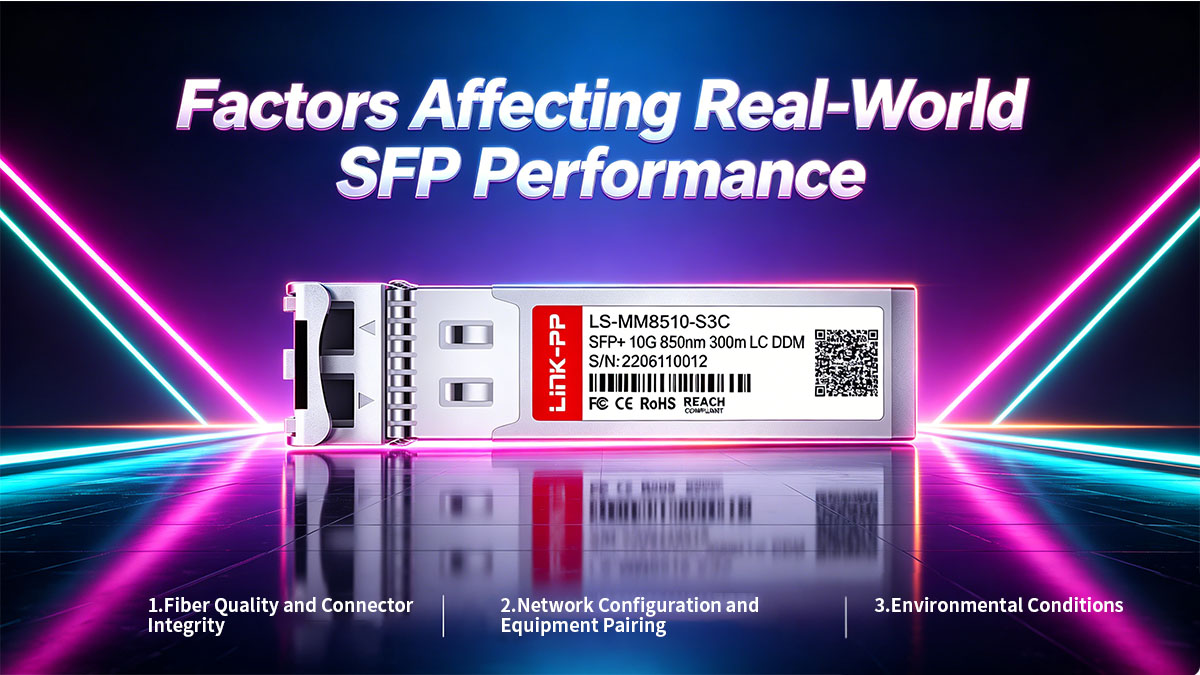
In practical network environments, the performance of the Cisco 10-2415-03 is influenced by far more than its datasheet specifications. While laboratory values define theoretical limits, real-world performance is shaped by physical infrastructure quality, installation practices, and environmental conditions. Understanding these factors is essential for maintaining stable optical links and preventing intermittent network issues.
Fiber Quality and Connector Integrity
Fiber quality and connector condition are among the most critical determinants of optical performance. Even high-quality SFP modules like the Cisco 10-2415-03 cannot compensate for excessive optical loss introduced by poor cabling infrastructure.
Before evaluating specific failure points, it is important to understand that optical transmission depends on maintaining clean, precisely aligned physical interfaces throughout the entire link path.
| Fiber Element | Performance Risk | Operational Impact |
|---|---|---|
| Fiber attenuation | Gradual signal weakening over distance | Reduced maximum link reach |
| Connector contamination | Light scattering and signal loss | Intermittent link failures |
| Misalignment | Inefficient light coupling | Increased bit error rate |
| Fiber bending | Micro-loss and signal distortion | Unstable transmission quality |
After reviewing these factors, it becomes clear that even small physical defects can accumulate into significant performance degradation, especially in high-density network environments where multiple links operate simultaneously.
To maintain optimal performance, proper fiber cleaning procedures and careful handling during installation are essential, as contaminants at the connector level are one of the most common causes of degraded SFP behavior.
Network Configuration and Equipment Pairing
Another major factor affecting SFP performance is how the module is paired and configured within the network infrastructure. Even when physical compatibility exists, configuration mismatches between optical modules, switches, and transceivers can lead to suboptimal performance or unstable links.
In real-world deployments, this issue often appears when mixing different vendors, firmware versions, or optical standards without proper validation.
Key configuration-related risks include:
- Mismatch between SFP type and switch port capability
- Inconsistent duplex or speed negotiation settings
- Firmware incompatibility affecting optical recognition
- Incorrect port configuration leading to link instability
From a performance standpoint, the Cisco 10-2415-03 performs best when deployed within environments that maintain consistent configuration standards across all connected devices. This reduces variability in link behavior and improves long-term stability.
Environmental Conditions
Environmental conditions play a significant role in determining how consistently the Cisco 10-2415-03 performs over time. Unlike controlled lab environments, real network deployments often expose equipment to temperature fluctuations, humidity, airflow limitations, and electromagnetic interference.
These external factors can gradually influence both optical signal quality and hardware reliability.
To better understand environmental sensitivity, the following breakdown highlights key stress factors:
| Environmental Factor | Effect on SFP Performance | Typical Symptoms |
|---|---|---|
| Temperature variation | Alters laser efficiency and receiver sensitivity | Fluctuating optical power levels |
| High humidity | Increases risk of condensation | Intermittent signal loss |
| Poor airflow | Causes heat accumulation | Gradual performance degradation |
| Electromagnetic interference | Disrupts signal integrity | Increased error rate |
Once environmental stress exceeds optimal operating conditions, the SFP transceiver may exhibit unstable behavior such as packet loss, degraded throughput, or intermittent link resets.
Proper rack design, airflow management, and environmental monitoring are therefore essential to ensure stable long-term performance. In particular, maintaining consistent operating temperature is one of the most effective ways to preserve optical stability.
♠️ Performance Optimization Best Practices
Optimizing the performance of the Cisco 10-2415-03 is not about modifying the module itself, but about ensuring that the entire optical transmission environment operates within ideal conditions. In real deployments, consistent performance is achieved through correct installation practices, continuous monitoring, and preventive maintenance across both physical and logical network layers.
Proper Installation and Handling
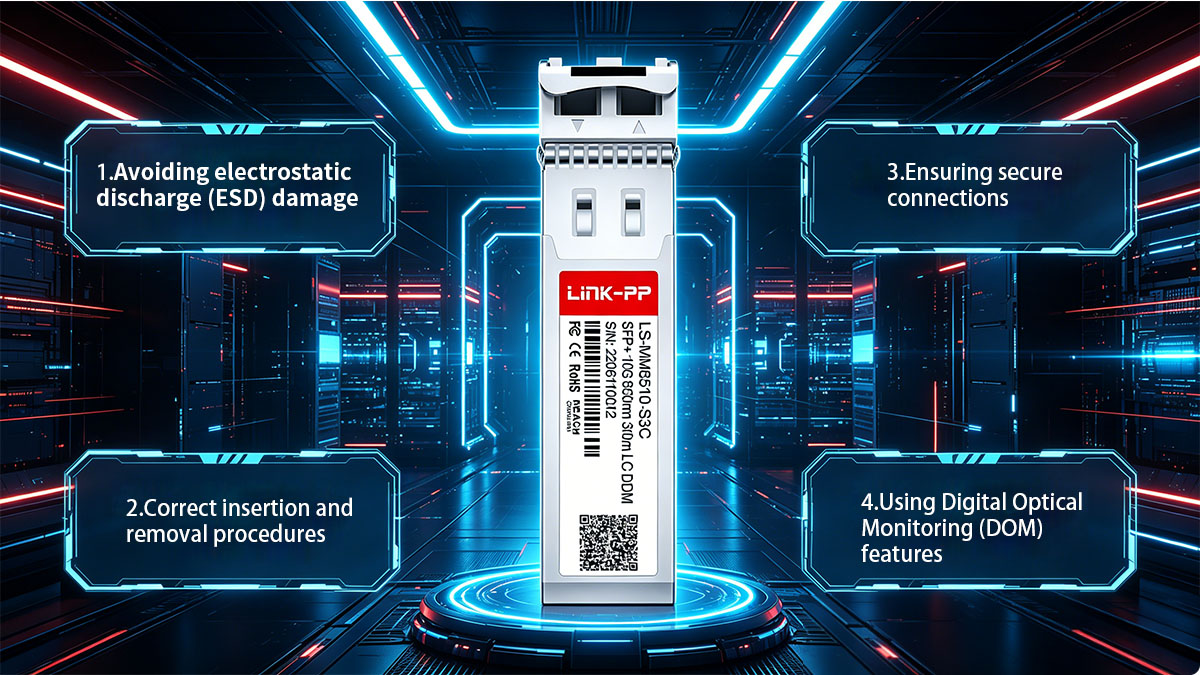
The installation phase has a direct impact on long-term SFP performance. Even though the Cisco 10-2415-03 is designed for plug-and-play deployment, improper handling during insertion or removal can introduce physical stress or contamination that affects optical quality.
Before outlining specific procedures, it is important to note that most performance issues originate from avoidable physical handling errors rather than module defects.
Key installation practices include:
- Avoiding direct contact with optical connectors to prevent contamination
- Ensuring proper alignment during insertion to avoid mechanical stress
- Using anti-static precautions to prevent ESD damage
- Removing dust caps only immediately before installation
After these steps are followed, the optical interface maintains its intended cleanliness and alignment, which is critical for preserving low-loss signal transmission.
Proper handling also reduces the likelihood of micro-scratches or connector wear, both of which can gradually degrade signal quality over time.
Monitoring and Diagnostics
Once the Cisco 10-2415-03 is deployed, continuous monitoring becomes essential for maintaining optimal performance. Modern Cisco networking platforms support Digital Optical Monitoring (DOM), which provides real-time visibility into key optical parameters.
Loss Link = P_{Tx} - P_{Rx}
This relationship helps engineers understand how much optical signal is lost across the link, making it easier to detect early signs of degradation before they impact service quality.
Key parameters typically monitored include:
- Transmit optical power (Tx power)
- Receive optical power (Rx power)
- Temperature of the SFP module
- Supply voltage stability
When these values drift outside normal thresholds, they often indicate underlying issues such as fiber contamination, aging connectors, or insufficient link budget.
Preventive Maintenance Strategies
Preventive maintenance plays a crucial role in sustaining long-term SFP performance stability. Unlike corrective actions taken after failures occur, preventive strategies focus on minimizing the probability of performance degradation over time.
Before listing specific methods, it is important to emphasize that optical networks are highly sensitive to gradual physical changes, making routine maintenance a key part of performance optimization.
Effective maintenance strategies include:
- Regular inspection and cleaning of fiber connectors using approved cleaning tools
- Scheduled testing of optical power levels to verify link margin stability
- Periodic replacement of aging or frequently re-seated fiber patch cords
- Documentation of baseline performance metrics for trend analysis
These practices help ensure that small issues, such as connector contamination or minor fiber damage, are detected early before they escalate into link failures.
♠️ Common Performance Issues and Troubleshooting
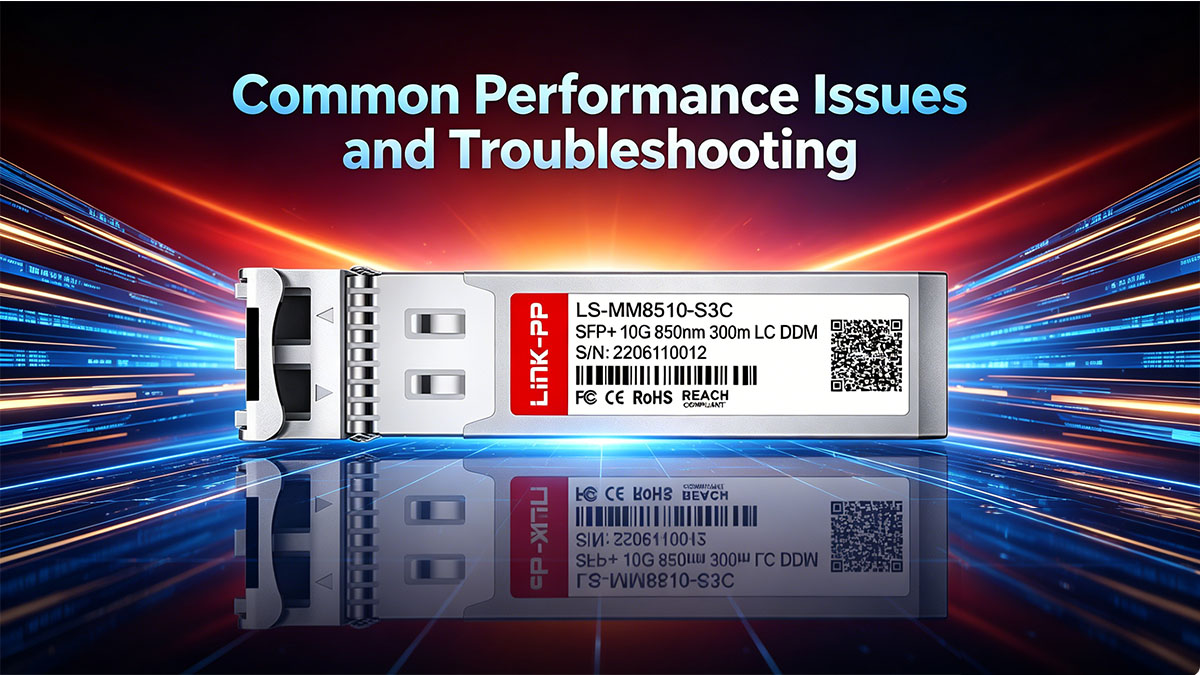
Even though the Cisco 10-2415-03 is designed for stable optical performance, real-world deployments can still experience issues due to physical layer degradation, configuration inconsistencies, or environmental stress. In most cases, these problems do not originate from the module itself, but from the surrounding fiber infrastructure or operational conditions.
Effective troubleshooting focuses on isolating whether the issue is related to optical power levels, signal integrity, or hardware/environmental factors. A structured approach significantly reduces downtime and prevents unnecessary module replacement.
Link Failures and Intermittent Connectivity
Link failures are among the most frequently reported issues in SFP-based networks. In the case of the Cisco 10-2415-03, these failures are often intermittent rather than permanent, which makes diagnosis more complex.
Before identifying root causes, it is important to distinguish between a complete link down state and unstable link flapping, as both indicate different underlying problems.
Common causes include:
- Insufficient optical power due to excessive link loss
- Dirty or contaminated fiber connectors
- Loose or improperly seated LC connectors
- Fiber bends exceeding minimum bend radius
To systematically troubleshoot, engineers typically follow a layered approach:
- Verify physical connection integrity at both ends
- Check DOM readings for Tx/Rx optical power levels
- Inspect fiber patch cords for visible damage or contamination
- Swap fiber cables to isolate potential cabling faults
After these steps, most intermittent connectivity issues can be traced back to physical layer inconsistencies rather than SFP module failure.
High Bit Error Rate (BER)
A high Bit Error Rate (BER) indicates that the received optical signal is degraded, even if the link remains operational. This is a critical early warning sign of deteriorating signal quality in Cisco 10-2415-03 deployments.
BER issues typically manifest as slow application performance, packet retransmissions, or unexplained throughput drops.
Key contributing factors include:
- Low received optical power approaching receiver sensitivity limits
- Excessive chromatic dispersion over fiber distance
- Electromagnetic interference affecting adjacent equipment
- Aging or degraded optical transceiver components
To diagnose BER-related issues, engineers often rely on both hardware telemetry and network-level performance monitoring. DOM data combined with interface error counters provides a reliable indication of whether degradation is optical or protocol-related.
In most cases, improving fiber quality or restoring proper optical margin resolves BER problems without requiring module replacement.
Overheating and Performance Degradation
Thermal stress is another common factor affecting the Cisco 10-2415-03, particularly in high-density switching environments where airflow is limited. Elevated temperature conditions can gradually impact laser performance, receiver sensitivity, and overall signal stability.
Before reviewing symptoms, it is important to understand that thermal issues often develop gradually rather than appearing suddenly.
Typical signs of overheating include:
- Gradual increase in optical power fluctuation
- Sporadic link instability under high traffic load
- Elevated module temperature readings in DOM logs
- Reduced long-term signal consistency
To better understand mitigation strategies, consider the following comparison of cooling approaches:
| Cooling Method | Effectiveness | Deployment Scenario |
|---|---|---|
| Front-to-back airflow design | High | Standard enterprise racks |
| Rear exhaust optimization | Medium | Dense switch environments |
| Passive ventilation improvement | Low to medium | Small office deployments |
| Active cooling systems | High | Data centers with high port density |
After applying proper cooling improvements, thermal-related performance degradation is typically reduced significantly, restoring stable optical behavior.
♠️ Future Trends in SFP Performance
The evolution of SFP performance is closely tied to the increasing demands of modern networks, where bandwidth growth, latency sensitivity, and operational efficiency continue to shape optical module design. While the Cisco 10-2415-03 represents a stable Gigabit-class optical solution, future SFP development is moving toward higher intelligence, greater energy efficiency, and deeper integration with automated network systems.

Understanding these trends helps network architects design infrastructures that remain scalable and adaptable as traffic requirements continue to grow.
Evolution Toward Higher Data Rates
One of the most significant directions in SFP evolution is the continuous increase in supported data rates. Networks are rapidly transitioning from legacy Gigabit Ethernet toward multi-gigabit and 10G-class architectures, driven by cloud computing, video streaming, and distributed applications.
Before examining specific impacts, it is important to recognize that higher data rates require not only faster optics but also improved signal integrity control and tighter manufacturing tolerances.
| SFP Generation | Typical Data Rate | Key Performance Focus |
|---|---|---|
| Gigabit SFP 1G | 1.25Gbps | Stability and compatibility |
| Enhanced SFP+ 10G | 10Gbps | Signal integrity and reach balance |
| Next-gen optical modules (SFP28 25G/QSFP+ 40G/QSFP28 100G) | 25G+ | Ultra-low latency and density scaling |
After reviewing this progression, it becomes clear that future SFP designs will prioritize not only speed but also consistent performance under high-density deployment scenarios. This shift directly impacts how modules like the Cisco 10-2415-03 are positioned within legacy and hybrid infrastructures.
Intelligent Monitoring and Automation
Another major trend shaping SFP performance is the integration of intelligent monitoring capabilities. Traditional optical modules primarily provide static telemetry, but modern systems are increasingly incorporating real-time analytics and predictive diagnostics.
In future network environments, SFP performance will not only be measured but actively interpreted by software-driven systems.
Key developments in this area include:
- AI-assisted optical power trend analysis for early failure detection
- Automated threshold adjustment based on environmental conditions
- Real-time anomaly detection in signal behavior patterns
- Integration with network orchestration platforms for self-healing actions
These capabilities shift SFP management from reactive troubleshooting to predictive maintenance. Instead of responding to failures, networks can anticipate degradation and mitigate it before service impact occurs.
Sustainability and Energy Efficiency
Energy efficiency has become a central design priority in modern optical networking. As data center density increases, power consumption and heat output from networking equipment are becoming critical operational constraints.
Future SFP performance optimization will increasingly focus on reducing energy usage while maintaining or improving optical stability.
Before reviewing key improvements, it is important to understand that energy efficiency in optical modules directly affects cooling requirements, hardware longevity, and overall infrastructure cost.
Key sustainability trends include:
- Lower power laser designs for reduced thermal output
- Adaptive power scaling based on traffic load
- Improved materials for higher optical efficiency
- Reduced idle-state power consumption in transceiver circuits
These improvements collectively contribute to greener networking infrastructures, where energy usage is optimized dynamically rather than statically configured.
♠️ Conclusion
The Cisco 10-2415-03 SFP module demonstrates that stable optical networking performance is achieved not only through hardware specifications, but through a combination of optical design quality, environmental control, and proper deployment practices. In real-world Gigabit Ethernet environments, Cisco 10-2415-03 performance is defined by consistent signal integrity, predictable optical power behavior, and reliable interoperability within Cisco network infrastructures, making it a dependable choice for enterprise and data center connectivity scenarios.
When evaluating its role in modern optical networks, several core insights consistently emerge from performance analysis, troubleshooting patterns, and optimization strategies.
- Optical performance is primarily governed by link budget quality, fiber condition, and connector integrity rather than nominal specifications alone
- Stability of Cisco 10-2415-03 depends heavily on environmental factors such as temperature control, airflow design, and physical installation quality
- Most performance issues originate from external infrastructure factors, including fiber contamination, configuration mismatch, or aging cabling rather than the module itself
- Long-term reliability is strengthened through continuous monitoring, DOM-based diagnostics, and preventive maintenance practices
- Future optical networking trends emphasize smarter monitoring, energy efficiency, and system-level automation, extending the relevance of stable Gigabit SFP modules in hybrid environments
These combined insights highlight that optimizing SFP performance is ultimately a system-level discipline rather than a single-device consideration. Proper deployment and lifecycle management ensure that Cisco 10-2415-03 continues to deliver consistent, low-error optical connectivity across demanding network environments.
For organizations planning to maintain or expand fiber infrastructure with reliable optical components, selecting well-matched and performance-stable modules is essential for long-term network resilience. The LINK-PP Official Store provides a structured way to explore compatible optical transceiver solutions designed to support stable and scalable network deployments.