





























As data centers and enterprise networks continue to demand higher bandwidth, organizations are under pressure to upgrade to 100G connectivity without completely replacing their existing multimode fiber infrastructure. QSFP 100G SWDM4 has emerged as a practical solution for this challenge, enabling high-speed transmission over duplex multimode fiber while helping reduce cabling complexity and upgrade costs.
For buyers and network planners, procuring QSFP 100G SWDM4 is not only about meeting technical specifications but also about balancing performance, compatibility, and long-term infrastructure value. Understanding how this transceiver works, how it compares with other 100G transceiver modules, and what factors affect pricing is essential for making an efficient and cost-effective procurement decision.
⚓What is QSFP 100G SWDM4
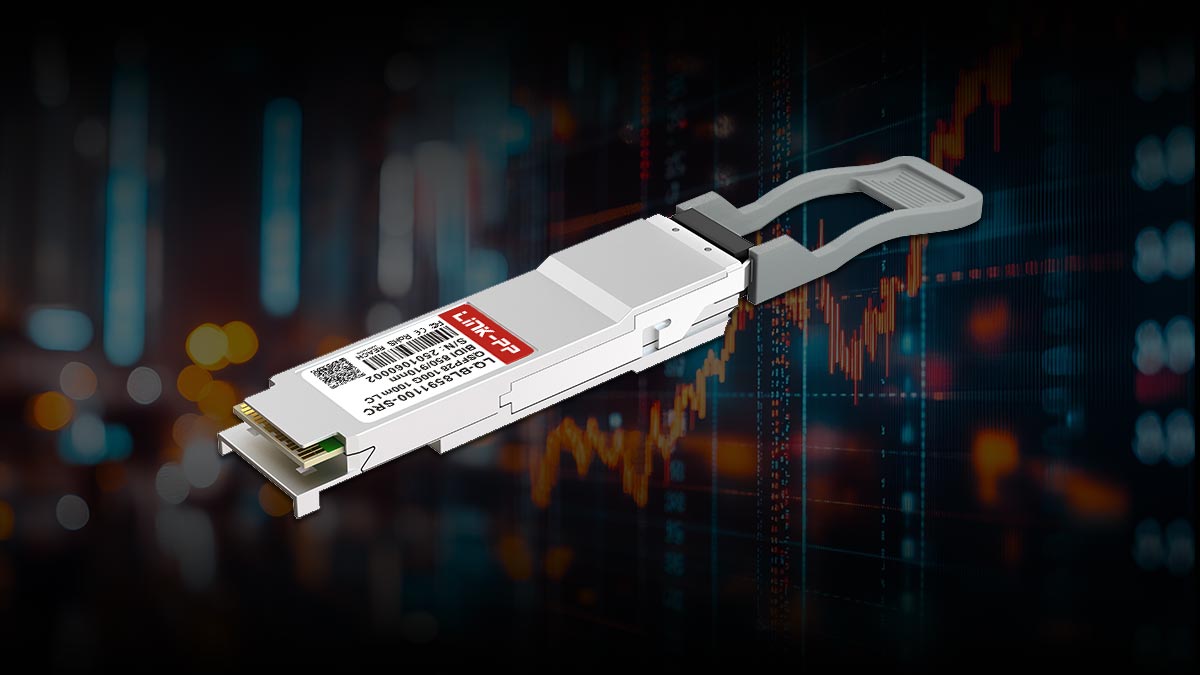
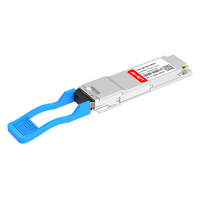
QSFP 100G SWDM4 is a 100G optical transceiver designed to deliver high-speed Ethernet connectivity over duplex multimode fiber. It is widely used in data center environments where organizations want to upgrade bandwidth while preserving existing multimode cabling. By using shortwave wavelength division multiplexing, it offers a practical balance between performance, infrastructure reuse, and deployment efficiency.
Definition and Core Technology Overview
QSFP 100G SWDM4 is a hot-pluggable optical module that supports 100GbE transmission through four optical lanes carried over two fibers. Unlike conventional parallel multimode transceivers that require multiple fiber pairs, SWDM4 technology allows four separate wavelength channels to be transmitted over a single duplex multimode fiber link. This makes it especially valuable for data centers seeking higher bandwidth without the cost of large-scale fiber replacement.
From a technology perspective, the module integrates four transmit and four receive electrical channels, typically operating at 25Gbps per lane, to achieve an aggregate data rate of 100Gbps. It is commonly packaged in the QSFP28 form factor, which supports high port density and aligns with modern switch and router interface requirements. Its design targets short-reach applications where efficient use of installed multimode fiber is a key priority.
How SWDM4 Enables Wavelength Multiplexing
QSFP28 SWDM4 works by transmitting four different optical wavelengths in the shortwave range over the same pair of multimode fibers. Instead of assigning one fiber pair to each channel, it combines multiple wavelength signals onto one duplex link through wavelength multiplexing. On the receiving side, these wavelengths are separated and converted back into individual electrical lanes.
This approach significantly reduces fiber consumption compared with traditional QSFP28 100G multimode solutions. It also enables network operators to continue using existing duplex LC-based multimode infrastructure rather than migrating to higher-fiber-count cabling systems. As a result, SWDM4 is especially attractive in environments where fiber availability is limited or where minimizing cabling disruption is important.
Key Differences from Traditional Multimode Optical Modules
The main difference between QSFP 100G SWDM4 and traditional multimode optical modules lies in fiber architecture. Conventional 100G multimode modules such as 100GBASE-SR4 generally rely on parallel optics and require eight fibers for transmission and reception. In contrast, SWDM4 uses only two fibers by multiplexing four wavelengths onto a duplex link.
Another important distinction is cabling compatibility. Traditional SR4 deployments often require MPO/MTP connectors and parallel fiber infrastructure, while SWDM4 typically works with LC duplex connectors already common in many legacy multimode networks. This gives SWDM4 a clear advantage in upgrade scenarios where preserving installed cabling is a major procurement objective. Although SWDM4 modules may carry a higher unit price than some standard multimode options, they can reduce total deployment cost by avoiding expensive recabling work.
⚓QSFP 100G SWDM4 Technical Specifications and Performance Metrics
Understanding the technical specifications of QSFP 100G SWDM4 is essential for evaluating whether it fits a specific network environment. Key metrics such as wavelength structure, transmission distance, power consumption, and interface compatibility directly influence deployment planning and long-term operating efficiency. A detailed review of these parameters helps buyers make more informed procurement decisions.
Supported Wavelengths and Channel Structure
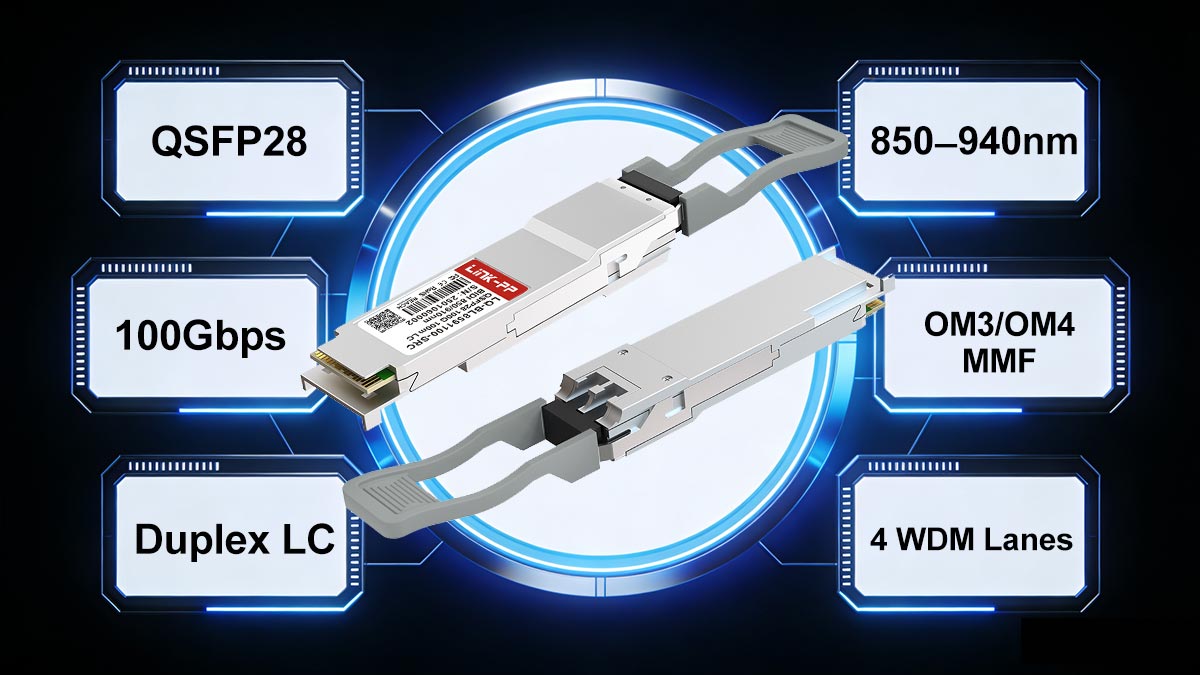
QSFP 100G SWDM4 typically operates using four optical wavelengths in the 850nm to 940nm range. These channels are multiplexed over one pair of multimode fibers, with each lane generally carrying 25Gbps of data. Together, the four lanes provide a total throughput of 100Gbps.
This four-channel structure is central to the value of SWDM4 technology. It allows high-speed transmission without requiring parallel fiber paths, which helps simplify cabling design. For network planners, understanding the channel architecture is important because it affects both optical performance and compatibility with existing multimode fiber infrastructure.
Transmission Distance over OM3 and OM4 Fiber
100GBASE SWDM4 (like QSFP-100G-SRBD) is designed for short-reach applications over multimode fiber, with transmission distance depending largely on fiber type and quality. Over OM3 multimode fiber, it commonly supports links up to around 70m. Over OM4 multimode fiber, reach can typically extend to around 100m, depending on module design and deployment conditions.
These reach capabilities make SWDM4 suitable for many intra-data-center connections, including switch-to-switch and spine-to-leaf links. For buyers, the practical implication is that existing fiber plant conditions should be carefully evaluated before procurement. Distance targets, insertion loss, and connector quality can all influence whether the module performs reliably in real-world installations.
Power Consumption and Thermal Considerations
Power consumption is an important factor in high-density 100G deployments, especially in data centers where hundreds of optical modules may be installed. QSFP 100G SWDM4 modules generally consume more power than some basic multimode short-range optics, due to the added complexity of wavelength multiplexing technology. Even so, they are still designed to operate within the standard thermal and electrical limits of QSFP28 ports.
Thermal management should also be considered during procurement. Higher module density can increase heat concentration at the switch faceplate, making airflow design and equipment cooling more important. Buyers should confirm module power ratings and verify that their switches provide adequate thermal support, particularly in environments with high port utilization or limited cooling efficiency.
Connector Types and Compatibility
QSFP 100G SWDM4 modules commonly use duplex LC connectors, which is one of their strongest advantages in multimode upgrade scenarios. Because LC duplex cabling is already widely deployed in enterprise and data center environments, these modules can often be integrated without major changes to the existing cabling plant. This simplifies migration to 100G and reduces installation complexity.
Compatibility, however, extends beyond the connector itself. Buyers should also verify support for the QSFP28 form factor, check switch and router interoperability, and confirm whether the target equipment requires vendor-coded optics. Ensuring both physical and system-level compatibility is essential to avoid deployment issues, unexpected link failures, or additional procurement costs.
⚓QSFP 100G SWDM4 vs Other 100G Transceivers
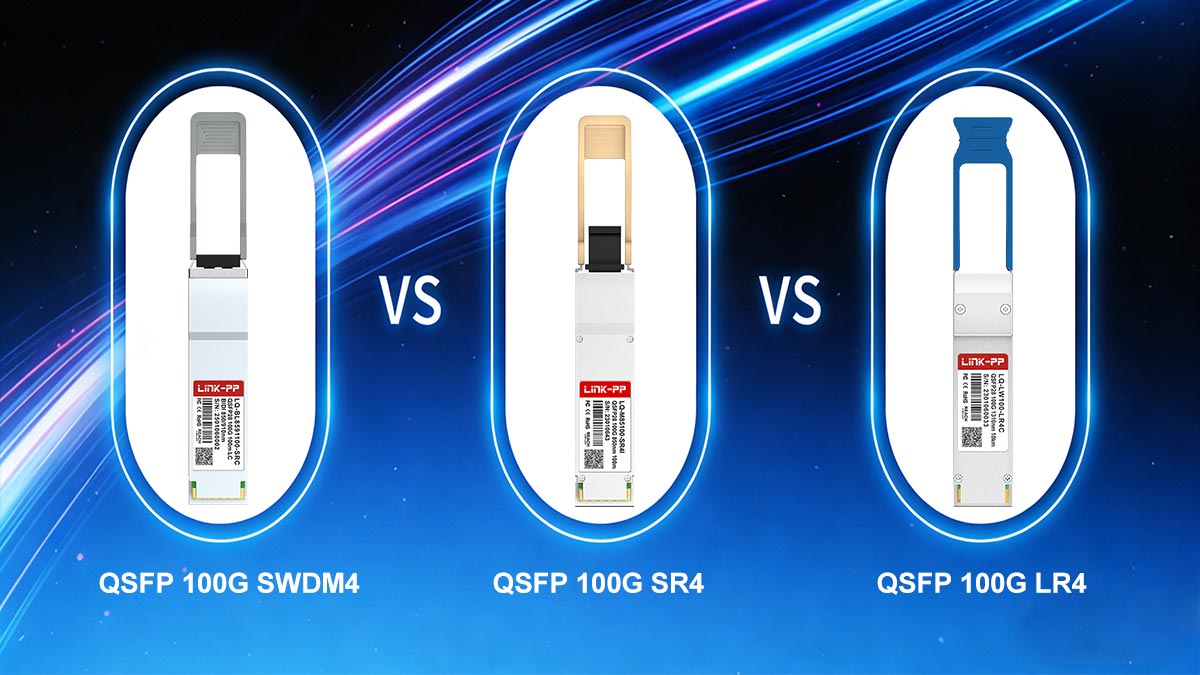
When evaluating 100G optical modules, QSFP 100G SWDM4 is often compared with 100GBASE-SR4 and 100GBASE-LR4, as these are among the most common 100G transceiver options in modern networks. Each solution differs in transmission medium, fiber requirements, reach, and overall deployment cost. Understanding these differences helps buyers choose the most suitable transceiver module based on infrastructure conditions, application distance, and budget priorities.
Comparison with 100GBASE-SR4 and 100GBASE-LR4
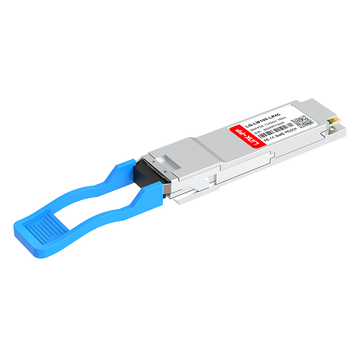
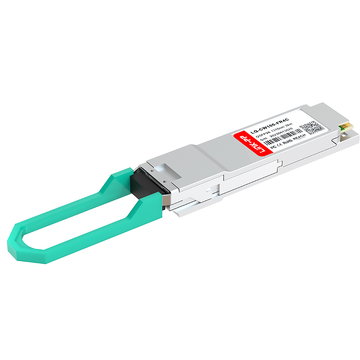
QSFP 100G SWDM4, 100GBASE-SR4, and 100GBASE-LR4 are all designed for 100G Ethernet, but they target different deployment environments. SWDM4 is mainly positioned as a multimode optimization solution, allowing 100G transmission over duplex multimode fiber. SR4 (like QSFP-100G-SR4) is a short-reach multimode option that uses parallel optics and typically requires higher fiber counts, while LR4 (like 100GBASE-LR4) is intended for much longer distances over single-mode fiber.
From a procurement perspective, the differences go beyond transmission reach. Fiber type, connector format, cabling structure, and infrastructure reuse all have a direct impact on total deployment cost. For organizations with existing LC-based multimode fiber, SWDM4 often provides a more practical upgrade path than SR4, while LR4 becomes more relevant when long-distance interconnection is required.
The table below summarizes key distinctions between them.
| Parameter | QSFP 100G SWDM4 | 100GBASE-SR4 | 100GBASE-LR4 |
| Transmission Medium | Multimode fiber (OM3/OM4) | Multimode fiber (OM3/OM4) | Single-mode fiber (OS2) |
| Fiber Count | 2 fibers (duplex) | 8 fibers (parallel) | 2 fibers (duplex) |
| Typical Connector | Duplex LC | MPO/MTP | Duplex LC |
| Wavelength | 850nm, 880nm, 910nm, 940nm | 850nm | 1310nm |
| Max Distance | 70m (OM3), 100m (OM4) | 70m (OM3), 100m (OM4) | 10km |
| Infrastructure Advantage | Reuses existing duplex MMF | Requires parallel MMF cabling | Suitable for long-distance SMF links |
| Cabling Complexity | Lower | Higher | Moderate |
Cost vs Performance Trade-offs
In terms of module price alone, QSFP 100G SWDM4 is often positioned between SR4 and LR4. SR4 modules are often less expensive on a per-unit basis, especially in environments already built with MPO/MTP parallel cabling. LR4 modules usually cost more because they are designed for single-mode transmission and longer distances. SWDM4, however, offers a unique value proposition by reducing the need for fiber replacement or additional cabling infrastructure.
This means procurement decisions should not focus only on the transceiver purchase price. In many real deployments, the total cost includes cabling upgrades, patch panels, installation labor, and future scalability. A module with a higher upfront price may still deliver better overall value if it lowers infrastructure modification costs. For multimode environments using legacy duplex fiber, SWDM4 can often provide a favorable balance between capital expenditure and operational efficiency.
Fiber Infrastructure Requirements
One of the most important distinctions among these 100G transceivers is the type of fiber infrastructure they require. QSFP 100G SWDM4 is designed to operate over duplex multimode fiber, making it attractive for networks that already use LC-based OM3 or OM4 cabling. This allows many organizations to move to 100G without replacing their installed multimode plant.
By comparison, 100GBASE-SR4 requires parallel multimode fiber, usually through MPO/MTP cabling with eight active fibers. This may be efficient in newly built data centers designed for parallel optics, but it can be restrictive in legacy environments with only duplex fiber installed. 100GBASE-LR4, on the other hand, relies on duplex single-mode fiber, which is suitable for long-distance transmission but often introduces a different infrastructure model and higher deployment cost for short-reach scenarios.
Use Case-based Selection Tips
The best 100G transceiver depends heavily on the deployment scenario. QSFP 100G SWDM4 is well-suited for data centers and enterprise networks that want to upgrade existing multimode infrastructure to 100G while minimizing recabling. It is especially useful where fiber resources are limited, but short-reach high-bandwidth connectivity is still required.
100GBASE-SR4 (like QSFP28-100G-SR4) is generally a strong choice for short-distance applications in environments already built around MPO/MTP multimode cabling. It fits well in high-density data center architectures where parallel fiber deployment is planned from the beginning. Meanwhile, 100GBASE-LR4 (like QSFP28-LR4) is the preferred option for longer links, such as inter-building connections, campus backbones, and other scenarios where single-mode fiber and extended transmission distance are essential.
For buyers, the practical approach is to match the transceiver to the real network environment rather than selecting based on technical specifications alone. If the priority is multimode reuse and simplified cabling, SWDM4 is often the better fit. If the network already supports parallel optics, SR4 may be more cost-efficient. If distance is the main requirement, LR4 is the more appropriate solution.
⚓QSFP 100G SWDM4 Benefits for Multimode Optimization
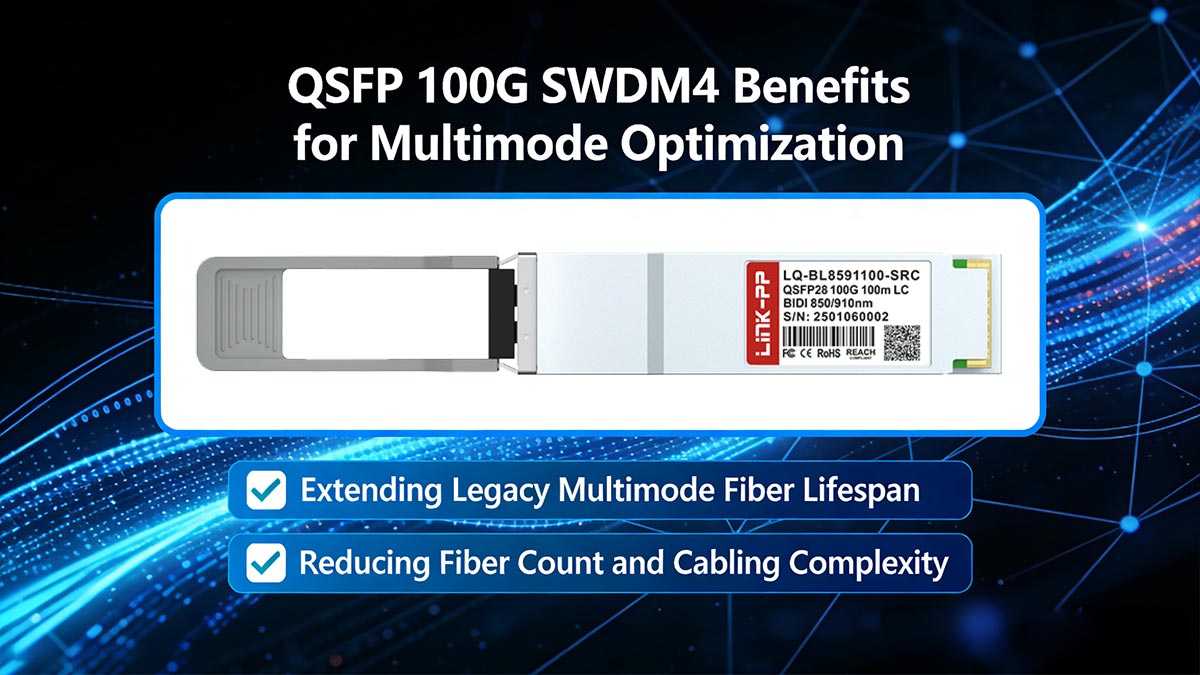
QSFP 100G SWDM4 offers clear advantages for organizations that want to upgrade network bandwidth while preserving existing multimode fiber infrastructure. Its main value lies in improving fiber utilization and simplifying cabling design. For data centers and enterprise networks, this makes SWDM4 a practical choice for multimode optimization.
Extending Legacy Multimode Fiber Lifespan
One of the most important benefits of QSFP 100G SWDM4 is its ability to extend the useful life of installed multimode fiber. Many legacy data center environments were built with duplex OM3 or OM4 cabling, which may not support newer parallel-optics architectures without major infrastructure changes. SWDM4 solves this problem by enabling 100G transmission over the same duplex multimode fiber already deployed in many networks.
This allows organizations to delay or avoid costly recabling projects. Instead of replacing large sections of the cabling plant, network operators can upgrade bandwidth while continuing to use existing fiber assets. From a procurement standpoint, this improves return on infrastructure investment and reduces disruption during network modernization.
Reducing Fiber Count and Cabling Complexity
QSFP 100G SWDM4 reduces the number of fibers required for 100G transmission by using wavelength multiplexing over a duplex link. Traditional multimode 100G solutions such as SR4 typically require eight active fibers, while SWDM4 can deliver the same 100G capacity over just two fibers. This difference can significantly simplify cabling architecture in dense network environments.
Lower fiber count also means easier cable management, reduced patching complexity, and better use of limited fiber resources. In data centers where pathways, patch panels, and rack space are already heavily utilized, this can provide both operational and cost advantages. Simplified cabling also lowers the risk of installation errors and makes ongoing maintenance more efficient.
⚓QSFP 100G SWDM4 Procurement Considerations
Procuring a QSFP 100G SWDM4 module requires more than comparing product specifications. Buyers must consider vendor quality, platform compatibility, and compliance status to ensure a smooth and cost-effective deployment. A careful procurement strategy helps reduce technical risk and improve long-term network performance.
Key Factors When Selecting Vendors
When comparing vendors, buyers should look beyond price and examine the supplier’s overall product and service capability. A strong vendor can reduce both technical uncertainty and post-purchase operational risk.
- Testing and Validation Process: Reliable vendors usually perform compatibility testing, optical performance verification, EEPROM programming checks, and environmental testing before shipment. This is especially important for 100G modules, where even minor quality issues can affect link stability.
- Technical Support Capability: Buyers should assess whether the supplier can provide timely pre-sales and after-sales support, including compatibility advice, troubleshooting assistance, and deployment guidance. Strong support is particularly valuable when modules are being deployed across multiple switch brands or data center sites.
- Warranty and Replacement Policy: A clear warranty policy reduces procurement risk. Buyers should confirm warranty length, failure handling process, response time, and replacement terms before placing bulk orders.
Compatibility with Network Equipment
Compatibility is one of the most critical factors in QSFP 100G SWDM4 procurement. Even when a module is physically compatible with a port, it may still face recognition or performance issues if it is not properly matched to the target platform.
- Form Factor Support: Confirm that the target device supports QSFP28 ports and 100G optical modules. Physical fit alone is not enough; the equipment must also support the required electrical and optical operating profile.
- Vendor Coding Requirements: Some switches and routers only accept transceivers coded for their own platforms or may restrict unsupported optics through software checks. Buyers should verify whether the module is properly coded for the intended equipment brand.
- Operating System and Firmware Behavior: Compatibility can also depend on the switch OS version or firmware policy. In some cases, a module may function under one software release but show alarms or restrictions under another. This makes platform-specific validation essential.
- Feature Interoperability: Buyers should confirm whether the module works correctly with monitoring and management features such as DOM/DDM, port diagnostics, and alarm reporting. These functions are important for daily maintenance and fault analysis.
- Lab or Pilot Testing before Bulk Purchase: For large deployments, it is advisable to test sample modules in the actual production environment before placing a high-volume order. This reduces the chance of compatibility problems appearing after delivery.
Certification and Compliance Standards
Compliance standards help buyers assess whether a module meets recognized industry, environmental, and safety requirements. This is especially important for enterprise and data center projects where reliability and procurement quality control are closely monitored.
- MSA Compliance: The module should align with relevant Multi-Source Agreement requirements for the QSFP28 form factor and related electrical or mechanical specifications. This improves the likelihood of stable interoperability across standard-compliant systems.
- RoHS and Environmental Compliance: RoHS compliance helps confirm that the product meets common environmental requirements for hazardous substance restriction. This may be necessary for corporate procurement policy or regional regulatory requirements.
- Optical Performance Documentation: Vendors should be able to provide technical documentation such as specification sheets, test reports, and quality certificates. These documents help buyers verify whether the module meets required transmission and operating standards.
⚓QSFP 100G SWDM4 Pricing Trends and Cost Analysis
QSFP 100G SWDM4 pricing is shaped by both product-level factors and broader procurement conditions. Buyers should look beyond the listed unit price and evaluate how brand type, order volume, compatibility requirements, and market availability affect total cost. A structured cost analysis helps organizations make more practical and budget-conscious purchasing decisions.
Market Price Ranges and Influencing Factors
The price of QSFP 100G SWDM4 modules can vary significantly depending on the supplier, brand positioning, and testing level provided with the product. In general, modules from original equipment manufacturers tend to be priced at the high end of the market, while compatible transceivers are often available at much lower price points. However, the price difference is usually tied to branding, support model, and validation scope rather than basic optical function alone.
Several factors can influence market pricing. One of the most important is compatibility assurance, since modules coded and tested for specific switch brands may carry a premium. Production quality, warranty length, and certification status can also affect price. In addition, procurement timing matters. Prices may fluctuate based on component supply, manufacturing lead time, logistics costs, and short-term shifts in market demand. For this reason, buyers should treat pricing as a dynamic procurement variable rather than a fixed product attribute.
OEM vs Third-party Module Pricing
OEM QSFP 100G SWDM4 modules are usually sold at a much higher price than a third-party compatible module. This premium often reflects the vendor brand, official support structure, and guaranteed platform alignment offered by the original network equipment manufacturer. For buyers operating in highly standardized or support-sensitive environments, OEM modules may be preferred because they simplify internal approval and reduce perceived deployment risk.
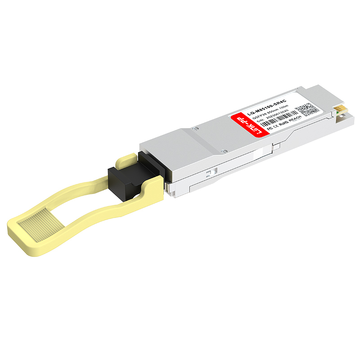
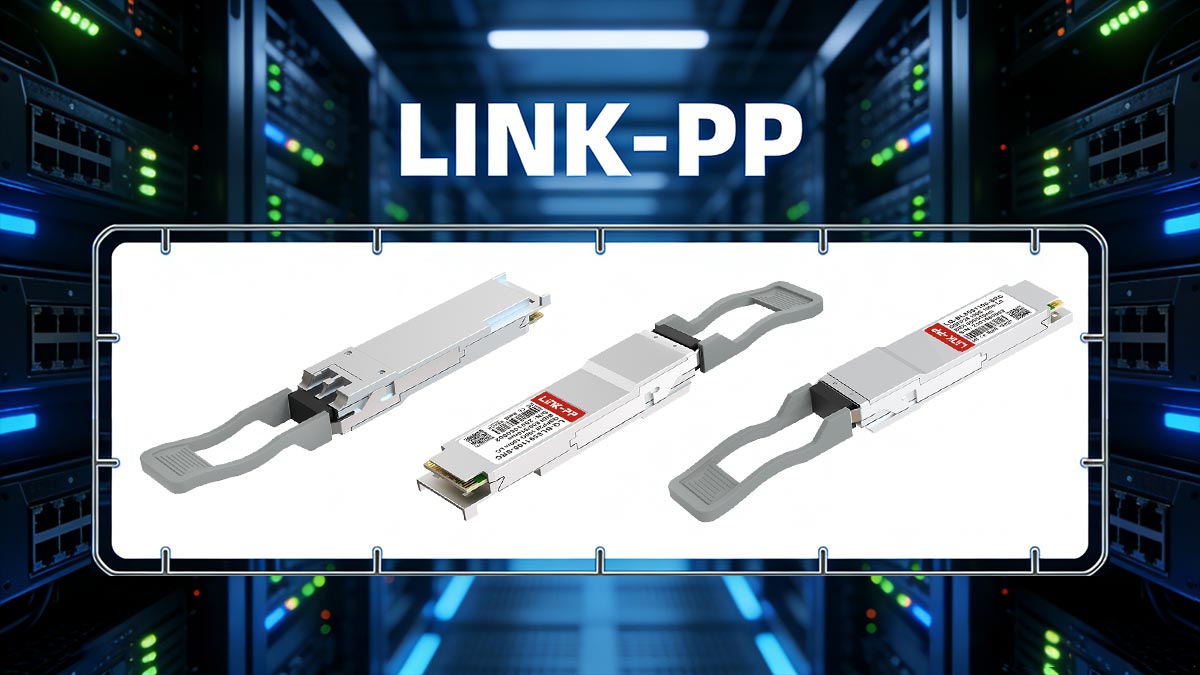
Third-party modules (such as LINK-PP LQ-BL8591100-SRC 100GBASE SWDM4), however, are often far more cost-effective and can deliver comparable performance when sourced from reputable suppliers. In many cases, the main advantage of third-party optics is the ability to reduce capital expenditure without sacrificing required functionality. That said, buyers should not evaluate third-party options on price alone. Compatibility validation, coding accuracy, warranty policy, and supplier technical support are all essential to determining real value. A lower purchase price only becomes a true saving if the modules perform reliably in the target environment.
Bulk Purchasing and Discount Strategies
For medium- and large-scale deployments, bulk purchasing can significantly improve procurement efficiency and reduce per-unit cost. Vendors often provide better pricing for larger orders, especially when the purchase volume supports batch production or long-term supply planning. This makes volume-based negotiation an important part of overall cost control.
Buyers can strengthen their discount position by consolidating orders, planning procurement in advance, and discussing repeat purchasing potential with suppliers. Instead of placing multiple small orders, organizations may achieve better pricing by forecasting total project demand and negotiating a single structured quote. It is also useful to ask about bundled services such as pre-coding, compatibility testing, or priority replacement support, as these can improve the overall value of the deal.
⚓QSFP 100G SWDM4 Deployment Compatibility
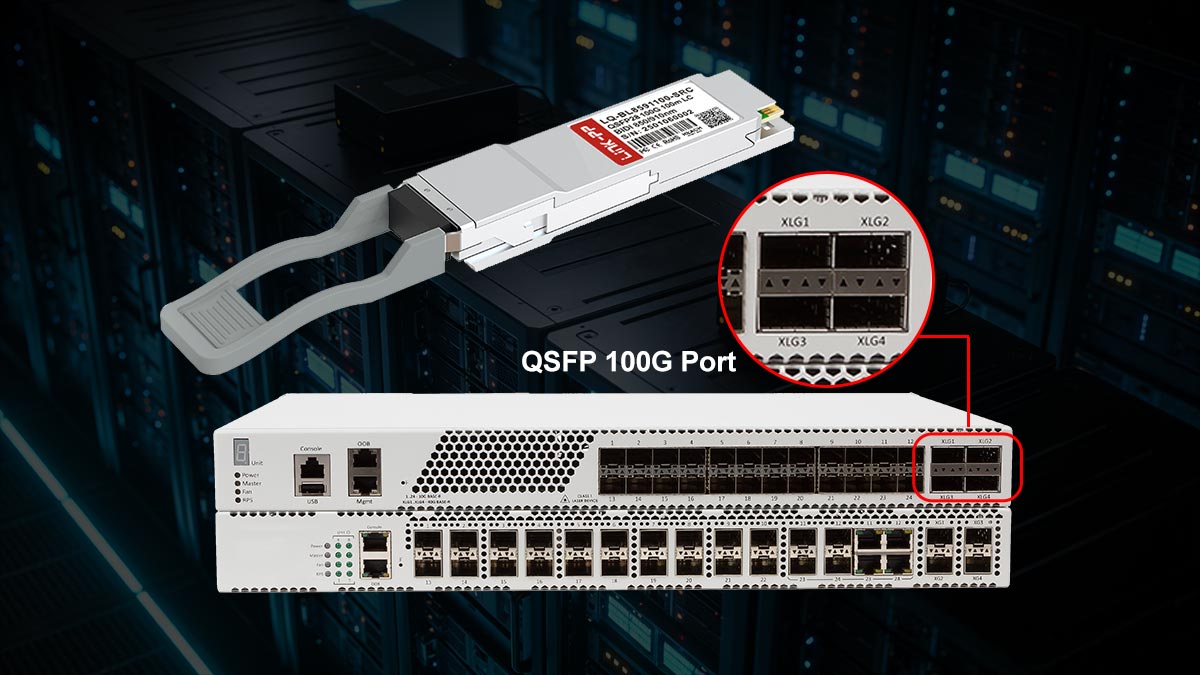
To deploy networks efficiently and keep them running reliably, it’s important to understand QSFP 100G SWDM4 compatibility. Making sure your transceivers match your switch hardware and firmware can save you from expensive integration troubles and performance loss.
Matching with Existing Switch and Router Ports
Before procurement, verify that the QSFP 100G SWDM4 module is supported by your target switches or routers. This includes checking vendor compatibility lists, port specifications, and whether the device firmware recognizes third-party optics. Some network vendors enforce strict coding requirements, so selecting pre-coded or programmable modules tailored to your equipment is essential for seamless integration.
Avoiding Firmware and Configuration Mismatches
Firmware mismatches between switches and transceivers remain a common cause of link instability. Always align module firmware versions and ensure switch software updates are compatible with third‑party optics. Configuration parameters like auto‑negotiation, FEC (Forward Error Correction), and DOM (Digital Optical Monitoring) settings should be standardized across connected devices to maintain optimal link integrity.
Field Reliability Considerations
Beyond initial compatibility, long-term reliability in real-world conditions is equally important. Factors such as temperature stability, signal degradation over time, and resistance to electromagnetic interference should be evaluated. Choosing modules with proven field performance, robust quality control, and comprehensive warranties can minimize maintenance costs and network downtime.
⚓Final Insights on QSFP 100G SWDM4 Procurement Decision
Selecting the right QSFP 100G SWDM4 solution is not just about meeting current bandwidth requirements — it is about building a scalable, cost-efficient, and future-ready network. By carefully evaluating technical specifications, compatibility, pricing, and vendor reliability, organizations can fully leverage the advantages of SWDM4 technology for multimode optimization.
Ultimately, the best procurement decision balances performance and total cost of ownership. Partnering with a trusted supplier like LINK-PP ensures consistent quality, reliable support, and smoother deployment across diverse network environments. To explore high-quality, fully compatible QSFP 100G SWDM4 modules and get expert guidance tailored to your infrastructure, visit the LINK-PP Official Store and optimize your multimode fiber network connectivity.