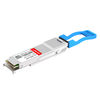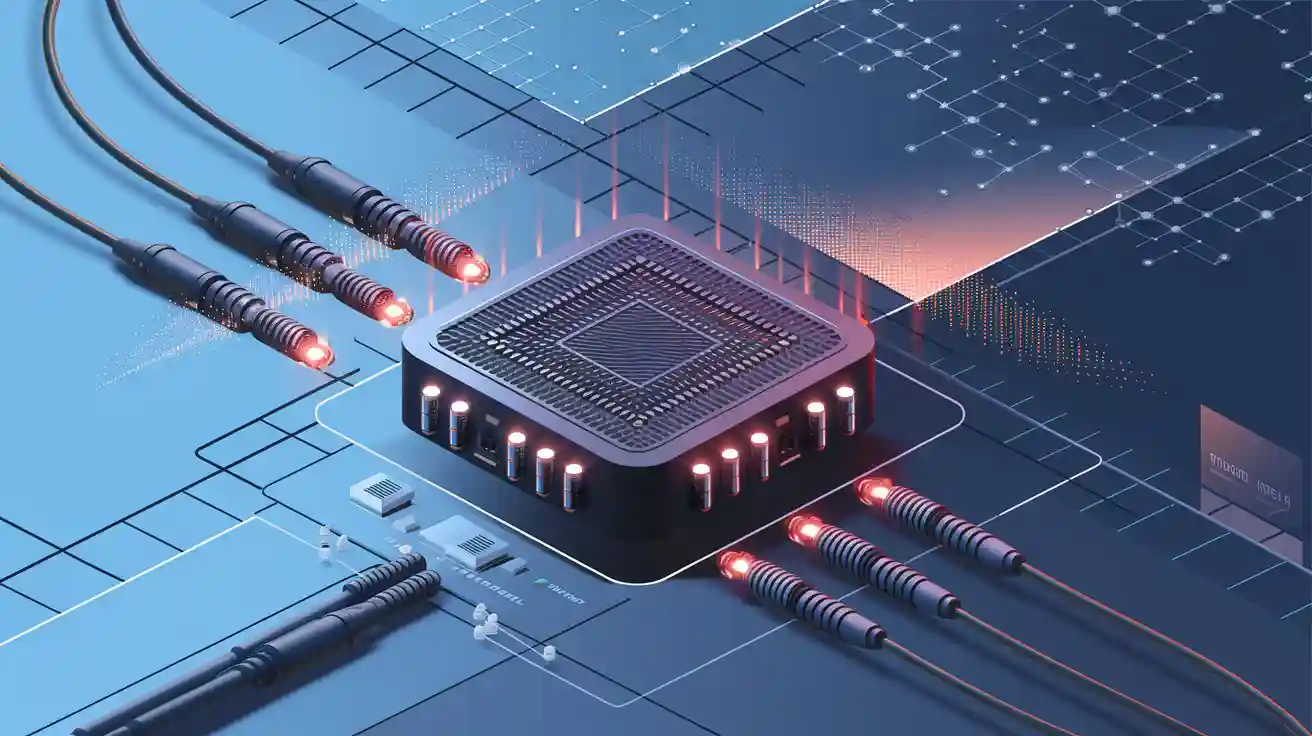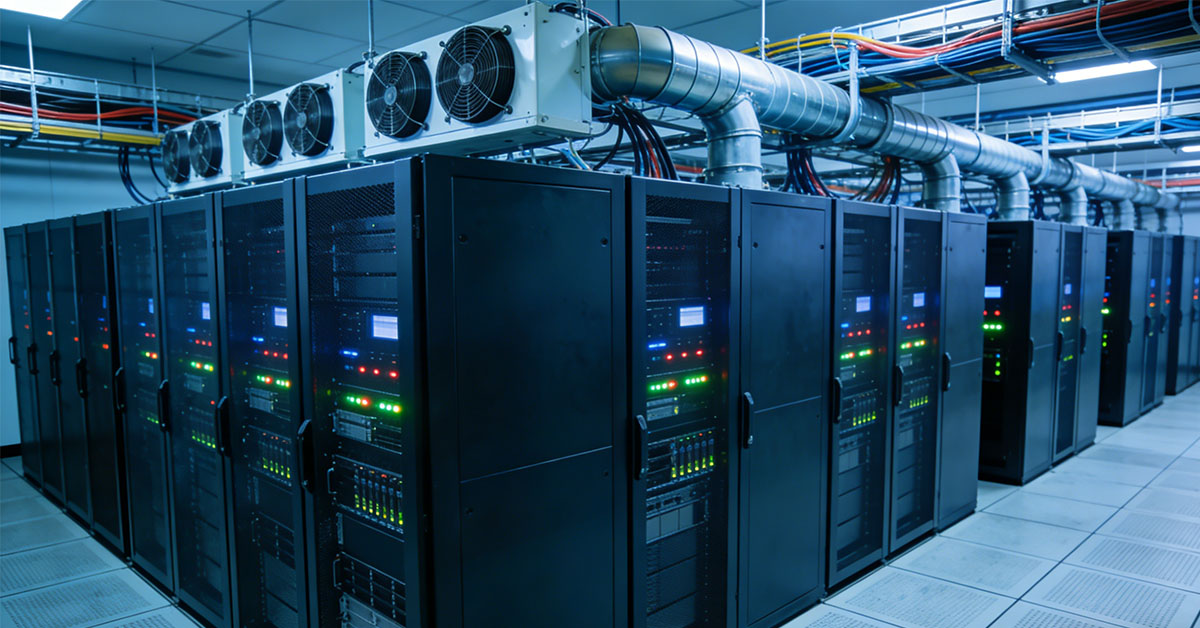
As enterprise networks continue to evolve, the demand for high-speed, long-distance connectivity has become more critical than ever. The Cisco 10GBASE-LR SFP Module Enterprise Class offers a 10Gbps solution over single-mode fiber, enabling stable and efficient communication across distances up to 10 kilometers. Its design prioritizes reliability, interoperability, and energy efficiency, making it suitable for data center backbones, campus networks, and inter-building connections. This article examines the practical application scenarios, deployment considerations, and industry-specific use cases of the Cisco 10GBASE-LR SFP Transceiver, providing insights for network architects and IT professionals seeking scalable and future-ready infrastructure.
☑️ Understanding Cisco 10GBASE-LR SFP Module Enterprise Class
The Cisco 10GBASE-LR SFP Module Enterprise Class is designed to deliver consistent 10Gbps performance over single-mode fiber, supporting enterprise-grade reliability and long-distance connectivity. Its combination of technical specifications and enterprise-class features makes it suitable for backbone links, campus networks, and data center interconnects.
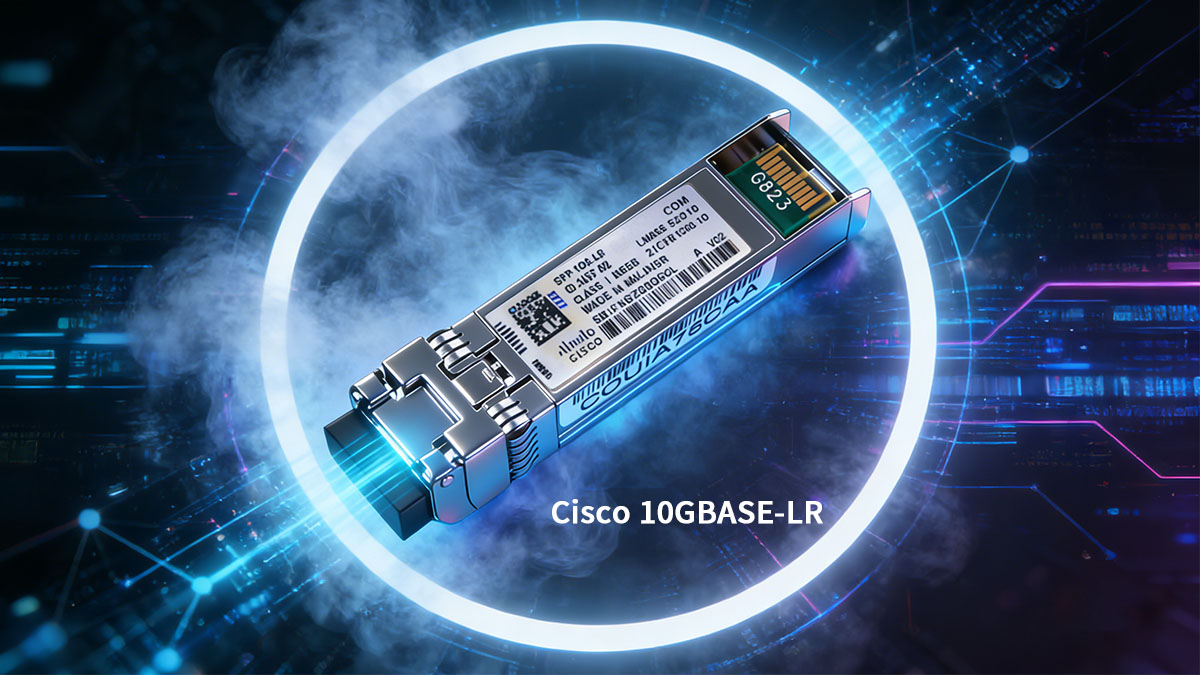
Key Technical Specifications
For enterprise deployments, understanding the module’s technical parameters is essential to ensure compatibility and optimal performance.
| Specification |
Details |
Notes |
| Data Rate |
10Gbps |
Full-duplex operation ensures bidirectional high-speed traffic |
| Transmission Distance |
Up to 10km |
Based on standard SMF (OS1/OS2) with low-loss connectors |
| Wavelength |
1310nm |
Optimized for long-range SMF transmission |
| Interface |
Duplex LC |
Supports hot-swappable SFP+ port connections |
| Compliance |
SFP+ MSA |
Vendor-neutral form factor for interoperability |
These specifications allow the module to handle high-throughput traffic reliably, bridging multiple enterprise buildings, connecting core switches, and extending data center links without significant latency or packet loss.
Enterprise-Class Features
Cisco designs this module with features that enhance reliability, monitoring, and operational efficiency:
-
Digital Diagnostics Monitoring (DDM): Provides real-time monitoring of optical power, temperature, and transceiver status, allowing IT teams to proactively manage network health.
-
Low Power Consumption: Typical power draw is under 1W, reducing operational costs and minimizing thermal load in high-density environments.
-
Thermal and Environmental Stability: Rated for standard enterprise temperature ranges, supporting continuous operation without signal degradation.
-
Interoperability: Fully compatible with Cisco switches and routers, with MSA compliance ensuring that similar vendor-neutral modules can be deployed in hybrid environments.
These features make the Cisco 10GBASE-LR module(like Cisco SFP-10G-LR) suitable for critical enterprise networks, where downtime or link instability can affect operations, data transfer, and overall business continuity.
☑️ Core Application Scenarios in Enterprise Networks
The Cisco 10GBASE-LR SFP Module Enterprise Class is deployed across multiple enterprise networking scenarios where long-distance, high-speed fiber connectivity is critical. Its combination of reliability, low latency, and single-mode fiber support makes it ideal for data centers, campus backbones, telecom aggregation, cloud infrastructure, and security-focused networks.
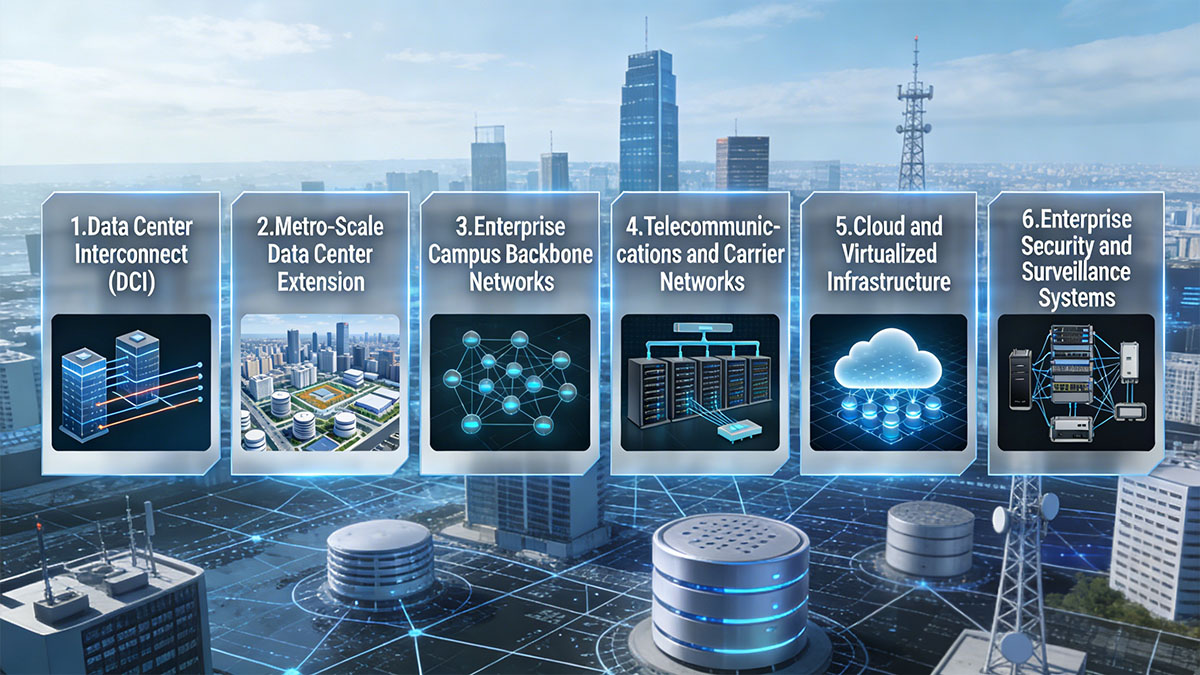
Data Center Interconnect (DCI)
10GBASE-LR modules are widely used to link separate racks, rows, or data center sites. They provide the necessary bandwidth for east-west traffic in virtualized environments and support scalable growth.
Enterprise Campus Backbone Networks
The module serves as a backbone link within large campus environments, enabling reliable connectivity across buildings and distribution layers.
Telecommunications and Carrier Networks
10GBASE-LR modules (such as Cisco SFP-10G-BXU and Cisco SFP-10G-BXD)are also relevant in telecom aggregation and edge networks, offering stable, long-distance optical transport.
Cloud and Virtualized Infrastructure
Cloud platforms and virtualized environments rely on predictable, high-speed optical connectivity. The 10GBASE-LR module provides a consistent link between on-premises and cloud resources.
Enterprise Security and Surveillance Systems
High-bandwidth, long-distance fiber links are crucial for security and surveillance networks in large facilities.
☑️ Industry-Specific Deployment Use Cases
The Cisco 10GBASE-LR SFP Module Enterprise Class is widely deployed in industries where high-speed, long-distance, and reliable optical connectivity is critical. Each industry has distinct requirements, and the module’s specifications make it suitable for addressing these needs in both technical and operational contexts.
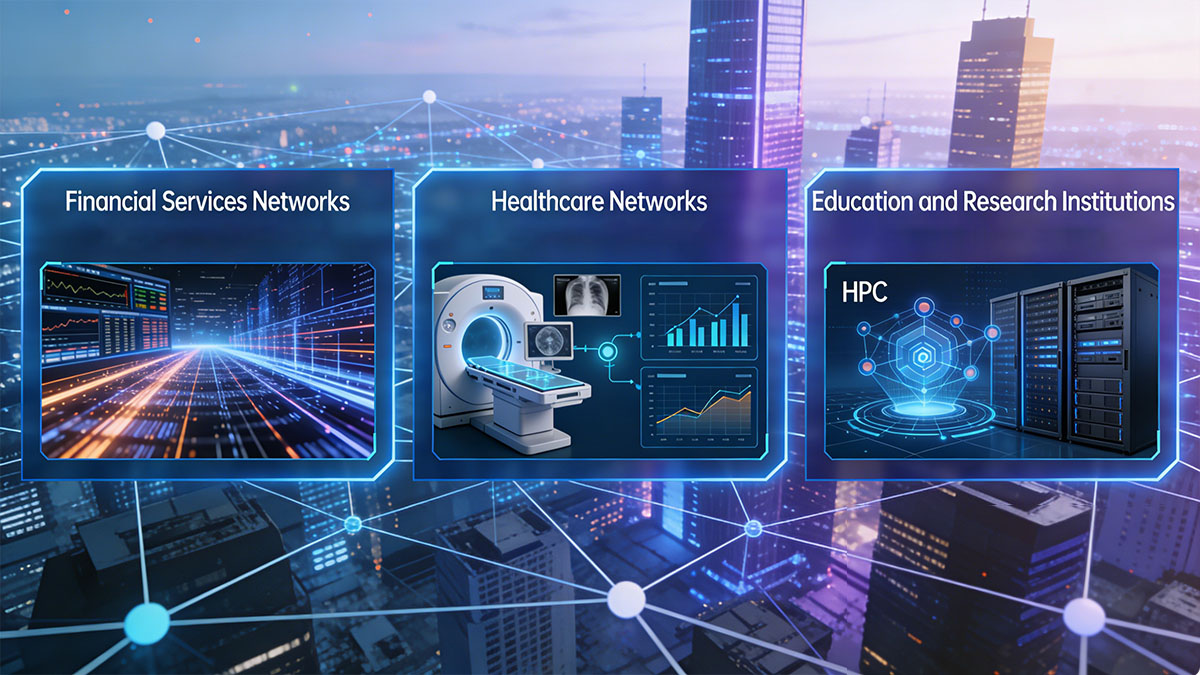
Financial Services Networks
Financial networks demand ultra-low latency, high reliability, and deterministic throughput to support trading, transaction processing, and analytics.
Healthcare Networks
Hospitals and medical facilities handle extremely large datasets, particularly imaging files, which require high-bandwidth, low-latency transport.
Education and Research Institutions
Universities and research labs generate massive data volumes for high-performance computing (HPC), simulations, and remote collaboration.
Deployment Considerations Across Industries
To maximize performance and reliability in these industry-specific scenarios, several technical factors must be considered:
-
Fiber Infrastructure Quality:
-
Redundancy and Failover Design:
-
Power and Thermal Management:
-
Monitoring and Diagnostics:
-
Digital Diagnostics Monitoring (DDM) provides real-time insight into optical power, temperature, and link status.
-
Proactive monitoring allows preventive maintenance before network issues impact operations.
☑️ Deployment Considerations for Optimal Performance
To ensure the Cisco 10GBASE-LR SFP Module Enterprise Class operates reliably across enterprise networks, careful planning of fiber infrastructure, compatibility, optical budget, and environmental factors is essential. Proper deployment minimizes downtime, maintains signal integrity, and maximizes the lifespan of both transceiver modules and network equipment.
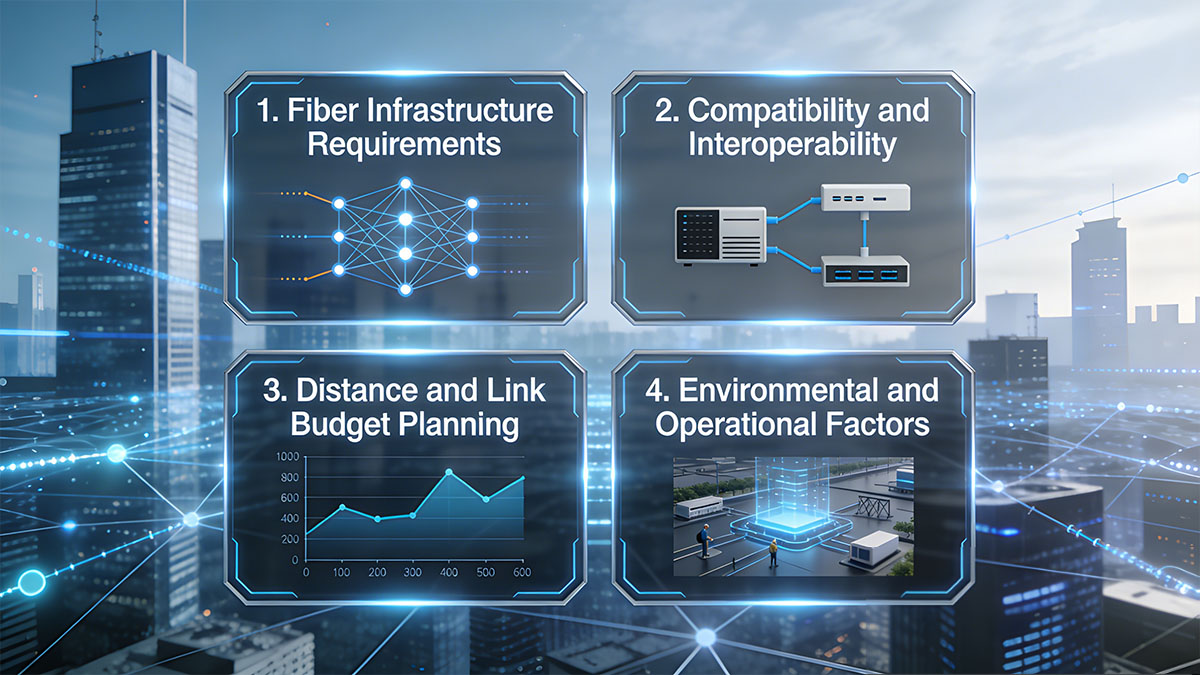
Fiber Infrastructure Requirements
The quality of the fiber plant directly impacts signal performance and reach. Key considerations include:
-
Fiber Type: Single-mode fiber (OS1 or OS2) is required for 10km LR links. Multi-mode fiber may cause attenuation and modal dispersion, reducing effective reach.
-
Connector and Splice Quality: Dirty or misaligned LC connectors can introduce significant insertion loss, potentially exceeding the optical budget.
-
Link Distance and Path Loss: The total distance must account for splice points, patch panels, and connector losses.
| Parameter |
Recommended Specification |
Impact on Performance |
| Fiber Type |
OS1/OS2 single-mode |
Ensures 10km reach with minimal signal degradation |
| Connector Type |
LC duplex, UPC polish |
Reduces insertion loss and reflections |
| Typical Link Loss |
≤ 3 dB over 10km |
Maintains sufficient power margin for reliable reception |
| Splice Loss |
≤ 0.1 dB per splice |
Cumulative splicing losses must be included in link budget |
Compatibility and Interoperability
Even though SFP+ 10 LR modules are standardized under the SFP+ MSA, vendor-specific implementations can affect compatibility. Considerations include:
-
Switch and Router Platforms: Ensure Cisco 10GBASE-LR modules are supported in the target device, including firmware versions.
-
Vendor-Neutral Alternatives: MSA-compliant third-party modules may be interoperable, but testing is recommended to prevent errors such as port shutdowns or reduced diagnostics accuracy.
-
Link Aggregation and Redundancy: Compatibility with LACP or redundant optical paths should be verified for multi-link deployments.
Distance and Link Budget Planning
Calculating an accurate optical power budget is critical to ensure the module delivers reliable connectivity across the intended distance:
-
Transmitter Power: Typically ranges from -1 dBm to +4 dBm.
-
Receiver Sensitivity: Approximately -11 dBm.
-
Available Power Margin: Must account for connector loss, splice loss, and fiber attenuation.
For example, a 10km link with 0.4 dB/km attenuation, two connectors (0.3 dB each), and one splice (0.1 dB) results in:
Total Loss = 10km × 0.4 dB/km + 2×0.3 dB + 0.1 dB = 4 + 0.6 + 0.1 = 4.7 dB
This is well within the 10 dB margin between transmitter power and receiver sensitivity, ensuring stable operation.
Environmental and Operational Factors
Enterprise networks must account for environmental conditions that can affect transceiver performance:
-
Temperature Ranges: Modules operate reliably within standard enterprise temperatures (0°C to 70°C). Extreme conditions may require extended-temperature-rated modules.
-
Power and Cooling: While 10G LR optics are low power (<1W), high-density racks may accumulate heat, requiring adequate airflow or active cooling.
-
Maintenance Accessibility: Modules should be installed in accessible locations to facilitate monitoring, cleaning, and replacement without impacting live traffic.
☑️ Maintenance and Lifecycle Management of Cisco 10GBASE-LR Modules
Proper maintenance and lifecycle management of Cisco 10GBASE-LR Fiber SFP modules are essential to ensure consistent performance, minimize downtime, and extend the operational life of enterprise networks. By implementing structured inspection, monitoring, and replacement practices, organizations can prevent link failures and optimize total cost of ownership.
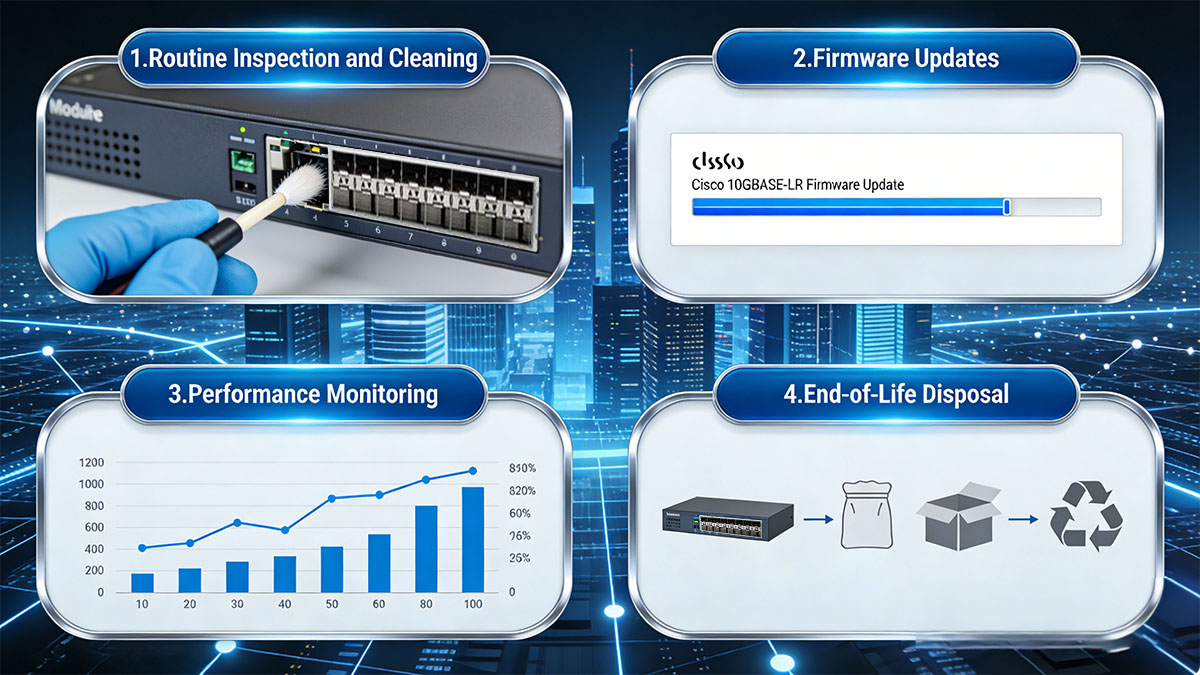
Routine Inspection and Cleaning
Maintaining clean fiber connections is critical for optical signal integrity:
-
Connector and End-Face Cleanliness: Dust, dirt, or scratches on LC connectors can introduce significant insertion loss, reflections, or intermittent link errors.
-
Recommended Cleaning Procedures: Use fiber optic cleaning kits, lint-free wipes, or automated cleaning tools following industry standards (IEC 61300-3-35).
-
Impact on Performance: Even a minor 0.5 dB insertion loss can reduce the power margin of a 10km LR link, potentially causing intermittent errors in high-throughput applications.
Firmware and Compatibility Updates
Firmware and hardware compatibility are key to maintaining module reliability:
-
Switch and Router Firmware: Ensure that connected devices have updated firmware supporting Cisco 10GBASE-LR modules. Outdated firmware can cause modules to report false DDM readings or fail to initialize.
-
DDM Accuracy Post-Updates: After firmware upgrades, verify that DDM functions report correct temperature, voltage, and optical power metrics.
-
MSA-Compliant Third-Party Modules: Test any vendor-neutral modules in controlled environments to confirm full interoperability before deployment in production networks.
Module Replacement and End-of-Life Planning
Understanding when to replace modules avoids unexpected link failures:
-
Signs of Degradation: DDM alerts such as consistently low Rx power, high temperature, or repeated link flaps indicate potential module aging.
-
Replacement Best Practices: Plan replacement during maintenance windows; ensure spare modules are tested and ready for hot-swappable installation to avoid downtime.
-
End-of-Life Planning: Align module refresh cycles with network upgrades, especially when moving from SFP+ 10G to SFP28 25G/QSFP+ 40G backbones.
Inventory and Spare Management
Effective inventory management ensures operational continuity:
| Aspect |
Recommendation |
Notes |
| Spare Module Stock |
Maintain at least 10–15% of active deployment |
Adjust based on criticality of links and site locations |
| Centralized vs Distributed Storage |
Centralized for HQ, distributed for remote sites |
Reduces response time for urgent replacements |
| Lifecycle Tracking |
Maintain module deployment and installation logs |
Supports predictive replacement and compliance reporting |
By monitoring module health, managing inventory, and planning replacements strategically, enterprises can reduce operational risk, prevent unexpected outages, and maintain high reliability for critical network infrastructure.
☑️ Comparison with Other 10G Optical Modules
The Cisco 10GBASE-LR SFP Module Enterprise Class is part of a broader family of 10G optical transceiver. Understanding the differences between SR, LR, and ER modules helps network architects select the appropriate module for specific distances, fiber types, and deployment scenarios.
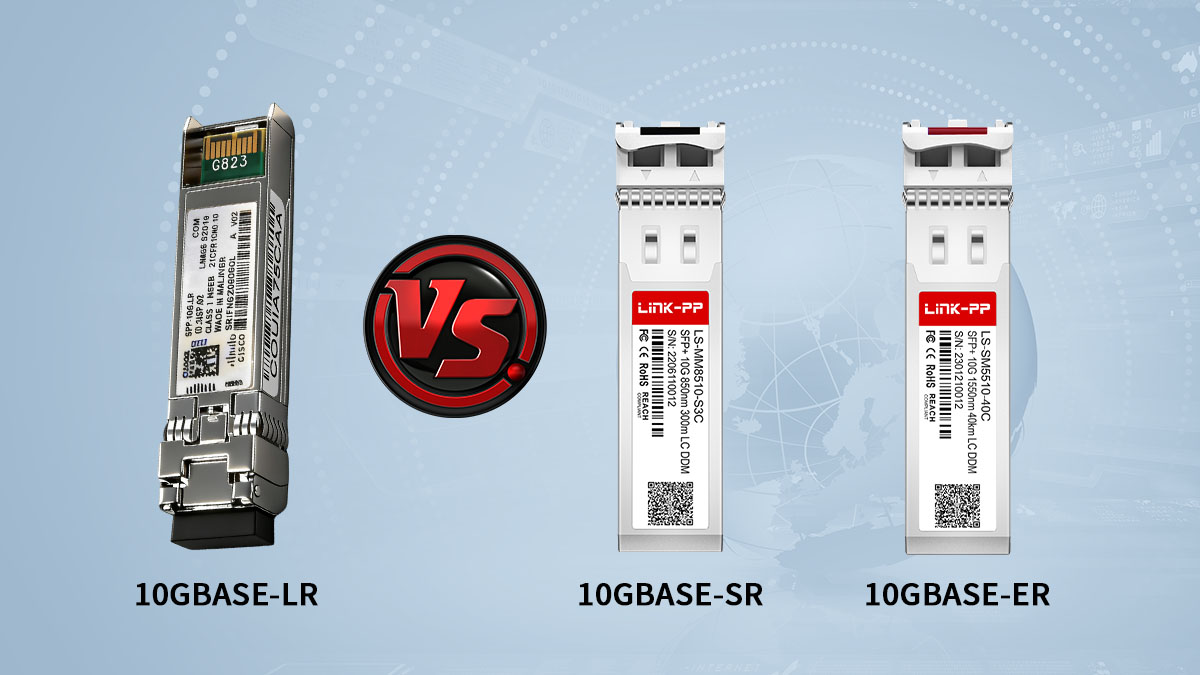
10GBASE-SR vs 10GBASE-LR
10GBASE-SR (Short Range) like Cisco SFP-10G-SR is designed for multi-mode fiber and short-distance connections, while 10GBASE-LR is optimized for long-range single-mode fiber.
| Feature |
10GBASE-SR |
10GBASE-LR |
Notes |
| Fiber Type |
Multi-mode (OM3/OM4) |
Single-mode (OS1/OS2) |
LR requires SMF for 10km reach |
| Typical Distance |
Up to 400m |
Up to 10km |
SR is suitable for intra-rack or intra-building links |
| Wavelength |
850nm |
1310nm |
LR’s wavelength reduces attenuation over longer distances |
| Use Case |
Data center racks, short campus links |
Campus backbone, inter-building, DCI |
SR is cost-effective for short connections; LR supports scalable, long-distance links |
10GBASE-LR offers lower attenuation over distance and is more suitable for future-proof backbone connectivity, whereas SR transceivers are ideal for cost-sensitive, short-reach scenarios.
10GBASE-ER vs 10GBASE-LR
10GBASE-ER (Extended Reach) like Cisco SFP-10G-ER supports distances beyond 10km, typically up to 40km, but comes at higher cost and power requirements.
| Feature |
10GBASE-LR |
10GBASE-ER |
Notes |
| Fiber Type |
Single-mode (OS1/OS2) |
Single-mode (OS1/OS2) |
Both use SMF, but ER has stricter power budget requirements |
| Typical Distance |
Up to 10km |
Up to 40km |
ER is designed for long-haul enterprise or metro links |
| Transmit Power |
-1 to +4 dBm |
0 to +5 dBm |
ER modules require higher power for extended distances |
| Cost & Power |
Lower cost, low power (<1W) |
Higher cost, higher power |
ER is used primarily in telecom and long-distance enterprise deployments |
While ER modules are suitable for long-haul or metropolitan-scale links, LR modules balance cost, distance, and energy efficiency, making them ideal for most enterprise networks up to 10km.
Selecting the Right Module
When choosing between SR, LR, and ER modules, consider:
-
Link Distance: Use SR for <400m, LR for up to 10km, ER for >10km.
-
Fiber Type Availability: Multi-mode fiber favors SR, single-mode favors LR/ER.
-
Budget and Power Constraints: LR modules are cost-effective for standard enterprise distances.
-
Future Scalability: LR modules support network expansion without immediate upgrades, while SR may require replacement for longer distances.
☑️ Future Trends of 10GBASE-LR in Enterprise Networks
Even as enterprise networks evolve toward higher-speed options such as SFP28 25G, QSFP+ 40G, and QSFP28 100G, the Cisco 10GBASE-LR Fiber Optic SFP Module Enterprise Class continues to play a critical role in long-distance optical connectivity. Its combination of reliability, predictable performance, and low operational cost ensures relevance in evolving network architectures.
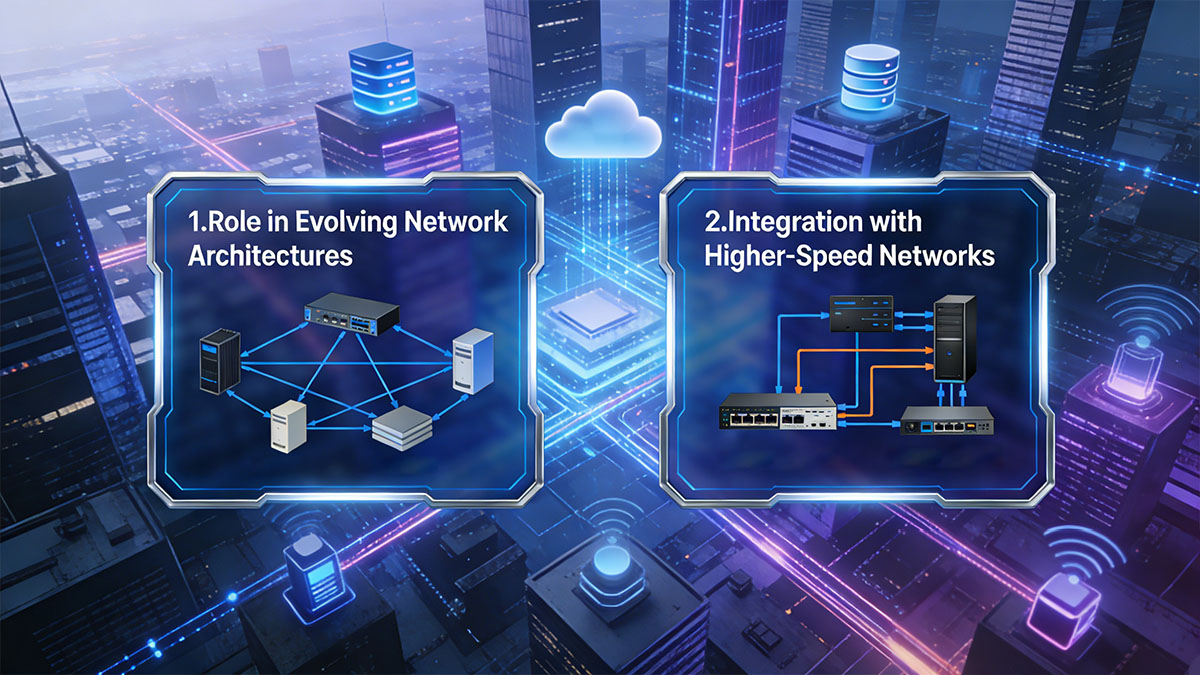
Role in Evolving Network Architectures
10GBASE-LR modules are increasingly integrated into hybrid-speed networks where multiple link rates coexist:
Integration with Cloud and Hybrid Environments
The rise of hybrid cloud strategies increases reliance on long-range 10G optical links:
Future-Proofing and Network Optimization
Even as higher-speed optical modules become mainstream, 10GBASE-LR remains relevant for several reasons:
☑️ FAQs
What is the maximum distance supported by Cisco 10GBASE-LR modules?
The module can reliably transmit up to 10km over single-mode fiber (OS1/OS2) under standard link loss conditions.
Can 10GBASE-LR be used with multi-mode fiber?
No, multi-mode fiber introduces modal dispersion and higher attenuation, which can cause errors. Only single-mode fiber is recommended.
How does Digital Diagnostics Monitoring (DDM) help in deployment?
DDM provides real-time metrics such as optical power, temperature, and transceiver status, enabling proactive monitoring and preventive maintenance.
Are Cisco 10GBASE-LR modules hot-swappable?
Yes, SFP+ modules are hot-pluggable, allowing installation or replacement without powering down the switch or router.
Can these modules be used in redundant or aggregated links?
Yes, LR modules support LACP aggregation and redundant link designs to ensure high availability and failover protection.
What are typical applications for enterprise networks?
They are suitable for campus backbones, inter-building connections, data center interconnects, and hybrid cloud connectivity where distances are up to 10km.
Do environmental factors affect performance?
Yes, modules are rated for standard enterprise temperatures (0–70°C). Extreme heat or insufficient cooling can impact performance and reliability.
☑️ Conclusion
The Cisco 10GBASE-LR SFP Module Enterprise Class continues to serve as a foundational component in modern enterprise networking. Its combination of long-range single-mode fiber support, stable 10Gbps throughput, low power consumption, and robust diagnostic capabilities makes it ideal for data center interconnects, campus backbones, hybrid cloud environments, and industry-specific deployments such as financial, healthcare, and research networks. By carefully planning fiber infrastructure, link budgets, and redundancy, enterprises can leverage these modules to maintain high-performance, scalable, and reliable optical networks.
For organizations seeking trusted, enterprise-grade 10G optical solutions, the LINK-PP Official Store offers a wide range of Cisco-compatible 10GBASE-LR modules, ensuring seamless integration with existing network infrastructure and long-term operational reliability.