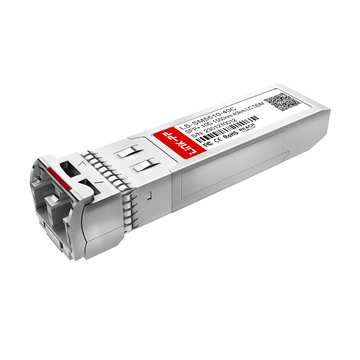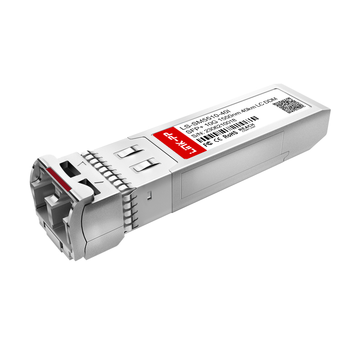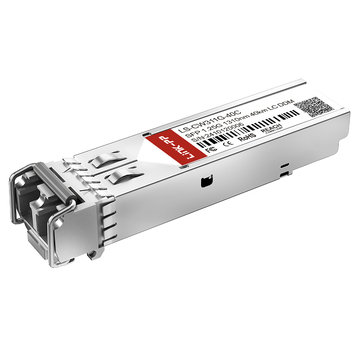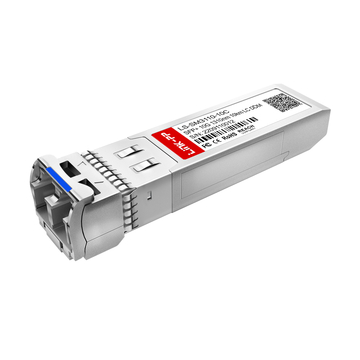
In modern telecommunications infrastructure, SFP 40km modules have emerged as a critical enabler for scalable and efficient long-distance data transmission. As metro area networks (MANs) continue to expand to accommodate growing urban populations, cloud services, and data-intensive applications, the need for reliable optical solutions capable of bridging extended distances becomes increasingly important. fiber SFP 40km transceivers, designed for single-mode fiber and capable of transmitting data over distances up to 40km, provide a cost-effective and high-performance solution for these evolving network demands.
With the rapid rise of technologies such as 5G, IoT, and edge computing, metro networks are no longer confined to short-range optics connectivity. Instead, they must seamlessly interconnect data centers, aggregation points, and enterprise infrastructures across cities and regions. In this context, SFP 40km solutions play a foundational role in ensuring stable, high bandwidth communication over longer distances without compromising efficiency or scalability.
🏂Why SFP 40km is Essential for Metro Area Network Growth
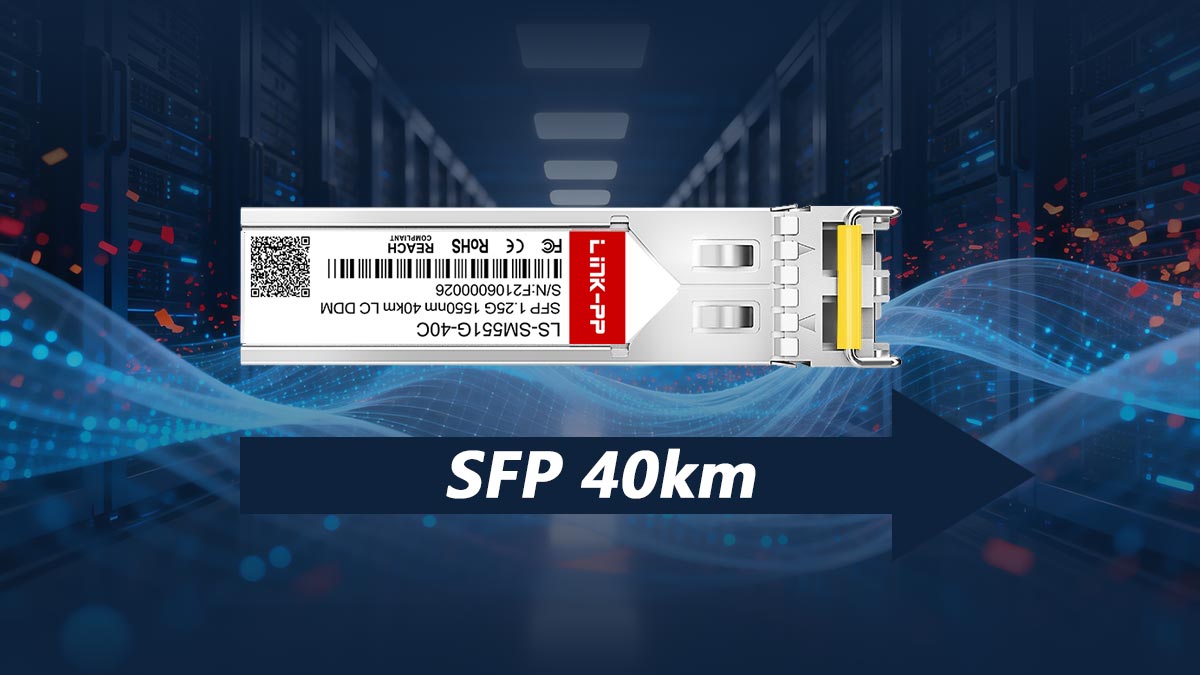
In metro area networks, maintaining high-speed connectivity over extended distances is essential for meeting the demands of growing urban environments. SFP 40km optical transceiver modules play a critical role by bridging the gap between short-reach optics and the requirements of larger-scale metro deployments, offering a cost-effective and reliable solution for long-distance transmission.
Increasing Demand for High-Bandwidth Connectivity
The exponential growth of cloud computing, video streaming, and enterprise digital transformation has significantly increased bandwidth requirements in metropolitan environments. Businesses and service providers must handle massive volumes of data traffic between distributed locations, including data centers, campuses, and edge nodes.
SFP 40km transceivers support high-speed data transmission over extended distances, enabling network operators to meet these bandwidth demands without deploying overly complex or expensive infrastructure. This makes them ideal for scaling metro networks while maintaining cost efficiency.
Limitations of Short-Reach Optical Transceiver
Short-reach optical modules, such as those designed for distances under 10km, are insufficient for modern metro deployments. As network footprints expand across cities, these solutions require multiple intermediate connections or repeaters, increasing both latency and operational complexity.
By contrast, SFP 40km modules eliminate the need for excessive signal regeneration, simplifying network design and reducing potential points of failure. This results in more streamlined and reliable metro network architectures.
Role of Long-Distance Transmission in MANs
Long-distance transmission is a fundamental requirement in metro area networks, where connectivity must span across urban regions, suburbs, and even neighboring cities. Reliable communication over tens of kilometers ensures seamless data flow between core, aggregation, and access layers.
SFP 40km transceivers enable this extended reach while maintaining signal integrity and performance. They provide a practical solution for interconnecting geographically dispersed network segments, ensuring that metro networks remain robust, flexible, and ready to support future expansion.
🏂Key Features of SFP 40km Modules for Metro Deployments
For metro area network (MAN) expansion, optics have to do more than “just connect” — they must extend reach, maintain signal integrity, and scale efficiently as networks densify. SFP 40km modules are built for this middle ground between short-reach enterprise links and carrier-grade long-haul systems, making them a practical choice for citywide aggregation, inter-site connectivity, and backbone extensions. Below are the core features that make SFP 40km transceivers especially suitable for metro deployments.
Extended Reach Over Single-Mode Fiber Infrastructure
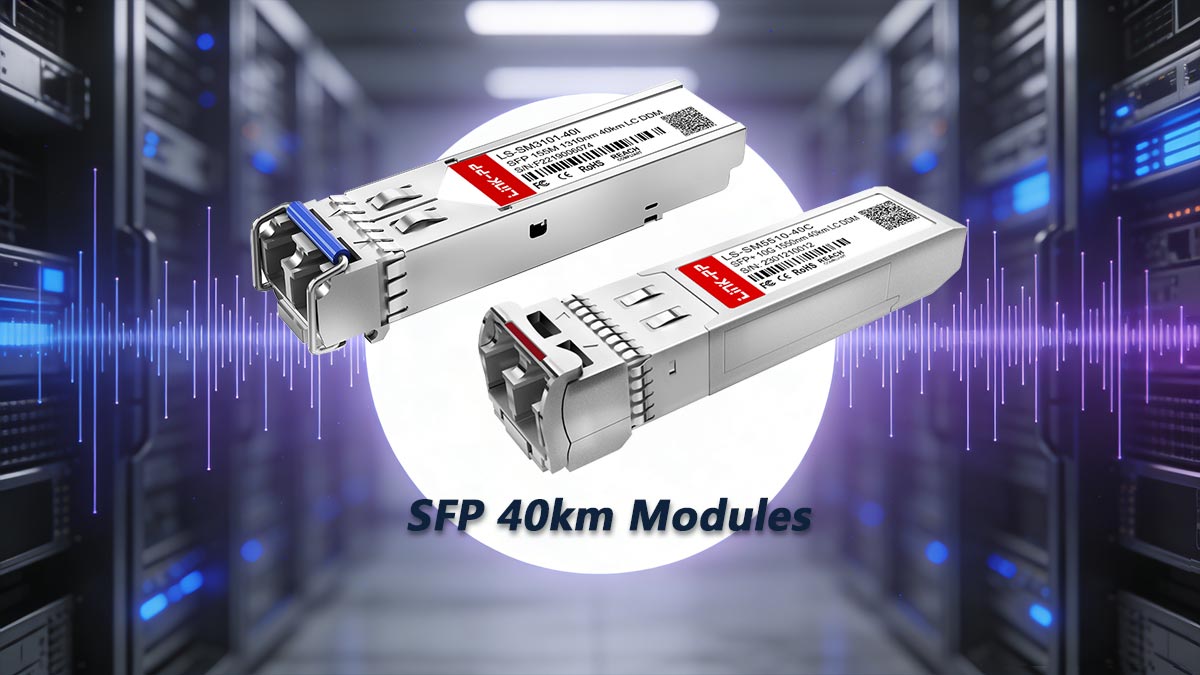
SFP 40km modules are purpose-built to deliver long-distance optical transmission over single-mode fiber, extending network connectivity between distant metro sites without requiring signal repeaters. A good example is the 10GBASE-ER (like SFP-10G-ER-I) fiber optic SFP module, which operates at a 1310nm or 1550nm wavelength and supports data transmission of up to 40km while maintaining signal integrity.
Its high transmit power and sensitive receiver design effectively overcome optical loss over extended fiber runs. In metropolitan networks, these modules provide a flexible way to link different network layers — such as access, aggregation, and core — streamlining infrastructure expansion while ensuring stable, high-performance connectivity across the city.
Stable Performance Across Long-Distance Links
Maintaining signal integrity over long distances is critical in metro network environments. SFP 40km modules are designed with advanced optical components and precise engineering to ensure consistent performance, even across extended fiber links.
These SFP transceiver modules typically incorporate features such as high-quality lasers, enhanced receiver sensitivity, and robust error correction capabilities. As a result, they can minimize signal degradation, reduce bit error rates, and provide stable data transmission, which is essential for mission-critical applications and high-availability networks.
Low Power Consumption for Dense Deployments
In metro deployments where network equipment is often densely packed in racks or data centers, power efficiency becomes a key consideration. SFP 40km modules are designed to operate with relatively low power consumption compared to larger or more complex optical solutions.
This efficiency helps reduce overall energy costs and minimizes heat generation, which in turn lowers cooling requirements. For network operators managing large-scale deployments, the ability to maintain high performance while optimizing power usage is crucial for achieving both operational efficiency and sustainability goals.
🏂SFP 40km Use Cases in Metro Area Networks
SFP 40km modules play a crucial role in enabling real-world metro network applications that require stable, high-speed connectivity over extended distances. Their ability to bridge gaps between distributed infrastructure makes them highly valuable across multiple industries and deployment scenarios.
Interconnecting Data Centers Across Cities
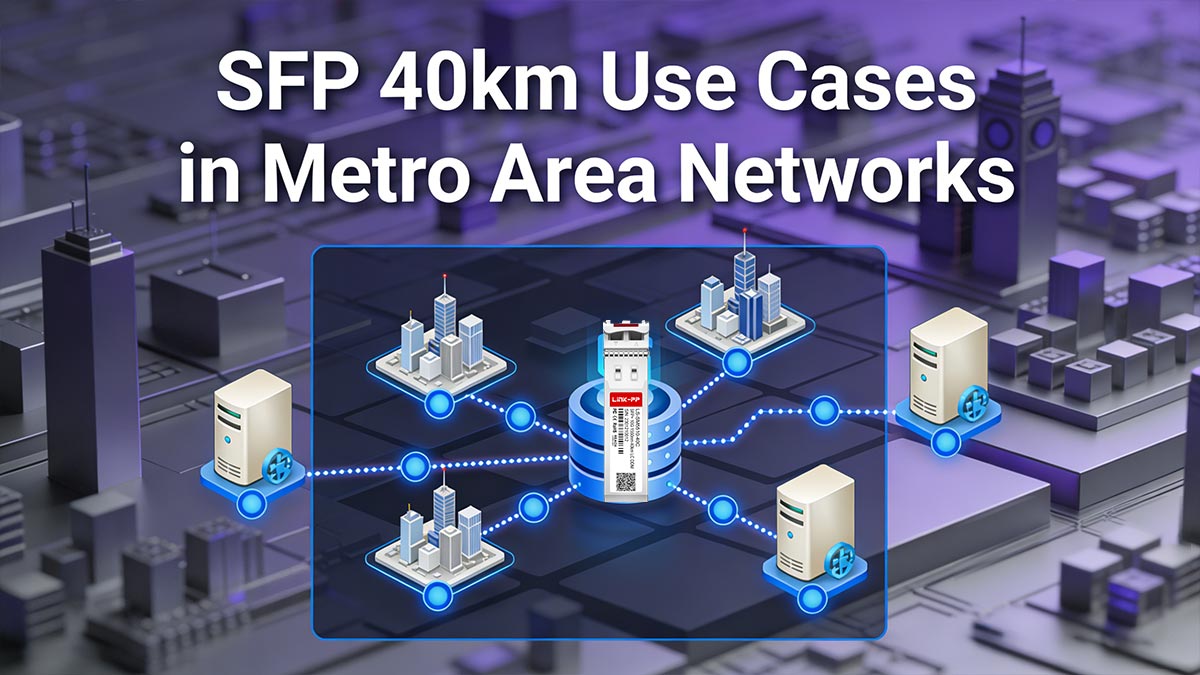
- Metro Data Center Interconnect Deployment: In large metropolitan areas, companies often operate multiple data centers located 10-40km apart. SFP 40km modules (such as SFP-10G-ER) are commonly used to establish direct fiber links between these facilities, enabling high-speed east-west traffic.
- Real-Time Data Replication Scenarios: Financial institutions and cloud providers use these links to replicate databases between primary and backup data centers in real time, ensuring business continuity.
- Edge-to-Core Data Flow: With the rise of edge computing, SFP 40km modules help connect edge data centers located closer to users with centralized core data centers, improving service responsiveness.
Linking Core and Aggregation Layers
- City-Wide Backbone Connections: Telecom operators deploy SFP 40km modules to connect aggregation switches in different districts to centralized core routers, forming a metro backbone network.
- ISP and Carrier Network Architecture: Internet service providers use these modules to link aggregation nodes (serving neighborhoods or business zones) to core network points without needing additional amplification.
- Traffic Consolidation Points: In practical deployments, multiple access nodes feed into aggregation switches, which are then connected via 40km SFP module to the core — ensuring efficient data routing across the city.
Supporting Enterprise Campus Extensions
- Multi-Building Enterprise Networks: Large enterprises, universities, or hospitals often have multiple buildings spread across a city. SFP 40km modules are used to create private fiber links between these sites.
- Industrial Park and Business District Connectivity: In business parks, companies use 40km optical links to connect headquarters with remote offices or production sites within the metro area.
- Secure Private Network Implementation: Government agencies and enterprises deploy these modules to build secure, dedicated metro networks instead of relying on public internet or leased services.
Enabling Smart City Infrastructure
- Urban Surveillance Systems: Cities deploy SFP 40km modules to connect distributed surveillance cameras to centralized monitoring centers, often spanning tens of kilometers.
- Intelligent Transportation Systems (ITS): Traffic control systems, including smart traffic lights and highway monitoring, rely on long-distance fiber links enabled by 40km optics.
- IoT and Environmental Monitoring Networks: Sensors deployed across a city (for air quality, water levels, etc.) transmit data back to control centers using metro fiber networks supported by SFP 1310nm 40km modules.
- Public Service Network Integration: Emergency services, utilities, and municipal systems are interconnected using this long-range SFP module to ensure reliable communication across urban infrastructure.
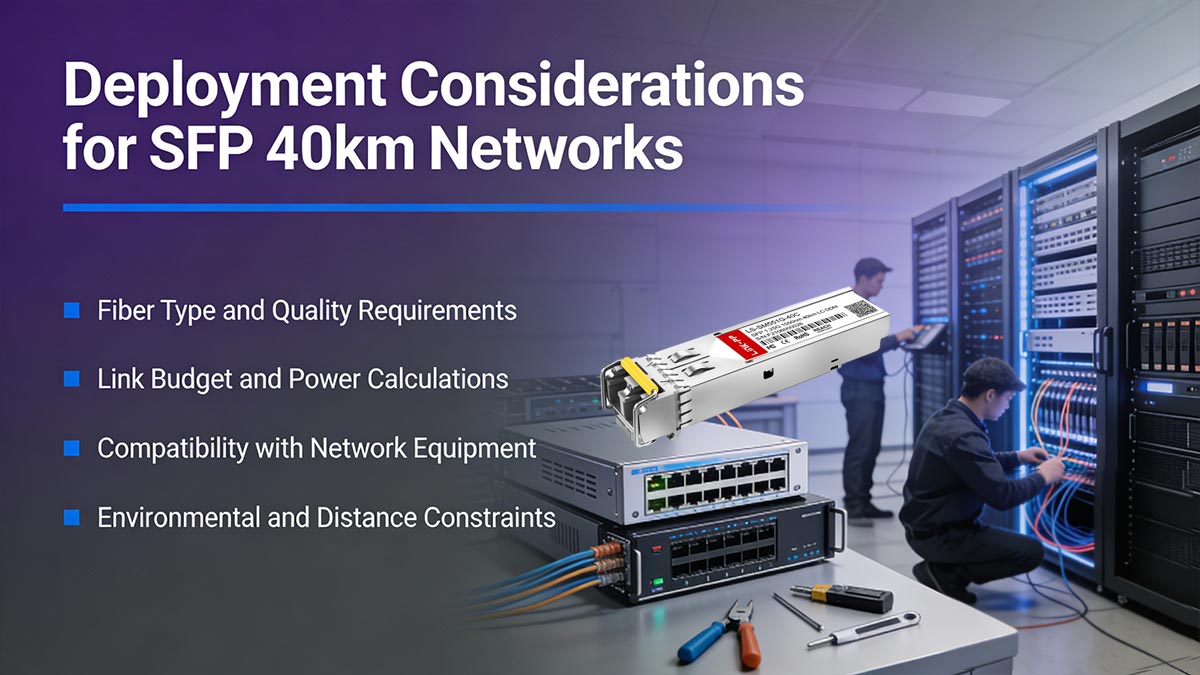
🏂Deployment Considerations for SFP 40km Networks
Deploying SFP 40km modules in metro area networks requires careful planning to ensure optimal performance and long-term reliability. While these modules are designed for extended reach, factors such as fiber quality, power levels, and environmental conditions can significantly impact their effectiveness. The following considerations are essential for a successful deployment.
Fiber Type and Quality Requirements
- Use of Single-Mode Fiber (SMF): SFP 40km modules (e.g., CWDM-SFP-1310) are designed specifically for single-mode fiber, typically compliant with standards such as OS1 or OS2. Using the correct fiber type ensures proper signal propagation over long distances.
- Fiber Condition and Cleanliness: Dirty or damaged fiber connectors can introduce significant insertion loss. In real deployments, improper cleaning is one of the most common causes of link failure.
- Splice and Connector Loss Management: Each splice or connector along the fiber path adds attenuation. For metro links approaching 40km, cumulative loss from multiple connection points must be minimized.
Link Budget and Power Calculations
- Understanding Optical Power Budget: The link budget defines the maximum allowable loss between the transmitter and receiver for reliable communication. For typical SFP 40km modules (commonly operating at 1310nm or 1550nm), the power budget is designed to support long-distance transmission while maintaining signal integrity.
- Calculating Fiber Attenuation: At 1310nm, single-mode fiber attenuation is generally around 0.35dB/km. For a 40km link, this results in approximately 14dB of fiber loss, which forms the baseline for total link budget calculations.
- Including Connector and Splice Losses: In real deployments, additional losses come from connectors (typically 0.2–0.5dB each) and splices (around 0.1–0.3dB). These must be added to the total link loss to ensure accurate planning.
- Maintaining System Margin: A design margin of 2–3dB is usually reserved to account for aging components, temperature variations, and potential signal degradation over time.
- Avoiding Insufficient or Excessive Power Levels: If total loss exceeds the module’s power budget, the link may fail or become unstable. Conversely, for shorter links, received optical power may be too high, requiring the use of optical attenuators to protect the receiver.
Compatibility with Network Equipment
- Vendor-Specific Compatibility and Coding: Many network equipment vendors (such as Cisco, Juniper, or Huawei) implement strict compatibility checks for SFP modules. In practice, this means that even if an SFP 40km module meets standard specifications (e.g., 10GBASE-ER or similar 1310nm SFP), it may require proper vendor coding or firmware recognition to function correctly.
- Port Type and Interface Alignment: It is essential to ensure that the SFP 40km module matches the exact port type on the device — such as SFP vs. SFP+ and the corresponding data rate (e.g., 1G SFP vs. SFP+ 10G). A mismatch in interface standards will prevent link establishment, even if the physical connector fits.
- Optical Parameter Matching between Ends: Both ends of the link must use compatible transceivers in terms of wavelength (e.g., 1310nm), transmission distance (40km), and signaling standard. Mixing different SFP types (e.g., SFP 10km module on one end and SFP 40km on the other) can lead to unstable links or complete failure due to mismatched optical budgets.
- Firmware and Operating System Dependencies: Some switches and routers require specific firmware or OS versions to properly recognize and manage SFP modules. In real deployments, outdated firmware can lead to issues such as incorrect readings, limited functionality, or module rejection.
Environmental and Distance Constraints
- Operating Temperature and Deployment Environment: SFP 40km modules are typically available in commercial (0°C to 70°C) and industrial (-40°C to 85°C) temperature ranges. In metro deployments — such as outdoor cabinets, roadside enclosures, or base stations — temperature fluctuations can be significant.
- Impact of Temperature on Optical Performance: Long-distance transmission at 1310nm or 1550nm can be sensitive to temperature variations, which may affect laser stability and receiver sensitivity. In extreme conditions, this can lead to increased bit error rates or link instability, especially on links approaching the 40km limit.
- Actual Distance vs. Rated Distance: Although SFP 40km modules are rated for up to 40km, the achievable distance depends on real-world conditions such as fiber quality, connector loss, and splicing. In practice, some links may fall short of 40km if the total attenuation exceeds the module’s power budget.
🏂Best Practices for Optimizing SFP 40km Performance
To ensure that SFP 40km modules deliver their full potential in metro area networks, proper deployment and maintenance practices are essential. These long-range optical components can achieve exceptional reliability and throughput when installed, managed, and maintained correctly. The following best practices cover key areas of installation, monitoring, signal optimization, and system compatibility.
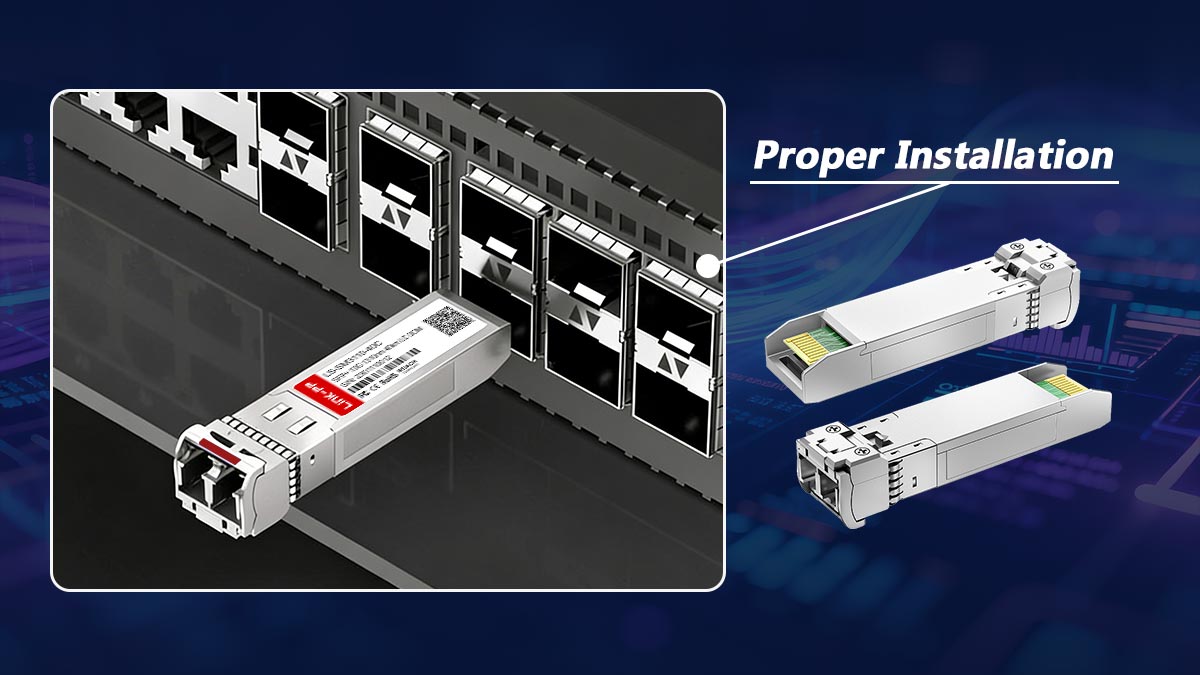
Proper Installation and Handling
? Fiber End-Face Cleaning and Inspection
Before installation, all fiber connectors must be cleaned using professional tools (e.g., lint-free wipes, isopropyl alcohol, or fiber cleaning pens). Even microscopic dust can introduce significant insertion loss or back reflection, which is critical for long-distance 40km links.
? Avoiding Physical Damage to Modules and Ports
SFP modules should be inserted and removed carefully to prevent damage to electrical contacts or cages. Forcing modules into ports or improper handling can lead to poor connectivity or hardware failure.
? Correct Fiber Polarity and Connection
Ensure that transmit (Tx) and receive (Rx) fibers are correctly aligned between devices. Misalignment will result in no link establishment, which is a common but avoidable issue during installation.
? Managing Bend Radius and Cable Routing
Fiber cables should not exceed their minimum bend radius (typically >30mm for SMF). Tight bends can cause signal attenuation, which is especially problematic for long-distance transmission.
Regular Monitoring and Maintenance
? Utilizing DDM/DOM for Real-Time Monitoring
SFP 40km modules typically support digital diagnostics monitoring (DDM), allowing operators to track parameters such as Tx/Rx optical power, temperature, and voltage. Regular monitoring helps detect early signs of degradation.
? Establishing Baseline Performance Metrics
After deployment, record baseline values for optical power levels and link performance. These benchmarks are essential for identifying gradual performance decline over time.
? Scheduled Inspection and Cleaning
Periodic inspection of connectors and patch panels is necessary to prevent dust accumulation and connector wear, both of which can increase link loss.
? Proactive Fault Detection
Monitoring trends such as decreasing received power or increasing error rates allows operators to address issues before they result in link failure.
Minimizing Signal Loss and Interference
? Reducing Connector and Splice Count
Each additional connector or splice introduces loss. Designing fiber routes with fewer connection points helps preserve the optical budget, especially for near 40km links.
? Using High-Quality Fiber and Components
Deploying low-attenuation single-mode fiber (e.g., OS2) and high-quality connectors reduces overall signal loss and improves link stability.
? Controlling Return Loss and Reflection
Poor-quality or dirty connectors can cause back reflections, which may interfere with the transmitter laser. Using APC connectors (where applicable) can help reduce reflection.
? Managing Optical Power Levels
Ensure that received power stays within the acceptable range. For shorter distances, optical attenuators may be required to prevent receiver overload and maintain signal quality.
Ensuring Firmware and Hardware Compatibility
? Keeping Device Firmware up to Date
Regularly update switch or router firmware to ensure full compatibility with SFP 40km modules, including support for diagnostics and stability improvements.
? Verifying Module Recognition and Functionality
After installation, confirm that the device properly recognizes the SFP module and that all parameters (speed, wavelength, diagnostics) are correctly reported.
? Standardizing Transceiver Types across the Network
Using consistent SFP 40km module types (e.g., same wavelength and specification) across deployments reduces interoperability risks and simplifies maintenance.
? Testing before Large-Scale Deployment
In metro networks, it is best practice to validate SFP modules in a lab or pilot environment before mass deployment to ensure compatibility and performance under real conditions.
🏂Common Issues and Troubleshooting for SFP 40km
Even with their proven reliability, SFP 40km modules can face performance challenges in real-world deployments. Understanding the most common issues and knowing how to diagnose and correct them is essential to maintaining stable, long-distance connectivity. Below are key problems network engineers often encounter and the best ways to identify and resolve them.
Signal Degradation and Attenuation Causes
Signal degradation typically occurs when optical power weakens as it travels across a long fiber span. The main culprits include poor fiber cleanliness, connector contamination, excessive splice losses, or the use of substandard fiber cable. Over long distances, even small losses accumulate, leading to reduced optical signal-to-noise ratio (OSNR) and higher bit error rates.
To troubleshoot, engineers should test the optical link using an Optical Time-Domain Reflectometer (OTDR) to pinpoint where loss occurs and clean or re-terminate connectors where needed. Maintaining proper connector inspection and adhering to fiber cleanliness standards (IEC 61300-3-35) can prevent most attenuation-related issues before they escalate.
Mismatch of Transceiver Pairs
Performance problems often stem from using incompatible or mismatched transceivers at each end of a link — for example, pairing a SFP 40km module with a SFP 20km transceiver or using modules with different wavelength specifications. This mismatch disrupts transmission and may cause unstable links or complete loss of connectivity.
The resolution is straightforward: verify that both ends use identical optical specifications (wavelength, reach, and speed rating) and, ideally, come from the same vendor or from vendors validated as interoperable. Checking digital diagnostics monitoring (DDM) readouts can confirm whether transmit and receive power levels align with expected tolerances.
Temperature Fluctuations and Module Failures
SFP 40km modules in metro deployments often operate in outdoor cabinets or uncontrolled environments, where temperature fluctuations can drastically affect performance. Extreme heat can increase optical output power drift, while very low temperatures can cause wavelength shifts and receiver sensitivity loss. Such conditions may trigger intermittent data loss or link flapping.
To mitigate this, use industrial-grade SFP 40km modules rated for extended temperature ranges (typically –40°C to +85°C), ensure adequate ventilation in dense racks, and continuously monitor module temperatures using the DDM interface. If failures persist, replacing aging transceivers and performing firmware updates is recommended.
Diagnostic Tools and Monitoring Software
Modern networks simplify troubleshooting with a suite of diagnostic and monitoring tools. DDM (Digital Diagnostics Monitoring) or DOM (Digital Optical Monitoring) built into most SFP 40km modules provides live metrics such as transmit power, receive power, temperature, and voltage.
Network management systems (NMS) like Cisco Prime, Juniper Network Director, or open-source platforms such as Zabbix can integrate these readings for proactive monitoring. When a problem arises, network engineers can use these tools to isolate root causes — whether it’s excessive optical loss, unstable temperature, or hardware malfunction — and take corrective action before serious outages occur.
🏂Future-Proofing Metro Networks with SFP 40km Solutions
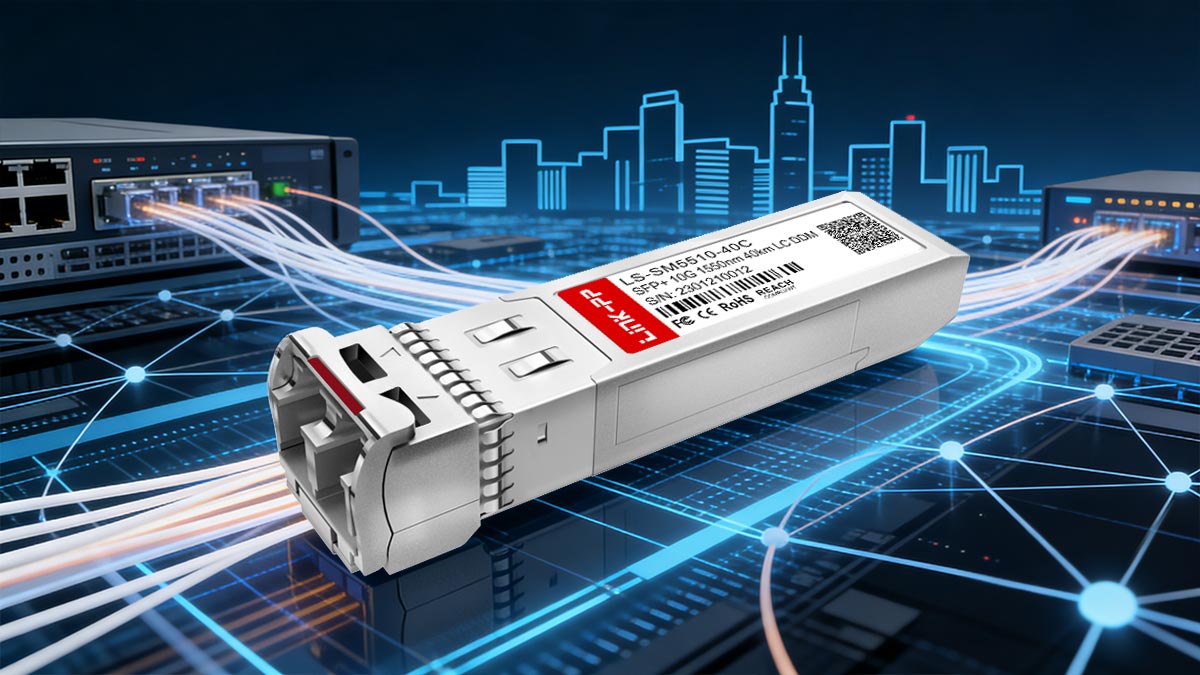
As metro area networks continue to evolve, scalability and adaptability become critical design priorities. SFP 40km solutions provide a forward-looking approach that enables operators to meet growing data demands without frequent infrastructure overhauls. By leveraging long-reach optics, networks can remain resilient and ready for future expansion.
Adapting to Increasing Bandwidth Demands
With the rapid growth of cloud services, 5G deployments, and data-intensive applications, metro networks must handle significantly higher bandwidth requirements. SFP 40km modules support high-speed data transmission over extended distances, allowing service providers to scale capacity efficiently. Their ability to integrate into existing single-mode fiber infrastructure ensures that upgrades can be implemented without costly fiber replacements, making them ideal for accommodating future traffic surges.
Modular Network Upgrades
One of the key advantages of SFP 40km solutions is their modularity. Network operators can upgrade specific segments — such as aggregation or core layers — without redesigning the entire system. This plug-and-play flexibility reduces downtime and simplifies expansion strategies. Additionally, compatibility with a wide range of networking equipment allows for incremental upgrades, enabling businesses to adopt new technologies at their own pace while maintaining operational continuity.
🏂Conclusion: Driving Reliable Long-range Connectivity with SFP 40km
SFP 40km solutions have become a cornerstone of metro area network evolution, enabling seamless connectivity across cities and regions. Their ability to handle extended distances, maintain stable optical performance, and integrate with a wide range of network equipment makes them indispensable for operators aiming to deliver robust, low-latency, and high-capacity links. Whether supporting enterprise campuses or connecting distributed data centers, these modules ensure the network backbone remains resilient and adaptable.
Beyond performance, their design supports cost-effective scalability — network teams can incrementally add capacity and integrate emerging technologies without major disruptions. As metro networks adapt to data-hungry applications and smart city expansion, SFP 40km modules serve as a durable, efficient foundation for next-generation connectivity.
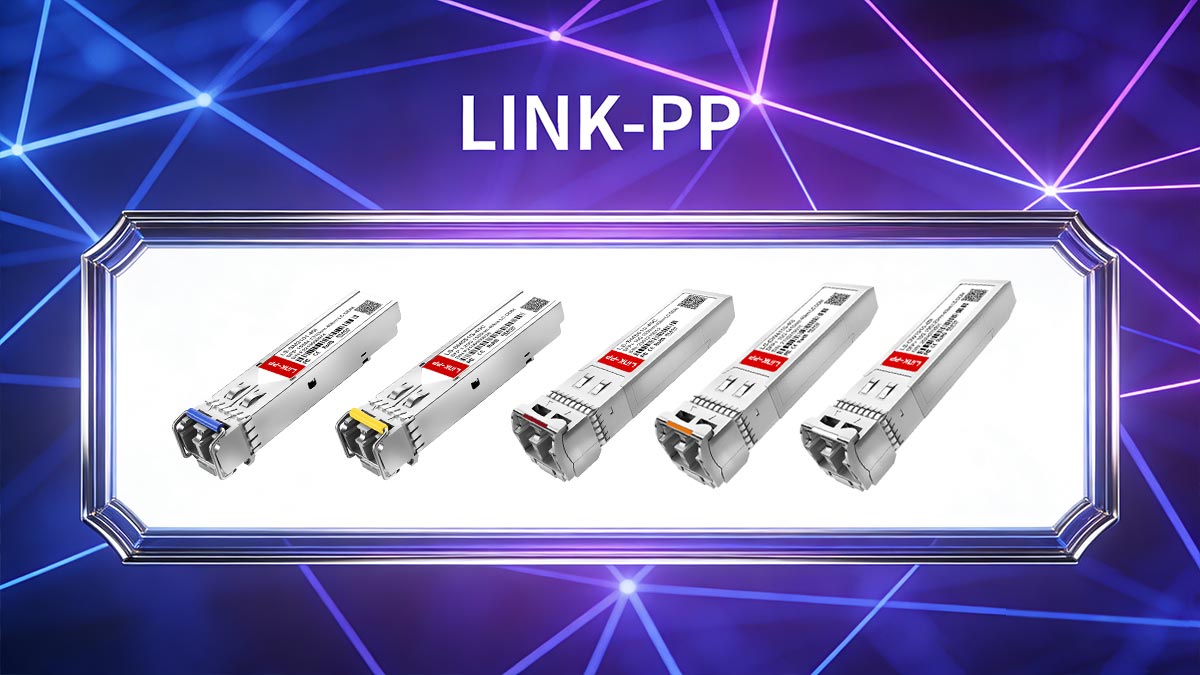
To explore high-quality transceivers built for long-range, efficient, and reliable deployments, visit the LINK-PP Official Store for certified SFP 40km solutions backed by strong technical support and global availability.