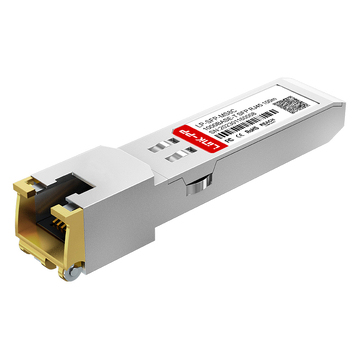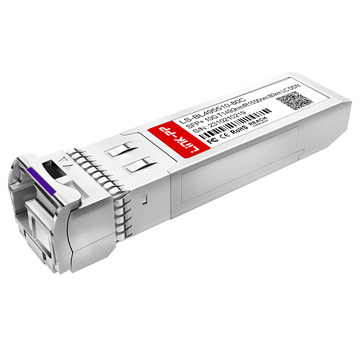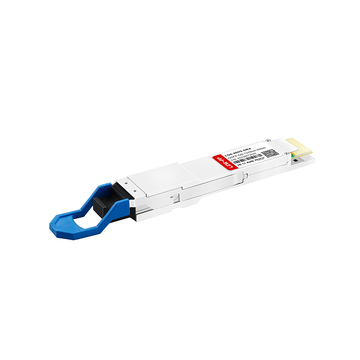

























As data center traffic continues to grow, 100G QSFP28 transceivers like the QSFP-100G-CWDM4-S have become essential for high-speed, short-reach connectivity. Cisco QSFP-100G-CWDM4-S is widely recognized for its reliability and performance in enterprise and cloud environments. However, as network demands scale and budgets tighten, organizations are increasingly reevaluating whether investing in original Cisco optics is the most cost-effective approach for long-term infrastructure planning.
More IT teams are exploring QSFP-100G-CWDM4-S compatible alternatives that can deliver comparable performance at a more affordable price point. As a result, it’s increasingly important to look beyond the initial purchase cost and consider factors like total cost of ownership (TCO) and return on investment (ROI). This article takes a closer look at how these alternatives stack up against original Cisco modules, and how organizations can make smarter budgeting choices without compromising network performance or future scalability.
? What is Cisco QSFP-100G-CWDM4-S and Why Look for Alternatives
The Cisco QSFP-100G-CWDM4-S is a 100G optical transceiver module designed for high-speed data transmission over single-mode fiber, typically used in data centers and enterprise networks. It enables efficient connectivity over distances up to 2km, making it a common choice for inter-switch and intra-data center links. However, despite its strong performance, many organizations are evaluating alternatives due to cost and flexibility considerations.

Key Features of Cisco QSFP-100G-CWDM4-S
The QSFP-100G-CWDM4-S uses CWDM4 technology to transmit four wavelengths over a single fiber pair, delivering 100G bandwidth with relatively low power consumption. It is designed for seamless integration with Cisco networking equipment, ensuring stable performance and high reliability in demanding environments.
To better understand its technical capabilities, the key specifications are summarized below:
| Feature | Description |
| Form Factor | QSFP28 |
| Data Rate | 100Gbps |
| Transmission Distance | Up to 2km over single-mode fiber (SMF) |
| Wavelength | CWDM4 (1271nm, 1291nm, 1311nm, 1331nm) |
| Connector Type | Duplex LC |
| Power Consumption | Typically ≤ 3.5W |
| Compatibility | Optimized for Cisco switches and routers |
| Application | Data center interconnects, enterprise networks |
Limitations and Challenges with Cisco QSFP-100G-CWDM4-S
While the Cisco QSFP-100G-CWDM4-S offers reliable performance, it comes with several limitations. The most notable challenge is its high cost compared to third-party compatible alternatives, which can significantly increase capital expenditures, especially in large-scale deployments. Additionally, Cisco optics are often vendor-locked, limiting flexibility when integrating with multi-vendor environments. Lead times and availability can also become concerns during large upgrades or rapid scaling.
Why Consider Alternatives for Network Upgrade
Given these challenges, many organizations are considering QSFP-100G-CWDM4-S compatible alternatives to optimize costs without sacrificing performance. Third-party modules often provide similar technical specifications at a fraction of the price, making them attractive for budget-conscious network expansions. Moreover, alternatives can offer greater flexibility, faster procurement, and support for multi-vendor compatibility, enabling businesses to scale their infrastructure more efficiently.
? QSFP-100G-CWDM4-S Cisco Alternative vs Original: Cost Comparison
When it comes to choosing between the original Cisco QSFP-100G-CWDM4-S and third-party alternatives, cost is often one of the most important factors to consider. While the Cisco module is known for its reliable performance, the price can be significantly higher compared to compatible alternatives. We’ll explore the differences in pricing, the factors behind Cisco’s pricing strategy, and the long‑term savings that third‑party alternatives can offer.

Price Differences between OEM and Third-party Options
The cost disparity between Cisco QSFP-100G-CWDM4-S and third-party alternatives is a key consideration for many businesses. Cisco’s original optics tend to come with a premium price due to their established brand, proprietary technology, and extensive support options. However, high-quality third-party QSFP-100G-CWDM4 compatible modules, such as the LINK-PP LQ-CW100-FR4C 100G CWDM4, provide comparable performance at a significantly lower price point. These alternatives are designed to deliver the same functionality and compatibility as the original, but without the added costs associated with the Cisco brand.
Choosing a trusted third-party supplier like LINK-PP allows companies to achieve cost savings while maintaining network reliability. The competitive pricing of these alternatives makes them an appealing option for businesses looking to optimize their budgets, particularly in large-scale deployments where the cost of Cisco’s OEM products can become prohibitive. Additionally, the performance and compatibility of LINK-PP LQ-CW100-FR4C modules ensure that users do not have to compromise on quality when opting for more affordable solutions.
Factors Driving Cisco Original Pricing
Cisco’s pricing for the QSFP-100G-CWDM4-S is influenced by several factors that contribute to its premium cost. First, the company’s established reputation for high reliability and performance allows it to charge a premium for its high-speed transceivers. Cisco has long been a trusted name in networking, and customers are often willing to pay extra for the perceived security and long-term support that comes with using original Cisco products.
Additionally, Cisco’s business model includes the integration of proprietary technologies and solutions that are often designed exclusively for their own hardware, which can restrict compatibility with non-Cisco devices. This vendor lock-in strategy ensures that Cisco customers remain within their ecosystem, justifying higher prices for both the optics and the associated support services. While this offers some advantages, such as seamless compatibility and warranty coverage, it also limits flexibility and increases the total cost of ownership.
Hidden Costs in Branded Optics
While Cisco optics like the QSFP-100G-CWDM4-S offer reliability and support, they come with hidden costs that businesses should consider. One of the main concerns is the vendor lock-in effect, where Cisco products are often designed to work only with their own hardware. This restricts flexibility, making it harder to integrate with third-party equipment and potentially leading to higher costs when scaling or upgrading the network in the future.
Another hidden cost lies in the ongoing maintenance and support fees. Cisco products typically require specialized services, which can be expensive over time. Additionally, the proprietary nature of their technology may necessitate further purchases of compatible modules or software, adding to the overall cost of ownership. While the initial purchase may seem justified for its quality, these additional expenses can accumulate, making Cisco optics a more expensive choice in the long run.
Long-term Savings Potential of Replacements
Despite the higher initial cost of Cisco optics, third-party alternatives can offer substantial long-term savings. With alternatives like the LINK-PP LQ-CW100-FR4C, you can significantly reduce your capital expenditure without compromising performance. The cost-saving benefits include:
- Lower Initial Costs: By choosing third-party optics, businesses can invest in more modules within the same budget, enabling faster network expansion.
- Reduced Total Cost of Ownership (TCO): While third-party alternatives may not come with the same support services as Cisco, the lower price point and competitive warranty options make them a cost-effective choice in the long run.
- Flexible Upgrades: Third-party alternatives often provide better flexibility when scaling up or integrating with multi-vendor environments, reducing future upgrade costs.
In conclusion, while the Cisco QSFP-100G-CWDM4-S offers robust performance and support, third-party alternatives such as LINK-PP LQ-CW100-FR4C present a more budget-friendly option without sacrificing essential network capabilities.
? How to Budget for Cisco QSFP-100G-CWDM4-S Replacement
When planning to replace Cisco QSFP-100G-CWDM4-S with alternative modules, it’s crucial to approach budgeting with a comprehensive understanding of all associated costs. While third-party options offer significant cost savings in terms of initial purchase prices, a well-rounded budget should also account for long-term expenses like maintenance and installation. Taking these factors into account can help ensure the chosen solution fits within your financial strategy while delivering the necessary performance.

Initial Costs of Alternative Modules
The first step in budgeting for Cisco QSFP-100G-CWDM4-S replacements is to consider the initial cost of alternative modules. Typically, third-party options like LINK-PP LQ-CW100-FR4C offer significant upfront savings compared to Cisco’s original optics. These alternatives are often priced 40-60% lower, depending on the supplier and the specific module. When budgeting for replacements, ensure that the cost per unit aligns with your financial goals for the network upgrade. Keep in mind that, while the initial investment is lower, the choice of supplier and module will still impact overall quality and compatibility with your infrastructure.
Understanding Total Cost of Ownership (TCO)
Beyond the initial purchase cost, it’s essential to consider the Total Cost of Ownership (TCO) when budgeting for the replacement modules. TCO includes not only the upfront price of the modules but also ongoing costs such as:
- Installation: Expenses associated with integrating the new modules into your existing infrastructure, which may include professional services or additional labor costs.
- Maintenance: The long-term cost of keeping the modules operational, including any support agreements, replacement parts, and regular service needs.
- Power Consumption: Optics can have varying energy requirements, so energy efficiency should be factored into long-term costs.
- Support and Warranty: While third-party optics typically come with warranties, they may differ in scope and coverage compared to Cisco’s premium support services, which could impact your budget.
By calculating these ongoing costs, you can make a more informed decision that aligns with both your immediate and long-term financial objectives.
Budgeting for Installation and Maintenance
In addition to the cost of the modules themselves, installation should be factored into your overall budget. This includes labor for deployment, potential network downtime during the transition, and pre-deployment testing to ensure compatibility with existing switches and infrastructure. If the replacement modules are plug-and-play and fully compatible, installation costs can be minimized; however, more complex environments may require additional configuration and validation efforts.
Ongoing maintenance is another key consideration. While third-party optics generally reduce upfront costs, it’s important to evaluate warranty terms, replacement policies, and technical support availability. Choosing a reliable supplier can help lower long-term maintenance expenses by ensuring consistent product quality and faster issue resolution, ultimately contributing to a more predictable and cost-efficient network operation.
? Calculating ROI for QSFP-100G-CWDM4-S Cisco Replacement
Evaluating the return on investment (ROI) is a critical step when considering a replacement for the Cisco QSFP-100G-CWDM4-S. While lower upfront costs are appealing, ROI provides a clearer picture of the long-term financial benefits. By analyzing both cost savings and performance impact, organizations can determine whether switching to alternative modules delivers real value over time.

Key Metrics for Measuring ROI
To accurately calculate ROI, several key metrics should be taken into account:
- Initial Investment: Total cost of purchasing and deploying the replacement modules.
- Cost Savings: Reduction in capital expenditure compared to Cisco OEM optics.
- Operational Costs: Ongoing expenses such as power consumption, maintenance, and support.
- Payback Period: The time required to recover the initial investment through cost savings.
- Performance Stability: Ensuring that network performance remains consistent without introducing additional risks or downtime.
By tracking these metrics, businesses can build a structured framework to evaluate whether the switch to third-party modules is financially justified.
Estimating Operational Savings with Alternative Modules
Operational savings are one of the main drivers of ROI when replacing Cisco QSFP-100G-CWDM4-S modules. Third-party alternatives typically reduce costs in several areas:
- Lower Procurement Costs: Reduced spending on optical modules across large-scale deployments.
- Energy Efficiency: Many compatible modules are designed with similar or lower power consumption, helping reduce electricity costs.
- Reduced Vendor Dependency: Avoiding vendor lock-in allows organizations to source from multiple suppliers, improving pricing flexibility.
- Simplified Inventory Management: Standardized third-party modules can reduce the need for stocking multiple branded SKUs.
These savings, when accumulated over time, can significantly improve overall ROI without negatively impacting network operations.
Long-Term ROI Considerations Beyond Initial Cost
Beyond immediate savings, long-term ROI should also consider factors that affect future scalability and operational efficiency. Compatibility with multi-vendor environments can reduce future upgrade costs, while flexible sourcing options help organizations adapt quickly to changing network demands. Additionally, reliable third-party compatible modules with strong warranty support can minimize unexpected replacement or downtime costs.
? Potential Hidden Costs When Switching to QSFP-100G-CWDM4-S Alternatives
While third-party alternatives to the Cisco QSFP-100G-CWDM4-S can deliver significant cost savings, it is important to recognize that some hidden costs may arise during the transition. These costs are not always obvious during initial planning but can impact the overall budget and deployment timeline. A thorough evaluation helps avoid unexpected expenses and ensures a smoother migration.

Compatibility Issues with Existing Network Infrastructure
Compatibility is one of the most critical factors when introducing alternative modules into an existing network:
- Switch and Firmware Support: Not all third-party modules are universally compatible; mismatches with switch models or firmware versions may cause performance issues or module rejection.
- Vendor-Specific Coding: Some devices require properly coded optics to function correctly, which may require customization from the supplier.
- Mixed-Vendor Environments: Integrating modules from different vendors can introduce inconsistencies in performance or monitoring capabilities.
- Testing Requirements: Pre-deployment compatibility testing may require additional time and resources.
Failing to address these factors can lead to unexpected troubleshooting costs and potential network disruptions.
Installation and Transition Costs
Switching to alternative QSFP-100G-CWDM4-S modules may involve additional transition-related expenses:
- Network Downtime Risks: Improper planning during installation can result in temporary service interruptions, impacting business operations.
- Reconfiguration Efforts: Some environments may require adjustments to network settings, monitoring tools, or management systems.
- Validation and Testing: Post-installation testing is essential to ensure stability and performance, which may require extra labor or external support.
- Phased Deployment Costs: Gradual migration strategies can help reduce risk but may increase short-term operational complexity.
These costs are often overlooked but should be included in the overall deployment plan.
Ongoing Maintenance and Support Expenses
Although third-party compatible modules typically reduce upfront costs, ongoing support and maintenance should still be considered:
- Warranty Differences: Support terms may vary between vendors, potentially affecting response times and replacement processes.
- Technical Support Availability: Access to knowledgeable support teams is essential for resolving issues quickly and minimizing downtime.
- Replacement and Spare Management: Keeping spare modules in inventory may be necessary to ensure quick recovery from failures.
By proactively accounting for these hidden costs, organizations can better manage risks and ensure that the transition to QSFP-100G-CWDM4-S alternatives remains both cost-effective and operationally stable.
? Strategies to Maximize ROI with QSFP-100G-CWDM4-S Alternatives
Maximizing ROI when deploying QSFP-100G-CWDM4-S alternatives requires more than just selecting lower-cost modules. It involves optimizing network performance, planning for future growth, and continuously measuring results. A strategic approach ensures that cost savings translate into long-term operational and business value.

Optimizing Network Efficiency with Alternative Modules
To maximize ROI, organizations should ensure that alternative modules are deployed in a way that improves overall network efficiency. This includes selecting modules with stable performance, low power consumption, and full compatibility with existing infrastructure. Proper network design — such as optimizing link distances and reducing unnecessary redundancy — can further enhance bandwidth utilization and reduce operational costs over time.
Leveraging New Features for Future Scalability
Modern third-party QSFP-100G-CWDM4-S alternatives often support features that align with evolving network demands. By choosing modules that are compatible with higher-density deployments or future upgrades, businesses can avoid repeated investments. Planning for scalability ensures that the current investment remains valuable as traffic grows and network architectures evolve.
Tracking Performance Gains to Ensure ROI Targets Are Met
Continuous monitoring is essential to confirm that ROI expectations are being achieved. Organizations should track key indicators such as link stability, error rates, latency, and power consumption after deployment. By comparing these metrics with pre-deployment benchmarks, IT teams can validate performance improvements and quickly address any issues, ensuring that cost savings do not come at the expense of reliability.
? Procurement Best Practices for Cisco QSFP-100G-CWDM4-S Replacement
Effective procurement plays a critical role in ensuring both cost efficiency and deployment success when replacing Cisco QSFP-100G-CWDM4-S modules. Beyond price, factors such as supplier reliability, product quality, and delivery timelines must be carefully evaluated. A structured procurement strategy helps minimize risks and maximizes the overall value of the investment.

How to Choose the Right Alternative Module
Selecting the right QSFP alternative module requires careful evaluation of compatibility, performance specifications, and supplier reputation. Organizations should verify that the module supports their specific switch models and firmware versions, while also meeting required standards such as transmission distance and power consumption. Choosing a reputable vendor with proven product quality and testing capabilities helps ensure consistent performance and reduces the risk of deployment issues.
Negotiating with Suppliers for Better Pricing and Terms
Negotiation is an important step in optimizing procurement costs. Businesses can often secure better pricing through bulk purchases, long-term partnerships, or bundled deals. In addition to price, it is equally important to negotiate favorable terms such as warranty coverage, return policies, and technical support. These factors can significantly impact long-term costs and operational stability.
Ensuring Timely Delivery and Installation
Timely delivery is essential to avoid project delays and potential downtime. Organizations should work with suppliers that offer reliable logistics, clear lead times, and responsive communication. Coordinating delivery schedules with installation plans ensures a smooth deployment process, minimizes disruptions, and helps maintain overall project efficiency.
? Tips to Ensure Compatibility with QSFP-100G-CWDM4-S Alternatives
Ensuring compatibility is essential when deploying QSFP-100G-CWDM4-S alternatives in an existing network environment. Even high-quality third-party modules can underperform if they are not properly matched with the network infrastructure. By following best practices and conducting thorough validation, organizations can minimize risks and ensure stable, long-term operation.

Matching Switch Platforms and Firmware Versions
Compatibility starts with verifying that the selected QSFP-100G-CWDM4-S alternative supports the specific switch models and firmware versions in use. Different vendors and even different firmware releases may have varying requirements for optical modules. Ensuring alignment between hardware and software helps avoid issues such as module rejection, link instability, or limited functionality after deployment.
Understanding Transceiver Coding and EEPROM Mapping
Third-party modules must be properly coded to match the target device’s requirements, which often involves EEPROM programming. Accurate coding ensures that the switch recognizes the module as compatible and enables full functionality, including monitoring and diagnostics. Working with suppliers that offer pre-coded or customizable optics can significantly reduce integration challenges.
Managing Risks in Mixed-vendor Network Setups
In multi-vendor environments, interoperability can introduce additional complexity. Differences in standards implementation, monitoring capabilities, and performance characteristics may affect network consistency. To mitigate these risks, organizations should standardize module specifications where possible and select vendors with proven compatibility across multiple platforms.
Running Pre-deployment Compatibility Tests
Before full-scale deployment, conducting pre-deployment testing is critical. This includes validating link performance, monitoring capabilities, and stability under real-world conditions. Testing in a controlled environment allows teams to identify and resolve potential issues early, reducing the likelihood of disruptions during production rollout.
? Choosing the Right QSFP-100G-CWDM4-S Replacement for Long-term Value

Selecting the right QSFP-100G-CWDM4-S replacement is not just about reducing upfront costs — it’s about achieving a balance between performance, reliability, and long-term value. As discussed throughout this article, factors such as total cost of ownership, ROI, compatibility, and supplier reliability all play a crucial role in making the right decision. A well-chosen alternative can deliver significant savings while maintaining the performance required for modern high-speed networks.
For organizations planning network upgrades or expansions, it is important to partner with trusted suppliers that offer tested, compatible, and cost-effective solutions. High-quality compatible alternatives — such as those from LINK-PP — can provide consistent performance, flexible deployment options, and strong support, helping businesses scale efficiently without being constrained by high OEM costs.
To explore reliable and budget-friendly QSFP-100G-CWDM4-S compatible modules, visit the LINK-PP Official Store and find optical transceivers tailored to your network needs.