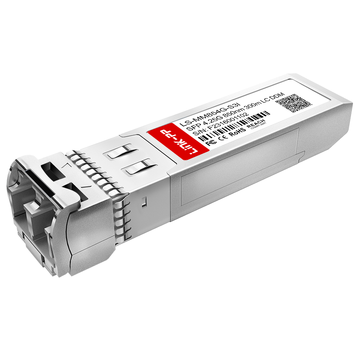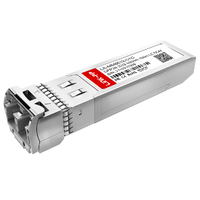






























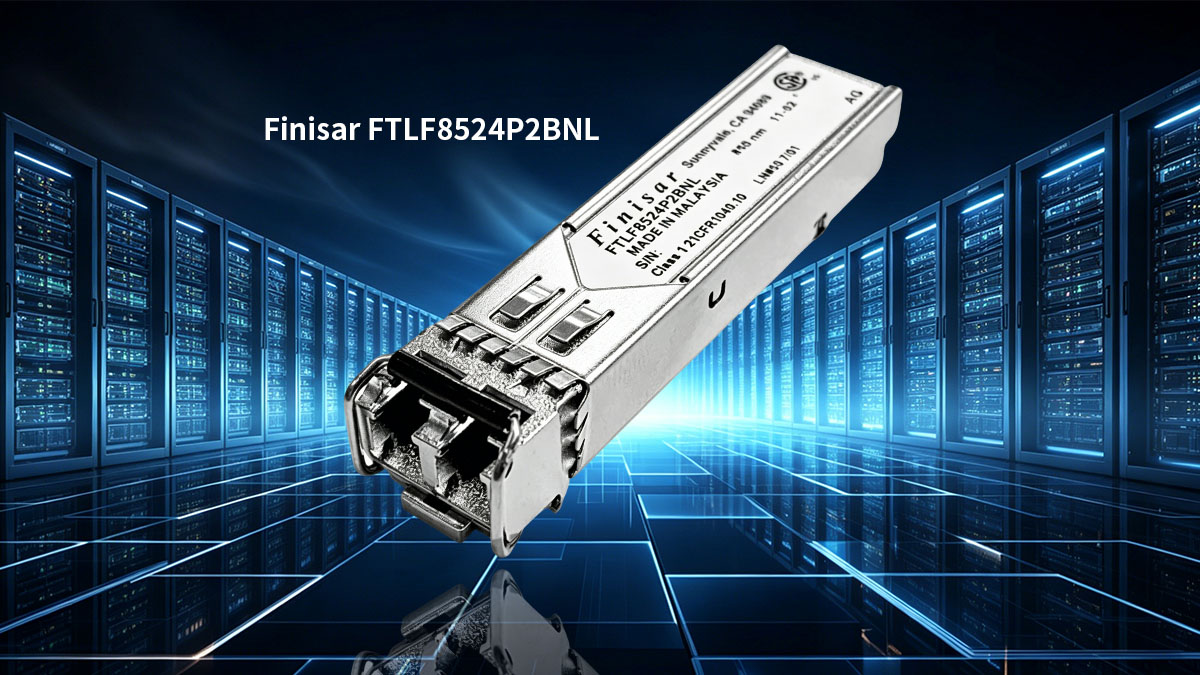
The Finisar FTLF8524P2BNL is a widely deployed 4.25Gbps Fibre Channel SFP transceiver used in storage and enterprise networking environments where stable short-reach optical connectivity is required. In practical deployments, it is typically selected for multimode fiber links in data centers, SAN infrastructures, and high-performance enterprise backbones, where reliability and predictable optical performance are critical.
In real-world sourcing scenarios, this module is often evaluated not only for its technical specifications but also for long-term availability and cost efficiency. As original equipment supply becomes more constrained over time, network operators increasingly face challenges in maintaining consistent procurement channels. This creates a strong demand for compatible and alternative optical transceivers that can deliver equivalent performance while improving sourcing flexibility.
For engineers, procurement teams, and network architects, the key concern is no longer limited to whether the module works, but whether it can be replaced seamlessly without impacting system stability. Factors such as compatibility with existing hardware, optical performance consistency, and vendor interoperability play a central role in decision-making.
This article provides a structured breakdown of the Finisar FTLF8524P2BNL ecosystem, with a focused view on sourcing alternatives. It explores technical requirements, evaluation criteria, and procurement considerations to help identify reliable replacement options suitable for modern network environments.
♻️ Understanding Finisar FTLF8524P2BNL in Modern Networks
The Finisar FTLF8524P2BNL is best understood as a legacy 4.25Gbps Fibre Channel SFP transceiver designed for short-reach multimode optical links. In modern networks, it continues to play a role in storage-centric environments where stable SAN connectivity and predictable optical performance are more important than raw transmission speed.
Before evaluating alternatives, it is important to clearly understand what this module is, how it performs technically, and where it is typically deployed. This foundation helps ensure that any replacement maintains full compatibility and network stability.
Core Specifications and Functional Role
The FTLF8524P2BNL operates as a standard short-wave fiber optic SFP module optimized for multimode fiber transmission. It is primarily used in Fibre Channel environments where consistent 4G-class performance is required over relatively short distances.
To clarify its key technical profile, the main specifications are summarized below:
| Parameter | Specification |
|---|---|
| Data Rate | 4.25Gbps Fibre Channel |
| Wavelength | 850nm |
| Fiber Type | Multimode Fiber (MMF) |
| Maximum Reach | Up to 500m (OM2 MMF) |
| Connector Type | LC Duplex |
| Form Factor | Hot-pluggable SFP |
This combination of specifications makes the module suitable for short-range, high-reliability optical links inside controlled data center environments.
Beyond raw specifications, its functional role is centered on enabling stable Fibre Channel communication between storage arrays, switches, and servers. It is not designed for long-haul transmission but for low-latency, high-integrity data movement within confined infrastructure zones.
Typical Deployment Scenarios
The FTLF8524P2BNL is commonly deployed in environments where storage performance and deterministic connectivity are critical. Its usage is especially concentrated in Fibre Channel-based storage networks.
In practical enterprise environments, it is typically found in the following scenarios:
- Storage Area Networks (SANs) connecting enterprise storage arrays and SAN switches
- Data center interconnects within the same facility requiring short-reach optical links
- Legacy Fibre Channel infrastructure supporting mission-critical applications
- Enterprise backup and replication systems relying on stable optical throughput
These deployments prioritize reliability over upgrade flexibility, meaning the module often remains in service for extended periods.
As a result, maintaining compatibility when replacing or sourcing alternatives becomes a key operational requirement, especially in environments where downtime is not acceptable.
Lifecycle Status and Market Availability
From a lifecycle perspective, the Finisar FTLF8524P2BNL is considered a mature or legacy optical transceiver. While still functional in existing infrastructures, its availability in the original supply chain is increasingly limited.
This situation is mainly driven by the natural transition of networking infrastructure toward higher-speed standards such as 8G, 16G, and beyond. As a result, production focus has shifted away from 4G-class Fibre Channel optics.
Key implications of its market status include:
- Reduced OEM availability due to product lifecycle progression
- Increasing dependence on secondary market channels
- Higher variability in pricing and lead times
- Growing relevance of third-party compatible transceivers
Despite these challenges, demand remains stable in legacy SAN environments where hardware refresh cycles are slow or constrained by operational requirements.
This creates a strong market for sourcing alternatives that can replicate the same optical behavior while offering better availability and procurement flexibility.
♻️ Why Consider Alternatives to Finisar FTLF8524P2BNL
The Finisar FTLF8524P2BNL remains functional in legacy Fibre Channel environments, but relying exclusively on the original module is increasingly impractical for many organizations. In modern procurement strategies, alternatives are considered not because the module is obsolete in performance, but because sourcing, cost control, and long-term maintainability have become more critical than ever.
Understanding why alternatives are needed helps clarify procurement decisions and ensures that replacement choices do not introduce risk into existing storage networks.
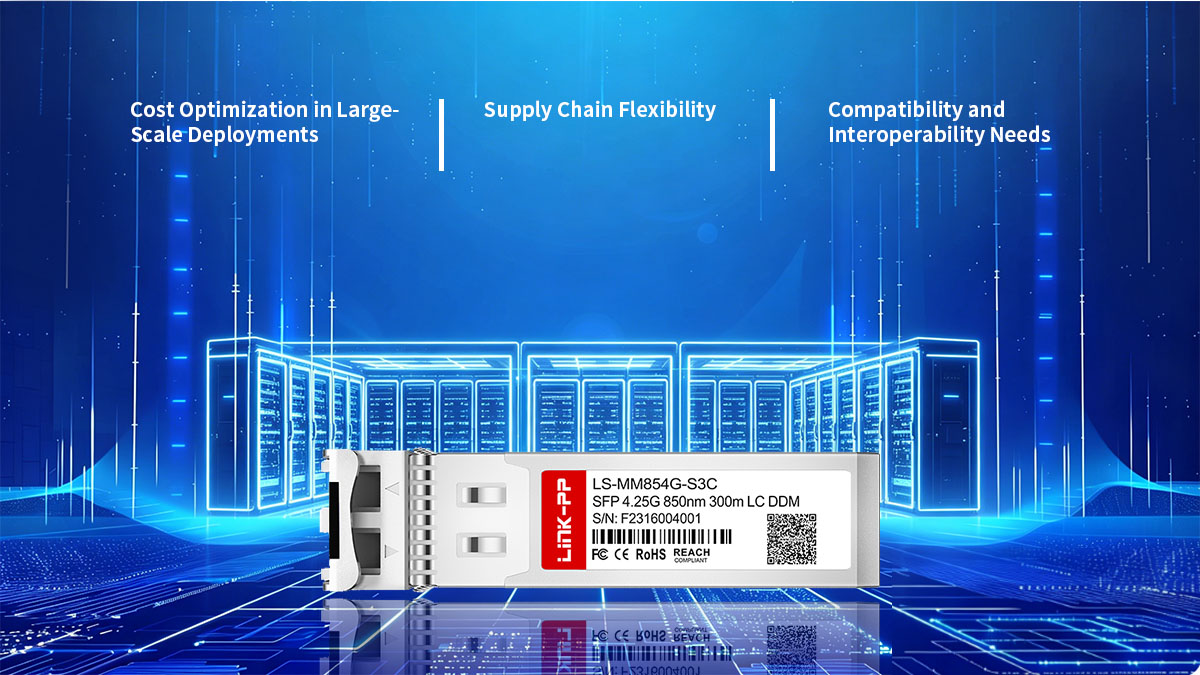
Cost Optimization in Large-Scale Deployments
In enterprise-scale environments, optical transceivers are often deployed in large quantities across storage and switching infrastructure. Even small unit price differences can translate into significant total cost variation.
A key reason organizations evaluate alternatives is to reduce procurement pressure while maintaining equivalent performance.
Typical cost-related considerations include:
- Large-scale SAN deployments requiring dozens or hundreds of modules
- Budget constraints in infrastructure refresh cycles
- High replacement frequency in expansion or maintenance operations
- Cost disparity between OEM original parts and compatible optics
While original modules often carry a premium due to branding and supply chain positioning, compatible alternatives are designed to deliver similar optical performance at a more predictable cost structure. This makes budgeting for long-term infrastructure maintenance significantly easier.
Supply Chain Flexibility
Supply availability is one of the most important drivers behind alternative sourcing decisions. As product lifecycles mature, original components may become harder to procure consistently.
To understand the operational impact, it is useful to look at how supply chain limitations affect procurement:
- Extended lead times for OEM modules due to reduced production focus
- Regional availability differences causing inconsistent inventory access
- Dependency on secondary distributors with fluctuating stock levels
- Risk of project delays caused by component shortages
Alternatives provide a way to stabilize procurement pipelines by expanding sourcing options beyond a single manufacturer. This flexibility is especially valuable in environments where downtime or delayed deployment directly impacts business operations.
Compatibility and Interoperability Needs
Modern data center environments rarely operate on a single-vendor architecture. Instead, mixed hardware ecosystems are common, combining switches, storage arrays, and networking equipment from multiple manufacturers.
In this context, relying solely on original modules can introduce unnecessary constraints.
Key interoperability challenges include:
- Vendor-specific compatibility restrictions in optical modules
- Hardware recognition issues across multi-vendor switches
- Operational inefficiencies caused by limited sourcing options
- Difficulty standardizing inventory across infrastructure teams
Alternatives designed with Multi-Source Agreement (MSA) compliance help eliminate these barriers. They are engineered to function across different networking platforms while maintaining consistent optical performance and protocol behavior.
This makes them especially suitable for organizations aiming to standardize optical infrastructure across heterogeneous environments without being locked into a single supplier ecosystem.
♻️ Key Technical Criteria When Evaluating Alternatives
Selecting a replacement for the Finisar FTLF8524P2BNL requires more than matching a product label or basic compatibility claim. In real network environments, the reliability of an alternative depends on whether it can replicate the same optical behavior under operational conditions. For this reason, evaluation must focus on measurable technical criteria rather than surface-level specifications alone.
The following sections outline the core technical dimensions used to assess whether an alternative is suitable for deployment in Fibre Channel systems.
Optical Performance Consistency
The most critical requirement for any alternative module is consistent optical performance that matches the original transceiver profile. Even minor deviations can affect link stability in storage networks.
Before listing key parameters, it is important to understand that optical consistency directly impacts error rates, link uptime, and long-term signal integrity.
Typical evaluation points include:
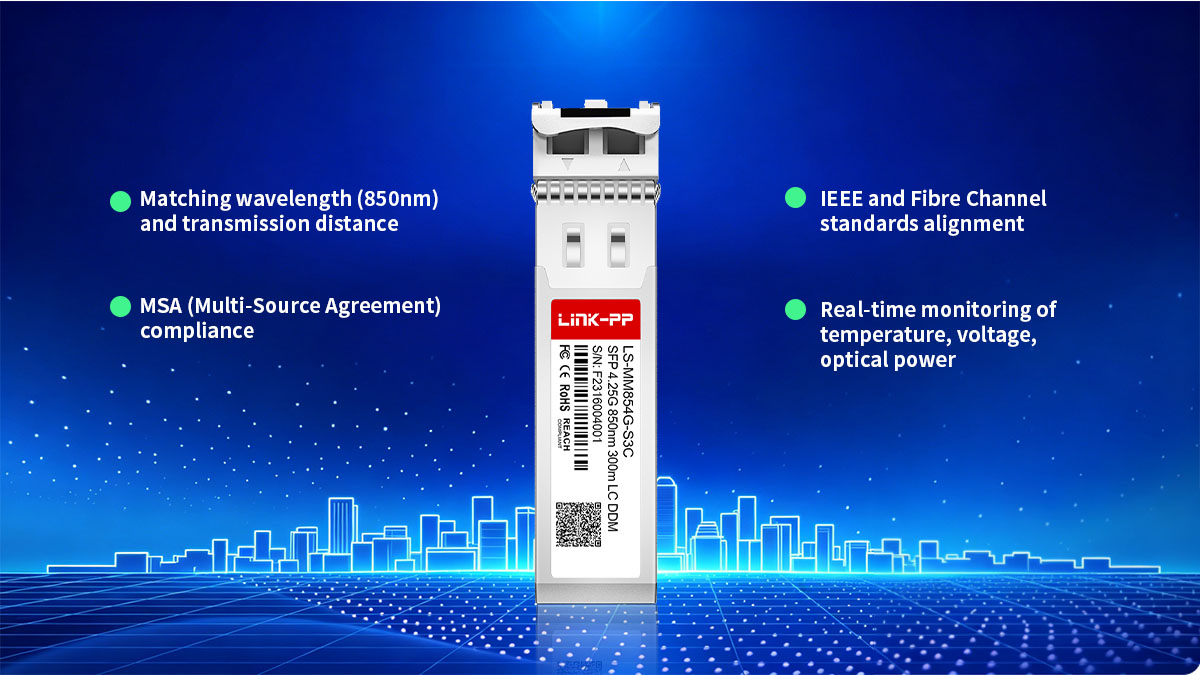
- Matching 850nm wavelength for multimode transmission compatibility
- Maintaining equivalent data rate support at 4.25Gbps Fibre Channel
- Ensuring stable optical power output within acceptable thresholds
- Preserving receiver sensitivity for reliable signal detection
- Supporting the same transmission distance (up to 500m on OM2 MMF)
These factors collectively determine whether a replacement module can operate transparently in an existing optical link without requiring infrastructure adjustments.
Compliance with Industry Standards
Standard compliance ensures that an alternative module behaves predictably across different networking environments. Without this alignment, even technically similar modules may fail under interoperability conditions.
A structured view of compliance considerations is shown below:
| Compliance Area | Importance in Deployment |
|---|---|
| MSA (Multi-Source Agreement) | Ensures physical and electrical interoperability |
| Fibre Channel Standards | Guarantees protocol-level compatibility |
| IEEE Optical Guidelines | Supports consistent transmission behavior |
Beyond these formal standards, adherence to widely accepted optical design rules ensures that modules can be safely used across multi-vendor systems without introducing instability.
In practice, compliance is what allows alternatives to function as drop-in replacements rather than requiring configuration changes.
Digital Diagnostics Monitoring (DDM) Support
Modern optical networks increasingly rely on real-time monitoring to maintain performance visibility. Digital Diagnostics Monitoring (DDM) is therefore a key feature when evaluating alternatives.
Before considering specific metrics, it is important to note that DDM provides operational insight into module health and helps prevent unexpected failures.
Key DDM parameters include:
- Transmit optical power monitoring
- Receive optical power tracking
- Temperature measurement of the module
- Voltage stability reporting
- Threshold-based alarm and warning indicators
Modules with full DDM support enable proactive maintenance strategies, allowing network teams to identify degradation trends before they lead to link failure. This is particularly important in storage networks where uptime is critical.
Compatibility Encoding and Vendor Recognition
Beyond optical performance, one of the most overlooked factors in alternative selection is how the module is recognized by network hardware. Many switches validate optical modules through internal EEPROM coding.
To ensure smooth deployment, alternatives must address the following aspects:
- Proper vendor-specific coding for switch recognition
- Compatibility with major networking platforms (Cisco, Brocade, HP, etc.)
- Prevention of port warnings or shutdown states
- Consistent identification across firmware versions
Without correct encoding, even technically compliant modules may be rejected or flagged by the host system, leading to operational disruption.
For this reason, compatibility coding is not just a configuration detail but a core technical requirement in alternative evaluation.
♻️ Types of Sourcing Alternatives Available
When replacing or supplementing the Finisar FTLF8524P2BNL, the market offers several categories of sourcing options. Each type differs in terms of cost structure, reliability expectations, and lifecycle predictability. Understanding these differences is essential for selecting an option that aligns with both technical requirements and operational risk tolerance.
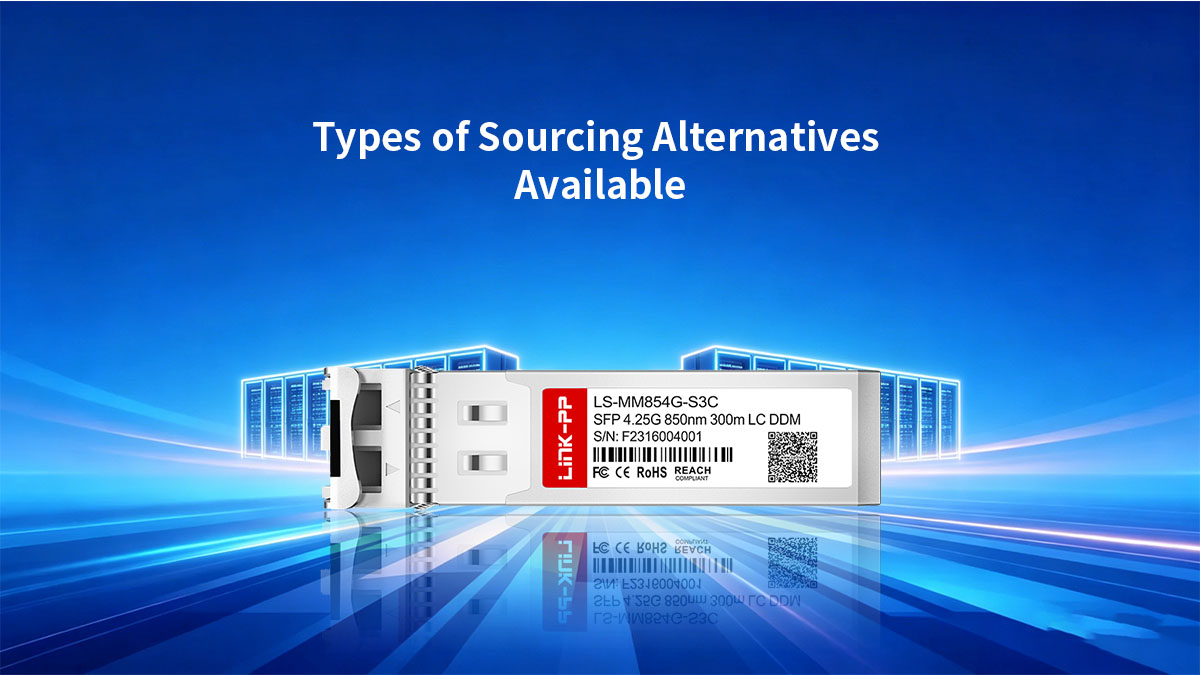
Before comparing specific categories, it is important to recognize that all alternatives must still meet the same baseline optical and protocol requirements to function correctly in Fibre Channel environments.
OEM-Compatible Third-Party Modules
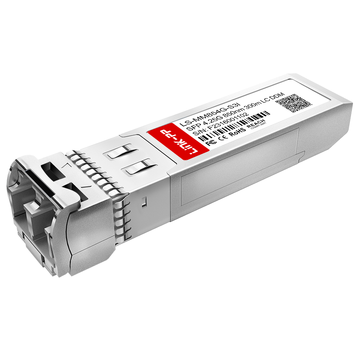
OEM-compatible third-party modules (such as LINK-PP LS-MM854G-S3I) are the most commonly used alternative in modern optical procurement strategies. These are newly manufactured transceivers designed to match the original Finisar specifications while offering broader availability and more flexible pricing.
From a practical deployment perspective, these modules are typically engineered to function as direct replacements in existing systems without requiring infrastructure modification.
Key characteristics include:
- Built to match original Finisar optical and electrical specifications
- Pre-tested for interoperability with major switch vendors
- Available with customized or vendor-specific coding options
- Designed for large-scale deployment consistency
- Typically supported with multi-year warranty coverage
These modules are widely used in enterprise environments because they provide a balance between performance reliability and procurement flexibility, especially in multi-vendor networks.
Refurbished or Recertified Modules
Refurbished or recertified modules represent another sourcing category, typically involving original Finisar units that have been recovered, tested, and revalidated for reuse.
Before evaluating their suitability, it is important to note that these modules can vary significantly in remaining lifespan depending on prior usage conditions.
Common characteristics include:
- Based on original Finisar hardware units
- Re-tested for basic optical performance compliance
- Often limited in remaining operational lifecycle
- Availability depends on secondary market supply
- Lower cost compared to both OEM and new compatible modules
While they can be a cost-effective option in non-critical environments, variability in wear history makes them less predictable for long-term infrastructure planning.
Cross-Vendor Equivalent Models
Cross-vendor equivalent models are transceivers manufactured by other optical vendors that provide similar functional performance to the Finisar FTLF8524P2BNL but are not necessarily direct replicas.
These modules are typically used in environments where system compatibility is broad and strict vendor matching is not required.
Key considerations include:
- Designed to meet equivalent Fibre Channel performance standards
- May differ in internal design or component sourcing
- Require validation for switch-level compatibility
- Often used in mixed-vendor infrastructure deployments
- Performance equivalence depends on manufacturer quality control
Unlike OEM-compatible modules, cross-vendor equivalents may require more rigorous testing before deployment to ensure stable integration into existing systems.
♻️ How to Identify Reliable Alternative Suppliers
Choosing a reliable supplier for alternatives to the Finisar FTLF8524P2BNL is a critical step in ensuring stable network performance. In practice, even technically compliant modules can fail to deliver expected results if the supplier lacks proper quality control, testing capability, or long-term support structure.
A reliable supplier is not defined only by price or availability, but by how consistently they can deliver validated, compatible optical modules that perform reliably in real-world deployments.
Certification and Quality Assurance
Supplier credibility is strongly tied to formal quality systems and testing standards. Before considering product specifications, it is important to verify whether the supplier follows structured manufacturing and inspection processes.
Key indicators of quality assurance typically include:
- ISO9001 certification for quality management systems
- Documented optical performance testing procedures
- Batch-level inspection and traceability systems
- Compliance validation against Fibre Channel and MSA standards
- Environmental and reliability stress testing processes
These certifications and processes ensure that alternative modules maintain consistent performance across production batches. In optical networking environments, this consistency is essential to avoid unpredictable link behavior after deployment.
A supplier without structured quality assurance introduces unnecessary risk, especially in storage networks where stability is non-negotiable.
Compatibility Testing Capabilities
Beyond manufacturing quality, a reliable supplier must demonstrate the ability to validate compatibility across real networking equipment. This is especially important when deploying alternatives to the Finisar FTLF8524P2BNL in multi-vendor environments.
A strong compatibility testing framework typically includes:
- In-house testing on major switch platforms (Cisco, Brocade, HP, etc.)
- Validation under real Fibre Channel traffic conditions
- Firmware-level compatibility checks with host devices
- Stress testing under temperature and load variations
- Pre-shipment verification for coding and EEPROM recognition
This level of testing ensures that modules function as true plug-and-play replacements rather than requiring manual configuration or troubleshooting after installation.
Without proper compatibility validation, even technically correct optics may trigger alarms, port restrictions, or unstable links.
Warranty and Technical Support
Reliable suppliers differentiate themselves through structured warranty policies and responsive technical support. These factors are especially important in enterprise environments where downtime directly affects operations.
Key support-related considerations include:
- Multi-year warranty coverage for optical modules
- Clear replacement or return policies in case of failure
- Availability of pre-sales technical consultation
- Post-deployment troubleshooting assistance
- Fast response times for enterprise support requests
A strong warranty policy reflects confidence in product stability, while responsive technical support ensures that deployment issues can be resolved quickly without impacting network availability.
Supply Stability and Inventory Depth
Even high-quality modules lose value if they cannot be sourced consistently over time. For alternatives to Finisar FTLF8524P2BNL, supply stability is a key procurement factor.
Important indicators of a stable supplier include:
- Consistent inventory availability for bulk orders
- Ability to support long-term procurement planning
- Global or regional distribution capabilities
- Reduced risk of sudden product discontinuation
- Scalable supply chain for enterprise deployments
Stable inventory ensures that network expansion and maintenance activities can proceed without delays caused by component shortages. This is particularly important in environments with large installed bases or phased infrastructure upgrades.
♻️ Common Pitfalls When Sourcing Alternatives
When sourcing alternatives for the Finisar FTLF8524P2BNL, many procurement and engineering teams focus heavily on cost or basic specification matching. However, in real deployments, failures often come from overlooked details rather than obvious technical mismatches. Understanding these pitfalls helps prevent network instability, unexpected downtime, and long-term operational inefficiencies.
Below are the most common issues encountered when selecting alternative optical transceivers.
Inconsistent Performance Across Batches
One of the most frequently underestimated risks is performance variation between production batches of optical modules. Even when specifications appear identical on paper, real-world behavior can differ if manufacturing consistency is not tightly controlled.
Key symptoms of this issue include:
- Fluctuating optical power levels between modules
- Intermittent link drops under load conditions
- Increased bit error rates in long-term operation
- Inconsistent temperature performance across batches
These variations are often caused by differences in component sourcing, assembly quality, or insufficient factory-level calibration. In Fibre Channel environments, even small deviations can impact storage reliability and data integrity.
Lack of Proper Compatibility Coding
Another major issue arises when modules are not correctly encoded for the target hardware platform. Many switches perform validation checks before accepting optical transceivers, and incorrect EEPROM coding can trigger system warnings or disable ports.
Typical problems include:
- “Unsupported transceiver” alerts on switch interfaces
- Ports remaining in a down or error-disabled state
- Inability to recognize module vendor identity
- Firmware compatibility conflicts after system upgrades
This issue is particularly relevant in environments using strict vendor ecosystems. Even if optical performance is correct, improper coding can prevent the module from functioning entirely.
Overlooking Long-Term Reliability
Short-term functionality is often misleading when evaluating alternatives. A module may pass initial testing but still fail prematurely under continuous operational load.
Common long-term reliability risks include:
- Degradation of laser performance over time
- Reduced signal stability after extended high-temperature operation
- Inconsistent behavior under continuous traffic loads
- Lack of burn-in testing before deployment
In storage networks where uptime is critical, premature failure can lead to costly troubleshooting and service interruptions. This makes lifecycle testing and environmental stress validation essential parts of supplier evaluation.
Insufficient Supplier Validation
Beyond product-level issues, supplier credibility itself is often overlooked. Choosing a supplier without proper validation processes can introduce hidden risks that only become visible after deployment.
Warning signs include:
- Lack of documented testing procedures
- No clear warranty or replacement policy
- Limited transparency in manufacturing sources
- Absence of compatibility testing reports
- Inconsistent communication during procurement cycles
Without supplier validation, even technically correct modules may fail to meet enterprise operational expectations, especially in multi-site or large-scale deployments.
♻️ Best Practices for Deploying Alternatives
Deploying alternatives to the Finisar FTLF8524P2BNL is not only a procurement decision but also an operational process that directly affects network stability. Even high-quality compatible modules can underperform if they are introduced without proper validation and deployment discipline. A structured deployment approach helps minimize risk and ensures seamless integration into existing Fibre Channel environments.

The following best practices focus on reducing disruption while maximizing performance consistency across the network.
Pre-Deployment Testing
Before introducing any alternative module into a live environment, controlled testing is essential. This step ensures that the module behaves as expected under real operating conditions and is fully compatible with existing infrastructure.
Key testing activities typically include:
- Validation of optical power levels under lab conditions
- Compatibility checks with target switches and storage devices
- Link stability testing under sustained traffic loads
- Temperature and environmental stress simulation
- Verification of DDM telemetry accuracy (if supported)
Pre-deployment testing helps identify issues such as coding mismatches, signal instability, or unexpected hardware alerts before they impact production systems. In Fibre Channel networks, this step significantly reduces the risk of downtime during rollout.
Gradual Network Integration Strategy
A phased deployment approach is often the most effective way to introduce alternative transceivers into a stable environment. Instead of replacing all modules at once, gradual integration allows performance to be monitored and validated over time.
A structured rollout strategy may include:
- Replacing modules in non-critical links first
- Monitoring error rates and link stability during initial phases
- Expanding deployment across core infrastructure after validation
- Maintaining a small pool of original modules as fallback options
- Documenting performance behavior at each stage
This method reduces operational risk by ensuring that any unexpected behavior is isolated early, without affecting the entire network infrastructure.
Documentation and Asset Tracking
Proper documentation is often overlooked but plays a crucial role in maintaining long-term network reliability. When using alternatives to Finisar FTLF8524P2BNL, tracking module origin, specifications, and deployment history is essential for troubleshooting and future upgrades.
Important documentation practices include:
- Recording supplier information for each module batch
- Logging serial numbers and installation locations
- Tracking firmware or coding versions used in deployment
- Maintaining compatibility notes for different switch platforms
- Documenting replacement cycles and failure incidents
This level of traceability allows network teams to quickly identify patterns in performance issues and make informed decisions during future procurement cycles.
Ongoing Monitoring and Performance Validation
Even after successful deployment, continuous monitoring is necessary to ensure long-term stability. Optical modules operate under varying environmental and traffic conditions, which can impact performance over time.
Recommended monitoring practices include:
- Regular review of DDM parameters such as temperature and optical power
- Tracking error rates and retransmission patterns
- Setting threshold-based alerts for early failure detection
- Periodic validation of link stability under peak traffic
- Comparing performance metrics across different module batches
Continuous monitoring ensures that any degradation in performance is detected early, allowing proactive maintenance before service impact occurs.
♻️ Future Trends in Fibre Channel Transceiver Sourcing
The sourcing landscape for Fibre Channel transceivers, including replacements for the Finisar FTLF8524P2BNL, is evolving as enterprise networks transition toward higher speeds, more diverse vendors, and tighter operational efficiency requirements. While 4G Fibre Channel modules still serve legacy environments, procurement strategies are increasingly shaped by long-term scalability, supply chain resilience, and interoperability flexibility.
Understanding these trends helps organizations make forward-compatible sourcing decisions rather than purely reactive replacements.
Shift Toward Vendor-Neutral Procurement
A major trend in optical transceiver sourcing is the gradual move away from single-vendor dependency toward vendor-neutral procurement strategies. This shift is driven by the need to reduce cost pressure and increase flexibility in large-scale deployments.
Key developments in this direction include:
- Increased acceptance of MSA-compliant third-party optics
- Standardization of optical interfaces across multi-vendor environments
- Reduced reliance on OEM-branded transceivers for compatibility assurance
- Procurement policies prioritizing interoperability over brand alignment
This trend allows organizations to decouple hardware performance from vendor constraints, making alternatives to legacy modules more widely accepted in production environments.
Evolution Toward Higher-Speed Fibre Channel Standards
Another significant trend shaping sourcing decisions is the ongoing transition from legacy 4G Fibre Channel modules like the FTLF8524P2BNL toward higher-speed generations.
This evolution typically follows a structured upgrade path:
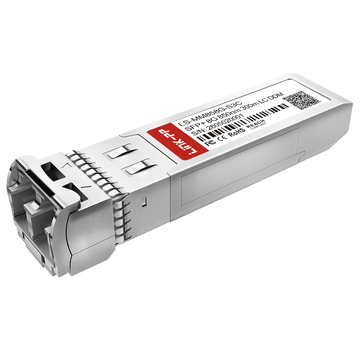
- Migration from 4G to 8G Fibre Channel (such as DS-SFP-FC8G-SW) in mid-tier environments
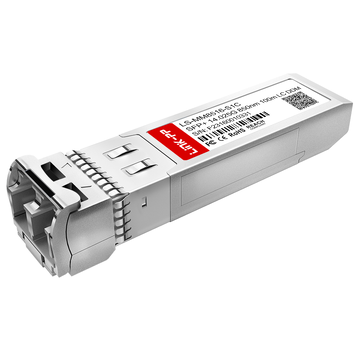
- Adoption of 16G Fibre Channel (such as DS-SFP-FC16G-SW) in high-performance storage networks
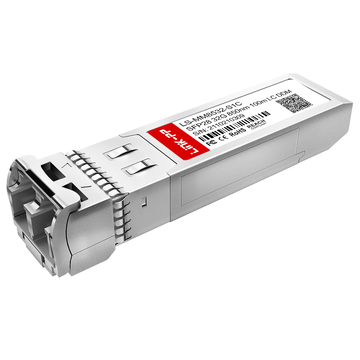
- Expansion toward 32G (such as DS-SFP-FC32G-SW) and higher in modern data center architectures
- Gradual phase-out of legacy optics in new deployments
As a result, demand for 4G-class modules is increasingly concentrated in maintenance, expansion of existing infrastructure, and compatibility-driven environments rather than new builds.
This shift also influences alternative sourcing strategies, as suppliers balance legacy support with next-generation product development.
Growing Importance of Supply Chain Resilience
Supply chain stability has become a defining factor in optical transceiver sourcing decisions. Events affecting global logistics and semiconductor availability have highlighted the risks of relying on limited procurement channels.
Key trends in this area include:
- Diversification of supplier networks across multiple regions
- Increased use of secondary manufacturing partners
- Strategic inventory buffering for critical network components
- Greater transparency in component sourcing and testing
- Emphasis on long-term availability commitments from suppliers
For organizations maintaining legacy Fibre Channel systems, supply chain resilience is often as important as technical compatibility. Reliable access to replacement modules ensures continuity of operations and reduces the risk of extended downtime.
♻️ Conclusion
The Finisar FTLF8524P2BNL remains an important component in many legacy Fibre Channel environments, but its long-term sourcing challenges have made alternative evaluation a practical necessity rather than an optional consideration. Across modern enterprise networks, the ability to maintain stable optical performance while improving procurement flexibility has become a key operational priority.
From a broader perspective, selecting suitable alternatives is not just about replacing a transceiver—it is about ensuring continuity, compatibility, and predictable network behavior in environments where downtime is costly.
To summarize the essential insights covered in this article:
- The Finisar FTLF8524P2BNL is widely used in 4.25Gbps Fibre Channel SAN and data center environments
- Alternative sourcing is driven by cost efficiency, supply availability, and multi-vendor interoperability needs
- Technical evaluation must focus on optical performance, standards compliance, DDM support, and compatibility coding
- Reliable alternatives typically fall into OEM-compatible, refurbished, and cross-vendor categories
- Supplier quality, testing capability, and inventory stability are critical to deployment success
- Proper deployment practices significantly reduce operational risk and improve long-term stability
- The industry is gradually shifting toward vendor-neutral procurement and higher-speed Fibre Channel standards
Looking forward, Fibre Channel transceiver sourcing will continue to evolve toward more flexible and resilient supply models. Organizations maintaining legacy infrastructures will increasingly rely on validated third-party alternatives to balance performance requirements with cost and availability constraints.
In this context, working with a technically capable and quality-focused supplier becomes essential. Platforms such as LINK-PP Official Store provide a structured sourcing channel for compatible optical transceivers designed to meet enterprise-grade compatibility and performance expectations, supporting both legacy systems and ongoing infrastructure expansion.