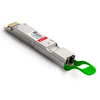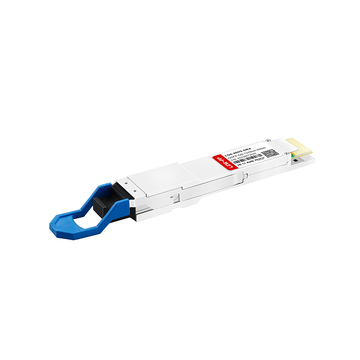
In today’s data-heavy world, data centers are constantly looking for ways to maximize network performance without breaking the budget. For high-density, short-distance connections within the same rack, QFX SFP 10GE USR optics transceivers have emerged as a go-to solution. These ultra-short reach transceivers deliver reliable 10Gbps speeds while drastically cutting hardware costs compared to standard long-distance alternatives.
Understanding the pricing and long-term value of these modules is key to optimizing your data center’s capital expenses (CapEx). This guide will break down the core drivers of QFX SFP 10GE USR market rates, compare original equipment vs. high-quality third-party options, and share smart procurement strategies to help you get the best return on investment.
? Understanding QFX SFP 10GE USR Optics Basics
Building an efficient data center network requires a solid grasp of the core hardware components driving your connectivity. Getting familiar with the foundational technology behind QFX SFP 10GE USR modules makes it much easier to plan layouts and accurately evaluate your budgeting needs. Exploring these optical basics reveals how tailored hardware can optimize both network performance and infrastructure spending.
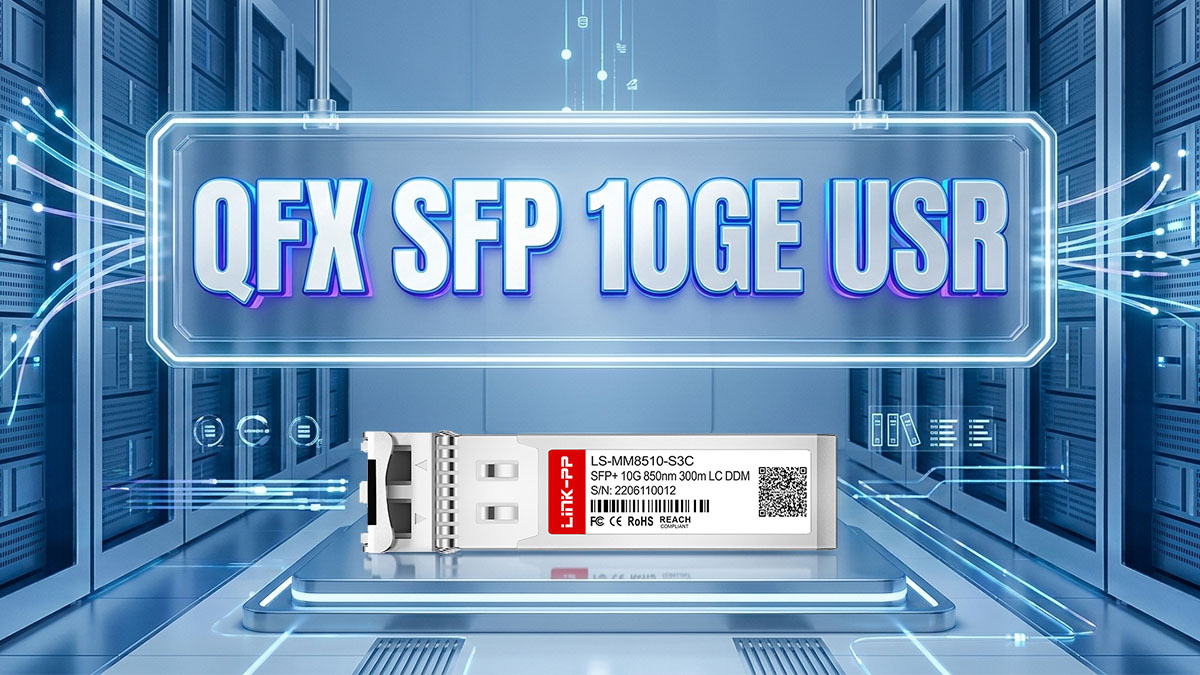
What Is Ultra-Short Reach (USR) Fiber Technology?
Ultra-Short Reach (USR) fiber technology is specifically engineered for high-speed data transmissions over very limited distances, typically within a single server rack or between adjacent cabinets. By optimizing the internal laser components for shorter spans, it fills a crucial gap where longer-distance, more expensive optics simply aren't necessary.
This localized approach allows network architects to maintain robust 10Gbps speeds while avoiding the high costs associated with standard short-reach or long-reach hardware. It provides a practical, streamlined alternative that delivers exactly the right amount of power for intra-rack data center patching.
Key Technical Specifications for QFX SFP 10GE USR
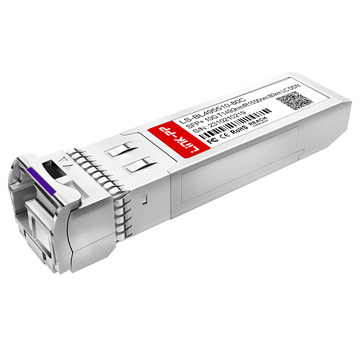
Deploying these QFX SFP 10GE USR transceiver modules successfully depends heavily on understanding their specific physical limits and operational requirements. The essential performance data and multi-mode fiber distance limitations for these transceivers are outlined below:
| Parameter |
Specification |
| Data Rate |
10Gbps |
| Wavelength |
850nm |
| Transceiver Form Factor |
SFP+ |
| Connector Type |
Duplex LC |
| Cable Type |
Multimode Fiber (MMF) |
| Transmission Distance |
10m on OM1 / 20m on OM2 / 100m on OM3 |
| Transmitter Type |
VCSEL 850nm |
| Receiver Type |
PIN Photodetector |
| Power Consumption |
0.5W |
| Operating Temperature Range |
0°C to 70°C (32°F to 158°F) |
These detailed specifications highlight how the modules leverage lower laser power to achieve high efficiency over common multi-mode cabling infrastructure. By operating within these exact boundaries, network teams can support dense 10-Gigabit architectures without overloading their power grids, cooling systems, or switch software.
Why USR Transceivers Are Inherently Cost-Effective
The cost savings of USR transceivers stem directly from their simplified internal engineering. Standard 10G LR optical transceivers rely on complex, high-power lasers designed to push light across tens of kilometers of fiber cabling. Because USR modules only need to cover distances up to 100m, they can use much simpler, less expensive internal components.
Additionally, manufacturing these simplified internal components yields higher production success rates, which naturally drives down the per-unit factory cost. These lower production costs are passed directly to the buyer, making them an ideal choice for large-scale deployments.
Compatibility and Form Factors Explained
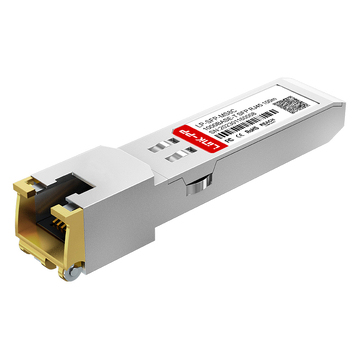
The QFX SFP 10GE USR utilizes the industry-standard Small Form-factor Pluggable Plus (SFP+) design, ensuring a compact physical size that maximizes port density on enterprise hardware. It is specifically programmed to work seamlessly with Juniper QFX series switches, ensuring instant recognition and optimal performance upon installation.
Because it follows standard plug-and-play form factors, network administrators can easily mix and match these modules across compatible infrastructure without worrying about physical fit or software locks. This universal design approach simplifies both the initial network deployment and any necessary hardware replacements down the line.
? Core Drivers of QFX SFP 10GE USR Pricing
Navigating the market for QFX SFP 10GE USR optical transceivers requires a clear understanding of the various factors that influence their final price tag. While the raw technology remains consistent, external market forces, brand positioning, and purchasing strategies can significantly alter procurement costs. Examining these underlying financial drivers allows organizations to make smarter, more predictable budgeting decisions for their network upgrades.
OEM vs. Third-Party Compatible Market Rates
Original Equipment Manufacturer (OEM) modules from major brand names traditionally come with a premium price tag, largely due to brand tax and bundled ecosystem pricing. Buyers often pay significantly more for the official label, even though the internal optical components are frequently identical to those found elsewhere.
In contrast, high-quality third-party compatible optics offer the exact same performance and compatibility at a fraction of the cost. This vast price gap makes third-party alternatives highly attractive for data centers looking to stretch their budgets without sacrificing network reliability.
How Supply Chain Dynamics Affect Unit Costs
The market price of optical transceivers is constantly influenced by global supply chain conditions, chip shortages, and raw material availability. When manufacturing bottlenecks occur or semiconductor costs rise, the per-unit price of these modules can temporarily spike.
Conversely, as manufacturing processes mature and global distribution channels stabilize, high production yields tend to push prices downward. Staying informed about these global logistics shifts helps procurement teams time their purchases for maximum cost savings.
Volume Discounts and Bulk Procurement Advantages
Purchasing optics in bulk remains one of the most effective ways to drive down the unit cost of a network deployment. Vendors and distributors are highly incentivized to offer aggressive tier-based discounts when fulfilling large-scale orders.
For large data centers or enterprise rollouts, buying in volume drastically lowers the average cost per port. Even smaller organizations can benefit by bundling their long-term hardware needs into a single, comprehensive purchase order rather than buying piecemeal.
The Impact of Warranty and Support Packages on Price
The initial purchase price of a transceiver is often tied to the length and depth of the warranty package included by the vendor. Basic warranties keep upfront costs low but may expose the buyer to higher replacement expenses if hardware fails down the road.
Opting for extended warranties, advanced hardware replacement, or dedicated technical support agreements will naturally increase the initial acquisition cost. Balancing these upfront support premiums against your organization’s risk tolerance is essential for finding the right price point.
? How QFX SFP 10GE USR Reduces Data Center CapEx
Managing Capital Expenditure (CapEx) is a top priority for network architects aiming to build scalable, high-performance data environments. Strategic hardware selection allows facilities to dramatically lower upfront deployment costs while maintaining total network integrity. Utilizing highly targeted optical solutions provides a direct pathway to minimizing initial infrastructure investments without sacrificing speed.
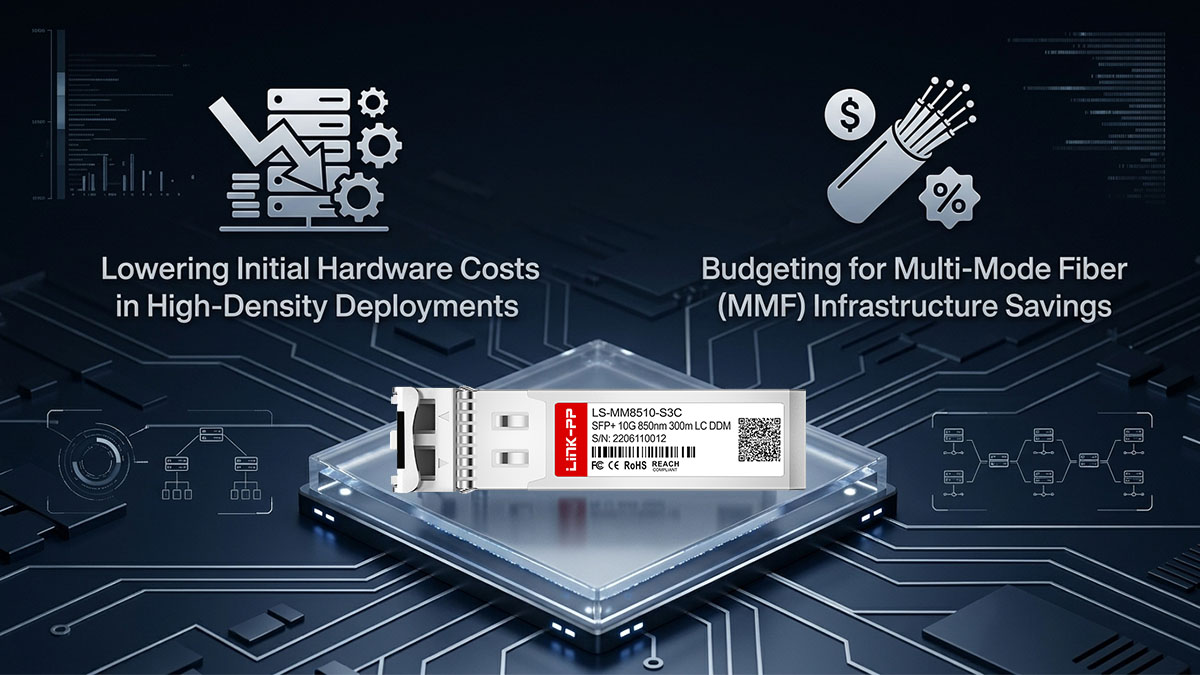
Lowering Initial Hardware Costs in High-Density Deployments
High-density network environments require hundreds, or even thousands, of active port connections across server racks. Populating these dense switch fabrics with standard transceivers can quickly drain an organization's hardware budget.
Choosing the QFX SFP 10GE USR allows data centers to significantly lower the upfront cost per port. These substantial savings accumulate rapidly across large-scale deployments, freeing up valuable capital for other critical infrastructure needs.
Comparing USR Prices Against SR (Short Reach) Alternatives
While standard Short Reach 10GBASE-SR SFP transceiver modules are highly popular, they are engineered to cover distances up to 300m, which is often excessive for simple intra-rack patching. This extra distance capability requires more complex internal components, making SR modules naturally more expensive.
Opting for Ultra-Short Reach (USR) alternatives cuts out the unnecessary expense of overpowered lasers designed for long spans. For connections that only need to travel a few meters, USR modules provide the exact same 10Gbps performance at a noticeably lower market price.
Budgeting for Multi-Mode Fiber (MMF) Infrastructure Savings
The overall cost of a network rollout is heavily tied to the type of physical cabling laid throughout the facility. Single-mode fiber infrastructure is notoriously expensive to purchase, install, and terminate compared to flexible multi-mode alternatives.
The QFX SFP 10GE USR is specifically optimized to work with cost-effective Multi-Mode Fiber (MMF) patches like OM3 cabling. This compatibility allows engineering teams to keep both the optical hardware budget and the underlying structured cabling expenses exceptionally low.
Eliminating the Need for Costly Long-Distance Optics
A common financial mistake in data center design is over-specifying hardware and purchasing long-distance optics like the 10GBASE-LR SFP for short-range tasks. Using intermediate or long-reach modules for connections inside a single cabinet wastes precious budget on unnecessary laser power.
Integrating USR transceivers into your architecture creates a clear boundary between short-range and long-range hardware. This targeted deployment strategy ensures that expensive, long-distance optics are reserved strictly for cross-facility runs where they are actually needed.
? Evaluating QFX SFP 10GE USR Total Cost of Ownership (TCO)
Measuring the true value of network hardware requires looking far beyond the initial purchase price to consider long-term operating expenses. Total Cost of Ownership (TCO) encompasses everything from daily energy consumption to the potential financial impacts of hardware maintenance over time. Analyzing these ongoing variables ensures that your optical infrastructure remains financially sustainable throughout its entire operational lifecycle.
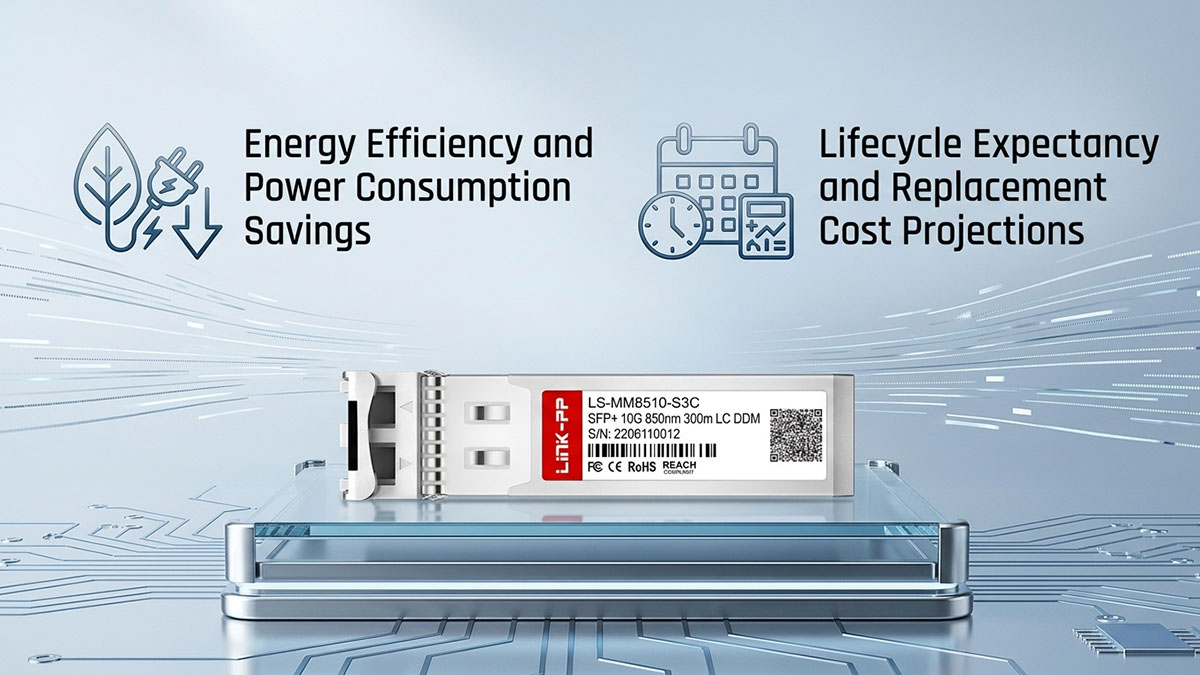
Energy Efficiency and Power Consumption Savings
Data centers consume massive amounts of electricity, making power efficiency a vital metric for modern IT budgeting. Because the QFX SFP 10GE USR operates at a remarkably low 0.5 Watts per module, it significantly reduces the overall electrical draw on switch chassis.
Over hundreds of active ports, this minimal power requirement translates into substantial, compounding utility savings. Additionally, lower power consumption means less heat dissipation, directly reducing the cooling and air conditioning demands of your server room.
Lifecycle Expectancy and Replacement Cost Projections
High-quality USR transceivers are built to last, boasting an impressive Mean Time Between Failures (MTBF) that matches or exceeds standard short-reach alternatives. Their simplified internal design contains fewer complex parts, which naturally minimizes the risk of early hardware degradation.
Planning for an extended lifecycle allows IT teams to project highly predictable, low replacement costs over a five-to-ten-year horizon. This durability keeps long-term hardware replenishment costs to an absolute minimum, safeguarding your initial investment.
Maintenance and Network Downtime Financial Impacts
Unscheduled network downtime can quickly result in severe financial losses, damaged customer trust, and missed service level agreements. Choosing stable, fully compatible optics prevents the random port dropouts and software conflicts that frequently plague unverified hardware.
Investing in reliable modules means your network engineering team spends less time troubleshooting physical layers and performing emergency hot-swaps. This operational stability keeps maintenance workflows smooth and prevents costly disruptions to day-to-day business operations.
Maximizing ROI on Intra-Rack Connections
Intra-rack patching accounts for a massive percentage of total data center connections, making it the prime target for maximizing return on investment (ROI). Using overpriced, long-range optics for these short physical jumps represents an inefficient use of corporate capital.
By deploying the QFX SFP 10GE USR exactly where it is designed to shine, you achieve maximum performance at the lowest possible cost per link. This targeted approach ensures that your hardware budget is utilized efficiently, accelerating your timeline to a full return on investment.
? Procurement Strategies for QFX SFP 10GE USR Optics
Sourcing networking components requires a strategic approach to balance upfront acquisition costs with long-term hardware reliability. Establishing a clear framework for vendor vetting and inventory planning ensures that your deployment moves forward smoothly without unexpected delays. Implementing smart purchasing practices allows organizations to secure top-tier components while maximizing their overall budget efficiency.
Sourcing Reliable Third-Party Compatible Optics Safely
Navigating the third-party market requires careful selection to avoid low-quality counterfeits that risk damaging your switch ports. It is essential to partner with established suppliers who have a proven track record of designing hardware specifically for Juniper ecosystems.
Reputable third-party vendors utilize top-grade lasers and EEPROM coding to ensure that the host switch reads the module correctly. Sourcing from these trusted brands allows you to capture deep discounts while maintaining the exact same reliability as OEM hardware.
Key Questions to Ask Vendors Before Placing an Order
Before finalizing any purchase agreement, procurement teams must interview potential vendors to verify their support capabilities. Asking specific questions about EEPROM compatibility, firmware update handling, and batch consistency helps filter out unreliable suppliers.
Additionally, it is crucial to clarify their return policies and find out whether they offer advanced hardware replacement if a module fails. Gathering these details upfront protects your budget and ensures that you receive proper technical support after the sale.
Vetting Supplier Certifications and Testing Processes
A dependable supplier should always provide transparent proof of their quality control standards and manufacturing certifications. Look for vendors whose facilities strictly adhere to recognized global standards such as ISO 9001, CE, FCC, and RoHS compliance.
Furthermore, the best suppliers perform rigorous, real-switch testing on actual Juniper QFX hardware rather than relying on generic software simulators. This thorough vetting process guarantees that every shipped module arrives fully functional and ready to handle live data traffic.
Managing Lead Times and Inventory Planning
Global shipping patterns and component availability can fluctuate unexpectedly, making proactive inventory management a vital necessity. Ordering your modules well in advance of major network expansions prevents costly project bottlenecks and installation delays.
Maintaining a small, on-site inventory of spare compatible transceivers is also a highly recommended practice for seamless emergency replacements. This balanced planning approach keeps your deployment timeline on schedule while providing an immediate buffer against sudden supply chain disruptions.
? Budgeting for QFX SFP 10GE USR Deployment Scales
Accurate financial planning for network upgrades depends heavily on the specific size and architectural scale of your deployment. A budgeting strategy that works perfectly for a small localized setup will look completely different from one designed for a massive distributed data center network. Evaluating how QFX SFP 10GE USR pricing dynamics change across different infrastructure sizes helps financial officers and engineering teams project exact procurement costs.
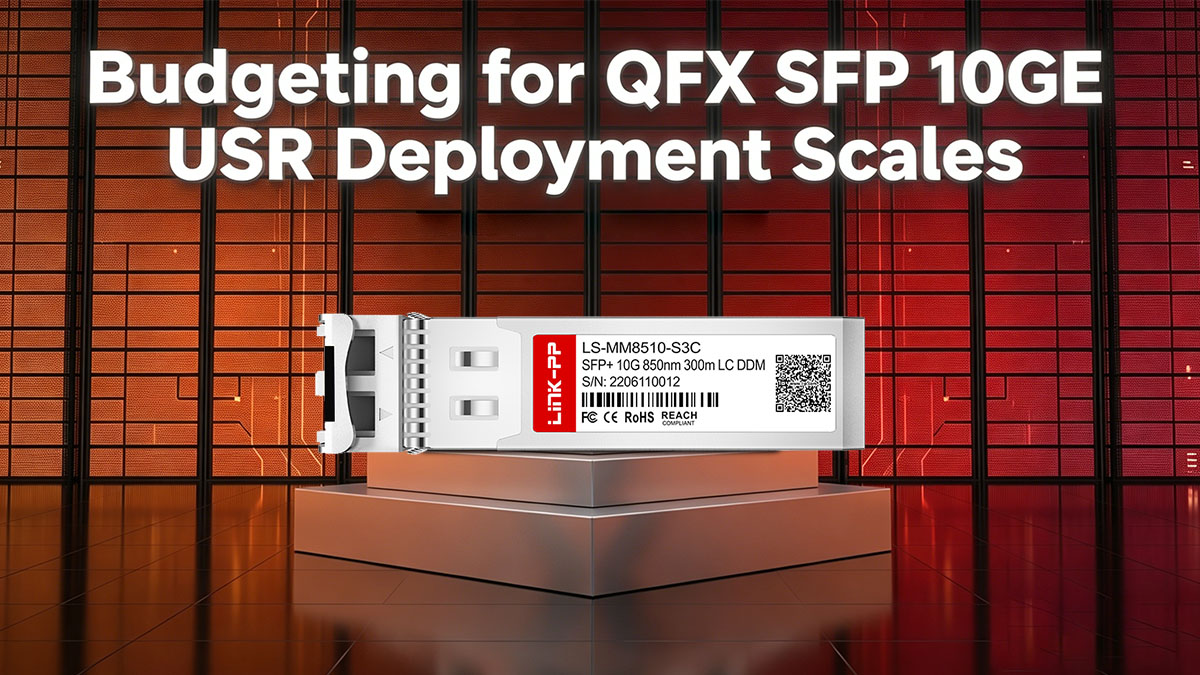
Small to Medium Enterprise (SME) Pricing Models
Small to medium enterprises usually operate with limited IT budgets and smaller server footprints, often managing just a few switches. For these organizations, financial planning focuses on minimizing immediate out-of-pocket expenses while ensuring reliable 10G connectivity. When budgeting for an SME scale, several localized pricing factors must be carefully weighed:
- Higher per-unit retail costs: Purchasing in small quantities means missing out on bulk discounts, which raises the individual module price.
- Lower total upfront investment: Because fewer total switch ports need to be populated, the overall project cost remains easily manageable.
- Minimal sparing overhead: A very small budget is required for backups, as keeping just two or three spare modules on hand is enough to secure the network.
SMEs can maximize their financial efficiency by avoiding overpriced OEM components. Turning to reliable third-party QFX SFP 10GE USR transceiver options allows smaller businesses to stretch their IT dollars further, unlocking premium 10-Gigabit performance without overspending.
Large Scale Enterprise and Multi-Rack Budget Estimations
Large enterprise networks span across multiple equipment racks, requiring structured planning for hundreds of simultaneous optical connections. At this level of infrastructure complexity, even small price differences per transceiver can heavily impact the total project budget. Managing a large-scale rollout involves tracking several key cost variables:
- Tiered volume price breaks: Scaling up the order size allows procurement teams to unlock aggressive supplier discounts that lower the average unit price.
- Aggregated hardware savings: Swapping out standard short-reach modules for USR optics across hundreds of ports creates massive, compounding upfront savings.
- Structured cabling coordination: Budgeting at this multi-rack scale requires aligning the transceiver purchase with bulk quantities of OM3 multi-mode fiber patch cords to link adjacent cabinets efficiently.
Integrating these short-reach transceivers into multi-rack architectures creates an ideal balance between performance and cost. It allows large IT departments to achieve dense, high-speed data cross-connects while keeping overall infrastructure expenditures well under control.
Hyperscale Data Center Architecture Cost Efficiencies
Hyperscale facilities operate on a massive scale, managing thousands of active server ports across sprawling server halls. For these massive cloud providers, procurement strategies focus entirely on driving down unit costs through extreme volume purchasing. Budgeting at a hyperscale level introduces unique financial dynamics:
- Direct factory sourcing rates: Bypassing traditional retail channels allows hyperscalers to negotiate razor-thin profit margins directly with manufacturers.
- Massive capital expenditure reduction: Saving even a small amount per transceiver results in hundreds of thousands of dollars saved across the entire facility fabric.
- Customized contract pricing: Immense order volumes give procurement teams the leverage to demand highly personalized pricing structures and flexible shipping schedules.
By choosing these ultra-short reach modules for all standard intra-rack patches, hyperscalers eliminate a massive amount of unnecessary hardware spend. The resulting capital savings can be directly reinvested into expanding core compute capabilities and improving overall facility automation.
Allocating Budget for Testing Equipment and Spares
A complete and realistic optical budget must account for ongoing maintenance tools and emergency backup hardware alongside the primary purchase. Failing to set aside funds for operational support can lead to prolonged network downtime if an unexpected connection failure occurs. A comprehensive deployment budget should always include the following allocations:
- On-site replacement hardware pools: Setting aside roughly 5% to 10% of the total order volume for dedicated spares ensures instant emergency replacements.
- Optical transceiver diagnostic tools: Allocating funds for handheld optical power meters helps engineering teams troubleshoot signal drops and verify link integrity quickly.
- Fiber cleaning kits: Dirt and dust are leading causes of optical failure, making proper cleaning tools a vital, cost-saving investment for the deployment team.
Allocating a small percentage of your initial budget to these support items prevents expensive emergency shipping fees down the road. It ensures that your data center operations team has all the necessary tools on hand to maintain peak network performance.
? Final Checklist for Buying QFX SFP 10GE USR Transceivers
Before finalizing a purchase order and releasing corporate funds, going through a comprehensive pre-purchase review is essential. Double-checking compatibility, pricing terms, and deployment schedules prevents unexpected technical or financial hurdles during the rollout phase. Following a structured verification process guarantees that your optical hardware investment aligns perfectly with your data center's immediate operational needs.
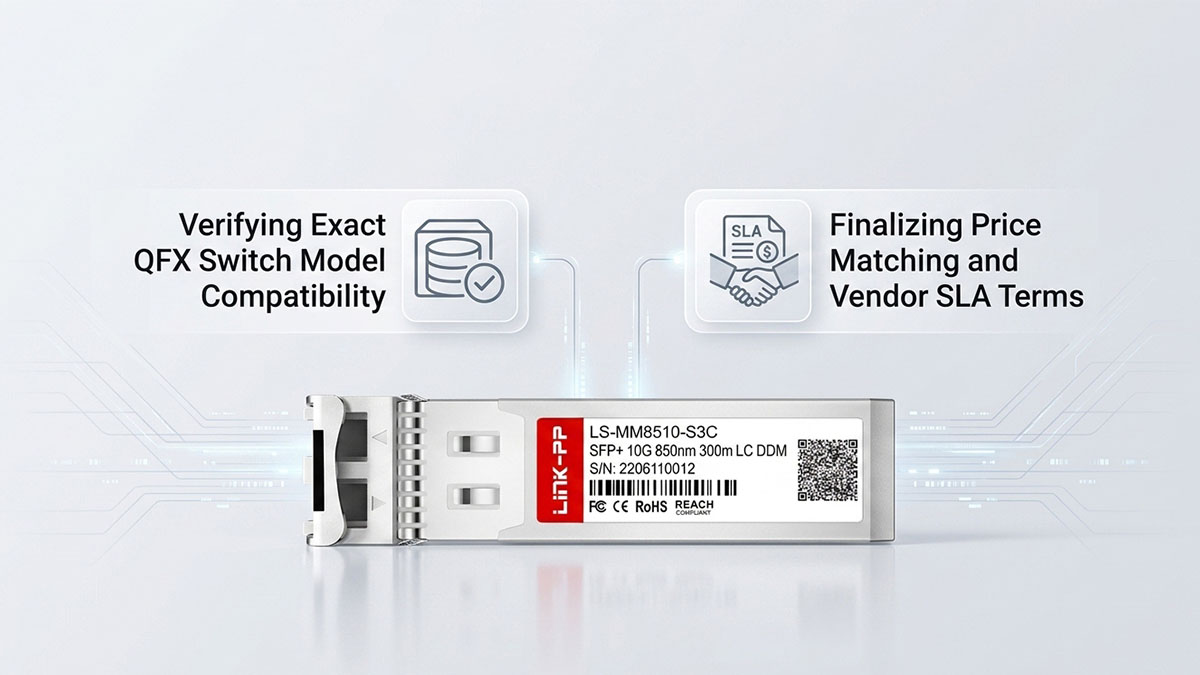
Verifying Exact QFX Switch Model Compatibility
Not all hardware ports handle optical coding the same way, making it critical to cross-reference your specific Juniper switch models with your vendor's compatibility list. Even within the same Juniper QFX series, older switch configurations or specific line cards may require distinct firmware settings to correctly recognize ultra-short reach modules.
Ensuring that your vendor provides transceivers pre-programmed with the correct EEPROM code avoids frustrating "unsupported transceiver" system errors upon installation. Confirming these hardware details beforehand guarantees smooth plug-and-play operation and eliminates the need for emergency firmware troubleshooting.
Finalizing Price Matching and Vendor SLA Terms
Securing the lowest individual unit price is only half the battle when negotiating a corporate hardware purchase. Procurement teams should actively leverage competitive market quotes to secure price-matching guarantees from their chosen optical supplier.
Simultaneously, it is vital to finalize clear Service Level Agreements (SLAs) regarding order delivery dates and replacement turnarounds. Clear SLA terms protect your budget from costly shipping delays and ensure that defective modules are replaced quickly under the agreed terms.
Establishing a Phased Rollout Procurement Timeline
Purchasing and deploying thousands of optical transceivers all at once can overwhelm data center operations teams and cause unnecessary network strain. Breaking the procurement down into smaller, structured phases allows engineering teams to thoroughly test initial batches in non-critical environments first.
A phased timeline also provides financial flexibility, allowing organizations to spread hardware costs across multiple budgeting cycles. This structured approach ensures that any unexpected deployment issues are identified and resolved before affecting the rest of the facility.
Documenting Asset Tracking for Future Optical Upgrades
Long-term network maintenance becomes significantly easier when every newly installed optical module is documented correctly from day one. Creating a centralized asset registry that tracks serial numbers, installation dates, rack locations, and vendor sources prevents future configuration confusion.
This meticulous record-keeping is incredibly valuable when planning eventual network migrations or higher-speed optical upgrades down the road. Clear asset tracking allows engineering teams to quickly identify exactly which links are ripe for modernization without conducting manual audits.
? Conclusion: Balancing Cost and Performance with QFX SFP 10GE USR
Optimizing data center economics does not mean you have to compromise on network speed or structural reliability. Choosing the QFX SFP 10GE USR allows network architects to achieve the ideal balance by matching short-range infrastructure needs with a perfectly sized hardware solution. By avoiding over-engineered, long-distance lasers for simple intra-rack connections, data centers can slash unnecessary CapEx and lower long-term operating costs.
Implementing a smart procurement strategy, verifying system compatibility, and understanding your specific deployment scale ensures a highly predictable, high-return investment. Ultimately, these ultra-short reach modules prove that targeted engineering is the most effective tool for driving down infrastructure expenses. Ready to optimize your high-density network with reliable, budget-friendly optical transceivers? Visit the LINK-PP Official Store today to browse premium compatible modules engineered for seamless performance in your enterprise switch fabric.