Industrial Ethernet has become a foundational technology for modern automation, enabling stable and real-time communication across manufacturing systems, transportation networks, and energy infrastructure. As industrial environments continue to expand in complexity, network components are increasingly required to operate under harsh conditions such as extreme temperatures, electrical noise, vibration, and long-distance transmission demands. In this context, optical transceivers play a critical role in ensuring uninterrupted and reliable data exchange across distributed industrial systems.
Within this landscape, Moxa SFP modules are widely recognized as industrial-grade optical transceivers designed specifically for demanding Ethernet environments. Unlike standard commercial SFP modules, these components are engineered to maintain stable performance under challenging operational conditions while supporting high-reliability networking architectures. At the same time, growing deployment scale and cost considerations have led many organizations to evaluate compatible SFP modules that can deliver similar performance characteristics while offering greater flexibility in sourcing and system integration.
This article provides a structured overview of Moxa SFP modules in Industrial Ethernet applications and examines their role in modern network infrastructures. It also explores technical characteristics, deployment scenarios, and key considerations when selecting compatible alternatives. The following sections are designed to help readers build a clear understanding of both original and alternative solutions, including:
- Core technical features and industrial design principles of Moxa SFP modules
- Key environmental and operational requirements in Industrial Ethernet networks
- Typical application scenarios across different industrial sectors
- Compatibility factors and evaluation criteria for alternative SFP solutions
- Practical considerations for building reliable and scalable optical networks
Together, these points provide a comprehensive foundation for understanding how industrial optical transceivers support mission-critical connectivity and how to evaluate suitable options for different deployment needs.
📜 Understanding Moxa SFP Modules in Industrial Ethernet Networks
Moxa SFP modules are industrial-grade optical transceivers designed to provide stable and reliable fiber connectivity in demanding Ethernet environments. Their primary role is to enable high-performance data transmission between industrial switches, routers, and edge devices while maintaining signal integrity under harsh operating conditions. Compared with standard commercial SFP modules, they are specifically engineered for long-term deployment in environments where network failure is not acceptable.
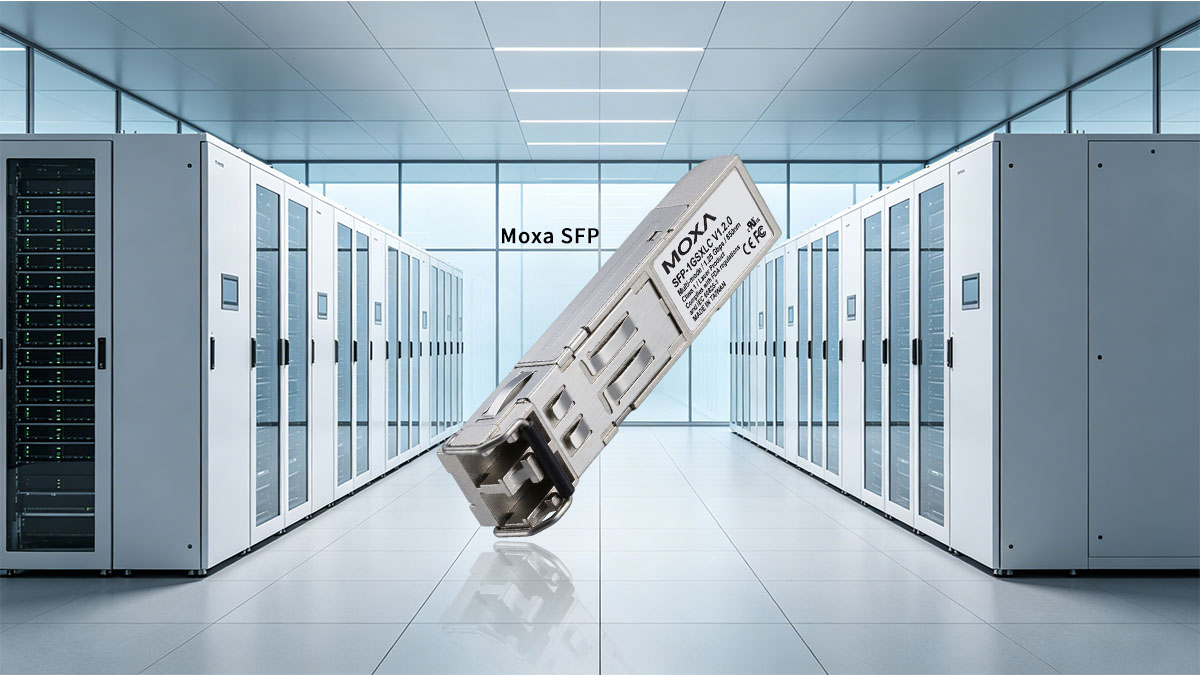
What Is a Moxa SFP Module?
A Moxa SFP transceiver is a hot-swappable optical transceiver used in Industrial Ethernet switches to convert electrical signals into optical signals and vice versa. It enables flexible fiber network configuration by supporting different transmission distances, fiber types, and network topologies.
These modules are commonly used in industrial networking because they offer:
- Compatibility with Moxa industrial Ethernet switches and networking devices
- Support for both single-mode and multimode fiber transmission
- Flexible deployment options for short-range and long-distance communication
- Modular design allowing easy replacement and network expansion
In practical terms, Moxa SFP modules act as the optical interface layer that connects industrial control systems across factories, substations, and remote infrastructure sites.
Key Characteristics of Industrial Moxa SFP Modules
Moxa SFP modules are designed with industrial reliability in mind, making them suitable for environments where commercial-grade optics would typically fail. Their key characteristics focus on stability, durability, and environmental resistance.
These modules are engineered to perform consistently under challenging conditions such as temperature fluctuations, electromagnetic interference, and mechanical stress. This ensures continuous network uptime in mission-critical applications.
Key characteristics include:
- Extended operating temperature ranges for harsh environments
- Enhanced resistance to vibration and electromagnetic interference (EMI)
- High stability optical performance for long-term deployment
- Industrial-grade component selection for improved lifecycle reliability
These features make them suitable for deployment in factory floors, outdoor control cabinets, and transportation infrastructure where environmental stress is unavoidable.
Common Moxa SFP Types and Applications
Moxa SFP modules are available in multiple configurations to support different industrial networking requirements, from basic factory connectivity to high-bandwidth backbone links. Each type is designed to address specific transmission distances and infrastructure needs.
Common types include:
- 1G SFP modules (like Moxa SFP-1GLXLC) for standard Industrial Ethernet communication
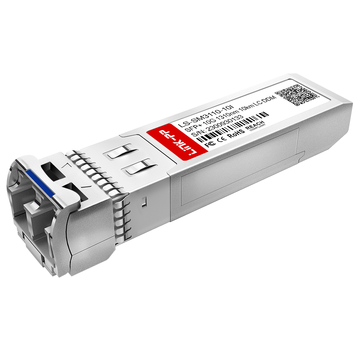
- 10G SFP+ modules (like Moxa SFP-10GLRLC-T) for high-speed backbone and data aggregation networks
- Single-mode fiber modules (like Moxa SFP-1GLHXLC-T) for long-distance transmission links
- Multimode fiber modules (like Moxa SFP-1GLSXLC) for short-range intra-facility connectivity
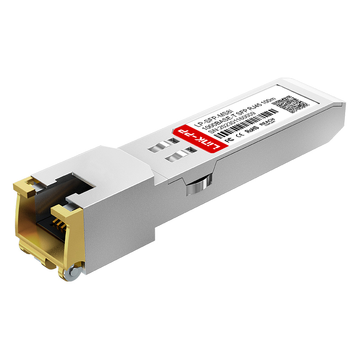
- Copper SFP (RJ45) modules (like Moxa SFP-1GTXRJ45-T) for flexible mixed-media deployments
These variants allow engineers to design scalable industrial networks that match both performance requirements and physical deployment constraints.
📜 Why Industrial Ethernet Requires Specialized Optical Transceivers
Industrial Ethernet requires specialized optical transceivers because standard commercial modules are not designed to operate reliably under the environmental, electrical, and operational stresses commonly found in industrial networks. In industrial scenarios, network stability directly impacts production safety, process control accuracy, and system uptime, which makes hardened optical components essential rather than optional.
Environmental Challenges in Industrial Deployments
Industrial environments expose networking equipment to conditions that are significantly more demanding than typical office or data center settings. Temperature extremes, electrical noise, dust, and vibration all contribute to potential signal instability and hardware degradation.
To maintain reliable connectivity, optical transceivers used in Industrial Ethernet must be designed to tolerate these conditions without performance loss. This is particularly important in environments such as outdoor substations, factory production lines, and transportation systems.
Key environmental challenges include:
- Wide temperature fluctuations in indoor and outdoor installations
- High levels of electromagnetic interference (EMI) from heavy machinery
- Dust, humidity, and airborne contaminants affecting hardware longevity
- Mechanical vibration from industrial equipment and transport systems
These conditions can cause link instability or hardware failure if non-industrial-grade optics are used, making ruggedized transceivers a critical requirement.
Network Reliability Requirements
Industrial Ethernet networks are often used to support mission-critical operations where downtime can lead to production loss, safety risks, or system failures. As a result, network reliability is a core design requirement rather than a secondary consideration.
Optical transceivers in these environments must ensure consistent performance over long periods without requiring frequent replacement or maintenance. They must also support deterministic communication patterns used in industrial control systems.
Key reliability requirements include:
- Continuous uptime for 24/7 industrial operations
- Stable optical signal transmission with minimal packet loss
- Predictable performance under varying network loads
- Support for redundant network architectures and failover systems
These requirements ensure that industrial processes remain uninterrupted even in the event of partial network disruptions.
Industrial vs Enterprise Networking Optics
Industrial optical transceivers differ significantly from enterprise-grade modules in both design philosophy and operational expectations. While enterprise optics prioritize cost efficiency and controlled environments, industrial optics prioritize durability and long-term stability under unpredictable conditions.
The differences are reflected in material selection, temperature tolerance, and lifecycle expectations. Industrial modules are typically designed for extended operational lifespans and reduced maintenance cycles, making them suitable for critical infrastructure deployments.
Key differences include:
- Industrial-grade components designed for harsh environments versus standard commercial-grade components
- Extended temperature range support for outdoor and unconditioned installations
- Longer product lifecycle with stable availability for infrastructure consistency
- Enhanced resistance to EMI and mechanical stress in industrial settings
These distinctions make specialized optical transceivers essential for ensuring reliable Industrial Ethernet performance across demanding application scenarios.
📜 Technical Specifications of Moxa SFP Modules
Moxa SFP modules are engineered with a clear focus on industrial reliability, stable optical performance, and flexible deployment across different Ethernet environments. Their technical specifications are designed to support both standard and high-speed industrial networks while ensuring consistent operation in harsh conditions. Understanding these specifications is essential for selecting the right module for specific Industrial Ethernet applications.
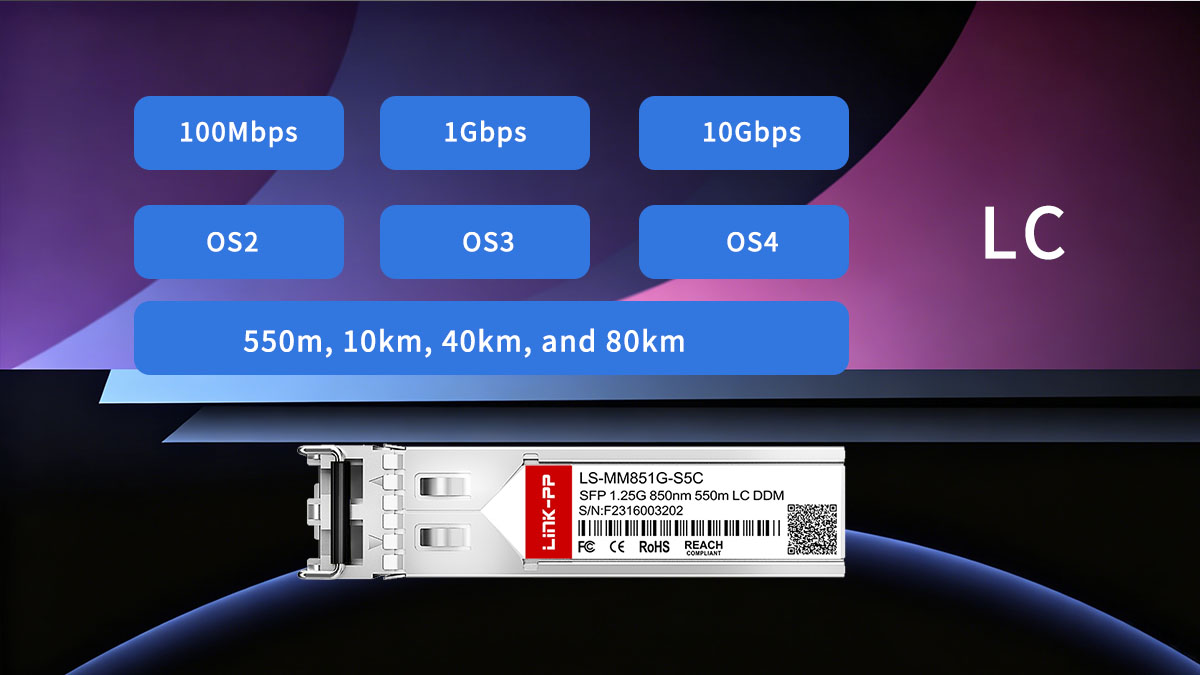
Transmission Speed and Distance Options
Moxa SFP modules support multiple transmission speeds and distance ranges to accommodate diverse industrial networking requirements, from short-range factory connections to long-distance infrastructure links.
These speed and distance configurations allow network designers to match optical performance with application needs, ensuring both efficiency and stability across different deployment layers.
Typical transmission specifications include:
- 100M SFP modules (like Moxa SFP-1FEMLC-T) for legacy industrial control systems and simple automation networks
- 1G SFP modules for standard Industrial Ethernet connectivity and device-level communication
- 10G SFP+ modules for backbone aggregation and high-bandwidth industrial data flow
In terms of distance support, modules are generally available in:
- Short-range multimode fiber options for up to 550m in intra-facility environments
- Medium-range single-mode fiber options for approximately 10km industrial links
- Long-range configurations supporting 40km or even 80km for distributed infrastructure networks
These variations ensure that Industrial Ethernet systems can be scaled efficiently across both compact and geographically distributed environments.
Fiber Types and Connector Standards
Moxa SFP modules support standard fiber types and connector interfaces widely used in industrial optical networking. This ensures interoperability with existing fiber infrastructure while allowing flexible deployment design.
The choice of fiber type directly impacts transmission distance, signal quality, and network architecture, making it a key specification factor in system planning.
Common fiber and connector standards include:
- LC duplex connectors for standard bidirectional optical transmission
- Single-mode fiber (OS2) for long-distance, low-loss communication links
- Multimode fiber (OM3/OM4) for short-range, high-density industrial environments
- BiDi (bidirectional) technology for reducing fiber usage in constrained installations
These options enable network engineers to optimize fiber usage, reduce infrastructure complexity, and improve deployment efficiency in industrial environments.
Industrial Temperature and Durability Standards
A defining feature of Moxa SFP modules is their ability to operate reliably under extreme environmental conditions. Unlike commercial optics, these modules are designed to maintain performance stability in temperature-volatile and mechanically challenging environments.
This makes them suitable for applications where equipment may be installed in outdoor cabinets, factory floors, or remote industrial sites.
Key durability specifications include:
- Extended operating temperature ranges suitable for harsh industrial environments
- Stable optical performance across fluctuating thermal conditions
- High resistance to vibration and mechanical stress
- Long-term reliability designed for continuous 24/7 operation
These characteristics ensure that Industrial Ethernet networks maintain stable communication even in physically demanding deployment scenarios.
Power Consumption and Operational Efficiency
Moxa SFP modules are also optimized for energy efficiency, which is important in large-scale industrial networks where hundreds of optical modules may be deployed simultaneously. Efficient power design helps reduce overall system heat generation and improves long-term operational stability.
Lower power consumption contributes to improved equipment lifespan and reduced cooling requirements in enclosed industrial control systems.
Key efficiency characteristics include:
- Low power optical transceiver design for reduced energy consumption
- Optimized thermal performance for high-density switch environments
- Stable operation under continuous load without performance degradation
These efficiencies support cost-effective long-term deployment while maintaining the reliability required in industrial communication networks.
📜 Deployment Scenarios for Moxa SFP Modules
Moxa SFP modules are widely deployed in Industrial Ethernet environments where network reliability, long-distance communication, and resistance to harsh conditions are critical. Their flexibility in speed, fiber type, and environmental tolerance makes them suitable for a broad range of industrial sectors. In practical deployments, these modules serve as the optical backbone that connects distributed systems, control centers, and edge devices.
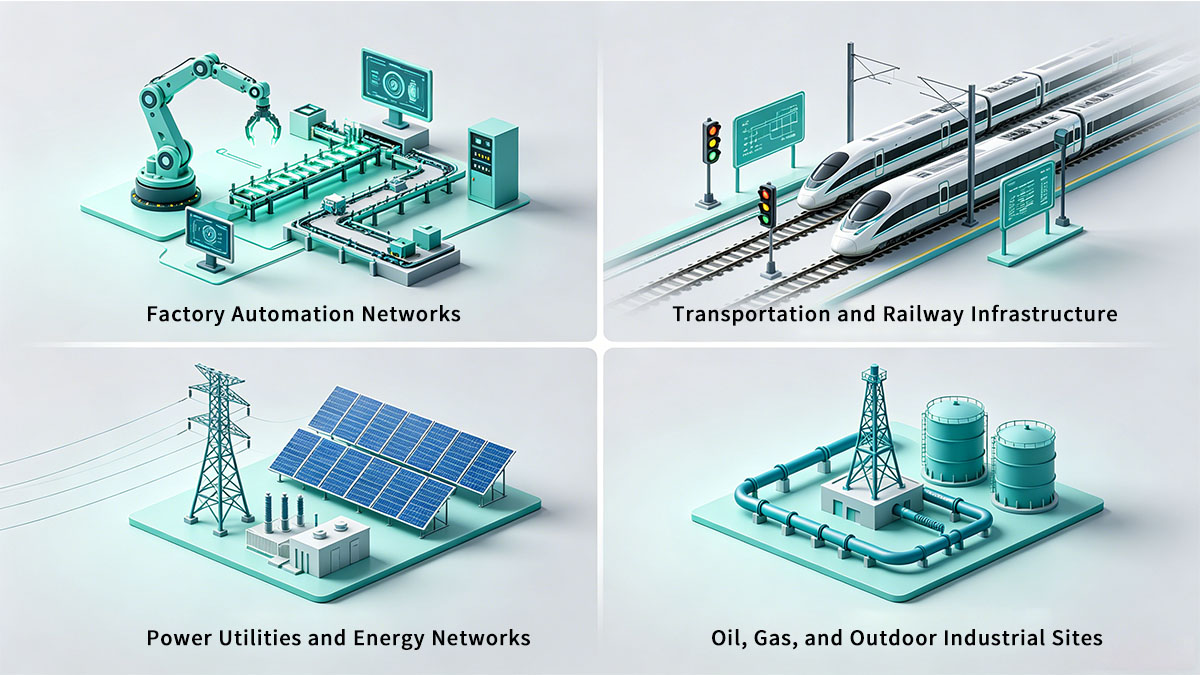
Factory Automation Networks
In factory automation environments, Moxa SFP modules are used to ensure stable and real-time communication between machines, controllers, and monitoring systems. Industrial production lines depend heavily on continuous data exchange, making network reliability a core requirement.
These modules are commonly deployed in:
- PLC-to-switch and machine-to-control system connections
- Industrial Ethernet backbone links within production facilities
- Real-time monitoring and process control networks
- High-EMI environments near heavy machinery and robotics
In such scenarios, fiber-based SFP connectivity helps eliminate electromagnetic interference issues commonly found in copper-based networks, ensuring stable industrial communication.
Transportation and Railway Infrastructure
Transportation systems require highly reliable networking to support signaling, monitoring, and operational control systems. Moxa SFP modules are frequently used in railway, traffic control, and intelligent transportation networks where long-distance and uninterrupted communication is essential.
Typical applications include:
- Trackside communication systems for railway signaling
- Traffic monitoring and intelligent transportation systems (ITS)
- Station-to-control center fiber connectivity
- Surveillance and safety monitoring networks along transport routes
These deployments often involve extended temperature ranges and outdoor installation conditions, making industrial-grade optical transceivers essential for continuous operation.
Power Utilities and Energy Networks
Power generation and distribution systems rely on secure and stable communication networks to manage substations, grid monitoring, and energy control systems. In these environments, even brief network interruptions can impact grid stability and operational safety.
Moxa SFP modules are commonly used in:
- Substation automation and SCADA systems
- Smart grid communication networks
- Remote monitoring of energy infrastructure
- High-voltage environments requiring EMI-resistant connectivity
Fiber-based industrial networking ensures deterministic communication and reduces the risk of electrical interference in high-voltage environments.
Oil, Gas, and Outdoor Industrial Sites
Oil, gas, and outdoor industrial facilities represent some of the most challenging environments for networking equipment. Extreme weather conditions, remote locations, and continuous operational demands require highly durable optical connectivity solutions.
In these scenarios, Moxa SFP modules support:
- Remote monitoring systems for pipelines and drilling sites
- Distributed control systems in offshore and onshore facilities
- Environmental monitoring and safety systems
- Long-distance fiber links across large industrial sites
Their extended temperature tolerance and mechanical durability make them suitable for deployments where maintenance access is limited and reliability is critical.
Across all these scenarios, Moxa SFP modules serve as a foundational component for ensuring stable Industrial Ethernet communication, enabling efficient and resilient network architectures in mission-critical environments.
📜 Reliable Alternatives to Moxa SFP Modules
Reliable alternatives to Moxa SFP modules are widely considered in Industrial Ethernet deployments where organizations aim to balance performance, availability, and network scalability. These compatible optical transceivers are designed to match the core technical requirements of industrial networking while offering flexibility in sourcing and system integration. In many large-scale projects, they are evaluated as functional equivalents when properly tested and validated for compatibility.
Why Organizations Consider Compatible Alternatives
Organizations often evaluate Moxa-compatible SFP alternatives to improve procurement flexibility and optimize network deployment strategies without compromising industrial reliability. This consideration is especially common in multi-site deployments and long-term infrastructure planning.
The main reasons include:
- Large-scale deployment cost optimization across distributed industrial networks
- Supply chain diversification to reduce dependency on a single vendor
- Faster procurement cycles for urgent network expansion or replacement needs
- Support for multi-vendor Industrial Ethernet architectures
In practice, these alternatives are selected only after ensuring they meet the same environmental and optical performance requirements as original industrial modules.
Key Factors When Evaluating Moxa-Compatible SFPs
Selecting reliable Moxa-compatible SFP modules requires careful technical evaluation rather than focusing solely on form factor compatibility. Industrial environments demand consistent optical performance and stable long-term operation under stress conditions.
Critical evaluation factors include:
- EEPROM coding compatibility with Moxa industrial switches
- Verified industrial temperature range support for harsh environments
- Optical performance stability across different link distances
- Compliance with standard fiber types such as OS2 and OM3/OM4
- Vendor-level quality testing and burn-in validation processes
These factors help ensure that compatible modules perform reliably in real-world industrial deployments rather than only in controlled environments.
Comparing Original Moxa SFPs and Compatible Alternatives
Original Moxa SFP modules and compatible alternatives differ primarily in branding, validation scope, and sourcing flexibility, while the underlying optical transmission principles remain largely similar when high-quality components are used.
A structured comparison helps clarify these differences:
| Aspect | Original Moxa SFP Modules | Compatible Industrial SFP Modules |
|---|---|---|
| Compatibility | Native integration with Moxa devices | Requires verified coding and testing |
| Environmental Rating | Fully certified industrial-grade | Varies by manufacturer and model |
| Supply Chain | Single-vendor controlled | Multi-source availability |
| Cost Structure | Higher pricing consistency | More flexible cost positioning |
| Application Suitability | Guaranteed industrial alignment | Dependent on validation quality |
While both options can support Industrial Ethernet networks, the reliability outcome depends heavily on manufacturing quality and compatibility validation processes rather than the category alone.
Common Risks of Low-Quality Compatible Modules
Not all compatible SFP modules are suitable for industrial environments, and low-quality products can introduce significant network risks. These risks often appear under long-term operation or harsh environmental conditions rather than during initial deployment.
Common issues include:
- Unstable optical links leading to intermittent network interruptions
- Poor temperature tolerance causing failure in outdoor or industrial cabinets
- Inconsistent signal quality affecting deterministic communication systems
- EEPROM mismatch issues causing device recognition failures
- Reduced lifecycle reliability compared to industrial-grade standards
These risks highlight the importance of selecting rigorously tested and industrial-grade compatible solutions rather than generic commercial replacements.
📜 Compatibility Considerations for Industrial Networks
Compatibility in Industrial Ethernet networks is a critical technical requirement because even minor mismatches between optical transceivers and networking equipment can lead to link instability, reduced performance, or system downtime. When deploying Moxa SFP modules or compatible alternatives, ensuring full interoperability with industrial switches, firmware, and fiber infrastructure is essential for maintaining reliable network operation.

Understanding Moxa Switch Compatibility
Moxa industrial switches are designed to recognize and authenticate specific SFP modules through EEPROM coding and firmware-level validation. This mechanism ensures that only approved or properly coded transceivers are accepted by the device, which helps maintain network stability in mission-critical environments.
Compatibility considerations typically include:
- EEPROM coding alignment with Moxa switch identification protocols
- Firmware version compatibility between switches and optical modules
- Port-level recognition behavior for hot-swappable SFP insertion
- Consistency of optical parameters such as wavelength and transmission power
In practical deployments, ensuring compatibility means verifying that the SFP module is correctly detected by the switch and operates without triggering alarms or link negotiation issues.
Interoperability with Third-Party Industrial Equipment
Industrial networks often consist of mixed-vendor environments where switches, PLCs, routers, and monitoring systems come from different manufacturers. In these cases, SFP compatibility extends beyond a single device ecosystem and must support broader interoperability requirements.
Key interoperability factors include:
- Stable operation across multi-vendor Industrial Ethernet architectures
- Seamless integration with SCADA and industrial control systems
- Compatibility with fiber backbone networks in distributed facilities
- Consistent performance across varying switch and router brands
When properly validated, compatible SFP modules can operate effectively in heterogeneous environments, supporting flexible industrial network design without limiting vendor selection.
Testing and Validation Best Practices
To ensure long-term reliability, industrial networks typically require structured testing and validation before full-scale deployment of SFP modules. This process helps identify potential compatibility issues early and reduces the risk of network disruption after installation.
Common validation practices include:
- Laboratory testing under controlled temperature and load conditions
- Link stability testing over extended operational periods
- Optical signal quality verification across intended transmission distances
- Stress testing under vibration, EMI, and thermal variation scenarios
These testing procedures help confirm that both original and compatible SFP modules can maintain consistent performance under real-world industrial conditions.
By implementing thorough compatibility checks and validation processes, organizations can ensure that Industrial Ethernet networks remain stable, scalable, and resilient, even in complex multi-vendor environments.
📜 Best Practices for Selecting Industrial SFP Modules
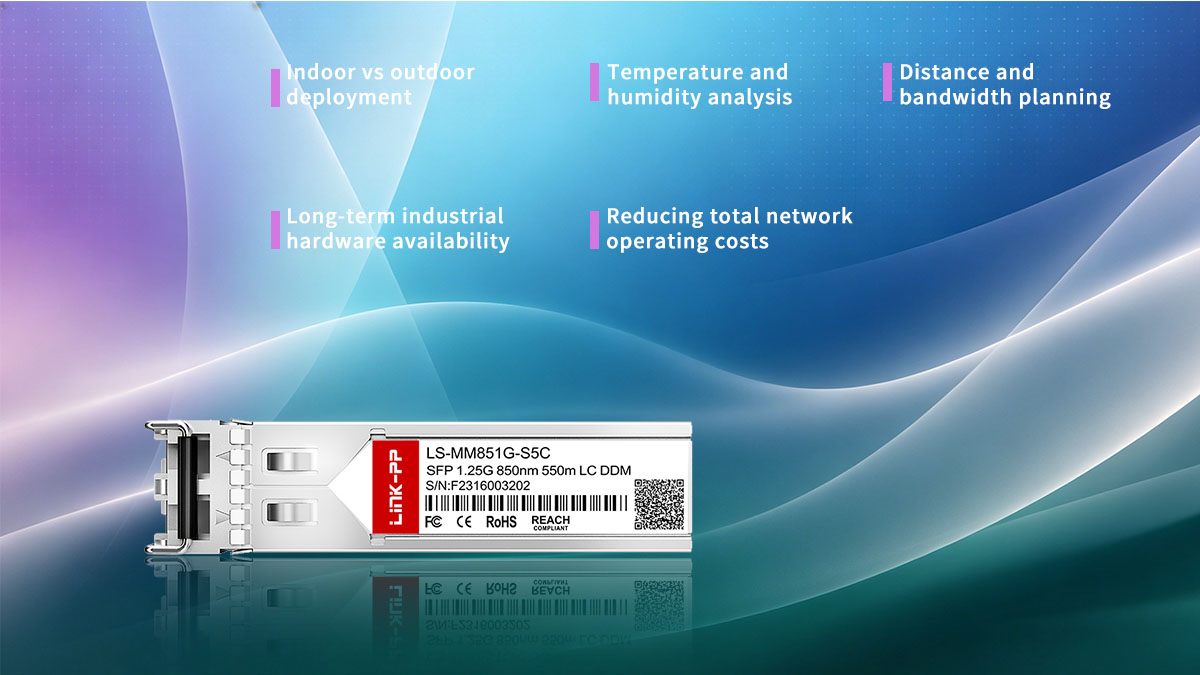
Selecting Industrial SFP modules requires a systematic approach that goes beyond basic interface compatibility. In Industrial Ethernet environments, optical transceivers directly influence network stability, uptime, and long-term maintenance costs. A well-defined selection strategy helps ensure reliable performance across harsh environments while supporting scalable network expansion.
Define Environmental Requirements First
The first step in selecting Industrial SFP modules is clearly defining the environmental conditions in which they will operate. Industrial deployments often vary significantly, from controlled indoor automation systems to exposed outdoor infrastructure sites.
Key environmental factors to evaluate include:
- Operating temperature range for indoor, outdoor, or mixed environments
- Exposure to vibration from machinery or transportation systems
- Presence of electromagnetic interference (EMI) from industrial equipment
- Humidity, dust, and corrosion risks in installation locations
Understanding these conditions ensures that the selected SFP modules are physically capable of maintaining stable performance throughout their lifecycle.
Evaluate Reliability and Lifecycle Support
Reliability is a core requirement in Industrial Ethernet networks, where downtime can impact production systems, safety operations, or infrastructure control. Therefore, SFP selection must consider long-term operational stability and product availability.
Important reliability factors include:
- Consistent optical performance over extended operating periods
- Manufacturer support for long-term product lifecycle availability
- Proven deployment history in similar industrial environments
- Stable firmware and hardware compatibility over time
These factors help reduce maintenance frequency and ensure predictable network behavior across multi-year deployments.
Balance Performance and Cost Efficiency
While performance is critical, industrial network planning also requires careful cost management, especially in large-scale deployments involving hundreds or thousands of optical links. The goal is to achieve an optimal balance between technical reliability and overall infrastructure cost.
Key considerations include:
- Identifying mission-critical links that require highest-grade optics
- Using compatible modules in non-critical or redundant network segments
- Standardizing SFP types to simplify inventory and maintenance
- Reducing total cost of ownership without compromising stability
A tiered deployment strategy is often used, where different SFP categories are applied based on network importance and risk level.
Build a Future-Proof Industrial Fiber Infrastructure
Industrial networks are continuously evolving toward higher bandwidth, greater redundancy, and increased integration with IoT and edge computing systems. Selecting SFP modules with future scalability in mind helps reduce redesign and replacement costs.
Key future-proofing considerations include:
- Support for upgrade paths from 1G to 10G and beyond
- Compatibility with modern Industrial Ethernet architectures
- Flexible fiber types to support network expansion
- Redundant design capability for high-availability systems
By planning for scalability at the optical layer, organizations can ensure their Industrial Ethernet infrastructure remains adaptable to future technological demands while maintaining operational stability.
📜 Conclusion
Moxa SFP modules play a fundamental role in Industrial Ethernet networks by delivering stable, rugged, and high-performance optical connectivity across demanding environments. From factory automation systems to transportation infrastructure and energy networks, these industrial-grade transceivers ensure continuous data transmission where reliability and uptime are critical to operational success.
At the same time, the growing complexity of industrial deployments and increasing cost optimization needs have led many organizations to carefully evaluate compatible SFP alternatives. When properly selected and validated, these alternatives can offer comparable optical performance and environmental durability, while also providing greater flexibility in sourcing and network expansion strategies. However, long-term reliability ultimately depends on strict attention to compatibility, environmental requirements, and quality assurance standards.
To summarize the key considerations discussed throughout the article:
- Industrial SFP modules must be selected based on environmental tolerance, not only speed or distance specifications
- Compatibility with Moxa switches and industrial systems is essential for stable deployment
- Reliable alternatives require rigorous validation, especially for industrial temperature and EMI resistance
- Deployment planning should balance performance, scalability, and lifecycle support
- Future-ready network design helps ensure long-term infrastructure sustainability
As Industrial Ethernet continues to evolve toward higher bandwidth and more distributed architectures, the importance of selecting dependable optical transceivers becomes even more significant. Whether using original Moxa SFP modules or carefully evaluated compatible solutions, the primary goal remains the same: maintaining a resilient, high-availability network foundation for mission-critical operations.
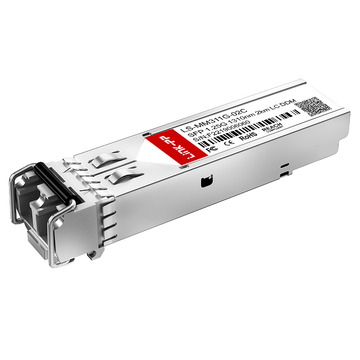
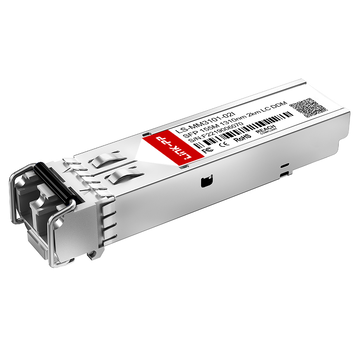
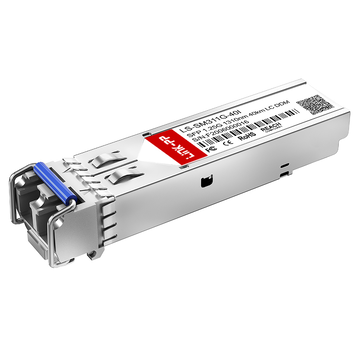
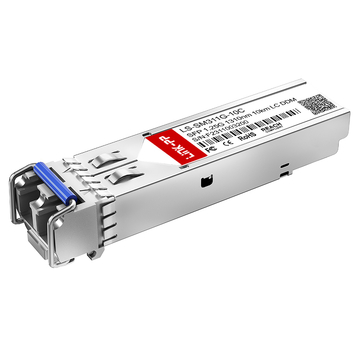
For organizations exploring industrial-compatible optical transceivers and scalable networking solutions, the LINK-PP Official Store offers a broad range of industrial Ethernet connectivity products designed to support diverse deployment requirements and long-term infrastructure planning.