



































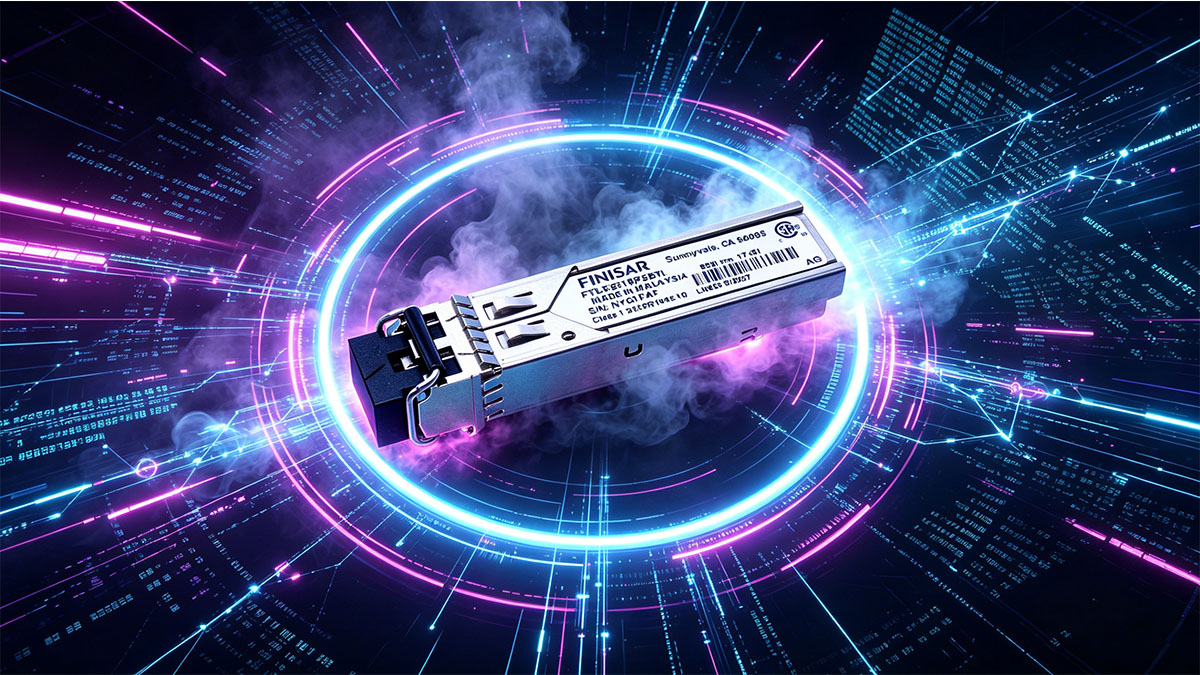
The FTLF8519P3BTL is a widely deployed optical transceiver designed for short-range data transmission in both Gigabit Ethernet and Fibre Channel environments. Supporting 1000BASE-SX optical Gigabit Ethernet as well as 1G and 2G Fibre Channel standards, it has long served as a reliable connectivity component in legacy Storage Area Networks (SANs) and access-layer network infrastructures. Its ability to operate across multiple protocols makes it particularly valuable in environments where Ethernet and Fibre Channel modules coexist.
Despite its stability and proven performance, many organizations are now facing challenges related to aging infrastructure, limited module availability, and increasing maintenance demands. As data center architectures evolve and higher-speed technologies become more prevalent, the need to evaluate suitable replacement solutions for the FTLF8519P3BTL has become more pressing. This is especially true for enterprises aiming to extend the lifecycle of existing SAN deployments without compromising compatibility or operational continuity.
At the same time, replacement is not simply a matter of matching specifications. Factors such as protocol compliance, interoperability with legacy switches, optical performance, and diagnostics capabilities all play a critical role in ensuring seamless integration. In mixed environments where both Fibre Channel and Ethernet traffic are present, selecting the right replacement SFP transceiver becomes even more important.
This article explores the key considerations for replacing the FTLF8519P3BTL in SAN environments. It provides a structured analysis of technical specifications, compatibility requirements, performance expectations, and deployment best practices, helping network engineers and IT decision-makers make informed choices while maintaining stability in existing infrastructures.
↪️ Overview of FTLF8519P3BTL Specifications and Use Cases
The FTLF8519P3BTL is a 1G SFP optical transceiver designed for short-range multimode fiber connectivity, supporting both Gigabit Ethernet and 1G/2G Fibre Channel protocols. It is primarily used in legacy SAN environments and access-layer networks where stable, low-speed optical links are required. Understanding its specifications and typical deployment scenarios is essential for evaluating replacement strategies.
Key Technical Specifications
The FTLF8519P3BTL operates within the standard parameters of 1000BASE-SX optics while also meeting Fibre Channel requirements. The following table summarizes its core technical characteristics:
| Parameter | Specification | Notes |
|---|---|---|
| Data Rate | 1.25Gbps | Gigabit Ethernet |
| Fibre Channel | 1G / 2G FC | Backward compatible |
| Wavelength | 850nm | Multimode fiber (MMF) |
| Max Distance | Up to 550m (OM2) | Short-range transmission |
| Connector Type | LC Duplex | Standard optical interface |
These specifications highlight its positioning as a short-range, low-speed SFP optical module. Compared to modern 10G SFP+ or other high-speed transceivers, its bandwidth is limited, but it remains sufficient for many legacy SAN and access network applications. Its dual-protocol capability is particularly useful in environments where Ethernet and Fibre Channel coexist on the same infrastructure.
Common SAN and Network Deployment Scenarios
The FTLF8519P3BTL is most commonly found in environments where reliability and compatibility are more critical than high throughput. Typical deployment scenarios include:
- Legacy SAN infrastructures using 1G or 2G Fibre Channel fabrics
- Gigabit Ethernet switch interconnections in access or aggregation layers
- Storage connectivity for small to mid-sized enterprise environments
- Edge deployments where bandwidth requirements are moderate
These use cases demonstrate that the fiber optic SFP module is not limited to a single protocol or architecture. Its flexibility allows it to serve as a bridge between different types of network traffic, which is especially valuable in transitional infrastructures that have not yet migrated to higher-speed technologies.
In practice, such transceiver modules are often deployed in large quantities across older data centers, making replacement decisions a matter of both technical compatibility and operational efficiency.
Limitations in Modern Network Environments
While the FTLF8519P3BTL remains functional in many scenarios, it presents clear limitations when compared to modern optical solutions. The most notable constraints include:
- Limited bandwidth, which can become a bottleneck in data-intensive SAN workloads
- Incompatibility with newer high-speed ports that expect 10G or higher optics
- Reduced efficiency in virtualized or cloud-driven environments with higher I/O demands
These limitations do not necessarily require immediate replacement in all cases, but they do influence long-term infrastructure planning. Organizations must evaluate whether maintaining existing 1G/2G links is sufficient or if gradual upgrades are needed to meet evolving performance requirements.
Overall, the FTLF8519P3BTL continues to play a role in legacy and hybrid environments, but its specifications and constraints make it a key candidate for replacement in forward-looking SAN strategies.
↪️ Why Consider FTLF8519P3BTL Replacement Solutions
Replacing the FTLF8519P3BTL is often less about immediate performance gains and more about ensuring network reliability, long-term availability, and operational efficiency. While the fiber SFP module remains technically functional, several factors make evaluating replacement solutions critical for enterprise SAN and network infrastructures.
Managing Legacy Infrastructure Cost-Effectively
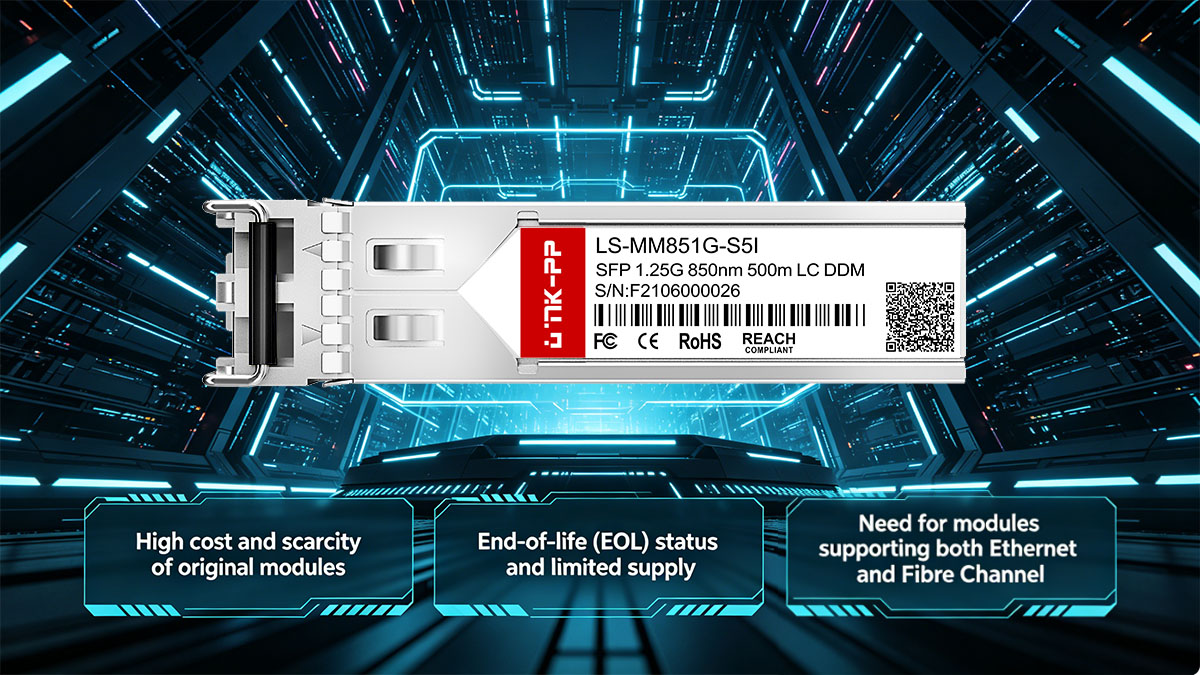
Enterprises relying on aging 1G/2G Fibre Channel or Gigabit Ethernet networks often face challenges in sourcing original FTLF8519P3BTL SFP modules. OEM supply may be limited or increasingly expensive, creating a risk of downtime if a module fails. Compatible replacements provide a practical alternative by:
- Reducing procurement costs compared to legacy OEM modules
- Allowing large-scale deployments without overextending budgets
- Ensuring continued support for operational continuity without hardware upgrades
Replacing with validated alternatives can maintain equivalent optical and protocol performance while freeing up resources for strategic infrastructure investments.
Availability and Lifecycle Challenges
End-of-life (EOL) status for older modules introduces significant risk in legacy SAN environments. Organizations using FTLF8519P3BTL may encounter:
- Limited module availability due to discontinued production
- Extended lead times and supply chain delays
- Increased vulnerability to unexpected failures
Replacement solutions address these issues by providing accessible, in-stock alternatives that meet the same protocol and optical specifications. This approach helps IT teams maintain predictable maintenance cycles and reduces downtime risk.
Supporting Multi-Protocol Environments
One of the key advantages of the FTLF8519P3BTL is its dual-protocol support for both Gigabit Ethernet and 1G/2G Fibre Channel. Replacement modules must preserve this flexibility to ensure seamless integration into mixed environments. Key considerations include:
- Maintaining compatibility across Ethernet and Fibre Channel fabrics
- Ensuring interoperability with legacy switches from multiple vendors
- Avoiding vendor lock-in and reducing dependency on a single supplier
By selecting replacements that comply with established standards and multi-protocol operation, organizations can extend the life of existing network equipment while retaining the ability to gradually transition to higher-speed technologies in the future.
Overall, evaluating replacement solutions for the FTLF8519P3BTL is not just a technical choice but a strategic decision. It balances cost efficiency, operational stability, and future-readiness, ensuring that SAN and Gigabit Ethernet infrastructures continue to perform reliably in evolving network environments.
↪️ Key Features to Look for in FTLF8519P3BTL Replacements
When considering replacement solutions for the FTLF8519P3BTL, technical compatibility and operational reliability are the most critical factors. Not all third-party or alternative modules perform equally, so understanding the key features ensures seamless integration and avoids potential disruptions in SAN and Gigabit Ethernet environments.
Protocol Compatibility and Standards Compliance
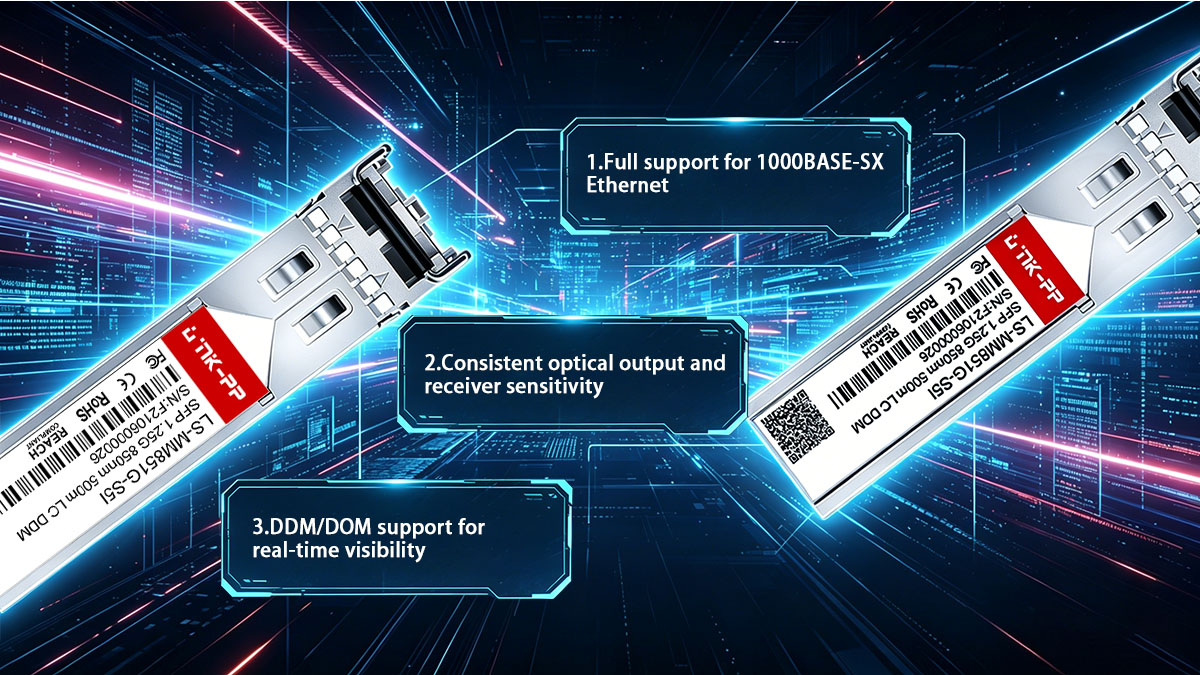
The primary requirement for a replacement module is adherence to the same protocol standards as the original FTLF8519P3BTL. Ensuring full compliance guarantees that the module can operate reliably in both Ethernet and Fibre Channel networks. Important aspects include:
- Full support for 1000BASE-SX Gigabit Ethernet
- Compliance with 1G and 2G Fibre Channel protocols
- Multi-Source Agreement (MSA) compliance to ensure plug-and-play interoperability
- Vendor coding that matches the original module to avoid recognition issues on legacy switches
Selecting replacements that meet these standards minimizes the risk of link failures and allows them to coexist with other network equipment without special configuration.
Optical Performance and Stability
Beyond protocol compliance, optical performance determines the reliability and signal integrity of the network. Replacement modules should maintain consistent specifications to prevent degradation over time. Key optical characteristics to consider include:
- Transmit power and receiver sensitivity aligned with the original module
- Maximum supported distance over multimode fiber (OM1/OM2)
- Stable operation across the standard temperature and voltage range
The following table illustrates a comparison of critical optical parameters for the FTLF8519P3BTL and typical replacement options:
| Parameter | Original FTLF8519P3BTL | Typical Replacement Module | Notes |
|---|---|---|---|
| Data Rate | 1.25Gbps | 1.25Gbps | Supports both Ethernet & FC |
| Wavelength | 850nm | 850nm | Short-range MMF operation |
| Max Distance (OM2) | 550m | 550m | Maintains original reach |
| TX Power Range | -9.5 to -3 dBm | -9.5 to -3 dBm | Consistent optical margin |
This comparison shows that well-designed replacements can fully match the original module's performance while providing continued availability and cost efficiency.
Diagnostics and Monitoring Capabilities
Modern network operations increasingly rely on real-time monitoring to detect potential issues before they escalate. Replacement modules that include digital diagnostics monitoring (DDM) or digital optical monitoring (DOM) provide essential visibility. Key monitoring features include:
- Measurement of transmit (TX) and receive (RX) optical power
- Tracking of operating temperature and supply voltage
- Real-time diagnostics to identify degraded links or failing modules
These monitoring capabilities are especially valuable in SAN environments, where uninterrupted connectivity is critical. Using modules with DDM ensures IT teams can proactively maintain performance, plan replacements, and prevent unexpected downtime.
By prioritizing protocol compliance, optical stability, and monitoring support, organizations can select replacement modules that maintain operational consistency, extend the lifecycle of their SAN infrastructure, and support multi-protocol network environments effectively.
↪️ Performance Comparison: Original vs Replacement Modules
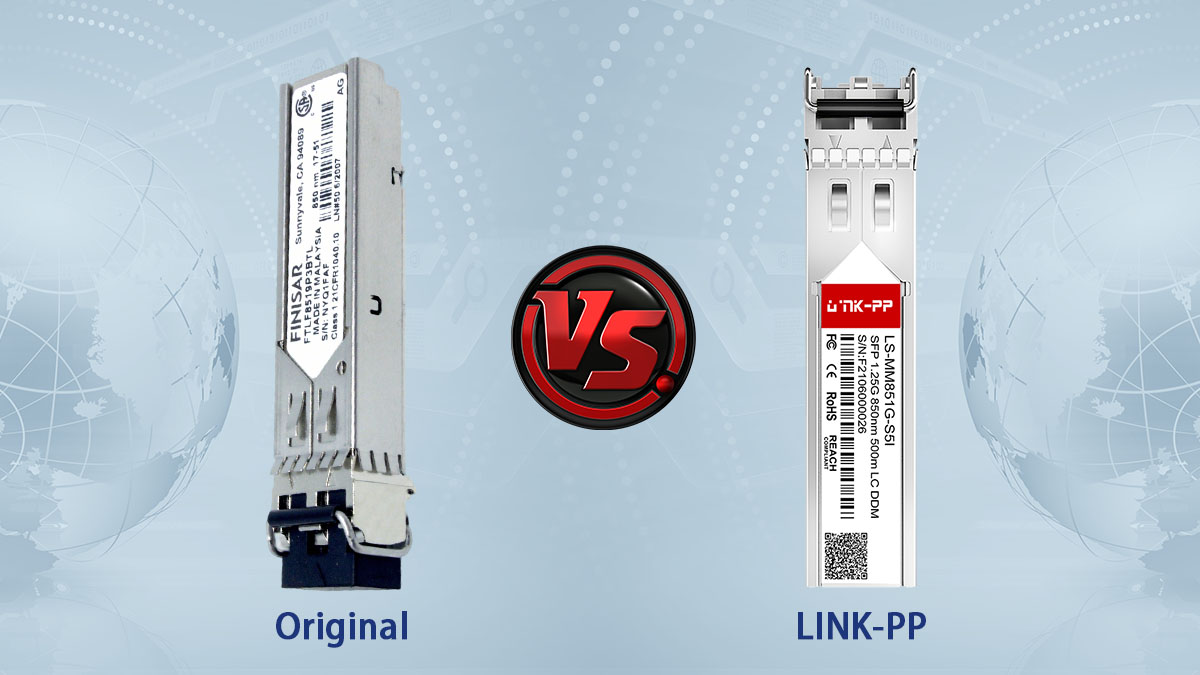
Evaluating replacement modules for the FTLF8519P3BTL requires a careful comparison of optical performance, reliability, and real-world operational behavior. While replacements can match the original specifications on paper, actual deployment performance can vary depending on manufacturing quality, adherence to standards, and testing procedures.
Throughput and Signal Integrity
The primary measure of performance is the ability to maintain stable data transmission at 1.25Gbps across both Gigabit Ethernet and 1G/2G Fibre Channel networks. Replacement modules should demonstrate:
- Consistent throughput across the maximum supported distances (up to 550m on OM2 multimode fiber)
- Low signal attenuation and minimal latency impact on SAN or Ethernet fabrics
- Stable BER (Bit Error Rate) performance comparable to the original FTLF8519P3BTL
The following table highlights a typical comparison of throughput-related performance metrics:
| Metric | Original FTLF8519P3BTL | Replacement Module | Notes |
|---|---|---|---|
| Data Rate | 1.25Gbps | 1.25Gbps | Fully supports Ethernet & FC |
| BER (Bit Error Rate) | ≤ 1E-12 | ≤ 1E-12 | Ensures reliable link quality |
| Latency | Minimal | Minimal | No noticeable impact on SAN |
| Max Reach (OM2) | 550m | 550m | Maintains original distance |
This demonstrates that high-quality replacements can match the original module's core performance metrics, ensuring minimal disruption when integrated into existing networks.
Reliability in Legacy SAN Workloads
Operational reliability is particularly critical in SAN environments, where even minor disruptions can affect storage traffic and application performance. Replacement modules should maintain stable operation under sustained workloads and high I/O activity. Key considerations include:
- Continuous error-free operation in mixed traffic scenarios
- Minimal sensitivity to temperature variations within standard operating ranges
- Durability over repeated hot-plug cycles
Field observations suggest that properly manufactured replacements can operate indistinguishably from original modules, maintaining link stability and minimizing SAN errors even in long-term deployments.
Validation in Mixed-Vendor Environments
Many SAN and network environments include equipment from multiple vendors, making interoperability a crucial performance factor. Replacement modules should be validated for:
- Seamless recognition by switches and storage arrays from different vendors
- Consistent behavior when connected to both Ethernet and Fibre Channel ports
- Compatibility with existing firmware and hardware configurations
Testing in controlled labs and pilot deployments can reveal any subtle differences between original and replacement modules. Properly validated replacements ensure that organizations can maintain network continuity while extending the service life of legacy infrastructure.
In conclusion, replacement modules that adhere to standards, provide consistent optical performance, and have undergone interoperability testing can match the original FTLF8519P3BTL in throughput, reliability, and real-world performance. These factors make them a viable option for sustaining legacy SAN and Gigabit Ethernet environments without costly infrastructure overhauls.
↪️ Deployment Best Practices for SAN Environments
Deploying replacement modules for the FTLF8519P3BTL requires careful planning to ensure seamless integration and long-term operational stability. Proper practices help prevent common issues such as link failures, degraded performance, or incompatibility with legacy hardware.

Compatibility Verification Before Deployment
Before installing replacement modules, it is essential to confirm they are fully compatible with existing SAN and Ethernet equipment. Key steps include:
- Review switch and storage vendor compatibility lists to confirm module support
- Check firmware versions on switches and storage arrays to ensure recognition of the replacement module
- Test replacements in a controlled staging environment before wide-scale deployment
These steps minimize the risk of module recognition errors or unexpected link failures, particularly in environments with mixed-vendor hardware.
Installation Guidelines
Correct handling and installation of optical modules are critical to maintaining link quality. Recommended practices include:
- Carefully insert and remove modules to avoid damaging connectors or port interfaces
- Clean all fiber connectors using appropriate fiber cleaning tools to remove dust or debris
- Verify that the fiber type (OM1 or OM2) matches the module's rated maximum distance
Following these guidelines helps maintain optical performance, reduces signal loss, and prolongs module lifespan.
Monitoring and Lifecycle Management
Ongoing monitoring and proactive maintenance are essential for sustaining SAN performance. Best practices include:
- Utilize digital diagnostics monitoring (DDM) to track real-time parameters such as transmit/receive power, temperature, and voltage
- Schedule periodic performance audits to identify potential degradation before failures occur
- Plan a replacement lifecycle that anticipates EOL issues and ensures continuous availability of compatible modules
By implementing a structured monitoring and maintenance program, IT teams can detect early warning signs of link degradation and schedule replacements proactively, avoiding unplanned downtime and preserving data center reliability.
In summary, careful verification, proper installation, and continuous monitoring are key to successful deployment of FTLF8519P3BTL replacement modules. Following these practices ensures reliable operation in SAN environments while extending the usable life of legacy infrastructure.
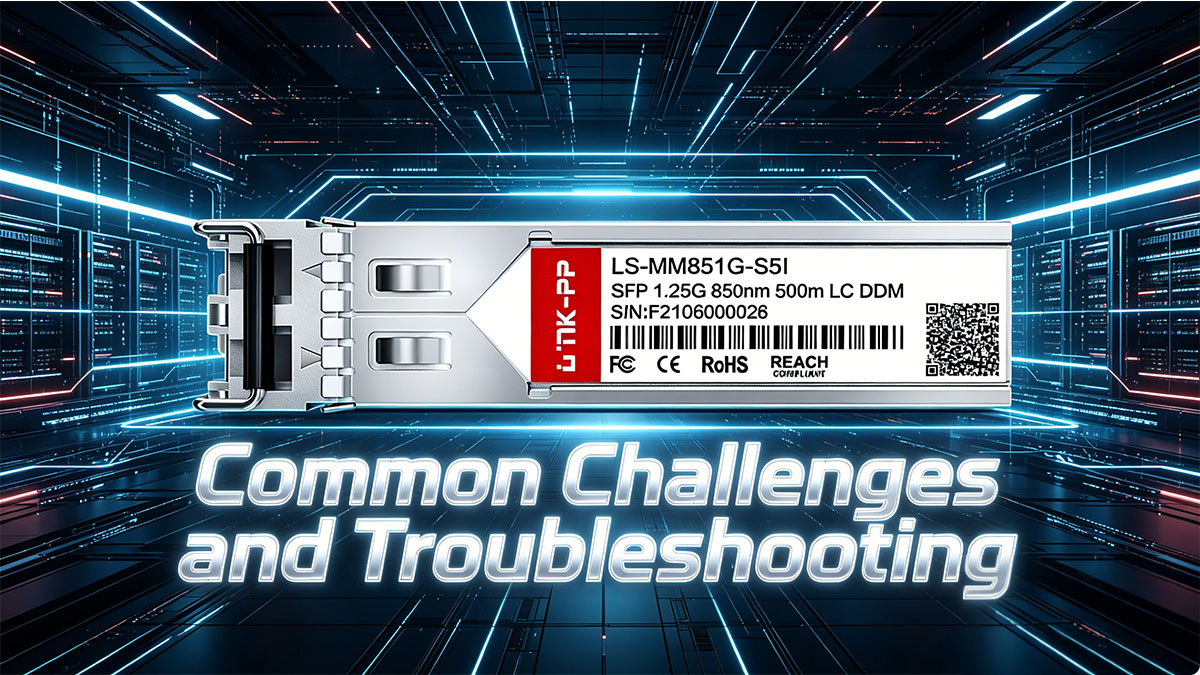
↪️ Common Challenges and Troubleshooting
Even with careful planning and deployment, replacing the FTLF8519P3BTL can present several operational challenges. Understanding these potential issues and knowing how to address them is crucial for maintaining SAN and Gigabit Ethernet stability.
Compatibility and Recognition Issues
Replacement modules may sometimes fail to be recognized by legacy switches or storage devices. Common causes include:
- Vendor-specific EEPROM coding that does not match the original module
- Unsupported firmware versions on switches or storage arrays
- MSA non-compliance or deviations in manufacturing
To troubleshoot these issues:
- Verify that the replacement module is fully MSA-compliant and matches vendor coding where required
- Update switch or storage firmware to the latest supported version
- Test the module in a lab environment to ensure it is recognized before large-scale deployment
Proper verification ensures that modules operate reliably without triggering error logs or link-down events.
Optical Connectivity Problems
Physical link issues can impact performance even when modules are fully compatible. Typical causes of optical problems include:
- Dust or contamination on fiber connectors
- Using mismatched fiber types (OM1 vs OM2) that exceed distance specifications
- Connector damage or excessive bending of fiber cables
Effective troubleshooting steps include:
- Inspect and clean all fiber connectors using proper fiber cleaning tools
- Confirm fiber type matches the module's rated distance specifications
- Replace damaged or excessively bent cables to restore signal integrity
These steps help prevent intermittent link failures and maintain low error rates in SAN and Ethernet traffic.
Performance Limitations in Modern Use Cases
While the FTLF8519P3BTL and compatible replacements function well for legacy workloads, certain limitations may arise:
- Bandwidth constraints in environments with higher I/O demands
- Increased latency when connecting through multiple legacy switches
- Incompatibility with newer high-speed ports expecting 10G or greater optics
Troubleshooting and mitigation strategies include:
- Segregate high-bandwidth workloads onto faster links while using 1G/2G modules for low-demand applications
- Monitor error counters and throughput metrics to identify bottlenecks
- Plan phased upgrades to higher-speed modules for performance-critical SAN segments
By anticipating these challenges and establishing proactive monitoring and mitigation procedures, organizations can maintain stable SAN operations and extend the useful life of legacy FTLF8519P3BTL modules.
↪️ Future Trends in SAN and Legacy Connectivity
As enterprise networks evolve, the role of legacy modules like the FTLF8519P3BTL is gradually changing. Understanding these trends helps organizations plan for future upgrades while optimizing the lifecycle of existing SAN and Ethernet infrastructure.
Gradual Migration to Higher-Speed Networks
The shift from 1G/2G Fibre Channel and Gigabit Ethernet to higher-speed solutions is a key trend in modern data centers. This transition is driven by increasing storage workloads, virtualization, and cloud adoption. Key points include:
- Migration to 8G, 16G, and 32G Fibre Channel links in enterprise SANs
- Gradual adoption of 10G SFP+ and 25G SFP28 Ethernet for access and aggregation layers
- Maintaining backward compatibility to support legacy 1G/2G links during phased upgrades
This approach allows organizations to continue using FTLF8519P3BTL and similar modules in non-critical segments while planning for higher-speed infrastructure in performance-sensitive areas.
Hybrid Network Architectures
Modern data centers increasingly adopt hybrid network architectures that combine Ethernet and Fibre Channel traffic. This trend reinforces the relevance of multi-protocol modules and highlights opportunities for replacement strategies:
- Integration of Fibre Channel with Ethernet-based storage protocols, such as iSCSI and NVMe over Fabrics
- Coexistence of legacy 1G/2G modules with higher-speed links in transitional environments
- Flexibility to support both SAN and general network traffic without additional hardware
Hybrid architectures allow IT teams to maximize resource utilization and extend the useful life of legacy modules while supporting new network initiatives.
Extending Value Through Compatible Optics
The growing availability of third-party, standards-compliant replacement modules is another trend shaping legacy SAN connectivity. Key implications include:
- Increased adoption of validated replacements to ensure continuity and cost efficiency
- Improved standardization and interoperability across vendors
- Lifecycle extension strategies that reduce reliance on scarce or obsolete OEM modules
By leveraging compatible optics, organizations can maintain operational stability, reduce procurement risk, and gradually prepare for future high-speed network adoption.
In summary, while the FTLF8519P3BTL remains a functional component in legacy SAN environments, the trajectory of network evolution emphasizes higher speeds, hybrid architectures, and the strategic use of compatible replacement modules. Planning with these trends in mind allows enterprises to optimize existing infrastructure while preparing for scalable, modern SAN and Ethernet networks.
↪️ FAQs About FTLF8519P3BTL
Q1: What data rates does the FTLF8519P3BTL support?
The module supports 1.25Gbps for Gigabit Ethernet and 1G/2G for Fibre Channel, making it suitable for legacy SAN and Ethernet networks.
Q2: Can FTLF8519P3BTL replacements work in mixed-vendor environments?
Yes, compatible replacements that adhere to MSA standards typically operate seamlessly across switches and storage devices from multiple vendors.
Q3: What is the maximum transmission distance for this module?
It supports up to 550 meters over OM2 multimode fiber and shorter distances on OM1 fiber.
Q4: Does the module include monitoring capabilities?
Yes, both the original and most replacements support digital diagnostics monitoring (DDM) to track transmit/receive power, temperature, and voltage.
Q5: Are replacement modules compatible with both Ethernet and Fibre Channel protocols?
High-quality replacements maintain dual-protocol support, ensuring functionality in hybrid SAN and network environments.
Q6: Is it necessary to update firmware when installing replacement modules?
In some cases, updating switch or storage firmware ensures recognition and proper operation of replacement modules.
Q7: How can IT teams ensure long-term reliability with replacements?
Implementing monitoring with DDM, performing staged testing, and following lifecycle management practices ensures consistent performance and minimal downtime.
↪️ Conclusion
FTLF8519P3BTL replacement modules provide a reliable and standards-compliant solution for maintaining 1G/2G Fibre Channel and 1000BASE-SX Gigabit Ethernet connectivity, helping organizations sustain legacy SAN networks and hybrid Ethernet-Fibre Channel environments without compromising operational stability.
Key Takeaways
- Dual-Protocol Support: Ensures seamless operation across Ethernet and Fibre Channel networks.
- Consistent Optical Performance: Up to 550m reach over OM2 multimode fiber for stable connections.
- Real-Time Monitoring: DDM diagnostics track TX/RX power, temperature, and voltage for proactive maintenance.
- Interoperability: Compatible with mixed-vendor switches and storage arrays, preserving network continuity.
- Infrastructure Lifecycle Extension: Provides a cost-effective alternative to end-of-life FTLF8519P3BTL modules.
For IT teams managing legacy SANs or hybrid network architectures, using validated FTLF8519P3BTL replacements ensures reliable connectivity and simplifies lifecycle management. Explore available modules and detailed specifications at the LINK-PP Official Store to maintain and optimize your existing network infrastructure.







