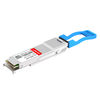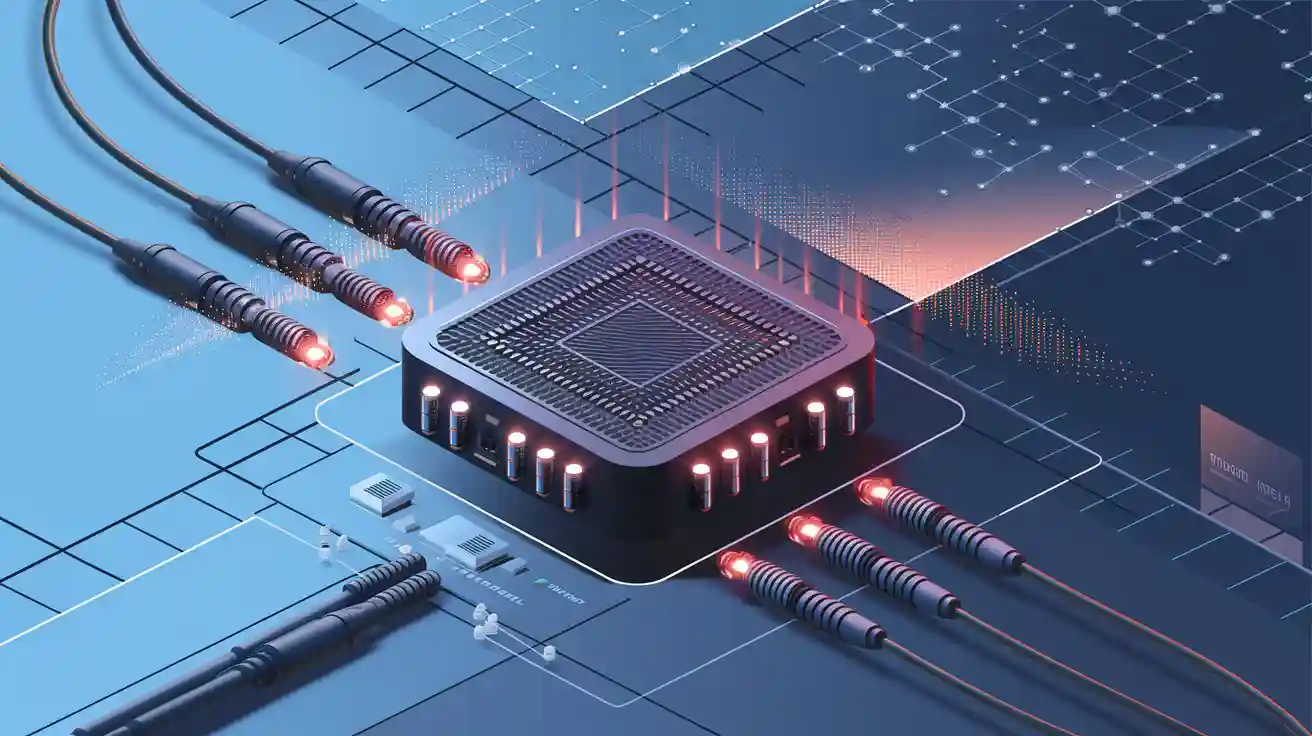
The Mikrotik S-31DLC20D is a 1.25Gbps single-mode SFP transceiver designed for stable long-distance fiber communication up to 20km, making it a practical solution for Gigabit Ethernet deployments that require reliability and cost efficiency. Understanding its datasheet is essential for selecting the right module, ensuring compatibility, and optimizing network performance.
In modern fiber networks, choosing the correct optical module directly impacts link stability, transmission distance, and overall infrastructure efficiency. The S-31DLC20D stands out as a widely used option in MikroTik-based environments, but its real value becomes clear only when its specifications and practical implications are properly interpreted.
This guide explores the Mikrotik S-31DLC20D datasheet in depth, focusing on its core specifications, performance characteristics, compatibility considerations, and real-world deployment scenarios. By the end of this article, readers will have a clear understanding of how this SFP module fits into different network architectures and how to evaluate whether it meets specific operational requirements.
🥃 What Is Mikrotik S-31DLC20D?
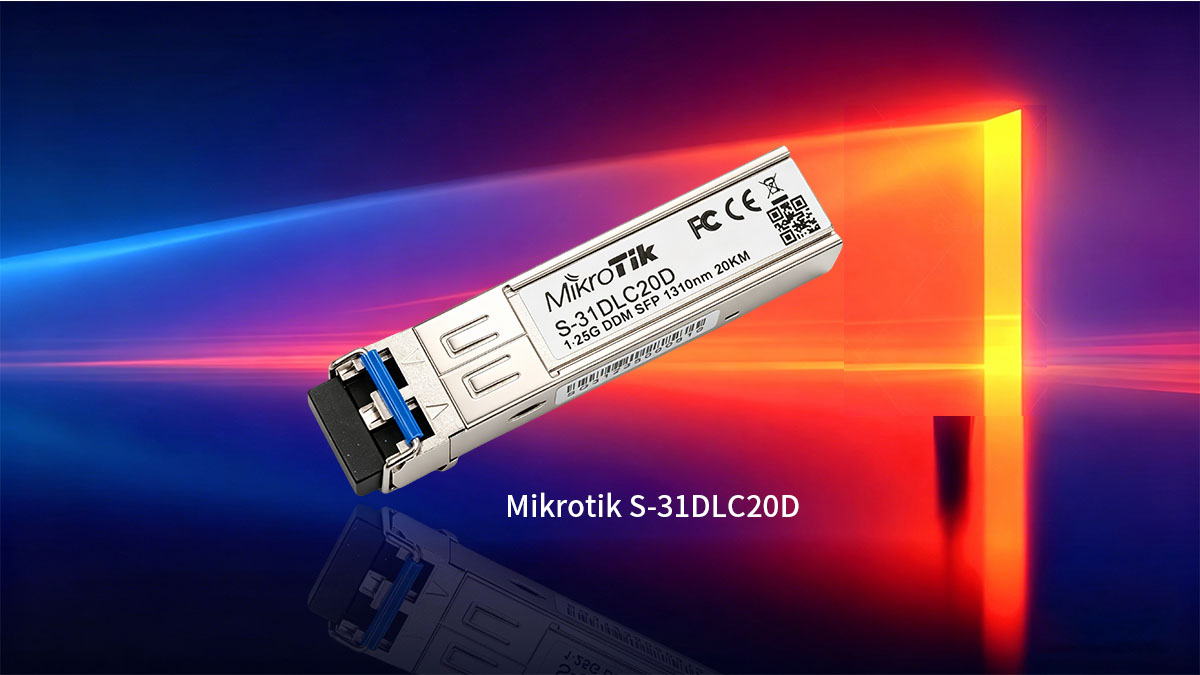
The Mikrotik S-31DLC20D is a 1.25Gbps single-mode SFP optical transceiver designed to provide stable Gigabit Ethernet connectivity over fiber distances up to 20km. It is primarily used to convert electrical Ethernet signals into optical signals for long-distance network transmission in MikroTik and compatible networking equipment.
Product Definition and Role
The Mikrotik S-31DLC20D functions as a standard SFP fiber module that enables optical communication between networking devices over single-mode fiber. Its main role is to extend network connectivity beyond the limitations of copper cabling while maintaining stable Gigabit performance.
From a functional perspective, its core role can be summarized as follows:
- Converts electrical Ethernet signals into optical signals and vice versa
- Enables 1.25Gbps Gigabit Ethernet transmission over fiber
- Supports long-distance connectivity up to 20km using single-mode fiber
- Fits into standard SFP ports on routers and switches
- Ensures stable data transfer in optical network infrastructures
These functions make it a foundational component in fiber-based network design, especially in environments where reliable long-range connectivity is required without upgrading to higher-speed optical systems.
Key Use Cases
The Mikrotik S-31DLC20D is used in network environments that require stable Gigabit fiber connections over medium to long distances, typically where copper cabling is not practical.
Its primary use scenarios include:
- Interconnecting buildings within enterprise campuses
- Extending ISP backbone and access networks
- Linking network aggregation or distribution nodes
- Supporting fiber-based CCTV and surveillance systems
- Providing long-distance connectivity in industrial networks
These applications highlight its role in maintaining consistent Gigabit performance across physically separated network segments.
In practice, it is commonly deployed in scenarios where simplicity, compatibility, and reliable long-distance transmission are more important than high-speed multi-gigabit bandwidth.
🥃 Mikrotik S-31DLC20D Datasheet Overview
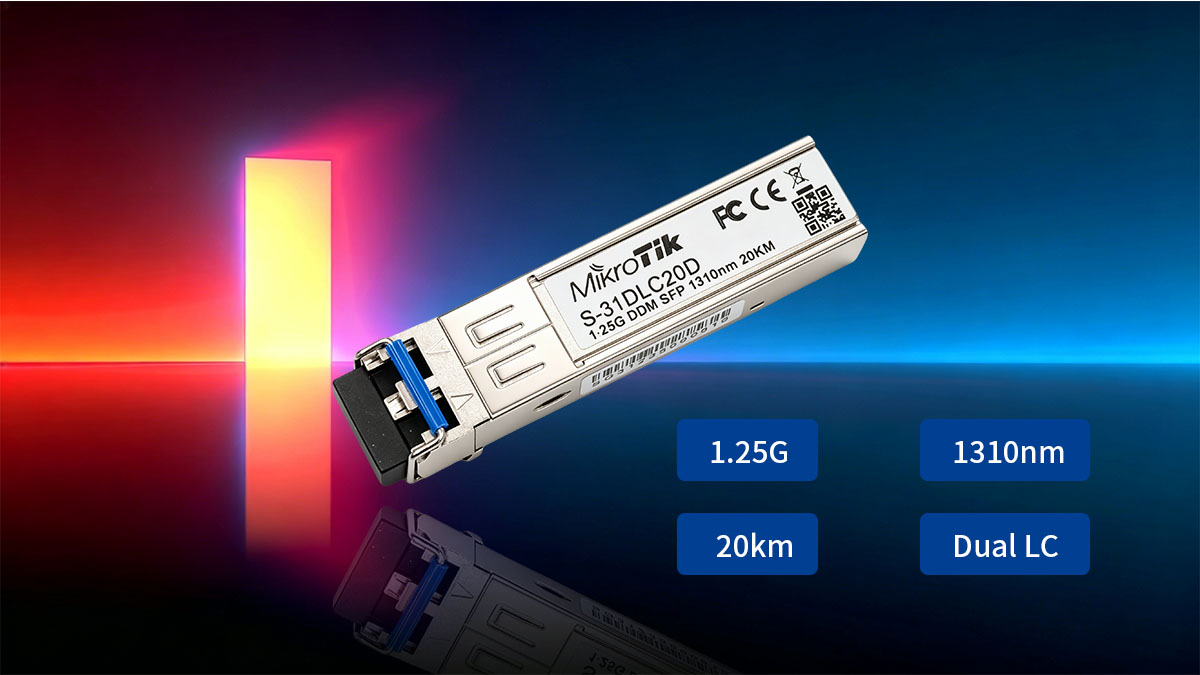
The Mikrotik S-31DLC20D datasheet defines a 1.25Gbps single-mode SFP optical transceiver designed for stable Gigabit Ethernet transmission over distances up to 20km. It specifies key optical, electrical, and environmental parameters that determine compatibility, performance, and deployment suitability in fiber network infrastructures.
Core Technical Specifications
The core specifications of the S-31DLC20D determine its transmission capability, compatibility, and physical deployment limits in Gigabit fiber networks.
To understand its datasheet at a technical level, the most important parameters include data rate, wavelength, transmission distance, and fiber type.
Before presenting the structured specification overview, it is important to note that these values directly impact network design decisions such as link budget and compatibility.
| Parameter |
Specification |
Impact on Network |
| Data Rate |
1.25Gbps |
Supports standard Gigabit Ethernet performance |
| Wavelength |
1310nm |
Optimized for long-distance single-mode transmission |
| Transmission Distance |
Up to 20km |
Suitable for inter-building and metro access links |
| Fiber Type |
Single-mode fiber (SMF) |
Ensures low attenuation over long distances |
These parameters define the operational boundaries of the module and ensure predictable performance when deployed in compliant optical environments.
Optical and Electrical Characteristics
The optical and electrical characteristics of the S-31DLC20D determine signal quality, power efficiency, and link stability during operation in real-world networks.
These characteristics are essential for ensuring reliable communication between optical transceivers and network devices.
Key performance-related attributes include:
- Optical transmit power range ensuring sufficient signal strength over long distances
- Receiver sensitivity designed to maintain stable signal detection at 20km reach
- Low power consumption suitable for high-density switch environments
- Compliance with SFP Multi-Source Agreement (MSA) standards for interoperability
- Stable signal-to-noise performance for consistent data transmission
These factors collectively ensure that the module maintains stable optical performance under standard operating conditions.
In real deployments, these electrical and optical properties help reduce link failures and ensure predictable behavior across supported hardware platforms.
Environmental and Physical Parameters
The environmental and physical specifications of the S-31DLC20D define how it performs under different operating conditions and installation environments.
These parameters ensure the module can be safely deployed in enterprise, ISP, and industrial networks without environmental instability affecting performance.
Key environmental and physical characteristics include:
- Operating temperature range suitable for standard networking environments
- Storage temperature tolerance for safe transport and warehousing
- Hot-swappable SFP form factor for easy installation and replacement
- Compact design compatible with high-density switch configurations
- Compliance with industry-standard SFP mechanical specifications
These attributes ensure that the module can operate reliably in both controlled data center environments and more variable field deployments.
In practical use, these characteristics simplify installation and maintenance while supporting long-term operational stability in fiber network infrastructures.
🥃 Performance Characteristics and Practical Implications
The Mikrotik S-31DLC20D delivers stable 1.25Gbps performance over single-mode fiber up to 20km, and its real-world value comes from consistent signal quality, predictable link behavior, and compatibility across SFP-based network devices. Its performance characteristics directly influence how reliable and efficient a fiber link will be in practical deployments.
Transmission Stability and Signal Integrity
The S-31DLC20D maintains stable optical transmission over long distances by using a 1310nm wavelength optimized for single-mode fiber. This ensures low attenuation and consistent signal quality across extended links.
To understand its practical impact, signal stability is the most critical factor in long-distance Gigabit Ethernet design.
Key aspects affecting transmission stability include:
- 1310nm wavelength reduces signal loss over single-mode fiber
- Designed for up to 20km reach with predictable optical budget
- Stable modulation ensures consistent data delivery
- Low bit error rate (BER) under standard operating conditions
- Reliable performance in point-to-point fiber connections
These characteristics make the module suitable for environments where uninterrupted data flow is required over long distances.
In real deployments, stable signal integrity helps reduce retransmissions and minimizes network downtime, especially in backbone and inter-building links.
Compatibility and Interoperability
The S-31DLC20D is designed to operate within MikroTik ecosystems while maintaining a level of interoperability with many standard SFP-compatible devices. Compatibility is a key factor that determines whether the module can be deployed across mixed-vendor environments.
Its practical compatibility behavior can be summarized as follows:
- Optimized for MikroTik routers and switches running RouterOS
- Compliant with SFP Multi-Source Agreement (MSA) standards
- Works with many third-party switches supporting standard SFP modules
- May require compatibility verification in vendor-locked systems
- Firmware or port restrictions may affect recognition in some devices
These points highlight that while the module is broadly compatible, actual interoperability depends on device firmware and vendor policies.
In real-world usage, proper compatibility checks help prevent link detection issues and ensure smooth integration into existing network infrastructure.
Power Efficiency and Thermal Behavior
The S-31DLC20D is designed for low power consumption, making it suitable for dense networking environments where multiple SFP modules operate simultaneously. Its thermal and power characteristics directly influence system stability and hardware longevity.
Before examining specific traits, it is important to understand that optical modules contribute to overall switch heat generation in high-density deployments.
Key power and thermal characteristics include:
- Low power consumption suitable for continuous 24/7 operation
- Minimal heat generation compared to higher-speed transceivers
- Stable thermal performance under standard ambient conditions
- Supports high-density SFP port deployments without overheating risk
- Efficient energy usage in large-scale network switches
These features help maintain system stability even when multiple transceivers are installed in a single device.
In practical environments, efficient thermal behavior reduces cooling requirements and improves long-term reliability of networking equipment.
🥃 Comparing S-31DLC20D with Similar SFP Modules
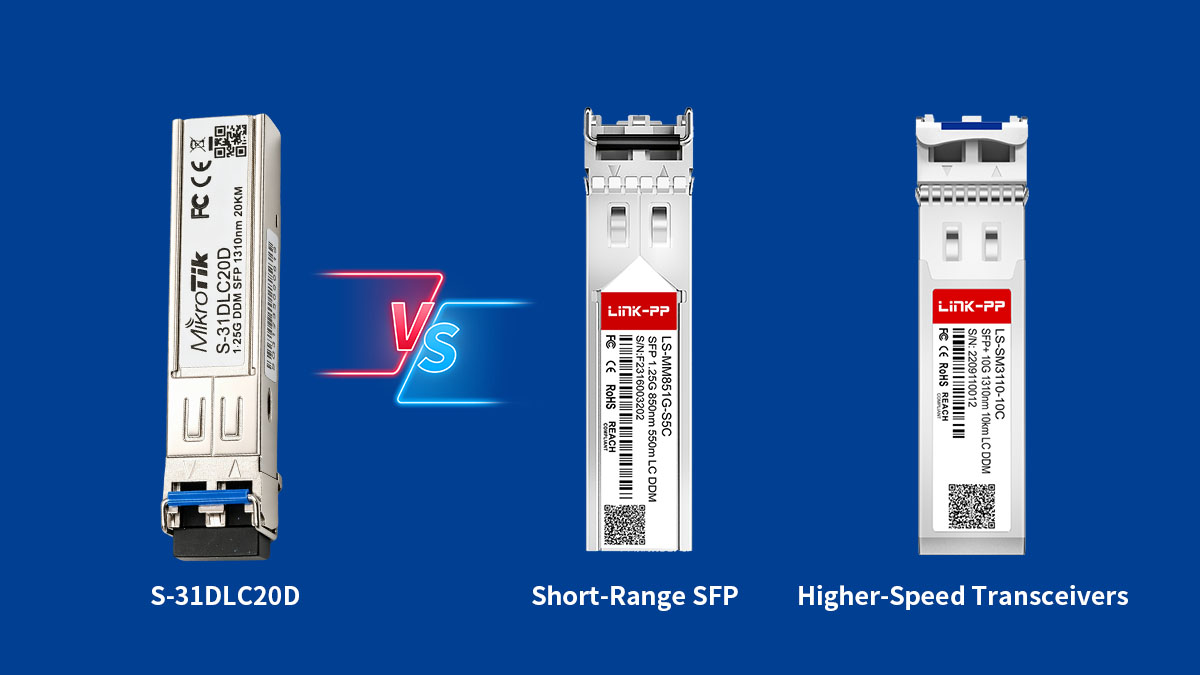
The Mikrotik S-31DLC20D is best understood in relation to other 1G SFP transceivers, especially 10km and short-reach SX modules. Compared with alternatives, it is positioned as a long-reach 1310nm single-mode solution optimized for stable Gigabit transmission up to 20km, making it distinct in both distance capability and fiber compatibility.
S-31DLC20D vs Short-Range SFP Modules
The S-31DLC20D differs significantly from short-range SFP modules such as 1000BASE-SX, mainly in fiber type, wavelength, and transmission distance. Its primary advantage is long-distance capability over single-mode fiber, while SX modules focus on short-range multimode applications.
To clearly understand their differences, it is important to compare their core transmission characteristics:
| Parameter |
S-31DLC20D |
1000BASE-SX (Typical) |
| Wavelength |
1310nm |
850nm |
| Fiber Type |
Single-mode fiber (SMF) |
Multimode fiber (MMF) |
| Transmission Distance |
Up to 20km |
~550m |
| Application Focus |
Long-distance links |
Intra-building connections |
This comparison shows that S-31DLC20D is designed for inter-site connectivity, while SX modules are optimized for short-range switching inside data centers or buildings.
In practical terms, selecting between them depends mainly on physical distance and fiber infrastructure type rather than speed, as both operate at 1.25Gbps.
S-31DLC20D vs Higher-Speed Transceivers
Compared with higher-speed SFP+ modules, the S-31DLC20D focuses on stable 1Gbps performance rather than increased bandwidth. SFP+ modules typically support 10Gbps transmission but may share similar wavelength and distance characteristics depending on the model.
Before reviewing differences, it is important to note that speed and architecture requirements often determine which module is appropriate for a given network design.
Key differences include:
- S-31DLC20D supports 1.25Gbps, while SFP+ modules support 10Gbps
- Both may use 1310nm wavelength for long-distance fiber transmission
- SFP+ modules require higher bandwidth-capable switching hardware
- Power consumption is generally higher in 10G optical modules
- Cost and infrastructure requirements increase with higher-speed optics
These differences highlight that S-31DLC20D is optimized for stable Gigabit links rather than high-throughput data center environments.
In real-world deployment, S-31DLC20D is preferred when upgrading speed is not necessary but long-distance reliability at 1Gbps is required.
When to Choose S-31DLC20D
The S-31DLC20D is most suitable in scenarios where consistent 1Gbps performance over long distances is more important than higher bandwidth or advanced optical capabilities. It is typically chosen for cost-efficient and stable fiber expansion within existing network infrastructures.
Its most appropriate use conditions include:
- Networks requiring up to 20km single-mode fiber links
- Environments already standardized on 1Gbps infrastructure
- Inter-building or campus backbone connections
- ISP access layer or aggregation link extensions
- Deployments prioritizing stability over bandwidth scaling
These conditions reflect scenarios where upgrading to higher-speed optics is unnecessary or not supported by existing hardware.
In practical terms, S-31DLC20D remains a balanced solution for long-distance Gigabit connectivity where simplicity, compatibility, and predictable performance are key requirements.
🥃 Deployment Considerations and Best Practices
The Mikrotik S-31DLC20D performs best when deployed within properly designed single-mode fiber networks that respect optical budget, compatibility, and physical installation standards. Correct deployment practices directly influence link stability, signal quality, and long-term reliability.
Fiber Infrastructure Requirements
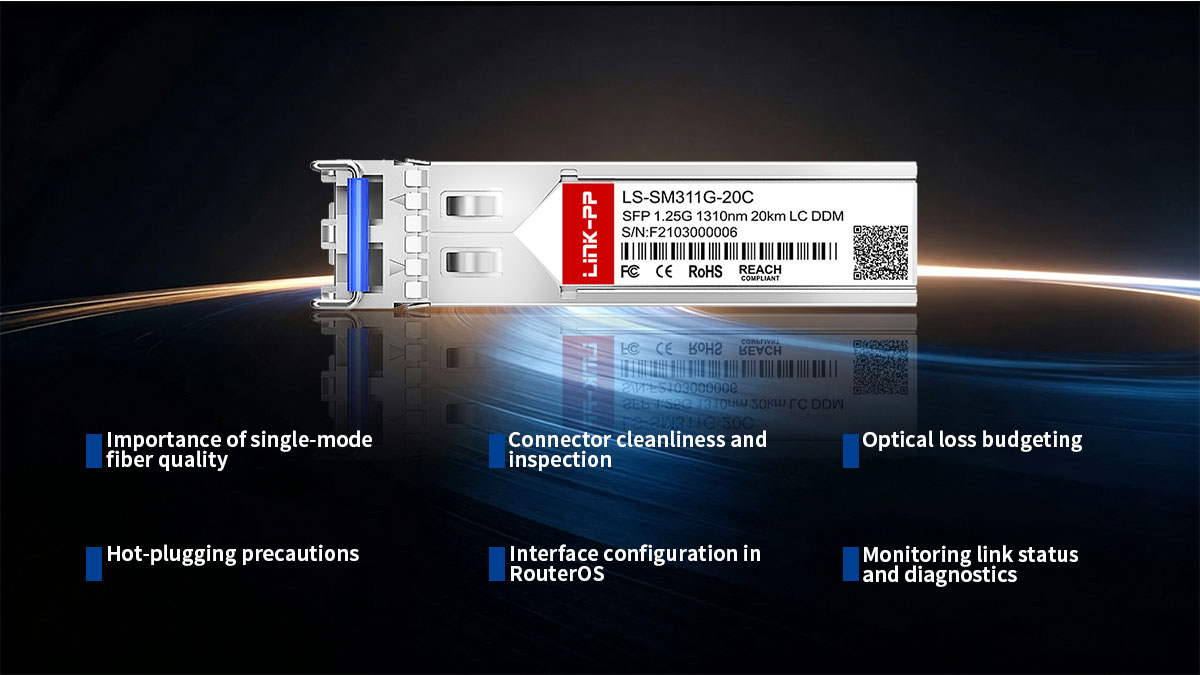
The S-31DLC20D requires a properly engineered single-mode fiber infrastructure to achieve its full 20km transmission capability. Fiber quality, connector cleanliness, and link budget planning are the most critical factors affecting performance.
To ensure stable operation, several infrastructure conditions must be met:
- Use OS2 single-mode fiber suitable for long-distance transmission
- Ensure fiber attenuation is within acceptable link budget limits
- Maintain clean LC connectors to avoid signal loss or reflection
- Avoid excessive bending radius that may degrade optical signal quality
- Verify end-to-end fiber continuity before module installation
These requirements ensure that the optical signal remains stable from transmitter to receiver without unnecessary degradation.
In practical deployments, poor fiber handling is one of the most common causes of unstable or failed SFP links, even when the module itself is functioning correctly.
Installation and Configuration Tips
Proper installation and configuration of the S-31DLC20D ensures immediate link detection and stable operation across supported devices. Since it is a hot-swappable SFP module, installation is straightforward but still requires careful handling.
Before listing key practices, it is important to understand that improper insertion or configuration can lead to link failure or intermittent connectivity.
Recommended installation and configuration practices include:
- Insert the module firmly into the SFP slot until fully seated
- Use proper anti-static handling procedures during installation
- Configure port speed to match 1Gbps Gigabit Ethernet mode
- Enable interface monitoring for link status verification
- Ensure both ends of the link use compatible SFP modules
These steps help ensure the module is correctly recognized and operates under optimal conditions.
In real-world usage, proper configuration alignment between both network endpoints is essential for maintaining a stable optical link.
Troubleshooting Common Issues
Even with correct installation, certain issues may arise due to fiber conditions, compatibility mismatches, or configuration errors. Identifying these problems quickly is key to maintaining network uptime.
Before reviewing common issues, it is important to note that most SFP-related problems are not caused by the module itself but by external factors such as fiber or device settings.
Common issues and their typical causes include:
- No link detected: caused by incompatible SFP ports or incorrect insertion
- Intermittent connection: often due to dirty or damaged fiber connectors
- High error rates: typically related to poor optical budget or fiber loss
- Device not recognizing module: may result from vendor compatibility restrictions
- Reduced distance performance: caused by excessive attenuation in fiber path
These issues can usually be resolved through proper inspection, cleaning, or configuration adjustments.
In practical deployment environments, systematic troubleshooting ensures faster recovery and helps maintain stable long-distance Gigabit connectivity.
🥃 Advantages and Limitations
The Mikrotik S-31DLC20D is widely used in Gigabit fiber deployments because it offers a stable balance between distance capability, simplicity, and cost efficiency. However, like all optical modules, it also has clear technical boundaries that define where it performs best and where it may not be suitable.
Key Advantages
The main strengths of the S-31DLC20D come from its reliable long-distance transmission and straightforward integration into standard SFP-based networks. These advantages make it a practical choice for many enterprise and ISP environments.
Before listing the details, it is important to understand that its value lies more in stability and compatibility than in high-speed innovation.
Key advantages include:
- Supports stable 1.25Gbps Gigabit Ethernet performance
- Enables long-distance transmission up to 20km over single-mode fiber
- Uses standardized SFP form factor for wide hardware compatibility
- Low power consumption suitable for dense switch environments
- Reliable optical performance for consistent long-term operation
These benefits make it particularly suitable for backbone and inter-building connections where predictable performance is essential.
In real deployments, its simplicity and stability reduce network complexity and help maintain consistent service quality across distributed sites.
Potential Limitations
Despite its reliability, the S-31DLC20D is designed for a specific performance range and therefore has limitations when compared to higher-speed or more flexible optical modules.
Before reviewing the limitations, it is important to note that these constraints are expected for a 1G long-reach SFP module.
Key limitations include:
- Limited to 1.25Gbps bandwidth, not suitable for high-throughput networks
- Single-mode fiber requirement excludes multimode infrastructure use
- Fixed 20km design range without extended reach flexibility
- Not intended for high-density data center 10G+ environments
- Compatibility may vary across non-MikroTik or locked firmware devices
These limitations define its role as a specialized long-distance Gigabit solution rather than a general-purpose high-speed transceiver.
In practical terms, it is most effective when used within its intended range and infrastructure type, rather than in environments requiring scalable multi-gigabit performance.
🥃 Real-World Application Scenarios
The Mikrotik S-31DLC20D is primarily deployed in networks that require stable 1.25Gbps connectivity over single-mode fiber with distances up to 20km. Its real-world value is best understood through practical use cases where long-distance reliability and simple Gigabit integration are essential.
Enterprise and Campus Networks
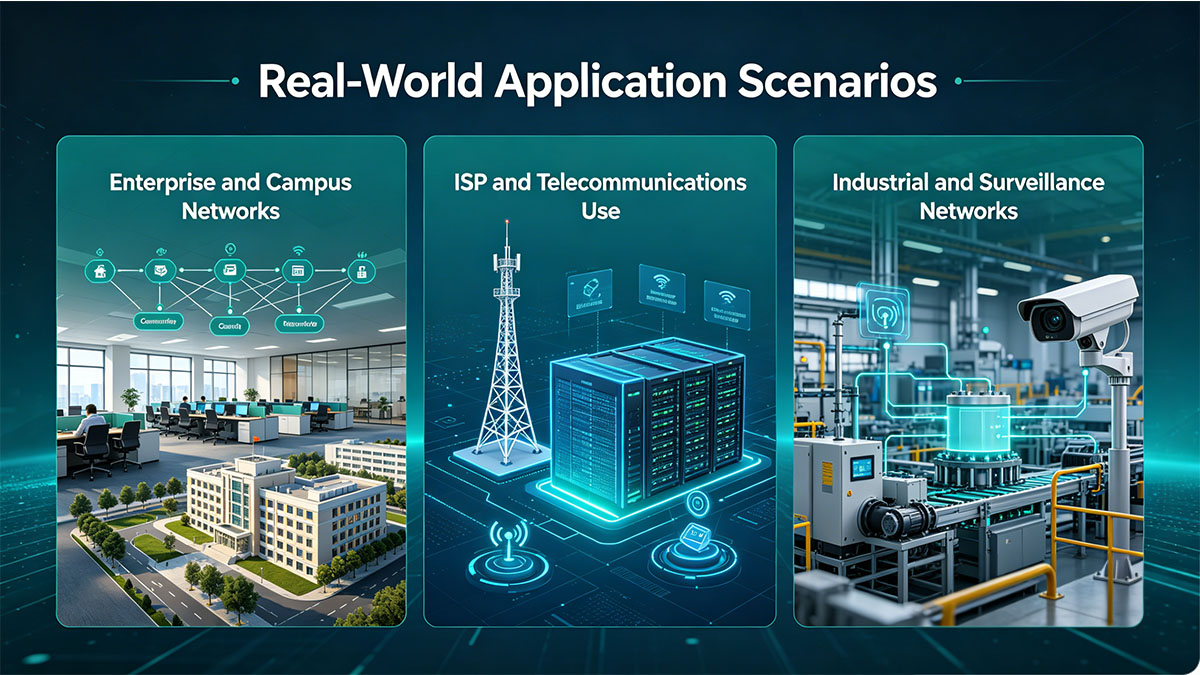
In enterprise and campus environments, the S-31DLC20D is commonly used to connect multiple buildings within a unified network infrastructure. It enables reliable backbone links without the need for higher-cost long-haul optical systems.
Before listing specific applications, it is important to highlight that these environments prioritize stability and manageability over ultra-high bandwidth.
Typical enterprise and campus applications include:
- Interconnecting office buildings across large campuses
- Extending core network connectivity to remote departments
- Linking data rooms or server buildings within a site
- Supporting centralized network management across locations
- Enabling stable LAN backbone expansion over fiber
These use cases demonstrate how the module supports structured network growth while maintaining consistent Gigabit performance.
In practical deployments, it helps organizations extend their internal networks without redesigning their entire infrastructure.
ISP and Telecommunications Use
Internet service providers and telecom operators often rely on the S-31DLC20D for access and aggregation layer connectivity. Its 20km reach makes it suitable for connecting distribution points and extending service coverage.
Before detailing its role, it is important to note that ISPs typically require cost-efficient and stable optical links rather than high-speed upgrades in every segment.
Common ISP and telecom applications include:
- Connecting base stations or access nodes to aggregation points
- Extending fiber coverage in metropolitan access networks
- Linking distribution switches in regional infrastructure
- Supporting last-mile fiber expansion projects
- Maintaining stable backbone connections between network hubs
These applications highlight its role in enabling scalable and reliable service delivery over moderate distances.
In real-world ISP deployments, it is often selected for its balance between performance consistency and infrastructure cost control.
Industrial and Surveillance Networks
In industrial environments and surveillance systems, the S-31DLC20D is used to maintain stable communication links in physically distributed or remote installations. Its long-distance fiber capability is especially valuable in environments where copper cabling is not feasible.
Before outlining specific applications, it is important to understand that these environments often prioritize reliability under challenging conditions.
Key industrial and surveillance use cases include:
- Connecting remote surveillance cameras over fiber links
- Linking control systems across industrial facilities
- Supporting perimeter security systems in large areas
- Enabling communication between distributed monitoring stations
- Providing stable data transmission in electrically noisy environments
These use cases show how the module supports mission-critical connectivity where signal stability is more important than bandwidth expansion.
In practical deployment, it ensures continuous data transmission in environments where network interruption is not acceptable.
🥃 How to Interpret the Datasheet Effectively
The Mikrotik S-31DLC20D datasheet should be interpreted as a set of engineering constraints that define where and how the module can operate reliably. Correct interpretation helps ensure proper compatibility, stable link performance, and accurate network design decisions.
Key Parameters to Focus On
When reading the datasheet, the most important step is identifying which parameters directly affect real-world deployment, especially transmission distance, optical budget, and fiber type compatibility.
Before listing the key focus areas, it is important to understand that not all datasheet values carry equal weight in practical network design.
Key parameters to prioritize include:
- Transmission distance to confirm suitability for required link length
- Wavelength (1310nm) to ensure compatibility with single-mode fiber
- Data rate (1.25Gbps) to match network speed requirements
- Fiber type (SMF) to avoid mismatches with multimode infrastructure
- Optical power range to validate link budget feasibility
These parameters define whether the module can be reliably deployed in a given environment without signal degradation or compatibility issues.
In real-world planning, focusing on these core values helps prevent mismatched deployments and ensures stable long-distance connectivity.
Avoiding Common Misinterpretations
Misinterpreting datasheet specifications is one of the most common causes of deployment issues in optical networks. Many problems arise from overlooking physical limitations or assuming compatibility across all environments.
Before reviewing specific mistakes, it is important to emphasize that datasheets define ideal operating conditions, not guaranteed universal compatibility.
Common misinterpretations include:
- Confusing single-mode (SMF) with multimode (MMF) fiber compatibility
- Assuming all SFP modules are universally interchangeable across devices
- Overlooking the importance of optical power budget calculations
- Misreading maximum distance as guaranteed performance under all conditions
- Ignoring vendor-specific compatibility restrictions in some hardware
These misunderstandings can lead to link instability, non-functional connections, or reduced transmission distance.
In practical deployments, careful interpretation of datasheet limitations ensures more predictable performance and reduces troubleshooting efforts during installation and operation.
🥃 Conclusion
The Mikrotik S-31DLC20D is a 1.25Gbps single-mode SFP optical transceiver designed for stable long-distance Gigabit Ethernet transmission up to 20km, and understanding its datasheet is essential for ensuring correct deployment, compatibility, and reliable network performance.
To summarize the most important insights from the Mikrotik S-31DLC20D Datasheet Overview and Specs Guide, the key value of this module lies in its predictable performance and clear deployment scope within single-mode fiber networks.
Key points to remember include:
- Designed for 1.25Gbps Gigabit Ethernet over single-mode fiber
- Supports long-distance transmission up to 20km with stable optical performance
- Operates on 1310nm wavelength optimized for low-loss fiber communication
- Best suited for enterprise, ISP, and campus backbone connectivity
- Requires proper datasheet interpretation for correct compatibility and deployment
These points highlight that the S-31DLC20D is not a general-purpose transceiver, but a targeted solution for reliable long-reach Gigabit networking.
For users planning network expansion or evaluating compatible optical transceivers, selecting the right SFP module based on datasheet accuracy is critical for long-term stability and cost efficiency. Exploring high-quality and compatible optical solutions can further improve network reliability and deployment flexibility.
For more detailed product options and optical connectivity solutions, you can explore resources from LINK-PP Official Store, which provides a wide range of compatible transceiver modules designed for different networking environments and performance requirements.