



































In modern enterprise and data center networks, flexibility in connectivity has become increasingly important as organizations balance performance, cost, and infrastructure compatibility. While fiber optic transceivers dominate high-speed and long-distance transmission, copper-based solutions still play a critical role in short-range networking, especially where existing twisted-pair cabling is widely deployed. SFP form factors that support copper Ethernet allow network engineers to extend the usability of fiber-oriented switches without overhauling underlying cabling systems.
Among these solutions, the Finisar FCLF8521P2BTL stands out as a widely used 1000BASE-T SFP transceiver designed for Gigabit Ethernet over standard RJ45 interfaces. It enables seamless integration between SFP ports and copper-based network devices, making it highly relevant in mixed-media environments. However, understanding its exact specifications, performance characteristics, and how it compares to alternative modules is essential for making informed deployment decisions.
This article provides a detailed breakdown of the Finisar FCLF8521P2BTL, including its technical specifications, practical use cases, and compatible alternatives. It also explores key considerations such as power consumption, lifecycle factors, and deployment best practices. By the end, you will gain a clear understanding of when and how to use this module effectively, as well as how to evaluate suitable alternatives for different network scenarios.
? Overview of Finisar FCLF8521P2BTL
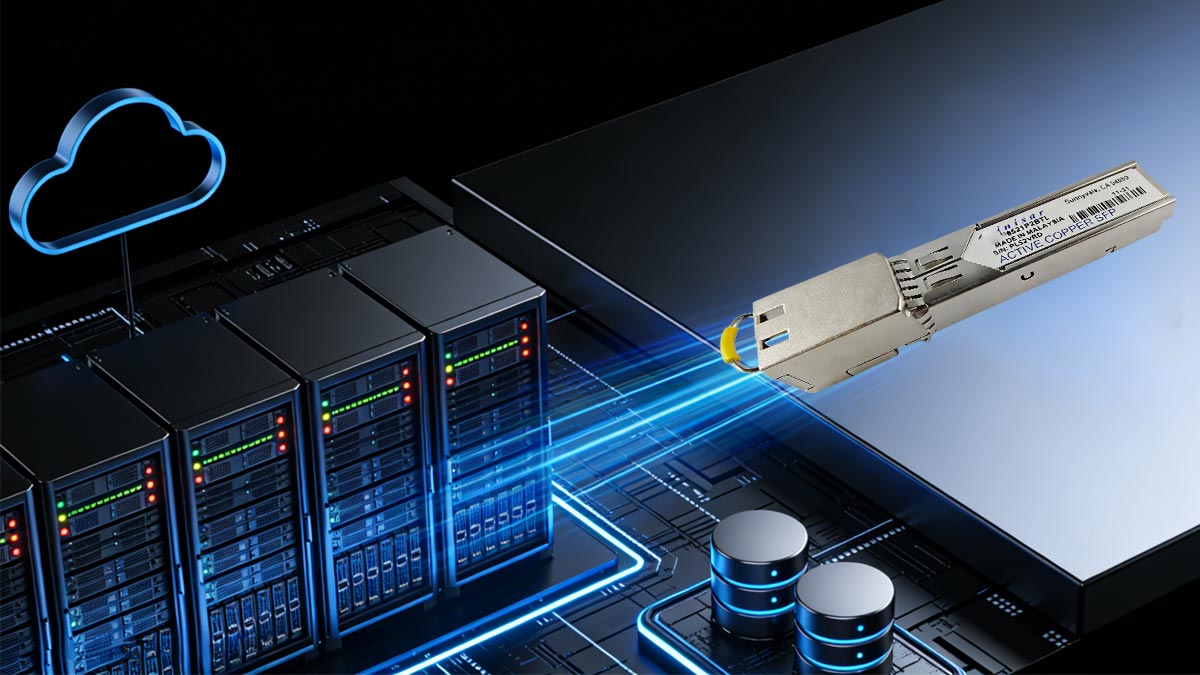
The Finisar FCLF8521P2BTL is a 1000BASE-T copper SFP module designed to deliver Gigabit Ethernet connectivity over standard twisted-pair cabling, making it an effective solution for integrating RJ45-based devices into SFP-enabled network equipment. It is particularly suitable for short-distance links up to 100 meters, where leveraging existing copper infrastructure is both practical and cost-efficient.
Module Type and Function
The Finisar FCLF8521P2BTL functions as a bridge between fiber-oriented network hardware and copper-based Ethernet environments, enabling seamless interoperability without requiring additional media converters.
- Supports 10/100/1000Mbps auto-negotiation, allowing flexible speed adaptation based on connected devices
- Uses an RJ45 interface, making it compatible with widely deployed Cat5e and Cat6 cabling
- Operates under the IEEE 802.3ab standard for Gigabit Ethernet over copper
- Integrates a built-in PHY, handling signal processing directly within the module
This design allows network switches with SFP ports to connect directly to endpoints such as workstations, routers, or access switches that rely on copper Ethernet.
Key Features
The module is engineered to balance compatibility, ease of deployment, and operational stability in enterprise environments.
- Hot-pluggable SFP form factor enables installation or replacement without powering down equipment
- Broad compatibility with networking hardware that supports standard or coded SFP modules
- Designed for short-reach transmission up to 100 meters using structured cabling
- Higher power consumption compared to optical SFPs due to integrated electrical processing
- Typically lacks full digital optical monitoring (DOM), but supports basic link diagnostics via host devices
Positioning in Network Architectures
The Finisar FCLF8521P2BTL is best positioned in scenarios where copper connectivity is required within otherwise fiber-centric infrastructures.
| Deployment Scenario | Role of Module | Key Benefit |
|---|---|---|
| Enterprise access layer | Connect endpoints to switches | Reuse existing copper cabling |
| Data center management | Enable out-of-band connections | Simplified device management |
| Hybrid network setups | Bridge fiber and copper links | Increased deployment flexibility |
In practice, this module is not intended for high-density, high-speed aggregation layers but instead excels in edge connectivity and transitional network designs where both copper and fiber must coexist efficiently.
? Technical Specifications
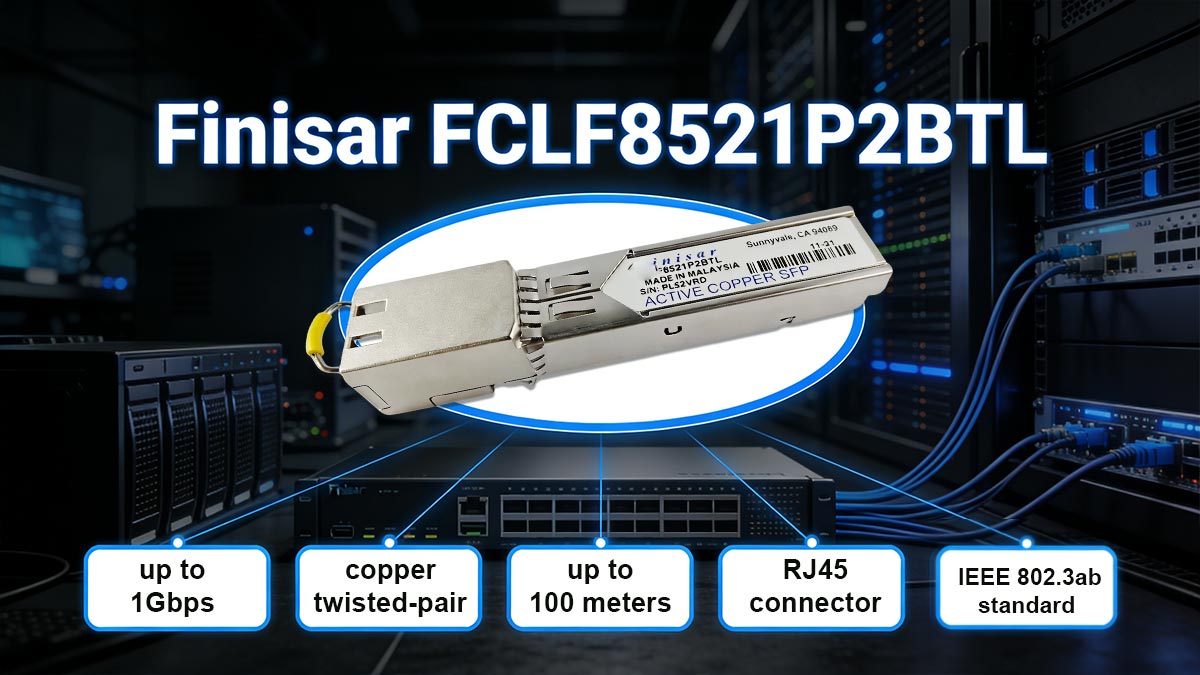
The Finisar FCLF8521P2BTL is defined by its 1000BASE-T copper Ethernet design, supporting Gigabit transmission over RJ45 interfaces with a maximum reach of 100 meters, while operating within standard SFP electrical and mechanical constraints. Its specifications reflect the trade-offs between flexibility, power consumption, and copper-based signal transmission.
Electrical and Interface Specs
The module operates over twisted-pair copper cabling and integrates all necessary signal processing to deliver stable Gigabit Ethernet performance.
| Parameter | Specification | Notes |
|---|---|---|
| Data Rate | 10/100/1000Mbps | Auto-negotiation supported |
| Interface | RJ45 | Standard Ethernet connector |
| Cable Type | Cat5e / Cat6 | Cat6 recommended for stability |
| Maximum Distance | 100m | Per IEEE 802.3ab standard |
These specifications make the module ideal for short-range connectivity where structured copper cabling is already in place. The auto-negotiation capability ensures compatibility with legacy devices operating at lower speeds.
Physical and Environmental Specs
The module follows the standard SFP form factor while accommodating the additional thermal and electrical demands of copper transmission.
| Parameter | Typical Value | Notes |
|---|---|---|
| Form Factor | SFP | Hot-pluggable |
| Operating Temperature | 0°C to 70°C | Commercial range |
| Power Consumption | ~1.0W–1.5W | Higher than optical SFP modules |
| Standards Compliance | IEEE 802.3ab, SFP MSA | Ensures interoperability |
Compared to optical transceiver, the higher power draw is primarily due to the integrated PHY and signal conditioning required for copper transmission.
Performance Characteristics
The performance of the Finisar FCLF8521P2BTL is influenced by both electrical signaling constraints and external environmental factors.
- Latency is slightly higher than optical SFPs due to electrical signal processing within the PHY
- Signal integrity depends heavily on cable quality, length, and proper termination
- More susceptible to electromagnetic interference (EMI), especially in dense or poorly shielded environments
- Thermal output is higher, requiring attention in high-density switch deployments
In practical deployments, these characteristics mean that while the module offers excellent flexibility and compatibility, optimal performance depends on maintaining high-quality cabling infrastructure and proper environmental conditions.
? Deployment Use Cases
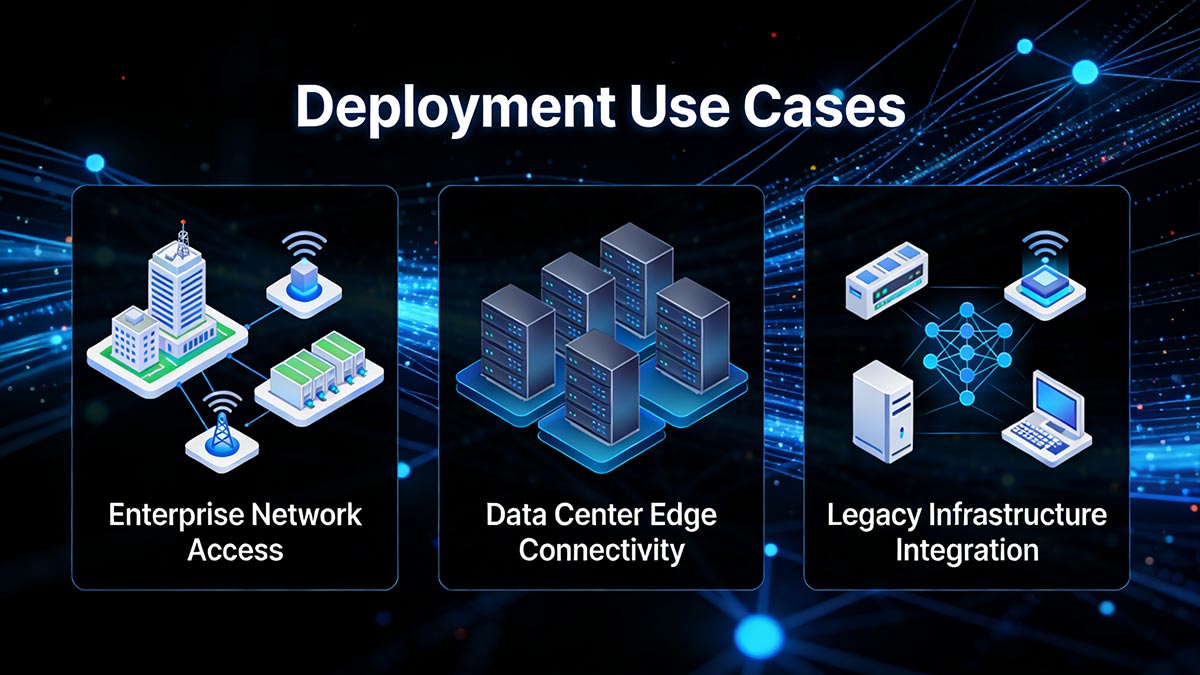
The Finisar FCLF8521P2BTL is best suited for short-range Gigabit Ethernet connections where copper cabling is already deployed, offering a practical way to extend SFP-based switches into RJ45-based network environments without additional conversion hardware. Its flexibility makes it particularly valuable in hybrid infrastructures that combine fiber and copper links.
Enterprise Network Access
In enterprise environments, the module is commonly used to connect end devices directly to switches equipped with SFP ports, enabling efficient use of existing Ethernet cabling.
- Connects desktops, IP phones, wireless access points, and printers to aggregation switches
- Extends the usability of SFP ports when no native RJ45 ports are available
- Supports mixed-speed environments through auto-negotiation (10/100/1000Mbps)
- Reduces the need for separate access switches with copper-only interfaces
This approach is especially useful in office networks where structured cabling (Cat5e/Cat6) is already standardized and widely distributed.
Data Center Edge Connectivity
Within data centers, the module is typically deployed for non-performance-critical connections, particularly at the edge or for management purposes.
| Use Case | Role of Module | Practical Benefit |
|---|---|---|
| Out-of-band management | Connect management interfaces | Reliable remote device access |
| Low bandwidth links | Support monitoring systems | Efficient resource utilization |
| Temporary connections | Enable quick device setup | Fast and flexible deployment |
Because copper transceivers consume more power and generate more heat, they are generally not used in high-density data paths but remain valuable for auxiliary connectivity.
Legacy Infrastructure Integration
The module plays a key role in bridging modern network equipment with legacy systems that still rely on copper Ethernet interfaces.
- Connects older routers, switches, or servers with RJ45 ports to newer SFP-based switches
- Eliminates the need for standalone media converters
- Simplifies migration strategies from copper to fiber by enabling phased upgrades
- Supports hybrid network designs where both media types coexist
This capability allows organizations to modernize parts of their network incrementally, without requiring a complete infrastructure overhaul.
? Alternative and Compatible Modules
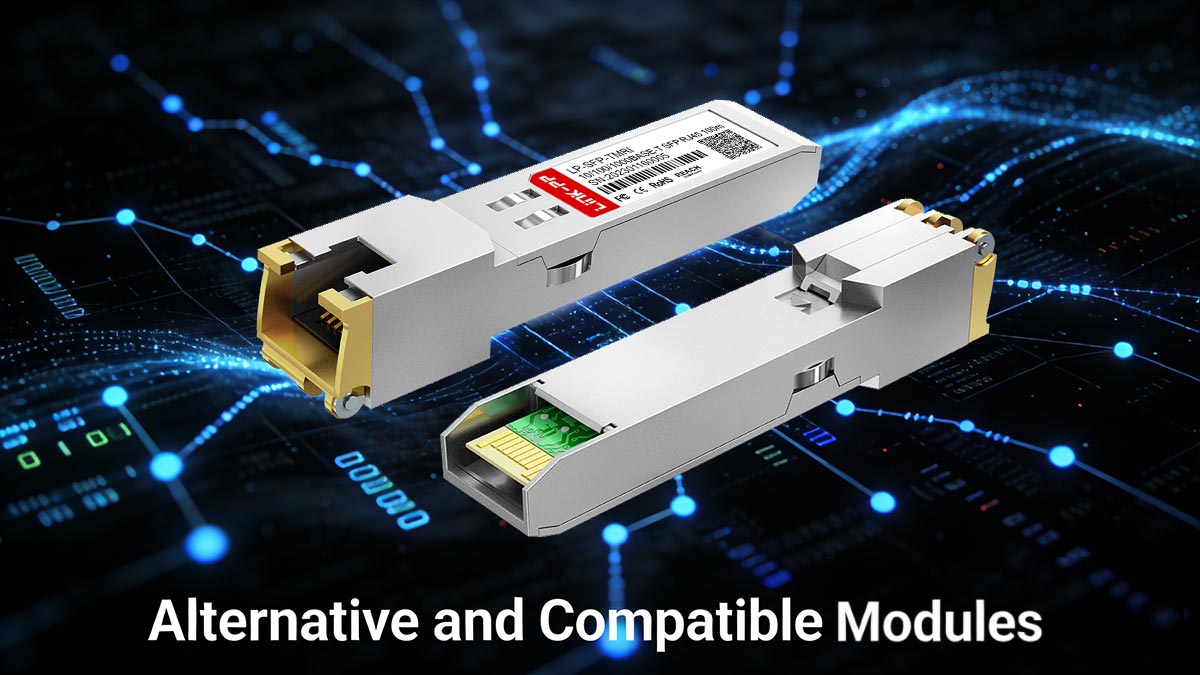
The Finisar FCLF8521P2BTL can be effectively replaced or complemented by a range of 1000BASE-T SFP modules from both OEM vendors and third-party manufacturers, provided they meet interoperability, power, and thermal requirements. Selecting the right alternative depends on compatibility with target equipment, operational stability, and long-term support considerations.
Third-Party Compatible RJ45 SFP Modules
MSA-compliant third-party modules often provide functional equivalence to the Finisar FCLF8521P2BTL, enabling seamless Gigabit copper connectivity across a wide range of networking platforms.
| Feature | Finisar FCLF8521P2BTL | Typical Compatible Module | Notes |
|---|---|---|---|
| Data Rate | 1Gbps | 1Gbps | Fully aligned |
| Interface | RJ45 | RJ45 | Standardized |
| Max Distance | 100m | 100m | IEEE 802.3ab compliant |
| Compatibility Coding | Vendor-specific | Custom-coded | Tailored to switch requirements |
These modules are typically programmed to match the EEPROM profiles required by specific switch vendors, ensuring proper recognition and operation. When properly validated, they can deliver comparable performance in most enterprise scenarios.
Vendor-Specific Alternatives
Major networking vendors offer their own branded 1000BASE-T SFP modules, designed for guaranteed compatibility within their ecosystems.
- Cisco-compatible 1000BASE-T SFP modules (such as GLC-T) for Catalyst and Nexus platforms
- HPE-compatible modules (such as J8177B) for ProCurve and Aruba switches
- Juniper-compatible modules (such as EX-SFP-1GE-T) for EX and QFX series devices
- Vendor-specific firmware integration to avoid unsupported module warnings
While these modules ensure seamless integration, they may enforce stricter compatibility checks, which can limit flexibility in mixed-vendor environments.
Selection Criteria for Alternatives
Choosing a suitable alternative requires evaluating multiple technical and operational factors rather than focusing solely on basic specifications.
- Compatibility: verified support with target switch models and firmware versions
- Thermal performance: ability to operate reliably in high-density environments
- Power consumption: alignment with switch power budgets
- Stability: consistent link performance under varying cable conditions
- Vendor support: availability of firmware updates and technical assistance
In practice, the best alternative is one that balances interoperability and reliability while fitting within the operational constraints of the existing network infrastructure.
? Cost and Lifecycle Considerations
The Finisar FCLF8521P2BTL offers strong cost efficiency in environments that rely on existing copper infrastructure, but its higher power consumption and thermal characteristics can influence long-term operational costs. Evaluating both upfront and ongoing factors is essential for making balanced deployment decisions.
Total Cost of Ownership (TCO)
For short-distance Gigabit connections, using a 1000BASE-T SFP module can reduce infrastructure costs by leveraging existing cabling, though this benefit must be weighed against operational efficiency.
| Cost Factor | RJ45 SFP (FCLF8521P2BTL) | Optical SFP + Fiber | Notes |
|---|---|---|---|
| Cabling Cost | Low | Higher | Copper often already deployed |
| Module Cost | Moderate | Moderate | Varies by vendor |
| Installation Effort | Low | Medium | Fiber requires more handling |
| Operational Efficiency | Lower | Higher | Due to power and thermal differences |
In environments where copper cabling is already installed, the overall cost advantage is clear. However, for new deployments, fiber solutions may offer better long-term efficiency.
Power and Cooling Impact
RJ45 SFP modules inherently consume more power than optical counterparts due to integrated PHY components, which directly affects thermal output and switch design considerations.
- Typical power consumption ranges from 1.0W to 1.5W per port
- Higher heat generation can impact adjacent ports in high-density switches
- Increased cooling requirements may affect rack-level energy consumption
- Some switches limit the number of supported RJ45 SFP modules per chassis
These factors become especially important in data centers where power density and thermal management are tightly controlled.
Lifecycle and Replacement Strategy
The operational lifespan of the module is generally stable under proper conditions, but lifecycle planning should account for both hardware aging and evolving network requirements.
- Typical lifespan aligns with enterprise networking equipment cycles (3–7 years)
- Frequent insertion/removal can affect connector durability
- Cable quality and environmental conditions influence long-term reliability
- Gradual migration to higher-speed or fiber-based solutions may be required
Planning ahead allows organizations to use the Finisar FCLF8521P2BTL effectively in the short to medium term while preparing for future network upgrades without disruption.
? Best Practices for Integration
Proper integration of the Finisar FCLF8521P2BTL ensures stable performance, minimizes compatibility issues, and prevents unnecessary thermal or connectivity problems. Successful deployment depends on verifying hardware support, using appropriate cabling, and understanding the operational limits of copper SFP modules.
Compatibility Verification
Ensuring that the module is recognized and supported by the target device is the first step toward reliable operation.
| Check Item | Recommendation | Impact |
|---|---|---|
| Switch compatibility | Verify vendor support list | Prevents module rejection |
| Firmware version | Use updated firmware | Improves module recognition |
| Port capability | Confirm SFP supports 1000BASE-T | Avoids link negotiation failure |
| Coding requirements | Match vendor-specific EEPROM coding | Eliminates warning messages |
Switch vendors may enforce strict compatibility policies, so confirming support in advance avoids common issues such as disabled ports or warning logs.
Cabling and Installation Guidelines
The quality and handling of copper cabling directly affect link stability and achievable distance.
- Use Cat5e or Cat6 cables, with Cat6 preferred for improved noise resistance
- Ensure cable length does not exceed 100 meters to maintain signal integrity
- Avoid sharp bends and excessive cable tension during installation
- Use properly terminated connectors to reduce return loss and crosstalk
- Maintain physical separation from power cables to minimize electromagnetic interference
Attention to these details helps maintain consistent link performance and reduces the likelihood of intermittent connectivity issues.
Monitoring and Diagnostics
Copper SFP modules have more limited diagnostic capabilities compared to optical modules, making switch-based monitoring more important.
- Rely on switch CLI or management interfaces to monitor link status and errors
- Track metrics such as packet loss, CRC errors, and link flapping
- Understand that most RJ45 SFP modules do not provide full DOM/DDM data
- Use network monitoring tools to detect early signs of degradation
By combining proper installation practices with continuous monitoring, network operators can ensure that the Finisar FCLF8521P2BTL performs reliably throughout its deployment lifecycle.
? Common Challenges and Solutions
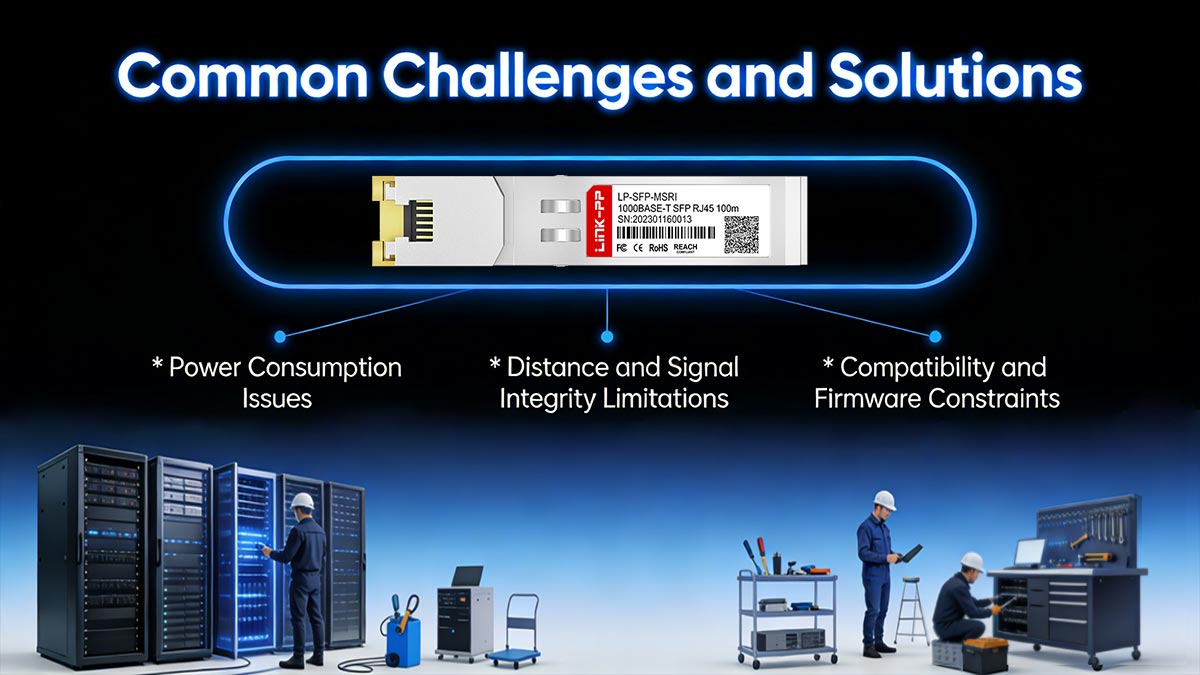
The Finisar FCLF8521P2BTL is reliable for Gigabit copper connectivity, but its electrical design introduces specific challenges related to power, signal integrity, and compatibility. Understanding these limitations and applying targeted solutions helps maintain stable network performance.
Power Consumption Issues
RJ45 SFP modules consume more power than fiber optic SFP module, which can lead to thermal constraints in high-density environments if not properly managed.
| Scenario | Potential Issue | Recommended Solution |
|---|---|---|
| High port density usage | Excess heat buildup | Limit number of RJ45 SFPs per switch |
| Poor airflow design | Thermal hotspots | Improve rack cooling and airflow |
| Mixed module deployment | Uneven power distribution | Balance module types across ports |
| Unsupported configurations | Port shutdown or throttling | Follow vendor power guidelines |
Switch platforms often specify maximum supported numbers of copper SFP modules per device. Ignoring these limits may result in automatic port disabling or degraded performance.
Distance and Signal Integrity Limitations
Copper transmission is highly dependent on cable quality and installation practices, making it more sensitive to physical conditions than fiber.
- Ensure total cable length does not exceed 100 meters, including patch panels
- Use high-quality Cat5e or Cat6 cables to minimize attenuation and crosstalk
- Avoid running cables parallel to power lines or high-interference sources
- Check for proper termination to reduce return loss and signal reflections
- Replace aging or damaged cables that may degrade signal quality over time
Maintaining signal integrity is critical, as even minor issues in cabling can result in intermittent link failures or reduced throughput.
Compatibility and Firmware Constraints
Interoperability between the module and network equipment can sometimes be restricted by vendor-specific policies or firmware limitations.
- Some switches enforce strict vendor coding, rejecting unsupported modules
- Firmware mismatches may cause the module to be unrecognized or operate incorrectly
- Warning messages or port errors may appear even if the link is functional
- In certain cases, features like auto-negotiation may not behave as expected
To address these challenges:
- Use modules coded specifically for the target switch vendor
- Keep switch firmware up to date to ensure broader compatibility
- Validate module operation in a test environment before large-scale deployment
By proactively addressing these common challenges, network operators can significantly improve the reliability and predictability of deployments using the Finisar FCLF8521P2BTL.
? RJ45 SFP vs Optical SFP: Key Differences
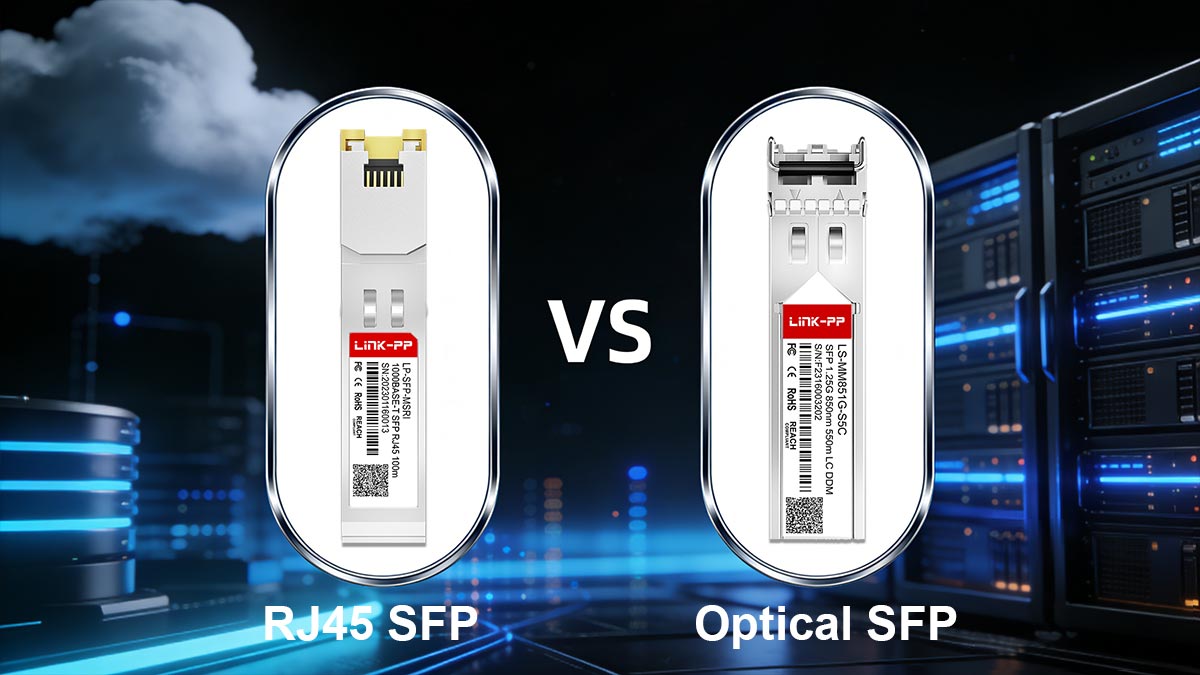
When planning network deployments, it is important to understand the fundamental differences between RJ45 copper SFP modules like the Finisar FCLF8521P2BTL and optical SFP modules. These differences affect performance, deployment flexibility, and operational considerations, helping network engineers make informed choices based on specific needs.
Media and Transmission Characteristics
RJ45 and optical SFP modules differ primarily in the type of transmission medium and the distance they can support.
| Feature | RJ45 SFP (Copper) | Optical SFP | Notes |
|---|---|---|---|
| Transmission Medium | Twisted-pair copper (Cat5e/6) | Fiber optic (single-mode/multimode) | Copper limited to ~100m; fiber reaches 300m–40km+ |
| Data Rate | 10/100/1000Mbps | 1Gbps–10Gbps+ | Optical supports higher speeds |
| Signal Integrity | Sensitive to EMI and crosstalk | Immune to EMI, low signal loss | Fiber preferred in high-interference environments |
| Latency | Slightly higher due to PHY | Lower due to direct optical signaling | Critical for latency-sensitive applications |
RJ45 SFP modules are ideal for short-range connectivity and leveraging existing copper infrastructure, while optical SFPs are suited for longer-distance, high-speed, and interference-sensitive links.
Power Consumption and Heat
Copper modules consume more power because of the integrated PHY needed for electrical signal conversion, while fiber SFP modules rely on lower-power laser drivers.
- RJ45 SFP power consumption typically ranges from 1.0W to 1.5W per port
- Optical SFP modules often consume less than 1.0W per port
- High-density deployment of RJ45 modules may require additional cooling considerations
- Power and heat differences can influence overall switch port planning
Deployment Flexibility
The choice between RJ45 and optical SFP modules also impacts network flexibility and planning.
- RJ45 modules allow quick deployment with existing Ethernet cabling without additional media conversion
- Optical modules offer longer reach, higher data rates, and immunity to electromagnetic interference
- RJ45 is limited to short distances (up to 100 meters), while fiber can support connections from hundreds of meters to tens of kilometers
- Hybrid environments often deploy both types, using copper for edge devices and fiber for aggregation or backbone links
Understanding these differences helps network designers choose the right module type for each part of the network, balancing cost, performance, and long-term scalability.
? Future Trends in Copper SFP Modules
Although fiber optics increasingly dominate high-speed networking, copper-based SFP modules like the Finisar FCLF8521P2BTL continue to play a vital role in enterprise and hybrid network environments. Emerging trends reflect both technological evolution and shifts in deployment strategies.
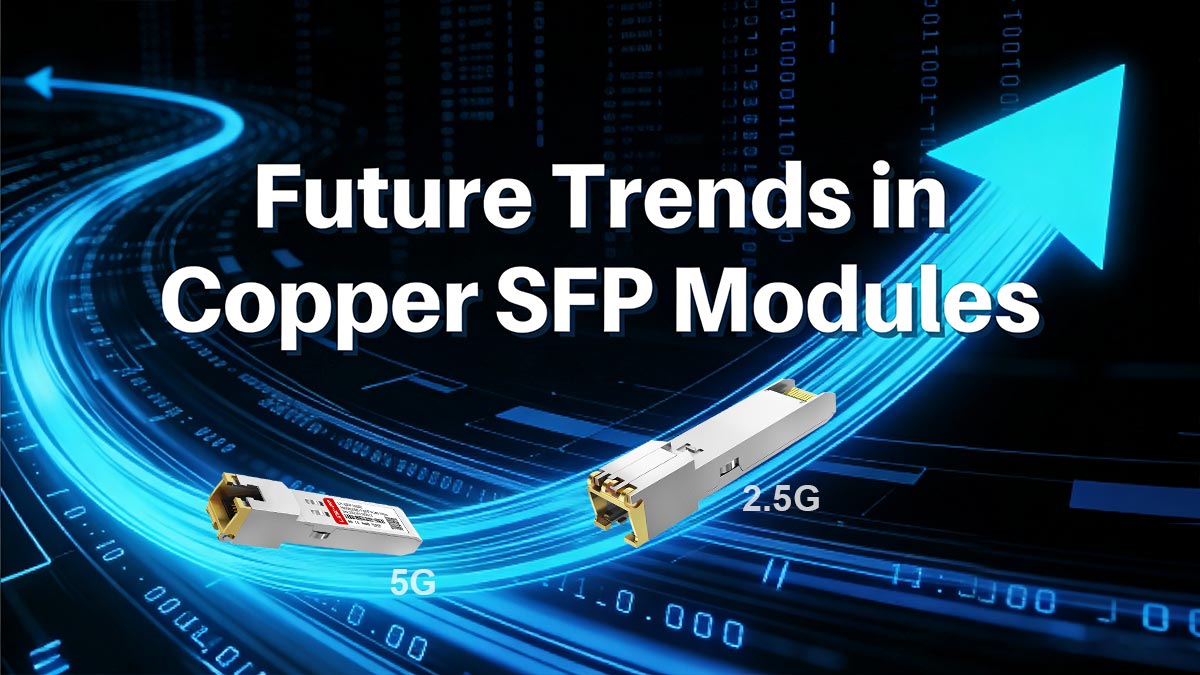
Transition Toward Multi-Gig Ethernet
Copper SFP technology is evolving to support multi-gigabit speeds beyond the traditional 1000BASE speed .
- NBASE-T standards enable 2.5GBASE and 5GBASE over existing Cat5e/Cat6 cabling, allowing gradual upgrades without replacing infrastructure
- Multi-gig modules provide backward compatibility with 1Gbps devices while supporting higher-speed endpoints
- Adoption is particularly relevant in enterprise access layers, where bandwidth demand is growing due to cloud applications, VoIP, and video conferencing
This evolution extends the usable lifespan of copper networks while delaying the need for fiber upgrades.
Declining Role in High-Density Deployments
As data centers and high-performance environments increasingly require 10Gbps or higher speeds, copper SFP modules are less commonly deployed in aggregation or core layers.
- Optical SFP+ modules and QSFP+ modules dominate high-speed uplinks due to lower power consumption and longer reach
- Copper SFPs remain relevant at the edge or in legacy deployments, but their role in backbone infrastructure is decreasing
- Organizations planning new networks often combine copper for short-range access with fiber for backbone and aggregation layers
This trend underscores the importance of planning hybrid architectures that leverage the strengths of both copper and fiber technologies.
Energy Efficiency Improvements
Manufacturers are addressing the higher power consumption and thermal footprint of copper SFPs with design innovations.
- Advanced PHY chips reduce energy per port, improving density support in modern switches
- Improved thermal design and airflow management in module housings mitigate heat in dense deployments
- These efficiency gains make copper SFPs more competitive for edge and management connections, especially where upgrading to fiber is not immediately practical
While copper SFPs may not compete with optical modules for high-speed or long-distance links, energy-efficient designs ensure continued relevance in enterprise and hybrid networks.
By understanding these trends, network engineers can make informed decisions about when to deploy copper SFP modules, when to transition to fiber, and how to plan for evolving bandwidth and power requirements.
? Conclusion
The Finisar FCLF8521P2BTL remains a reliable and practical solution for Gigabit Ethernet connectivity over existing copper infrastructure. Its RJ45 interface, hot-pluggable SFP form factor, and compatibility with standard Cat5e/Cat6 cabling make it particularly suitable for enterprise access networks, data center management links, and hybrid environments that require integration between fiber and copper devices. Understanding its technical specifications, deployment scenarios, and potential alternatives allows network engineers to make informed decisions and maintain stable, high-performance networks.
While copper SFP modules face limitations in power consumption, thermal output, and maximum reach compared to optical solutions, they continue to offer flexibility and cost efficiency in short-range optics deployments. By following best practices for integration, monitoring, and cable management, organizations can maximize the reliability and lifespan of these modules. Considering vendor-specific or third-party alternatives also provides options for maintaining compatibility and operational stability across different network platforms.
For professionals seeking high-quality, compatible modules and alternatives for 1000BASE-T connectivity, the Finisar FCLF8521P2BTL and its equivalent options are available through LINK-PP Official Store, providing reliable performance for a wide range of networking applications.







