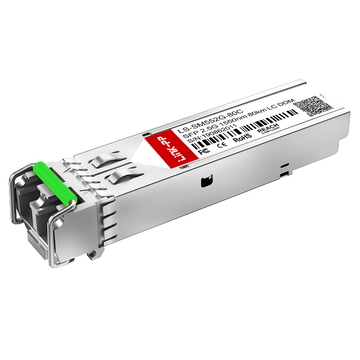
Modern optical transport networks rely on standardized technologies to deliver stable, high-capacity communication across metropolitan and long-haul infrastructure. Among these technologies, SONET (Synchronous Optical Network) and SDH (Synchronous Digital Hierarchy) have long served as the backbone of carrier-grade transmission systems. Although packet-based networking has become increasingly dominant, SONET and SDH continue to play an important role in telecommunications, utilities, and other mission-critical environments where reliability and precise timing are essential.
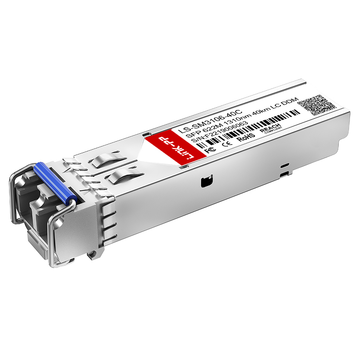
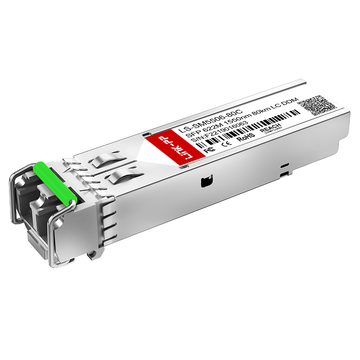
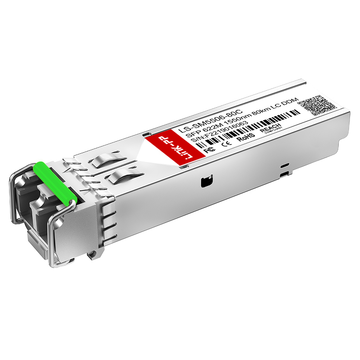
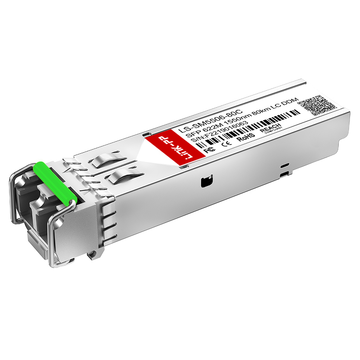
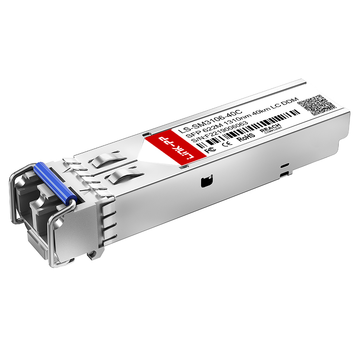
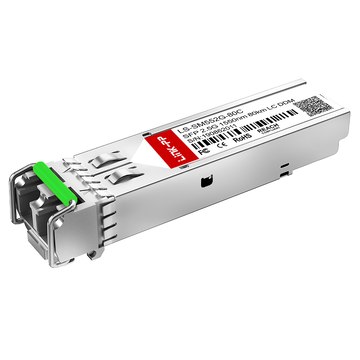
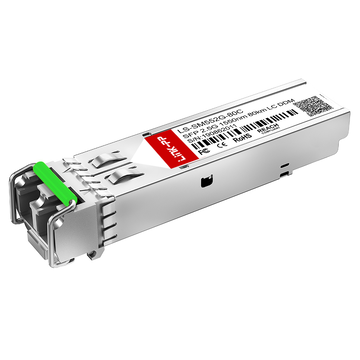
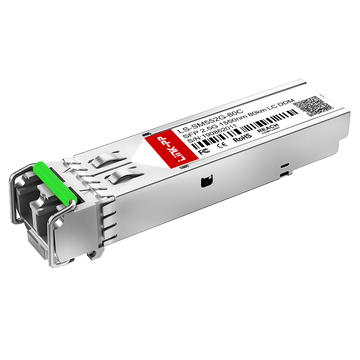
A SONET SDH SFP module is a compact optical transceiver designed specifically for equipment that operates on these synchronous transport standards. Installed in routers, multiplexers, and transport platforms, these modules convert electrical signals into optical signals for transmission over fiber networks while supporting standardized line rates such as OC-3/OC-12/OC-48 or STM-1/STM-4/STM-16. Their small form factor and hot-swappable design allow network operators to deploy and maintain optical links efficiently in both legacy and hybrid infrastructures.
Understanding how SONET SDH SFP modules work, the standards they support, and where they are commonly deployed can help network engineers make informed decisions when maintaining or expanding optical transport systems. This guide explores the fundamentals of SONET SDH SFP modules, including their technical characteristics, common types, typical applications, and their role within modern optical networking environments.
🧩What Is a SONET SDH SFP?
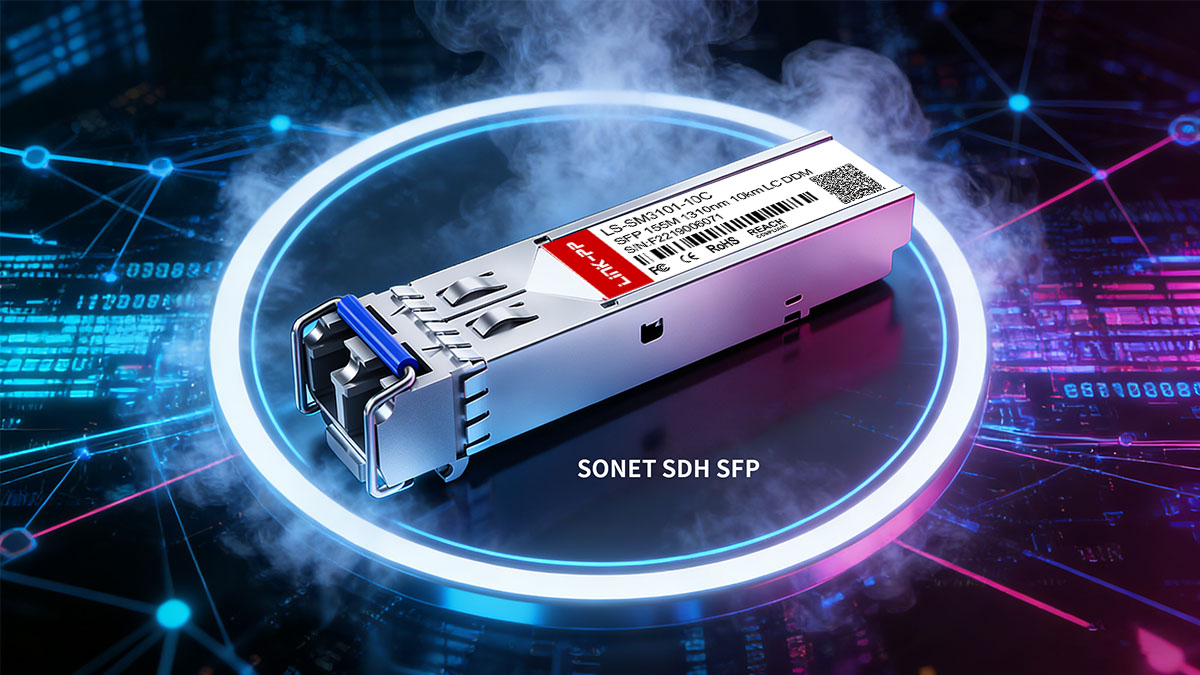
A SONET SDH SFP is an optical transceiver designed for telecom equipment that operates on synchronous optical transport standards. It enables network devices to transmit SONET or SDH signals over fiber by converting electrical signals into optical signals and vice versa. These modules are commonly installed in telecom transport platforms, add-drop multiplexers, and carrier-grade switches where standardized synchronous transmission is required.
Unlike Ethernet SFP modules, SONET SDH SFP transceivers are built to support telecom framing structures and line rates defined by SONET and SDH standards. They typically operate over single-mode fiber and support wavelengths such as 1310nm or 1550nm depending on the transmission distance.
Definition of SONET and SDH Technologies
SONET and SDH are standardized optical transport technologies used to carry large volumes of digital traffic over fiber networks. Both technologies are based on synchronous time-division multiplexing, which ensures precise timing and predictable bandwidth allocation across the network.
Although they serve the same purpose, the two standards were developed in different regions.
| Standard | Primary Region | Full Name |
|---|---|---|
| SONET | North America | Synchronous Optical Network |
| SDH | Global (Europe, Asia, etc.) | Synchronous Digital Hierarchy |
SONET was originally defined by the telecommunications industry in North America, while SDH later became the international standard adopted by most global carriers. Despite the naming differences, the two systems are interoperable and share nearly identical transmission structures and performance characteristics.
What Is a SONET SDH SFP Transceiver?
A SONET SDH SFP transceiver is a pluggable optical modules that enables telecom equipment to connect to fiber-based SONET or SDH networks. It follows the Small Form-Factor Pluggable (SFP) standard, allowing easy installation and replacement without powering down the device.
These modules are designed to support specific SONET or SDH line rates and optical specifications. Typical characteristics include:
- Support for telecom transport protocols such as SONET OC-n and SDH STM-n
- Compatibility with carrier-grade transmission equipment
- Operation over single-mode fiber for metro or long-distance links
- Digital diagnostics monitoring for operational visibility
Because they follow the SFP form factor, these modules allow network operators to adapt interface types and transmission distances simply by swapping the transceiver, without replacing the entire networking device.
How SONET SDH SFP Modules Work
SONET SDH SFP modules function as the optical interface between network equipment and fiber infrastructure. Their primary role is to convert electrical signals from telecom hardware into optical signals suitable for fiber transmission.
The basic signal process typically involves three steps:
- The host device sends an electrical SONET or SDH signal to the SFP interface.
- The module’s transmitter converts the electrical signal into an optical signal using a laser source.
- At the receiving end, the photodetector converts the incoming optical signal back into an electrical signal for processing by the network device.
The core components involved in this process include:
- Transmitter laser (commonly operating at 1310nm or 1550nm)
- Optical receiver with photodiode
- Signal processing circuitry
- Diagnostic monitoring interface
This conversion process enables reliable long-distance transmission across fiber networks while maintaining the strict timing and synchronization requirements defined by SONET and SDH transport standards.
As a result, SONET SDH SFP modules remain an important interface technology in many telecom environments, especially in networks that continue to rely on synchronous optical transport infrastructure.
🧩SONET and SDH Standards Supported by SFP Modules
SONET SDH SFP modules are designed to support standardized synchronous optical transport rates defined by telecommunications standards. These line rates determine how much data can be transmitted across the optical link and ensure interoperability between equipment from different vendors.
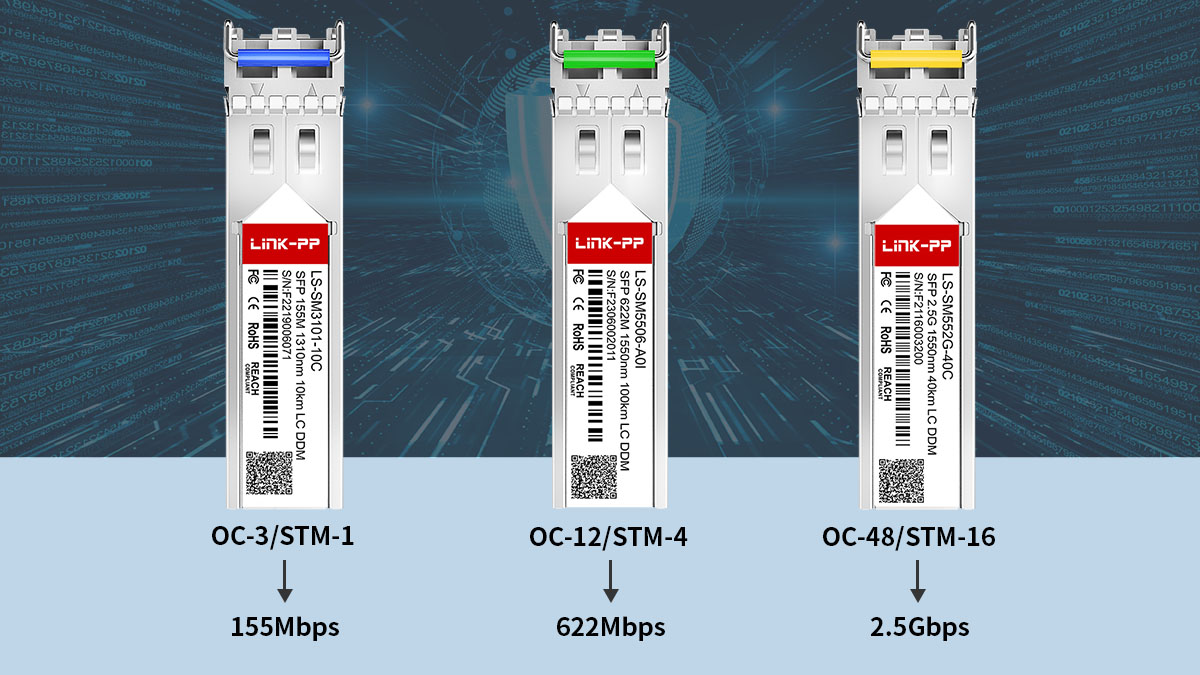
Most SONET SDH SFP modules operate at widely deployed telecom speeds such as OC-3, OC-12, and OC-48 on the SONET side, with equivalent SDH rates STM-1, STM-4, and STM-16. Understanding these rates and their relationships helps network engineers select the appropriate optical interface for a given transmission system.
Common SONET Data Rates
SONET defines optical carrier (OC) levels that represent specific transmission speeds in synchronous optical networks. Each OC level corresponds to a standardized bandwidth used in telecom transport infrastructure.
The most commonly supported SONET rates in SFP modules include:
| SONET Rate | Line Speed | Typical Use |
|---|---|---|
| OC-3 | 155Mbps | Access networks and legacy telecom systems |
| OC-12 | 622Mbps | Metro transport and aggregation networks |
| OC-48 | 2.5Gbps | Core transport and long-haul links |
OC-3 was widely deployed during the early expansion of fiber-based telecom infrastructure. OC-12 later became common in metro transport networks where higher capacity was required. OC-48 introduced multi-gigabit transport speeds and has been widely used in backbone transmission systems.
Although higher SONET rates such as OC-192 also exist, they typically use larger optical module formats rather than standard SFP modules.
Equivalent SDH Line Rates
SDH uses a different naming convention but follows the same hierarchical transport structure as SONET. Instead of optical carrier levels, SDH defines Synchronous Transport Modules (STM).
The commonly supported SDH rates include:
| SDH Rate | Line Speed | Equivalent SONET |
|---|---|---|
| STM-1 | 155Mbps | OC-3 |
| STM-4 | 622Mbps | OC-12 |
| STM-16 | 2.5Gbps | OC-48 |
STM-1 represents the base SDH transmission unit. Higher STM levels are created by multiplexing multiple STM-1 signals together in a synchronous frame structure.
This hierarchical design allows telecom networks to scale capacity while maintaining precise timing and synchronization across large transmission systems.
Mapping SONET and SDH Rate Equivalents
SONET and SDH were developed by different standardization bodies but are largely interoperable because their line rates are directly aligned. In practice, network equipment often supports both naming conventions depending on the deployment region.
The relationship between SONET and SDH line rates can be summarized as follows:
| SONET Level | SDH Level | Data Rate |
|---|---|---|
| OC-3 | STM-1 | 155Mbps |
| OC-12 | STM-4 | 622Mbps |
| OC-48 | STM-16 | 2.5Gbps |
Because the transmission speeds are identical, SONET and SDH equipment can typically interoperate when properly configured. The main differences lie in management frameworks, framing terminology, and regional deployment practices.
For engineers working with SONET SDH SFP modules, recognizing these equivalent line rates is essential when connecting telecom systems that follow different naming standards but operate at the same optical transmission speeds.
🧩Key Features of SONET SDH SFP Modules
SONET SDH SFP transceiver module is designed to meet the strict performance and reliability requirements of telecom transport networks. Compared with general-purpose optical transceivers, these modules support synchronous transmission standards and are optimized for long-distance fiber communication, precise timing, and stable operation in carrier-grade environments.
Several technical characteristics define how SONET SDH SFP modules operate and why they remain widely used in telecom infrastructure.
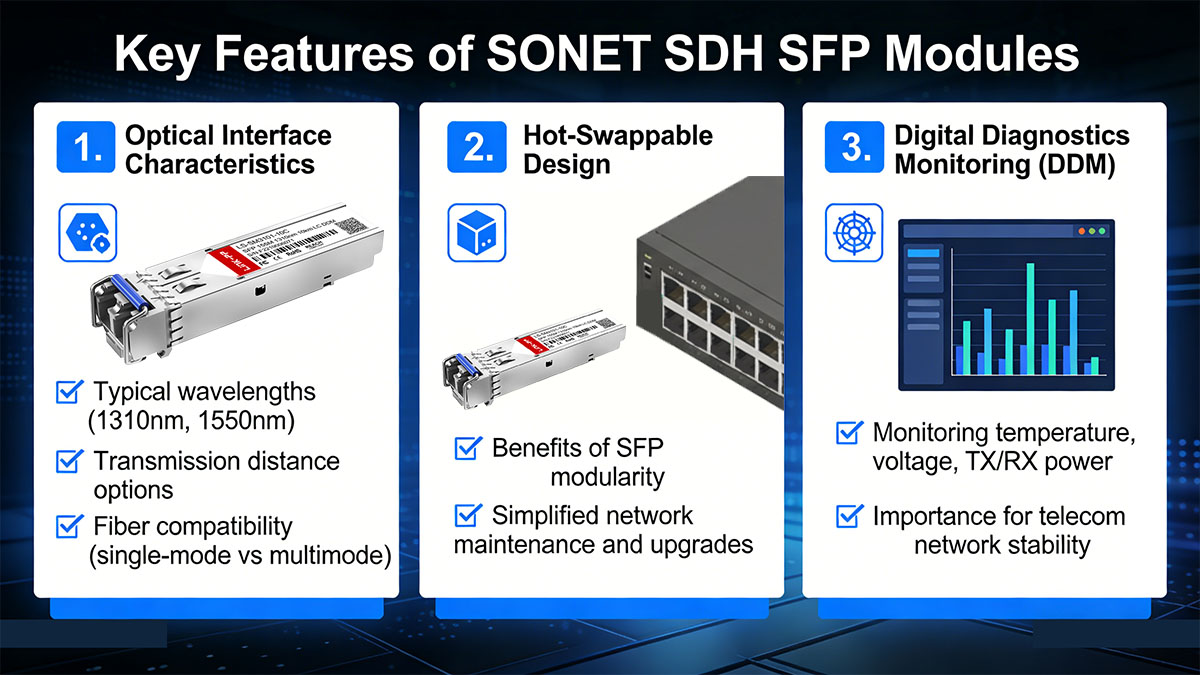
Optical Interface Characteristics
SONET SDH SFP modules typically use single-mode fiber and standardized wavelengths to support metro and long-distance optical transmission. The selected wavelength and optical power determine the achievable transmission distance and link budget.
Different module variants are designed for specific reach requirements.
| Parameter | Typical Values | Notes |
|---|---|---|
| Wavelength | 1310nm, 1550nm | Determined by transmission distance |
| Fiber Type | Single-mode fiber (SMF) | Optimized for long-distance transmission |
| Reach Options | 2km – 80km | Depends on optical power and receiver sensitivity |
Modules operating at 1310nm are often used for short- to medium-distance links, such as metro access networks. Long-distance links commonly use 1550nm optics because this wavelength experiences lower attenuation in single-mode fiber and supports higher optical power levels.
The optical interface is standardized to ensure interoperability with telecom transmission equipment and fiber infrastructure.
Hot-Swappable Design
A key advantage of the SFP form factor is its hot-swappable capability. SONET SDH SFP modules can be inserted or removed from compatible equipment without shutting down the system.
This design provides several operational benefits:
- Faster maintenance and replacement during network operations
- Reduced service downtime in carrier environments
- Simplified upgrades when changing transmission distance or interface type
- Flexibility when configuring transport equipment
Because telecom networks often operate continuously, the ability to replace optical interfaces without interrupting traffic is critical for maintaining service availability.
Digital Diagnostics Monitoring (DDM)
Many SONET SDH SFP modules support Digital Diagnostics Monitoring (DDM), a feature that allows real-time monitoring of module operating conditions.
These diagnostic capabilities help network operators detect potential issues before they impact service.
| Monitoring Parameter | Purpose | Operational Benefit |
|---|---|---|
| Temperature | Tracks module operating conditions | Prevents overheating failures |
| Supply Voltage | Monitors electrical stability | Detects power irregularities |
| Transmit Optical Power | Measures laser output level | Helps evaluate link budget |
| Receive Optical Power | Tracks incoming signal strength | Identifies fiber link degradation |
By providing access to these parameters, DDM allows network management systems to track the health of optical links and maintain stable network performance. In large telecom deployments, this visibility is particularly useful for troubleshooting fiber faults and maintaining long-term reliability.
Together, these features make SONET SDH SFP modules well suited for telecom transport networks where stable optical performance, long-distance transmission, and operational flexibility are required.
🧩Types of SONET SDH SFP Modules
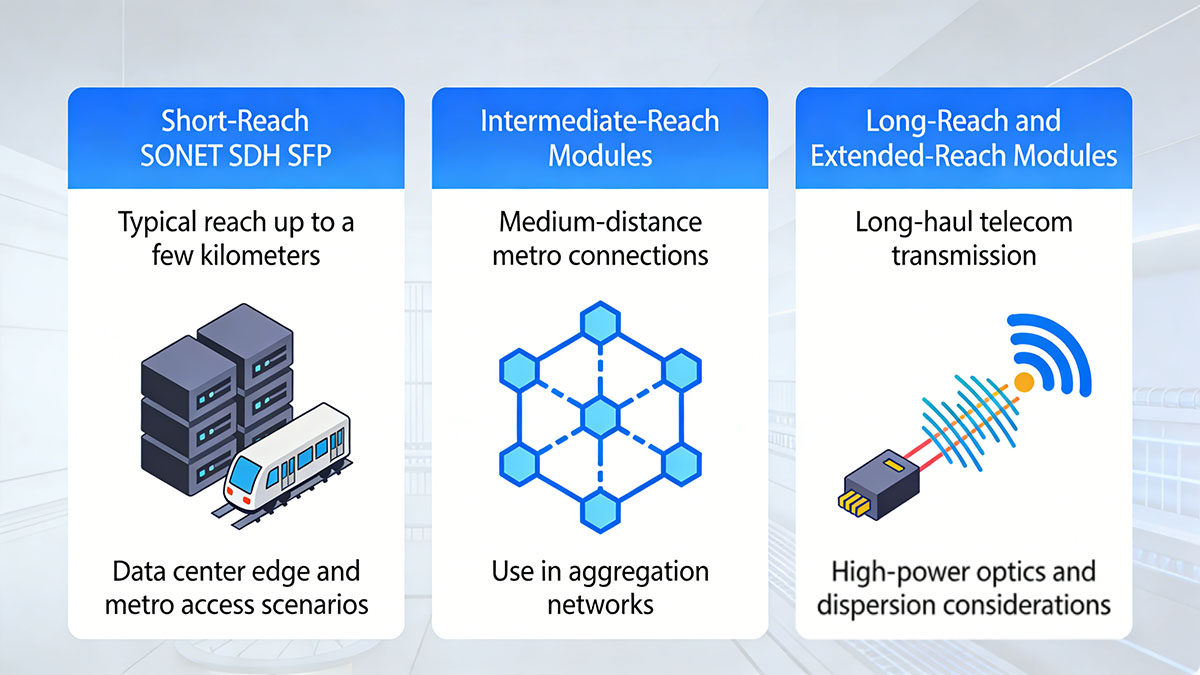
SONET SDH fiber transceivers are available in multiple variants designed for different transmission distances and network environments. The main distinction between these modules is their optical reach, which depends on factors such as transmitter power, receiver sensitivity, and operating wavelength.
Selecting the appropriate module type ensures that the optical link meets the required power budget and maintains stable communication across the fiber infrastructure.
Short-Reach SONET SDH SFP
Short-reach SONET SDH SFP modules are designed for relatively short fiber links, typically within a few kilometers. These modules usually operate at 1310nm wavelength and are commonly deployed in access networks or within metropolitan areas where transmission distances are limited.
Typical characteristics of short-reach modules include:
- Lower optical transmit power
- Operation over single-mode fiber
- Reduced cost and power consumption compared with long-reach optics
These modules are often used in environments such as:
- Telecom access networks connecting local exchanges
- Short-distance links between network nodes in metro areas
- Enterprise or campus networks that still rely on SONET/SDH transport
Because the transmission distance is limited, these modules generally require fewer optical amplification or dispersion management considerations.
Intermediate-Reach Modules
Intermediate-reach SONET SDH SFP modules support longer transmission distances and are often used in metro aggregation networks. They typically extend link reach to tens of kilometers while maintaining stable optical performance.
These modules provide a balance between transmission distance and optical power.
| Module Type | Typical Reach | Common Wavelength |
|---|---|---|
| Intermediate Reach | 10km – 40km | 1310nm |
| Metro Extended | Up to ~40km | 1310nm |
Intermediate-reach optics are frequently used in the following scenarios:
- Metro aggregation layers connecting multiple access networks
- Regional telecom transport systems
- Fiber links between central offices within the same metropolitan region
These deployments often require reliable optical transmission across moderate distances without the complexity of long-haul optical infrastructure.
Long-Reach and Extended-Reach Modules
Long-reach SONET SDH SFP modules are designed for long-distance fiber transmission in backbone or regional transport networks. These modules usually operate at 1550nm, which allows lower signal attenuation and supports longer link distances.
Typical characteristics include higher transmit power and enhanced receiver sensitivity to maintain signal integrity across extended fiber spans.
| Module Category | Typical Reach | Typical Wavelength |
|---|---|---|
| Long Reach | 40km | 1550nm |
| Extended Reach | 80km | 1550nm |
Long-reach modules are commonly used in scenarios such as:
- Inter-city fiber connections
- Long-distance telecom backbone links
- Regional transport networks connecting multiple metropolitan areas
In these environments, the optical link budget becomes a critical factor. Engineers must consider fiber attenuation, connector loss, and potential dispersion effects when deploying long-distance SONET SDH SFP modules.
By offering different reach options, SONET SDH SFP modules provide flexibility for telecom operators to design optical transport networks that match the physical layout and distance requirements of their infrastructure.
🧩Typical Applications of SONET SDH SFP
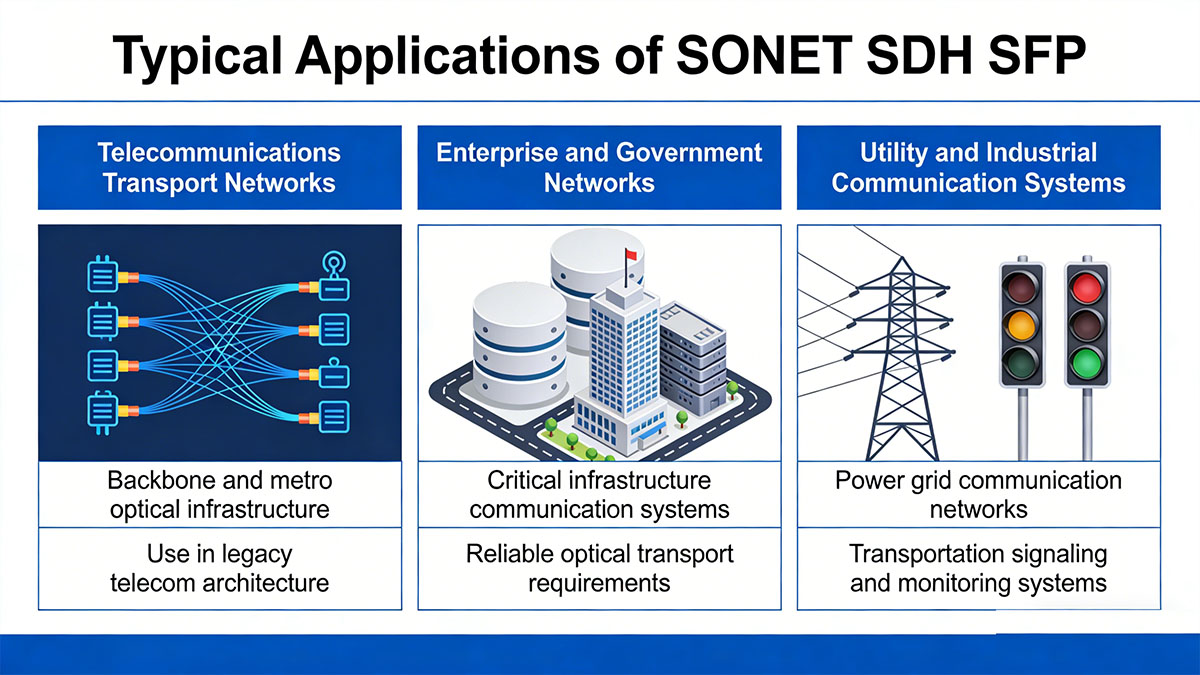
SONET SDH SFP fiber module is primarily used in networks that require reliable, synchronous optical transmission. Although packet-based technologies such as Ethernet have become more dominant in modern infrastructures, SONET and SDH systems remain widely deployed in environments where predictable performance, strong fault tolerance, and long service lifecycles are critical.
These modules are commonly installed in telecom transport equipment, optical multiplexers, and carrier-grade networking platforms to provide fiber connectivity for synchronous transmission systems.
Telecommunications Transport Networks
SONET and SDH were originally designed for large-scale telecommunications infrastructure, and SONET SDH SFP modules continue to be widely used in these networks. They serve as optical interfaces that connect transmission equipment across metro, regional, and backbone transport layers.
Typical deployment scenarios include:
- Optical transport platforms used by telecom operators
- Add-drop multiplexers (ADMs) that aggregate multiple optical circuits
- Fiber links between central offices and switching facilities
- Metro transport rings that provide redundancy and protection switching
These applications rely on the synchronous structure of SONET and SDH, which enables predictable bandwidth allocation and rapid protection switching in the event of fiber failures.
Enterprise and Government Networks
Some enterprise and government organizations continue to operate SONET or SDH infrastructure, particularly in systems where long-term reliability and deterministic network performance are required.
These networks are often deployed in environments such as:
- Financial communication systems that require stable connectivity
- Government communication infrastructure
- Large enterprise campuses with legacy optical transport equipment
- Defense or research facilities with established synchronous networks
In these cases, SONET SDH SFP modules provide the optical connectivity needed to maintain existing transmission systems while supporting ongoing operations.
Utility and Industrial Communication Systems
Utility and industrial sectors frequently rely on SONET or SDH networks to support critical communication services. These networks are designed to operate reliably across wide geographic areas and harsh environments.
Common use cases include:
- Power grid communication networks used for monitoring and control
- Railway signaling and transportation control systems
- Oil and gas pipeline monitoring infrastructure
- Industrial automation networks that require stable long-distance connectivity
These systems often prioritize reliability and deterministic communication over maximum bandwidth. As a result, SONET and SDH technologies remain suitable for many utility and industrial deployments, and SONET SDH SFP modules continue to serve as essential optical interfaces within these infrastructures.
🧩SONET SDH SFP vs Ethernet SFP Modules
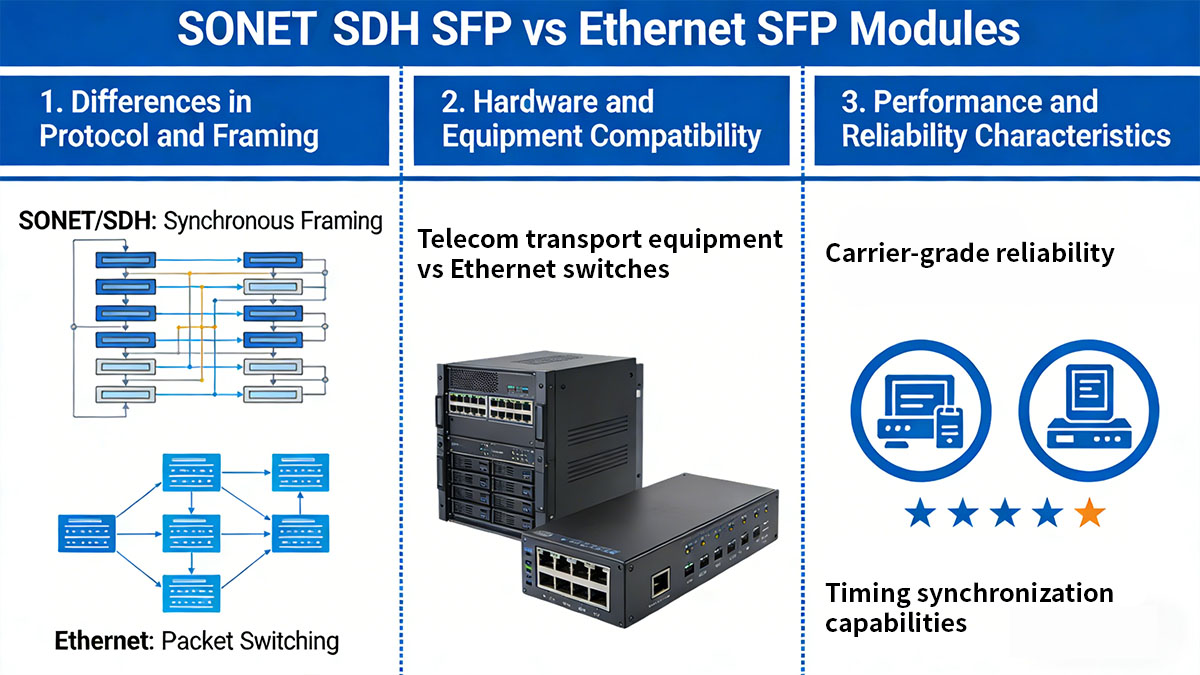
SONET SDH fiber module and Ethernet SFP modules may share the same physical form factor, but they are designed for different network technologies and transmission protocols. The primary distinction lies in the way data is framed, transmitted, and managed within the network.
SONET and SDH modules are built for synchronous optical transport systems used in telecommunications infrastructure, while Ethernet SFP modules are designed for packet-based data networking. Understanding these differences helps ensure proper module selection and compatibility with networking equipment.
Differences in Protocol and Framing
The most fundamental difference between the two module types is the underlying communication protocol. SONET and SDH use a synchronous time-division multiplexing structure, whereas Ethernet relies on packet-based transmission.
The two technologies therefore organize and transport data in different ways.
| Feature | SONET/SDH | Ethernet |
|---|---|---|
| Transmission Method | Synchronous time-division multiplexing | Packet-based transmission |
| Frame Structure | Fixed synchronous frames | Variable-length packets |
| Timing | Network-wide synchronization | Asynchronous transmission |
Because SONET and SDH maintain strict timing across the network, they can provide predictable bandwidth allocation and deterministic performance. Ethernet networks, by contrast, prioritize flexibility and scalability for data traffic.
Hardware and Equipment Compatibility
Although SONET SDH SFP modules and Ethernet SFP modules may look identical externally, they are not interchangeable in most cases. The host device must support the corresponding protocol and line encoding used by the module.
Compatibility depends on several factors:
- Supported transmission protocol (SONET/SDH or Ethernet)
- Device firmware and interface configuration
- Optical line rate and signal encoding
- Equipment type, such as transport platforms versus Ethernet switches
For example, a telecom optical transport platform designed for OC-48 or STM-16 links will require SONET SDH SFP modules, while an Ethernet switch supporting Gigabit Ethernet or 10GbE requires Ethernet-based optical modules.
Using the wrong module type typically results in the link failing to initialize because the device cannot interpret the incoming signal format.
Performance and Reliability Characteristics
SONET and SDH networks were originally designed to support carrier-grade telecommunications services. As a result, these systems emphasize reliability, synchronization, and fast protection mechanisms.
Several characteristics differentiate SONET/SDH networks from Ethernet environments:
- Built-in protection switching mechanisms that can restore traffic within milliseconds
- Precise timing synchronization across network nodes
- Deterministic bandwidth allocation for dedicated circuits
- Strong operational monitoring and fault detection capabilities
Ethernet networks, in contrast, focus on flexible packet transport and high scalability. While modern Ethernet technologies have introduced advanced resiliency features, SONET and SDH systems remain well known for their stable and predictable performance in traditional telecom transport networks.
Understanding these differences helps network engineers determine when SONET SDH SFP modules are required and when Ethernet-based fiber optic transceiver is more appropriate for a particular network architecture.
🧩Key Considerations When Using SONET SDH SFP Modules
Deploying SONET SDH optical transceiver module requires careful planning to ensure compatibility with existing telecom infrastructure and stable optical transmission. Factors such as equipment compatibility, link budget, and long-term network evolution can influence how these modules perform within a transport system.
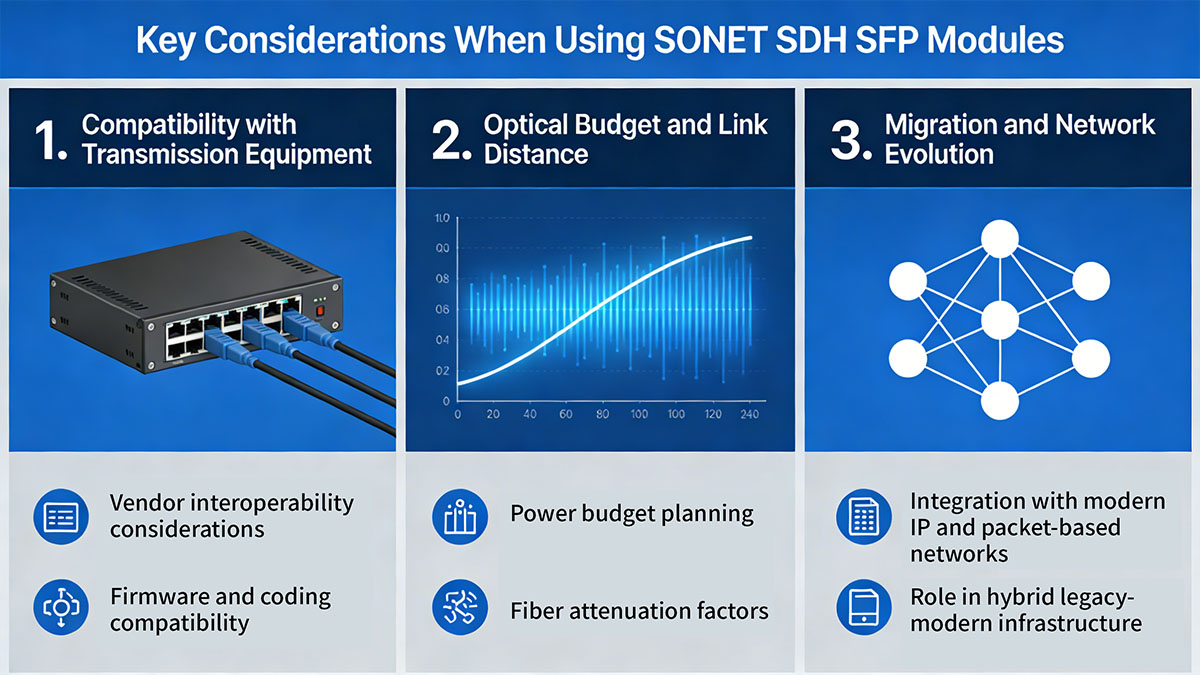
Understanding these considerations helps network engineers maintain reliable synchronous optical links while minimizing operational issues.
Compatibility with Transmission Equipment
SONET SDH SFP modules must match the protocol and line rate supported by the host device. Telecom transmission equipment is typically designed for specific SONET or SDH standards, so the optical module must align with those specifications.
Key compatibility factors include:
- Supported line rates such as OC-3, OC-12, or OC-48
- Equivalent SDH rates like STM-1, STM-4, or STM-16
- Vendor-specific firmware or coding requirements
- Optical interface type supported by the transmission platform
Different equipment vendors may implement interface checks or compatibility mechanisms that verify the module identity. In such cases, using modules designed for the specific platform helps ensure stable operation and proper monitoring functionality.
Optical Budget and Link Distance
The optical power budget determines whether a fiber link can maintain reliable signal transmission between two devices. This budget is influenced by the transmitter power, receiver sensitivity, and losses along the fiber path.
A simplified optical budget calculation considers several common factors.
| Parameter | Typical Range | Impact on Link |
|---|---|---|
| Transmit Optical Power | -15dBm to +3dBm | Determines signal strength leaving the transmitter |
| Receiver Sensitivity | -28dBm to -8dBm | Minimum signal level required for detection |
| Fiber Attenuation | ~0.2–0.35dB/km | Signal loss over distance |
In addition to fiber attenuation, other losses may occur at connectors, patch panels, or splices. Engineers typically include a margin in the optical budget to account for these factors and maintain stable operation over time.
Selecting a module with an appropriate reach specification helps ensure the optical link remains within the acceptable power budget.
Migration and Network Evolution
Many organizations continue to operate SONET or SDH networks while gradually transitioning to packet-based transport technologies. When maintaining these systems, it is useful to consider how existing infrastructure may integrate with newer networking architectures.
Several approaches are commonly used during this transition:
- Maintaining SONET/SDH transport for legacy services while deploying Ethernet for new applications
- Using hybrid platforms that support both synchronous transport and packet switching
- Gradually migrating services to IP/MPLS or Carrier Ethernet networks
- Retaining SONET/SDH links for critical infrastructure that requires deterministic performance
Because telecom equipment often has long operational lifecycles, SONET SDH SFP modules remain relevant in many environments where legacy infrastructure continues to provide reliable service.
Planning for compatibility and future network evolution helps ensure that optical transport systems can operate efficiently while adapting to changing communication technologies.
🧩The Role of SONET SDH in Modern Optical Networks
SONET and SDH technologies have played a foundational role in the development of global optical communication systems. For decades, these synchronous transport standards formed the backbone of carrier networks, enabling reliable long-distance data transmission across metropolitan and international infrastructures.
Although many modern networks now rely on packet-based technologies such as Ethernet and IP/MPLS, SONET and SDH systems still exist in numerous operational environments. Their continued presence reflects the long lifecycle of telecom infrastructure and the reliability of synchronous optical transport.
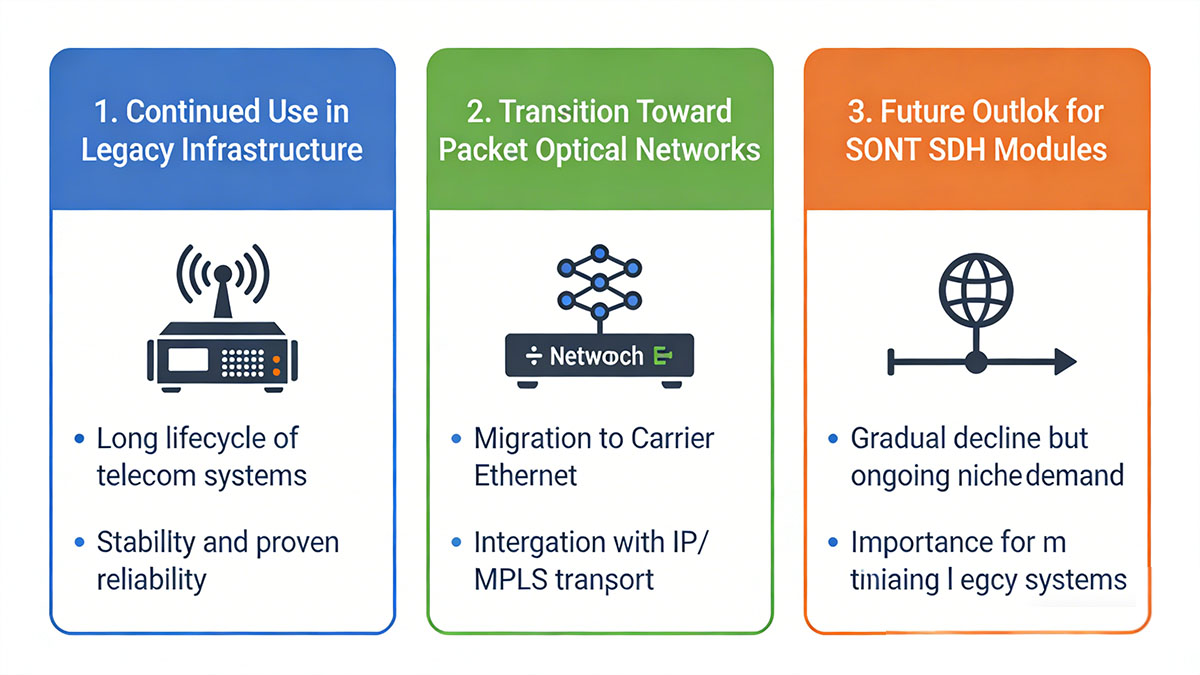
Continued Use in Legacy Infrastructure
Many telecom operators and infrastructure providers still maintain SONET or SDH networks that were deployed years or even decades ago. Because these systems were designed for high reliability and long-term operation, they remain functional and stable for many applications.
Several factors contribute to their continued use:
- Existing infrastructure investments that remain operational
- Proven reliability in carrier-grade transport systems
- Built-in protection mechanisms such as automatic protection switching
- Compatibility with legacy telecom services and equipment
SONET and SDH networks are particularly common in environments where replacing the entire transport architecture would require significant cost or operational disruption.
Transition Toward Packet Optical Networks
While SONET and SDH remain in operation, many organizations are gradually transitioning toward packet-based optical networking technologies. Packet optical networks combine traditional optical transport with packet switching capabilities, allowing greater flexibility and scalability.
Common migration approaches include:
- Deploying Ethernet-based services alongside existing SONET or SDH transport systems
- Integrating packet switching capabilities within optical transport platforms
- Using hybrid network architectures that support both synchronous and packet-based traffic
- Gradually shifting services to IP/MPLS infrastructure
This transition allows network operators to modernize their infrastructure while maintaining compatibility with existing services during the migration process.
Future Outlook for SONET SDH Modules
The role of SONET and SDH in global networks is gradually decreasing as newer transport technologies become more widely adopted. However, these synchronous systems are unlikely to disappear immediately due to the large installed base of equipment and the specialized environments where they are still required.
Several trends are shaping the future of SONET SDH modules:
| Trend | Description | Impact |
|---|---|---|
| Legacy Network Maintenance | Continued operation of existing SONET/SDH infrastructure | Ongoing demand for compatible modules |
| Gradual Technology Migration | Shift toward Ethernet and packet optical networks | Reduced deployment in new systems |
| Long Equipment Lifecycles | Telecom hardware often operates for many years | Sustained use in specific industries |
In practice, SONET SDH SFP modules continue to support networks that rely on synchronous optical transport while organizations progressively adopt newer networking technologies. This coexistence between legacy and modern systems is likely to remain a characteristic of optical networking for years to come.
🧩FAQs About SONET SDH SFP
What does a SONET SDH SFP module do?
A SONET SDH SFP module provides the optical interface for telecom equipment operating on SONET or SDH standards. It converts electrical signals from network devices into optical signals for transmission over fiber and converts received optical signals back into electrical form.
What data rates are commonly supported by SONET SDH SFP modules?
Most SONET SDH SFP modules support telecom line rates such as OC-3 (155Mbps), OC-12 (622Mbps), and OC-48 (2.5Gbps), which correspond to SDH rates STM-1, STM-4, and STM-16.
Are SONET SDH SFP modules compatible with standard Ethernet ports?
No. Even though they use the same SFP form factor, SONET SDH modules use synchronous telecom protocols and framing structures, which are not supported by standard Ethernet switch ports.
What fiber type is typically used with SONET SDH SFP modules?
SONET SDH SFP modules are primarily designed for single-mode fiber, which supports long-distance transmission and lower signal attenuation in telecom transport networks.
What wavelengths are commonly used in SONET SDH SFP modules?
The most common wavelengths are 1310nm and 1550nm. Modules using 1310nm are generally used for shorter distances, while 1550nm optics are more suitable for longer fiber links.
Are SONET and SDH still used today?
Yes. While many networks are transitioning to packet-based technologies, SONET and SDH systems remain in operation in telecom infrastructure, utilities, and other environments that rely on stable synchronous transport networks.
🧩Conclusion
SONET SDH SFP modules remain an important component in many optical transport systems that rely on synchronous communication standards. Designed to support telecom protocols such as OC-3, OC-12, OC-48, STM-1, STM-4, and STM-16, these compact optical pluggable transceivers enable reliable fiber connectivity in carrier-grade networks, legacy infrastructure, and specialized industrial environments.
Although modern networking technologies increasingly focus on packet-based transport, SONET and SDH networks continue to operate in telecommunications, utilities, and mission-critical communication systems. In these scenarios, selecting compatible SONET SDH SFP modules helps ensure stable optical transmission, proper equipment interoperability, and efficient network maintenance.
For organizations maintaining or expanding SONET and SDH infrastructure, understanding the available module types, supported standards, and deployment considerations can help ensure reliable long-term operation. To explore compatible optical transceiver options and technical specifications for different network environments, you can visit the LINK-PP Official Store for additional product information and resources.