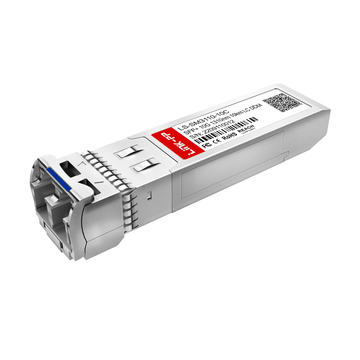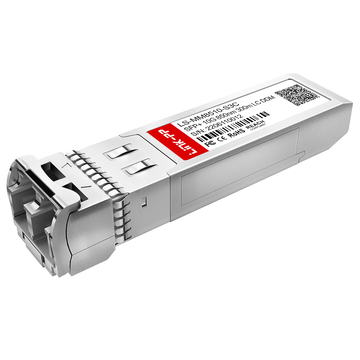
Are you struggling to choose the best 10G network interconnect for your data center racks? As network demands grow, choosing between active copper solutions like the SFP-H10GB-ACU7M and traditional optical transceiver links has become a critical decision for network engineers.
How do these two technologies truly compare when it comes to speed, latency, and overall efficiency? In this article, we will dive deep into the performance metrics of the SFP-H10GB-ACU7M active copper cable versus optical modules to help you find the perfect balance for your network architecture.
♠️ Introduction to Cisco SFP-H10GB-ACU7M and Optical Transceiver Links
Building an efficient 10G network requires a clear understanding of the unique connection types available for your hardware. Modern data center environments rely heavily on both active copper cabling and optical transceiver links, each serving a distinct purpose in data transmission. Exploring the foundational concepts behind these technologies highlights how they shape modern network infrastructure.
The Evolution of 10G Interconnects: Active Copper vs. Fiber Optics
In the early days of 10G networking, fiber optics were the primary choice for reliable high-speed data transmission. However, as data centers grew denser, the need for more cost-effective and energy-efficient short-range solutions led to the rise of DAC cables.
Today, active copper cables and fiber optics coexist as complementary technologies rather than strict competitors. While fiber optics continue to dominate long-distance infrastructure, active copper has become the go-to standard for short-distance rack deployments.
Defining the Core Performance Baseline of Cisco SFP-H10GB-ACU7M Cables
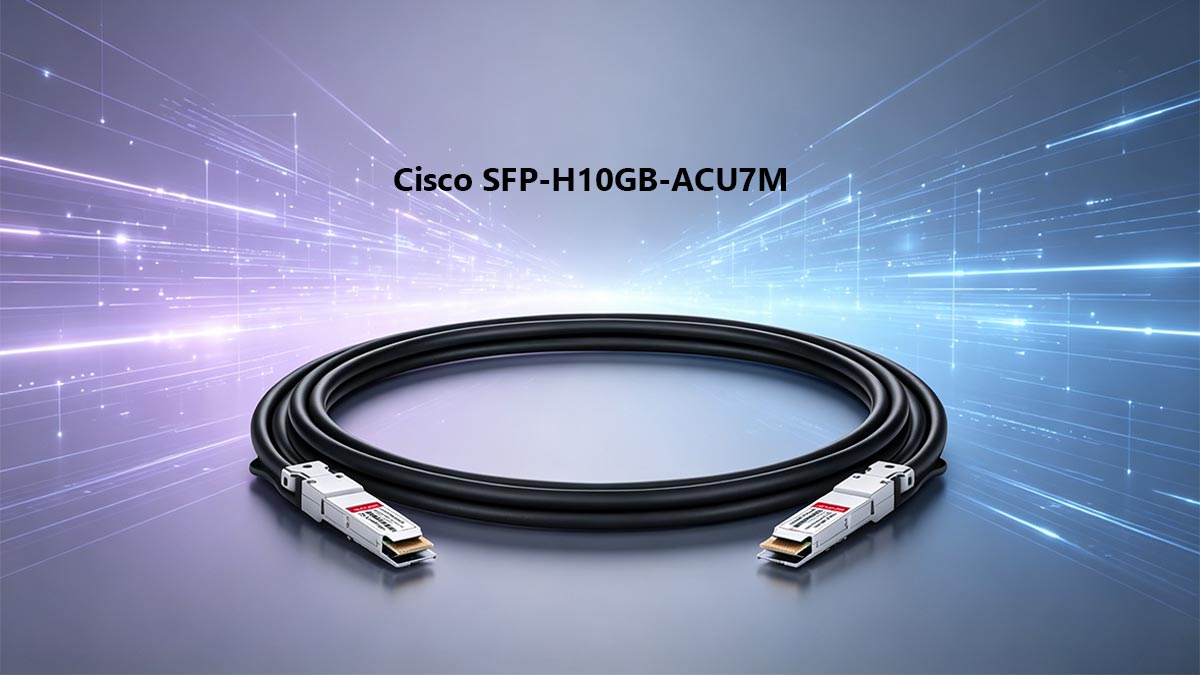
The Cisco SFP-H10GB-ACU7M is an active Direct Attach Copper cable designed specifically for 10-Gigabit Ethernet deployments. Unlike passive copper cables that degrade quickly over longer distances, this active cable spans a generous 7m by boosting the electrical signal.
This 7-meter length creates a reliable baseline for intra-rack and inter-rack connections within the same data center room. It delivers a highly stable 10G throughput while consuming significantly less power than regular optical transceiver modules.
High-Speed Optical Transceiver Links: The Standard for Extended-Range Performance
Optical transceiver links use laser technology to convert electrical data into light signals, which travel through thin strands of glass fiber. This method allows data to travel massive distances, ranging from 300m up to tens of kilometers, without losing signal strength.
Because these 10G SFP+ optical modules (such as Cisco SFP-10G-SR, SFP-10G-LR) rely on light rather than electricity, optical links are completely immune to environmental electrical noise. This makes them the undisputed industry standard whenever data needs to move between different floors, buildings, or campus networks.
Key Performance Metrics at Stake in the SFP-H10GB-ACU7M vs. Optical Module Debate
Choosing between the SFP-H10GB-ACU7M and optical modules requires a strict evaluation of speed, signal stability, and physical constraints. Network engineers must carefully measure microsecond-level latency differences alongside susceptibility to electromagnetic interference (EMI) and high-frequency signal loss over a 7-meter span.
Beyond pure data transmission, practical factors like cable bend radius tolerances, rack airflow dynamics, and maintenance risks like fiber end-face contamination are heavily weighed. Ultimately, the decision hinges on balancing these technical constraints against the total cost, power consumption, and physical architecture of your data center.
♠️ Core Architecture of SFP-H10GB-ACU7M VS. Optical Transceivers
The performance differences between these two networking solutions stem directly from their internal engineering and structural designs. While one relies on boosting electrical signals across physical wires, the other relies on advanced light manipulation. Examining their inner architecture reveals exactly why they behave differently under heavy network loads.
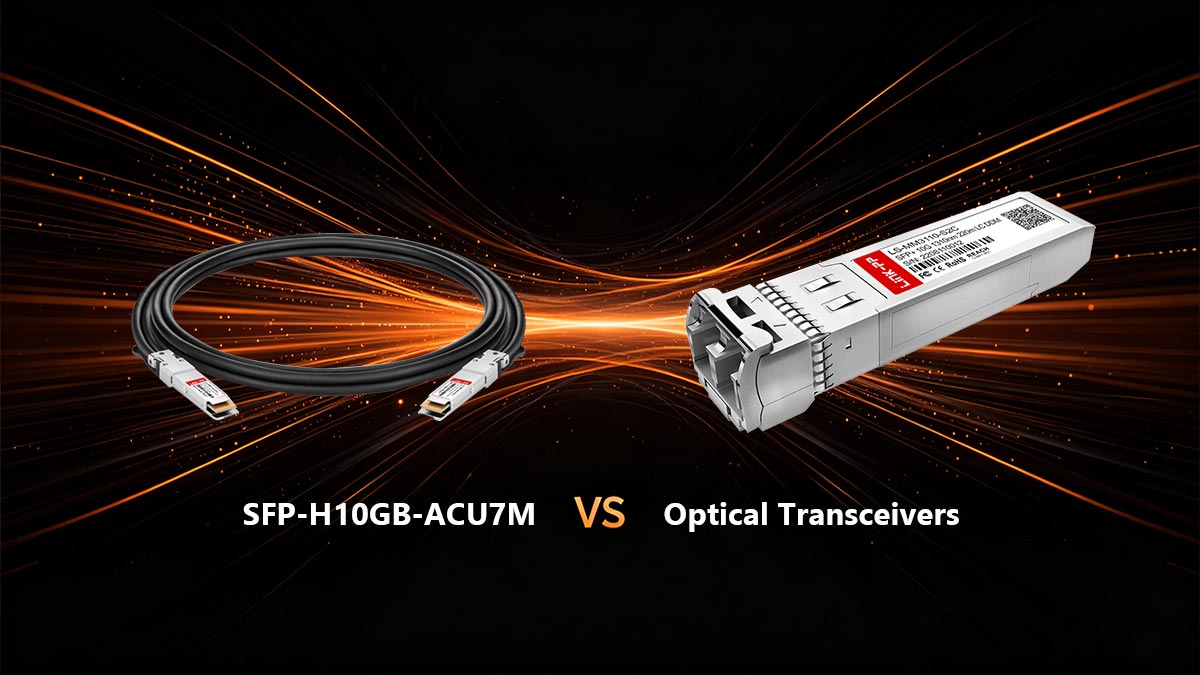
Silicon-Based Active Equalization in the SFP-H10GB-ACU7M Architecture
The SFP-H10GB-ACU7M contains specialized silicon chips built right inside its connector housings on both ends of the cable. These active microchips perform a vital process called electronic signal equalization to keep data clean over the 7-meter span. As high-frequency electrical signals travel along the copper, they naturally weaken and distort.
The integrated silicon actively detects this degradation and reshapes the electrical waves before they reach the switch port. This continuous adjustment counteracts high-frequency signal loss and ensures flawless data integrity at full 10G speeds. Because this processing happens entirely within the electrical domain, it requires very little power to operate.
Electro-Optical Conversion Components Inside 10G Transceivers
In contrast, standard 10G optical transceivers rely on a highly complex internal layout designed for light-based transmission. The core architecture includes tiny semiconductor lasers, optical sub-assemblies, and sensitive photodetectors. These components must work in perfect harmony to handle data moving in and out of the switch.
When data is sent, internal circuits convert the switch's electrical signals into precise pulses of light. On the receiving end, the internal photodetector captures incoming light and converts it back into an electrical format. This dual-stage electro-optical conversion is highly sophisticated, but it adds to the overall power consumption of the module.
Physical Medium Comparison: Twinax Copper Core vs. Optical Fiber Cable
The physical medium determines how data moves through space and dictates the absolute limits of signal range and cable flexibility. The SFP-H10GB-ACU7M utilizes a shielded, dual-conductor twinaxial copper core wrapped in thick insulation to isolate high-frequency 10G electrical pulses. In contrast, optical links use ultra-pure silica glass strands that guide infrared laser beams through internal reflection, completely eliminating electrical resistance.
To clearly understand how these distinct materials impact data transmission and structural handling over a 7-meter span, consider the specific physical differences outlined below.
| Feature |
Twinax Copper Core (SFP-H10GB-ACU7M) |
Optical Fiber Cable (10G Optical Transceiver) |
| Transmission Core | 2x parallel insulated copper wires | 9µm single-mode fiber or 50/62.5µm multimode fiber |
| Signal Vulnerability | High attenuation; limited to 7m | Very low loss (e.g., ~0.2dB/km for single-mode); Range: up to 10km+ over single-mode fiber or 300m over multimode fiber |
| Thickness & Flexibility | Thick, heavy, and stiff due to protective metal shielding | Thin, very lightweight, and easy to bend |
| Environmental Risk | Copper conductors corrode if exposed to moisture | Fiber may break if kinked beyond bend limits |
Structural Durability and Component Complexity: Active DAC vs. Optical Modules
Active Direct Attach Copper cables feature a robust, integrated design that is built to endure harsh handling. With the cable permanently attached to the transceivers, there are no sensitive internal optics exposed to the environment. This simple, solid structure makes the assembly highly resistant to rough physical deployment.
Optical modules, however, possess a much higher level of internal complexity due to their delicate glass and laser parts. They contain fragile internal alignments that can shift if the module is dropped or roughly handled. This delicate internal anatomy means optical transceivers require careful storage and gentle installation to avoid permanent damage.
♠️ Latency Benchmarks: SFP-H10GB-ACU7M VS. Optical Fiber Links
In high-speed networking, even a fraction of a microsecond can impact overall system efficiency. The time it takes for data to travel from one end of a cable to another varies significantly between active copper and fiber optic lines. Evaluating these latency benchmarks reveals why different industries select specific interconnects for their critical equipment.
Understanding Signal Propagation Speed in Copper vs. Fiber
The speed of data transmission is fundamentally limited by how fast a signal can move through its physical medium. Interestingly, electrical signals moving through a copper core actually travel faster than light traveling through a glass fiber core. This difference creates distinct baseline performance behaviors for short-distance runs before any internal hardware processing is even factored in.
When designing close-range networks, this physical variation plays a surprisingly large role. While light in a vacuum is the absolute speed limit of the universe, it slows down significantly when passing through dense silica glass. Electrical signals in a shielded twinaxial cable maintain a higher velocity relative to their medium, giving copper a native physical advantage.
Key facts about propagation velocity include:
- Electricity travels at roughly 75% the speed of light inside copper wires.
- Light pulses travel at roughly 67% the speed of light inside glass fibers.
- Copper holds a native physical advantage for pure raw transmission speed.
Measurement of Microsecond Latency in the SFP-H10GB-ACU7M
The SFP-H10GB-ACU7M cable delivers ultra-low latency because it does not change the fundamental nature of the data signal. Since the path remains entirely electrical from switch port to switch port, data passes through the 7-meter line with almost zero delay. This straightforward signal path results in a highly predictable, sub-microsecond performance baseline that remains stable under heavy traffic loads.
Furthermore, the silicon chips inside this active cable are optimized purely for signal boosting rather than deep data packet inspection or manipulation. They simply clean up the electrical waves on the fly without holding back any data frames. This streamlined approach makes active copper cables the absolute fastest way to bridge two ports within the same rack space.
The low latency profile is defined by these core points:
- Total connection latency stays well under 0.1 microseconds over the 7-meter length.
- Active signal processing chips add almost no measurable delay to the line.
- Electrical data flows instantly without undergoing multi-stage digital conversions.
Optical Link Latency: Transceiver Serialization and Deserialization Delays
Optical links introduce additional processing steps that naturally increase the overall time it takes for data to arrive. Before data can even enter the optical fiber, the transceiver must convert the switch's electrical pulses into light beams using internal lasers. Once the light reaches the other end, a sensitive photodetector must reverse the entire process back into electrical signals.
These serialization and deserialization steps act as an inescapable time penalty added to every single data packet. Even though the light travels rapidly through the glass once it gets moving, the hardware overhead at both endpoints cannot be bypassed. For standard 10G Optical transceivers, this extra processing step represents the largest single source of link latency.
The main causes of optical link delay include:
- Internal electro-optical conversion circuits create unavoidable time overhead.
- The light conversion process adds roughly 0.1 to 0.5 microseconds of delay.
- More complex internal electronics require extra clock cycles to process data.
Impact on High-Frequency Trading and Ultra-Low Latency Networks
In specialized industries like high-frequency trading (HFT) and high-performance supercomputing, a single microsecond can decide success or failure. Because of this extreme performance pressure, network engineers design their layouts to ruthlessly eliminate every possible source of delay. Within these ultra-competitive fields, hardware selection focuses entirely on predictable, low-latency execution.
For short-range connections inside the server vault, active copper cables are almost always chosen over optical modules. Even though fiber is mandatory for bridging long distances, it loses the race when competing inside a single rack row. Minimizing transmission delays at the physical layer ensures that financial transactions and scientific computations execute at the absolute limits of modern hardware.
Why low latency matters in these demanding environments:
- Every microsecond saved increases competitive advantages in automated trading.
- Financial systems rely heavily on absolute, predictable speeds during traffic spikes.
- Active copper ensures the lowest possible response times for cross-switch connections.
♠️ Signal Integrity and Distance Performance: SFP-H10GB-ACU7M VS. Optical Modules
Maintaining clean data transmission becomes increasingly difficult as network speeds reach 10G limits. The way a cable handles signal degradation and distance determines how stable your network links will remain over time. Comparing these signal integrity factors highlights the technical trade-offs between choosing active copper assemblies or optical hardware.
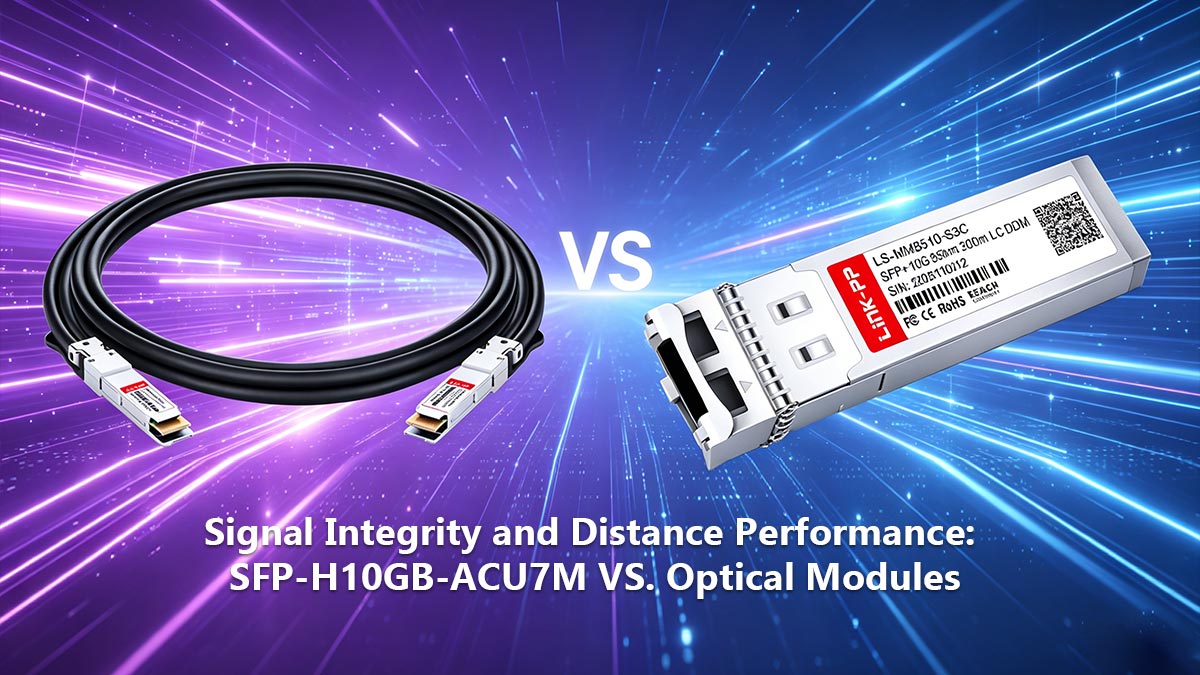
Attenuation and High-Frequency Signal Loss: 7-Meter Copper vs. Fiber Optic Transceivers
Electrical signals passing through copper naturally lose strength and clarity over longer distances due to high-frequency attenuation. The SFP-H10GB-ACU7M handles this physical barrier by using active built-in chips to boost the signal across its fixed 7-meter length. Without this active boosting mechanism, standard copper lines would fail to deliver reliable 10G data at this specific range.
Optical fibers handle signal loss much differently because infrared light encounters almost zero resistance inside pure glass strands. Light pulses can travel vast distances with practically no signal dropping, completely outclassing copper performance. This fundamental difference makes fiber optics the clear winner for maintaining signal strength across extended distances.
Key points regarding high-frequency attenuation:
- Copper signals naturally fade and weaken over longer distances.
- Active copper chips boost signals to safely reach 7 meters.
- Fiber glass experiences very low signal loss over long ranges.
Electromagnetic Interference (EMI) Susceptibility in SFP-H10GB-ACU7M vs. Immune Optical Lines
Data centers are packed with heavy electrical machinery, power supplies, and overlapping cables that generate significant electromagnetic noise. The SFP-H10GB-ACU7M relies on physical metal shielding wrapped around its copper wires to block out this environmental interference. While this shielding is highly effective, copper wires still retain a small, natural vulnerability to severe electrical noise spikes.
Fiber optic links completely bypass this environmental issue because glass cannot conduct electricity or interact with magnetic fields. Light pulses pass through the fiber entirely undisturbed by nearby power cables or high-voltage server hardware. This total immunity allows optical links to perform flawlessly in high-density areas where electrical noise is a constant problem.
Key facts about electromagnetic interference:
- Copper cables require heavy shielding to block out electrical noise.
- Severe local power spikes can still cause minor copper disruptions.
- Optical fiber glass is completely immune to all electrical interference.
Bit Error Rate (BER) Performance Under Extreme Network Traffic Loads
The Bit Error Rate measures how many data bits become corrupted or lost during heavy transmission traffic spikes. Under peak network loads, active copper lines must continuously process electrical signals while keeping noise levels as low as possible. The active chips inside the SFP-H10GB-ACU7M work hard to maintain a clean, stable bit error rate during these intense data bursts.
Optical modules provide an exceptionally stable bit error rate even when pushed to their absolute maximum throughput limits. Because light signals do not suffer from electrical distortion or crosstalk between adjacent wires, data frames remain perfectly intact. This pristine signal quality ensures smooth data packet delivery without the need for constant, time-consuming data retransmissions.
Key details about bit error rate performance:
- Copper chips work constantly to keep error rates low during traffic spikes.
- Cross-wire distortion can occasionally trigger minor data errors in copper.
- Optical links maintain a cleaner signal with fewer corrupted data packets.
How Distance Affects Maximum Throughput Capabilities in Active Copper and Fiber Optic Modules
Distance places a hard physical restriction on the maximum data throughput a copper cabling system can successfully support. The SFP-H10GB-ACU7M hits its absolute performance ceiling at its manufactured 7-meter limit, meaning it cannot be extended further without dropping the 10G connection entirely. For short cross-rack links, however, it hits full line speed with ease.
Optical modules offer massive flexibility because their throughput limits are completely untethered from short-range distance boundaries. A standard 10G transceiver can push maximum bandwidth through hundreds of meters of glass fiber without breaking a sweat. This scalable range allows network architects to deploy identical hardware across an entire data center facility without worrying about signal drop-offs.
Key takeaways on distance and throughput:
- Active copper hits a strict performance wall at a length of 7m.
- Optical links easily maintain a maximum 10G throughput across long distances.
- Fiber allows effortless network expansion without losing link stability.
♠️ Physical Deployment and Handling Performance: SFP-H10GB-ACU7M VS. Optical Module Links
The physical installation and ongoing maintenance of network cabling directly affect long-term data center uptime and operational overhead. Beyond pure data speeds, how a cable physically fits into a rack layout determines its real-world practicality for IT technicians. Examining these handling mechanics highlights the distinct structural advantages and trade-offs of each interconnect choice.
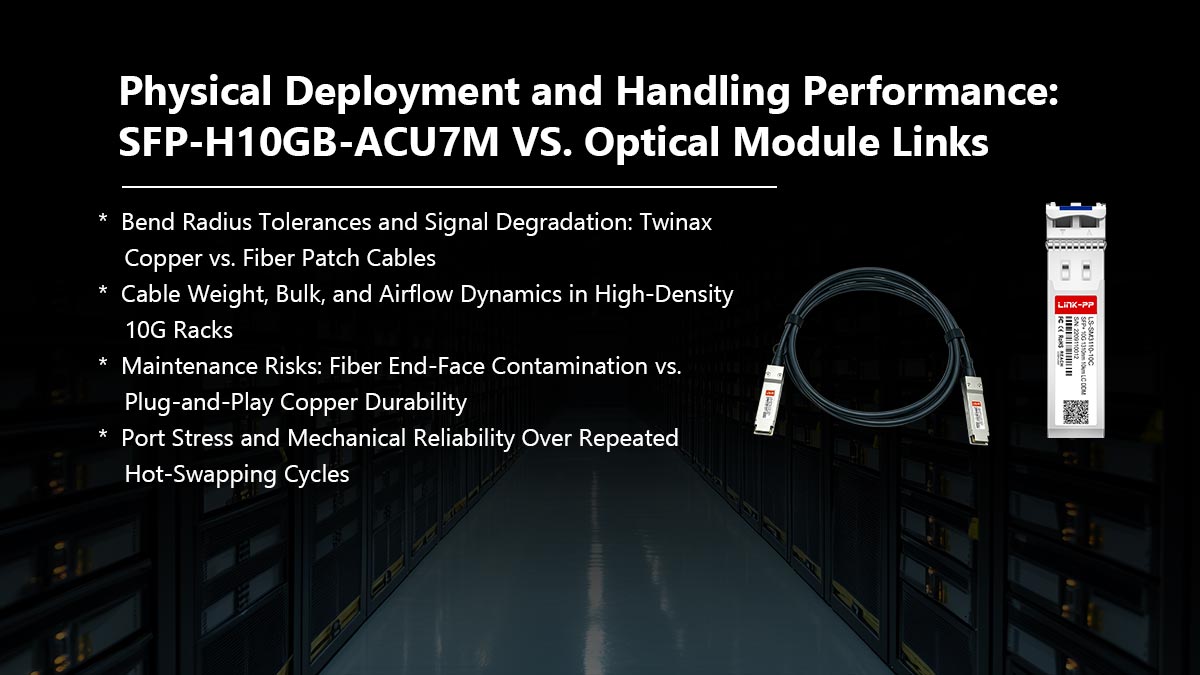
Bend Radius Tolerances and Signal Degradation: Twinax Copper vs. Fiber Patch Cables
Every network cable has a strict structural limit to how sharply it can be bent before data signals begin to suffer or fail. The twinaxial copper core of the SFP-H10GB-ACU7M is relatively thick and stiff, requiring a larger turning area inside the server enclosure. Bending this rigid copper wire too tightly can permanently warp the internal structure and trigger severe signal degradation.
Fiber optic patch cables, by comparison, are incredibly thin and offer much tighter bend radius tolerances. They navigate tight corners with ease and can be routed smoothly through dense cable management trays without restricting data flow. However, bending a fiber cable completely past its physical limit will shatter the glass core, causing an instant link drop.
Key facts about bend radius:
- Copper twinax cables are stiff and resist tight bending.
- Over-bending copper permanently damages the internal shielding.
- Fiber options bend easily but shatter under extreme folding.
Cable Weight, Bulk, and Airflow Dynamics in High-Density 10G Racks
In a crowded high-density rack, managing the physical volume of dozens of interconnect cables becomes a major operational challenge. A 7-meter copper cable like the SFP-H10GB-ACU7M is thick and heavy because of its dual conductors and protective insulation layers. When bundled together in large numbers, these copper lines add significant weight and create physical blockages behind servers.
Fiber optic cords are exceptionally lightweight and take up a fraction of the physical space required by copper lines. This minimal footprint leaves the back of the server rack completely open, allowing cooling fans to move heat away efficiently. Choosing fiber over thick copper can drastically improve airflow dynamics and reduce overall server power consumption.
Key details about cable bulk and airflow:
- Thick copper bundles add heavy weight to rack supports.
- Bulky copper cabling can block critical cooling exhaust paths.
- Slim fiber patch cords maximize airflow in crowded spaces.
Maintenance Risks: Fiber End-Face Contamination vs. Plug-and-Play Copper Durability
Maintaining network links over several years requires a clear understanding of environmental vulnerabilities and contamination risks. The SFP-H10GB-ACU7M features a fully sealed, one-piece construction that makes it completely plug-and-play. Because there are no exposed optical components, dust particles cannot compromise the connection, making it virtually maintenance-free.
Optical links carry a constant risk of fiber end-face contamination from microscopic dust or oil residue. A single dust speck blocking the laser pathway can scatter light signals and cause high bit error rates or complete link failure. Because of this vulnerability, technicians must clean and inspect optical connectors with specialized tools every time they are plugged in.
Key takeaways on maintenance and durability:
- Direct Attach Copper offers true plug-and-play reliability.
- Sealed copper pins are completely immune to dust blockages.
- Optical fiber tips require constant cleaning to prevent signal failure.
Port Stress and Mechanical Reliability Over Repeated Hot-Swapping Cycles
Switch ports represent expensive assets that must endure physical wear and tear over multiple equipment refresh cycles. The heavy-gauge wire used in the 7-meter SFP-H10GB-ACU7M assembly places continuous mechanical downward pull on the switch port. Over time, this constant weight can strain the structural solder points inside the delicate switch housing.
Lightweight optical modules put almost zero mechanical weight on switch ports, keeping hardware connections safe over long-term deployments. Furthermore, the light connectors snap smoothly into place without requiring heavy pushing force from the technician. This low-impact design minimizes long-term wear and tear during routine hardware upgrades or troubleshooting cycles.
Key points regarding port stress:
- Heavy 7-meter copper cables pull downward on switch ports.
- Constant copper weight can gradually strain port electronics.
- Light optical modules prevent mechanical wear during swapping.
♠️ When to Deploy SFP-H10GB-ACU7M VS. Optical Module
Choosing the right interconnect depends entirely on your specific network layout, budget constraints, and distance requirements. While both active copper and optical modules deliver full 10G speeds, they excel in completely different environments. Evaluating your physical data center design will help you determine the most efficient option for your hardware.
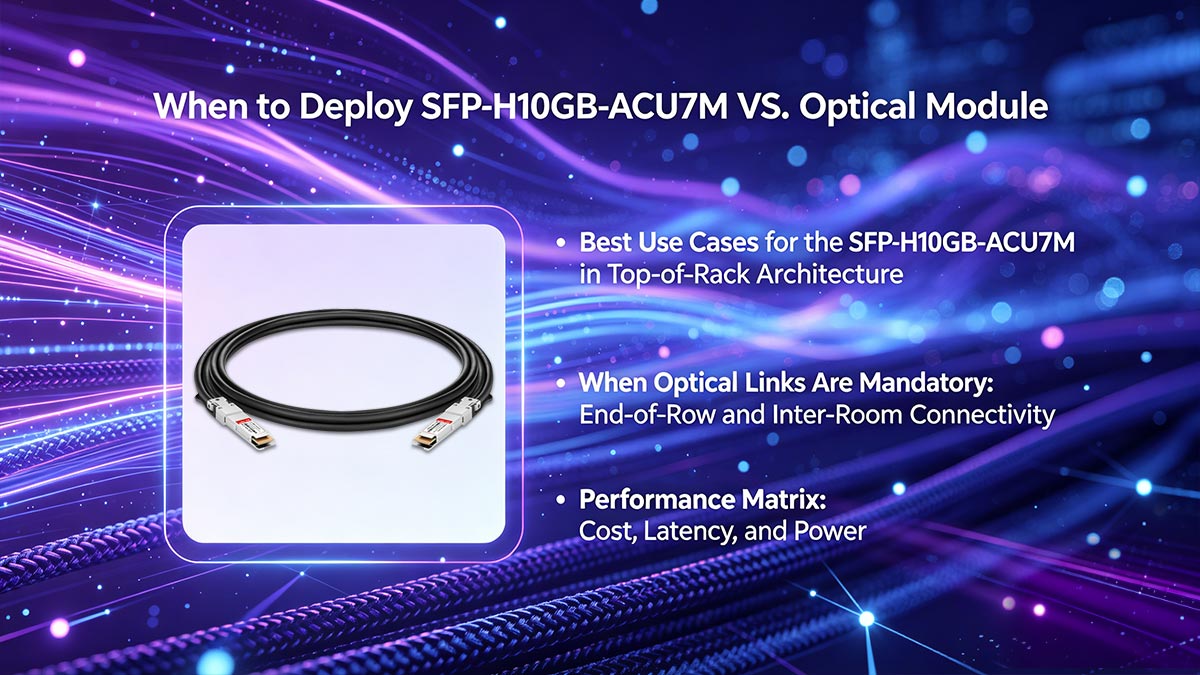
Best Use Cases for the SFP-H10GB-ACU7M in Top-of-Rack (ToR) Architecture
The Cisco SFP-H10GB-ACU7M is the ideal choice for Top-of-Rack (ToR) deployment strategies where servers connect directly to a switch located in the same cabinet. Its 7-meter active copper length provides more than enough reach to route cleanly from the very bottom server to the topmost switch port.
Because these connections are entirely short-range and contained within a single enclosure, the cable's thicker profile creates no massive management issues. Implementing active copper in this scenario drastically lowers purchasing costs while providing ultra-low latency. It remains the most sensible, plug-and-play solution for local high-density computing clusters.
When Optical Links Are Mandatory: End-of-Row (EoR) and Inter-Room Connectivity
Optical transceiver links become strictly mandatory when your network layout scales past the physical 7-meter limit of copper cabling. In End-of-Row (EoR) setups, where a central switch sits at the end of a long aisle to manage multiple server racks, the distances easily exceed copper boundaries.
Additionally, any connection moving between different rooms, floors, or separate campus buildings must rely entirely on fiber optics. The thin, lightweight nature of fiber patch cords allows them to run safely through overhead trays and conduits across hundreds of meters or tens of kilometers. Optical links ensure high-speed data travels these long distances without suffering from signal loss or environmental noise.
Performance Matrix: Cost, Latency, and Power
To make the best deployment decision, network engineers must balance upfront financial investment against ongoing operational costs. Active copper cables like the SFP-H10GB-ACU7M offer massive cost savings because they combine the transceivers and cable into a single product. They also operate with nearly zero power consumption, significantly lowering data center utility bills.
Optical modules require a higher initial budget because you must purchase two independent transceivers along with separate fiber cables. Their internal lasers and conversion circuits also draw significantly more electrical power and generate extra heat. However, they provide unmatched distance capabilities and complete electrical immunity that copper simply cannot match.
♠️ Performance Summary: SFP-H10GB-ACU7M VS. Optical Module Network Links
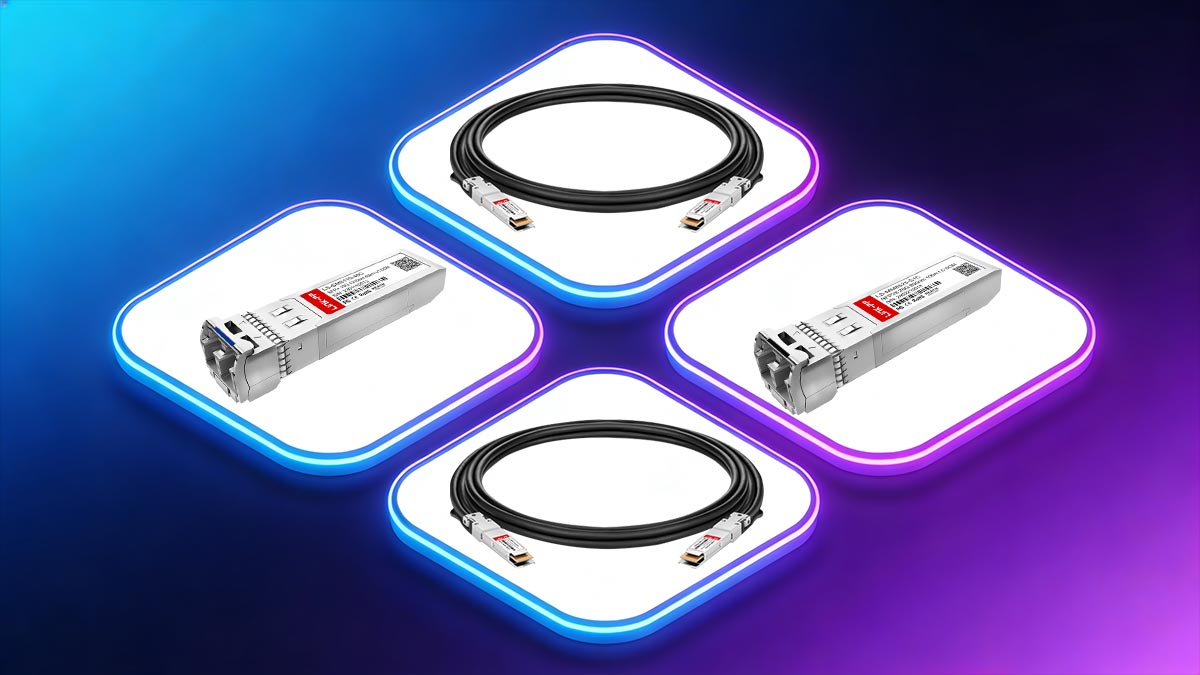
In conclusion, choosing between active copper cabling and optical transceiver links comes down to your network's physical layout and distance requirements. The SFP-H10GB-ACU7M serves as an ultra-low latency, energy-efficient, and highly durable solution perfect for short-range Top-of-Rack deployments up to 7m. Meanwhile, optical transceiver modules remain indispensable for extended-range data transmission across different data center rooms or corporate buildings.
Balancing upfront costs, physical hardware handling, and power consumption is the key to maintaining a highly reliable 10G network architecture. If you are looking to optimize your budget without compromising on enterprise-grade stability, consider exploring premium third-party compatible alternatives. Visit the LINK-PP Official Store to find fully compatible, high-performance active copper cables and transceiver options tailored for your hardware deployment.