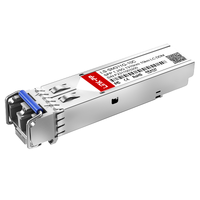
In enterprise and data center networks, reliability is key — but so is cost. Cisco SFP-GE-L modules are known for their performance and compatibility, yet their premium price can quickly add up when equipping multiple switches or maintaining spare inventories. For many businesses, the challenge isn’t just finding the right optical modules — it’s balancing network uptime with budget constraints.
This cost pressure has led organizations to explore Cisco SFP-GE-L compatible alternatives that offer similar functionality at a fraction of the price. Before evaluating these alternatives, it’s essential to understand the SFP-GE-L specifications, the role of SFP-GE-L in Gigabit Ethernet, and its typical use cases in network deployments.
⭐ What is SFP-GE-L
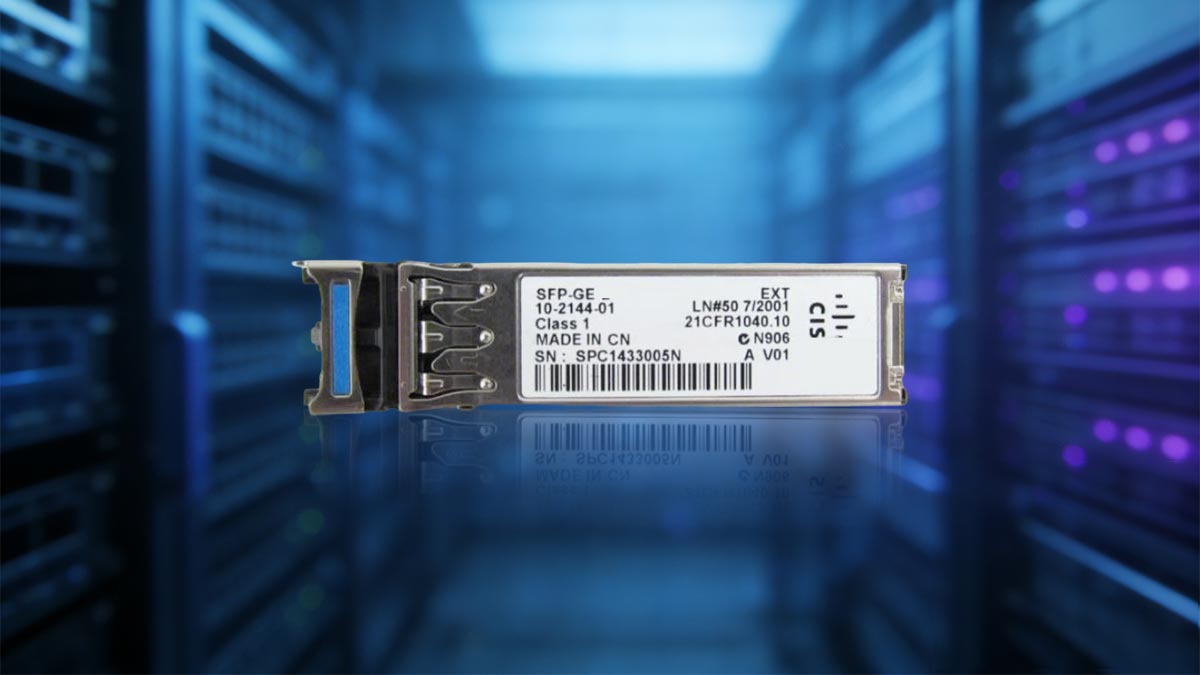
SFP-GE-L is a Cisco 1G SFP optical transceiver designed for fiber-based network connectivity. It is commonly used to enable 1000BASE-LX/LH links, allowing switches and routers to transmit data over longer distances compared to copper connections. As a widely deployed Cisco module, it serves as a standard solution for stable and reliable 1G fiber communication in enterprise environments.
Overview of SFP-GE-L Specifications and Functionality
SFP-GE-L functions as a signal converter, transforming electrical signals from a network device into optical signals for transmission over fiber, and vice versa. It uses the SFP (Small Form-Factor Pluggable) design, which means it can typically be inserted or removed without powering down the device, making it convenient for maintenance and upgrades.
From a technical perspective, SFP-GE-L is generally associated with:
- Data Rate: 1Gbps
- Optical Standard: 1000BASE-LX/LH
- Wavelength: Typically around 1310nm
- Fiber Type: Primarily single-mode fiber (SMF), with limited support for multimode fiber (MMF) under specific conditions.
- Connector: Duplex LC interface
- Transmission Distance: Up to approximately 10km on SMF, depending on network conditions.
These specifications make it suitable for long-distance, stable 1G connections where copper cabling is insufficient.
Role of SFP-GE-L in Gigabit Ethernet Connectivity
In a Gigabit Ethernet network, SFP-GE-L plays a critical role at the physical layer, directly impacting how data is transmitted between devices. It determines the type of fiber used, the achievable transmission distance, and the overall link reliability.
By enabling fiber uplinks, SFP-GE-L allows organizations to:
- Extend network connections beyond the limitations of copper cabling.
- Maintain signal integrity over longer distances.
- Support scalable network architectures across multiple floors, buildings, or data center zones.
Because both ends of a fiber link must use compatible optical standards, the choice of fiber optic SFP module — including SFP-GE-L — directly affects whether a connection can be successfully established and maintained.
Typical Use Cases in Enterprise and Data Center Networks
The SFP‑GE‑L module is widely deployed in environments that require reliable, long‑distance fiber connectivity and consistent link performance. Its support for extended transmission over single‑mode fiber makes it well‑suited for connecting geographically separated network segments while maintaining stability and low signal loss. Common scenarios include:
- Campus Network Interconnection: Linking multiple buildings within a corporate or educational campus where distances exceed the limits of copper cabling, such as connecting a main office to remote administrative or research facilities several kilometers away.
- Data Center Aggregation Layers: Providing uplinks from access switches to aggregation or core switches inside data centers, ensuring high‑speed, stable connectivity for workloads with heavy east‑west traffic between servers.
- Metropolitan Area Network (MAN) Links: Delivering fiber connections between different branch offices across a city, for example enabling a financial institution to connect regional branches to a central data center over secure, long‑reach Gigabit Ethernet links.
- Enterprise WAN Edge Connectivity: Connecting enterprise routers or firewall clusters to service provider infrastructure over single‑mode fiber, offering stable, high‑performance access to external networks and cloud services.
⭐ SFP-GE-L Cisco Replacement vs OEM Module
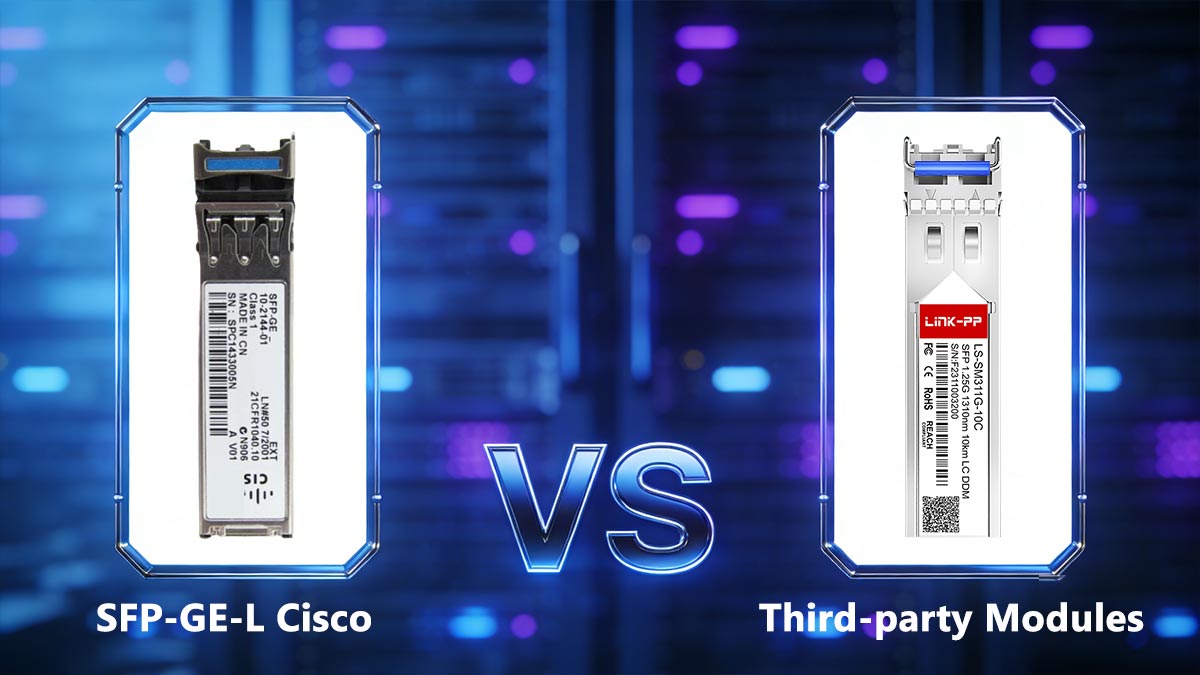
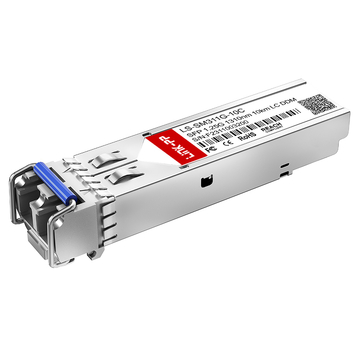
SFP-GE-L Cisco replacement modules — such as the LINK-PP LS-SM311G-10C 1000BASE-LX/LH SFP — provide an alternative procurement path to Cisco-branded OEM optics for Gigabit Ethernet over single-mode fiber. In network deployments, both options are selected to meet similar technical requirements (1G speed, LX/LH optics, long-reach SMF links), but they differ in purchasing channels, pricing structure, and compatibility coding.
Cisco OEM modules are sourced through the Cisco official channel, while reputable third-party replacements are typically coded and tested for Cisco compatibility by the vendor. The best choice often depends on budget, compliance needs, and operational policy.
To make the decision easier, the table below summarizes the main differences.
| Feature | Cisco SFP-GE-L |
SFP-GE-L Replacement (e.g., LINK-PP LS-SM311G-10C) |
| Manufacturer | Cisco | LINK-PP |
| Compliance | SFP MSA Compliant & IEEE 802.3z | SFP MSA Compliant & IEEE 802.3z |
| Compatibility | Native Cisco identification | Tested for Cisco compatibility |
| Coding/EEPROM | Cisco-coded | Pre-programmed for Cisco devices |
| Price | Higher cost due to brand and support | More cost-effective for large-scale deployments |
Key Differences between OEM and Third-party Modules
? Pricing and Lifecycle Strategy
OEM optics may come with a premium tied to brand, channel structure, and support alignment. Third-party replacements are frequently selected when teams want to control optics spend — especially for broad campus rollouts, IDF/MDF uplinks, and spare pools — while still meeting the same link type requirements (1000BASE-LX/LH over SMF).
? Support and Warranty Handling
Cisco OEM modules follow Cisco’s support and RMA processes. Third-party modules rely on the vendor’s warranty and replacement policies. Many reputable vendors provide clear RMA terms and responsive pre/post-sales support, which can be important if you’re standardizing replacements at scale.
? Coding and Interoperability Validation
OEM modules naturally identify as Cisco optics. Third-party replacements generally rely on correct EEPROM coding and platform validation. The key difference isn’t “can it work,” but how the vendor ensures it works — through compatibility matrices, device testing, and guarantees.
Performance Comparison and Compatibility Considerations
? Standards and Link Behavior
Both OEM and reputable third-party optics are designed around the same Ethernet optical standards for the link type — here, 1000BASE-LX/LH for single-mode fiber connections. In practical terms, what matters most is whether the module meets the optical budget requirements (distance, receive sensitivity, connector type) for your specific fiber plant.
? Platform and Firmware Matter for Compatibility
In Cisco environments, compatibility can depend on the switch/router model, port type, and software/firmware behavior. That’s why vendor documentation matters: look for explicit Cisco platform coverage, software notes (if any), and a clear compatibility guarantee for the module you’re buying.
? Operational Considerations: Monitoring and Features
Most enterprise deployments also care about operational visibility — DOM/DDM (if supported), link stability under temperature variation, and consistent reporting in your monitoring tools. When comparing options, confirm which diagnostics are supported and how they present on your Cisco platform (some platforms show richer optical telemetry than others).
? Best Practice: Validate on a Representative Device
Even with a compatibility guarantee, it’s smart to validate on one or two representative switches/routers (and the target software release) before rolling out at scale — especially if you’re mixing hardware generations or running a strict change-control process.
When to Choose Replacement over Original Cisco Modules
? Choose the SFP-GE-L replacement module when:
- You’re scaling deployments (new sites, access-layer uplinks, spare pool expansion) and optics cost is a meaningful part of CapEx/OpEx.
- You want procurement flexibility — multiple sourcing options, faster replenishment, or easier bulk ordering.
- You have a clear compatibility plan: a short validation, a vendor compatibility guarantee, and a defined RMA/warranty process.
? Choose Cisco OEM when:
- Your organization has an OEM-only procurement policy or must align with specific vendor support agreements.
- The environment is tightly governed (regulated change controls, strict vendor certification requirements, or standardized BOM enforcement).
- You want a single-vendor support model for both hardware and optics within established Cisco support workflows.
In most real-world networks, the decision is less about “OEM vs replacement” and more about matching the optic sourcing model to the risk tolerance, support expectations, and scale of the deployment — while ensuring the chosen module (OEM or replacement) meets the same link requirements and is validated for your Cisco platform.
⭐ Key Factors Affecting Cisco SFP-GE-L Replacement Pricing
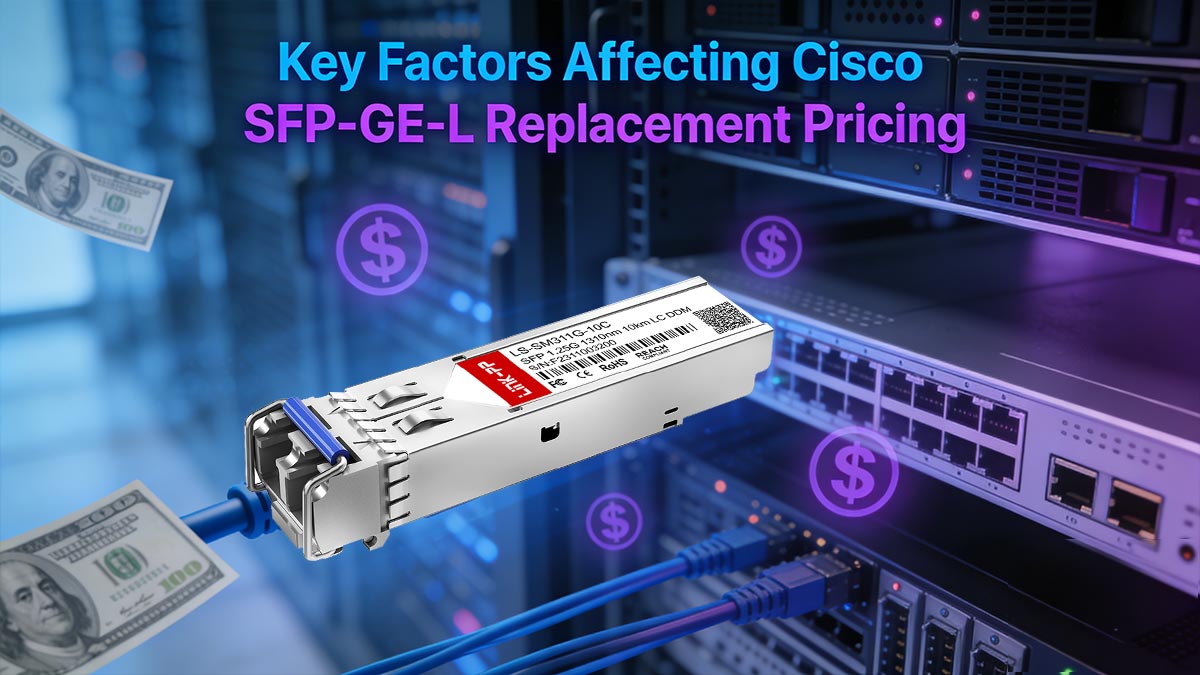
The pricing of SFP-GE-L Cisco replacement modules can vary significantly depending on a range of factors. These include the brand or vendor supplying the replacement, the certification and testing standards they adhere to, and potential discounts offered for bulk purchasing. Understanding these factors can help businesses make informed decisions when purchasing replacements and ensure that they strike the right balance between cost and quality.
Brand and Vendor Pricing Differences
Not all replacement SFP-GE-L modules are priced equally, even if they meet the same specifications. Pricing often varies by manufacturer reputation, material sourcing, and quality control processes. Established vendors that invest in stricter compatibility testing, premium components, and longer warranties tend to charge higher prices. Meanwhile, generic brands may offer lower-cost alternatives but with increased risk of reduced performance consistency or limited post-sale support.
Certification and Testing Standards
The certification and testing standards that a vendor follows can have a significant impact on the pricing of their replacement modules. Modules that are certified to meet rigorous standards, such as compliance with IEEE 802.3 or Cisco-specific protocols, generally come with a higher price tag due to the extensive testing and validation required. These modules are also more likely to be compatible with various Cisco devices and are supported by comprehensive warranties. Modules that are not certified or are only loosely tested might come at a lower price but carry higher risks of incompatibility or failure.
Bulk Purchasing Discounts
Bulk purchasing can significantly lower the unit price of SFP-GE-L Cisco replacement modules. Many vendors offer discounts for large orders, which can make a considerable difference for businesses requiring a substantial quantity of modules. For companies that are deploying or upgrading multiple network devices, purchasing replacements in bulk is a cost-effective strategy. Bulk discounts often come with the advantage of simplified procurement processes and the ability to secure a steady supply of components.
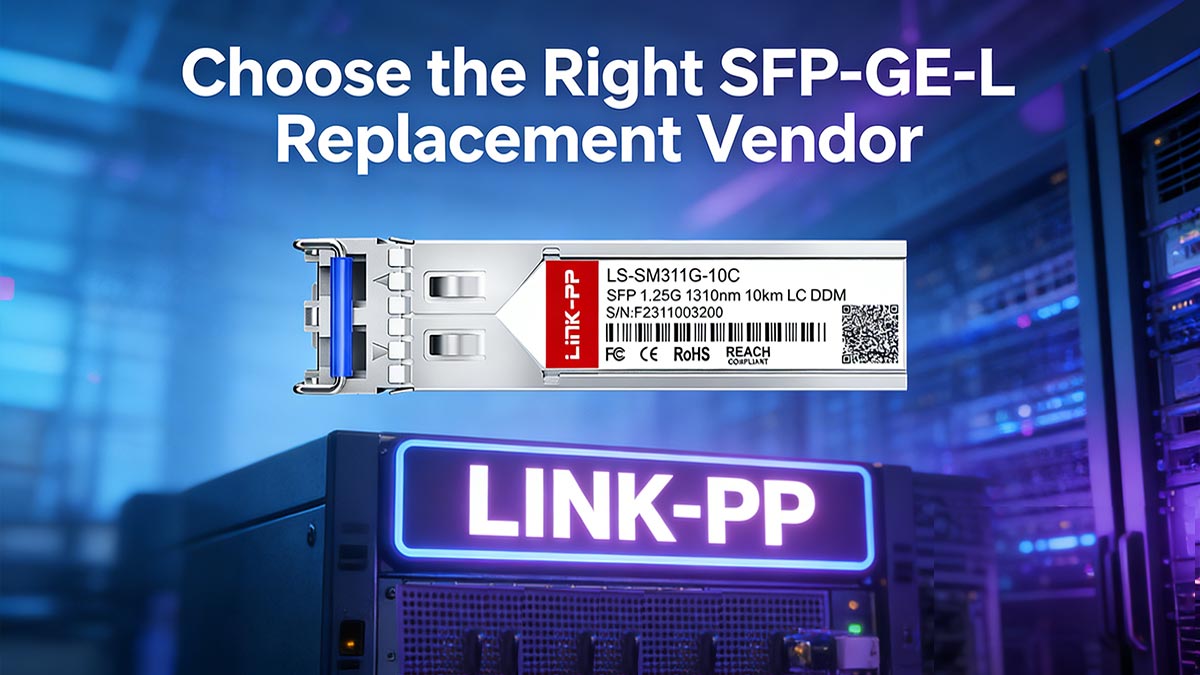
⭐ How to Choose the Right SFP-GE-L Replacement Vendor
Choosing the right vendor is just as important as choosing the right module. A reliable SFP-GE-L Cisco replacement supplier should offer proven product quality, clear compatibility guidance for Cisco platforms, and straightforward support policies. By evaluating certifications, guarantees, and service capabilities upfront, you can reduce deployment risk and keep procurement predictable.
Evaluating Vendor Reputation and Certifications
Start by checking whether the vendor demonstrates consistent quality and process discipline — not just low pricing. Practical signals include how transparent they are about product specs (wavelength, distance, DOM/DDM support, connector type), how clearly they document compatibility, and whether they can explain their sourcing and QA process.
On the certification side, look for vendors who reference relevant industry standards and quality systems. While certifications alone don’t guarantee performance, they often indicate structured manufacturing controls and repeatable testing practices. Also consider track record: reviews from enterprise buyers, repeat customers, and the vendor’s experience supporting Cisco-focused deployments can all help validate credibility.
Importance of Compatibility Guarantees
A strong compatibility guarantee can remove most of the uncertainty that buyers worry about with third-party optics. The best vendors don’t just say “compatible with Cisco” — they provide a device/platform compatibility list, guidance on software/firmware considerations, and a clear path to resolution if an exception occurs.
Prioritize vendors that can support:
- Cisco-specific coding/programming (when required).
- Compatibility guidance by platform family and OS version.
- Clear remediation options (replacement, re-coding, or refund) if a module doesn’t work as expected.
This is especially helpful in mixed environments where different Cisco hardware generations and software releases can behave differently with optics detection.
Customer Support and Technical Assistance
Strong customer support is often what separates “acceptable” procurement from consistently smooth rollouts. Ideally, the vendor can help validate your bill of materials, confirm Cisco platform fit, and advise on common deployment pitfalls (fiber type, distance limits, DOM expectations, and link troubleshooting).
Useful support capabilities include:
- Pre-sales engineering help (module selection, compatibility checks, and link budget basics)
- Post-sales troubleshooting (logs/CLI outputs, interoperability checks, and replacement coordination)
- Fast response times and escalation paths for time-sensitive outages
If you’re buying in volume, vendors that can provide consistent points of contact and repeatable procurement workflows (quotes, lead times, consistent SKUs) will typically deliver a better long-term experience.
⭐ Compatibility Considerations for Cisco SFP-GE-L Replacement
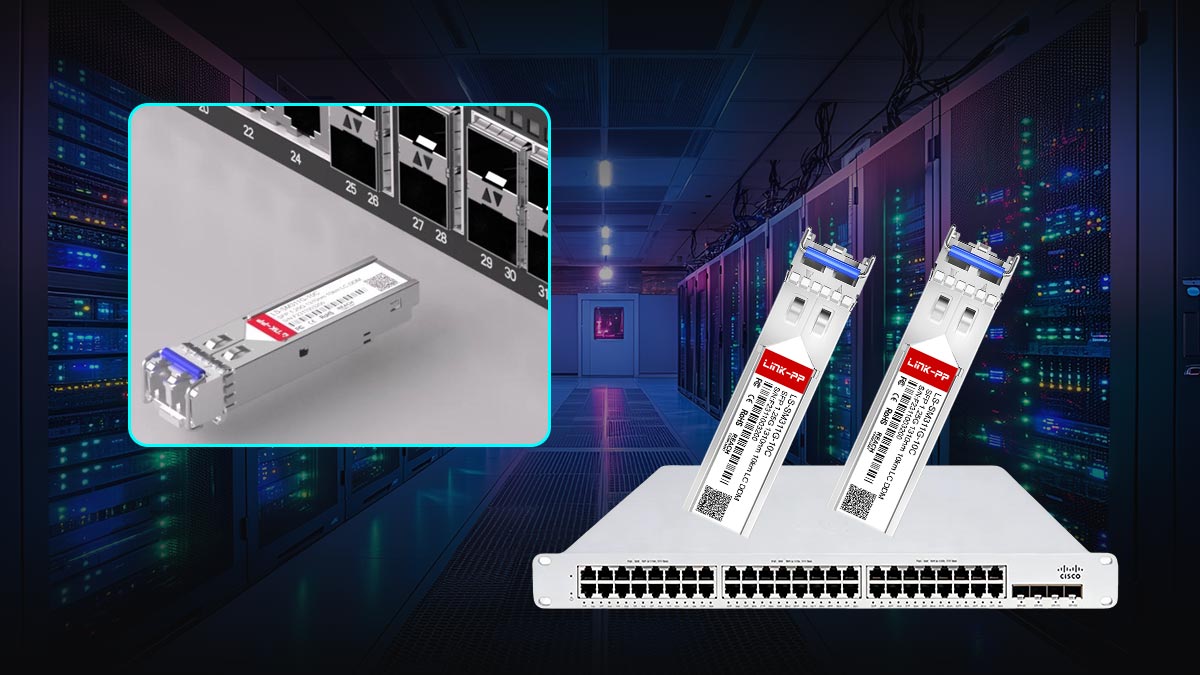
Ensuring seamless compatibility is one of the most critical steps when selecting an SFP-GE-L Cisco replacement module. Even when third-party SFP transceiver claims to be “Cisco-compatible,” small mismatches in firmware, hardware coding, or software support can cause link instability or device errors. Understanding compatibility factors helps prevent downtime and ensures optimal network performance.
Supported Cisco Devices and Platforms
Not all SFP-GE-L replacement modules are universally compatible across every Cisco device. Buyers should verify that the module explicitly supports the intended switches, routers, or network interface cards, such as Cisco Catalyst or Nexus series. Reputable vendors typically provide detailed compatibility matrices listing validated Cisco platforms to ensure proper operation without triggering vendor lock-in restrictions.
Firmware and Software Compatibility Issues
Cisco devices often enforce firmware-level checks that can reject unsupported or improperly coded transceivers. Replacement modules must be correctly programmed (coded) to match Cisco requirements and work with specific IOS or NX-OS versions. It is important to confirm that the module supports digital optical monitoring (DOM) and other features required by the network environment, as firmware mismatches can lead to warning messages or limited functionality.
Avoiding Common Compatibility Errors
Common issues include using incorrectly coded modules, outdated device firmware, or mixing incompatible transceiver types within the same network. To avoid these problems, users should ensure firmware is up to date, purchase from vendors offering compatibility guarantees, and test modules before full deployment. Additionally, selecting vendors that provide pre-sales compatibility checks and post-sales technical support can significantly reduce the risk of deployment failures.
⭐ Quality Assurance and Testing for Cisco SFP-GE-L Alternative
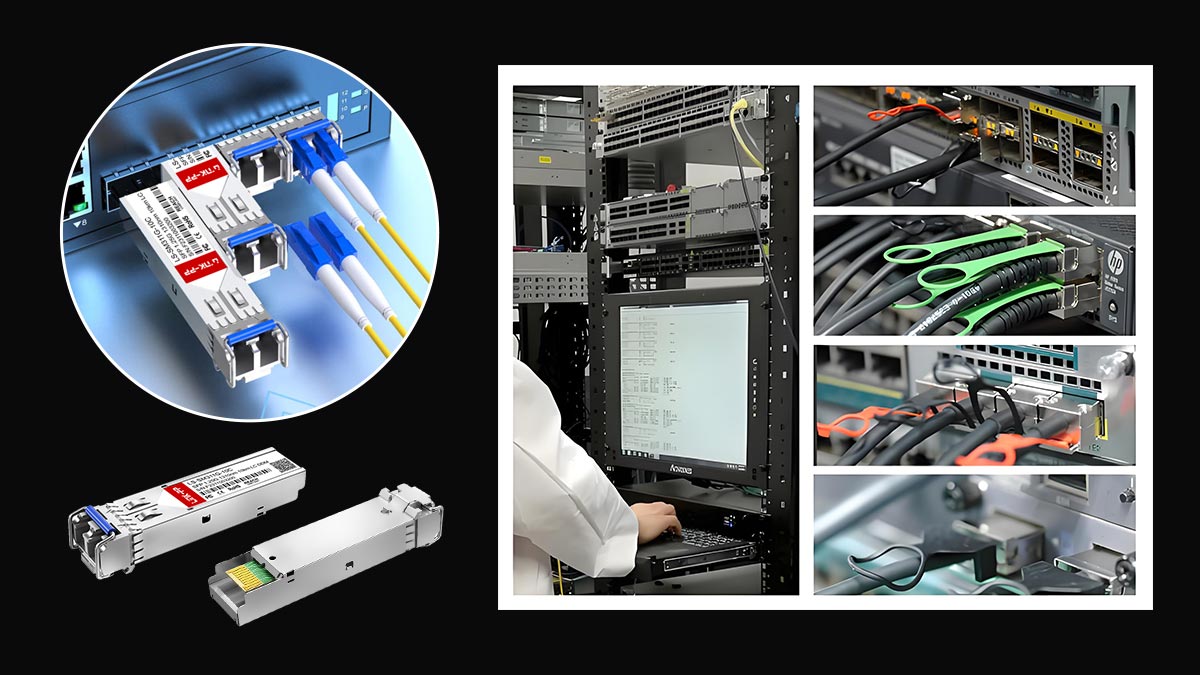
Quality assurance and rigorous testing are essential to ensure that Cisco SFP-GE-L compatible modules deliver reliable and consistent network performance. Reputable vendors implement strict quality assurance processes and comprehensive testing to guarantee that their modules meet performance expectations and integrate seamlessly with Cisco equipment. Choosing thoroughly tested fiber SFP modules minimizes the risk of failure, downtime, and compatibility issues in production environments.
Industry Standards and Certifications
Quality SFP-GE-L replacement modules should comply with widely recognized industry standards to ensure interoperability and safety.
? MSA (Multi-Source Agreement) Compliance
- Ensures that the module adheres to standardized form factors, electrical interfaces, and optical characteristics.
- Promotes interoperability across different vendors and networking platforms.
? International Certifications
- Certifications such as CE, FCC, and RoHS indicate compliance with safety, electromagnetic compatibility, and environmental regulations.
- These certifications are particularly important for deployments in regulated regions or industries.
? Optical and Performance Standards
- Modules should meet IEEE standards for Gigabit Ethernet (e.g., IEEE 802.3z/802.3ah depending on the application).
- Compliance ensures expected transmission distance, wavelength accuracy, and signal integrity.
Testing Procedures Used by Reputable Vendors
Reliable vendors perform multi-stage testing to ensure each module functions correctly before shipment.
? Compatibility Testing
- Modules are tested on actual Cisco hardware platforms (e.g., Catalyst, Nexus, and ISR series) to verify recognition and operation.
- Ensures proper EEPROM coding and seamless integration without errors or warnings.
? Functional and Performance Testing
- Includes optical power measurement, signal integrity checks, and bit error rate (BER) testing.
- Verifies that the module can maintain stable data transmission under normal and peak conditions.
? Environmental and Stress Testing
- Modules are subjected to temperature cycling, vibration, and aging tests to simulate real-world operating environments.
- Helps ensure durability in both controlled data centers and harsher edge deployments.
? Quality Control Processes
- Vendors often implement 100% individual testing rather than batch sampling.
- Serial tracking and traceability allow issues to be identified and resolved quickly.
Ensuring Performance Stability
Beyond initial testing, long-term performance stability is essential for maintaining network uptime.
? Consistent Optical Performance
- High-quality modules maintain stable transmit (Tx) and receive (Rx) power levels over time.
- This reduces the risk of signal degradation, especially over longer distances.
? Low Failure Rates
- Reliable vendors use high-grade components and strict manufacturing processes to minimize early failure (infant mortality).
- Stable modules reduce maintenance costs and downtime.
? Support for Monitoring Features
- Many quality replacements support DDM/DOM (Digital Diagnostic Monitoring), allowing real-time tracking of temperature, voltage, and optical power.
- This enables proactive maintenance and faster troubleshooting.
? Interoperability in Mixed Environments
- Stable modules perform consistently even when used in multi-vendor network environments, avoiding link flaps or negotiation issues.
⭐ Risks and Challenges in Buying Cisco SFP-GE-L Replacement
While third-party SFP-GE-L Cisco replacement modules offer cost-saving advantages, they also come with potential risks if not sourced carefully. Compatibility issues, inadequate warranties, or unstable supply chains can create operational disruptions and hidden costs. Understanding these risks helps organizations make informed and secure purchasing decisions.
Risks of Incompatible or Faulty Modules
Incompatible or poorly manufactured SFP modules may fail to establish stable links, trigger device alarms, or show incorrect diagnostic readings. Such failures can result from substandard EEPROM coding, mismatched optical parameters, or low-grade components. To minimize these issues, enterprises should verify vendor testing processes, request compatibility statements, and conduct pilot installations before full deployment.
Warranty Limitations and Support Issues
Some low-cost replacement modules come with limited warranties or lack technical assistance. Without robust post-sales support, troubleshooting can become time-consuming and costly, especially during network outages. Reliable vendors provide long-term warranties, responsive technical support, and fast replacements for defective units — ensuring that cost savings do not come at the expense of service reliability.
Supply Chain Disruptions
Unstable supply chains or dependence on uncertified manufacturers can lead to inconsistent product availability, long delivery times, and potential quality variation. Global component shortages or counterfeit distribution channels may intensify such problems. Working with trusted suppliers that maintain transparent sourcing and steady inventory ensures operational continuity and protects against unexpected downtime.
⭐ Key Takeaways for Cost-Effective SFP-GE-L Cisco Replacement
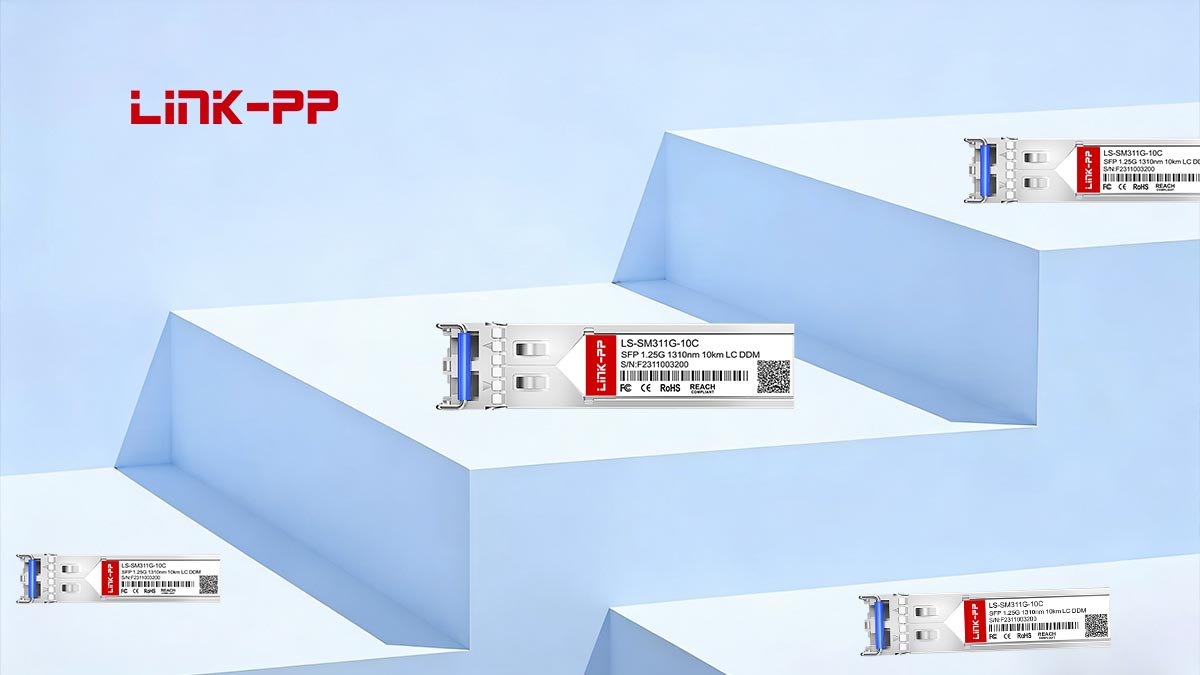
Selecting the right SFP-GE-L Cisco replacement module requires balancing cost savings with quality, compatibility, and vendor reliability. By focusing on certified products, verified compatibility, and thorough testing, organizations can achieve performance comparable to OEM modules without overspending. Careful vendor evaluation and attention to warranty and support services are essential for long-term network stability.
Ultimately, investing in trusted suppliers ensures that replacement modules meet enterprise-grade standards while minimizing operational risks. Businesses should prioritize vendors that offer transparent documentation, compatibility guarantees, and strong customer support to maximize value.
For reliable, high-quality SFP-GE-L replacement modules backed by professional testing and support, explore the LINK-PP Official Store to find cost-effective solutions tailored to your network needs. You can also benefit from professional guidance, fast delivery, and comprehensive after-sales service to ensure a smooth and confident purchasing experience.