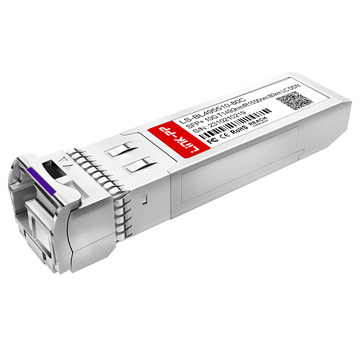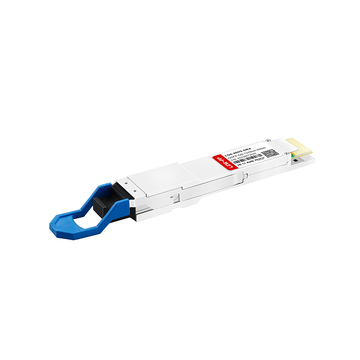

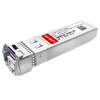

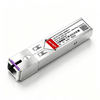
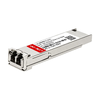






The SFP-1GLSXLC is a cornerstone of industrial fiber optic connectivity, specifically designed to provide reliable, short-haul Gigabit Ethernet transmission over multi-mode fiber. As a critical component in Moxa’s networking ecosystem, this small form-factor pluggable (SFP) module ensures seamless data flow across demanding environments, from factory floors to outdoor utility sites. Its stable Gigabit Ethernet performance makes it suitable for commercial and controlled industrial networking environments where the operating temperature remains within 0°C to 60°C.
However, as project scales grow and supply chain agility becomes paramount, many organizations are exploring high-quality alternatives to the original Moxa SFP-1GLSXLC. Opting for compatible industrial equivalents allows network physical layers to remain resilient while offering significant advantages in cost-efficiency and procurement speed. This article explores the technical specifications of the SFP-1GLSXLC and provides a roadmap for selecting compatible SFP modules that match the rigorous standards required for industrial-grade performance.
⏩ What Is SFP-1GLSXLC and Why It Matters in Industrial Networks
The SFP-1GLSXLC is an industrial-grade Gigabit SFP transceiver module designed for high-speed fiber optic communication. It serves as a vital bridge in industrial Ethernet setups, converting electrical signals into optical signals to facilitate long-distance, interference-free data transmission.
Overview of SFP-1GLSXLC Specifications
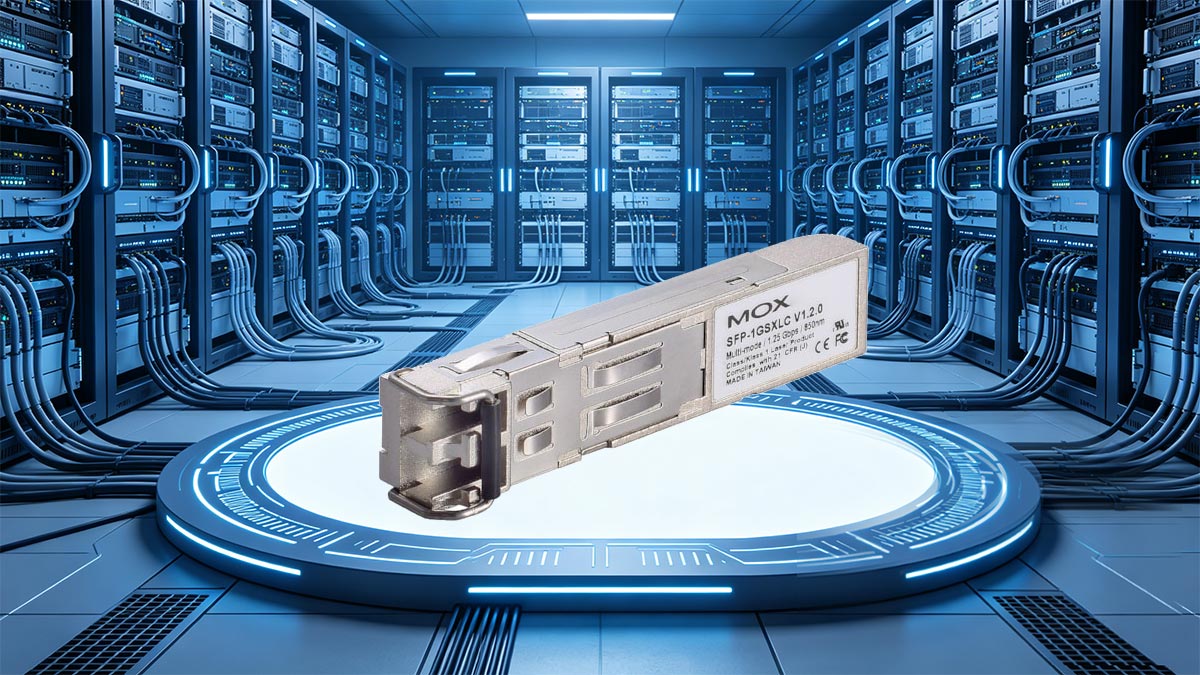
The SFP-1GLSXLC is a specialized 1000BASE-LSX optical transceiver designed to bridge the gap between standard short-reach and long-reach optical links. Unlike common 850nm transceiver modules, this specific model operates at a 1310nm wavelength, which allows for significantly improved signal integrity and lower attenuation over multi-mode fiber (MMF) infrastructure.
Equipped with a Duplex LC connector, it is engineered to support a transmission distance of up to 2km. This extended reach on multi-mode fiber makes it a unique and vital component for industrial campuses where standard 550m limits are insufficient, but the existing cable plant is not yet single-mode, providing a high-performance solution without the need for expensive re-cabling.
Typical Use Cases in Industrial Ethernet
The SFP-1GLSXLC is specifically engineered for environments where standard commercial networking hardware would fail. Its primary application is in factory automation and power utility substations, where heavy machinery generates significant electromagnetic interference (EMI). Because it uses fiber optics rather than copper, it provides an immune communication path, linking PLC cabinets and remote I/O blocks across vast production floors without the risk of data corruption from electrical noise.
Furthermore, this module is a staple in Intelligent Transportation Systems (ITS) and outdoor surveillance networks. It is frequently used to connect roadside cabinets or railway signaling equipment back to a central control hub. Given its 2km reach over MMF, it is the perfect middle-ground solution for large-scale facilities like airports, mining sites, or oil refineries, where distances often exceed the 550m limit of standard multi-mode transceivers but do not yet require the complexity of single-mode infrastructure.These deployments assume the networking equipment is installed inside temperature-controlled cabinets or environments operating within the commercial temperature range (0°C to 60°C).
Key Performance Characteristics
The defining strength of the SFP-1GLSXLC lies in its ability to provide ultra-low latency data transmission, which is a non-negotiable requirement for industrial control protocols like PROFINET or EtherCAT. In automated environments where milliseconds matter, the module’s optical circuitry ensures that time-sensitive data from sensors and actuators reaches the controller with minimal delay, preventing synchronization issues in high-speed production lines.
Furthermore, because the SFP-1GLSXLC utilizes fiber optics to transmit data as light pulses, it offers absolute immunity to electromagnetic interference (EMI) and radio-frequency interference (RFI). This is critical in "electrically noisy" industrial settings — such as those featuring high-voltage motors, variable frequency drives (VFDs), or heavy welding equipment — where traditional copper cabling would experience signal degradation or total packet loss.
⏩ Why Consider SFP-1GLSXLC Moxa Compatible Alternatives
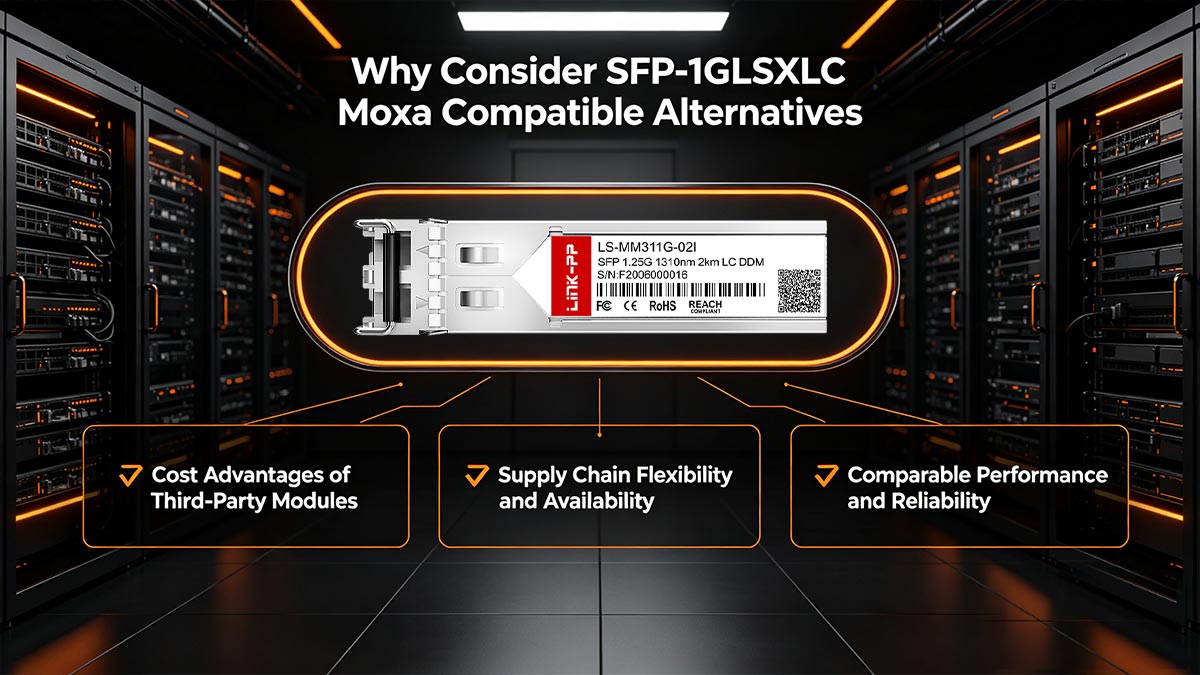
While Moxa SFP-1GLSXLC modules offer reliable performance, there are several compelling reasons to consider compatible alternatives. These alternatives can provide cost savings, enhanced availability, and comparable performance, making them attractive options for industrial network solutions. Opting for third-party modules can help organizations achieve more flexible, scalable, and budget-friendly network configurations.
Cost Advantages of Third-Party Modules
One of the most immediate benefits of choosing an SFP-1GLSXLC compatible module is the substantial reduction in capital expenditure. Third-party modules are typically priced significantly lower than OEM branded versions, despite utilizing the same internal laser components and hardware standards. For large-scale industrial deployments involving hundreds of nodes, these cost savings can be redirected toward critical infrastructure upgrades or enhanced system security.
Furthermore, lower unit costs allow organizations to maintain a more robust "on-site" spare parts inventory. Instead of waiting for budget approvals for expensive OEM replacements, maintenance teams can keep a ready stock of compatible transceivers, ensuring that network repairs happen in minutes rather than days.
Supply Chain Flexibility and Availability
In the current industrial climate, relying on a single hardware vendor can create significant project bottlenecks due to long lead times or regional shortages. Opting for SFP-1GLSXLC compatible modules introduces vital supply chain diversity, allowing procurement teams to source from multiple reliable vendors. This flexibility ensures that critical infrastructure projects stay on schedule, regardless of OEM stock fluctuations.
Additionally, many third-party suppliers specialize specifically in transceiver technology, often offering faster shipping and more responsive logistics than larger, more diversified hardware manufacturers. This agility is crucial for emergency maintenance or rapid network expansions where "time-to-connectivity" is a key performance indicator.
Comparable Performance and Reliability
Modern compatible SFP-1GLSXLC modules are engineered to meet or exceed the exact Multi-Source Agreement (MSA) standards followed by original manufacturers. These transceivers undergo rigorous bit-error rate (BER) testing and thermal cycling to ensure they deliver the same 1310 nm precision and 2 km reach as the original Moxa units. When sourced from reputable third-party suppliers, the performance gap between OEM and compatible modules is virtually non-existent.
Moreover, high-quality alternatives are designed specifically for commercial networking environments, featuring the same standard metal housings and wide temperature tolerance. By utilizing industrial-grade components, these modules provide the same long-term MTBF (Mean Time Between Failures), ensuring that your industrial Ethernet backbone remains stable and high-performing under 24/7 operating conditions.
⏩ Key Specifications to Match When Replacing Moxa SFP-1GLSXLC
When selecting an alternative for the Moxa SFP-1GLSXLC, precision in technical alignment is paramount to ensure network stability. Replacing an industrial module requires more than just a physical fit; you must match the exact optical and thermal profiles to maintain the integrity of your fiber plant.
Wavelength and Transmission Distance
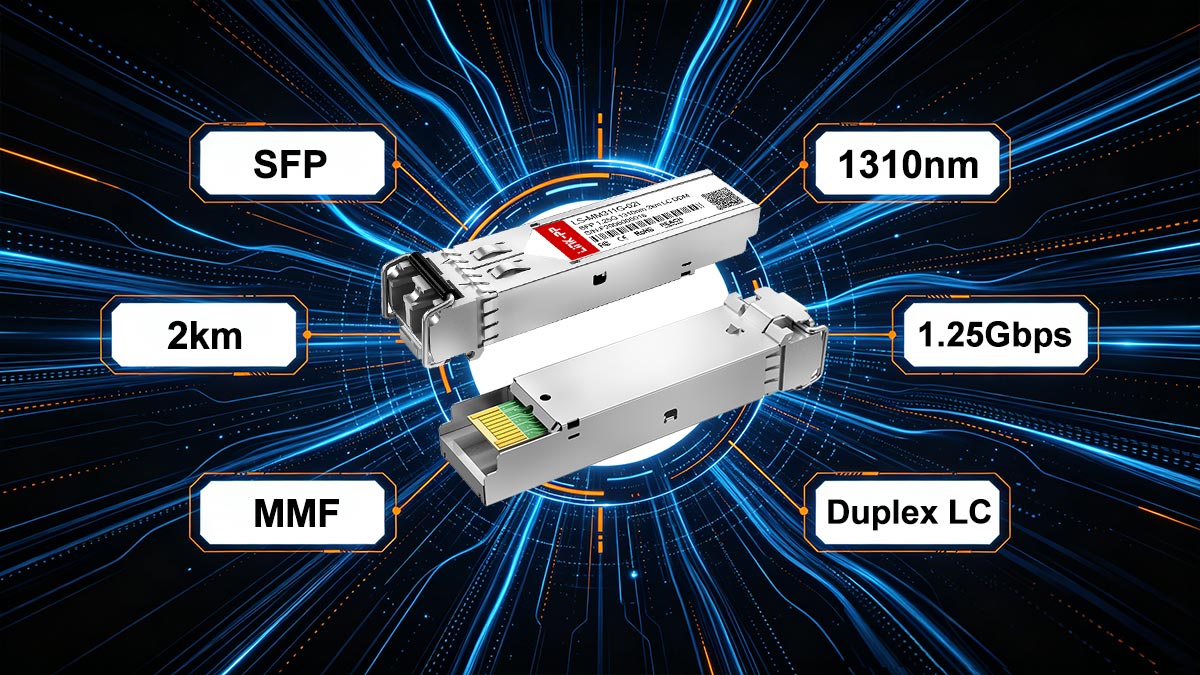
The most critical optical parameter to match is the operating wavelength, as mismatched light frequencies will result in a total loss of communication. The SFP-1GLSXLC is unique in the Gigabit Ethernet world because it operates at 1310nm despite being a multimode module. Most standard multimode SFP modules use 850nm, so verifying the 1310nm specification is the first step in a successful replacement.
Furthermore, the alternative must support the specific 2km transmission distance. In commercial networking environments:
- Link Budget: The module must have sufficient optical launch power and receiver sensitivity to overcome the attenuation inherent in a 2km multi-mode run.
- Fiber Grade: Ensure the alternative is rated for use with OM1 or OM2 fiber types over these extended distances, as the modal bandwidth of the fiber directly impacts the effective reach at 1310nm.
Connector Type and Fiber Compatibility
Physical connectivity and the medium of transmission must be perfectly mirrored to avoid costly infrastructure changes. The SFP-1GLSXLC utilizes a Duplex LC connector, which is the industry standard for high-density fiber networking.
To ensure seamless integration, the replacement module must offer:
- Mechanical Compatibility: The LC housing must be manufactured to high tolerances to ensure a "click-to-lock" fit, preventing signal intermittent issues caused by vibration — a common factor in industrial settings.
- Core Diameter Alignment: Since this is a multimode fiber (MMF) module, the internal TOSA (Transmitter Optical Sub-Assembly) must be optimized for 50/125µm or 62.5/125µm fiber cores to ensure maximum light coupling and minimal back-reflection.
Data Rate and Duplex Mode
Consistency in data throughput and communication flow is essential for the "handshake" between the switch and the connected device. The module is strictly a 1.25Gbps (Gigabit Ethernet) SFP transceiver. Using a multi-rate or SFP+ 10G module in a slot hard-coded for 1G may lead to port initialization failures or erratic link flapping.
Additionally, the module must support Full-Duplex mode by default. In industrial Ethernet, BiDi communication happens simultaneously over the two fiber strands (one for TX, one for RX). Ensuring the alternative supports standard IEEE 802.3 protocols ensures that it can communicate effectively with existing Moxa switch firmware without requiring manual port configuration.
Operating Temperature Requirements
Perhaps the most overlooked specification when moving away from standard commercial optics is the thermal rating. A true SFP-1GLSXLC equivalent should match the original commercial operating temperature specification of 0°C to 60°C. If an application requires extended industrial temperature operation (-40°C to 85°C), the correct replacement is the SFP-1GLSXLC-T rather than the standard SFP-1GLSXLC.
- Operating Range: The alternative should provide the same 0°C to 60°C commercial operating temperature as the original SFP-1GLSXLC.
- Thermal Dissipation: High-quality industrial alternatives feature superior heat-sink designs or metal housings that dissipate heat more efficiently, preventing the internal components from degrading prematurely under constant high-load operation.
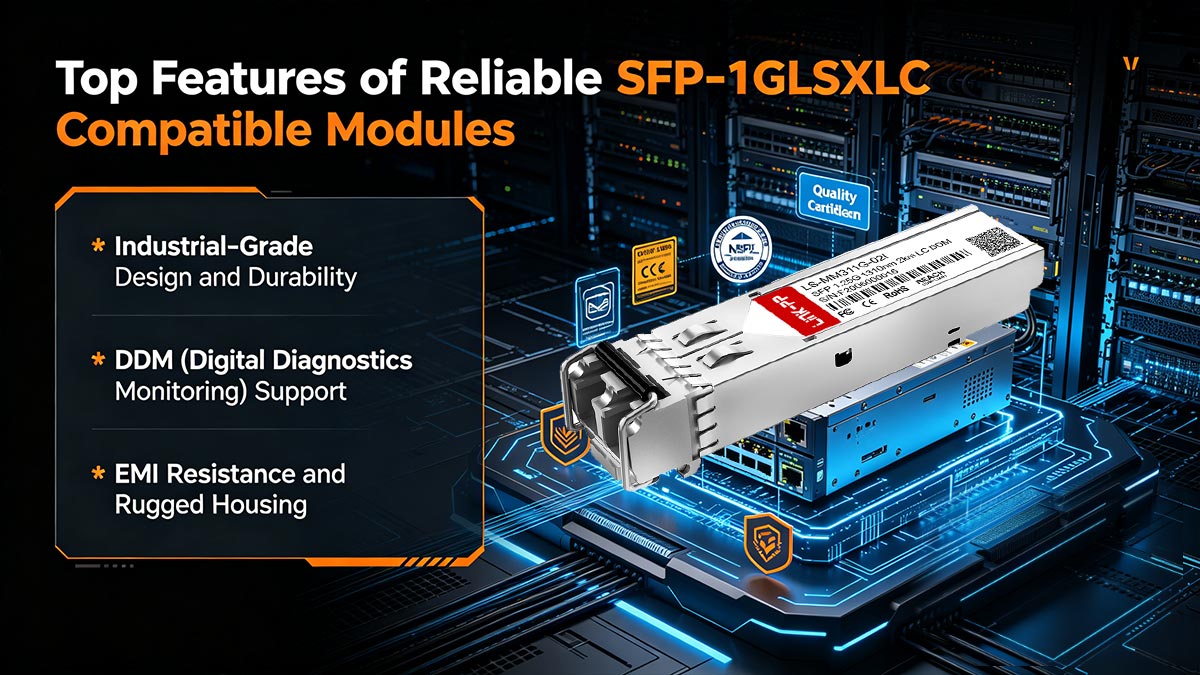
⏩ Top Features of Reliable SFP-1GLSXLC Compatible Modules
Selecting a reliable SFP-1GLSXLC compatible module goes beyond basic connectivity; it requires a focus on specialized features that ensure long-term survival in harsh environments. The best alternatives integrate advanced monitoring capabilities and high-end physical construction to match the rigorous demands of industrial networking.
Industrial-Grade Design and Durability
A premium SFP-1GLSXLC alternative is defined by its internal component selection, utilizing commercial-grade optical components and chipsets designed for 24/7 continuous operation. Unlike commercial modules that may drift or fail under thermal stress, these transceivers are built with qualified components designed for reliable commercial Ethernet operation that maintain signal timing and power levels across a wide operational spectrum.
Furthermore, durability extends to the mechanical integrity of the module. High-quality compatible units feature gold-plated connectors to prevent oxidation and a reinforced bail-clasp mechanism that can withstand multiple insertion cycles without loosening, ensuring a secure and stable connection even in high-vibration machinery environments.
DDM (Digital Diagnostics Monitoring) Support
Digital Diagnostics Monitoring (DDM), also known as Digital Optical Monitoring (DOM), is a critical feature for modern network management. It allows engineers to monitor the real-time health of the SFP-1GLSXLC module through the switch interface, providing a window into the physical layer without the need for specialized handheld testers. This proactive data collection is essential for identifying potential link failures before they cause an actual network outage.
The following table outlines the key parameters tracked by DDM and why they are vital for industrial network health:
| Parameter | Description | Benefit |
| Temperature | Internal module temperature | Prevents overheating and thermal failure |
| Supply Voltage | Voltage supplied to the module | Ensures stable power conditions |
| TX Optical Power | Transmit optical signal strength | Detects signal degradation early |
| RX Optical Power | Received optical signal strength | Helps identify fiber or link issues |
| Laser Bias Current | Current driving the laser transmitter | Indicates laser health and aging |
EMI Resistance and Rugged Housing
In commercial networking environments, electromagnetic interference (EMI) from heavy machinery, power lines, and other equipment can significantly affect network performance. Reliable SFP-1GLSXLC compatible modules are designed with strong EMI resistance to ensure stable data transmission even in electrically noisy conditions.
Additionally, these modules often feature rugged metal housings that provide both physical protection and enhanced shielding. This combination helps:
- Minimize signal distortion caused by external interference.
- Protect internal components from physical damage and environmental exposure.
- Maintain consistent performance in high-vibration or high-interference environments.
Together, EMI resistance and robust housing design contribute to a more stable and dependable industrial networking solution.
⏩ Compatibility Considerations for SFP-1GLSXLC Alternatives
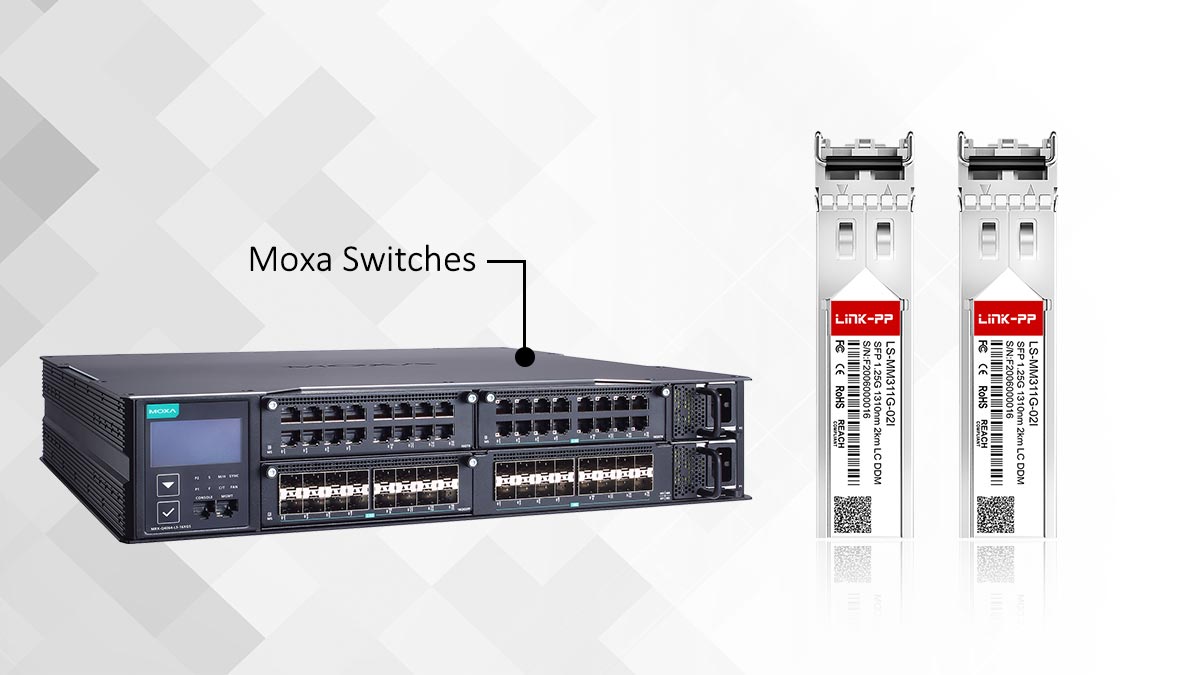
Ensuring full compatibility is the most critical step when integrating third-party SFP-1GLSXLC compatible modules into an existing Moxa infrastructure. While hardware specifications may match on paper, the module must be recognized and accepted by the switch's operating system to ensure stable, error-free communication.
Interoperability with Moxa Switches
Moxa industrial switches are known for their high reliability, and they achieve this through strict hardware-software synergy. For an SFP-1GLSXLC alternative to be truly compatible, it must provide a seamless "plug-and-play" experience where the switch identifies the transceiver immediately upon insertion. This interoperability ensures that all software-defined features, such as port trunking or VLAN tagging, function exactly as they would with an original module.
Incompatibility often manifests as a "port down" status or an "unrecognized transceiver" error in the Moxa management console. Choosing a module specifically programmed for Moxa systems guarantees that the switch’s internal logic accepts the link, maintaining the deterministic performance required for mission-critical industrial Ethernet applications.
Firmware and Coding Compatibility
The primary barrier to compatibility is often the EEPROM coding within the transceiver. Every fiber SFP transceiver contains a small chip that stores identification data, including the manufacturer name, part number, and serial number. To work as a successful SFP-1GLSXLC alternative, the third-party module must be flashed with a specialized firmware that mimics the coding signature expected by the Moxa firmware.
If the coding is incorrect, the switch might disable the port as a security measure or fail to read the DDM data correctly. High-quality compatible modules use sophisticated coding techniques to ensure that the switch reads the correct vendor OUI (Organizationally Unique Identifier), ensuring that the module is not only accepted but also correctly categorized within the network inventory.
Testing and Validation Practices
Thorough testing and validation are essential steps before deploying SFP-1GLSXLC alternatives in a live industrial network. Even if a module is advertised as compatible, real-world testing helps confirm its reliability under actual operating conditions.
Best practices include:
- Conducting lab testing with the target Moxa switch models before large-scale deployment.
- Performing link stability and performance tests, including throughput and error rate analysis.
- Monitoring long-term operation under environmental stress, such as temperature variation or vibration.
By following structured validation procedures, organizations can minimize deployment risks, ensure consistent performance, and build confidence in the chosen compatible solution.
⏩ How to Choose the Right SFP-1GLSXLC Compatible Alternative
Choosing the right SFP-1GLSXLC compatible alternative requires a balanced evaluation of technical requirements, supplier reliability, and long-term support. A well-informed selection not only ensures seamless integration but also reduces operational risks in commercial networking environments. By focusing on key decision factors, users can confidently deploy modules that meet both performance and durability expectations.

Identifying your Network Requirements
Before integrating a compatible SFP-1GLSXLC, it is essential to audit your current infrastructure to ensure the module aligns with both the physical cabling and the logic of your network. Because this specific module occupies a unique technical niche — providing a 1310nm signal over multimode fiber, it is not a "one-size-fits-all" solution, and selecting the wrong variant can lead to immediate link failure.
To guarantee a successful deployment, you should evaluate the following requirements:
- Fiber Infrastructure Audit: Confirm that your existing runs are multimode fiber. While 1310nm is typically associated with single-mode, the SFP-1GLSXLC is designed specifically to push Gigabit speeds up to 2km over MMF. Verify that your distance requirements fall within this range to avoid the signal attenuation issues found with standard 850nm SFP modules.
- Switch Port Configuration: Review the technical manual of your Moxa switch to ensure the target SFP slots support 1000Base-LSX standards. Additionally, consider the environmental placement of the switch; if it is located in a high-vibration area or an unventilated cabinet, your replacement module should match the original operating temperature specification (0°C to 60°C). If deployment requires -40°C to 85°C operation, choose the SFP-1GLSXLC-T instead.
Evaluating Supplier Credibility
The reliability of an SFP-1GLSXLC compatible module is directly tied to the expertise of the supplier. Unlike generic consumer-grade vendors, a credible industrial supplier should demonstrate a deep understanding of Moxa’s specific coding requirements and the unique environmental stressors found in industrial settings.
When vetting a supplier, look for those who maintain an extensive in-house laboratory. A trustworthy partner will provide documentation or "compatibility reports" proving that their SFP-1GLSXLC equivalents have been tested in actual Moxa EDS or IKS series switches. This transparency ensures you are not just buying a rebranded module, but a precision-engineered component validated for your specific hardware.
Certification and Compliance Standards
To ensure the safety and legality of your industrial installation, the SFP-1GLSXLC compatible module must adhere to international regulatory and quality standards. These certifications act as a guarantee that the module will not damage your switch or cause electromagnetic interference with other sensitive equipment.
Key standards to look for include:
- Regulatory Compliance: Ensure the modules are CE, FCC, and RoHS certified, indicating they meet safety and environmental protection requirements for global markets.
- MSA Adherence: The module must strictly follow the Multi-Source Agreement (MSA), which defines the physical dimensions and electrical interfaces of SFP transceivers, ensuring universal fit and basic functional consistency across different brands.
Warranty and Technical Support
The final piece of the selection puzzle is the level of protection offered after the purchase. Industrial networks are often intended to run for a decade or more, making long-term support more valuable than the initial purchase price. A robust warranty is a clear indicator of the manufacturer’s confidence in their product’s MTBF (Mean Time Between Failures).
A reliable alternative should come with:
- Extended Warranty Coverage: Look for a 1 to 3-year warranty, which provides peace of mind that the SFP-1GLSXLC can handle the 24/7 duty cycles of a factory floor.
- Responsive Technical Assistance: Ensure the supplier provides direct access to engineers who can help troubleshoot link issues or firmware mismatches, rather than just a basic customer service representative. Quick technical resolution can prevent minor glitches from turning into expensive production downtime.
⏩ Installation and Maintenance Tips for SFP-1GLSXLC Alternatives
Proper handling and proactive upkeep are essential to maximize the lifespan and reliability of your SFP-1GLSXLC compatible modules. While these industrial transceivers are built for durability, following standardized installation and maintenance protocols prevents common physical layer failures and ensures consistent network uptime.

Proper Installation Procedures
The installation of an SFP-1GLSXLC module should always be treated as a precision task, as contaminated optical interfaces are the leading cause of signal degradation. Before inserting the module into a Moxa switch, it is vital to ensure that both the transceiver and the fiber connectors are free from dust and oils.
To ensure a secure and clean connection, follow these steps:
- Dust Cap Management: Never remove the protective dust caps from the fiber optic SFP module or the LC fiber connectors until the exact moment of connection. This prevents airborne particulates from settling on the delicate 1310 nm laser aperture.
- Physical Seating: Align the SFP module with the port and slide it in until you hear or feel a distinct "click," which indicates the bail-clasp mechanism has locked. Once seated, gently pull on the module without depressing the latch to verify it is physically secure during normal equipment operation.
Common Troubleshooting Steps
If a link fails to establish after installing an SFP-1GLSXLC compatible alternative, the troubleshooting process should begin with the most likely physical and logical culprits. In many cases, the issue is not a hardware defect but a simple configuration or connectivity error that can be resolved on-site.
Common diagnostic areas include:
- Fiber Polarity Check: Ensure that the "TX" (transmit) fiber at one end is connected to the "RX" (receive) port at the other. Fiber strands are often crossed during installation, which prevents the handshake required to bring the link up.
- Port Speed Hard-coding: While most Moxa switches feature auto-negotiation, some older industrial models may require the port speed to be manually set to 1000Mbps and Full Duplex to correctly recognize the 1G SFP-1GLSXLC module.
Monitoring SFP Module Performance
Continuous monitoring is the hallmark of a resilient industrial network, and leveraging the Digital Diagnostics Monitoring (DDM) capabilities of your SFP-1GLSXLC compatible module is the most effective way to achieve this. By regularly checking the transceiver's vitals through the switch's management interface, you can move from reactive repairs to predictive maintenance.
Engineers should establish a baseline for optical receive (RX) power during the initial installation. A gradual drop in RX power over time often indicates a dirty connector or a macro-bend in the fiber optic cable, while a sudden spike in internal temperature may suggest that the cooling system in the industrial enclosure is failing.
When to Replace or Upgrade
Knowing when to retire an SFP-1GLSXLC module can prevent catastrophic network failures during critical production hours. While these modules are designed for long-term use, they are subject to "laser aging," where the optical output power naturally diminishes over several years of continuous operation.
Replacement is typically necessary when:
- DDM Threshold Alarms: The switch triggers a high-priority alarm indicating that the Laser Bias Current has exceeded safe operating limits, signaling that the laser diode is working too hard to maintain a link.
- High Bit Error Rates (BER): If a specific link begins to experience frequent packet loss or CRC errors that cannot be resolved by cleaning the connectors, the internal circuitry of the module may have been compromised by electrical surges or extreme thermal cycling.
⏩ Pick the Best SFP-1GLSXLC Alternative for Reliable Industrial Performance
Selecting the right alternative for your Moxa infrastructure is a decision that impacts the long-term stability and scalability of your industrial network. By prioritizing technical alignment — specifically the 1310nm wavelength and 2km multimode reach — and ensuring industrial-grade thermal resistance, you can achieve a seamless transition that balances high performance with cost-efficiency.
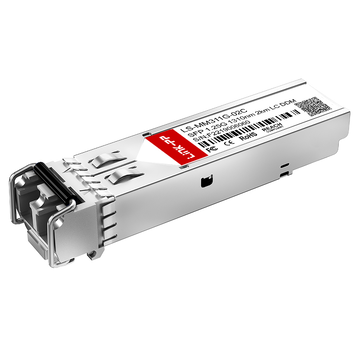
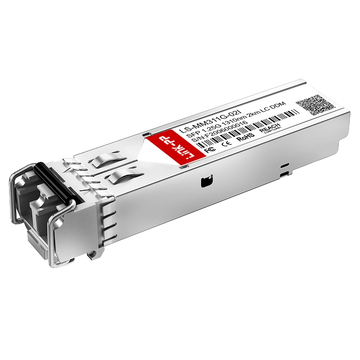
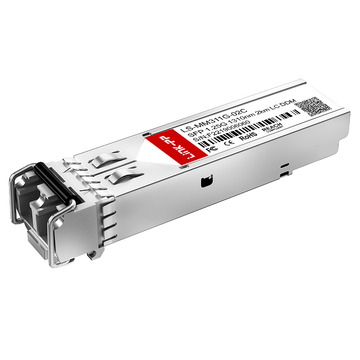
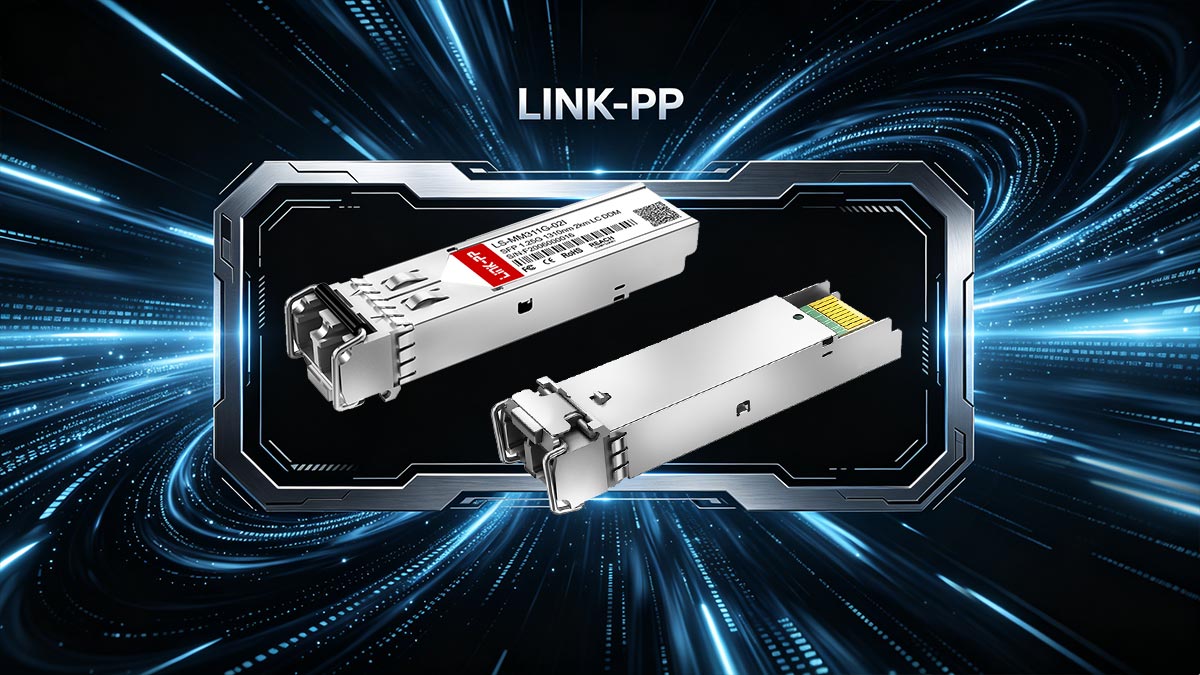
For engineers and procurement specialists seeking a proven solution, the LINK-PP LS-MM311G-02C 1G SFP stands out as a premier compatible alternative to the original Moxa SFP-1GLSXLC. This module is precision-engineered to meet the rigorous demands of industrial Ethernet, offering:
- Total Moxa Compatibility: Pre-coded firmware ensures immediate recognition and full DDM support across Moxa’s switches.
- Hardened Durability: Designed for reliable Gigabit Ethernet connectivity, the LS-MM311G-02C operates within the commercial temperature range of 0°C to 60°C while providing full compatibility with the Moxa SFP-1GLSXLC.
- Optimized Optical Performance: With a Duplex LC interface and a high-stability 1310nm laser, it delivers consistent 1.25Gbps throughput over 2km of MMF, effectively eliminating the need for expensive single-mode upgrades in large-scale facilities.
Investing in high-quality compatible transceivers like those from LINK-PP allows you to maintain the deterministic reliability your operations require while gaining the flexibility and value of a diversified supply chain.
Ready to optimize your industrial fiber links with a reliable, cost-effective SFP-1GLSXLC equivalent? Explore our full range of industrial-grade SFP transceiver modules and secure your network's future at the LINK-PP Official Store.