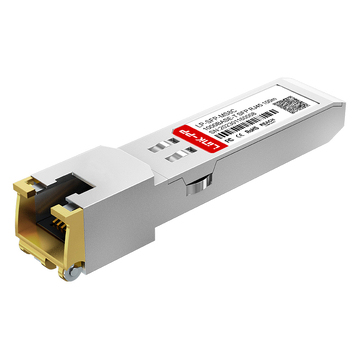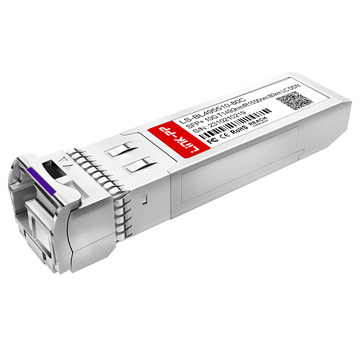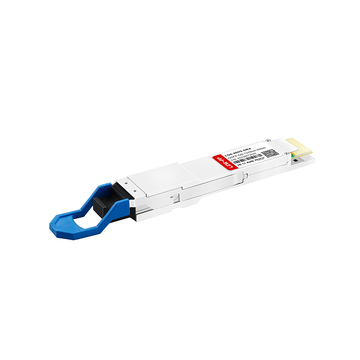






























Modern data centers continue to rely on stable and predictable 10Gbps optical connectivity, even as higher-speed technologies such as 25G SFP28 and 100G QSFP28 gain traction. Among various transceiver types, long-range 10G modules remain widely deployed for inter-rack and aggregation-layer connections due to their balance of reach, cost efficiency, and compatibility with existing single-mode fiber infrastructure. In this context, ensuring consistent performance is not just a matter of specification compliance, but a critical requirement for maintaining network uptime and service quality in high-density environments.
Against this backdrop, the LR-SFP-10G-C has become a commonly evaluated module in data center labs, where engineers focus on validating its real-world behavior under controlled conditions. Rather than relying solely on datasheet values, lab testing provides deeper insight into key performance indicators such as optical power stability, bit error rate (BER), thermal tolerance, and interoperability across different platforms. These metrics directly influence how the module performs in production networks, especially under varying workloads and environmental conditions.
This article explores the performance metrics of LR-SFP-10G-C as observed in data center lab environments, with a focus on how these metrics are measured, interpreted, and optimized. It breaks down core testing parameters, methodologies, and common challenges, while also connecting lab findings to practical deployment considerations. By structuring the discussion around measurable indicators and real-world scenarios, the content aims to provide a clear reference for engineers and network professionals seeking to better understand and evaluate 10G LR optical performance.
? Overview of LR-SFP-10G-C Technology
The LR-SFP-10G-C is a 10Gbps long-range optical transceiver designed for stable data transmission over single-mode fiber, typically up to 10km. It follows standardized SFP+ 10GBASE-LR specifications and is widely used in data center aggregation and backbone connectivity. Its design focuses on balancing optical performance, interoperability, and operational reliability in enterprise and cloud environments.
Core Specifications and Standards
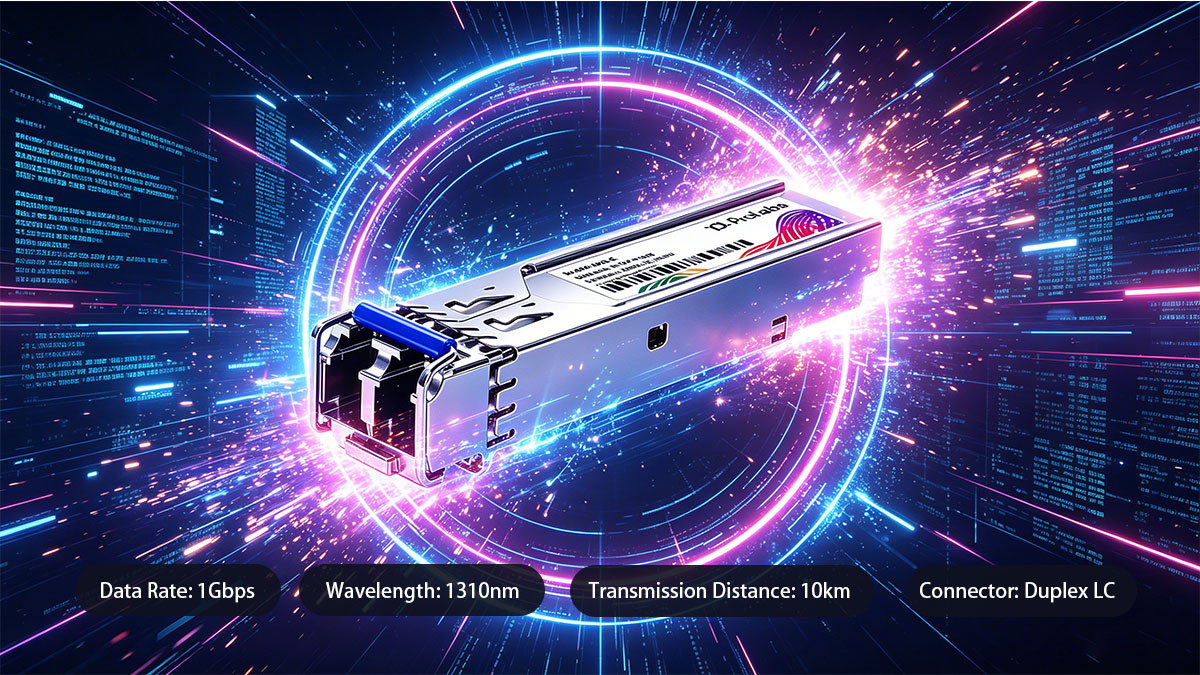
The LR-SFP-10G-C operates within well-defined industry standards, ensuring predictable behavior across multi-vendor environments. Its key specifications align with IEEE requirements for long-reach 10G optical transmission, making it suitable for standardized deployment scenarios.
| Parameter | Typical Value | Standard Reference |
|---|---|---|
| Data Rate | 10Gbps | IEEE 802.3ae |
| Wavelength | 1310nm | 10GBASE-LR |
| Transmission Distance | Up to 10km | Single-mode fiber |
| Connector Type | Duplex LC | SFP+ MSA |
These specifications define the baseline performance expectations in lab and production environments. For example, the 1310nm wavelength enables lower dispersion over longer distances compared to short-range optics, while compliance with SFP+ MSA ensures physical and electrical compatibility across devices.
Key Functional Components
The internal architecture of the LR-SFP-10G-C is built around optical and electronic components that directly influence transmission quality and monitoring capability. Understanding these components helps explain how performance metrics are generated and evaluated in lab settings.
- Laser source (DFB laser): generates a stable 1310nm optical signal for long-distance transmission
- Photodetector (PIN receiver): converts incoming optical signals back into electrical data
- Digital Optical Monitoring (DOM): provides real-time visibility into parameters such as temperature, voltage, transmit power, and receive power
- Electrical interface: connects to host systems via the SFP+ edge connector for high-speed signal exchange
These components work together to maintain signal integrity while enabling continuous diagnostics. In lab environments, DOM data is often used alongside external test instruments to validate module behavior under different conditions.
Role in Data Center Architectures
The LR-SFP-10G-C plays a critical role in enabling reliable connectivity across different layers of data center networks. Its long-reach capability makes it particularly suitable for structured cabling systems where distances exceed the limits of multimode fiber.
- Aggregation layer connectivity: linking access switches to aggregation switches over extended distances
- Inter-rack communication: supporting connections between racks in large-scale data halls
- Backbone and core links: enabling stable transmission across core network segments
- Hybrid environments: integrating legacy 10G infrastructure with newer high-speed networks
In practical deployments, these use cases highlight the importance of consistent optical performance. Lab validation ensures that the module can handle real-world challenges such as varying fiber quality, connector losses, and temperature fluctuations without compromising link stability.
? Key Performance Metrics Evaluated in Labs
The performance of LR-SFP-10G-C in data center labs is primarily assessed through optical signal quality, electrical data integrity, and environmental stability. These metrics determine whether the module can maintain reliable transmission under real-world conditions, and they directly influence deployment decisions in production networks.

Optical Performance Parameters
Optical performance defines how effectively the transceiver transmits and receives light signals over single-mode fiber. In lab environments, these parameters are measured using calibrated optical instruments to ensure alignment with 10GBASE-LR requirements.
| Parameter | Typical Range | Measurement Tool |
|---|---|---|
| Transmit Power | -8.2 to 0.5dBm | Optical Power Meter |
| Receiver Sensitivity | ≤ -14.4dBm | BER Tester |
| Receiver Overload | 0.5dBm | Optical Attenuator Setup |
| OSNR | ≥ 30dB | Optical Spectrum Analyzer |
These values establish the acceptable operating window for the module. For example, insufficient transmit power may lead to link failure over long distances, while poor receiver sensitivity can increase error rates. In lab testing, engineers often adjust attenuation levels to simulate different fiber lengths and verify that the module maintains stable performance across the expected range.
Electrical and Data Integrity Metrics
Electrical performance focuses on how accurately data is transmitted and reconstructed at high speeds. Even if optical parameters are within range, poor electrical signal quality can degrade overall link performance.
- Bit Error Rate (BER): measures the ratio of erroneous bits to total transmitted bits; typical acceptance threshold is ≤ 1×10⁻¹²
- Eye diagram analysis: evaluates signal clarity by visualizing voltage and timing margins
- Jitter tolerance: assesses the module’s ability to handle timing variations without introducing errors
These metrics are typically validated using high-precision BER testers and oscilloscopes. A clean eye diagram with wide openings indicates strong signal integrity, while excessive jitter or noise can lead to intermittent failures. In lab scenarios, stress patterns are often applied to simulate worst-case traffic conditions and identify potential weaknesses.
Thermal and Environmental Stability
Thermal and environmental stability determines whether the module can sustain consistent performance under varying operating conditions. Since data centers often experience localized heat buildup, this aspect is critical for long-term reliability.
| Parameter | Typical Value | Test Condition |
|---|---|---|
| Operating Temperature | 0°C to 70°C | Controlled thermal chamber |
| Storage Temperature | -40°C to 85°C | Environmental stress testing |
| Power Consumption | ≤ 1W | Continuous load operation |
Lab testing typically involves placing the module in a temperature-controlled chamber while monitoring performance metrics such as BER and optical power. Stability across temperature ranges indicates robust design, while fluctuations may signal potential reliability issues. Continuous operation tests further validate that the module can handle sustained workloads without degradation.
By combining optical, electrical, and thermal evaluations, data center labs build a comprehensive performance profile of LR-SFP-10G-C, ensuring it meets the demands of real-world deployment scenarios.
? Testing Methodologies in Data Center Labs
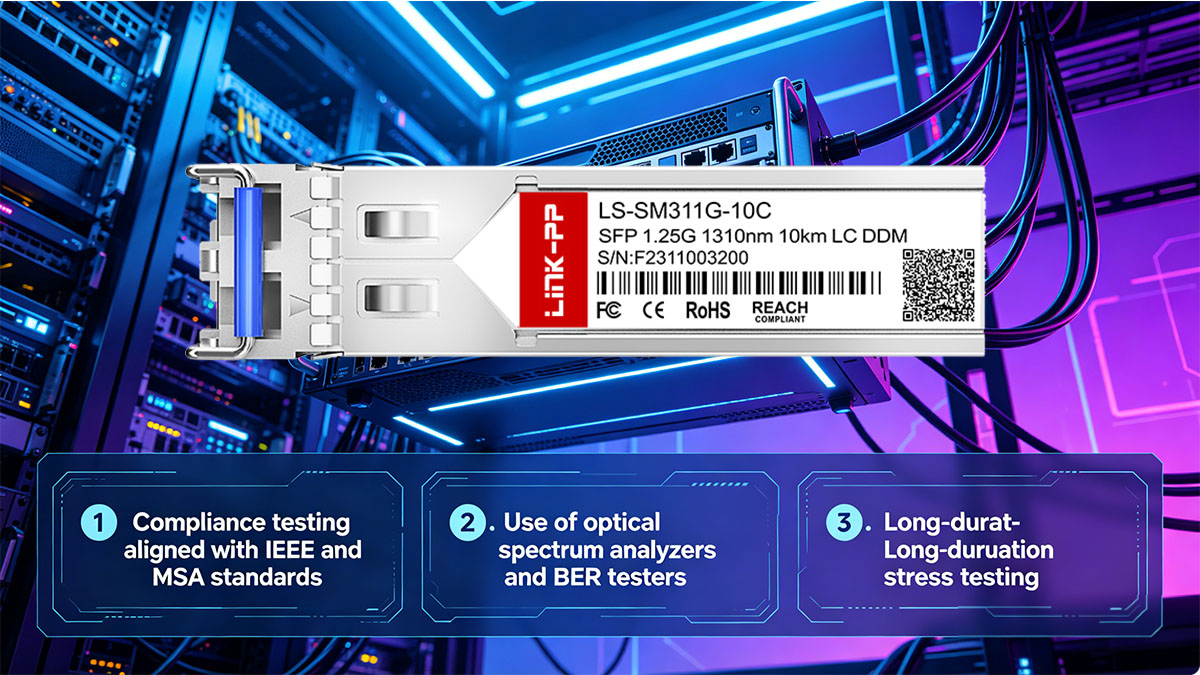
Data center labs evaluate LR-SFP-10G-C using a combination of standardized procedures, real-world traffic simulation, and automated monitoring systems. These methodologies ensure that performance metrics are not only accurate under controlled conditions but also representative of actual deployment environments.
Standardized Testing Procedures
Lab testing typically follows established industry standards to ensure consistency and repeatability. These procedures focus on validating compliance with 10GBASE-LR specifications while minimizing measurement deviations.
| Test Item | Methodology | Purpose |
|---|---|---|
| Optical Power Test | Calibrated power meter | Verify transmit/receive levels |
| BER Testing | Pseudo-random bit sequence | Measure error rate |
| Wavelength Check | Optical spectrum analyzer | Confirm 1310nm operation |
| Eye Diagram | High-speed oscilloscope | Assess signal integrity |
These standardized tests provide a reliable baseline for performance validation. Calibration plays a critical role, as even minor inaccuracies in measurement equipment can lead to misleading conclusions. To ensure repeatability, labs often follow strict procedures for equipment setup, fiber connection, and environmental control.
Real-World Simulation Scenarios
Beyond compliance testing, labs simulate real deployment conditions to evaluate how the module behaves under operational stress. This approach helps identify issues that may not appear in controlled baseline tests.
- High-density traffic simulation: replicates heavy network loads across multiple ports
- Mixed-vendor environments: tests interoperability with switches and NICs from different manufacturers
- Long-duration testing: runs continuous traffic over extended periods to detect stability issues
- Variable attenuation scenarios: mimics different fiber lengths and connector losses
These simulations are essential for uncovering performance variability. For instance, a module may pass standard BER thresholds under ideal conditions but exhibit instability when exposed to fluctuating traffic patterns or marginal optical budgets. By replicating these scenarios, labs can better predict real-world behavior.
Automation and Monitoring Tools
Modern data center labs increasingly rely on automation and intelligent monitoring systems to improve testing efficiency and accuracy. These tools enable continuous data collection and faster identification of anomalies.
- Integration with network test platforms for centralized control
- Real-time collection of DOM parameters such as temperature and optical power
- Automated alerting for threshold violations
- AI-assisted analysis to detect patterns and predict potential failures
Automation reduces manual intervention and enhances scalability, especially in large-scale testing environments. Continuous monitoring also allows engineers to correlate performance metrics over time, making it easier to identify intermittent issues that may not be visible during short test cycles.
By combining standardized validation, realistic simulation, and automated analysis, data center labs create a comprehensive testing framework that ensures LR-SFP-10G-C modules are ready for demanding production environments.
? Performance Benchmarking and Analysis
Performance benchmarking of LR-SFP-10G-C in data center labs focuses on comparing measured results against expected baselines, identifying variability under different conditions, and understanding how it performs relative to similar transceivers. This process helps determine whether the module can consistently meet operational requirements in real deployments.
Baseline Performance Expectations
In lab environments, LR-SFP-10G-C is expected to meet a set of baseline metrics derived from industry standards and vendor specifications. These benchmarks serve as reference points for validating normal operation.
These baseline values indicate whether the module is functioning correctly under controlled conditions. If results fall outside these ranges, it typically signals issues such as component degradation, calibration errors, or incompatibility with the test setup. Establishing a consistent baseline also allows engineers to track performance drift over time.
Variability Across Deployment Conditions
Although baseline metrics provide a reference, actual performance can vary depending on physical and environmental factors. Lab testing often introduces controlled variations to evaluate how sensitive the module is to real-world conditions.
- Fiber quality: differences in attenuation and dispersion can affect signal strength
- Link distance: longer distances increase the likelihood of signal degradation
- Connector condition: contamination or misalignment can introduce insertion loss
- Intermediate components: patch panels and splices may add unexpected losses
These variables can significantly impact link stability. For example, even if transmit power is within range, excessive insertion loss from dirty connectors may push the received signal below sensitivity thresholds. By systematically adjusting these conditions in the lab, engineers can map out performance boundaries and identify safe operating margins.
Comparative Insights with Similar Modules
Benchmarking also involves comparing LR-SFP-10G-C with other 10G optical transceiver modules to understand its relative strengths and limitations. This comparison helps in selecting the most appropriate module for specific deployment scenarios.
| Metric | Expected Value | Acceptance Criteria |
|---|---|---|
| BER | ≤ 1×10⁻¹² | Error-free transmission |
| Transmit Power | -8.2 to 0.5dBm | Within standard range |
| Receiver Sensitivity | ≤ -14.4dBm | Stable signal detection |
| Jitter | Within IEEE limits | No signal distortion |
| Module Type | Reach | Typical Use Case | Power Consumption |
|---|---|---|---|
| 10GBASE-SR | Up to 300m | Short-range, multimode fiber | Low |
| 10GBASE-LR | Up to 10km | Long-range, single-mode fiber | Moderate |
| 10GBASE-ER | Up to 40km | Extended reach applications | Higher |
This comparison highlights the trade-offs between reach, power consumption, and deployment flexibility. LR modules offer a balanced option for medium-to-long distances without the higher power requirements of ER modules. In lab analysis, these differences are reflected in optical budgets, thermal characteristics, and overall stability under load.
By combining baseline validation, condition-based variability analysis, and cross-module comparison, performance benchmarking provides a comprehensive understanding of how LR-SFP-10G-C behaves in both controlled and realistic environments.
? Common Performance Challenges Identified in Labs
Lab testing of LR-SFP-10G-C often reveals a set of recurring performance challenges related to signal quality, interoperability, and environmental conditions. Identifying these issues early allows engineers to prevent deployment failures and maintain consistent network performance in production environments.
Signal Degradation Issues
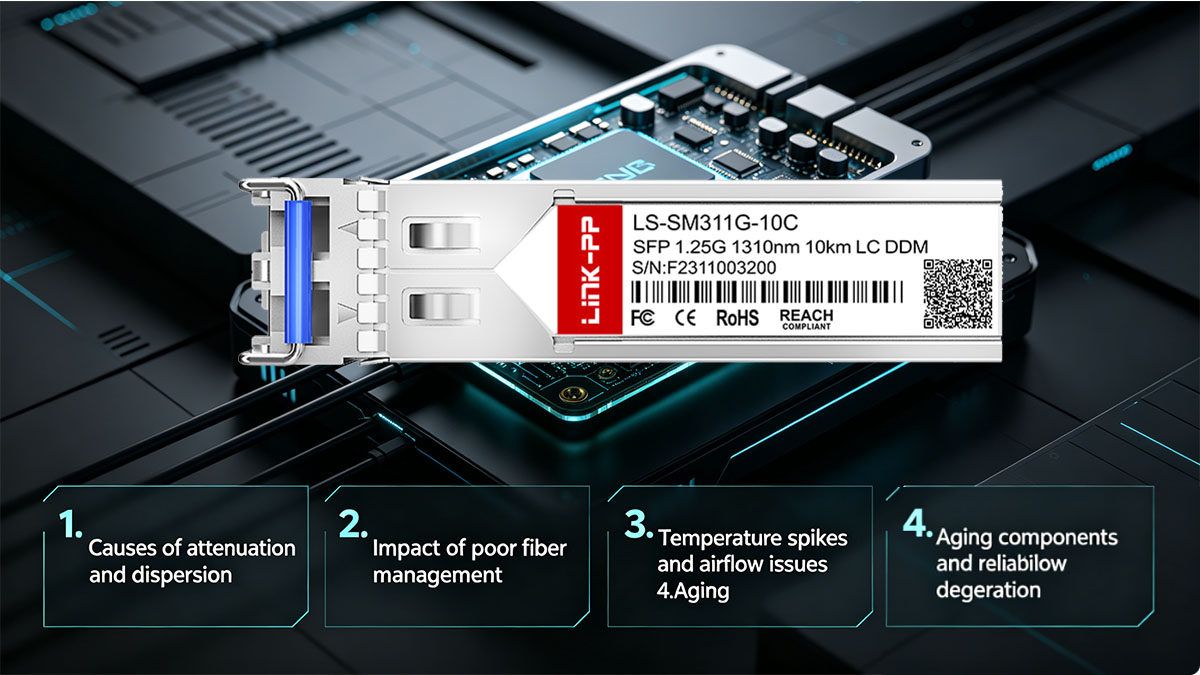
Signal degradation is one of the most frequently observed challenges, typically caused by optical loss and physical layer imperfections. Even when the module meets baseline specifications, external factors can reduce signal quality over distance.
- Fiber attenuation: inherent loss in single-mode fiber increases with distance
- Chromatic dispersion: affects signal clarity at 1310nm over long links
- Connector contamination: dust or residue introduces insertion loss
- Poor fiber handling: bending or stress can lead to micro-losses
These factors can cumulatively reduce received optical power below acceptable thresholds, leading to increased BER or intermittent link failures. In lab environments, controlled attenuation and inspection tools are used to isolate the root cause and quantify its impact on performance.
Compatibility and Interoperability Concerns
Interoperability issues arise when LR-SFP-10G-C modules are used across different hardware platforms or mixed-vendor environments. These challenges are not always related to physical performance but can significantly affect link stability.
| Issue Type | Cause | Impact |
|---|---|---|
| Firmware mismatch | Vendor-specific coding | Module not recognized |
| EEPROM inconsistency | Non-standard parameter fields | Limited functionality |
| Switch compatibility | Restricted vendor support | Link initialization failure |
| DOM inconsistency | Different monitoring formats | Inaccurate diagnostics |
These issues highlight the importance of compatibility validation in lab testing. Engineers often verify module behavior across multiple platforms to ensure consistent operation. In some cases, firmware updates or recoding may be required to achieve full interoperability.
Environmental and Operational Risks
Environmental conditions within data centers can introduce additional risks that affect long-term module performance. Lab testing simulates these conditions to evaluate stability under stress.
- Temperature fluctuations: excessive heat can impact laser stability and output power
- Airflow limitations: poor cooling leads to localized overheating
- Power instability: voltage variations may affect module operation
- Component aging: prolonged usage can degrade optical and electrical performance
These risks are particularly relevant in high-density deployments where thermal management is critical. Lab-based thermal cycling and stress tests help determine how well the module maintains performance over time. Continuous monitoring during these tests provides insight into gradual degradation patterns that may not be immediately visible.
By addressing signal, compatibility, and environmental challenges in lab environments, engineers can significantly improve the reliability and predictability of LR-SFP-10G-C in real-world data center deployments.
? Optimization Strategies Based on Lab Findings
Lab testing of LR-SFP-10G-C not only identifies performance limitations but also provides actionable insights for improving link stability and overall network reliability. By applying targeted optimization strategies, engineers can mitigate common issues and ensure consistent performance across different deployment scenarios.
Improving Optical Link Performance
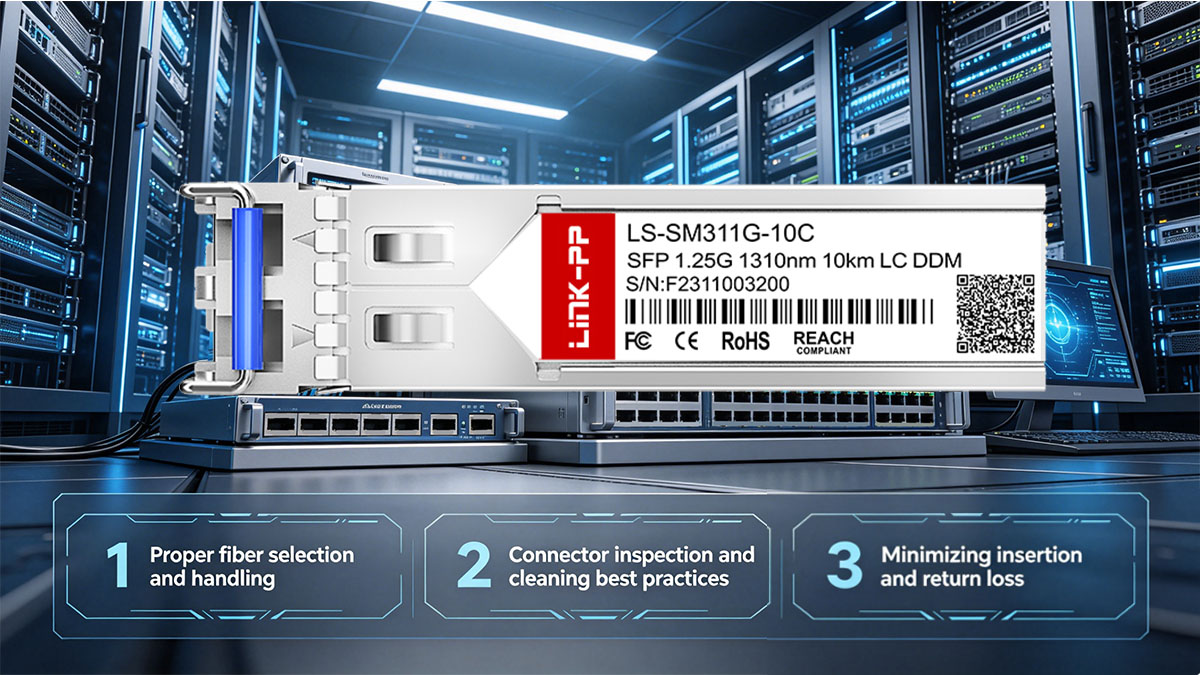
Optimizing the optical layer is the most direct way to enhance transmission quality. Lab findings consistently show that physical layer improvements can significantly reduce signal loss and error rates.
- Use high-quality single-mode fiber with low attenuation characteristics
- Maintain proper bend radius to avoid micro-bending losses
- Regularly inspect and clean connectors using standardized tools
- Minimize the number of intermediate connections such as patch panels
These practices help maintain a stable optical budget, ensuring that transmit and receive power levels remain within acceptable ranges. In lab environments, even small improvements in connector cleanliness or fiber handling can lead to measurable gains in BER performance.
Enhancing Network Reliability
Beyond the optical layer, network-level strategies play a critical role in maintaining consistent operation. Lab observations indicate that proactive monitoring and redundancy planning are key to preventing unexpected failures.
| Strategy | Implementation Method | Expected Outcome |
|---|---|---|
| Redundant links | Link aggregation or failover | Improved availability |
| DOM monitoring | Real-time parameter tracking | Early fault detection |
| Firmware management | Regular updates and validation | Better compatibility |
| Threshold alerting | Predefined performance limits | Faster issue response |
These strategies enable continuous visibility into module performance and allow for quick intervention when anomalies are detected. For example, monitoring DOM parameters such as temperature and optical power can reveal gradual degradation before it impacts service.
Deployment Best Practices
Effective deployment practices ensure that lab-validated performance translates into real-world stability. Standardizing these practices across installations reduces variability and simplifies troubleshooting.
- Conduct pre-deployment validation in a controlled lab environment
- Establish baseline performance metrics for future comparison
- Document fiber routes, connections, and test results
- Schedule periodic testing and maintenance checks
These steps create a structured deployment framework that supports long-term reliability. Lab findings emphasize that consistency in installation and validation processes is just as important as the hardware itself.
By combining optical optimization, proactive network management, and standardized deployment practices, organizations can fully leverage the capabilities of LR-SFP-10G-C while minimizing performance risks in dynamic data center environments.
? Future Trends in 10G LR Optical Performance Testing
As data center networks continue to evolve, the approach to evaluating LR-SFP-10G-C and similar 10G long-reach modules is also changing. Emerging trends in testing technologies, automation, and analytics are shaping how engineers assess optical performance, ensuring that modules meet increasing demands for reliability, scalability, and operational efficiency.

Evolution of Testing Technologies
Testing tools for optical transceivers are becoming more precise and capable of capturing subtle performance variations that were previously difficult to quantify. Enhanced measurement techniques allow for more accurate characterization of optical and electrical behaviors under varied conditions.
- Advanced optical spectrum analyzers: capable of detecting minor wavelength shifts and signal distortions
- High-resolution BER testers: provide faster and more sensitive detection of rare errors
- Real-time eye diagram capture: allows continuous assessment of signal integrity during high-speed traffic
- Multi-port testing platforms: enable simultaneous evaluation of multiple modules for large-scale deployments
These improvements reduce uncertainty in performance verification and help labs identify marginal issues that could affect link stability in production. They also support compliance verification for newer standards and enable testing of hybrid network environments with mixed module types.
Increasing Role of Automation and AI
Automation and artificial intelligence are playing an increasingly prominent role in optical performance testing. By combining automated data collection with AI-driven analysis, labs can streamline operations while uncovering patterns that would be difficult to detect manually.
| Automation Aspect | Functionality | Benefit |
|---|---|---|
| Automated DOM logging | Continuous capture of temperature, voltage, optical power | Early anomaly detection |
| AI-assisted BER analysis | Identifies trends and predicts potential link failures | Preventive maintenance |
| Test sequence automation | Schedules and executes multi-condition scenarios | Improved efficiency and consistency |
| Data correlation tools | Integrates multiple metrics for comprehensive assessment | Deeper insight into module behavior |
These tools allow engineers to move from reactive troubleshooting to predictive maintenance. For example, AI algorithms can detect subtle trends in DOM parameters that may indicate impending laser degradation, enabling preemptive module replacement before service disruption occurs.
Relevance of 10G LR Modules in Evolving Networks
Despite the adoption of higher-speed technologies such as 25G SFP28, 40G QSFP+, 50G SFP56, and 100G QSFP28, SFP 10G LR modules continue to play an important role in many data center topologies. Their cost-effectiveness, long-reach capability, and interoperability with existing infrastructure make them valuable in hybrid network designs.
- Edge and enterprise data centers: 10G LR modules remain the standard for aggregation and inter-rack links
- Legacy infrastructure integration: labs assess compatibility with both existing 10G and newer multi-gigabit equipment
- Supporting mixed-speed deployments: performance testing ensures smooth operation in environments combining 10G with 25G/100G links
Future testing methodologies will need to account for these hybrid environments, verifying not only individual module performance but also overall network behavior under multi-speed conditions. As networks evolve, lab-based evaluation remains essential for maintaining predictable performance and minimizing operational risk.
By adopting advanced measurement technologies, leveraging automation and AI, and focusing on mixed-speed deployment scenarios, data center labs can continue to provide actionable insights into LR-SFP-10G-C performance. These trends ensure that 10G LR optical modules remain reliable and effective components in increasingly complex network infrastructures.
? Conclusion
LR-SFP-10G-C remains a critical component in data center networks, offering reliable long-reach 10Gbps connectivity that balances performance, compatibility, and operational efficiency. Lab-based evaluations of optical power, BER, thermal stability, and interoperability provide a clear understanding of how the module performs under real-world conditions, while also highlighting potential challenges such as signal degradation, compatibility issues, and environmental stresses. By applying targeted optimization strategies—ranging from fiber handling and DOM monitoring to standardized deployment practices—engineers can maximize the reliability and longevity of 10G LR links.
Looking ahead, advancements in testing technologies, automation, and AI-driven analytics are transforming how LR-SFP-10G-C modules are evaluated, enabling predictive maintenance and deeper insight into performance trends. Despite the rise of high-speed transceivers, 10G LR modules continue to play an essential role in hybrid networks, connecting legacy and modern infrastructure seamlessly.
For those looking to source reliable LR-SFP-10G-C compatible modules and ensure consistent data center performance, visit the LINK-PP Official Store for detailed specifications and product availability.