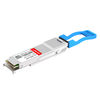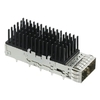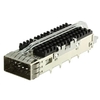
Modern networks are under constant pressure to deliver higher bandwidth, lower latency, and greater scalability as cloud computing, AI workloads, and data-intensive applications continue to expand. Within this context, 100G optical connectivity has become a foundational layer for data center interconnects, enterprise core networks, and service provider infrastructures. Among the available solutions, Cisco 100G optics are often regarded as a benchmark due to their integration with established networking ecosystems and consistent performance in demanding environments.
However, as organizations scale their infrastructure, the discussion is no longer limited to performance alone. Network architects and operators increasingly evaluate optics through a broader lens that includes cost efficiency, interoperability, supply flexibility, and long-term scalability. This shift has led to growing interest in compatible 100G optical modules that align with industry standards while offering comparable functionality.
At the same time, the optical transceiver market has matured significantly. Multi-Source Agreement (MSA) standards, improved manufacturing processes, and rigorous interoperability testing have enabled a new generation of high-quality alternatives that can operate seamlessly across a wide range of networking platforms. As a result, the decision-making process has become more nuanced, requiring a clear understanding of both original and compatible solutions.
This article explores Cisco 100G optics alongside premium compatible transceivers, focusing on their technical characteristics, performance considerations, and practical deployment factors. The goal is to provide a structured, objective perspective that helps network professionals make informed decisions in modern high-speed environments.
✅ Introduction to Cisco 100G Optics
Cisco 100G optics are high-speed transceivers designed to deliver 100Gbps connectivity across a variety of network environments, with strong emphasis on standards compliance, reliability, and seamless integration into existing infrastructure.
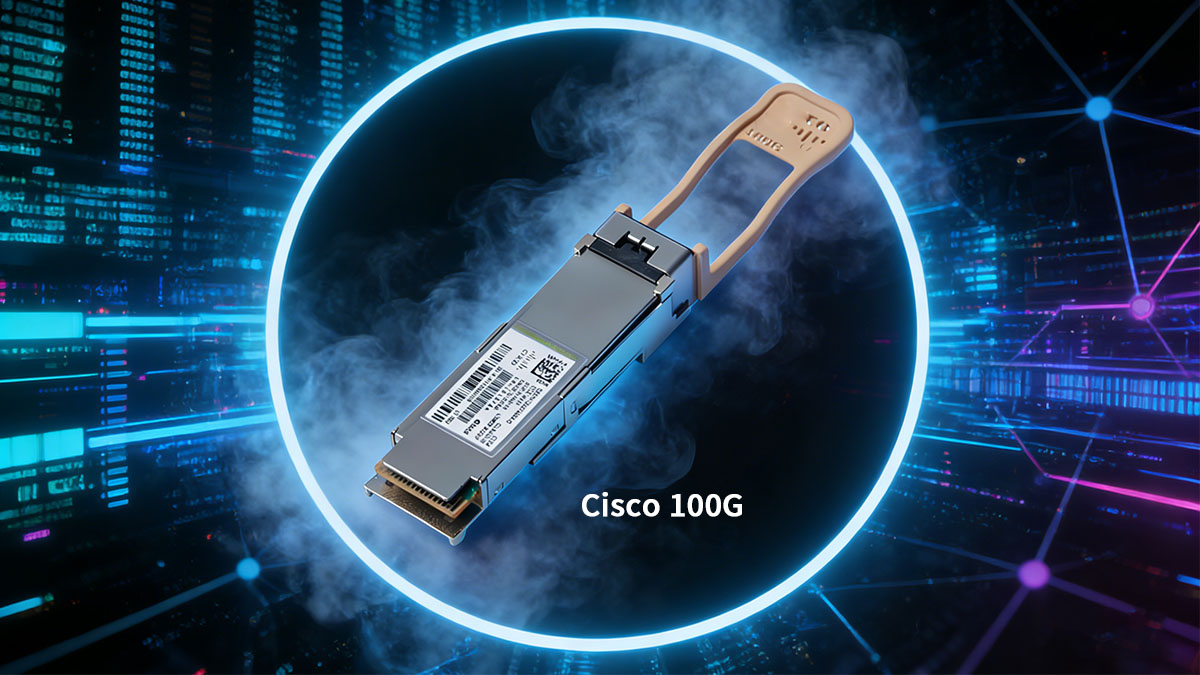
What Are Cisco 100G Optical Modules?
Cisco 100G optical modules are pluggable transceivers that enable 100Gbps data transmission by converting electrical signals from network devices into optical signals for fiber transmission, forming the backbone of modern high-capacity networks.
From a standards perspective, these modules typically align with IEEE 802.3 specifications, ensuring interoperability across compliant systems. Common standards define transmission distance, wavelength, and fiber type, which directly influence deployment scenarios.
The most widely used 100G Ethernet standards can be summarized as follows:
| Standard |
Fiber Type |
Typical Reach |
Connector Type |
| 100GBASE-SR4 |
Multimode (MMF) |
Up to 100m |
MPO/MTP |
| 100GBASE-LR4 |
Single-mode (SMF) |
Up to 10km |
LC Duplex |
| 100GBASE-ER4 |
Single-mode (SMF) |
Up to 40km |
LC Duplex |
| 100GBASE-CWDM4 |
Single-mode (SMF) |
Up to 2km |
LC Duplex |
These standards enable flexible deployment across short-range intra-rack connections, campus links, and long-haul transmission, making Cisco 100G optics suitable for a wide range of network architectures.
Why Cisco Optics Are Widely Used
Cisco 100G optics are widely adopted because they provide predictable performance, seamless integration, and strong ecosystem support within Cisco-based networks.
Several factors explain their widespread use:
- Ecosystem compatibility
Cisco optics are designed and tested specifically for Cisco hardware platforms, reducing the risk of interoperability issues and simplifying deployment.
- Consistent performance and reliability
OEM modules typically undergo strict validation processes, ensuring stable signal quality, low bit error rates, and predictable behavior under varying environmental conditions.
- Integrated monitoring and diagnostics
Support for Digital Optical Monitoring (DOM) allows real-time visibility into parameters such as temperature, voltage, optical power, and laser bias current, improving operational control.
- Vendor support and lifecycle assurance
Access to firmware updates, technical assistance, and long-term product support makes Cisco optics attractive for mission-critical environments.
In practice, these advantages make Cisco 100G optics a default choice in networks where stability, vendor alignment, and operational simplicity are prioritized.
✅ Types of Cisco 100G Optics
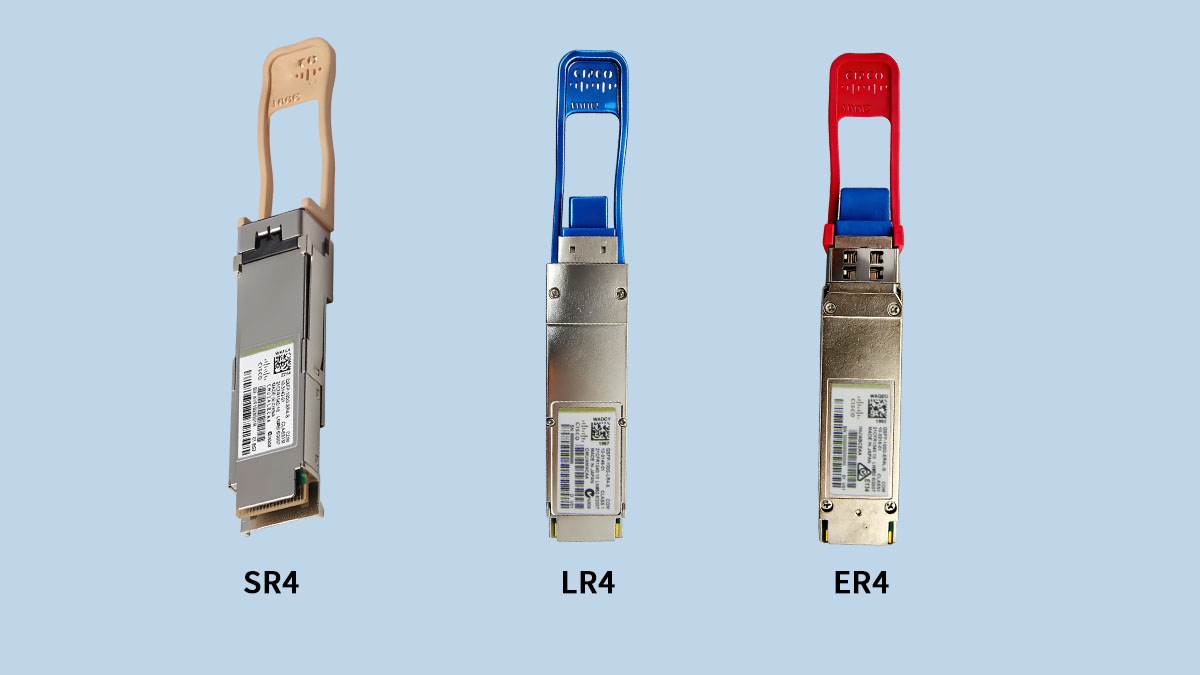
Cisco 100G optics are primarily categorized by form factor, transmission standard, and connector type, each optimized for specific distance, fiber infrastructure, and deployment scenarios.
QSFP28 Form Factor Overview
QSFP28 is the dominant form factor for Cisco 100G optics, offering high port density, low power consumption, and broad compatibility with modern switching platforms.
Compared to earlier generations, QSFP28 modules achieve 100Gbps by using four lanes of 25Gbps, which significantly improves efficiency while maintaining a compact footprint. This makes them ideal for high-density environments such as data center spine-leaf architectures.
A comparison of common 100G form factors highlights why QSFP28 is widely adopted:
| Form Factor |
Data Rate |
Power Consumption |
Port Density |
| CFP |
100Gbps |
High |
Low |
| CFP2 |
100Gbps |
Medium |
Medium |
| QSFP28 |
100Gbps |
Low |
High |
This evolution toward smaller, more efficient modules enables network operators to scale bandwidth without increasing rack space or power requirements.
Common Cisco 100G Optics Variants
Different Cisco 100G optical module types are designed to match specific transmission distances and fiber types, allowing flexible deployment across diverse network environments.
The most commonly used variants include:
- SR4 (Short Range, like QSFP-100G-SR4-S)
Designed for short-distance transmission over multimode fiber, typically used within racks or between nearby racks in data centers.
- LR4 (Long Range,like QSFP-100G-LR4-I)
Supports transmission up to 10km over single-mode fiber, commonly used for campus or metro connections.
- ER4 (Extended Range, like QSFP-100G-ER4L-S)
Extends reach up to 40km, suitable for long-distance enterprise or service provider networks.
- CWDM4 (like QSFP-100G-CWDM4-S)
Uses coarse wavelength division multiplexing to transmit up to 2km over single-mode fiber, offering a cost-efficient alternative to LR4 for shorter distances.
- PSM4
Uses parallel single-mode fibers for transmission up to 500m, often used in high-density data center environments where MPO cabling is preferred.
These variants allow network designers to balance cost, distance, and infrastructure constraints without changing the overall system architecture.
Interface and Connector Types
Connector type directly determines how 100G optics integrate with fiber cabling systems, impacting both deployment complexity and scalability.
The two most common connector types are MPO/MTP and LC duplex, each suited to different use cases:
| Connector Type |
Fiber Configuration |
Typical Use Case |
Cabling Complexity |
| MPO/MTP |
Multi-fiber (8/12/24) |
SR4, PSM4 data center links |
Higher |
| LC Duplex |
Two-fiber (Tx/Rx) |
LR4, ER4, CWDM4 long-range links |
Lower |
MPO/MTP connectors are typically used in parallel optics, enabling high-density connections but requiring more complex cabling management. In contrast, LC connectors are simpler and more familiar, making them suitable for longer-distance and lower-density deployments.
Choosing the appropriate connector type depends on existing infrastructure, scalability requirements, and operational preferences.
✅ Limitations of Original Cisco 100G Optics
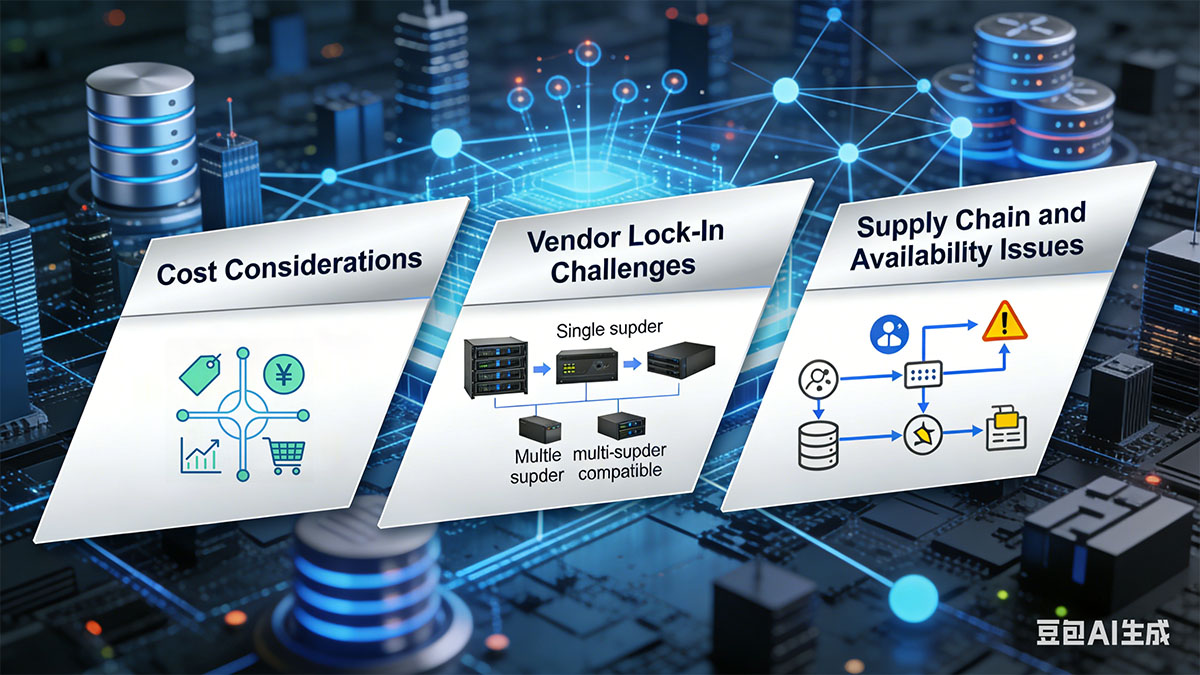
Original Cisco 100G optics deliver strong performance and reliability, but they often come with higher costs, limited flexibility, and operational constraints that can impact large-scale or cost-sensitive deployments.
Cost Considerations
The most immediate limitation of original Cisco optics is their premium pricing, which can significantly increase overall network deployment costs, especially at scale.
In many environments, optics represent a substantial portion of the total hardware budget. When deploying hundreds or thousands of 100G links, even small per-unit price differences can translate into major capital expenditure increases.
A simplified cost comparison illustrates this impact:
| Optics Type |
Unit Cost Level |
Deployment Scale Impact |
Budget Flexibility |
| Cisco OEM |
High |
Significant |
Limited |
| Compatible Optics |
Lower |
Reduced |
Higher |
While Cisco optics provide assurance in terms of support and integration, their pricing structure can limit flexibility for organizations aiming to optimize cost efficiency.
Vendor Lock-In Challenges
Cisco optics are often associated with vendor lock-in, which can restrict the ability to use third-party modules and reduce overall network flexibility.
This limitation typically appears in the following ways:
- Device-level restrictions
Some Cisco platforms may enforce checks that only allow officially supported or coded modules to operate without warnings or restrictions.
- Reduced multi-vendor flexibility
Networks built entirely on OEM optics may face challenges when integrating equipment from other vendors.
- Limited sourcing options
Relying on a single vendor reduces the ability to diversify suppliers, which can affect procurement strategies.
These constraints can become more pronounced as networks evolve toward open and disaggregated architectures.
Supply Chain and Availability Issues
Availability and lead time can also be a limitation, particularly during periods of high demand or global supply chain disruption.
In practice, organizations may encounter:
- Longer lead times
OEM optics may require extended delivery times, delaying deployment schedules.
- Limited inventory flexibility
Urgent scaling or replacement needs may not always be met بسرعة through a single vendor channel.
- Dependency risks
Relying on a single supplier increases exposure to production or logistics disruptions.
For fast-growing networks, these challenges can directly impact expansion timelines and operational continuity, making supply flexibility an important consideration alongside performance and cost.
✅ What Are Compatible 100G Optics?
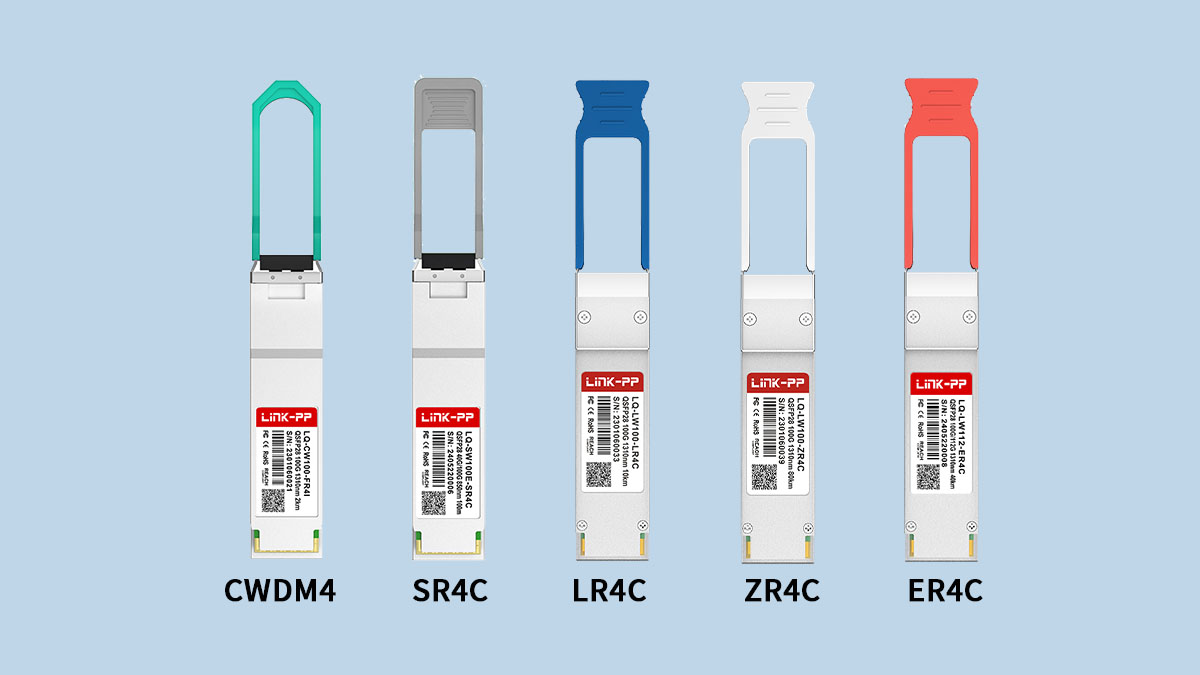
Compatible 100G optics are third-party (like LINK-PP) transceiver modules designed to operate with Cisco networking equipment while adhering to industry standards, offering similar functionality and performance with greater cost and sourcing flexibility.
Definition of Third-Party Compatible Optics
Third-party compatible optics are manufactured by independent vendors following Multi-Source Agreement (MSA) standards, ensuring that their physical, electrical, and optical characteristics align with industry specifications.
In practical terms, these modules are engineered to function seamlessly in Cisco devices by matching required parameters such as wavelength, signal integrity, and interface behavior. They are typically programmed (coded) to be recognized by Cisco systems, enabling normal operation without compatibility errors.
Key characteristics include:
- MSA compliance
Ensures interoperability across multiple vendors and platforms
- Cisco-specific coding
EEPROM programming allows modules to be identified as compatible
- Standards-based design
Alignment with IEEE 100G Ethernet specifications
This standards-driven approach is what enables compatible optics to serve as viable alternatives in modern networks.
Key Differences from OEM Modules
Compatible optics differ from original Cisco modules primarily in branding, cost structure, and supply model, rather than core functionality.
A direct comparison highlights the main distinctions:
| Aspect |
Cisco OEM Optics |
Compatible Optics |
| Branding |
Cisco |
Third-party |
| Price Level |
Higher |
Lower |
| Standards Compliance |
Yes |
Yes (MSA-based) |
| Vendor Support |
Cisco TAC |
Third-party support |
While both types are built to meet similar technical requirements, the differences lie in how they are delivered, supported, and priced within the market.
Common Misconceptions About Compatibility
Despite their growing adoption, compatible optics are often misunderstood, especially in terms of reliability and support.
Several common misconceptions include:
- “Compatible optics are less reliable”
In reality, reputable vendors subject their modules to extensive testing, including interoperability validation with Cisco hardware.
- “They void equipment warranties”
Using third-party optics does not inherently void warranties, although support policies may vary depending on the vendor and region.
- “Performance is inconsistent”
When sourced from qualified manufacturers, compatible optics typically meet the same performance benchmarks defined by industry standards.
Understanding these points helps clarify that compatibility is not inherently a compromise, but rather an alternative approach enabled by standardized optical technologies.
✅ Performance Comparison: Cisco vs Compatible Optics
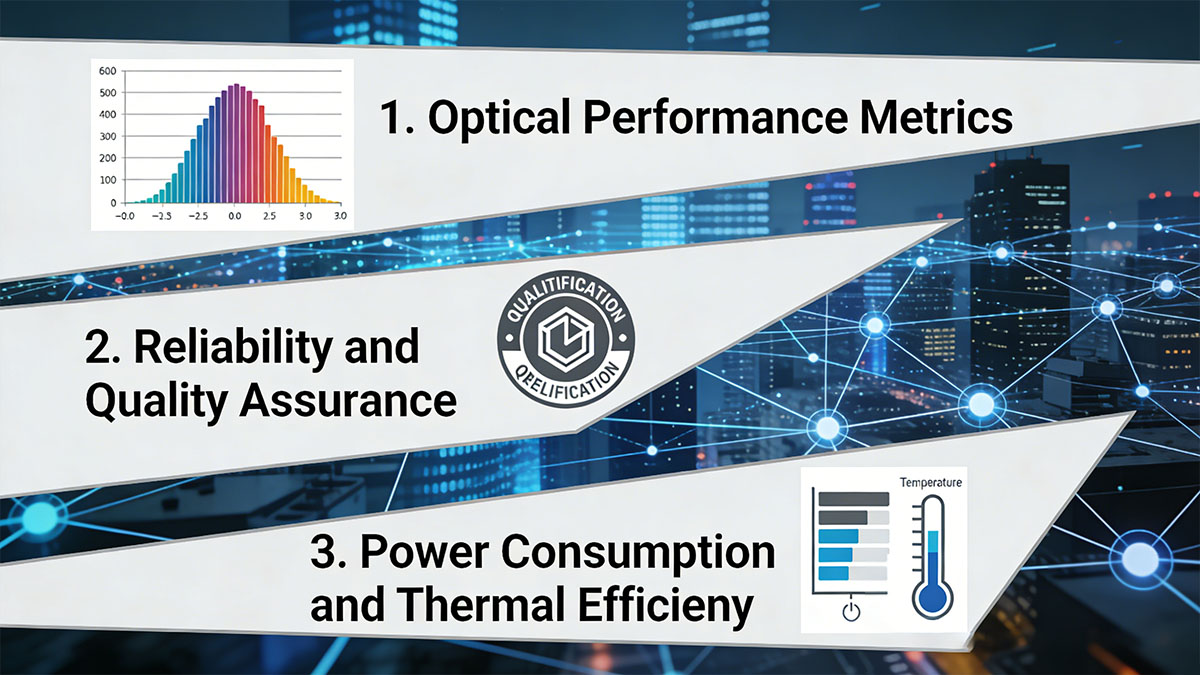
Both Cisco and compatible 100G optics can deliver high-speed, reliable connectivity, but differences may emerge in specific performance metrics, depending on quality, testing, and deployment conditions.
Optical Performance Metrics
When evaluating 100G optics, key metrics include transmission distance, signal integrity, and bit error rate (BER). Properly certified compatible optics are designed to meet or exceed the minimum IEEE and MSA standards, providing performance comparable to Cisco OEM modules.
| Metric |
Cisco OEM |
Compatible Optics |
Notes |
| Maximum Reach |
Standard-defined |
Standard-compliant |
SR4, LR4, ER4 distances maintained |
| Bit Error Rate (BER) |
≤10^-12 |
≤10^-12 |
Matches industry reliability expectations |
| Optical Power |
Vendor-specified |
MSA-compliant range |
Ensures signal integrity across distances |
In real-world deployments, variations are generally minor if compatible optics come from reputable manufacturers that perform rigorous device testing. For critical applications, operators may still validate modules in pilot environments before full-scale deployment.
Reliability and Quality Assurance
Reliability depends on manufacturing quality, environmental tolerance, and testing procedures rather than branding alone. Both Cisco and high-quality compatible optics undergo extensive validation, but approaches differ:
- Cisco OEM modules are factory-tested within Cisco systems, with full documentation of environmental and performance specifications.
- Compatible optics from reputable vendors undergo interoperability and burn-in testing, often including temperature cycling, voltage stress, and signal integrity checks.
These quality assurance practices ensure that compatible modules achieve similar uptime and durability as OEM equivalents, supporting mission-critical workloads.
Power Consumption and Thermal Efficiency
Energy efficiency is increasingly important in high-density environments. QSFP28-based 100G modules typically consume between 3.5W and 5.5W per port, depending on standard and distance.
| Module Type |
Typical Power (W) |
Thermal Considerations |
| Cisco OEM |
4.0 – 5.0 |
Standard data center cooling sufficient |
| Compatible |
3.5 – 5.5 |
Similar requirements; minor variation by vendor |
Overall, properly designed compatible optics offer comparable thermal efficiency, with negligible differences in operational heat output. This ensures they can be deployed in existing racks and chassis without additional cooling adjustments.
✅ Cost Efficiency and ROI Analysis
Evaluating cost efficiency is critical when deploying 100G optics at scale. While Cisco OEM modules provide assured performance, compatible alternatives often deliver substantial savings without compromising functionality, improving overall return on investment (ROI).

Price Comparison Overview
Compatible optics generally cost significantly less per unit compared to Cisco OEM modules, making them attractive for large-scale or budget-sensitive deployments. The lower upfront cost allows organizations to expand network capacity while controlling capital expenditure.
| Optics Type |
Average Unit Cost |
Typical Savings per 100 Units |
Deployment Context |
| Cisco OEM |
High |
N/A |
Enterprise/mission-critical networks |
| Compatible Optics |
Medium/Low |
30–50% |
Data centers, campus aggregation, cost-sensitive environments |
By reducing the per-unit cost, organizations can allocate resources toward other infrastructure upgrades, additional modules, or redundancy planning, enhancing overall network efficiency.
Total Cost of Ownership (TCO)
Beyond initial purchase price, total cost of ownership includes maintenance, replacement, and operational factors. Compatible optics can reduce TCO by offering predictable performance at lower acquisition costs while maintaining reliability.
Key TCO considerations:
- Maintenance and replacements
High-quality compatible modules meet industry standards, reducing failure rates and minimizing maintenance cycles.
- Operational costs
Comparable power consumption and thermal efficiency ensure that compatible optics do not increase energy or cooling expenses.
- Scalability
Lower costs allow more flexible deployment, enabling incremental upgrades rather than large, one-time investments.
By factoring in these elements, compatible optics often provide better cost-efficiency for long-term network planning.
Scalability Benefits
Lower-cost compatible modules support network expansion with reduced financial impact, making it feasible to scale high-speed connectivity across multiple sites or racks.
Benefits include:
- Rapid capacity upgrades
Organizations can deploy additional 100G links without exceeding budget limits.
- Multi-vendor flexibility
Enables mixing OEM and compatible optics as needed, avoiding dependency on a single supplier.
- Network planning adaptability
Allows phased infrastructure growth without committing to high upfront costs for all connections.
These advantages demonstrate how compatible optics can offer both performance parity and economic efficiency, supporting large-scale deployments in evolving high-speed networks.
✅ Compatibility and Deployment Considerations
Ensuring that 100G optics function reliably in Cisco networks requires attention to compatibility, platform support, and proper installation practices. When managed correctly, compatible modules can operate seamlessly alongside OEM optics, enabling cost-effective and flexible deployments.
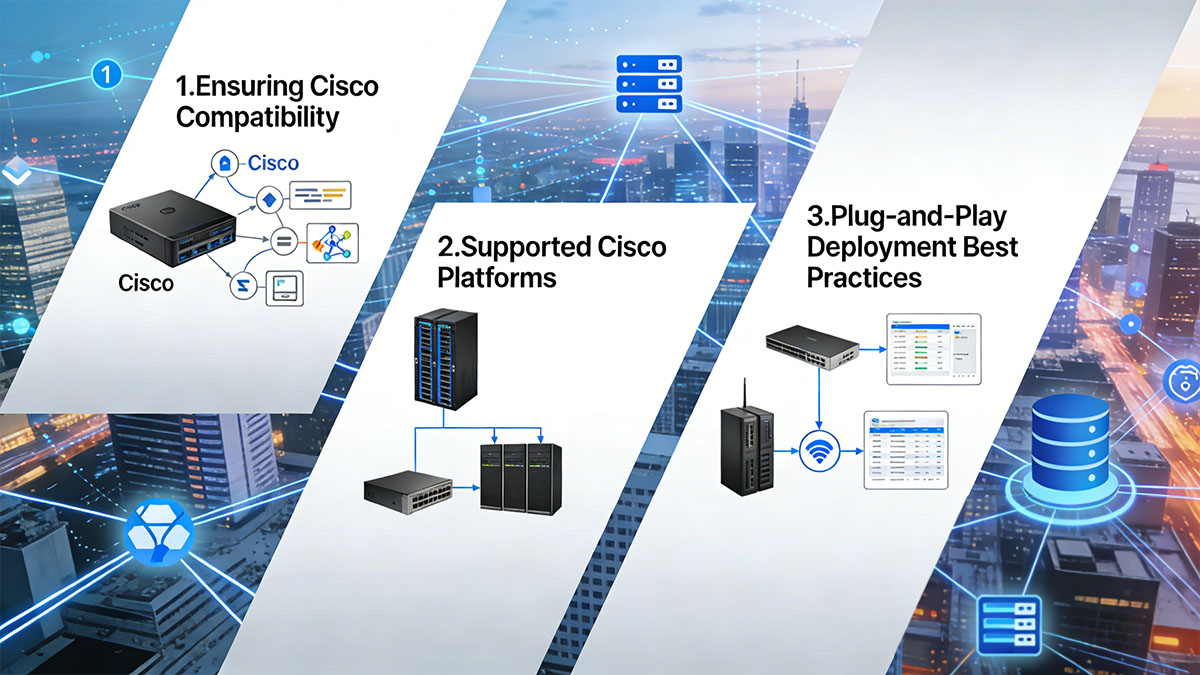
Ensuring Cisco Compatibility
Before deploying any 100G optical module, verifying compatibility is essential. Reputable compatible optics are programmed with Cisco-recognized identifiers, allowing devices to operate without error messages or operational restrictions.
Key steps for ensuring compatibility include:
- Confirming MSA compliance to ensure alignment with IEEE 100G standards.
- Checking vendor-provided Cisco coding or EEPROM programming.
- Conducting pilot testing in a controlled environment to verify performance and interoperability.
Following these steps reduces the risk of link failures, misconfigurations, or degraded performance.
Supported Cisco Platforms
Not all Cisco devices support every 100G module. Network engineers should verify that optics are compatible with specific switches, routers, and firmware versions to avoid operational issues.
Common deployment platforms include:
- Cisco Nexus series (e.g., 9000, 7000) for data center spine-leaf and core connections.
- Cisco Catalyst series for enterprise aggregation and core layer links.
- Cisco ASR and NCS series for service provider and metro network backbones.
Firmware updates may introduce new compatibility requirements, so confirming device software versions is critical before large-scale deployment.
Plug-and-Play Deployment Best Practices
Proper installation and configuration are crucial for achieving reliable 100G connectivity. Following standardized deployment procedures ensures consistent performance and minimizes troubleshooting efforts.
Best practices include:
- Inspecting connectors and cleaning fibers before insertion to prevent signal degradation.
- Verifying module seating and secure engagement in the transceiver slot.
- Confirming that DOM (Digital Optical Monitoring) reports normal voltage, temperature, and optical power levels.
- Testing link performance after installation to ensure BER and signal integrity meet expected standards.
Adhering to these deployment practices allows compatible 100G optics to operate effectively in Cisco environments, supporting high-speed, scalable networks without compromising reliability.
✅ How to Choose a Reliable Compatible Optics Vendor
Selecting a trustworthy vendor is crucial for ensuring that compatible 100G optics deliver consistent performance, meet industry standards, and support long-term network reliability. The right choice reduces risk while maximizing the benefits of cost efficiency and scalability.
Certification and Compliance Standards
A reliable vendor ensures that their optics adhere to recognized industry standards, which is critical for interoperability and predictable performance.
Key certifications and standards to look for include:
- Multi-Source Agreement (MSA) compliance, ensuring modules conform to IEEE 100G Ethernet specifications.
- ISO or other quality management certifications, demonstrating consistent manufacturing practices.
- Independent testing or validation reports confirming performance and reliability metrics.
Certified modules are more likely to operate seamlessly with Cisco platforms and maintain consistent signal integrity across different deployment scenarios.
Testing and Quality Control Processes
Vendor testing procedures are a strong indicator of optics quality and reliability. High-quality vendors conduct rigorous testing to simulate real-world network conditions.
Important quality control practices:
- Interoperability testing with Cisco devices to confirm module recognition and stable operation.
- Burn-in tests to identify early-life failures under sustained operation.
- Environmental stress testing, including temperature and voltage variation cycles, to ensure modules withstand typical data center conditions.
Vendors with robust testing programs reduce the likelihood of unexpected failures and ensure predictable long-term performance.
Technical Support and Warranty
Strong vendor support is critical for troubleshooting and operational continuity. Vendors that provide comprehensive technical assistance and clear warranty policies offer added assurance for network operators.
Support considerations include:
- Availability of technical guidance for installation, monitoring, and troubleshooting.
- Clear warranty terms covering defects or early-life failures.
- Lifecycle support, including replacement or upgrade options for end-of-life modules.
Choosing a vendor with reliable support ensures that network teams can quickly address issues, maintain uptime, and confidently deploy compatible 100G optics at scale.
✅ Use Cases for Compatible 100G Optics
Compatible 100G optics are increasingly used across a variety of network environments where high-speed connectivity, cost efficiency, and scalability are priorities. When properly sourced and tested, they provide performance comparable to OEM modules while enabling flexible deployment strategies.
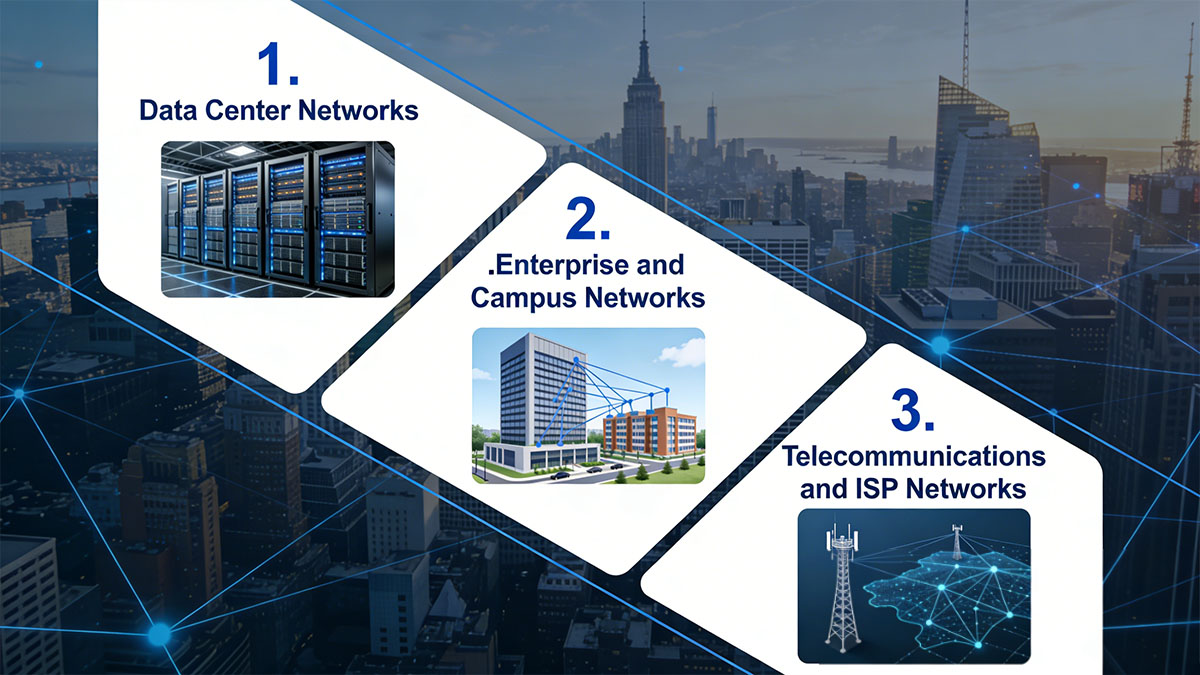
Data Center Networks
Compatible 100G optics are well-suited for modern data center architectures, particularly high-density environments such as spine-leaf topologies.
Key benefits in data center deployments include:
- High port density support for aggregation and spine-leaf connections.
- Cost-effective scaling for multiple racks without significant capital expenditure.
- Compatibility with parallel optics and MPO cabling for short-range, high-throughput links.
These modules allow data center operators to expand bandwidth rapidly while maintaining predictable performance.
Enterprise and Campus Networks
In enterprise environments, compatible 100G optics can support core and aggregation layer connections, enabling reliable high-capacity links between buildings or campus locations.
Typical applications include:
- Aggregation of multiple Gigabit or 10G links into 100G backbones.
- Long-range campus connectivity over single-mode fiber (LR4 or CWDM4 modules).
- Flexible capacity upgrades without vendor lock-in, supporting phased network expansion.
By leveraging compatible modules, enterprises can maintain Cisco infrastructure while reducing procurement costs.
Telecommunications and ISP Networks
Service providers and telecom operators also benefit from compatible 100G optics, especially in metro or long-haul networks where cost, reach, and scalability are critical.
Use cases include:
- High-capacity backbone links connecting data centers or network hubs.
- Metro and regional interconnects using LR4 or ER4 modules (like QSFP-100G-LR4-S or QSFP-100G-ER4L-S) for distances up to tens of kilometers.
- Rapid network expansion to meet increasing bandwidth demand without reliance on OEM-only optics.
These applications demonstrate that compatible 100G optics can support both short-range, high-density connections and long-haul service provider networks, providing a versatile alternative to OEM modules.
✅ Future Trends in 100G Optical Networking
As network demands continue to grow, 100G optics remain a critical component, but emerging technologies and evolving architectures are shaping the next generation of optical networking. Understanding these trends helps organizations plan for scalability and long-term infrastructure investment.
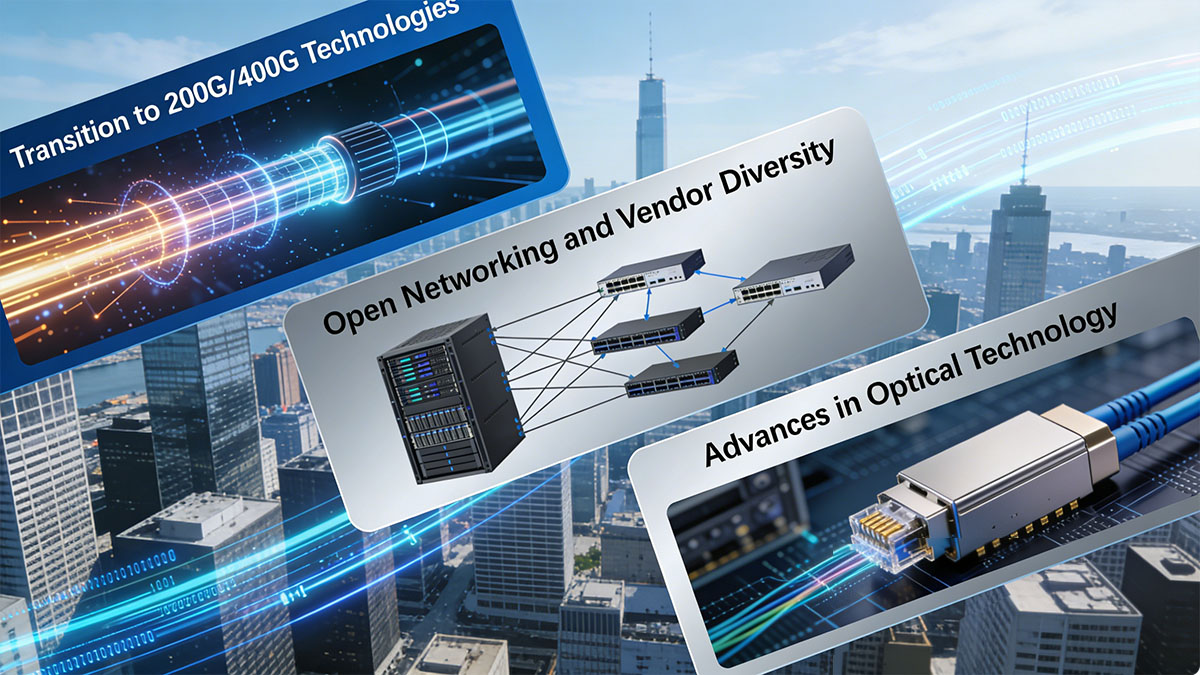
Transition to 200G and 400G Technologies
While 100G remains widely deployed, data center and service provider networks are increasingly adopting 200G and 400G links to handle growing traffic loads.
Key considerations for this transition:
- Coexistence strategies
100G optics continue to operate alongside 200G QSFP-DD/400G QSFP-DD modules, allowing phased upgrades without disrupting existing infrastructure.
- Migration planning
Networks can leverage QSFP28-based 100G modules as a foundation, then migrate to QSFP56 or QSFP-DD modules for higher speeds while reusing existing fiber cabling where possible.
- Cost and efficiency trade-offs
While higher-speed modules provide greater throughput, 100G optics remain relevant for applications where full 200G/400G capacity is not yet required.
This gradual evolution ensures network scalability while protecting existing investments.
Open Networking and Vendor Diversity
The adoption of open networking models is influencing the optical transceiver market, enabling organizations to deploy multi-vendor solutions without compromising compatibility or performance.
Emerging trends include:
- Increased acceptance of MSA-compliant third-party optics, reducing vendor lock-in.
- Disaggregated network architectures that separate hardware and software, making compatible optics more attractive.
- Standardized interoperability testing to ensure modules perform reliably across platforms.
This shift encourages competition, lowers costs, and provides network architects with greater flexibility in planning expansions.
Advances in Optical Technology
Ongoing innovations in optics are enhancing efficiency, performance, and deployment flexibility.
Notable developments include:
- Silicon photonics
Integration of photonic components onto silicon chips reduces module size, power consumption, and cost.
- Energy-efficient designs
Lower-power modules help data centers reduce operational costs while supporting higher-density deployments.
- Enhanced monitoring and diagnostics
Advanced DOM features enable real-time tracking of optical parameters, improving operational visibility and proactive maintenance.
These technological improvements are shaping the next generation of high-speed optical networking, ensuring that 100G optics continue to be a reliable and adaptable solution while preparing networks for future higher-speed demands.
✅ Conclusion
Cisco 100G optics remain a cornerstone of high-speed networking, offering reliable performance, seamless integration, and robust monitoring features that support data center, enterprise, and service provider environments. At the same time, premium compatible 100G optics provide a cost-efficient, standards-compliant alternative that can deliver similar performance while enabling greater flexibility, scalability, and multi-vendor deployment options.
For organizations balancing performance, budget, and future scalability, carefully selecting compatible optics from reputable vendors can optimize network ROI without compromising reliability. Whether expanding data center capacity, upgrading campus backbones, or building service provider networks, understanding the trade-offs between OEM and compatible modules ensures informed deployment decisions.
For reliable, high-quality compatible 100G optics solutions, explore the full range of options at LINK-PP Official Store.