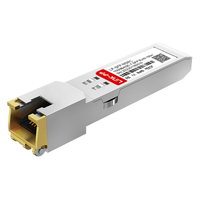
Modern networks demand flexibility, scalability, and cost efficiency, especially as businesses continue to expand their infrastructure. The Ubiquiti RJ45 copper SFP module has emerged as a practical solution for bridging traditional Ethernet connections with SFP-enabled switches like UniFi and EdgeSwitch. By allowing standard RJ45 cabling to interface directly with SFP ports, it simplifies deployments without requiring a full transition to fiber.
As network environments grow more complex, choosing the right connectivity solution becomes increasingly important. Ubiquiti RJ45 modules offer a balanced approach — combining ease of installation, compatibility, and reliable performance for both enterprise and SMB users. Whether upgrading existing systems or designing new networks, understanding how these copper SFP modules fit into modern architectures is key to making efficient and cost-effective decisions.
⏳ Why Ubiquiti RJ45 Copper SFP Is a Smart Choice for Modern Networks
Modern networks demand flexibility, cost-efficiency, and seamless integration — especially when mixing legacy copper cabling with newer fiber infrastructure. Ubiquiti RJ45 Copper SFP modules bridge this gap by allowing standard Ethernet cables to connect directly to SFP ports on UniFi and EdgeSwitch devices. Whether you are retrofitting an existing office or building a hybrid network, these modules offer a practical alternative to fiber SFP without sacrificing reliability or performance.
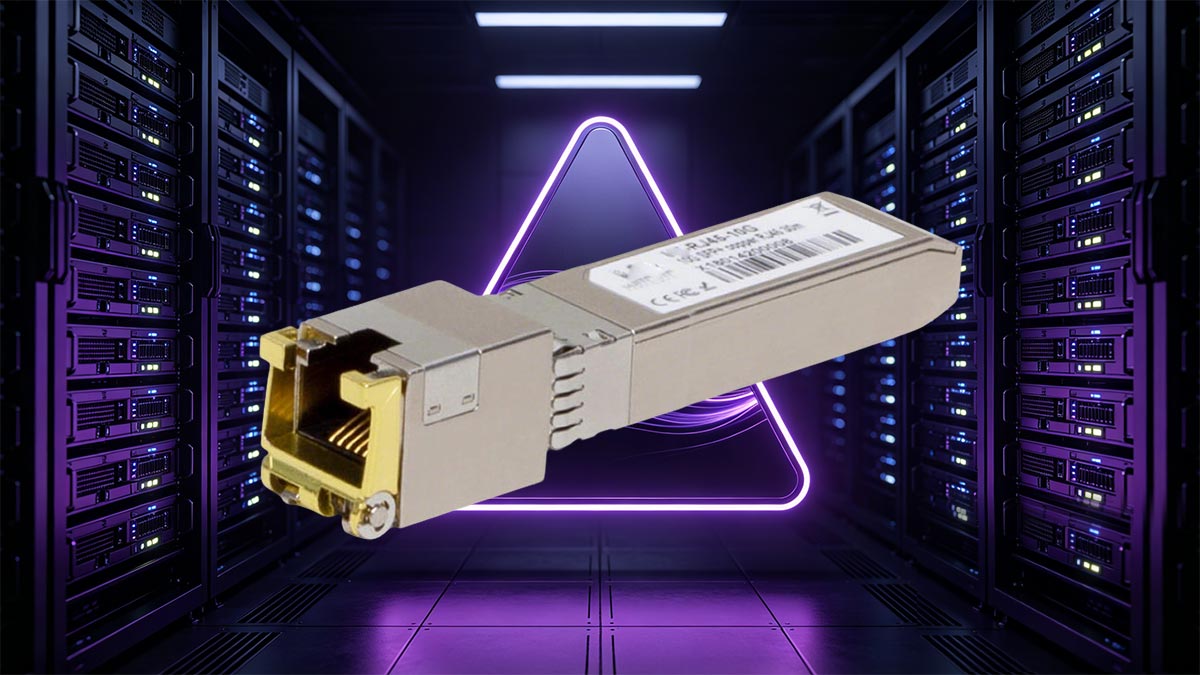
When to Choose Copper SFP over Fiber SFP
Copper SFP modules are ideal when existing infrastructure already relies on Ethernet cabling, such as Cat5e, Cat6, or Cat6a. Instead of replacing cables with fiber, Ubiquiti RJ45 modules allow you to reuse current wiring, reducing both installation time and overall cost. This is particularly useful in office buildings, retail environments, and SMB deployments where fiber installation may not be practical.
Another key scenario is short-distance connectivity, typically within 100 meters. For such ranges, copper SFP provides sufficient bandwidth and stability without the added complexity of fiber optic SFP module. In these cases, choosing Ubiquiti RJ45 simplifies deployment while still meeting performance requirements.
Key Advantages for Enterprise and SMB Users
One of the main advantages of Ubiquiti RJ45 modules is their plug-and-play convenience. They are easy to install, require minimal configuration, and integrate smoothly with UniFi and EdgeSwitch platforms. This reduces the need for specialized skills, making them accessible for both enterprise IT teams and smaller businesses with limited technical resources.
Additionally, Ubiquiti RJ45 offers a cost-effective alternative to fiber, especially for incremental network expansion. Enterprises benefit from flexibility in mixed environments, while SMB users can scale their networks without significant upfront investment. This combination of affordability, compatibility, and ease of use makes copper SFP a smart and practical choice for modern networking needs.
⏳ Ubiquiti RJ45 Copper SFP 1G vs 10G: Which One Do You Really Need
Network design often comes down to finding the right balance between speed, distance, and cost. The Ubiquiti RJ45 copper SFP lineup includes both SFP 1G and SFP+ 10G modules, giving network engineers flexibility to choose the best fit for their network infrastructure. Understanding the differences between them helps avoid over-specification, unnecessary spending, or bottlenecks that limit network performance.
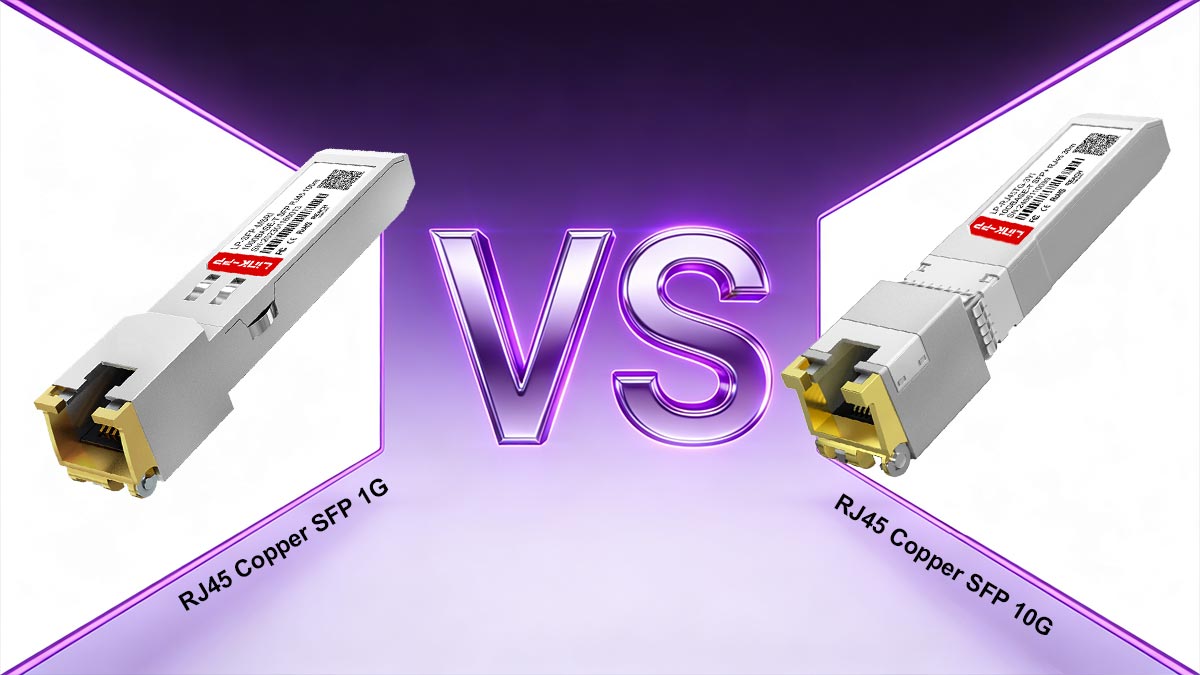
Core Differences between 1G and 10G Copper SFP
At a glance, both 1G and 10G RJ45 Copper SFP modules look similar — they plug into the same SFP slots and use standard Ethernet cabling. However, they serve very different use cases. The 1G module supports traditional Gigabit Ethernet infrastructure, while the 10G version is engineered for high throughput environments that demand significantly more bandwidth and lower latency.
The comparative table below highlights the key differences in performance, cabling, and energy usage between the two modules for easier evaluation:
| Feature | Ubiquiti RJ45 1G SFP | Ubiquiti RJ45 10G SFP |
| Data Rate | 10/100/1000Mbps | 1/10Gbps |
| Cable Type | Cat5e or higher | Cat6a recommended |
| Cable Distance | 100m | 1Gbps (Cat 5e): 100m 10Gbps (Cat 6A): 30m |
| Max. Power Consumption | 1.2W | 3W |
| Heat Output | Very low | Noticeably higher |
Speed vs Distance Limitations Explained
Although the 10G Copper SFP offers ten times the speed of the 1G version, it comes with stricter distance and cabling limitations. Due to signal integrity and power consumption factors, 10G modules typically reach a maximum of 30m using Cat6a or better cabling. In contrast, a 1G Copper SFP can reliably transmit up to 100m over standard Cat5e, making it more versatile for conventional office topologies and patch panel connections.
From a design standpoint, this means that upgrading to 10G requires careful planning — particularly regarding switch placement, cable quality, and heat dissipation. For small or medium installations where long coverage matters more than ultra-high throughput, 1G copper SFP transceiver options remain a cost-effective and more forgiving choice.
Ideal Use Cases for Each Copper SFP Module
The Ubiquiti RJ45 Copper SFP 1G module fits perfectly in environments where network speed requirements rarely exceed Gigabit rates — such as desktops, VoIP systems, and standard wireless access point uplinks. It’s optimized for consistent speed, minimal power draw, and broad compatibility with most UniFi and EdgeSwitch devices.
Meanwhile, the 10G Copper SFP module is best suited for performance-intensive scenarios, including server interconnects, edge aggregation, and high-speed LAN segments that handle heavy data traffic or real-time processing. When combined with Cat6a cabling and proper cooling management, it provides exceptional speed and low latency over short distances, enabling enterprises to scale network bandwidth without moving to fiber.
⏳ How to Choose the Right Ubiquiti RJ45 for UniFi & EdgeSwitch
Selecting the right Ubiquiti RJ45 copper SFP module is not just about speed — it’s about ensuring compatibility, stability, and optimal performance across your network infrastructure. Whether you are deploying UniFi or EdgeSwitch devices, grasping the technical requirements and limitations of each environment will help you avoid costly mistakes and maximize efficiency.
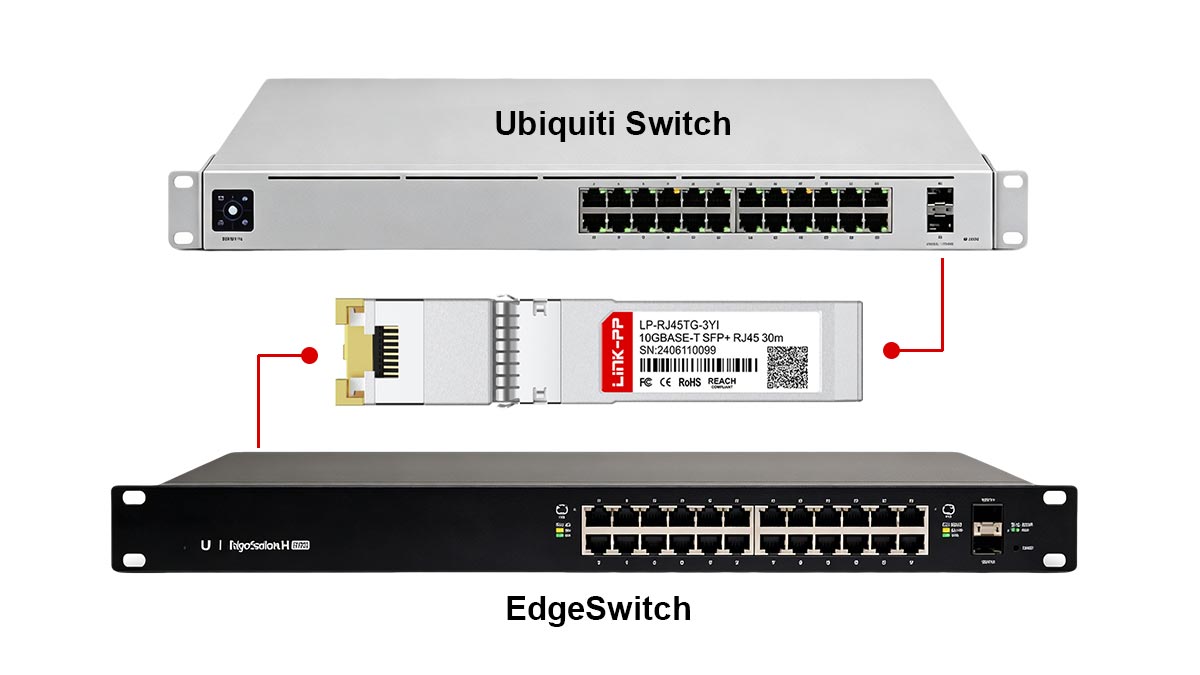
Compatibility with UniFi Switches
UniFi switches are designed with specific firmware and hardware expectations, which means not all RJ45 SFP modules will perform equally well. Choosing a compatible module ensures seamless integration and avoids issues such as link instability or module rejection.
To better understand compatibility, consider the following factors:
- Official vs Compatible Modules: Ubiquiti-branded modules guarantee compatibility, but many high-quality third-party options also work reliably when properly coded.
- Firmware Sensitivity: UniFi OS updates may affect how third-party modules are recognized, so it’s important to verify compatibility with your current firmware version.
- Port Type (SFP vs SFP+): Ensure the module matches the port capability — 1G modules for SFP ports and 10G modules for SFP+ ports.
- Auto-negotiation Support: Some UniFi switches may have limited support for downshifting (e.g., 10G to 1G), which can impact performance if mismatched.
EdgeSwitch SFP Port Requirements
EdgeSwitch devices offer more flexibility in some cases, but they still have specific requirements that must be considered when selecting RJ45 SFP modules. Understanding these requirements ensures stable operation, especially in mixed-speed environments.
When evaluating EdgeSwitch compatibility, keep the following in mind:
- Port Speed Support: Confirm whether the SFP port supports 1G only or both 1G/10G (SFP+), as this determines the type of module you can use.
- Power Budget per Port: Some EdgeSwitch models have stricter power limits on SFP ports, which can affect high-power 10G copper modules.
- Manual Configuration Options: EdgeSwitch allows more granular control (e.g., forcing speed/duplex), which can help when using third-party modules.
- Thermal Tolerance: Ensure the switch can handle the additional heat generated by copper SFP modules, especially in dense deployments.
Cable Types (Cat5e vs Cat6 vs Cat6a)
The performance of your RJ45 SFP module is directly tied to the type and quality of Ethernet cable used. Choosing the right cable category ensures you can fully utilize the module’s capabilities without signal degradation.
Here’s how different cable types impact performance:
- Cat5e: Best suited for 1G SFP modules, offering up to 100m of reliable connectivity.
- Cat6: Supports both 1G and 10G over moderate runs (up to 55m for 10G); good balance of price and performance.
- Cat6a: Recommended for full 10G operation, with stable transmission up to 30m and improved shielding against interference.
- Cable Quality & Shielding: Poor-quality or unshielded cables can introduce crosstalk and reduce effective throughput, especially at higher speeds.
Matching SFP Modules to your Network Design
Choosing the right RJ45 SFP module should align with your overall network architecture, including bandwidth demands, distance requirements, and future scalability. A well-matched module ensures both performance and cost-efficiency.
To align your selection with your network design, consider:
- Bandwidth Requirements: Use 10G SFP modules for uplinks, aggregation layers, or high-traffic servers; 1G SFP is sufficient for edge devices.
- Distance Constraints: Ensure the module and cable combination support your required link length without performance loss.
- Port Density Planning: High-density deployments may favor lower-power 1G SFP modules to reduce heat and power consumption.
- Future-proofing vs Budget: While 10G SFP offers scalability, it may not always justify the cost if current network demand is low.
- Mixed Environment Optimization: In hybrid networks, carefully plan where to deploy 1G vs 10G modules to avoid bottlenecks.
By carefully evaluating these aspects, you can confidently select the right Ubiquiti RJ45 copper SFP module that aligns with both your current needs and future network growth.
⏳ Ubiquiti RJ45 Power Consumption and Heat Considerations
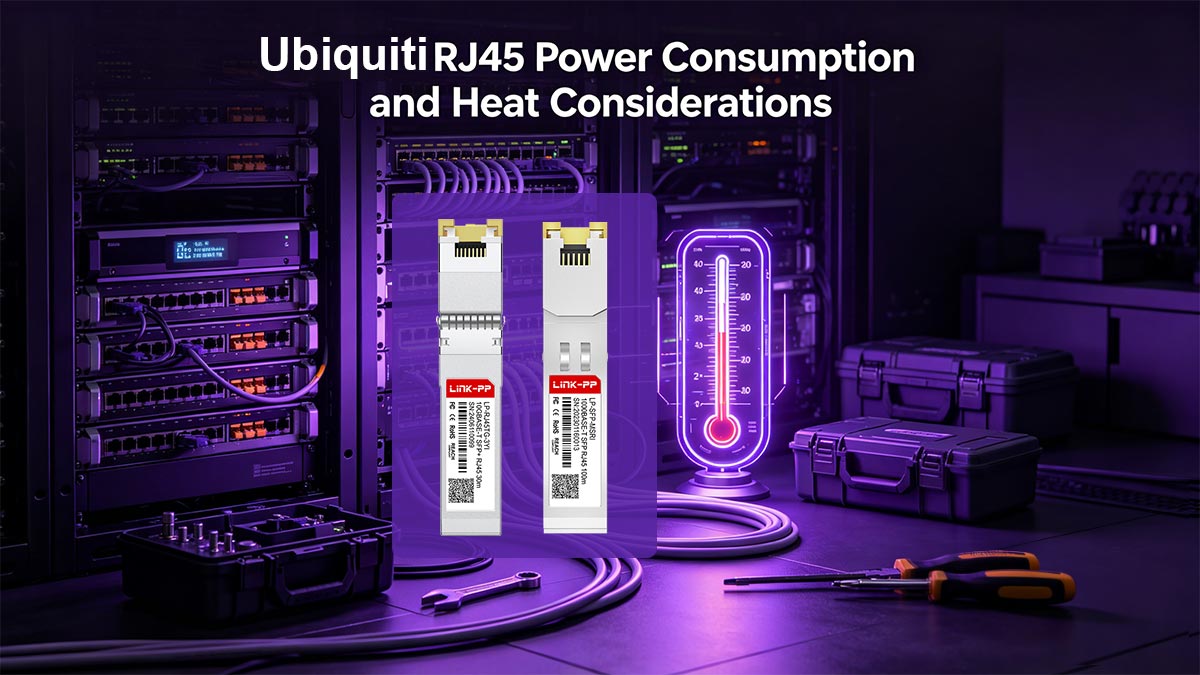
When planning high-density network environments, understanding the power usage and heat behavior of Ubiquiti RJ45 Copper SFP modules is essential. Copper SFP modules consume more energy and generate more heat than fiber-based equivalents due to the electrical signaling required over copper cables. Effective thermal management ensures long-term switch stability, especially in setups running multiple 10G modules simultaneously.
Why Copper SFP Modules Run Hotter
Copper SFP modules inherently generate more heat than optical modules due to the complexity of electrical signal processing over twisted-pair cabling. Unlike optical transceivers, which transmit light signals with minimal resistance, copper requires active electronic components to manage data transmission.
This results in several heat-related characteristics:
- Integrated PHY Chips: Copper SFP modules include built-in transceiver modules and signal processing chips, which consume more power and generate heat.
- Electrical Signal Conversion: Continuous conversion between digital and electrical signals increases thermal output.
- Higher Resistance in Copper Cabling: Electrical transmission over copper introduces resistance, contributing to energy loss as heat.
- Compact Form Factor: The small SFP housing limits heat dissipation, making temperature buildup more noticeable.
Power Usage Differences between 1G and 10G
Power consumption varies significantly between 1G and 10G Ubiquiti RJ45 SFP modules, which directly impacts both heat generation and switch power budgets. Choosing the right module requires balancing performance needs with energy efficiency.
Here’s how they compare in practical terms:
1G RJ45 SFP Modules:
- Maximum power consumption: 1.2W
- Lower thermal output, suitable for most standard deployments.
- Ideal for access-layer connections and lower bandwidth requirements.
10G RJ45 SFP Modules:
- Maximum power consumption: 3W
- Significantly higher heat generation due to increased processing demands.
- Better suited for uplinks, aggregation, or high-throughput scenarios.
Operational Impact:
- Using multiple 10G modules can quickly increase total power draw.
- Higher wattage directly correlates with increased internal switch temperature.
Impact on Switch Performance and Lifespan
Excessive heat and power consumption can affect not only the SFP modules themselves but also the overall performance and durability of your switch. Ignoring these factors may lead to instability or premature hardware failure.
The following considerations highlight the potential impact:
- Thermal Throttling: Some switches may reduce performance to manage internal temperatures.
- Port Shutdown Risks: Overheating can cause SFP ports to temporarily disable to prevent damage.
- Power Budget Limits: Exceeding per-port or total power limits may restrict the number of usable SFP modules.
- Component Wear: Prolonged exposure to high temperatures can shorten the lifespan of both the module and the switch.
- System Stability: Elevated temperatures may lead to packet loss or link instability in extreme cases.
Cooling Strategies for Dense Deployments
In environments where multiple RJ45 SFP modules are deployed — especially 10G — effective cooling becomes critical. Proper thermal management ensures consistent performance and protects your network investment.
To maintain optimal operating conditions, consider the following strategies:
- Ensure Proper Airflow: Use switches with front-to-back or side-to-side airflow aligned with your rack design.
- Avoid Overcrowding Ports: Leave spacing between high-power modules when possible to reduce heat concentration.
- Use Active Cooling: Deploy additional rack-mounted fans or improve ventilation in enclosed spaces.
- Monitor Temperature: Leverage switch monitoring tools to track internal temperatures and detect overheating early.
- Mix Module Types Strategically: Combine 1G and 10G modules to balance performance needs with thermal load.
By accounting for power consumption and heat output during the planning stage, you can build a more reliable, efficient, and long-lasting network infrastructure with Ubiquiti RJ45 copper SFP modules.
⏳ Ubiquiti RJ45 Cost Breakdown: What Affects the Price Most
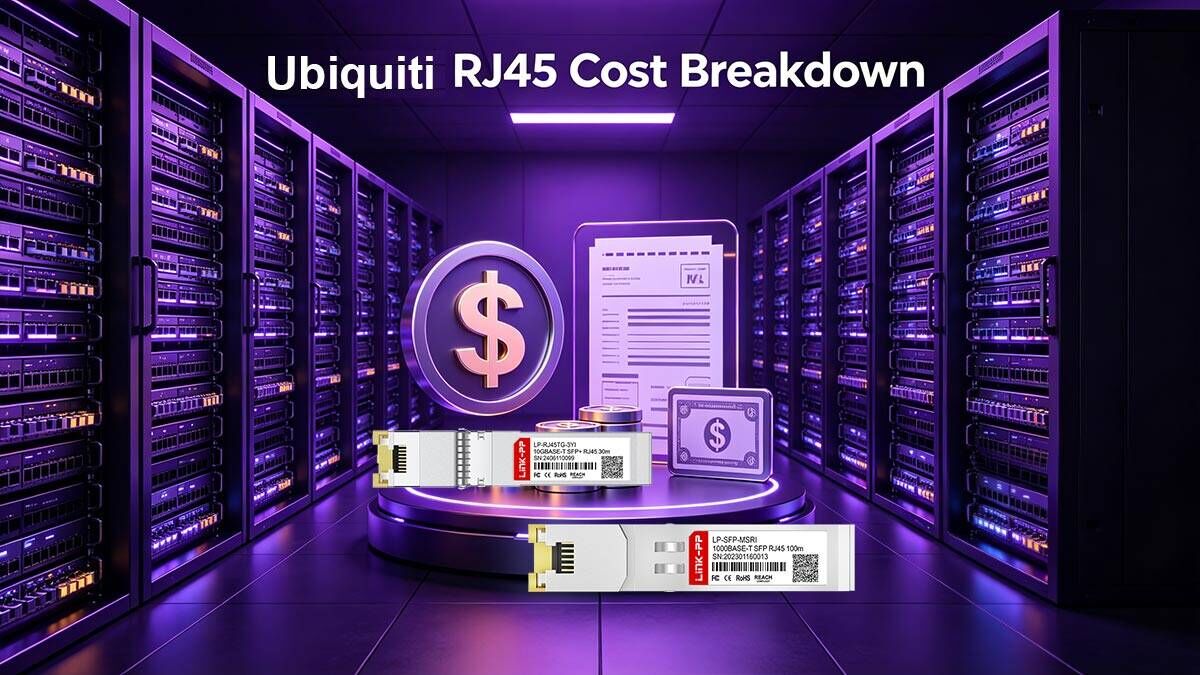
The price of a Ubiquiti RJ45 copper SFP depends on more than just speed. In general, 10G modules cost more than 1G modules because they require stronger components, produce more heat, and support higher-performance networking over shorter distances. Brand reputation, compatibility, and supply-chain conditions also play a major role in the final price.
Price Differences between 1G and 10G Modules
The most obvious price gap is between 1G and 10G modules. Ubiquiti 1G RJ45 adapter supports 1G connections up to 100 m, while 10G copper SFP modules are built for much higher throughput and typically cost more because of their more complex design and tighter thermal requirements.
In practical terms, 1G modules are usually the better value for standard office access links, while 10G modules are priced for short-range high-bandwidth use. Industry pricing trends also show that 10G SFP+ modules can vary widely based on type and brand, which is why the same “10G” label does not always mean the same cost.
Brand Premium vs Compatible Alternatives
Branding plays a significant role in the final price of RJ45 SFP modules. Official Ubiquiti-branded modules typically come at a premium due to guaranteed compatibility and vendor support.
However, many third-party compatible modules offer similar performance at a lower cost. These alternatives can be a cost-effective choice if they are properly tested and coded for Ubiquiti devices.
Supply Chain and Chipset Factors
Chipset quality and sourcing can noticeably affect pricing. Modules that use more efficient or better-tested components often cost more, especially when the supplier emphasizes low power, stable performance, and compliance with standards.
Market conditions also matter. When component supply tightens or demand rises, prices can move quickly, especially for copper modules that already sit in a narrower market than fiber options. That is why the same model may appear at very different price points depending on supplier, batch, and availability.
⏳ Ubiquiti RJ45 Buying Guide: How to Avoid Overpaying
Buying Ubiquiti RJ45 copper SFP modules doesn’t have to be expensive if you focus on what truly matters for your network. Many users overspend by choosing higher specs or branded products without clear benefits. A practical approach helps you balance performance, compatibility, and cost effectively.
Key Specifications that Directly Impact Price
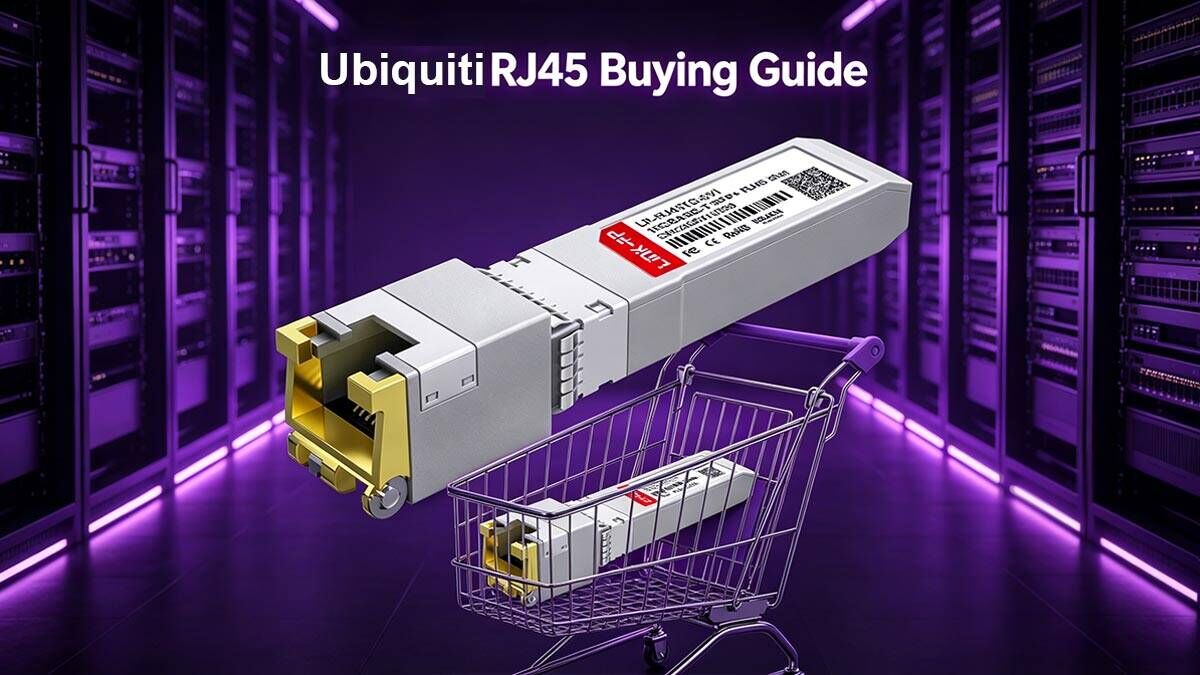
The biggest price drivers are speed rating, supported distance, and power-efficient design. A 10G copper SFP generally costs more than a 1G model because it needs more advanced signal processing and better thermal handling, while 1G modules are simpler and usually more affordable.
Other details can also change price, including compatibility with UniFi or EdgeSwitch hardware, cable support, and vendor validation. In practice, a module that looks similar on paper may cost more if it is better tested, more reliable, or certified for wider device support.
When Higher Speed doesn’t Mean Better Value
A 10G module is not always the best buy just because it is faster. If your traffic is mostly office workloads, camera systems, access points, or standard uplinks, 1G often delivers enough performance at a lower cost and with less heat.
Higher speed only makes sense when the network regularly pushes large files, virtualization traffic, or aggregation links that can actually use 10G bandwidth. Otherwise, paying extra for 10G may give you little real-world benefit while increasing power use and thermal load.
Comparing Single-unit vs Bulk Purchase Pricing
Single-unit purchases are usually the most expensive way to buy copper SFP modules, especially if shipping or handling fees are added. That is why many network buyers save money by ordering in batches when they are outfitting multiple switches or planning a standardized rollout.
Bulk pricing also makes cost comparison easier because it reduces the impact of per-unit shipping and one-off retail markups. For project-based deployments, buying in quantity often delivers the best value as long as the modules have already been validated for your switches and cable environment.
⏳ Ubiquiti RJ45 Copper SFP Compatible SFP Recommendations
Choosing the right Ubiquiti Rj45 compatible copper SFP module can significantly reduce costs without sacrificing performance. Many third-party compatible transceiver solutions today offer reliable compatibility with Ubiquiti UniFi and EdgeSwitch devices when properly designed and tested. Below are some practical recommendations for selecting high-quality alternatives.
Why Consider Third-party Compatible SFP Modules
Third-party compatible SFP modules have become a popular choice for both enterprise and SMB users looking to optimize their budgets. They often deliver similar performance to original modules but at a more competitive price point.
In addition to cost savings, many reputable manufacturers provide modules that are pre-coded for Ubiquiti devices, ensuring seamless compatibility. This makes them a viable option for large-scale deployments where reducing per-unit cost can lead to significant overall savings.
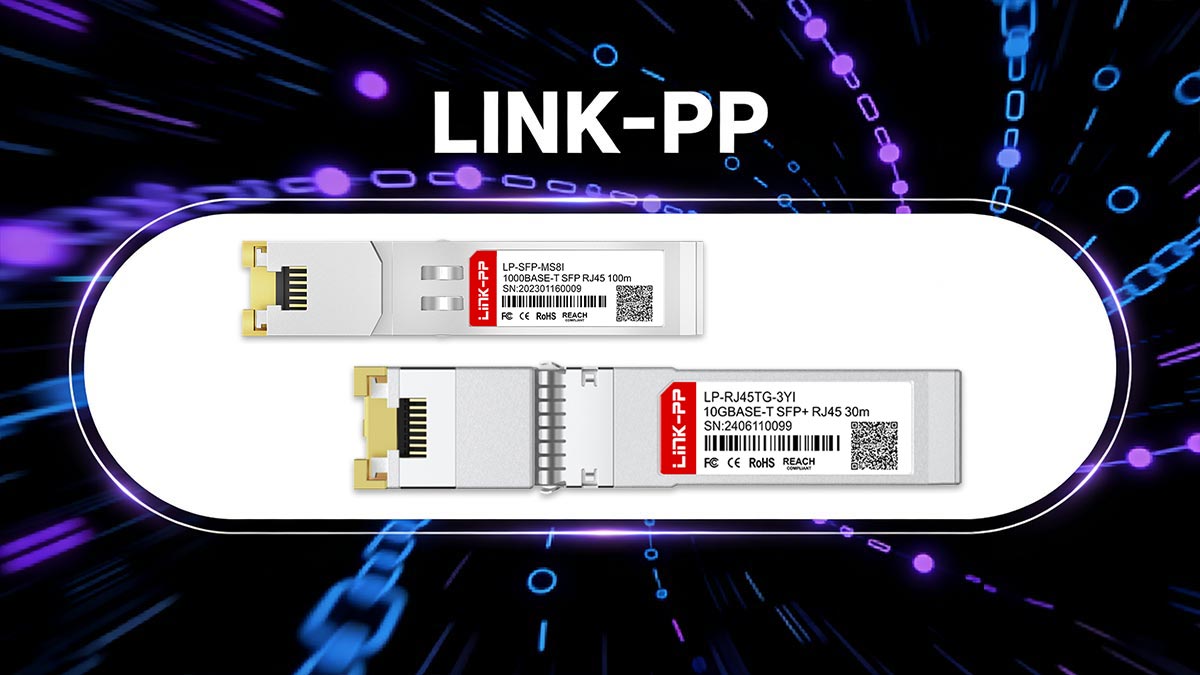
Overview of LINK-PP 1G Copper SFP Solution
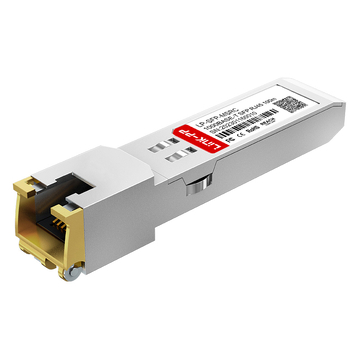
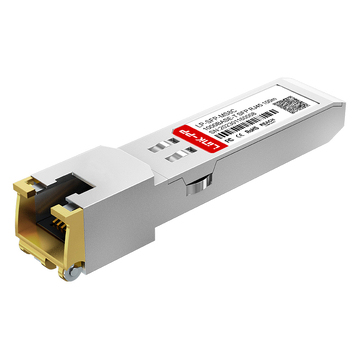
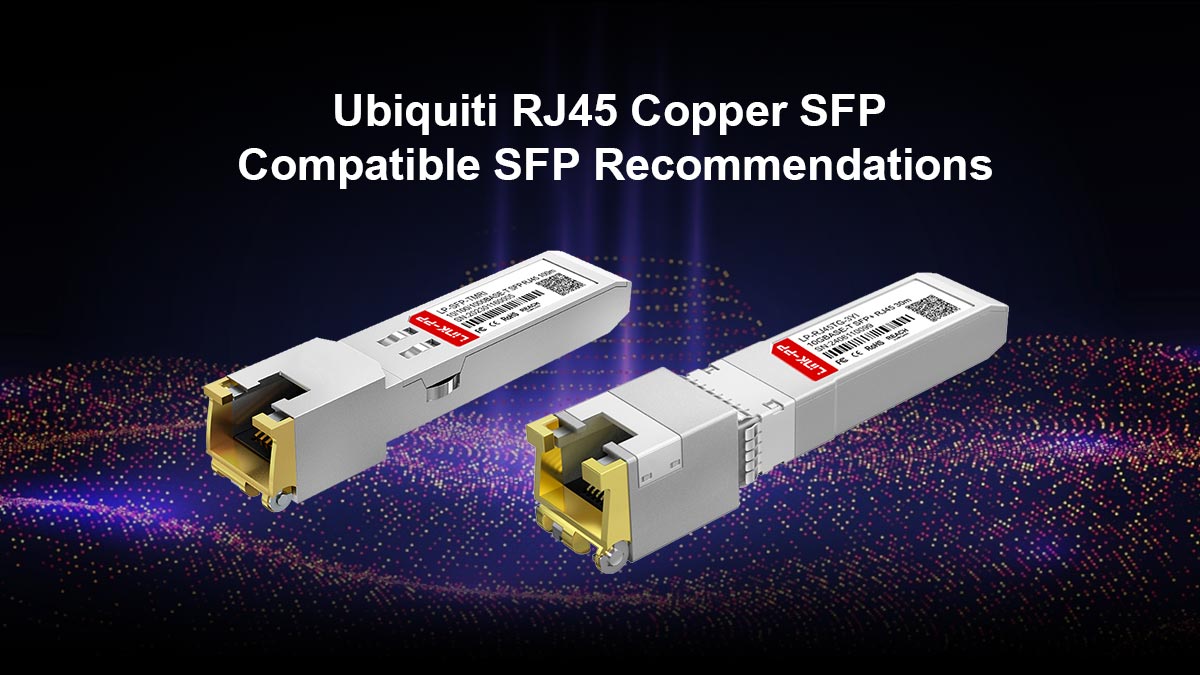
The LINK-PP LP-SFP-MSRC 1000BASE-T SFP is a reliable 1G copper module designed for stable performance in standard networking environments. It supports Gigabit Ethernet over Cat5e or higher cabling, making it suitable for distances up to 100m.
This module is ideal for access-layer connections, such as linking switches to end devices or extending existing copper infrastructure. With lower power consumption and heat output, it is a practical and cost-effective choice for most everyday networking needs.
Overview of LINK-PP 10G Copper SFP Solution
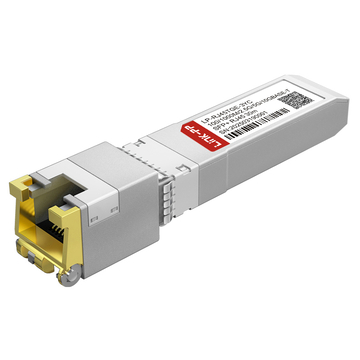
The LINK-PP LP-RJ45TGE-3YC 10G SFP+ copper module is built for high-performance applications requiring faster data throughput. It supports 10GBASE-T over Cat6a or higher cabling, delivering high-speed connectivity for demanding network environments.
This module is well-suited for uplinks, aggregation layers, or connecting high-bandwidth devices such as servers and storage systems. Despite higher power consumption compared to 1G modules, it offers excellent value for scenarios where performance and scalability are critical.
⏳ Conclusion: Making the Right Ubiquiti RJ45 Solutions for Your Network
Choosing the right Ubiquiti RJ45 copper SFP module ultimately comes down to aligning your network’s performance needs, budget, and infrastructure. From understanding the differences between 1G and 10G modules to evaluating compatibility, power consumption, and cost factors, each decision plays a role in building a stable and efficient network. By focusing on practical requirements rather than over-specifying, you can achieve both reliability and cost-effectiveness.
Whether you are upgrading an existing UniFi or EdgeSwitch deployment or planning a new network, taking a structured approach ensures better long-term results. Compatible third-party solutions, such as those from LINK-PP, further provide flexibility and value without compromising performance when selected carefully.
If you're looking for reliable and cost-effective Ubiquiti RJ45 compatible copper SFP modules, explore the LINK-PP Official Store to find transceiver solutions tailored to your network needs.