



































Despite the rapid shift toward higher-speed networking, the transceiver gigabit remains a fundamental building block for enterprise and edge connectivity. These 1G SFP optical modules offer a proven balance of reliability and performance, serving as the backbone for countless data centers and local area networks where ultra-high bandwidth is either unnecessary or cost-prohibitive.
For procurement professionals and network engineers, maximizing the Return on Investment (ROI) during volume purchases requires more than just finding the lowest price. This article explores the critical technical specifications of the transceiver gigabit, breaks down the cost differences between OEM and compatible transceivers, and provides actionable tips for ensuring long-term compatibility and performance in large-scale deployments.
? What is A Transceiver Gigabit and Its Role in Modern Networks
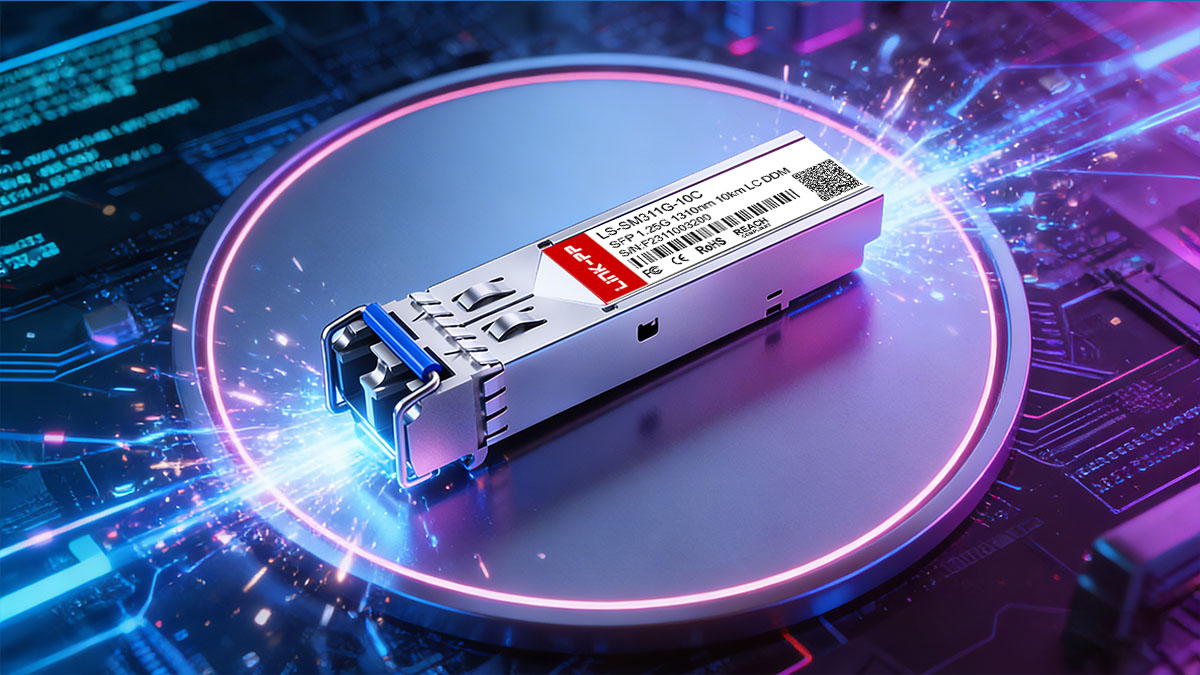
A transceiver gigabit, commonly known as a 1G SFP , is a compact, hot-pluggable optical transceiver module used to bridge the gap between networking devices and fiber optic or copper cables. These SFP modules serve as the workhorse of the access layer, converting electrical signals into optical data to facilitate high-speed communication over varying distances. Despite the rise of 10GBASE and 100GBASE technologies, the 1G transceiver remains a cornerstone of stable and cost-effective network architectures.
Definition of Transceiver Gigabit
A transceiver gigabit is an optical module that plugs into a physical port on a network switch, router, or network interface card (NIC). It functions by converting digital data from the hardware into light pulses (for fiber) or modulated electrical signals (for copper), allowing for a data transfer rate of 1000Mbps (1G). Because they are hot-swappable, these modules allow for easy network upgrades or maintenance.
Most transceiver gigabit modules follow the Multi-Source Agreement (MSA), a set of industry standards that ensures interoperability between different brands of equipment and transceiver manufacturers. This standardization has made the transceiver gigabit a versatile tool, available in various types such as 1000BASE-SX for short-range multimode fiber, 1000BASE-LX for long-reach single-mode fiber, and 1000BASE-T for RJ45 copper-based Ethernet connections.
Differences between 1G, 10G, and Higher-speed Modules
The most fundamental difference between a transceiver gigabit and other high-speed transceivers like 10G SFP+, 25G SFP28, 40G QSFP+, 100G QSFP28, 200G QSFP-DD, or 400G QSFP-DD is the bandwidth capacity and data throughput. While a 1G module is capped at 1000Mbps, its higher-speed counterparts utilize more advanced laser technology and encoding schemes to move data significantly faster. Consequently, 1G modules are generally used for the "access layer" where individual devices connect, while 10G and above are reserved for the "core" or "distribution" layers where data aggregation occurs.
Beyond speed, there are physical and thermal considerations; 1G modules typically consume significantly less power and generate much less heat than 10G or 100G optics. This lower power profile makes the Transceiver Gigabit an ideal choice for high-density environments where cooling and energy costs are major concerns.
Why 1G SFP Transceivers Remain Widely Used Today
Even in an era of 400G networking, the Transceiver Gigabit remains ubiquitous because it offers the most balanced performance-to-cost ratio for many standard business applications. Most end-user devices, such as IP cameras, VoIP phones, wireless access points, and standard office workstations, do not require more than 1Gbps of bandwidth. Deploying 10G or 100G for these endpoints would result in unnecessary expenses and underutilized resources.
Furthermore, 1G technology is incredibly mature and reliable, offering a "plug-and-play" experience with minimal configuration. For many small-to-medium enterprises (SMEs) and remote branch offices, a transceiver gigabit infrastructure provides more than enough speed for daily operations like cloud computing, video conferencing, and local file sharing. Its continued use is driven by a combination of legacy support, lower procurement costs, and the simple reality that 1Gbps remains the standard for general-purpose network connectivity.
? Transceiver Gigabit Specifications You Must Understand Before Buying
Before finalizing a volume purchase, it is critical to understand the technical specifications that define a Transceiver Gigabit’s performance. Selecting the wrong parameters can lead to immediate hardware incompatibility or significant signal degradation across your network.
Key Parameters: Wavelength, Distance, and Connector Types
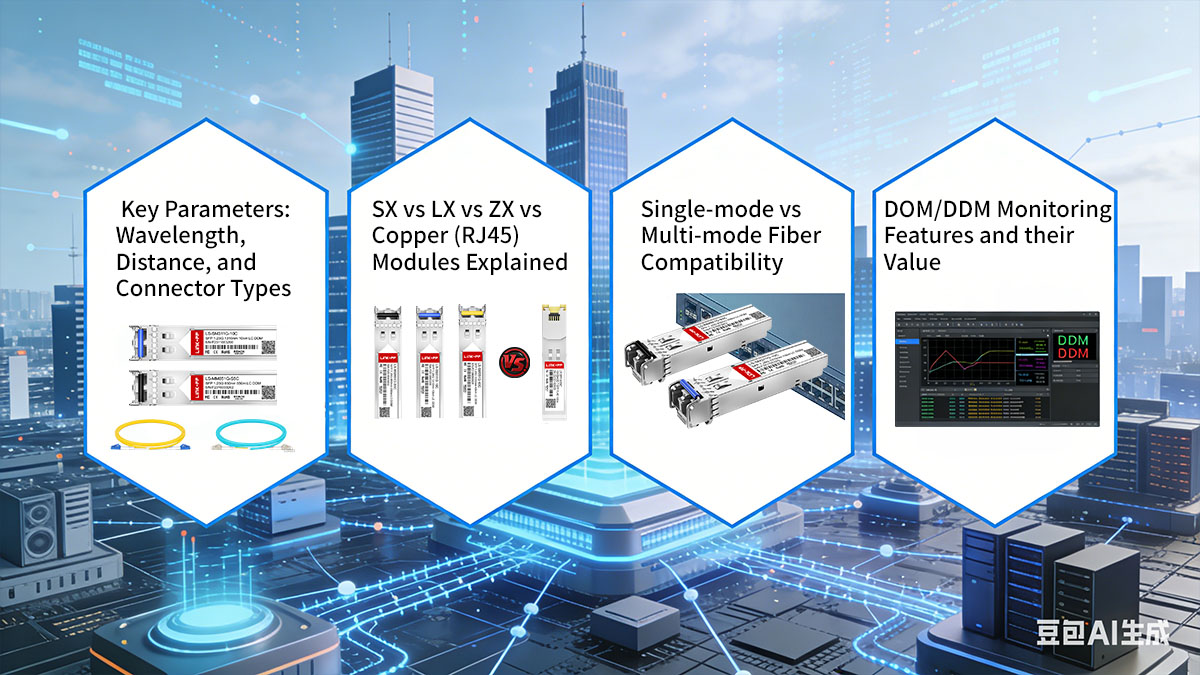
The performance of a Transceiver Gigabit is primarily defined by its operating wavelength and its rated transmission distance. Common wavelengths include 850nm for short-range links and 1310nm or 1550nm for long-range transmissions. Matching the wavelength to your existing fiber infrastructure is the first step in ensuring signal integrity and minimizing attenuation.
Physical connectivity is the second vital parameter, as the Transceiver Gigabit must physically interface with your cabling. Most 1G fiber optic SFP modules utilize the LC duplex connector due to its compact "small form factor" design, which allows for high port density on switches. In contrast, copper-based modules utilize the standard RJ45 connector, allowing for easy integration with existing Category 5e or 6 copper cables.
SX vs LX vs ZX vs Copper (RJ45) Modules Explained
Choosing the right version of a transceiver gigabit depends entirely on the distance of the link and the medium of the cable. While all these modules provide 1Gbps speeds, their internal lasers and electrical components are optimized for very different environments.
The table below outlines the primary differences between the most common 1G SFP module types:
| Module Type | Medium | Max Distance | Wavelength | Typical Use Case |
| 1000BASE-SX | Multimode Fiber | 550m | 850nm | Intra-building, Data Centers |
| 1000BASE-LX | Single-mode Fiber | 10km | 1310nm | Campus Backbones, Inter-building |
| 1000BASE-ZX | Single-mode Fiber | 80km | 1550nm | Long-haul, Metropolitan Networks |
| 1000BASE-T | Copper (Cat5e/6/6a) | 100m | N/A | Legacy Switch Uplinks, Short-run Workstation Connections |
Single-mode vs Multi-mode Fiber Compatibility
A frequent error in transceiver gigabit procurement is mismatching the optical module with the fiber cable type. Multi-mode fiber (MMF) has a larger core and is designed to carry multiple light rays, making it ideal for the short distances covered by SFP-1G-SX modules. Single-mode fiber (SMF) has a much narrower core, allowing light to travel in a single path for much longer distances without dispersion, which is required for SFP-1G-LX and GLC-ZX-SM-RGD modules.
Using a multi-mode Transceiver Gigabit on a single-mode cable — or vice versa — will generally result in a total link failure or extremely high bit-error rates. To ensure compatibility, buyers should verify the fiber jacket color (typically orange/aqua for multi-mode and yellow for single-mode) and ensure the transceiver’s specifications explicitly match the installed fiber plant.
DOM/DDM Monitoring Features and their Value
Digital Optical Monitoring (DOM) or Digital Diagnostic Monitoring (DDM) is an essential feature in a modern transceiver gigabit. It allows network administrators to monitor real-time parameters such as optical output/input power, temperature, and laser bias current directly through the switch interface. This capability is invaluable for predictive maintenance, as it helps identify a degrading laser or a dirty fiber connector before it causes a complete network outage.
While modules equipped with DOM/DDM may have a slightly higher upfront cost, their value in a bulk deployment is immense. By providing clear visibility into the physical layer of the network, these features significantly reduce the time required for troubleshooting and manual testing. For large-scale operations, the ROI of a transceiver gigabit with monitoring capabilities is realized through higher network uptime and lower operational overhead.
? Transceiver Gigabit Cost Breakdown for Bulk Procurement
When buying transceiver gigabit modules in volume, understanding what drives price differences is crucial to negotiating better deals and optimizing procurement budgets. Cost varies not only by brand but also by specifications, compatibility, and operational requirements across large network deployments.
Price Differences between OEM and Compatible Modules
The most significant price disparity in the market exists between OEM modules — branded by companies like Cisco, Juniper, or Arista — and third-party compatible modules. OEM modules often carry a massive premium, sometimes costing two to three times more than a compatible transceiver gigabit that utilizes the same internal components. This price gap is largely attributed to brand positioning, bundled support services, and high profit margins rather than inherent differences in hardware quality.
Third-party compatible modules, on the other hand, are designed to meet the exact same Multi-Source Agreement (MSA) standards as their branded counterparts. Because these manufacturers sell directly to the market without the overhead of a major networking brand, they can offer a Transceiver Gigabit at a fraction of the cost. For bulk procurement, switching to high-quality compatible 1G SFP transceiver is often the single most effective way to lower the total cost of ownership.
Impact of Specifications on Pricing
The technical requirements of a link directly dictate the price of the transceiver gigabit. For instance, a 1000BASE-SX module used for short-range multimode fiber is the most affordable option because it uses a low-cost 850nm VCSEL laser. Conversely, a 1000BASE-ZX module designed for 80km distances requires a high-precision DFB laser and more complex circuitry, which significantly increases the manufacturing cost and retail price.
Beyond distance, specialized environmental ratings can also impact pricing. An industrial-grade transceiver gigabit designed to operate in extreme temperature ranges (-40°C to 85°C) will always command a higher price than a standard commercial-grade module. Selecting the appropriate specifications for the actual deployment scenario is therefore essential to avoid unnecessary costs.
Cost per Port Analysis in large deployments
In large-scale deployments, such as high-density data centers or enterprise campuses, the "Cost per Port" is the ultimate metric for financial efficiency. This calculation includes the price of the switch port itself plus the cost of the transceiver gigabit and the associated cabling. When thousands of ports are being activated, even a $10 difference in transceiver price can result in tens of thousands of dollars in savings across the entire network infrastructure.
A thorough cost-per-port analysis often reveals that 1000BASE-T copper SFP modules (such as GLC-T) are the most economical for short-range connections (under 100m) because they utilize inexpensive Cat6 cabling. However, for any distance exceeding the limits of copper, a fiber optic transceiver gigabit becomes necessary. By balancing the mix of copper and fiber SFP modules based on port density and distance requirements, organizations can optimize their budget for maximum ROI.
? How to Calculate ROI for Transceiver Gigabit Volume Purchases
A well-structured ROI analysis helps network planners and procurement teams determine whether bulk purchasing of transceiver gigabit modules delivers measurable financial benefits. The goal is to balance upfront expenditure with long-term savings in maintenance, replacement, and operational efficiency.
Comparing Upfront Cost vs Long-term Operational Savings
While the upfront cost of a transceiver gigabit is a visible CapEx (Capital Expenditure), the long-term operational savings represent OpEx (Operational Expenditure) efficiency. Higher-quality modules that feature lower power consumption can lead to significant energy savings when deployed by the thousands. Additionally, modules with high thermal efficiency reduce the load on data center cooling systems, further lowering monthly utility bills.
Furthermore, long-term savings are realized through the longevity of the hardware. A cheap, unverified transceiver gigabit might save money today, but if it requires frequent manual resets or causes intermittent packet loss, the hidden costs of network instability will quickly erase those initial savings. Investing in modules that offer stable, long-term performance ensures that the network remains an asset rather than a constant maintenance burden.
ROI of Compatible vs OEM Transceivers
The ROI calculation for compatible versus OEM modules is often the most compelling part of a procurement strategy. Since a compatible transceiver gigabit can cost up to 40-60% less than an OEM module, the ROI is realized almost immediately. This "saved capital" can then be reinvested into other critical areas of the IT budget, such as cybersecurity software or higher-tier switching hardware.
Beyond the purchase price, the ROI of compatible modules is enhanced by the ability to buy "spares" while still spending less than the price of a single branded unit. For example, a business could purchase two compatible transceiver gigabit modules — one for active use and one for on-site redundancy — and may still spend significantly less than they would on one OEM module. This strategy eliminates downtime and the need for expensive shipping during hardware failures.
Failure Rates and Replacement Cost Considerations
A critical variable in the ROI equation is the Mean Time Between Failures (MTBF). Even a small percentage difference in failure rates can have a massive impact on the total cost of a bulk deployment. If a Transceiver Gigabit fails in a remote branch office, the cost of the replacement module is negligible compared to the "truck roll" cost — the expense of sending a technician to the site to swap the hardware.
To maximize ROI, procurement teams must factor in these potential replacement costs by choosing suppliers with proven reliability records. A Transceiver Gigabit with a 0.1% failure rate is far more valuable than one with a 3% failure rate, even if the latter is slightly cheaper upfront. By evaluating the historical performance and warranty terms of their modules, organizations can protect their investment against the high cost of unexpected labor and network downtime.
? Choosing Reliable Transceiver Gigabit Suppliers
Selecting the right partner for your transceiver gigabit needs is just as important as the hardware itself. A reliable supplier ensures that every module in a bulk order meets strict performance standards and is backed by professional support to minimize network risk.
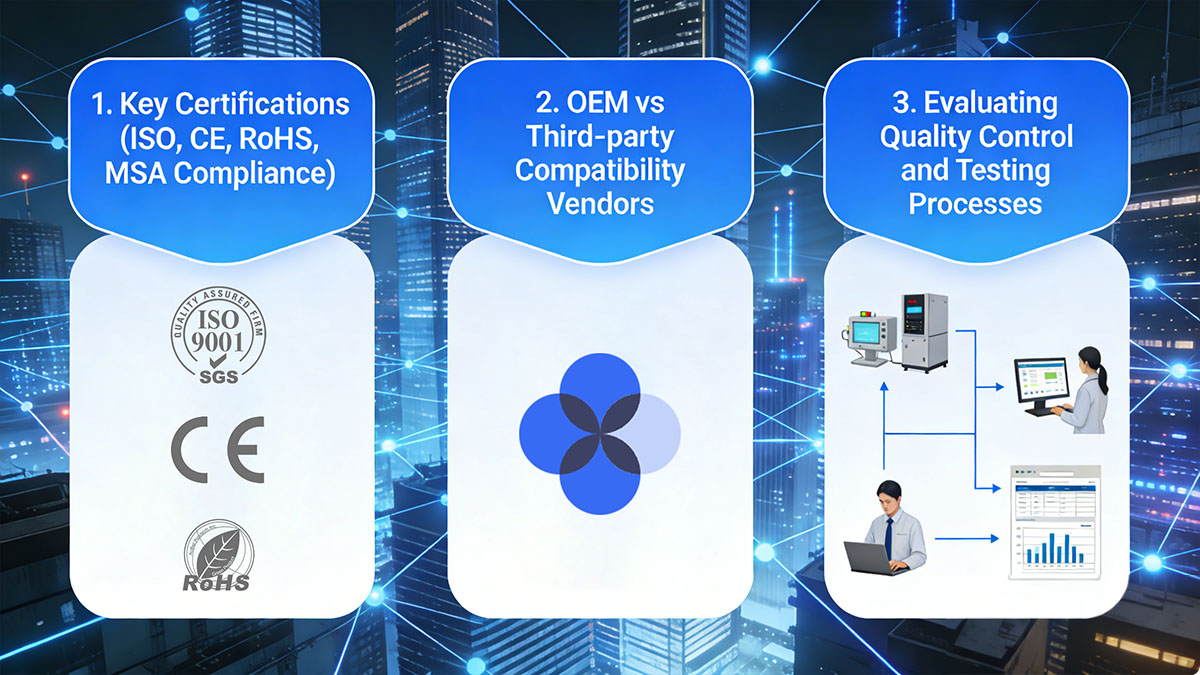
Key Certifications (ISO, CE, RoHS, MSA Compliance)
Look for suppliers that strictly adhere to international quality and safety standards, such as ISO 9001 for manufacturing consistency and CE/RoHS for environmental and safety compliance. Most importantly, ensure the transceiver gigabit is MSA (Multi-Source Agreement) compliant, as this guarantees that the module’s physical and electrical design meets the industry-wide standards necessary for hardware interoperability.
OEM vs Third-party Compatibility Vendors
While OEM suppliers offer a sense of security through brand recognition, reputable third-party compatibility vendors have become the industry standard for cost-effective scaling. The key is to distinguish between "cheap" generic sellers and established third-party specialists who focus on precision-coding the transceiver gigabit to match OEM performance, allowing you to scale your infrastructure without the branded price premium.
Evaluating Quality Control and Testing Processes
A top-tier supplier should perform rigorous "in-host" testing, where every transceiver gigabit is verified in the actual target hardware — such as a Cisco or Juniper switch — rather than just a generic testing device. Inquire about their specific quality control protocols, including automated bit-error rate (BER) testing and optical spectrum analysis, to ensure that the modules will maintain signal integrity over their entire lifespan.
? Compatibility Challenges with Transceiver Gigabit Modules
Compatibility remains the most frequent hurdle when deploying a transceiver gigabit in a diverse or modern network environment. Even when the physical parts fit perfectly, the way the module and the switch "talk" to each other digitally is what matters; if the switch doesn't recognize or accept the module's internal code, it can lead to port errors or a complete connection failure. Understanding how to navigate these software-level requirements is essential for a smooth, high-volume rollout.
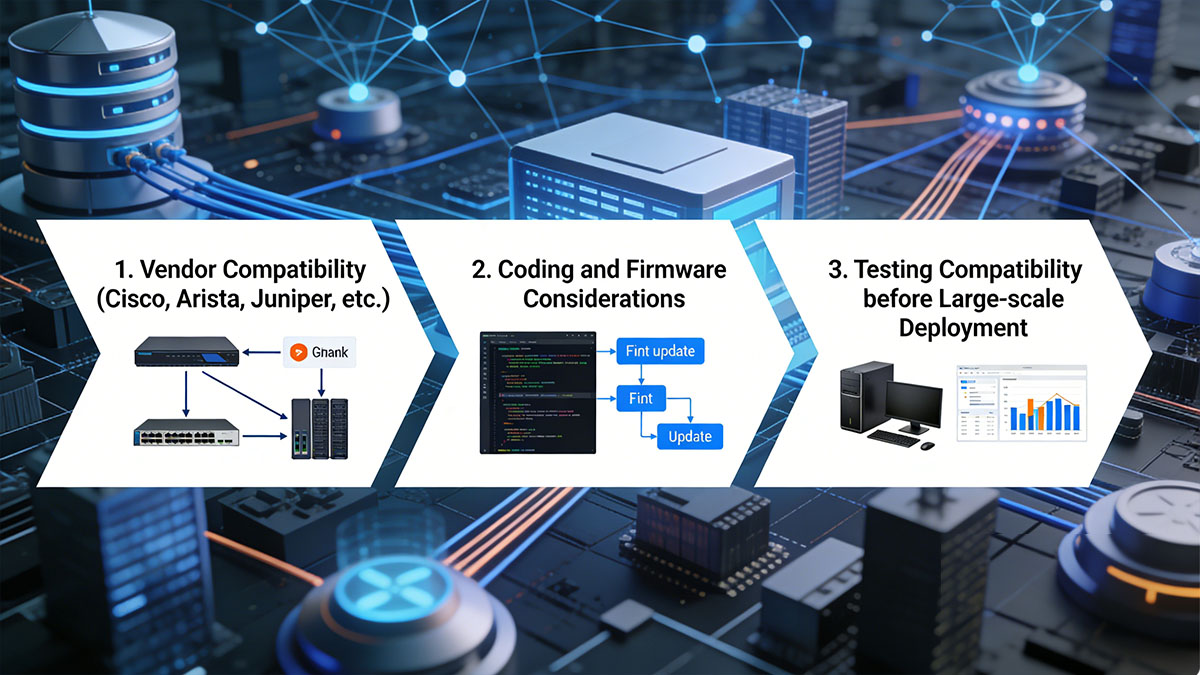
Vendor Compatibility (Cisco, Arista, Juniper, etc.)
Many major networking vendors utilize "vendor locking" to encourage the use of their own branded modules by programming the host device to check for specific ID strings within the transceiver gigabit. Understanding these brand-specific requirements is essential; a module coded specifically for Cisco hardware may be rejected or "err-disabled" by an Arista or Juniper switch, even though the physical interface is identical.
Coding and Firmware Considerations
The "intelligence" of a transceiver gigabit resides in its EEPROM, which contains the firmware and vendor-specific coding required to communicate with the host operating system. Advanced third-party suppliers can custom-code these modules to bypass vendor-specific lockouts or even provide "multi-coded" solutions that allow a single module to be recognized across different brands of equipment within the same rack.
Testing Compatibility before Large-scale Deployment
To mitigate the risk of a failed bulk rollout, it is an industry best practice to request sample units of the transceiver gigabit for bench testing in your specific production or lab environment. This allows your engineering team to verify that the modules are correctly identified by the system software and that all DDM/DOM monitoring features are reporting data accurately before you commit to a high-volume purchase.
? Transceiver Gigabit Quality Considerations in Bulk Orders
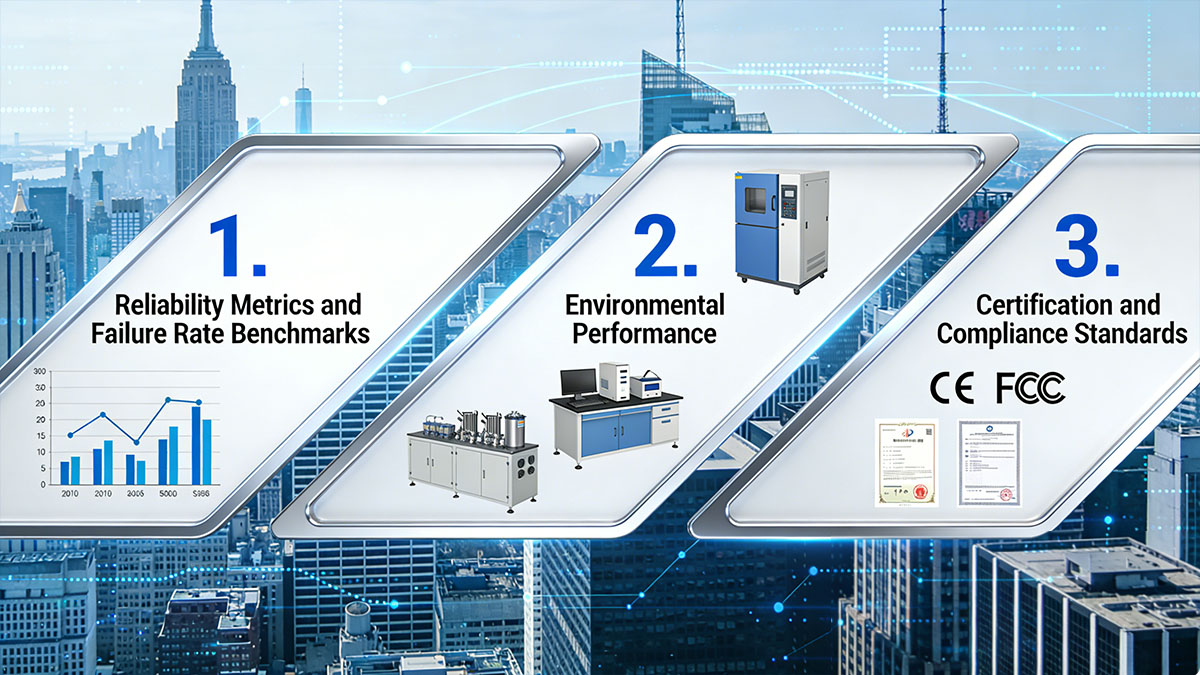
When purchasing a transceiver gigabit in high volumes, quality consistency becomes the most critical factor in maintaining network stability. A single defective module in a batch of thousands might seem insignificant, but a high failure rate across a large deployment can lead to cascading network errors and expensive manual troubleshooting. Ensuring that every unit meets stringent reliability benchmarks is the only way to protect your long-term infrastructure investment.
Reliability Metrics and Failure Rate Benchmarks
The gold standard for measuring the reliability of a transceiver gigabit is the mean time between failures (MTBF) and the annualized failure rate (AFR). For enterprise-grade deployments, you should look for modules with an AFR of less than 0.1%, meaning fewer than one in a thousand units should fail per year. In a bulk procurement scenario, even a small deviation in these metrics can result in dozens of "dead-on-arrival" units or premature field failures, significantly increasing your operational overhead.
Environmental Performance
Not all environments are created equal, and a transceiver gigabit must be rated for the specific thermal conditions it will encounter. Commercial-grade modules are typically rated for 0°C to 70°C, which is sufficient for climate-controlled data centers, while industrial-grade modules are designed to withstand extreme fluctuations from -40°C to 85°C. Beyond temperature, the physical durability of the housing and the gold-plating thickness on the electrical connectors play a vital role in preventing oxidation and ensuring a stable connection over years of service.
Certification and Compliance Standards
Beyond the basic MSA guidelines, a high-quality transceiver gigabit should carry certifications such as FCC, CE, and UL to ensure electromagnetic compatibility (EMC) and safety. These certifications guarantee that the module does not emit excessive radio frequency interference that could disrupt neighboring equipment in a high-density switch. Additionally, RoHS compliance is essential for meeting environmental regulations regarding the use of hazardous substances in electronic components.
Risks Associated with Low-cost, Unverified Suppliers
The primary risk of sourcing a transceiver gigabit from unverified, "bargain-basement" suppliers is the potential use of recycled components or low-grade lasers. These sub-par transceiver modules often pass basic initial tests but suffer from rapid laser degradation, leading to a steady drop in optical power and eventually causing intermittent packet loss. By prioritizing verified quality over the absolute lowest price, procurement managers avoid the "hidden tax" of high replacement costs and unpredictable network downtime.
? Key Takeaways for Cost-Effective Transceiver Gigabit Procurement
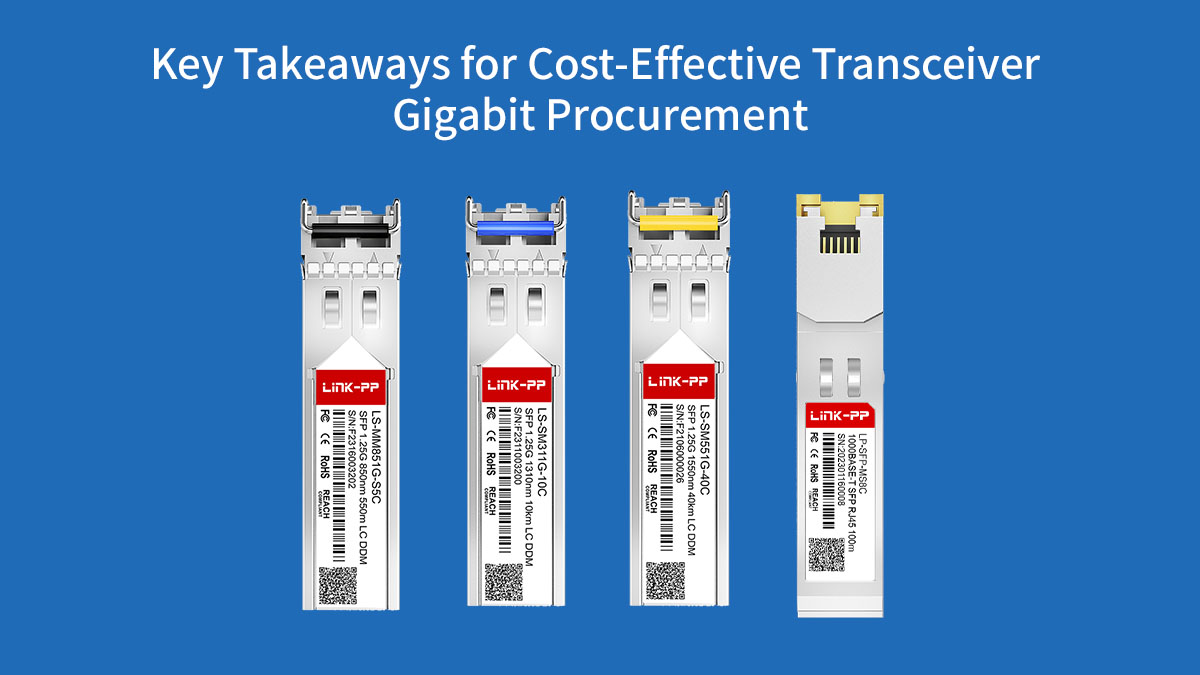
To achieve the best return on investment in bulk purchases, it is essential to move beyond "brand loyalty" and focus on verified compatibility, rigorous testing standards, and a deep understanding of your specific distance and cabling requirements. By choosing high-quality compatible transceiver gigabit modules that adhere to MSA standards, organizations can drastically reduce capital expenditure while maintaining the same level of performance and reliability as expensive OEM alternatives.
As you plan your next large-scale network upgrade or expansion, remember that the most cost-effective solution is one that combines a low purchase price with high long-term stability. Avoid the common pitfalls of over-specifying hardware and always insist on modules that offer real-time digital monitoring (DOM/DDM) for better proactive maintenance.
Ready to optimize your network infrastructure with reliable, high-performance optical solutions? Explore our wide range of industry-standard 1G SFP modules and find the perfect fit for your deployment at the LINK-PP Official Store today.







