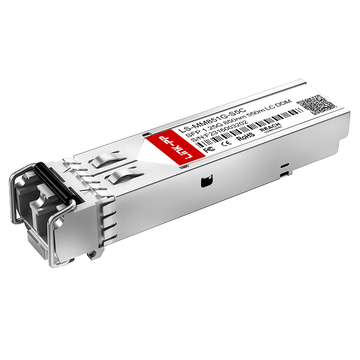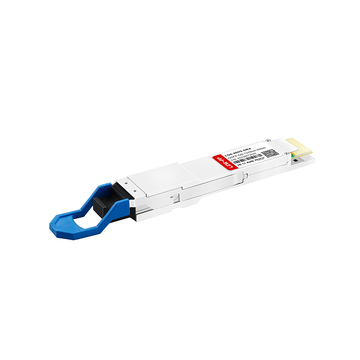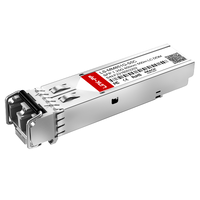






























The Planet MGB-SX is a widely used 1G SFP optical transceiver designed for short-range multimode fiber networking in enterprise and data center environments. It is commonly deployed in Gigabit Ethernet infrastructures where stable, low-latency optical connectivity over distances up to 550 meters is required.
In modern network procurement, the focus has shifted from purely brand-based selection to performance-equivalent alternatives with more competitive pricing structures. This is where LINK-PP compatible transceivers become highly relevant, offering cost-optimized alternatives to original modules like the Planet MGB-SX while maintaining interoperability and compliance with industry standards.
For organizations scaling network infrastructure, understanding both the original module specifications and alternative pricing strategies is essential. It directly impacts total deployment cost, supply chain flexibility, and long-term maintenance planning in optical networking environments.
🥔 Overview of Planet MGB-SX and Market Positioning
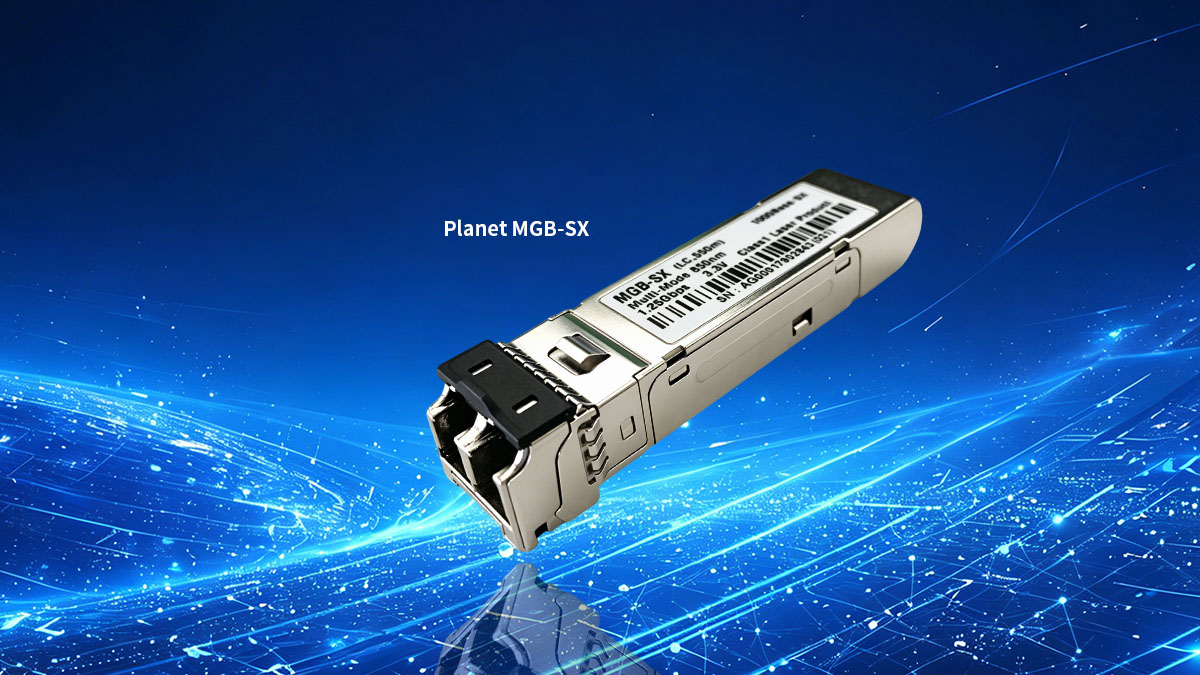
The Planet MGB-SX is a standard 1000Base-SX SFP transceiver designed for short-range multimode fiber connectivity, widely used in Gigabit Ethernet network environments. It is positioned as a reliable OEM-grade module that delivers stable performance for enterprise switching, campus networks, and data center access layers where cost-efficiency and interoperability are important.
Key Technical Specifications
The Planet MGB-SX is defined by standardized Gigabit Ethernet optical parameters that ensure predictable performance in multimode fiber environments. These specifications are important for evaluating compatibility, transmission limits, and deployment suitability in structured networks.
To better understand its technical profile, the core parameters are summarized below.
Before reviewing the detailed specifications, it is important to note that these values reflect standard 1000Base-SX SFP design characteristics used across most enterprise-grade switching platforms.
| Parameter | Specification |
|---|---|
| Standard | IEEE 802.3z 1000Base-SX |
| Data Rate | 1.25Gbps |
| Wavelength | 850nm |
| Fiber Type | Multimode fiber (MMF) |
| Maximum Distance | 550m (with OM2/OM3 fiber) |
| Connector Type | LC duplex |
| Form Factor | Hot-pluggable SFP |
These parameters highlight that the module is optimized for short-range, high-speed optical links within controlled network environments such as data centers and enterprise LAN backbones.
From a deployment perspective, the combination of 850nm wavelength and multimode fiber support makes it suitable for intra-building or intra-campus connectivity where long-distance transmission is not required.
Typical Deployment Scenarios
The Planet MGB-SX is generally deployed in structured network environments where stable fiber connectivity is required over moderate distances. Its use cases are primarily concentrated in enterprise and campus-level infrastructures.
Common deployment scenarios include:
- Enterprise LAN backbone connections between switches
- Data center top-of-rack to aggregation switch links
- Campus network inter-building fiber connections
- High-density switching environments requiring short-range optics
These scenarios reflect its role as a foundational connectivity component rather than a long-haul optical solution, positioning it within access and distribution network layers.
Brand Positioning and Pricing Tier
From a market perspective, the Planet MGB-SX is positioned in the mid-tier OEM transceiver segment, balancing reliability with moderate pricing. It is typically priced higher than generic compatible modules but lower than premium carrier-grade optical solutions.
Its pricing structure is influenced by several factors:
- OEM branding and certification assurance
- Controlled distribution channels and regional availability
- Embedded quality assurance and warranty support
- Lower flexibility in volume-based pricing adjustments
As a result, while the module is widely trusted for compatibility and stability, it does not always offer the most cost-efficient option for large-scale deployments. This pricing gap is one of the key reasons organizations evaluate LINK-PP alternative pricing models when planning network expansions.
🥔 Pricing Landscape of Original Planet MGB-SX Modules
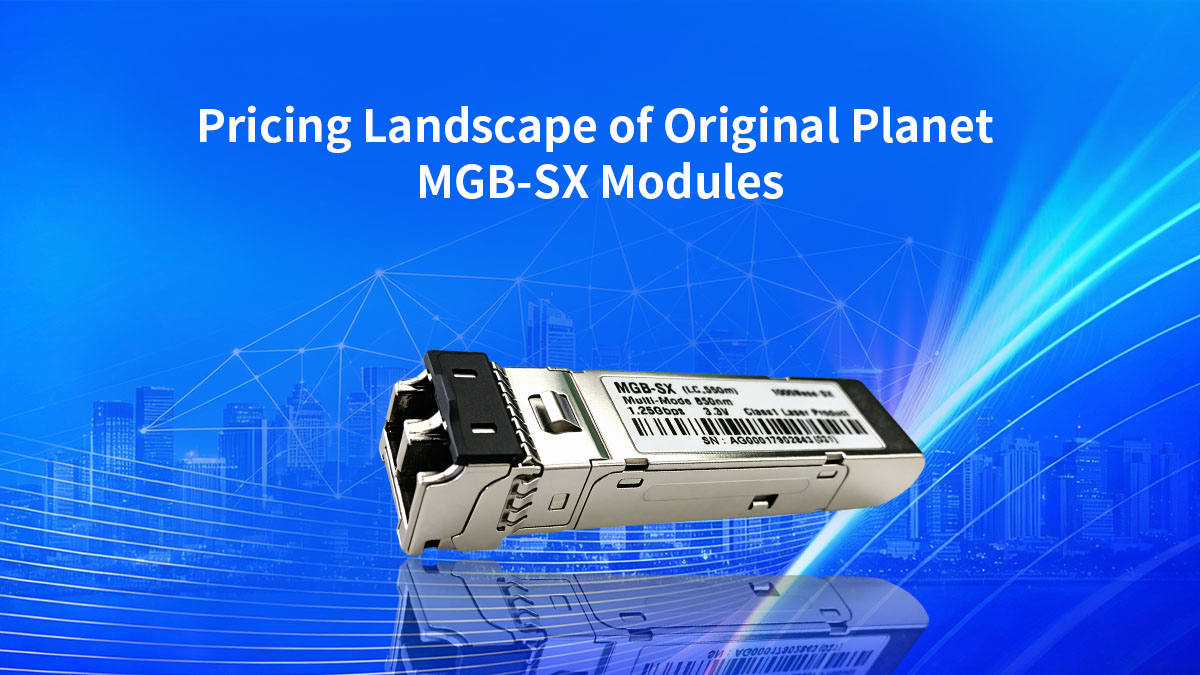
The pricing of the Planet MGB-SX is typically positioned in the mid-range OEM optical transceiver segment, reflecting a balance between brand assurance and standardized Gigabit performance. In most procurement scenarios, its cost is higher than generic compatible SFP modules but lower than premium carrier-grade optical solutions.
Factors Influencing OEM Pricing
The price of original Planet MGB-SX modules is not determined solely by hardware cost. Instead, several structural and commercial factors contribute to its final market pricing.
Key pricing drivers include:
- Brand premium associated with OEM certification and reliability assurance
- Controlled distribution channels that limit price competition
- Embedded quality validation and compliance testing costs
- Warranty coverage and post-sale technical support services
- Regional supply chain and logistics overhead
These factors collectively create a pricing structure that prioritizes reliability and vendor trust over aggressive cost optimization.
Common Pricing Challenges
In real-world procurement processes, organizations often encounter several limitations when sourcing original Planet MGB-SX modules. These challenges are especially noticeable in scaling environments or multi-site deployments.
Typical pricing constraints include:
- Higher per-unit cost in low to medium volume orders
- Limited flexibility for bulk discount negotiations outside authorized channels
- Price variability depending on distributor region and stock availability
- Procurement delays due to centralized supply chain distribution
These constraints can make budget planning less predictable, particularly in large-scale network expansions where optical transceiver counts increase significantly.
Cost vs Value Considerations
When evaluating the Planet MGB-SX from a procurement perspective, the decision is often influenced by a trade-off between cost efficiency and operational assurance.
Key considerations include:
- Reliability advantage from OEM-tested compatibility
- Reduced risk of interoperability issues in mixed-vendor environments
- Higher upfront cost compared to third-party compatible modules
- Long-term stability benefits in mission-critical networks
In summary, while the original Planet MGB-SX offers strong assurance in performance and compatibility, its pricing structure often leads organizations to explore alternative sourcing models such as LINK-PP compatible solutions to optimize total network expenditure.
🥔 LINK-PP Alternative Pricing Strategy Explained
The LINK-PP alternative pricing model is designed to deliver cost-efficient optical transceiver solutions that remain fully compatible with OEM equipment such as the Planet MGB-SX. Its core strategy focuses on reducing procurement cost while maintaining standardized performance and interoperability in Gigabit Ethernet environments.
What Is LINK-PP Compatibility Approach
The LINK-PP compatibility approach refers to third-party optical modules engineered to match OEM specifications while ensuring seamless operation across major networking platforms.
This approach is built on several key principles:
- Full compliance with Multi-Source Agreement (MSA) standards
- Electrical and optical compatibility with OEM SFP ports
- EEPROM coding alignment for automatic device recognition
- Plug-and-play deployment without firmware modification
From a practical standpoint, this means LINK-PP compatible modules can be deployed in the same infrastructure as Planet MGB-SX modules without requiring configuration changes, making them a flexible alternative for scaling networks.
Pricing Advantages of LINK-PP Alternatives
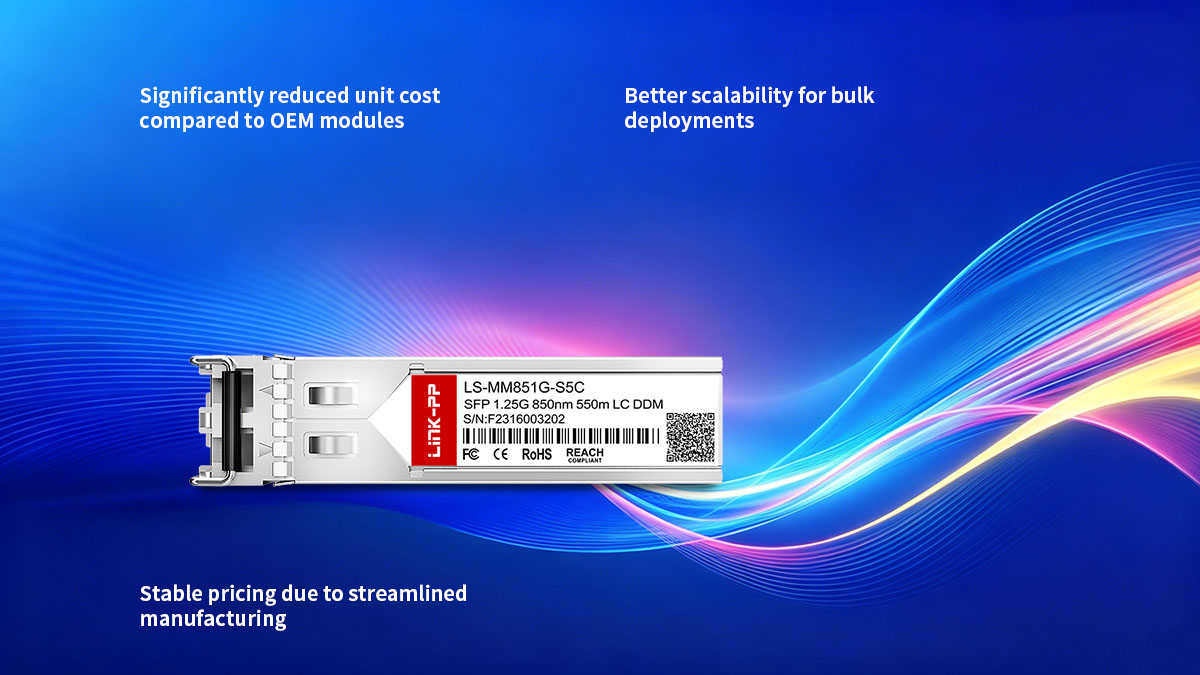
One of the primary reasons organizations consider LINK-PP alternatives is the significant reduction in unit cost compared to OEM modules. This pricing advantage is achieved without sacrificing core transmission performance.
Key pricing benefits include:
- Lower per-unit cost compared to branded OEM modules
- Improved cost efficiency in bulk procurement scenarios
- More stable pricing across supply cycles
- Reduced dependency on brand-controlled distribution channels
These advantages make LINK-PP solutions particularly attractive for large-scale deployments where hundreds or thousands of transceivers may be required.
Cost Structure Breakdown
The pricing efficiency of LINK-PP modules is driven by a fundamentally different cost structure compared to OEM products like the Planet MGB-SX.
The main cost optimization factors include:
- Elimination of OEM branding and licensing overhead
- Streamlined global manufacturing and assembly processes
- High-volume production that reduces per-unit manufacturing cost
- Direct-to-market distribution reducing intermediary margins
As a result, LINK-PP is able to maintain competitive pricing while still meeting industry performance standards for 1000Base-SX optical networking.
Overall, the LINK-PP alternative pricing strategy is built around delivering functional equivalence to OEM modules while optimizing total cost of ownership for enterprise and data center deployments.
🥔 Performance Comparison: Planet MGB-SX vs LINK-PP Alternatives
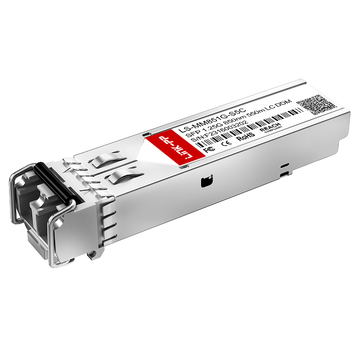
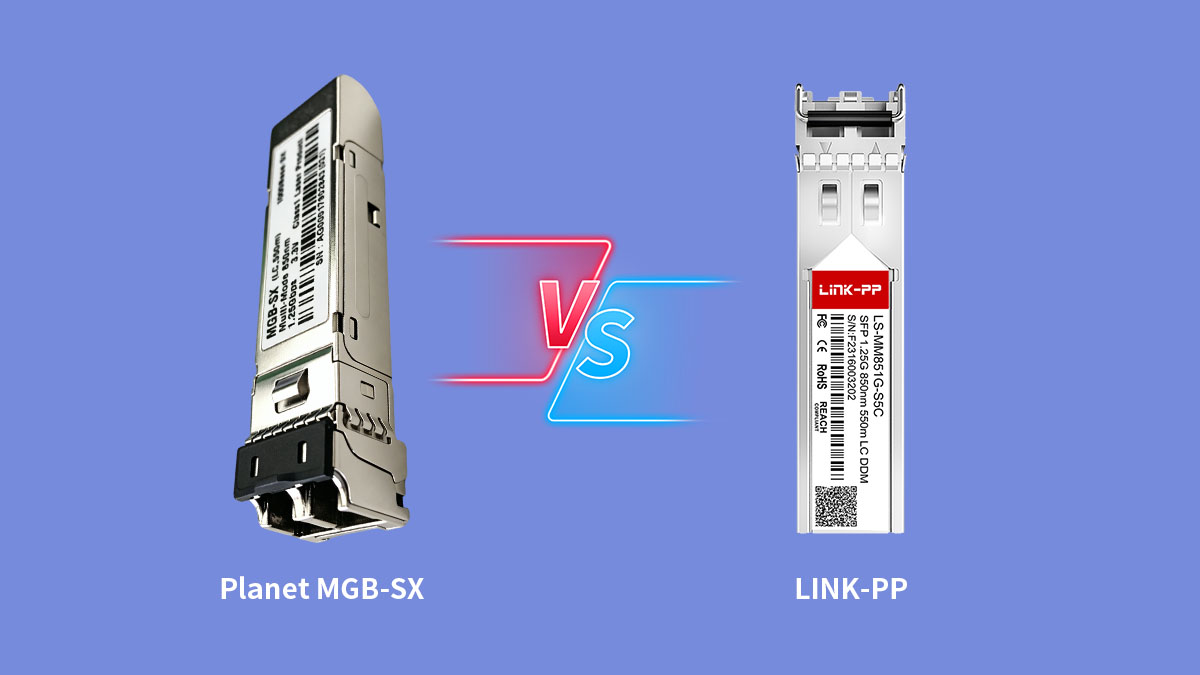
The Planet MGB-SX and LINK-PP compatible modules (LINK-PP LS-MM851G-S5C 1G SFP 850nm 550m module) are both designed to support 1000Base-SX multimode fiber connectivity, meaning their core functional performance is closely aligned. The key differences emerge in pricing structure, validation approach, and deployment flexibility rather than in basic transmission capability.
Optical Performance and Transmission Stability
In terms of optical transmission, both solutions are engineered to meet Gigabit Ethernet standards and deliver stable short-range connectivity.
To understand their practical differences, the main performance parameters are summarized below.
| Parameter | Planet MGB-SX (OEM) | LINK-PP Alternative |
|---|---|---|
| Wavelength | 850nm | 850nm |
| Data Rate | 1.25Gbps | 1.25Gbps |
| Maximum Distance | Up to 550m (OM2/OM3) | Up to 550m (OM2/OM3) |
| Fiber Type | Multimode fiber | Multimode fiber |
| Protocol Compliance | IEEE 802.3z | IEEE 802.3z |
From a technical perspective, both modules deliver equivalent optical reach and signaling standards, ensuring similar link performance in properly designed networks.
Compatibility and System Integration
Compatibility is a critical factor in optical transceiver selection, especially in mixed-vendor environments.
Both Planet MGB-SX and LINK-PP alternatives are designed for plug-and-play operation, but they differ in ecosystem validation approaches:
- Planet MGB-SX:
- Fully validated within Planet networking ecosystem
- Guaranteed compatibility under OEM-controlled environments
- Limited flexibility across non-native platforms
- LINK-PP Alternatives:
- Multi-vendor compatibility across major switch brands
- EEPROM coding designed for automatic system recognition
- Broader interoperability in heterogeneous network infrastructures
This makes LINK-PP solutions more adaptable in environments where multiple hardware vendors coexist.
Reliability, Testing, and Quality Assurance
Reliability is a key concern in optical networking, and both options follow standardized testing procedures, but with different validation scopes.
Key differences include:
- Planet MGB-SX:
- OEM-level quality assurance and controlled certification
- Focus on brand-consistent deployment environments
- Predictable lifecycle support under official channels
- LINK-PP Alternatives:
- Industrial-grade testing aligned with MSA standards
- Batch-level validation for mass production consistency
- Performance verification across multiple hardware platforms
In practice, both solutions are capable of supporting stable enterprise-grade operations, with differences primarily in certification model and ecosystem control rather than raw performance capability.
🥔 When to Choose LINK-PP Alternatives for Cost Optimization
Choosing LINK-PP alternatives becomes most relevant when organizations prioritize reducing total network infrastructure cost while maintaining equivalent Gigabit optical performance. In most cases, the decision is driven by scale, budget efficiency, and long-term operational planning rather than technical limitations of the original Planet MGB-SX.
Budget-Constrained Network Expansion
LINK-PP alternatives are particularly suitable when network expansion needs to be executed under strict capital expenditure control.
The key advantage in this scenario is straightforward cost reduction without functional compromise:
- Lower per-unit cost compared to OEM modules like Planet MGB-SX
- Easier budget allocation for large-scale rollouts
- Reduced financial pressure during phased infrastructure upgrades
- Improved cost predictability for procurement planning
In environments where hundreds of access switches or distribution links are being deployed, these savings become significantly amplified.
Data Center and Enterprise Scaling
For data centers and enterprise networks undergoing rapid scaling, LINK-PP alternatives provide flexibility in expanding optical connectivity without escalating hardware costs proportionally.
Typical advantages in scaling scenarios include:
- Cost-efficient expansion of top-of-rack and aggregation links
- Ability to standardize large fleets of transceivers across racks
- Reduced dependency on OEM supply cycles
- Simplified inventory planning for high-density deployments
This makes them particularly useful in cloud infrastructure, colocation environments, and enterprise campus backbones where optical port density is continuously increasing.
Maintenance and Spare Strategy
Beyond initial deployment, LINK-PP alternatives also play a strategic role in long-term maintenance and spare management.
Organizations often choose them for:
- Cost-effective stocking of spare transceivers for critical infrastructure
- Faster replacement cycles without high replacement costs
- Reduced operational downtime risks due to readily available inventory
- Simplified lifecycle management of optical components
From an operational perspective, this helps IT teams maintain network resilience without tying up excessive budget in spare OEM inventory.
Strategic Cost Optimization Decision
Ultimately, the decision to use LINK-PP alternatives is not based on replacing OEM reliability, but on optimizing cost-performance balance in scalable environments.
They are most suitable when:
- Network scale is large or rapidly growing
- Cost per optical port significantly impacts project budget
- Multi-vendor compatibility is required
- Long-term TCO reduction is a priority
In such cases, LINK-PP alternatives provide a practical and efficient way to maintain Gigabit connectivity standards while optimizing overall infrastructure investment.
🥔 Key Considerations Before Switching to Alternatives
Switching from the original Planet MGB-SX to LINK-PP compatible alternatives can deliver meaningful cost savings, but it should be evaluated carefully to ensure network stability, compatibility, and long-term operational reliability are not compromised. The decision is typically less about feasibility and more about structured validation across technical and procurement factors.
Vendor Reliability and Certification
Before adopting any compatible optical module, vendor credibility and product validation standards should be carefully assessed to minimize deployment risks.
Key evaluation points include:
- Compliance with MSA (Multi-Source Agreement) standards for optical interoperability
- Evidence of compatibility testing across major switch brands
- Manufacturing quality control and batch consistency verification
- Long-term supply stability for enterprise-scale deployments
A reliable vendor ensures that LINK-PP alternatives behave consistently across different hardware environments, reducing the risk of link instability or incompatibility.
Warranty and Technical Support Structure
Support coverage is a critical factor that directly impacts operational continuity, especially in large-scale or mission-critical networks.
Important considerations include:
- Availability of replacement or RMA processes in case of module failure
- Responsiveness of technical support for cross-vendor compatibility issues
- Warranty duration and conditions compared to OEM offerings
- Access to firmware or coding support for device recognition optimization
While OEM modules like Planet MGB-SX often include structured support ecosystems, high-quality alternatives aim to replicate this through dedicated compatibility assurance and responsive service models.
Network Compatibility Validation
Even though LINK-PP modules are designed for broad interoperability, real-world validation remains essential before large-scale deployment.
Recommended validation steps include:
- Testing in representative switch models before full rollout
- Verifying link stability under load conditions
- Ensuring correct EEPROM recognition across platforms
- Checking performance consistency across multiple fiber links
This step is especially important in mixed-vendor environments where switches from different manufacturers coexist within the same network architecture.
Total Cost of Ownership (TCO) Evaluation
Cost optimization should not focus solely on initial unit price but on long-term operational efficiency.
Key elements of TCO analysis include:
- Initial procurement cost difference between OEM and LINK-PP alternatives
- Replacement frequency and failure rates in real deployment
- Inventory and spare module management costs
- Downtime impact during maintenance or replacement cycles
When evaluated holistically, LINK-PP alternatives often provide stronger cost efficiency in large-scale environments where lifecycle cost outweighs single-unit pricing considerations.
Strategic Deployment Decision
Ultimately, switching to alternatives should be treated as a strategic procurement decision rather than a purely financial one.
Organizations typically proceed when:
- Compatibility has been verified in controlled testing environments
- Vendor reliability meets enterprise procurement standards
- Cost savings justify migration at scale
- Operational risk remains within acceptable thresholds
By carefully evaluating these factors, organizations can confidently integrate LINK-PP alternatives alongside or in place of Planet MGB-SX modules while maintaining network stability and optimizing infrastructure costs.
🥔 Market Trends in SFP Pricing and Alternatives
The SFP transceiver market, including modules such as the Planet MGB-SX, is experiencing a gradual shift toward more competitive pricing models driven by increased adoption of compatible third-party solutions like LINK-PP alternatives. This shift is reshaping procurement strategies across enterprise networks and data centers.
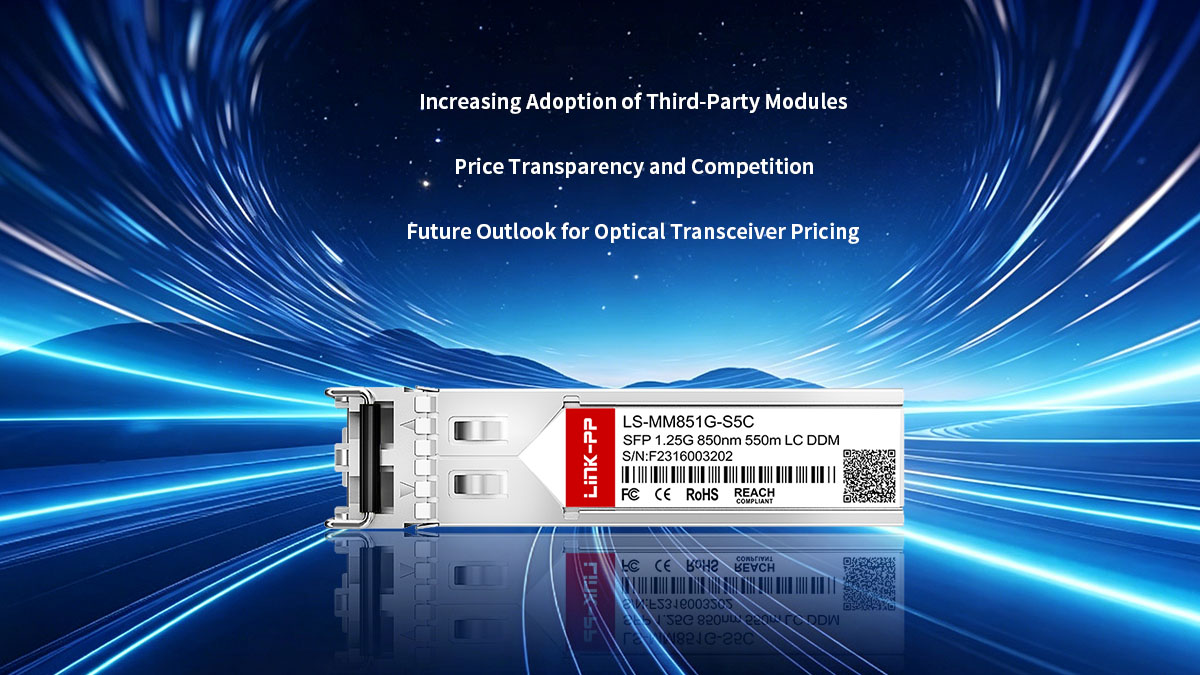
Increasing Adoption of Third-Party Modules
The use of compatible optical transceivers is becoming more widely accepted in enterprise and carrier-neutral environments, especially where cost efficiency is a priority.
Key drivers of adoption include:
- Growing confidence in MSA-compliant third-party optics
- Proven interoperability with major networking vendors
- Expanding use in cloud, colocation, and enterprise data centers
- Reduced dependency on OEM-only procurement channels
As a result, organizations are increasingly deploying compatible modules alongside or instead of branded solutions like Planet MGB-SX without compromising network performance.
Price Transparency and Market Competition
One of the most significant market changes is the improvement in pricing transparency and competition across the optical transceiver supply chain.
This trend is reflected in:
- Greater price visibility across global distributors and vendors
- Reduced price gaps between OEM and compatible modules over time
- Increased competition among third-party manufacturers
- More flexible bulk pricing models for large-scale deployments
These factors collectively pressure traditional OEM pricing structures while encouraging more cost-optimized procurement decisions.
Supply Chain Diversification
Modern network procurement strategies are increasingly focused on reducing reliance on single-brand supply chains. This has a direct impact on SFP pricing dynamics.
Key developments include:
- Diversified sourcing across multiple optical module manufacturers
- Reduced risk of supply shortages for critical network components
- Greater availability of cross-compatible transceiver inventory
- Faster fulfillment cycles through distributed manufacturing networks
This diversification supports the growing use of LINK-PP alternatives as organizations seek more resilient and cost-efficient supply strategies.
Future Outlook for Optical Transceiver Pricing
The long-term outlook for SFP pricing indicates continued downward pressure on costs, particularly in the compatible module segment.
Expected trends include:
- Continued price reduction driven by manufacturing scale efficiencies
- Wider acceptance of third-party optics in enterprise standards
- Increased integration of automated testing and coding systems
- Expansion of multi-vendor interoperability ecosystems
In this evolving landscape, the gap between OEM modules like Planet MGB-SX and high-quality compatible alternatives is expected to narrow in terms of performance perception, while pricing differentiation remains a key decision factor.
🥔 FAQs About Planet MGB-SX and LINK-PP Alternatives
What is the maximum transmission distance of the Planet MGB-SX?
The Planet MGB-SX supports transmission distances up to 550m over multimode fiber, depending on the fiber type and network environment.
Is a LINK-PP alternative compatible with Planet switches?
Yes. LINK-PP compatible modules are typically engineered to support interoperability with Planet networking equipment through MSA-compliant design and compatible EEPROM coding.
Does a compatible SFP module reduce network performance?
In most enterprise Gigabit Ethernet environments, high-quality compatible modules deliver the same 1.25Gbps transmission performance as OEM modules when deployed correctly.
What fiber type is required for Planet MGB-SX modules?
The module is designed for multimode fiber (MMF) connections and commonly uses OM2 or OM3 fiber cabling.
Why are LINK-PP alternatives usually lower in price than OEM modules?
LINK-PP alternatives generally reduce costs by eliminating OEM branding overhead, simplifying distribution channels, and optimizing manufacturing efficiency.
Can LINK-PP alternatives be used in mixed-vendor environments?
Yes. Many compatible transceivers are designed for multi-vendor interoperability, making them suitable for networks using equipment from different manufacturers.
Are OEM and compatible modules interchangeable?
In most cases, yes. As long as the compatible module meets required optical and coding specifications, it can function similarly to the original Planet MGB-SX module.
What connector type does the Planet MGB-SX use?
The Planet MGB-SX uses an LC duplex optical connector, which is standard for most Gigabit multimode SFP deployments.
How can organizations reduce long-term optical networking costs?
Organizations typically reduce costs by combining reliable compatible modules, optimized inventory planning, and scalable procurement strategies for large deployments.
🥔 Conclusion
The Planet MGB-SX remains a reliable 1000Base-SX SFP transceiver widely used in enterprise and campus fiber networks, offering stable performance for short-range multimode connectivity. However, as network infrastructures scale and procurement strategies evolve, LINK-PP alternative pricing has become an increasingly important factor in optimizing total deployment cost without sacrificing compatibility or performance.
A clear evaluation of both OEM and compatible options highlights several key insights:
- Planet MGB-SX delivers consistent OEM-grade reliability for Gigabit Ethernet applications
- LINK-PP alternatives provide equivalent optical performance under MSA standards
- Cost efficiency becomes significantly more impactful in large-scale deployments
- Compatibility and interoperability are no longer exclusive to OEM-only ecosystems
To simplify the evaluation process, the most important considerations include:
- Network scale and expected port density requirements
- Total cost of ownership over product lifecycle
- Vendor reliability and technical support capability
- Cross-platform compatibility in mixed networking environments
These factors collectively determine whether OEM or compatible solutions provide the best long-term value for a specific deployment scenario.
For organizations aiming to balance performance stability with cost optimization, LINK-PP compatible modules present a practical and scalable alternative to traditional OEM sourcing models. They enable more flexible budgeting, improved inventory efficiency, and broader deployment agility across modern network infrastructures.
To explore reliable and cost-effective optical transceiver solutions, the LINK-PP Official Store provides a structured sourcing channel for compatible modules designed to meet enterprise networking requirements while supporting competitive alternative pricing strategies.