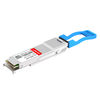
Cisco SFP-GE-T is a 1Gbps copper SFP transceiver widely used in enterprise Ethernet networks to enable reliable short-distance connectivity over standard twisted-pair cabling. It is commonly deployed in access switches, server connections, and aggregation layers where fiber is not required but stable Gigabit performance is still essential. Because of its broad compatibility across Cisco switching platforms and its flexible RJ-45 interface, it has become a standard choice in mixed network infrastructures.
From a procurement and deployment perspective, Cisco SFP-GE-T is also frequently evaluated not only for its technical capabilities but also for its pricing variations between original Cisco modules and compatible third-party alternatives. These differences can significantly influence network scaling strategies, especially in large environments where hundreds of ports may be required. As a result, understanding how pricing is structured, what affects cost, and how compatibility impacts real-world performance is essential for making informed infrastructure decisions.
In addition, the module’s support for auto-negotiation and up to 100-meter reach over Cat5e or higher cabling makes it a practical solution for many enterprise LAN designs. However, factors such as supply chain availability, lifecycle status, and vendor certification can all affect both price stability and sourcing options.
💹 What is Cisco SFP-GE-T?
Cisco SFP-GE-T is a 1G copper Small Form-Factor Pluggable (SFP) transceiver designed to deliver Gigabit Ethernet connectivity over standard RJ-45 copper cabling. It is primarily used to connect switches, routers, and servers over short distances, typically up to 100 meters, using Cat5e or higher Ethernet cables.
This module is widely adopted because it provides a simple way to extend Gigabit Ethernet ports on Cisco devices without requiring fiber infrastructure. It supports auto-negotiation and integrates directly into compatible Cisco hardware, making it a flexible option for enterprise LAN environments and data center access layers.
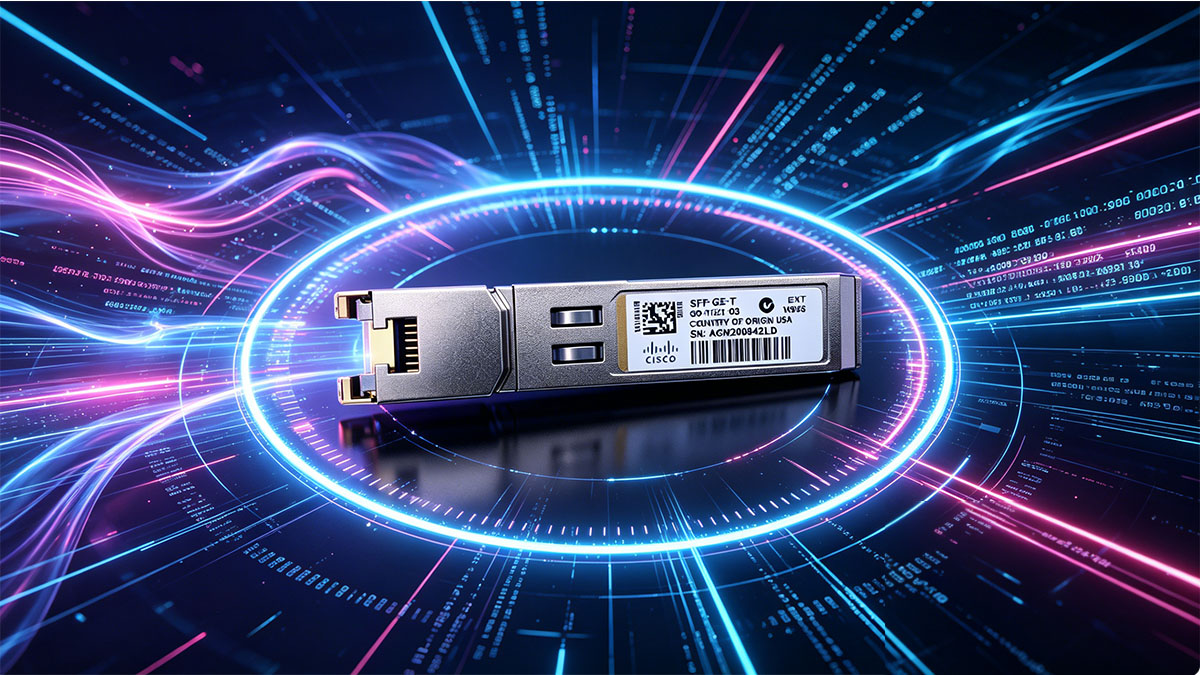
Overview of 1G Copper SFP Technology
Cisco SFP-GE-T is based on the 1000BASE-T standard, which enables Gigabit Ethernet transmission over copper wiring. This makes it especially useful in environments where fiber deployment is unnecessary or cost-prohibitive.
Key characteristics of the technology include:
- Supports 10/100/1000 Mbps auto-negotiation
- Uses standard RJ-45 Ethernet connectors
- Operates over twisted-pair copper cabling
- Designed for short-reach enterprise connectivity
- Hot-swappable SFP form factor for flexible deployment
From a network design perspective, this technology bridges traditional copper Ethernet infrastructure with modular SFP-based switching platforms, allowing smoother migration and scalability.
Primary Use Cases
Cisco SFP-GE-T is typically deployed in environments where cost-effective Gigabit connectivity is required over short distances. Its role is especially important in access and edge network layers.
Common deployment scenarios include:
- Connecting access switches within enterprise LANs
- Server-to-switch links in rack-based data center setups
- Extending switch ports in wiring closet environments
- Temporary or flexible network expansions without fiber deployment
These use cases highlight its value in environments where simplicity and compatibility are more important than long-distance transmission.
💹 Technical Specifications of Cisco SFP-GE-T
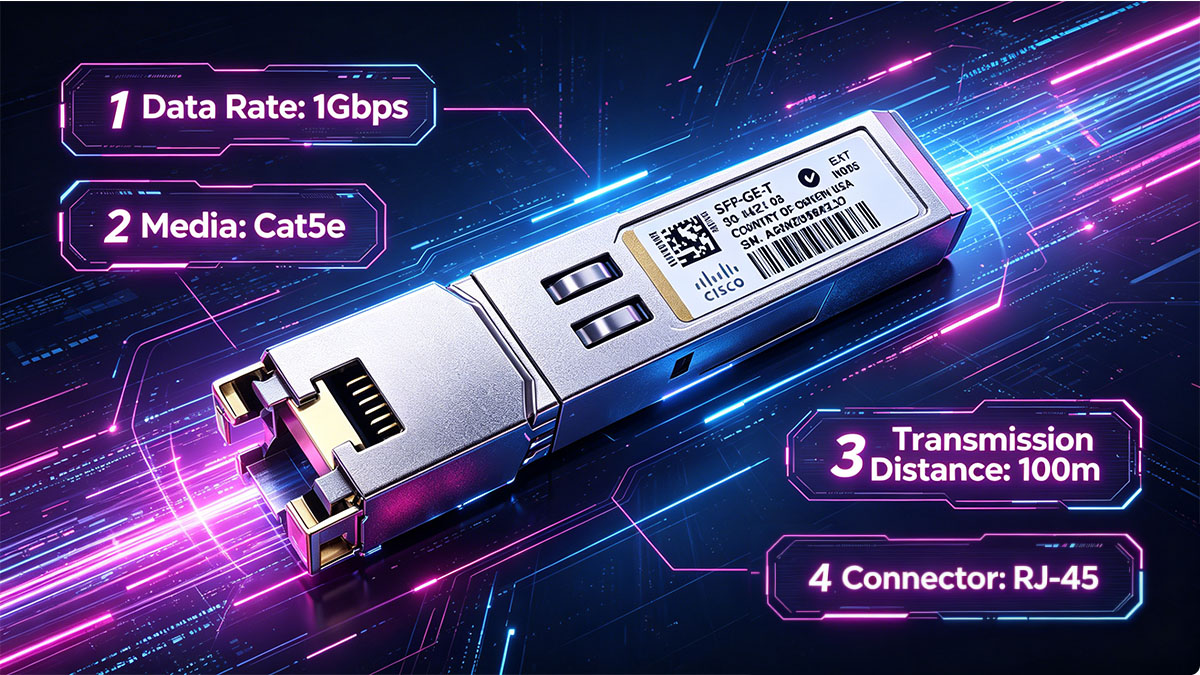
Cisco SFP-GE-T is a standards-based 1G copper SFP module designed for Gigabit Ethernet over RJ-45 cabling. Its technical design focuses on compatibility, short-range transmission stability, and flexible deployment across Cisco switching platforms.
In practical terms, the module follows IEEE Gigabit Ethernet standards and supports up to 100 meters over copper cabling, making it suitable for most enterprise access-layer and server connectivity scenarios.
Interface and Standards Compliance
Cisco SFP-GE-T is built around widely adopted Ethernet standards to ensure interoperability across network devices and cabling systems.
Key interface and protocol characteristics include:
- IEEE 802.3ab compliance for 1000BASE-T Gigabit Ethernet
- RJ-45 copper interface for standard twisted-pair cabling
- Hot-swappable SFP form factor for live network deployment
- Full-duplex transmission support for stable data flow
These standards ensure that the module can operate consistently in heterogeneous network environments while maintaining Gigabit performance.
Speed, Distance, and Transmission Capabilities
The performance profile of Cisco SFP-GE-T is optimized for short-range enterprise networking rather than long-distance transport.
Typical operational capabilities include:
- Supports 10/100/1000 Mbps auto-negotiation
- Maximum transmission distance up to 100 meters
- Designed for Cat5e, Cat6, or higher-grade Ethernet cables
- Full Gigabit throughput under standard network conditions
This makes it especially suitable for intra-building connectivity, such as between switches, servers, and access endpoints.
Power Consumption and Thermal Characteristics
Compared to fiber-based SFP modules, copper-based SFP-GE-T modules typically consume more power due to electrical signal processing requirements.
General power-related characteristics include:
- Moderate power consumption relative to fiber SFP modules
- Heat generation dependent on port density and chassis ventilation
- Stable operation under standard Cisco switch cooling systems
In high-density deployments, thermal management becomes an important consideration, especially in fully populated switch environments.
Technical Parameter Summary
The following table summarizes the core technical specifications for quick reference in network planning and procurement evaluation.
| Parameter |
Specification |
Notes |
| Ethernet Standard |
IEEE 802.3ab (1000BASE-T) |
Gigabit copper Ethernet compliance |
| Interface Type |
RJ-45 |
Standard Ethernet connector |
| Data Rate |
10/100/1000 Mbps |
Auto-negotiation supported |
| Maximum Distance |
100 meters |
Over Cat5e or better cabling |
| Form Factor |
SFP (hot-swappable) |
Cisco-compatible modular design |
This configuration ensures broad compatibility while maintaining predictable performance across Cisco networking platforms.
💹 Original Cisco SFP-GE-T Pricing Factors
The pricing of original Cisco SFP-GE-T modules is mainly driven by certification level, supply chain structure, and enterprise-grade support assurance. In most cases, the higher cost reflects validated compatibility, guaranteed firmware behavior, and long-term lifecycle reliability within Cisco ecosystems.
From a procurement perspective, these modules are not priced solely based on hardware components but also on ecosystem integration and vendor-backed assurance, which significantly influences total cost.

OEM Certification and Brand Value Impact
Cisco’s original SFP-GE-T modules carry full OEM certification, which directly affects their pricing structure.
Key factors include:
- Cisco firmware validation and hardware authentication
- Guaranteed compatibility with Cisco IOS/NX-OS systems
- Strict quality control and manufacturing standards
- Inclusion in Cisco support and maintenance frameworks
This certification layer increases production and validation costs, which is reflected in market pricing. For enterprise networks, this often translates into reduced operational risk and predictable performance.
Supply Chain and Distribution Channel Influence
Pricing for original modules is also strongly affected by how they are distributed across global supply networks.
Common influencing factors include:
- Authorized distributor pricing policies
- Regional availability differences
- Inventory fluctuations in Cisco-certified channels
- Import duties and logistics costs
These variables can cause noticeable price differences even for identical Cisco SFP-GE-T units in different regions or procurement cycles.
Product Lifecycle and Availability Stage
Cisco SFP-GE-T pricing is also shaped by where the product sits in its lifecycle.
Key lifecycle-related impacts include:
- Early lifecycle: stable pricing with strong availability
- Mature stage: moderate pricing variation due to demand stabilization
- End-of-life or limited supply: potential price increases due to scarcity
As products approach reduced manufacturing priority, availability constraints often have a stronger influence on pricing than production cost itself.
Enterprise Support and Warranty Inclusion
A significant portion of the original Cisco SFP-GE-T price is tied to support and warranty structures.
This includes:
- Cisco technical support eligibility
- Hardware replacement programs (depending on service contract)
- Firmware compatibility assurance updates
- Long-term enterprise deployment reliability
These support mechanisms add value beyond the physical transceiver, particularly for organizations with strict uptime and compliance requirements.
Pricing Influence Summary
The following table summarizes the main drivers behind Cisco SFP-GE-T original module pricing:
| Pricing Factor |
Key Influence |
Impact Level |
| OEM Certification |
Validated Cisco ecosystem compatibility |
High |
| Distribution Channel |
Regional and authorized reseller structure |
Medium |
| Product Lifecycle |
Availability stage and demand shifts |
Medium to High |
| Enterprise Support |
Warranty and technical support inclusion |
High |
This structure shows that pricing is not purely hardware-based but heavily influenced by ecosystem assurance and lifecycle positioning.
💹 Compatible vs Original Modules Comparison
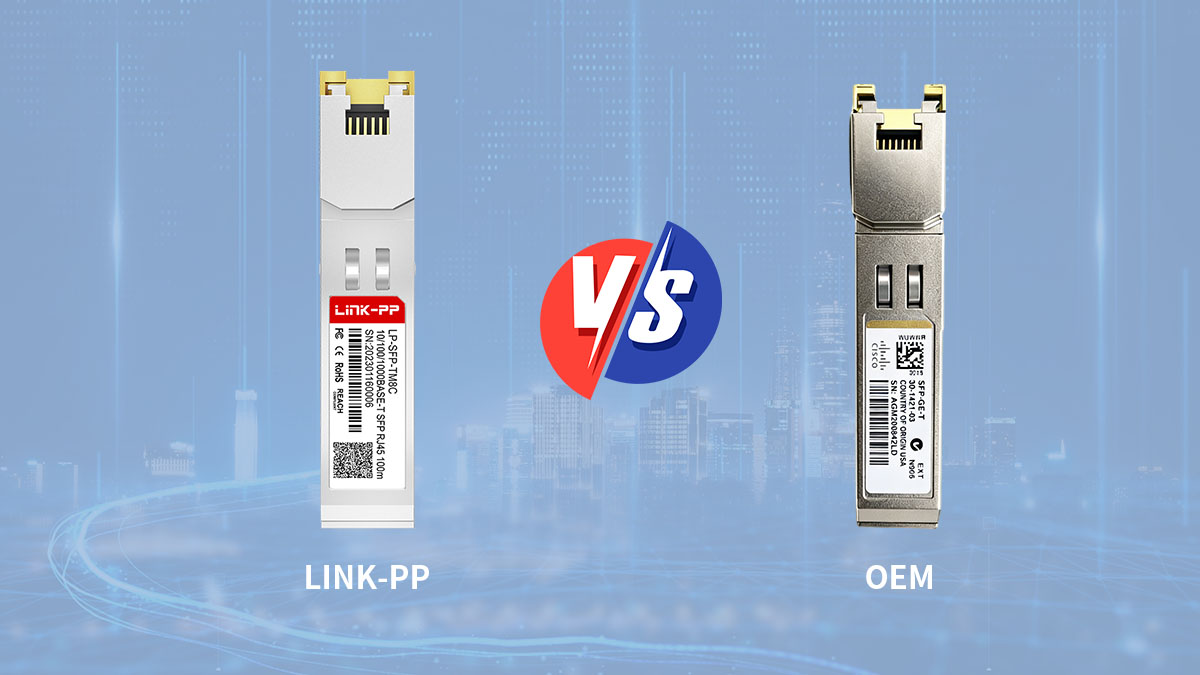
The difference between compatible and original Cisco SFP-GE-T modules mainly lies in certification, ecosystem validation, and pricing structure. While both can deliver similar Gigabit Ethernet performance in many scenarios, their behavior in Cisco environments and long-term operational predictability can differ depending on firmware enforcement and vendor design standards.
In practical deployment terms, original modules prioritize guaranteed interoperability within Cisco systems, while compatible modules focus on cost efficiency and broader sourcing flexibility.
Performance Consistency
From a raw transmission perspective, both original and compatible Cisco SFP-GE-T modules are designed to support the same IEEE 1000BASE-T standard. However, consistency under different operating conditions can vary depending on manufacturing quality and validation depth.
Key performance-related considerations include:
- Both support 10/100/1000 Mbps auto-negotiation
- Similar throughput under standard LAN workloads
- Potential variance in signal stability under high port density
- Differences in error handling and retry behavior depending on vendor implementation
While baseline performance is often comparable, enterprise environments with high traffic sensitivity may prioritize the more predictable behavior of original modules.
To better illustrate the differences in operational characteristics, the following comparison highlights key technical and behavioral aspects:
| Aspect |
Original Cisco SFP-GE-T |
Compatible SFP-GE-T |
| Standards Compliance |
Fully Cisco-validated |
IEEE compliant, vendor-dependent |
| Firmware Recognition |
Native Cisco support |
May require override settings |
| Performance Stability |
Highly consistent |
Varies by manufacturer |
| Deployment Risk |
Low |
Moderate depending on vendor |
This comparison shows that differences are not primarily about speed or bandwidth, but about system-level integration reliability.
Interoperability with Cisco Hardware
Interoperability is one of the most important differentiators between original and compatible modules, especially in Cisco-managed environments.
Original Cisco modules typically provide:
- Seamless plug-and-play detection
- Full compatibility across supported Cisco platforms
- No additional configuration required
- Guaranteed acceptance in restricted firmware environments
Compatible modules, on the other hand, may introduce additional considerations:
- Some Cisco devices may require manual enabling of third-party optics
- Firmware updates can occasionally affect recognition behavior
- Compatibility depends heavily on vendor coding quality
- Certain enterprise policies may restrict non-Cisco modules
In tightly controlled enterprise networks, these factors can influence deployment decisions more than raw performance.
Cost Structure Differences
One of the most significant distinctions between original and compatible SFP-GE-T modules is cost structure. This difference is driven not only by manufacturing costs but also by certification, licensing, and ecosystem integration.
Key cost-related differences include:
- Original modules include Cisco certification and ecosystem validation costs
- Compatible modules avoid OEM licensing overhead
- Third-party manufacturers operate with broader price competition
- Original pricing reflects bundled support and assurance value
From a budgeting perspective, large-scale deployments often evaluate this gap in terms of total port count, where cost differences can scale significantly across hundreds or thousands of connections.
💹 Compatibility & Supported Cisco Devices
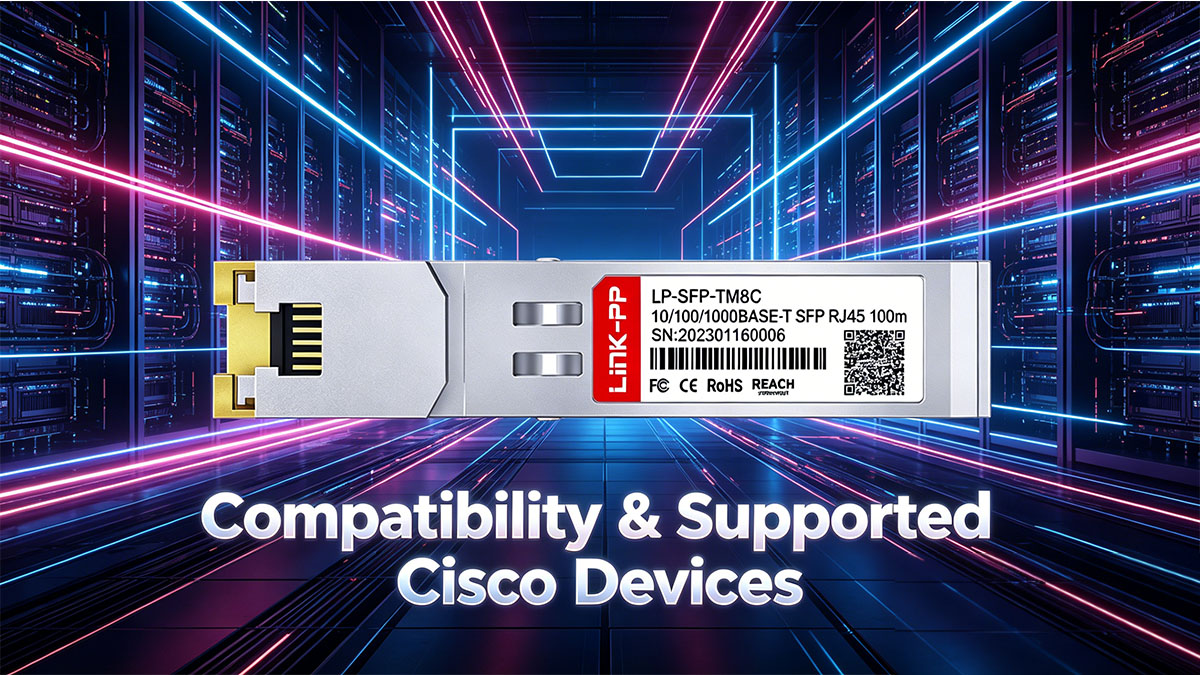
Cisco SFP-GE-T is designed to work across a wide range of Cisco switching and routing platforms that support 1G SFP copper interfaces. Compatibility depends on both hardware SFP slot support and software-level recognition within Cisco IOS or NX-OS environments.
In practical deployment, this module is most commonly used in access-layer and aggregation-layer devices where Gigabit Ethernet over copper is required without transitioning to fiber infrastructure.
Common Switch and Router Families
Cisco SFP-GE-T is widely supported across multiple Cisco product families, particularly those designed for enterprise LAN and campus networks.
Typical compatible device categories include:
- Cisco Catalyst access-layer switches (e.g., 2960, 3560, 3750 series)
- Cisco Catalyst distribution-layer switches in select configurations
- Cisco Nexus entry-level models with copper SFP support
- Select Cisco ISR (Integrated Services Router) models with SFP interfaces
These platforms are commonly used in enterprise networks where flexible port expansion and mixed media connectivity are required.
To better understand where SFP-GE-T fits in real deployments, the following table summarizes typical usage alignment:
| Device Category |
Deployment Layer |
Typical Use Case |
| Catalyst Access Switches |
Access Layer |
End device and server connectivity |
| Catalyst Distribution Switches |
Aggregation Layer |
Inter-switch uplinks |
| Nexus Entry Models |
Data Center Access |
Server rack connectivity |
| ISR Routers |
Edge / Branch |
WAN and LAN bridging |
This mapping shows that SFP-GE-T is primarily an access and aggregation layer component rather than a backbone transport module.
Firmware and IOS Considerations
Software compatibility plays a critical role in ensuring Cisco SFP-GE-T operates correctly within supported devices. While most modern Cisco platforms support it natively, certain configurations may require verification.
Key software-related considerations include:
- Cisco IOS versions must support 1000BASE-T SFP modules
- Some platforms may require updated firmware for proper detection
- Certain devices enforce strict transceiver validation policies
- “Service unsupported-transceiver” commands may be required in mixed environments
These conditions are more commonly encountered when using third-party compatible modules, but can occasionally appear in older Cisco hardware as well.
In addition, firmware behavior can influence how the module is recognized and operated within the system.
Common firmware-level behaviors include:
- Automatic detection of link speed and duplex mode
- Interface status reporting within Cisco CLI
- Compatibility checks during module initialization
- Logging of transceiver type and vendor ID
These mechanisms help ensure network stability but may restrict non-certified modules in certain secure configurations.
Cabling and Auto-Negotiation Requirements
Physical layer compatibility is another important factor in ensuring stable Cisco SFP-GE-T performance. Since the module operates over copper Ethernet, cabling quality and negotiation settings directly affect link reliability.
Recommended cabling practices include:
- Use of Cat5e or higher-grade Ethernet cables
- Maximum cable length of up to 100 meters
- Proper RJ-45 termination to avoid signal degradation
- Shielded cabling in high-interference environments when necessary
These requirements ensure that Gigabit transmission remains stable under standard enterprise conditions.
In terms of negotiation behavior, the module is designed to simplify deployment through automatic configuration.
Key auto-negotiation characteristics include:
- Automatic detection of 10/100/1000 Mbps link speed
- Full-duplex mode negotiation by default
- Seamless integration with Cisco switch port configurations
- Reduced need for manual interface tuning in typical deployments
This plug-and-play behavior is one of the reasons SFP-GE-T is widely used in enterprise access-layer networking.
💹 Market Availability & Sourcing Considerations
Cisco SFP-GE-T availability is shaped by a mix of official Cisco distribution channels, third-party suppliers, and secondary market circulation. In practice, sourcing conditions vary significantly depending on region, procurement scale, and whether original or compatible modules are required.
From a network procurement standpoint, availability is often just as important as price, especially in large-scale deployments where consistent stock supply is required to avoid project delays.
Authorized vs Third-Party Supply Channels
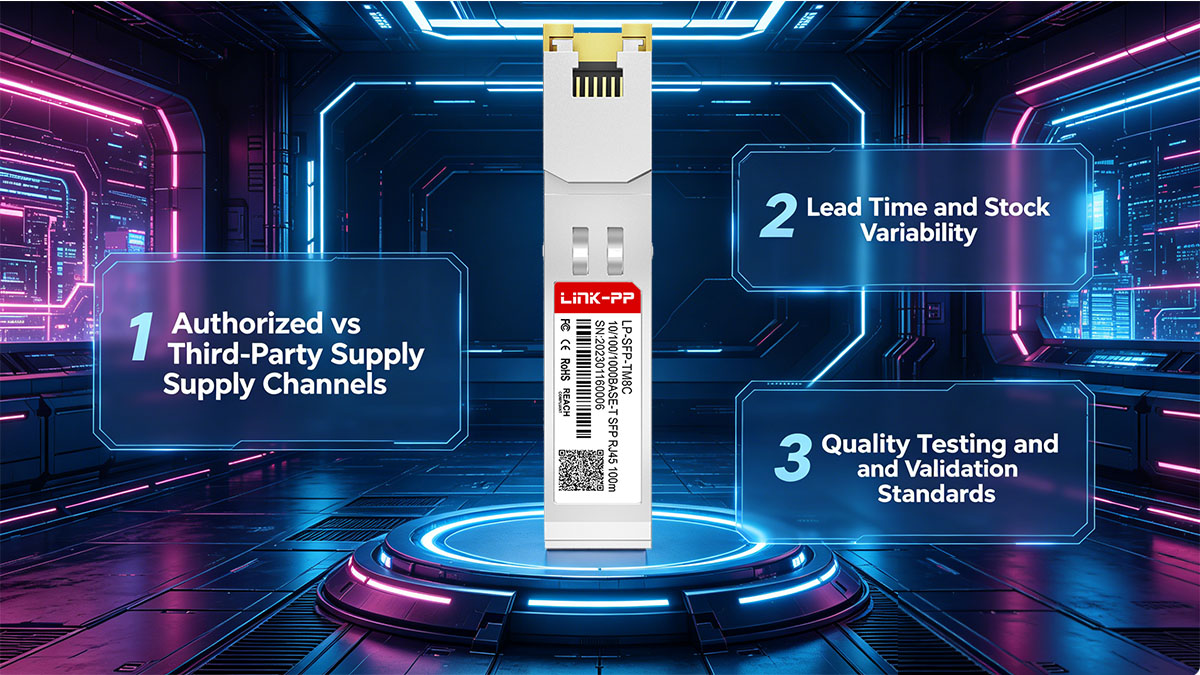
Cisco SFP-GE-T modules can be sourced through official Cisco channels or through independent suppliers offering compatible alternatives. Each channel has distinct implications for pricing stability, lead time, and validation assurance.
Key sourcing channels include:
- Cisco authorized distributors and enterprise partners
- Regional IT hardware resellers with Cisco certification access
- Third-party manufacturers producing compatible SFP modules
- Online enterprise hardware marketplaces and aggregators
These channels differ not only in price but also in quality assurance processes and firmware-level validation guarantees.
To better understand sourcing trade-offs, the following table summarizes typical differences between authorized and third-party channels:
| Sourcing Channel |
Product Type |
Validation Level |
Typical Availability |
| Cisco Authorized Distributor |
Original Cisco SFP-GE-T |
Full OEM certification |
Stable but controlled |
| Enterprise Reseller |
Original / mixed stock |
Cisco validated |
Region-dependent |
| Third-Party Manufacturer |
Compatible SFP-GE-T |
Vendor-specific testing |
High availability |
| Online Marketplaces |
Mixed supply |
Variable |
Fluctuating |
This structure highlights how sourcing decisions often involve balancing certification assurance with supply flexibility.
Lead Time and Stock Variability
Availability of Cisco SFP-GE-T modules can fluctuate depending on global supply chain conditions and procurement timing. This variability is especially relevant for large deployments requiring consistent port expansion.
Common lead-time influencing factors include:
- Global inventory allocation from Cisco distribution centers
- Regional demand spikes in enterprise upgrade cycles
- Semiconductor and electronics supply chain constraints
- Bulk procurement prioritization for large enterprise customers
These factors can result in differences between immediate availability and delayed fulfillment depending on ordering scale and region.
Stock variability also plays a role in short-term sourcing planning, particularly for organizations scaling network infrastructure.
Typical stock-related scenarios include:
- Short-term shortages during high-demand enterprise refresh cycles
- Temporary oversupply leading to competitive pricing adjustments
- Allocation delays for high-volume enterprise orders
- Limited availability of older production batches
These fluctuations make procurement planning an important part of network deployment strategy rather than a purely transactional decision.
Quality Testing and Validation Standards
Regardless of sourcing channel, quality assurance is a key factor in ensuring stable performance of Cisco SFP-GE-T modules in production environments. Testing standards vary between original Cisco supply and third-party manufacturers.
Common validation practices include:
- Burn-in testing under continuous network load conditions
- Optical and electrical signal integrity verification
- Compatibility testing with major Cisco switch platforms
- Environmental stress testing (temperature and power variation)
Original Cisco modules typically undergo standardized Cisco-controlled validation processes, while compatible modules rely on manufacturer-specific testing frameworks.
From a deployment risk perspective, validation differences can influence long-term operational stability:
- Original modules: predictable behavior under Cisco-certified testing
- Compatible modules: performance dependent on vendor quality control maturity
- Mixed environments: require careful compatibility verification
These considerations are especially important in mission-critical enterprise networks where downtime costs are high.
💹 Deployment Scenarios for Cisco SFP-GE-T
Cisco SFP-GE-T is most commonly deployed in short-reach Gigabit Ethernet environments where copper cabling is already available. Its main value lies in extending SFP-based switch ports into standard RJ-45 network infrastructures without requiring fiber optics.
In real-world network design, it is typically used in access and edge layers where cost-efficient, stable, and flexible connectivity is required over distances up to 100 meters.
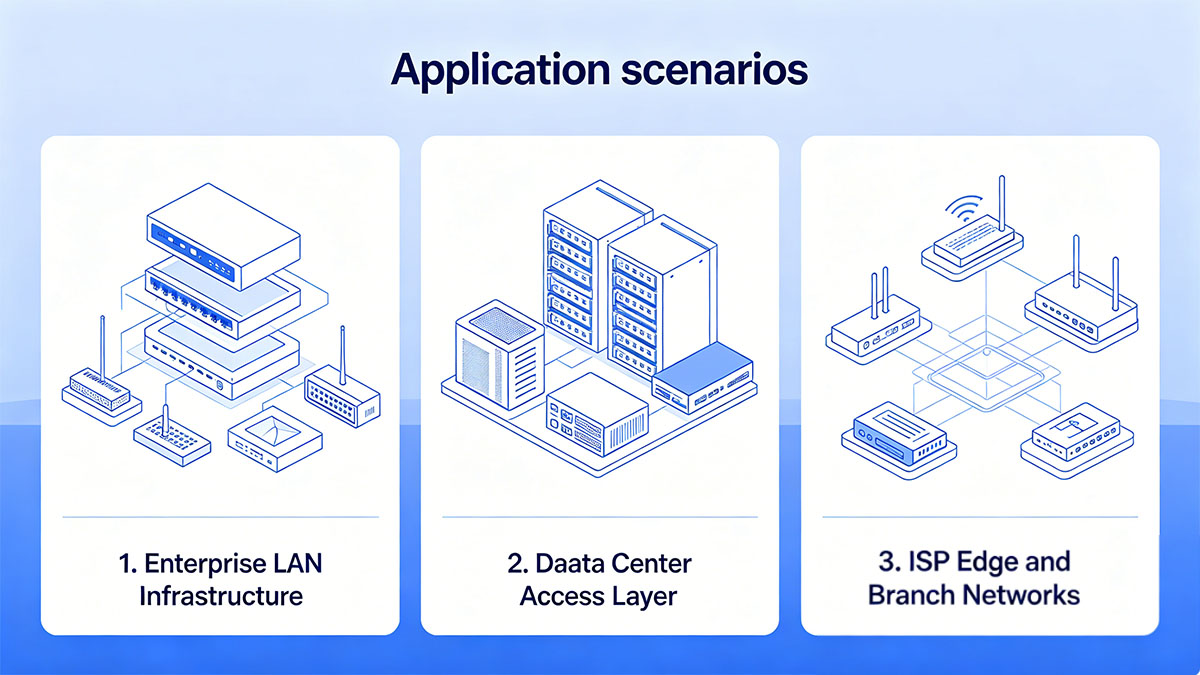
Enterprise LAN Infrastructure
In enterprise LAN environments, Cisco SFP-GE-T is widely used to connect users, devices, and switches within office buildings. It supports structured cabling systems where copper Ethernet is already deployed.
Typical deployment scenarios include:
- Connecting access switches across office floors
- Extending Gigabit ports to wiring closets
- Linking departmental switches within the same building
- Supporting mixed device environments (PCs, IP phones, printers)
These deployments benefit from its plug-and-play nature and compatibility with standard Ethernet cabling, reducing the need for additional fiber infrastructure.
To better illustrate its role in enterprise LAN design, the following table outlines common use patterns:
| Deployment Area |
Connection Type |
Primary Role |
| Office Floor Networks |
Switch-to-switch |
Access layer expansion |
| Wiring Closets |
Switch uplinks |
Local aggregation |
| Workstation Zones |
Switch-to-device |
End-user connectivity |
| Campus Buildings |
Inter-building links (short range) |
Distribution support |
This structure shows how SFP-GE-T fits into multiple layers of enterprise LAN architecture, primarily focusing on short-distance connectivity.
Data Center Access Layer
In data center environments, Cisco SFP-GE-T is typically used at the access layer where servers connect to top-of-rack (ToR) switches or where intra-rack communication is required.
Common use cases include:
- Server-to-switch connections within racks
- Top-of-rack switch uplinks over copper cabling
- Temporary or low-cost server connectivity setups
- Non-aggregation traffic paths in small-scale data centers
Its ability to support Gigabit speeds over copper makes it suitable for environments where fiber is not required for short-distance internal communication.
Key characteristics in data center deployment include:
- Simplified cabling compared to fiber-based SFP modules
- Reduced installation complexity in dense rack environments
- Flexible port utilization for mixed media networking
- Suitable for non-backbone traffic flows
However, in high-performance or spine-leaf architectures, fiber SFP modules are often preferred for scalability and lower latency consistency.
ISP Edge and Branch Networks
Cisco SFP-GE-T is also widely used in ISP edge networks and branch office deployments, where stable Gigabit connectivity is needed without complex fiber infrastructure.
Typical applications include:
- Branch office uplinks to regional hubs
- Edge router connectivity to local switches
- Customer premise equipment (CPE) integration
- Backup or redundant copper-based links
These environments often prioritize simplicity and rapid deployment over long-distance performance.
In branch network design, its role can be summarized as follows:
- Provides cost-effective Gigabit uplinks
- Supports legacy copper-based infrastructure
- Enables quick deployment in distributed locations
- Reduces dependency on fiber availability in remote sites
This makes it especially useful for organizations with geographically dispersed network nodes.
💹 How to Evaluate Value Beyond Price
Evaluating Cisco SFP-GE-T beyond its purchase cost involves assessing long-term operational stability, compatibility assurance, and total infrastructure impact. In enterprise networking, the lowest unit price does not always translate into the lowest total cost, especially when deployment scale and downtime risks are considered.
A more complete evaluation focuses on reliability, lifecycle behavior, and operational efficiency rather than only upfront pricing.
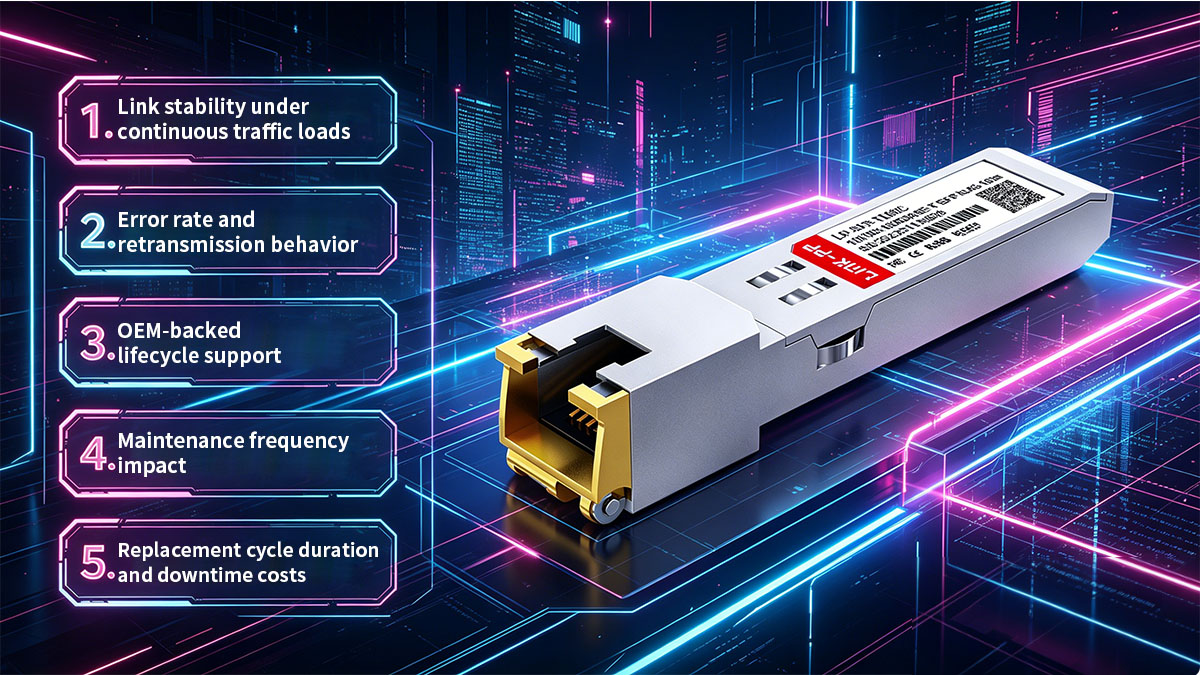
Reliability and Stability Metrics
One of the most important value indicators beyond price is how consistently the module performs under real network conditions. Stability directly affects network uptime and maintenance overhead.
Key reliability factors include:
- Link stability under continuous traffic load
- Error rate consistency during peak utilization
- Performance under high port density environments
- Thermal behavior in fully populated switch chassis
In production environments, even small variations in stability can lead to increased troubleshooting time and higher operational cost over time.
To structure reliability evaluation, the following comparison outlines key operational metrics:
| Metric |
High-Quality Module Behavior |
Lower-Consistency Behavior |
| Link Stability |
Consistent under load |
Occasional link fluctuation |
| Error Rate |
Low and stable |
Variable under stress |
| Thermal Performance |
Predictable heat output |
Higher variability |
| Long-Term Operation |
Stable over months/years |
May degrade under heavy use |
This type of comparison helps network teams assess real operational value instead of focusing solely on unit cost.
Warranty and Support Considerations
Support structure plays a significant role in determining long-term value, particularly in enterprise environments where downtime costs are high.
Important support-related aspects include:
- Vendor-backed hardware replacement options
- Cisco technical support eligibility for original modules
- Firmware and compatibility update access
- Defined product lifecycle support timelines
Original Cisco modules typically provide predictable support pathways, while third-party modules vary depending on manufacturer policies and service levels.
Support value can be evaluated through practical operational needs:
- Mission-critical networks: require guaranteed vendor response support
- Standard enterprise LANs: may tolerate mixed support models
- Non-critical environments: often prioritize flexibility over formal support
This alignment helps ensure that support expectations match business risk levels.
Total Cost of Ownership Perspective
Total cost of ownership (TCO) provides a more complete view of Cisco SFP-GE-T value by including operational, maintenance, and lifecycle factors beyond initial procurement cost.
Key TCO components include:
- Deployment and configuration time
- Maintenance frequency and troubleshooting effort
- Replacement cycles and hardware lifespan
- Downtime costs due to link instability
In large-scale deployments, even small differences in reliability can scale into significant operational expenses.
A simplified breakdown of TCO considerations is shown below:
| Cost Component |
Impact Area |
Long-Term Effect |
| Initial Module Cost |
Procurement budget |
Short-term impact |
| Maintenance Effort |
IT operational workload |
Medium-term impact |
| Downtime Risk |
Business continuity |
High-impact factor |
| Replacement Cycle |
Hardware lifecycle planning |
Long-term cost driver |
This model shows that operational stability and support efficiency often outweigh upfront pricing differences.
💹 Common Issues & Troubleshooting
Cisco SFP-GE-T deployments are generally stable, but like any copper-based SFP module, they can experience issues related to compatibility, cabling quality, and negotiation behavior. Most problems are not hardware failures but configuration or physical layer mismatches.
In practice, troubleshooting focuses on link detection, speed negotiation, and cabling integrity rather than replacing the module itself.
Link Not Detected
One of the most common issues is when the switch does not recognize the Cisco SFP-GE-T module or the interface remains down after insertion.
Typical causes include:
- Incompatible Cisco device or unsupported SFP slot type
- Outdated Cisco IOS or NX-OS firmware version
- Improper module seating in the SFP port
- Strict transceiver validation policies on the switch
Resolution steps generally follow a structured approach:
- Verify device compatibility with 1000BASE-T SFP support
- Check system logs for transceiver detection errors
- Reseat the module and restart the interface
- Confirm firmware version supports copper SFP modules
In some environments, administrators may need to adjust interface settings if third-party compatible modules are used.
Speed Negotiation Problems
Another frequent issue involves incorrect or unstable link speed negotiation between devices connected through SFP-GE-T.
Common symptoms include:
- Link up but running at 100Mbps instead of 1Gbps
- Intermittent connectivity drops
- Duplex mismatch warnings in system logs
Root causes often include:
- Auto-negotiation conflicts with legacy network devices
- Manually configured speed settings on one side of the link
- Incompatible or low-quality copper cabling
Recommended corrective actions:
- Ensure both endpoints support auto-negotiation
- Verify interface speed is set to “auto” where possible
- Replace or test with certified Cat5e or Cat6 cabling
- Check for firmware-related negotiation bugs on older switches
Cable Quality and Distance Limitations
Since Cisco SFP-GE-T operates over copper Ethernet, physical cabling quality has a direct impact on performance stability. Even when the module itself is functioning correctly, poor cabling can cause link degradation.
Typical cable-related issues include:
- Use of damaged or low-grade Ethernet cables
- Exceeding the 100-meter maximum transmission distance
- Poor RJ-45 termination causing signal reflection
- High electromagnetic interference in industrial environments
Troubleshooting steps include:
- Replace cables with certified Cat5e, Cat6, or higher
- Reduce cable length to within recommended limits
- Test link stability with a known-good cable
- Relocate cabling away from high-interference sources
To summarize cable-related impact on performance:
| Cable Factor |
Expected Impact |
Troubleshooting Action |
| Cable Quality |
Link instability or errors |
Replace with Cat5e/Cat6 |
| Distance >100m |
Signal degradation |
Reduce physical length |
| Poor Termination |
Packet loss |
Re-terminate RJ-45 ends |
| EMI Exposure |
Intermittent drops |
Re-route cabling |
Compatibility and Firmware Conflicts
In mixed environments, especially where compatible (non-Cisco) modules are used, firmware and compatibility policies can introduce additional issues.
Common symptoms include:
- “Unsupported transceiver” warnings in logs
- Interface shutdown after module insertion
- Limited functionality despite physical link detection
Typical causes:
- Cisco IOS enforcement of vendor ID checks
- Incompatible EEPROM coding in third-party modules
- Older switch firmware lacking updated compatibility tables
Possible solutions:
- Verify module vendor coding compatibility with Cisco platforms
- Update switch firmware to latest stable release
- Enable supported transceiver override settings where appropriate
- Standardize module sourcing across the network
💹 Conclusion
Cisco SFP-GE-T remains a widely used 1G copper SFP module that plays a stable role in enterprise access networks, data center edge connectivity, and branch office deployments. Its value comes from standardized Gigabit Ethernet support over RJ-45 cabling, broad compatibility with Cisco switching platforms, and flexible deployment within existing copper infrastructure. At the same time, pricing differences between original and compatible versions are mainly driven by certification level, supply chain structure, and lifecycle stage rather than core transmission capability.
Across all evaluation dimensions, the most important takeaway is that Cisco SFP-GE-T should not be assessed by price alone. Deployment stability, firmware compatibility, cabling conditions, and long-term operational support all contribute to its real-world value. In large-scale networks, these factors directly influence maintenance overhead, uptime consistency, and total infrastructure cost over time.
Key points to retain include:
- Cisco SFP-GE-T supports stable 1Gbps transmission over copper up to 100 meters
- Original modules prioritize Cisco ecosystem validation and long-term support assurance
- Compatible modules offer cost flexibility but vary by vendor quality and firmware behavior
- Deployment success depends heavily on cabling quality and device compatibility
- Lifecycle and supply chain conditions significantly impact market pricing and availability
For organizations planning scalable network expansion or hardware replacement strategies, selecting a reliable sourcing channel is essential to maintaining consistent performance across deployments. Platforms such as the LINK-PP Official Store provide options for both compatible and enterprise-grade optical and copper transceivers, helping balance availability, cost efficiency, and deployment reliability in different network scenarios.