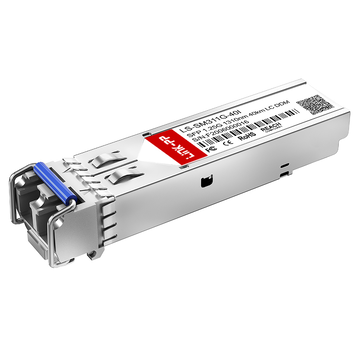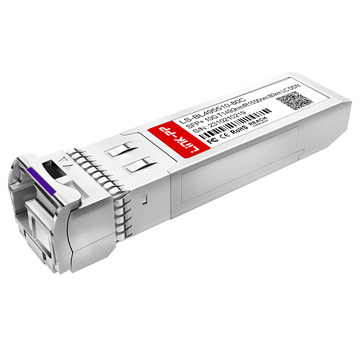
Moxa SFP-1GLHXLC-T is widely used in industrial Ethernet environments where stable, long-distance fiber connectivity is required. In modern industrial networks, reliable data transmission is not only about speed but also about resilience, temperature tolerance, and resistance to electrical noise. This is where industrial-grade SFP transceivers like the Moxa SFP-1GLHXLC-T play a critical role in maintaining uninterrupted communication across demanding environments.
This optical module is designed to support Gigabit Ethernet over single-mode fiber, making it suitable for long-range communication links between industrial switches, control systems, and remote network nodes. Unlike standard commercial SFP modules, it is engineered for harsher operating conditions, including wide temperature ranges and electrically noisy environments commonly found in factories, transportation systems, and utility infrastructures.
For engineers and network planners, understanding the capabilities and deployment considerations of the Moxa SFP-1GLHXLC-T is essential when designing scalable and stable fiber networks. Selection of the right optical module directly impacts network uptime, signal integrity, and long-term maintenance costs, especially in mission-critical industrial applications.
This article will provide a structured overview of its technical characteristics, compatibility requirements, deployment scenarios, and practical operational considerations to help build a clearer understanding of how this module fits into industrial fiber networking architectures.
🧾 What Is Moxa SFP-1GLHXLC-T?
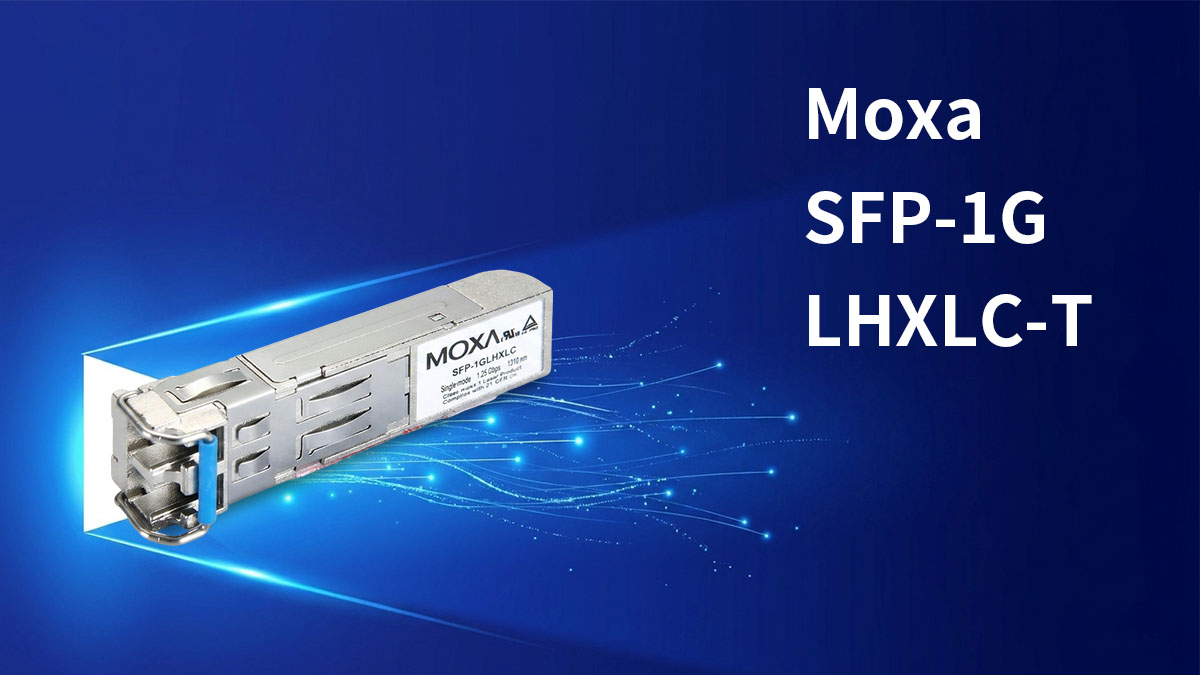
Moxa SFP-1GLHXLC-T is an industrial-grade 1G SFP transceiver designed for long-distance data transmission over single-mode fiber. It is primarily used in industrial networking environments where stable optical communication, wide temperature tolerance, and resistance to electrical interference are required. In practical terms, it enables reliable fiber connectivity between industrial switches and remote network devices across extended distances.
Overview of the Industrial SFP Module
The Moxa SFP-1GLHXLC-T belongs to the family of Small Form-factor Pluggable (SFP) transceivers used in Gigabit Ethernet networks. It converts electrical signals from networking equipment into optical signals transmitted through fiber cables, and then converts them back at the receiving end.
To better understand its role in industrial networks, it is helpful to break down its core function:
- It enables fiber-based communication between industrial switches and devices
- It supports high-speed Gigabit Ethernet transmission
- It ensures stable long-distance connectivity in electrically noisy environments
In industrial network architecture, this module is typically used as a backbone connectivity component rather than an end-device interface.
Core Technical Specifications
From a technical standpoint, the Moxa SFP-1GLHXLC-T is defined by its Gigabit transmission capability, single-mode fiber support, and industrial-grade environmental tolerance. These characteristics determine its suitability for long-distance and mission-critical network deployments.
Before reviewing individual parameters, it is important to understand that industrial SFP modules are evaluated based on optical performance stability, environmental resistance, and transmission reliability rather than speed alone.
| Parameter | Specification |
|---|---|
| Data Rate | 1.25Gbps (Gigabit Ethernet) |
| Fiber Type | Single-mode fiber (SMF) |
| Connector Type | LC duplex |
| Wavelength | 1310nm optical transmission window |
| Transmission Distance | Up to ~40km-class (depending on fiber quality and link conditions) |
| Operating Temperature | Industrial wide-temperature range |
These specifications indicate that the module is optimized for stable long-distance communication rather than short-range high-density switching applications.
Why Industrial Networks Require Specialized Optical Modules
Industrial environments place significantly higher demands on networking hardware compared to enterprise or office settings. Standard commercial SFP modules often fail to maintain reliability under such conditions.
To address these challenges, industrial optical modules like the Moxa SFP-1GLHXLC-T are designed with enhanced durability and stability in mind.
Key reasons industrial networks require specialized modules include:
- High electromagnetic interference from motors, drives, and power systems
- Extreme temperature variations in outdoor or unregulated environments
- Mechanical stress caused by vibration or physical movement
- Requirement for continuous uptime in mission-critical operations
In response to these conditions, industrial SFP modules prioritize:
- Stable optical signal transmission under interference
- Wider operating temperature tolerance
- Improved long-term reliability and reduced failure rates
As a result, the Moxa SFP-1GLHXLC-T is commonly selected in environments where network downtime is not acceptable and where consistent fiber performance is essential for operational continuity.
🧾 Key Features of Moxa SFP-1GLHXLC-T
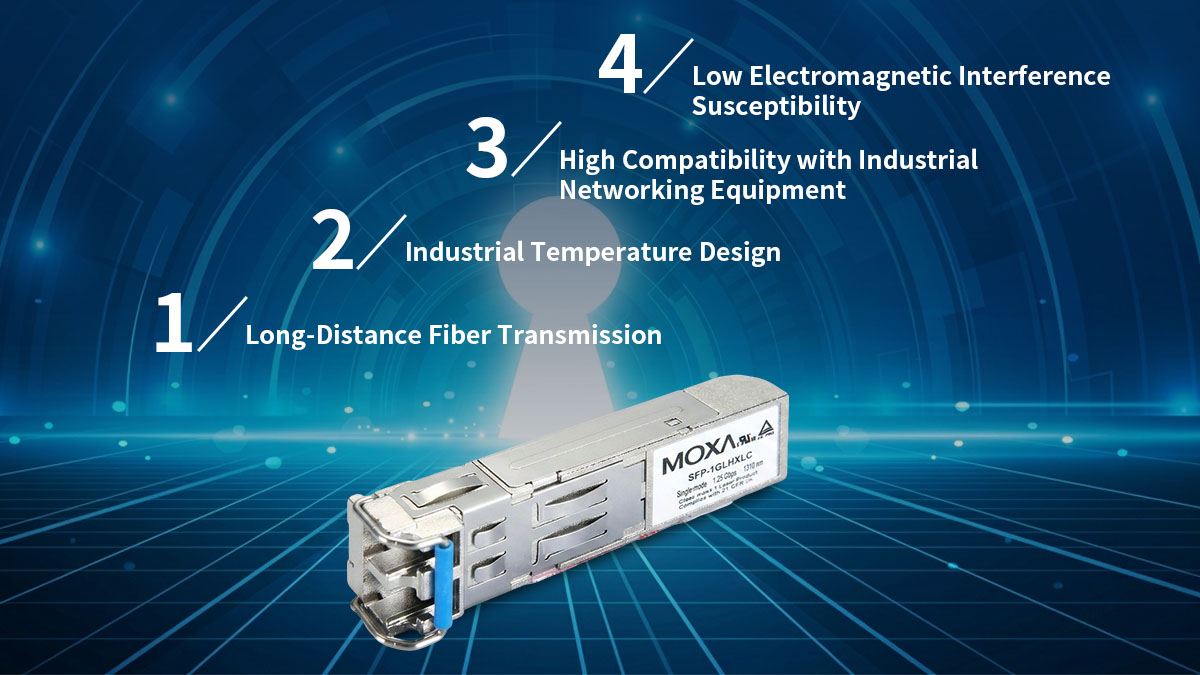
The key features of Moxa SFP-1GLHXLC-T are centered on long-distance optical transmission, industrial-grade durability, and stable Gigabit Ethernet performance. These characteristics make it suitable for demanding industrial environments where communication reliability is more important than cost or simplicity. In practical deployment, its features directly support stable fiber connectivity in mission-critical industrial networks.
Long-Distance Fiber Transmission Capability
From a transmission perspective, Moxa SFP-1GLHXLC-T is optimized for long-range communication over single-mode fiber, making it suitable for backbone links in distributed industrial systems.
This capability is important because industrial facilities often span large physical areas where copper cabling is not practical. The module supports stable optical communication over long distances, ensuring consistent data delivery between remote network nodes.
Key advantages of long-distance transmission include:
- Reliable connectivity between geographically separated industrial sites
- Reduced need for intermediate networking equipment
- Stable performance across large-scale infrastructure layouts
In practical use, this feature is especially valuable in factories, transportation systems, and utility networks where devices are spread across extended physical environments.
Industrial-Grade Temperature Resistance
From an environmental durability perspective, Moxa SFP-1GLHXLC-T is designed to operate reliably under wide temperature conditions commonly found in industrial deployments.
Industrial environments often expose networking equipment to extreme heat, cold, or fluctuating outdoor conditions, which can degrade standard optical module performance. This module addresses those challenges through reinforced thermal tolerance design.
Key benefits include:
- Stable operation in both high-temperature and low-temperature environments
- Reduced risk of performance degradation due to environmental stress
- Improved reliability in outdoor and semi-outdoor installations
This makes it suitable for applications such as rail systems, power substations, and outdoor surveillance networks.
High Compatibility with Industrial Networking Equipment
From a system integration perspective, Moxa SFP-1GLHXLC-T is designed to work seamlessly with Moxa industrial Ethernet switches and related networking devices.
This compatibility ensures smooth deployment without complex configuration or additional hardware adjustments. In many cases, the module can be inserted directly into supported devices and become operational immediately.
Key compatibility advantages include:
- Plug-and-play integration with supported Moxa industrial switches
- Reduced configuration complexity during deployment
- Stable recognition and operation across industrial networking platforms
This simplifies network expansion and maintenance, especially in large-scale industrial infrastructures where consistency and standardization are critical.
Enhanced Resistance to Electromagnetic Interference
From an operational reliability standpoint, the module benefits significantly from fiber-based transmission, which inherently resists electromagnetic interference (EMI).
Industrial environments often contain heavy electrical equipment that generates strong electromagnetic noise, which can disrupt copper-based communication systems. Fiber optic transmission eliminates this risk.
Key benefits of EMI resistance include:
- Stable signal transmission in electrically noisy environments
- Reduced packet loss and communication errors
- Improved reliability in industrial automation systems
This makes the module particularly suitable for environments such as manufacturing plants, power facilities, and transportation control systems where electromagnetic interference is unavoidable.
🧾 Moxa SFP-1GLHXLC-T Technical Specifications Explained
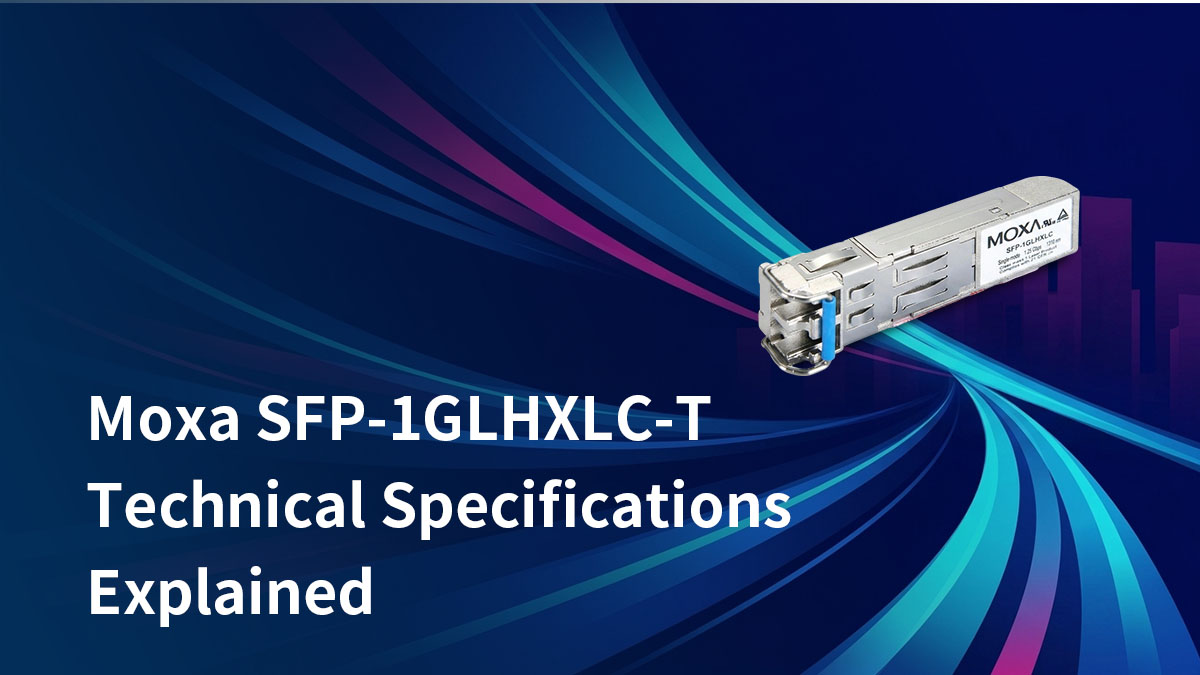
The technical specifications of Moxa SFP-1GLHXLC-T define how the module performs in real industrial networking environments. These parameters determine compatibility, transmission stability, and deployment limitations. In practice, understanding these specifications is essential for ensuring correct fiber selection, distance planning, and long-term network reliability.
Fiber Type and Connector Standard
From a physical layer perspective, Moxa SFP-1GLHXLC-T is designed for single-mode fiber transmission using a standardized LC duplex connector interface.
This combination is widely used in industrial and enterprise fiber networks because it supports stable long-distance communication with low signal attenuation.
Key characteristics include:
- Single-mode fiber (SMF) optimized for long-distance transmission
- LC duplex connector for standardized plug-and-play fiber connections
- Low insertion loss design for improved signal integrity
In practical deployment, single-mode fiber ensures that signals can travel longer distances with minimal degradation, while LC connectors provide compact and reliable physical connections in industrial equipment racks.
Optical Wavelength and Transmission Distance
From an optical transmission perspective, the module operates in the 1310nm wavelength window, which is commonly used for Gigabit Ethernet long-reach applications over single-mode fiber.
This wavelength is selected because it offers a good balance between transmission distance and signal attenuation, making it suitable for industrial backbone networks.
Key parameters can be summarized as follows:
| Parameter | Description |
|---|---|
| Wavelength | 1310nm optical transmission range |
| Transmission Distance | Typically up to 40km-class links depending on fiber quality |
| Fiber Type Dependency | Single-mode fiber required for full distance performance |
These values indicate that the module is designed for medium-to-long-range industrial communication rather than short-range access connections.
Power Consumption and Operational Efficiency
From an operational efficiency standpoint, Moxa SFP-1GLHXLC-T is designed to maintain low power consumption while ensuring stable optical output performance.
In industrial environments, minimizing power usage per module helps reduce overall thermal load within networking equipment, especially in high-density deployments.
Key efficiency benefits include:
- Low power design reduces heat generation inside switches
- Improved thermal stability contributes to longer hardware lifespan
- Reduced cooling requirements in industrial enclosures
These advantages are particularly important in sealed industrial cabinets or outdoor installations where thermal management options are limited.
Digital Diagnostic Monitoring (DDM) Support
From a monitoring and maintenance perspective, Moxa SFP-1GLHXLC-T supports digital diagnostic functions that allow real-time visibility into optical performance parameters.
This capability is critical in industrial networks where proactive maintenance is preferred over reactive troubleshooting.
Typical monitored parameters include:
- Optical output power (Tx)
- Received optical power (Rx)
- Module temperature
- Supply voltage levels
These indicators help network engineers identify potential issues such as signal degradation, fiber damage, or environmental stress before they lead to network failure.
🧾 Common Deployment Scenarios for Moxa SFP-1GLHXLC-T
The Moxa SFP-1GLHXLC-T is widely deployed in industrial networks that require stable long-distance fiber communication. With its 40km long-reach capability over single-mode fiber, it is typically used in backbone-level connections where reliability, distance, and resistance to environmental interference are critical. In practical network design, this module is not limited to a single industry but is applied across multiple mission-critical infrastructures.

Industrial Automation Networks
From an industrial automation perspective, Moxa SFP-1GLHXLC-T is commonly used to connect distributed control systems across large manufacturing facilities. These environments often require stable fiber backbones to ensure real-time communication between production lines, control rooms, and monitoring systems.
Typical deployment roles include:
- Connecting PLCs, industrial switches, and SCADA systems across factory zones
- Enabling backbone communication between production halls
- Supporting real-time control and monitoring data transmission
In large-scale factories, equipment is often spread across different buildings or zones. The 40km transmission capability allows seamless interconnection without requiring intermediate signal regeneration, improving both system simplicity and reliability.
Transportation and Railway Infrastructure
From a transportation systems perspective, this module is used in railway signaling, traffic control, and transportation monitoring networks where long-distance and high-reliability communication is essential.
In these environments, network continuity directly affects operational safety and scheduling accuracy.
Common use cases include:
- Railway signaling and control system interconnection
- Communication links between stations and control centers
- Traffic monitoring and intelligent transportation systems (ITS)
Fiber-based communication ensures immunity to electromagnetic interference generated by electric traction systems, making it particularly suitable for rail and metro infrastructure where electrical noise is a major challenge.
Power Utilities and Substation Networks
From a power system perspective, Moxa SFP-1GLHXLC-T is widely deployed in electrical substations and smart grid communication networks. These environments require highly reliable and interference-resistant communication channels due to high-voltage equipment and strong electromagnetic fields.
Typical applications include:
- Substation-to-substation communication links
- Integration of SCADA systems in power distribution networks
- Remote monitoring of transformers and switchgear
The use of fiber optics eliminates risks associated with electromagnetic interference, ensuring stable data transmission even in high-voltage environments. The 40km reach capability also supports wide-area utility grid interconnections.
Video Surveillance and Security Systems
From a security infrastructure perspective, this module is often used in large-scale IP surveillance systems where high-bandwidth and long-distance transmission are required.
Modern surveillance deployments frequently span campuses, industrial parks, or city-wide environments, requiring reliable fiber backbones.
Common applications include:
- Connecting remote IP cameras to centralized control centers
- Supporting video transmission across large industrial or urban areas
- Building fiber backbone networks for security monitoring platforms
Fiber-based transmission ensures stable video quality without signal degradation, even over long distances. This is particularly important for high-resolution surveillance systems where data integrity directly impacts monitoring effectiveness.
🧾 Compatibility Considerations for Moxa SFP-1GLHXLC-T
Compatibility is a critical factor when deploying the Moxa SFP-1GLHXLC-T in industrial networks because optical modules must match both the host equipment and the fiber infrastructure. Although it is designed for industrial-grade environments, successful operation depends on correct device support, firmware recognition, and proper optical pairing.

Compatible Moxa Industrial Switches
From a device-level perspective, the Moxa SFP-1GLHXLC-T is primarily intended for use with Moxa industrial Ethernet switches and networking equipment that support SFP interfaces.
In practical deployment, compatibility is typically determined by official product matrices and device-level validation rather than generic SFP standards alone.
Key compatibility considerations include:
- Support for SFP slots in Moxa industrial switches and routers
- Verified compatibility lists provided by Moxa product documentation
- Firmware versions that ensure proper module recognition and operation
In real-world industrial deployments, using validated combinations reduces the risk of link instability, module detection failure, or performance inconsistencies. This is especially important in mission-critical systems where downtime is not acceptable.
Interoperability with Third-Party Networking Equipment
From an interoperability perspective, Moxa SFP-1GLHXLC-T may physically fit into standard SFP ports on third-party switches, but functional compatibility is not always guaranteed.
This is because optical modules can be subject to vendor-specific coding or EEPROM identification mechanisms that affect recognition by non-Moxa devices.
Key interoperability factors include:
- Standard SFP physical compliance with Gigabit Ethernet interfaces
- Potential vendor-specific identification or coding restrictions
- Differences in firmware interpretation of optical parameters
In some cases, the module may operate normally in third-party equipment, while in others it may be restricted or flagged as unsupported. Therefore, compatibility verification is essential before deployment in mixed-vendor environments.
Fiber Infrastructure Compatibility
From a physical layer perspective, compatibility also depends heavily on the fiber infrastructure used in the network. Since Moxa SFP-1GLHXLC-T operates over single-mode fiber with LC duplex connectors, the surrounding optical plant must be properly designed and maintained.
Key infrastructure considerations include:
- Use of single-mode fiber compliant with long-reach 1310nm transmission
- Proper LC connector termination and polishing quality
- Controlled insertion loss across patch panels and splicing points
Even when the module is fully compatible with network hardware, poor fiber quality or excessive attenuation can significantly reduce transmission performance over long distances.
🧾 Installation Best Practices
Proper installation of the Moxa SFP-1GLHXLC-T is essential to ensure stable 40km optical performance and long-term reliability in industrial environments. Even though the module is designed for rugged conditions, incorrect handling or poor fiber practices can still lead to signal loss, unstable links, or premature degradation.
Proper SFP Module Handling Procedures
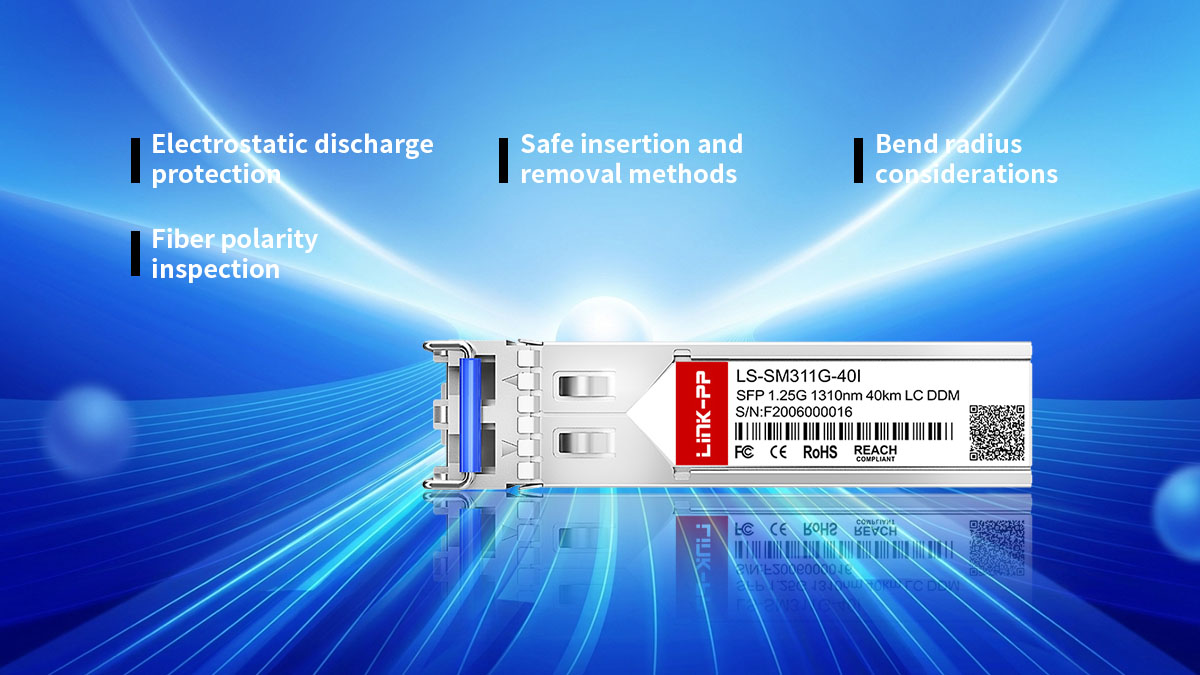
From a hardware handling perspective, Moxa SFP-1GLHXLC-T should always be treated as a sensitive optical component, even in industrial-grade applications.
Correct handling practices help prevent electrostatic damage and connector contamination, both of which can degrade optical performance.
Key handling practices include:
- Always use anti-static protection (ESD wrist strap or grounded work surface)
- Avoid touching the optical interface directly to prevent contamination
- Insert and remove the module gently to avoid damaging the SFP cage
- Keep dust caps installed when the module is not in use
These precautions help maintain optical integrity and ensure stable signal transmission once the module is deployed in the network.
Fiber Cable Management Recommendations
From a cabling perspective, fiber management plays a major role in maintaining stable long-distance communication performance, especially for 40km-class links where signal loss margins are more sensitive.
Proper cable management helps minimize physical stress and optical degradation over time.
Recommended practices include:
- Maintain appropriate bend radius to avoid micro-bending losses
- Use structured routing paths with proper labeling for identification
- Avoid excessive pulling or tension on fiber cables during installation
- Protect outdoor fiber routes using conduits or industrial-grade enclosures
In industrial environments, vibration and mechanical movement are common, so securing fiber paths properly is essential to prevent gradual performance degradation.
Verifying Optical Link Performance
From a commissioning perspective, verifying optical performance after installation ensures that the 40km link operates within expected optical budget limits.
This step is critical for identifying issues early, before the network becomes operationally dependent on the connection.
Key verification steps include:
- Checking link status indicators on connected network devices
- Measuring optical power levels using appropriate test equipment
- Validating end-to-end connectivity under full load conditions
- Monitoring for packet loss or transmission errors during initial operation
In practice, optical power testing is particularly important for long-reach deployments, as even small connector losses or fiber imperfections can significantly impact link stability over extended distances.
Proper verification ensures that the installed system operates within safe optical margins and supports long-term industrial reliability.
🧾 Troubleshooting Common Issues
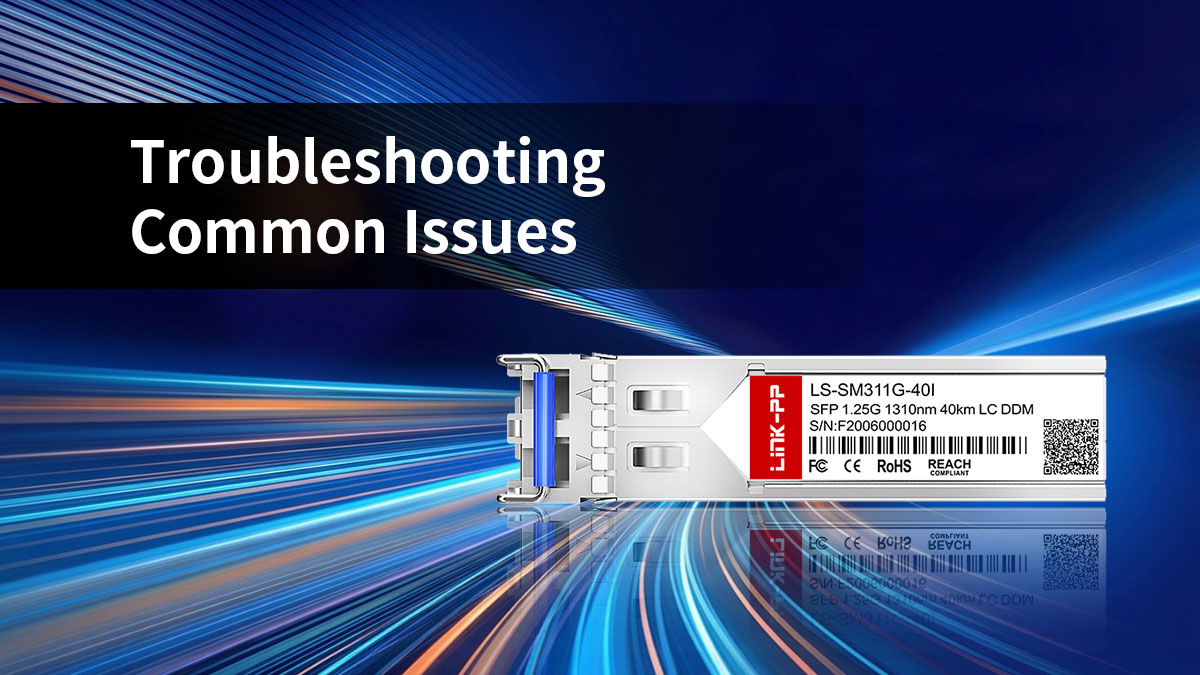
In real-world deployments of the Moxa SFP-1GLHXLC-T, issues are typically related to fiber condition, compatibility, or optical power budget rather than module failure itself. Because the module operates in long-reach 40km optical links, even small installation or environmental deviations can impact link stability. A structured troubleshooting approach helps quickly isolate and resolve problems while maintaining network uptime.
Optical Link Not Detected
From a connectivity standpoint, one of the most common issues is when the optical link is not detected by the network device. This usually indicates a problem at the physical or compatibility layer rather than the module itself.
Typical root causes include:
- SFP module not fully seated in the SFP slot
- Incompatible or unsupported host device configuration
- Dirty or damaged LC fiber connectors
- Incorrect fiber polarity (Tx/Rx reversed)
Recommended troubleshooting actions include:
- Re-insert the fiber optic SFP module firmly into the slot
- Verify device compatibility and SFP support status
- Clean fiber connectors using proper fiber cleaning tools
- Check and correct fiber polarity alignment
In most cases, resolving physical connection issues restores normal link detection without requiring module replacement.
Intermittent Connectivity Problems
From a stability perspective, intermittent link behavior often indicates marginal optical conditions or environmental influence affecting signal integrity over long distances.
Common contributing factors include:
- Loose fiber connections or micro-movements in cabling
- Vibration in industrial environments affecting physical alignment
- Near-limit optical power budget due to long-distance deployment
- Aging or degraded fiber infrastructure
Recommended corrective actions include:
- Secure all fiber connections and eliminate mechanical stress points
- Inspect fiber routing for vibration-prone sections
- Recalculate optical budget to ensure sufficient margin for 40km links
- Replace or re-terminate degraded fiber segments if necessary
Intermittent issues are often early indicators of physical layer instability and should be addressed proactively to avoid full link failure.
Excessive Optical Loss
From an optical performance perspective, excessive signal loss is a critical issue that directly affects long-distance transmission reliability. In a 40km-class link, even minor attenuation increases can significantly impact signal quality.
Typical causes include:
- Dirty or contaminated LC connectors
- Poor-quality or damaged fiber cables
- Excessive splicing or patch panel losses
- Fiber bending beyond recommended radius
Recommended troubleshooting steps:
- Clean all optical connectors and inspect for contamination
- Test fiber segments individually to isolate loss points
- Review fiber routing to eliminate tight bends or physical stress
- Replace damaged or low-quality fiber components if needed
Maintaining proper optical budget is essential for stable operation, especially in long-reach industrial deployments.
Temperature-Related Performance Issues
From an environmental perspective, although the Moxa SFP-1GLHXLC-T is designed for industrial temperature ranges, extreme or poorly ventilated installations can still impact performance stability.
Potential causes include:
- Enclosures exceeding recommended operating temperature range
- Insufficient airflow in sealed industrial cabinets
- Heat accumulation from nearby networking or power equipment
Recommended mitigation actions include:
- Improve ventilation or add thermal management within enclosures
- Relocate devices away from high-heat sources where possible
- Monitor temperature levels using system diagnostics if available
- Ensure installation environment remains within specified limits
Thermal stability is essential for maintaining consistent optical output and ensuring long-term reliability of the fiber link.
🧾 Future Trends in Industrial Fiber Networking
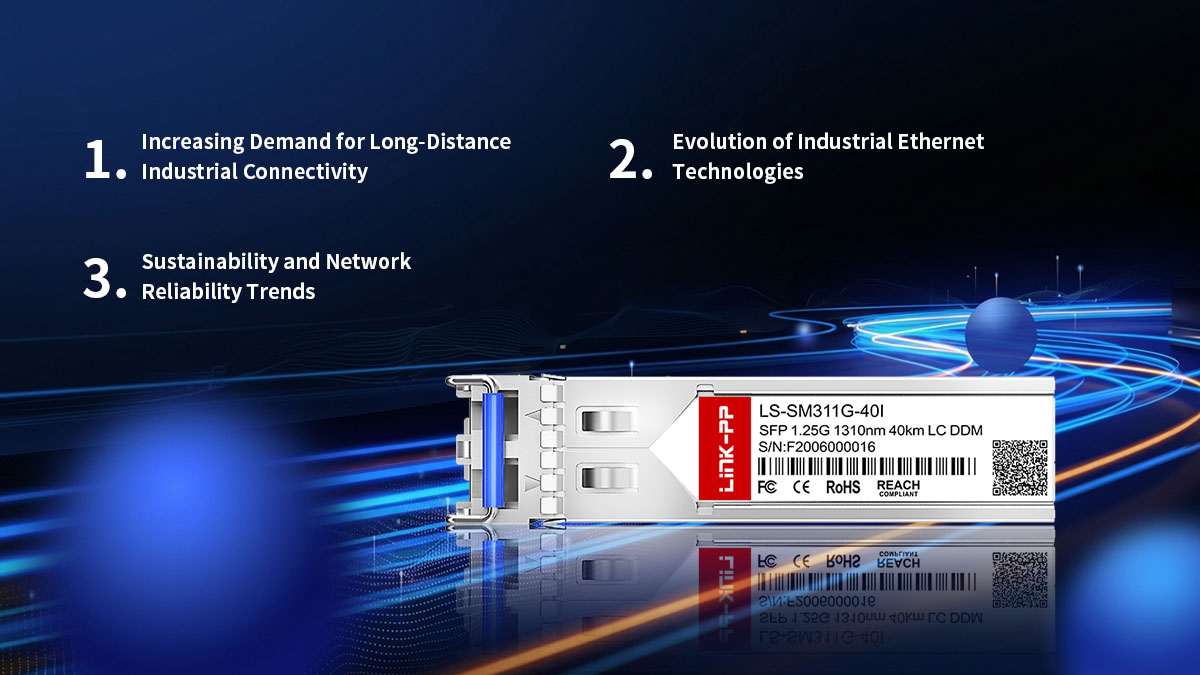
Industrial fiber networking is evolving rapidly as modern infrastructure increasingly relies on high-reliability, long-distance, and interference-resistant communication systems. Modules like the Moxa SFP-1GLHXLC-T, with 40km long-reach capability, represent an important foundation in this evolution. Future developments are expected to focus on higher integration, smarter diagnostics, and greater network scalability across industrial environments.
Increasing Demand for Long-Reach Industrial Connectivity
From an infrastructure perspective, one of the strongest trends is the growing demand for long-distance fiber connectivity in industrial environments. As factories, energy systems, and transportation networks expand geographically, the need for stable 40km-class optical links continues to rise.
Key driving factors include:
- Expansion of smart factories across multiple buildings or campuses
- Growth of smart city and transportation monitoring systems
- Increasing reliance on centralized industrial control platforms
This trend reinforces the importance of long-reach SFP modules that can maintain stable performance over extended distances without requiring intermediate signal regeneration.
Evolution Toward Intelligent Optical Monitoring
From an operational intelligence perspective, industrial fiber networking is shifting toward more advanced monitoring and diagnostic capabilities. Optical modules are no longer passive components but are becoming data sources for network health analysis.
Future development directions include:
- Enhanced digital diagnostic monitoring (DDM) accuracy
- Real-time optical power and temperature analytics
- Predictive failure detection based on performance trends
These improvements allow network operators to identify potential issues before they affect system performance, improving overall uptime and reducing maintenance costs in industrial environments.
Integration with Industrial IoT and Edge Computing
From a system architecture perspective, industrial fiber networks are increasingly integrated with Industrial IoT (IIoT) and edge computing platforms. This integration increases the importance of stable, low-latency, and high-reliability optical connections.
Key integration trends include:
- Fiber backbone support for distributed edge computing nodes
- Real-time data transmission from sensors and industrial devices
- Increased reliance on deterministic and stable network paths
As edge computing expands, optical modules like the Moxa SFP-1GLHXLC-T play a critical role in ensuring that data from remote industrial assets can be reliably transmitted to processing nodes.
Focus on Reliability and Lifecycle Optimization
From a lifecycle management perspective, future industrial fiber networking solutions are placing greater emphasis on long-term reliability and reduced maintenance requirements.
This shift is driven by the need to minimize downtime in critical infrastructure environments.
Key developments include:
- Longer service life expectations for optical transceivers
- Improved resistance to environmental stress and aging
- Standardization of high-reliability industrial networking components
In this context, robust modules capable of stable long-distance operation become essential building blocks for sustainable industrial network design.
🧾 Conclusion
The Moxa SFP-1GLHXLC-T is a 40km long-reach industrial SFP transceiver designed to deliver stable Gigabit Ethernet connectivity over single-mode fiber in demanding environments. Across industrial automation, transportation systems, power utilities, and surveillance infrastructures, it plays a critical role in ensuring reliable long-distance communication where network stability and resistance to interference are essential.
From a technical and deployment perspective, several core insights stand out:
- It supports 1.25Gbps Gigabit Ethernet transmission over single-mode fiber
- It is optimized for long-distance 40km-class industrial backbone connections
- It is designed for harsh environments with wide temperature tolerance and EMI resistance
- It requires proper fiber handling, compatibility validation, and optical budget planning for stable operation
In practical network design, selecting the right industrial SFP module is not only about meeting distance requirements, but also about ensuring long-term reliability, compatibility with switching platforms, and consistent optical performance under real-world conditions. Proper installation, monitoring, and maintenance further enhance system stability and reduce operational risks.
For organizations building or expanding industrial fiber networks, working with reliable sourcing channels is also an important part of ensuring consistent quality and long-term availability of optical modules. In this context, the LINK-PP Official Store provides a reference point for exploring industrial optical transceiver solutions that align with different network deployment requirements and infrastructure scales.
Ultimately, the Moxa SFP-1GLHXLC-T represents a key component in modern industrial fiber architectures, supporting the continued shift toward more connected, resilient, and geographically distributed industrial networking systems.