As network demands continue to grow, many organizations face a key question: how can they improve fiber connectivity without increasing costs and complexity? The M-FAST-SFP-MM-LC compatible transceiver has become a practical choice, especially for networks built on Hirschmann devices. It enables stable, high-speed connections while reducing dependence on original branded components, offering greater flexibility for network expansion.
Yet, selecting the right M-FAST-SFP-MM-LC compatible optical transceiver is not always straightforward. With a wide range of suppliers and inconsistent product quality in the market, buyers must carefully evaluate compatibility, reliability, and long-term value. Understanding these factors is essential to avoid risks and ensure consistent network performance as your infrastructure grows.
✴️ Overview of M-FAST-SFP-MM-LC
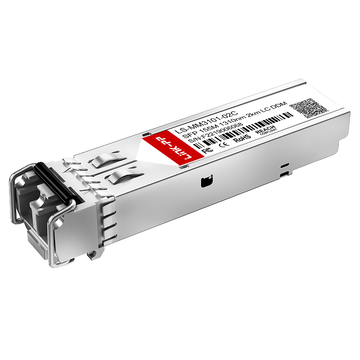
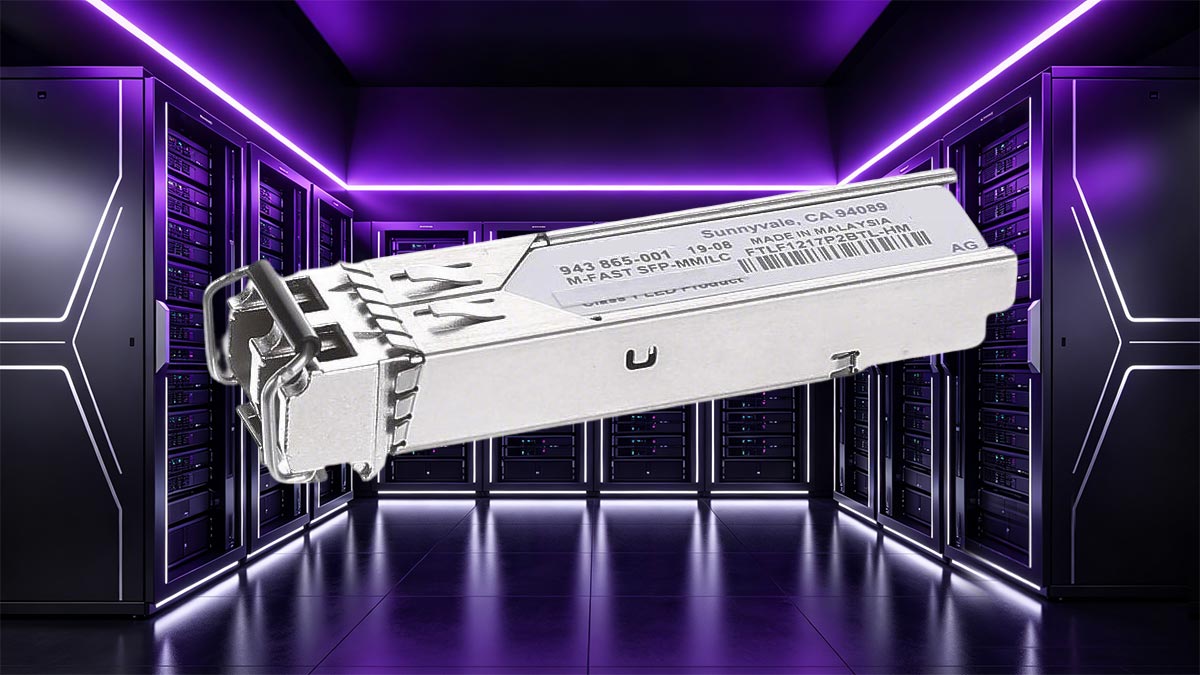
The M-FAST-SFP-MM-LC is a 100BASE-FX fiber optic SFP module designed for fast and stable data transmission over multimode fiber. Operating at a 1310nm wavelength and supporting distances up to 2km, it delivers a dependable optical connection ideal for short- to medium-range network links. With its LC connector interface, this SFP transceiver provides reliable performance and easy integration into a wide range of compatible networking devices.
What the M-FAST-SFP-MM-LC Module Is
The M-FAST-SFP-MM-LC is a compact, hot-pluggable 100M SFP module built to support 100Mbps Ethernet (100BASE-FX) connections. Utilizing multimode fiber, it ensures efficient data transfer with low signal loss and high stability. The LC connector design enables quick installation, secure coupling, and accurate optical alignment, helping maintain consistent network performance.
This module complies with SFP MSA standards and fits seamlessly into SFP ports on switches, routers, and other devices. It offers users a simple, cost-effective solution for expanding fiber networks or upgrading copper-based links to optical connectivity without major configuration changes.
How It Supports Hirschmann Networks
Fully compatible with Hirschmann networking equipment, the M-FAST-SFP-MM-LC ensures smooth communication between connected devices. It facilitates high-speed, stable data exchange while maintaining full compliance with Hirschmann system requirements. Users can easily deploy it in existing setups without adjusting firmware or network architecture, making it a convenient drop-in replacement or expansion option.
This compatibility not only enhances system interoperability but also adds flexibility for network growth. Whether connecting multiple switches or upgrading existing fiber links, the M-FAST-SFP-MM-LC ensures stability and reliable throughput in any Hirschmann-compatible network environment.
Key Advantages in Modern Fiber Applications
The M-FAST-SFP-MM-LC offers several meaningful advantages in fiber-based network setups. With support for 100Mbps data transmission over multimode fiber at a 1310nm wavelength, it delivers stable and efficient performance across distances up to 2km. This makes it ideal for connecting switches and network nodes within campuses, buildings, or data environments that need reliable short-to-medium range communication.
Its LC connector design ensures secure coupling and convenient installation, reducing connection errors and signal loss. The module is built for fast deployment and interoperability, allowing users to expand or modify their fiber networks with ease. By minimizing latency and electromagnetic interference, it helps maintain smooth data flow and consistent link quality even in environments with multiple active devices.
Beyond physical performance, the M-FAST-SFP-MM-LC stands out for its compact size, energy efficiency, and compatibility with Hirschmann devices and other standard networking equipment. These attributes translate into lower maintenance demands and simplified scalability, enabling users to upgrade or interlink systems without specialized procedures.
✴️ Why Choose M-FAST-SFP-MM-LC Compatible Modules for Your Network
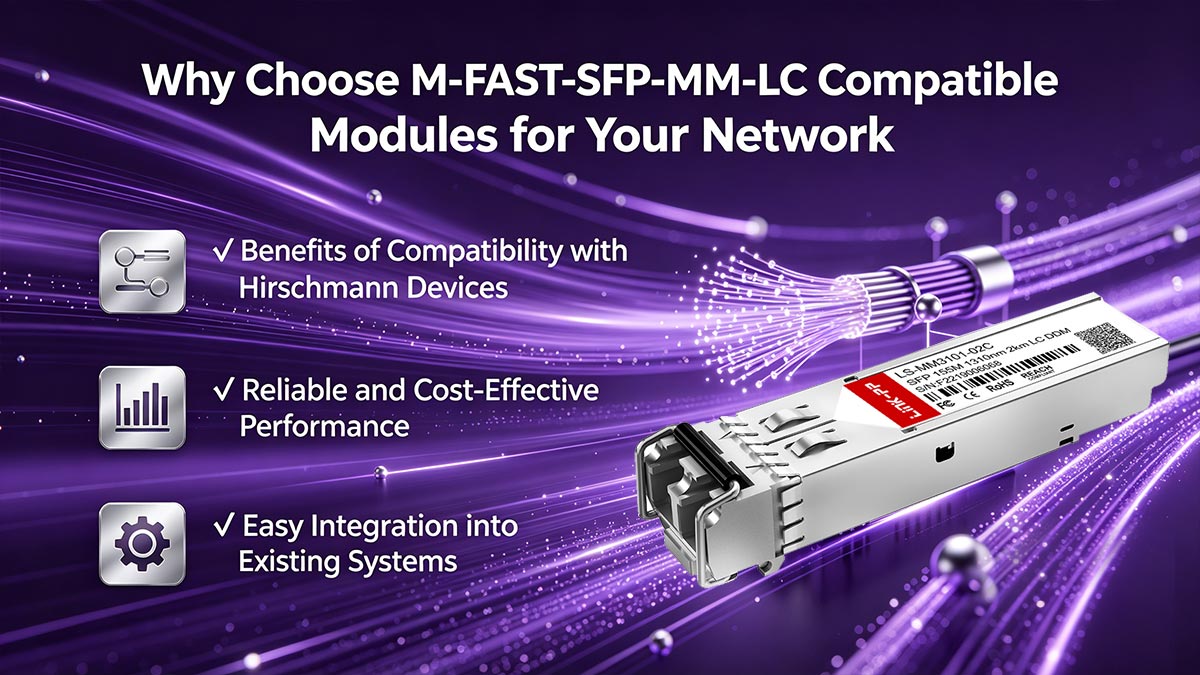
While original optical modules provide guaranteed compatibility, many organizations consider M-FAST-SFP-MM-LC compatible modules as a practical alternative to balance performance and cost. These modules are designed to meet the same technical standards while offering greater flexibility in sourcing. Choosing the right compatible solution can help optimize network investment without compromising reliability.
Benefits of Compatibility with Hirschmann Devices
A key advantage of M-FAST-SFP-MM-LC compatible modules lies in their EEPROM programming, which is specifically designed to match Hirschmann device requirements. The EEPROM stores critical identification and configuration data, allowing the host device to recognize the module as fully supported. When properly coded, this ensures that the module can be detected, initialized, and operated without compatibility warnings or restrictions.
In addition, accurate EEPROM mapping helps maintain stable communication between the module and Hirschmann equipment. It enables consistent performance by aligning with the expected parameters of the system, such as vendor ID, wavelength, and transmission characteristics. This level of compatibility reduces the risk of errors, improves interoperability, and ensures a smoother deployment experience in Hirschmann-based networks.
Reliable and Cost-Effective Performance
M-FAST-SFP-MM-LC compatible modules offer a strong balance between performance and cost, making them a practical choice for organizations looking to optimize their network budgets. Compared to original modules, compatible options typically come at a lower price point, which is especially beneficial for large-scale deployments or ongoing maintenance where multiple units are required.
Despite the cost advantage, high-quality compatible modules can still deliver reliable performance when sourced from reputable suppliers (such as LINK-PP). They are often manufactured using standardized components and tested to meet key performance benchmarks, ensuring stable data transmission, low failure rates, and consistent operation. This makes them a dependable alternative for maintaining network efficiency without unnecessary overspending.
Easy Integration into Existing Systems
M-FAST-SFP-MM-LC compatible modules are designed with a standard SFP form factor and LC interface, allowing them to fit directly into existing SFP ports on Hirschmann switches and related devices. This ensures straightforward physical installation without the need for additional adapters or hardware modifications, making them suitable for quick replacements or network extensions.
Beyond physical compatibility, properly coded modules — especially those with aligned EEPROM data — can be recognized instantly by the host device. This enables true plug-and-play operation, eliminating the need for manual configuration or firmware adjustments. As a result, network administrators can deploy or swap modules with minimal downtime and maintain uninterrupted network performance.
✴️ What to Look for When Purchasing M-FAST-SFP-MM-LC Compatible Modules
Selecting the right M-FAST-SFP-MM-LC compatible module requires more than just comparing prices. Buyers need to evaluate technical specifications, supplier credibility, and long-term reliability to ensure stable network performance. A well-informed purchasing decision can help avoid compatibility issues, reduce risks, and maximize overall value.
Key Specifications to Prioritize
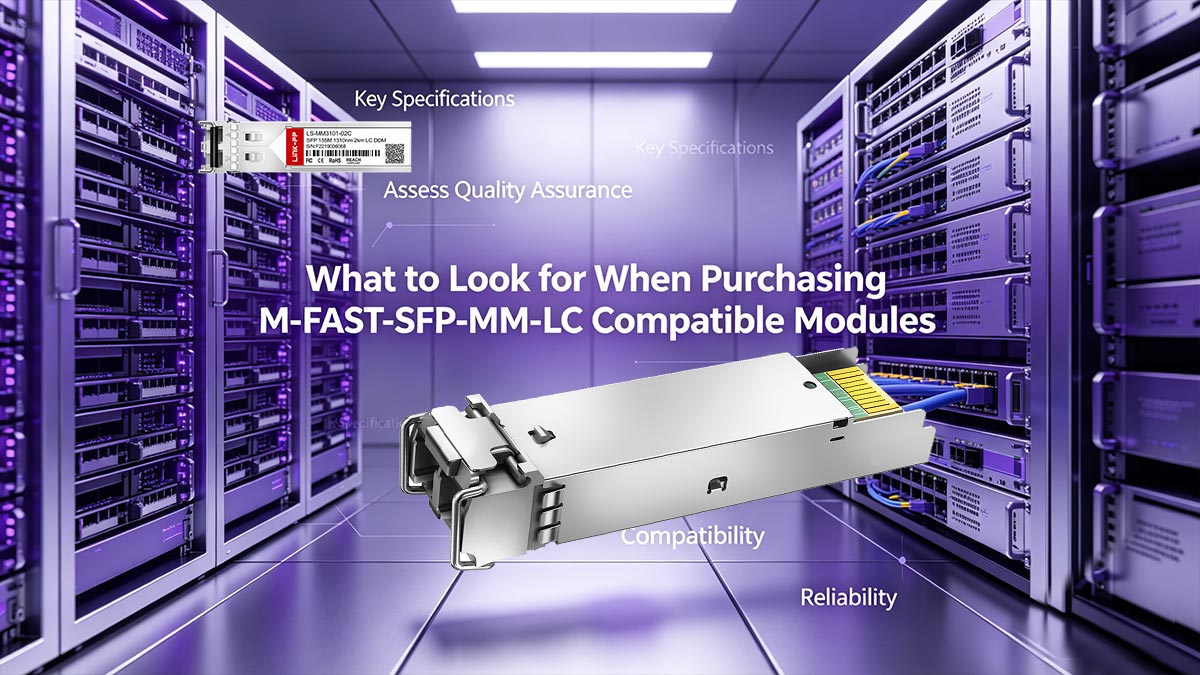
When purchasing M-FAST-SFP-MM-LC compatible modules, understanding the precise technical specifications is essential to ensure seamless performance and network stability. Each parameter determines how well the module will integrate with your existing hardware and meet your data transmission needs. A poor specification match can affect compatibility, connection quality, or long-term reliability.
The table below highlights the key specifications every buyer should verify before making a purchase:
| Specification | Recommended Value | Description |
| Data Rate | 100Mbps (100BASE-FX) | Delivers standard Fast Ethernet performance for reliable optical communication. |
| Wavelength | 1310nm | Ensures consistent optical transmission over multimode fiber with minimal signal attenuation. |
| Fiber Type | Multimode Fiber | Designed for short- to medium-distance connections with stable signal throughput. |
| Connector Type | LC Duplex | Provides secure, low-loss coupling and easy installation for high connection accuracy. |
| Transmission Distance | Up to 2km | Optimized for local and campus-area network links. |
| Compliance | IEEE 802.3 | Ensures interoperability with standard Ethernet protocols. |
| SFP Standard | SFP Multi-Source Agreement (MSA) | Guarantees mechanical and electrical compatibility across a wide range of devices. |
| DOM (Digital Optical Monitoring) Support | Yes | Allows real-time monitoring of operating parameters such as temperature, voltage, and optical power. |
| Operating Temperature | 0°C – 70°C | Suitable for general networking environments and controlled data facilities. |
How to Assess Quality Assurance from Suppliers
Evaluating the quality assurance process of a supplier is critical when sourcing compatible modules. Reputable suppliers typically follow strict manufacturing and testing procedures, including optical performance testing, compatibility verification, and environmental stress checks. These processes help ensure that each module meets required performance standards before delivery.
In addition, buyers should look for transparency in quality control practices. Suppliers that provide detailed test reports, certifications, or traceability information demonstrate a higher level of reliability. Choosing such vendors reduces the risk of receiving defective or inconsistent products.
Understanding the Importance of Compatibility
Compatibility is one of the most important factors when selecting M-FAST-SFP-MM-LC compatible modules. Even if a module meets general SFP standards, it must also be properly programmed — especially at the EEPROM level — to match Hirschmann device requirements. Without this, the module may not be recognized or could trigger errors during operation.
Ensuring compatibility helps maintain stable communication between network devices and prevents issues such as link failures or performance degradation. Working with suppliers who understand and support Hirschmann-specific compatibility requirements is essential for reliable deployment.
Considerations for Long-Term Reliability
Long-term reliability depends on both product quality and usage conditions. High-quality compatible modules are typically built with durable components and designed to withstand continuous operation, reducing the likelihood of failure over time.
Additionally, factors such as operating temperature range, supplier support, and warranty policies should be considered. Modules that perform consistently under varying conditions and are backed by responsive technical support can significantly reduce maintenance efforts and ensure stable network performance in the long run.
✴️ Factors Affecting the Pricing of M-FAST-SFP-MM-LC
The price of M-FAST-SFP-MM-LC modules can vary significantly depending on multiple factors, ranging from product type to market conditions. Understanding what drives these price differences helps you make more informed purchasing decisions and avoid unnecessary costs. By analyzing both supply-side and demand-side influences, you can better plan your procurement strategies.
What Drives the Cost of M-FAST-SFP-MM-LC Modules
Several core factors determine the production and material costs of M-FAST-SFP-MM-LC modules. High-quality components and manufacturing standards directly influence the base price. Here are the primary cost drivers:
- Component Quality: Precision laser diodes, optical receivers, and fiber SFP housing materials (often high-grade metal or plastic) represent a significant portion of costs. Modules with DOM support and MSA compliance typically carry a premium.
- Manufacturing Standards: Compliance with IEEE 802.3 and rigorous quality testing adds to production expenses, ensuring reliability and performance consistency.
- R&D and Certification: Development for Hirschmann compatibility and certifications like RoHS or CE contribute to higher upfront costs.
How Market Demand Affects M-FAST-SFP-MM-LC Pricing
Market dynamics also play an important role in shaping the price of M-FAST-SFP-MM-LC modules. Fluctuations in supply and demand can lead to noticeable price variations over time.
For example, increased demand driven by network upgrades or infrastructure expansion can push prices upward, especially if supply is limited. Conversely, when supply is abundant or demand slows down, prices may become more competitive. In addition, global factors such as component shortages, logistics costs, and currency fluctuations can further impact pricing.
Understanding these trends allows buyers to time their purchases more strategically and potentially secure better pricing.
Ways to Get Discounts on M-FAST-SFP-MM-LC Purchases
There are several practical strategies that buyers can use to reduce costs when purchasing M-FAST-SFP-MM-LC modules. Instead of focusing only on unit price, it is important to consider overall procurement efficiency. Common ways to secure better pricing include:
- Bulk Purchasing: Ordering larger quantities often qualifies for volume discounts, significantly lowering the per-unit cost.
- Long-Term Supplier Agreements: Establishing ongoing partnerships with suppliers can lead to preferential pricing and more favorable contract terms.
- Comparing Multiple Suppliers: Requesting quotes from different vendors helps identify competitive pricing and avoid overpaying.
- Timing Purchases Strategically: Buying during periods of lower demand or promotional cycles can result in cost savings.
By applying these strategies, organizations can optimize their procurement budget while still ensuring product quality and reliability.
✴️ Ensuring Quality and Authenticity in M-FAST-SFP-MM-LC Procurement
When sourcing M-FAST-SFP-MM-LC modules, ensuring both quality and authenticity is critical to maintaining stable network performance. Low-quality or counterfeit products can lead to compatibility issues, network downtime, and increased maintenance costs. A structured verification process helps minimize risks and ensures long-term reliability.
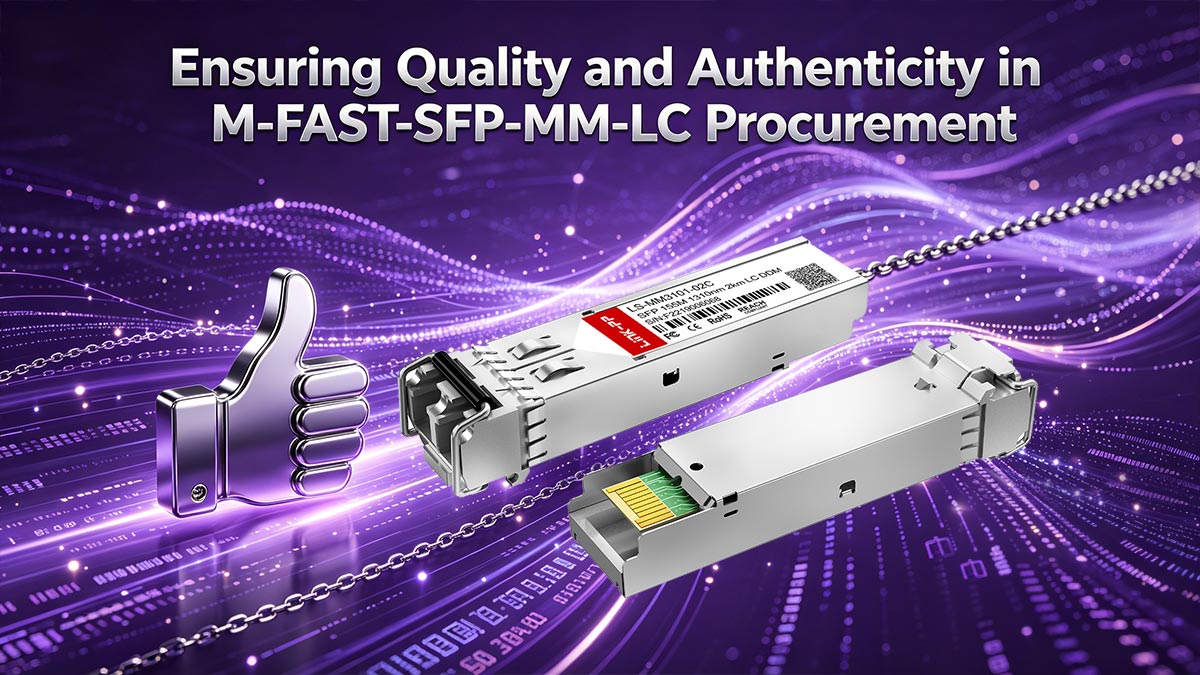
Verifying the Authenticity of M-FAST-SFP-MM-LC Modules
Authentic SFP modules usually come with clear product identification, complete documentation, and consistent labeling. Before purchasing, compare the module part number, compatibility statement, and datasheet details against trusted supplier information to confirm that the product matches the expected specification.
A practical verification process should include the following steps:
- Check whether the part number and product name match the listed specification exactly.
- Review the datasheet for wavelength, fiber type, connector type, and distance rating.
- Confirm that the supplier provides traceable product records or an official quotation.
- Inspect the module’s physical finish, labeling, and packaging quality for signs of inconsistency.
Key Certifications and Standards to Check
Certifications and compliance with industry standards are strong indicators of product quality. When evaluating M-FAST-SFP-MM-LC compatible modules, buyers should ensure that the products meet relevant technical and safety requirements.
Important certifications and standards to look for include:
- SFP MSA Compliance: Ensures the module meets standard form factor and interface specifications for interoperability.
- RoHS Compliance: Confirms that the product meets environmental and safety regulations regarding hazardous substances.
- CE / FCC Certifications: Indicate compliance with electromagnetic compatibility and safety standards.
- ISO Manufacturing Standards: Reflect consistent quality control processes in production.
The Role of Testing and Inspection in Quality Assurance
Testing is one of the most effective ways to verify that a module performs as promised. Reputable suppliers often conduct optical parameter measurements, connector cleanliness checks, EEPROM data validation, and compatibility testing before shipment. These procedures help reduce the risk of field failures and installation issues.
Inspection is equally important after delivery. Buyers should confirm that the module is recognized correctly by the host device, then verify optical behavior and link stability during deployment. This extra step adds confidence that the module is genuine, functional, and ready for long-term use.
✴️ Sourcing M-FAST-SFP-MM-LC in Bulk: What You Need to Know
Purchasing M-FAST-SFP-MM-LC compatible modules in bulk can significantly improve cost efficiency and streamline network deployment. However, bulk sourcing also requires careful planning to avoid overstocking, compatibility issues, or unnecessary expenses. A strategic approach ensures that you achieve both economic and operational benefits.
Benefits of Buying M-FAST-SFP-MM-LC Modules in Bulk
Buying M-FAST-SFP-MM-LC transceiver modules in bulk offers clear cost advantages, especially for large-scale projects or ongoing network maintenance. Suppliers often provide volume-based pricing, which lowers the per-unit cost and helps organizations stay within budget. This is particularly beneficial when deploying multiple network nodes or maintaining spare inventory for quick replacements.
In addition to cost savings, bulk purchasing improves supply consistency and reduces procurement frequency. By securing a larger quantity in advance, organizations can minimize delays caused by stock shortages or long lead times. This ensures smoother project execution and more efficient network operations.
How to Calculate Your Bulk Purchase Needs
Accurately estimating the required quantity is essential when sourcing M-FAST-SFP-MM-LC modules in bulk. Buyers should start by evaluating current network requirements, including the number of active ports, planned expansions, and redundancy needs. Factoring in future growth helps prevent under-purchasing and reduces the need for frequent reordering.
It is also important to consider spare inventory for maintenance and unexpected failures. A common practice is to include a small percentage of additional units as backup. By balancing current demand with future scalability and contingency planning, organizations can optimize inventory levels without tying up unnecessary capital.
Negotiating Bulk Discounts and Contract Terms
Bulk purchasing creates opportunities to negotiate better pricing and more favorable terms with suppliers. Beyond unit price, buyers should also consider aspects such as payment terms, delivery schedules, and warranty coverage when discussing contracts.
Establishing long-term partnerships with suppliers can further enhance these benefits. Reliable vendors may offer customized pricing, priority support, or flexible delivery arrangements for repeat customers. By negotiating strategically, organizations can secure not only lower costs but also improved service and supply stability.
✴️ Common Pitfalls to Avoid When Purchasing M-FAST-SFP-MM-LC Modules
When buying M-FAST-SFP-MM-LC compatible modules, overlooking key details can lead to unnecessary costs, compatibility issues, and performance risks. Many common mistakes stem from focusing too much on price while ignoring quality, specifications, or supplier reliability. Being aware of these pitfalls can help you make more cost-effective decisions.
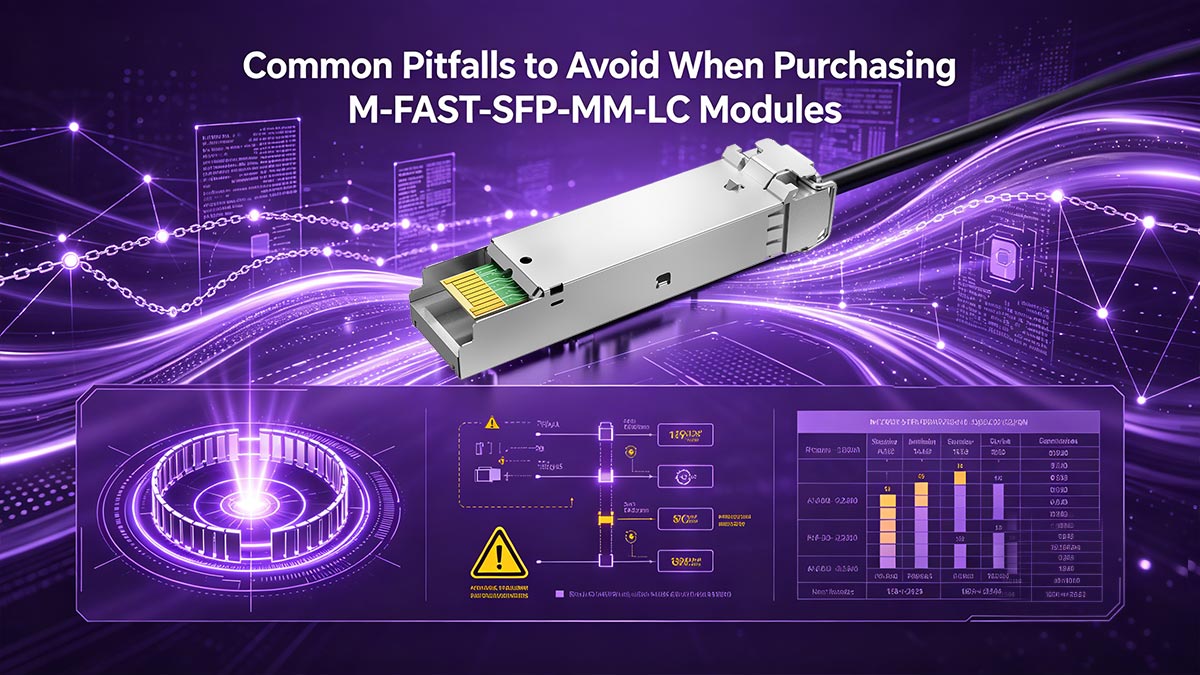
How to Avoid Overpaying for M-FAST-SFP-MM-LC Modules
Overpaying is a common issue, especially when buyers rely on a single supplier or do not fully understand market pricing. To avoid this, it is important to compare quotes from multiple vendors and evaluate whether the price aligns with the product specifications and included services.
In addition, buyers should distinguish between original and third-party compatible modules and assess whether the higher cost of branded products is necessary for their specific use case. A balanced approach — considering both performance requirements and budget — helps ensure that you are paying for actual value rather than brand premium or unnecessary features.
Dealing with Hidden Fees and Extra Costs
When budgeting for M-FAST-SFP-MM-LC modules, it’s important to account for additional costs beyond the unit price. Shipping, import duties, and applicable taxes can all impact the overall expense, especially for bulk orders or international purchases. Planning for these costs in advance ensures accurate budgeting and prevents unexpected financial strain.
Other potential extra costs may include optional services such as testing, extended warranties, or specialized packaging. By factoring these into the total cost early, organizations can make informed purchasing decisions and avoid surprises that could affect project timelines or budgets.
How to Prevent Issues with Incompatible Modules
Compatibility issues can lead to serious problems, including device recognition failures or unstable network performance. One of the main causes is improperly programmed EEPROM data, which prevents the module from being correctly identified by Hirschmann devices.
To minimize this risk, buyers should work with suppliers who have proven experience in providing Hirschmann-compatible modules and can guarantee proper coding and testing. Verifying compatibility in advance — through documentation, sample testing, or technical support — ensures smooth deployment and avoids costly troubleshooting after installation.
✴️ Key Takeaways for Sourcing M-FAST-SFP-MM-LC Hirschmann Compatible Modules
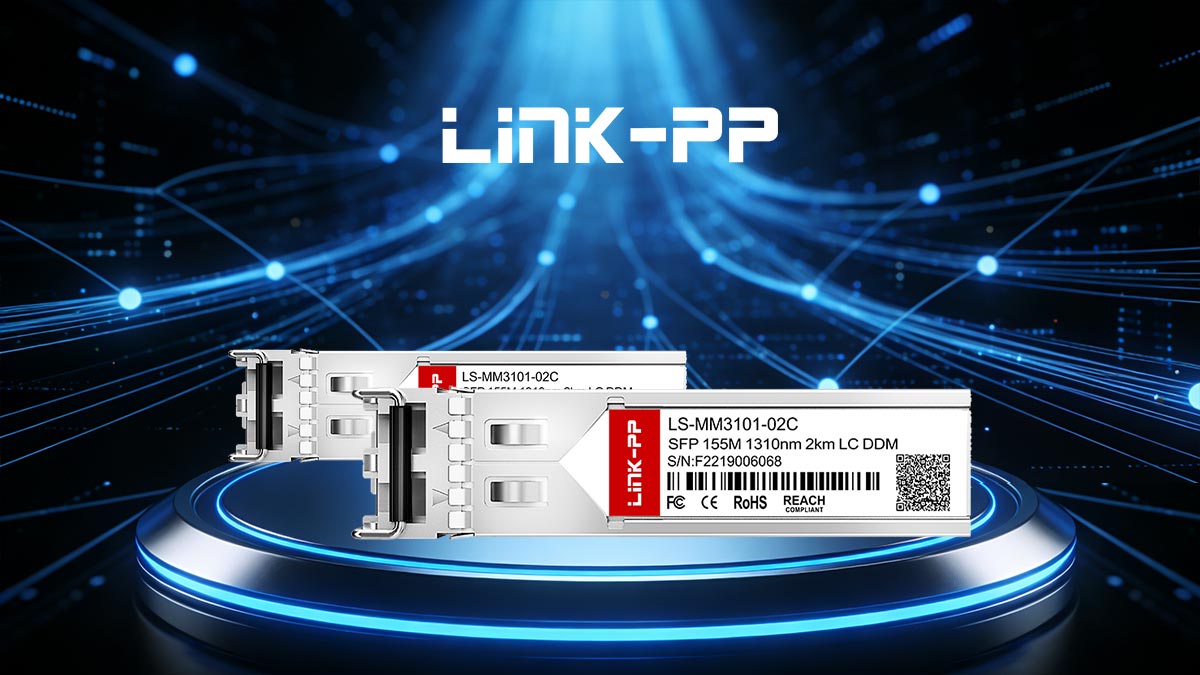
Successfully sourcing Hirschmann M-FAST-SFP-MM-LC compatible modules requires a balance of technical knowledge, supplier evaluation, and strategic planning. By understanding key specifications, ensuring compatibility, and carefully managing costs, you can maintain stable network performance while optimizing procurement efficiency.
When planning your purchases, consider the following key points:
- Prioritize Technical Specifications: Ensure the module meets essential requirements such as 100BASE-FX support, multimode fiber compatibility, 1310nm wavelength, 2km transmission range, and LC connector interface. Accurate specification matching is critical to achieving seamless network integration.
- Verify Quality and Reliability: Confirm that the modules have undergone proper testing and adhere to recognized standards. High-quality components and robust quality assurance measures help prevent failures and maintain consistent network performance over time.
- Assess Compatibility: Proper EEPROM programming and adherence to Hirschmann device standards are essential for reliable operation. Compatibility checks reduce the risk of network downtime and ensure smooth integration with existing infrastructure.
- Consider Cost Efficiency and Bulk Sourcing: Evaluating pricing drivers and exploring bulk purchasing options can reduce per-unit costs and simplify inventory management. Strategic procurement planning allows organizations to achieve both performance and budget objectives.
- Avoid Common Pitfalls: Pay attention to hidden costs, overpaying, and potential incompatibility issues. Careful planning, transparent budgeting, and thorough supplier evaluation help mitigate risks and ensure successful deployments.
By following these guidelines, you can source M-FAST-SFP-MM-LC compatible modules confidently and maintain a reliable network infrastructure. For a trusted and convenient procurement option, consider purchasing directly from the LINK-PP Official Store.