Network interruptions rarely happen without warning — but the signs are often hidden until it’s too late. Subtle changes in optical power, voltage drifts, or temperature spikes can quietly degrade performance long before a failure occurs.
That’s why network administrators are turning to SFP DDM, a built-in diagnostic system that brings real-time transparency to optical transceiver modules. By converting hardware signals into accessible performance data, SFP DDM helps teams detect anomalies early and keep fiber networks running at peak efficiency.
? Basics of SFP DDM Information
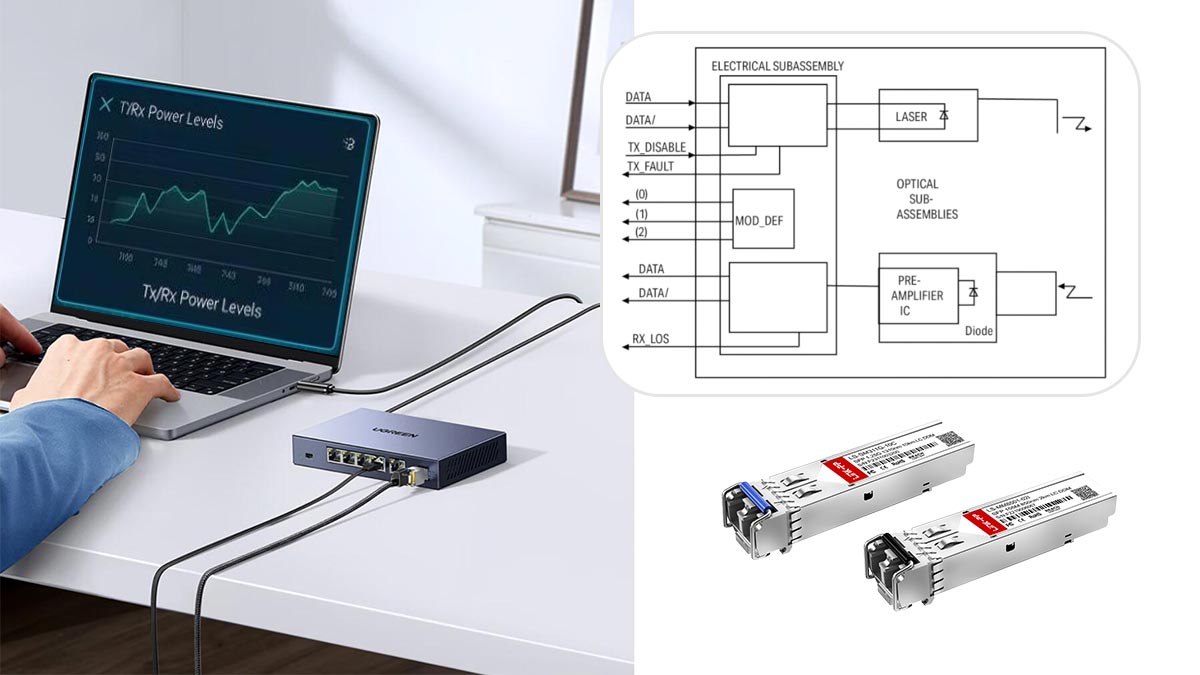
Think of an SFP optical transceiver as the network’s eyes and ears. The DDM function gives those senses a voice, allowing the module to “report back” on what it observes inside the fiber link. Whether it’s a rise in module temperature or a drop in optical power, DDM captures fine-grained data continuously and communicates it directly to the host system for analysis.
What Does SFP DDM Stand For
SFP, or Small Form-factor Pluggable, refers to a hot-swappable transceiver standard designed to support a wide range of optical and electrical communication modes. It allows network devices such as switches, routers, and media converters to adapt flexibly to different transmission requirements — ranging from short-range multimode fiber links to long-haul single-mode connections — without hardware redesign. Its modularity and universal interface (usually via the edge connector defined in the MSA, or Multi-Source Agreement) are what make it a cornerstone of modern network architecture.
DDM, or Digital Diagnostics Monitoring, adds an intelligent management layer to this transceiver form factor. It is not a single hardware piece but an integrated diagnostics system within the SFP that continuously measures internal parameters such as laser bias current, supply voltage, module temperature, transmitted optical power, and received optical power. These measurements are digitized and communicated through an I²C (Inter-Integrated Circuit) interface defined by the SFF-8472 standard — a protocol that allows the host device to query and interpret live operational data from the transceiver itself.
When combined, SFP DDM essentially bridges the gap between physical-layer hardware and network management software. It transforms a passive optical link component into an intelligent, feedback-driven device capable of self-reporting conditions that once could only be assessed through external test equipment.
The Role of DDM in Optical Transceivers
Within an optical transceiver, DDM functions as the diagnostic intelligence that enables autonomous, data-driven performance evaluation. Normally, an SFP module’s primary tasks are to convert electrical signals to optical ones (for transmission) and the reverse (for reception). However, DDM extends this function by embedding a continuous feedback mechanism into the module’s operation.
Every measurable electrical and optical parameter inside the SFP — such as laser diode bias current, transceiver temperature, internal voltage levels, and signal strength — is monitored through onboard sensors. These sensors convert analog readings into precise digital data, which is then processed and made accessible to the host through the transceiver’s management interface.
In practical terms, this means a switch or router can instantly access the module’s performance history, identify abnormal fluctuations, and even trigger automated alarms when readings move beyond predefined thresholds. This diagnostic loop allows network administrators to validate link quality in real time and predict failures before they occur, minimizing downtime and eliminating the need for manual optical testing. Essentially, DDM transforms a simple SFP into a self-aware node within the broader network monitoring ecosystem.
Key Components Involved in SFP DDM Operation
The Digital Diagnostic Monitoring capability inside an SFP module relies on a combination of sensing circuits, monitoring components, and control logic embedded within the transceiver. These components work together to collect operational data, convert it into digital form, and make it accessible to the host device.
Each monitored parameter corresponds to a specific internal sensing mechanism. These sensors and monitoring circuits continuously track the physical and electrical conditions of the module, ensuring that accurate diagnostic information can be reported in real time.
The following table outlines the primary components involved in SFP DDM operation and their roles in the monitoring process:
| Component |
Function in DDM Monitoring |
| Temperature Sensor |
Measures the internal temperature of the transceiver module to detect overheating conditions that could affect performance or reliability. |
| Voltage Monitoring Circuit |
Monitors the SFP module’s supply voltage to ensure the transceiver receives stable and sufficient power for normal operation. |
| Laser Bias Current Monitor |
Tracks the electrical current driving the laser diode, helping identify laser aging, abnormal operating conditions, or potential transmitter failure. |
| Transmit Optical Power Sensor |
Measures the optical power output from the transmitter, ensuring that the signal strength remains within acceptable limits for reliable transmission. |
| Receive Optical Power Sensor |
Detects the strength of the incoming optical signal from the fiber link, helping identify attenuation, fiber damage, or dirty connectors. |
| Digital Diagnostics Controller |
Processes sensor readings, converts analog signals into digital values, and communicates the diagnostic data to the host device through the I²C interface defined in the SFF-8472 standard. |
? How SFP DDM Functions in Network Systems
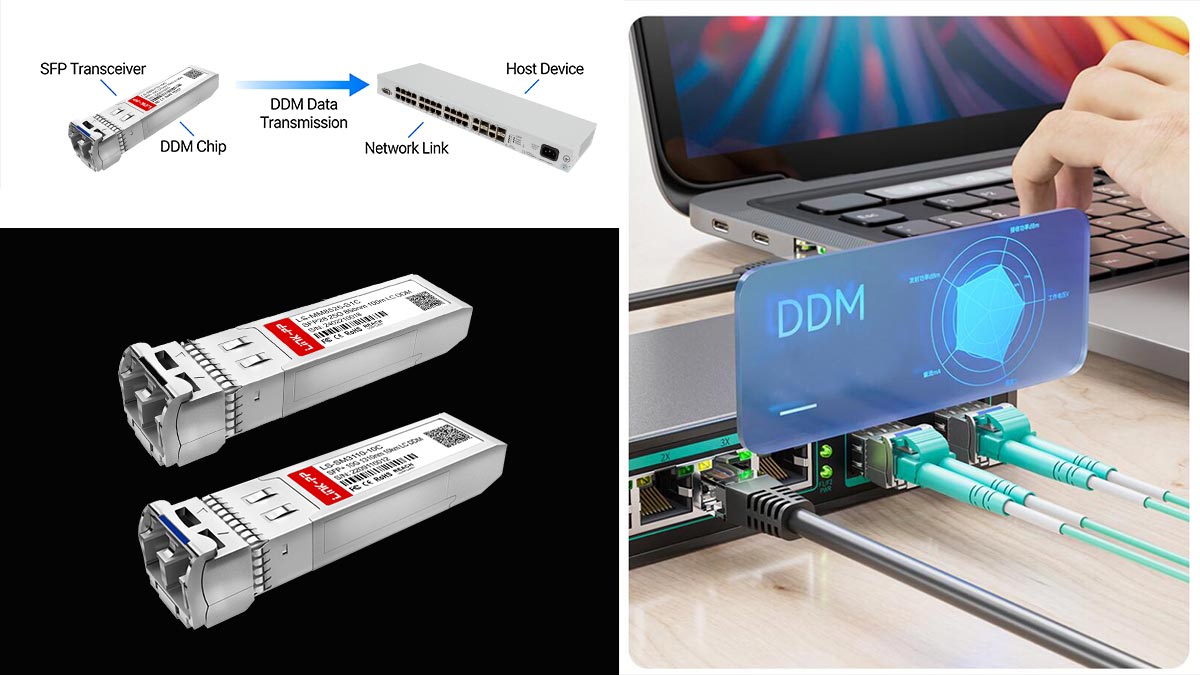
Once integrated into a network device, an SFP module with Digital Diagnostic Monitoring becomes a continuous source of operational data. Through standardized interfaces, the host device can query the transceiver and retrieve real-time measurements about the module’s internal and optical performance.
These measurements allow network administrators to monitor link health, detect abnormal conditions, and understand how environmental factors influence transmission stability. The following functions illustrate how SFP DDM operates within practical network environments.
Real-Time Optical Power Measurement
One of the most critical functions of SFP DDM is the ability to measure both transmit optical power (TX power) and receive optical power (RX power) in real time. These values represent the strength of the optical signal leaving the transceiver and the signal being received from the fiber link.
Monitoring TX power helps ensure the transmitter laser is operating within its specified range. If the transmitted optical power drops below acceptable thresholds, it may indicate problems such as laser degradation, improper configuration, or internal module faults.
RX power monitoring, on the other hand, provides visibility into the condition of the fiber link itself. A gradual decline in received power may point to fiber attenuation, dirty connectors, damaged cables, or excessive link distance. By tracking these values continuously, network engineers can quickly identify potential signal loss before it leads to service disruption.
Monitoring Module Temperature and Voltage
Environmental conditions inside networking equipment can significantly affect the performance and longevity of Fiber transceivers. SFP DDM, therefore, continuously tracks module temperature and supply voltage to ensure the transceiver operates within safe parameters.
Temperature monitoring is particularly important in dense networking environments such as data centers, where high port density can generate considerable heat. If the module temperature rises above recommended levels, the device may experience degraded performance or reduced lifespan. Early detection allows administrators to improve airflow, adjust equipment placement, or investigate potential hardware issues.
Voltage monitoring ensures that the transceiver receives a stable electrical supply from the host device. Sudden voltage fluctuations or power instability can disrupt laser operation and cause communication errors. By monitoring voltage levels through DDM, network operators gain early warning of potential power supply issues affecting network hardware.
Tracking Bias Current to Prevent Failures
Laser bias current is the electrical current used to drive the laser diode that generates the optical signal within the transceiver. Monitoring this parameter is essential because it directly reflects the operating condition of the transmitter laser.
Over time, laser diodes naturally age and require higher bias current to maintain the same optical output power. SFP DDM tracks this bias current continuously, allowing network administrators to observe gradual increases that may signal component wear or impending failure.
If the bias current begins to exceed normal operating ranges, it may indicate that the laser is approaching the end of its usable life. By identifying these trends early, network operators can replace the module proactively rather than waiting for an unexpected link failure.
Signal Quality and Link Stability Indicators
Beyond monitoring individual parameters, SFP DDM collectively provides insight into overall signal quality and link stability. By analyzing relationships between metrics — such as optical power levels, temperature changes, and bias current trends — administrators can better understand the health of the entire optical link.
For example, a simultaneous drop in receive power and increase in temperature may indicate environmental stress on the fiber connection or module. Similarly, stable optical power but rising bias current could suggest gradual laser degradation.
Network management systems often aggregate these DDM metrics and display them through dashboards or alerts. This visibility allows operators to track performance trends over time and maintain stable, high-quality network links across complex infrastructure.
? Benefits of Using SFP DDM for Network Management
Fiber SFP with Digital Diagnostic Monitoring provide valuable insights that help network administrators manage optical infrastructure more effectively. By offering visibility into transceiver conditions and link performance, SFP DDM supports smarter network operations and better long-term planning. These capabilities make it easier for organizations to maintain stable and reliable optical networks.

Proactive Fault Detection and Troubleshooting
SFP DDM allows network administrators to identify potential issues earlier by analyzing diagnostic information from optical modules. When irregular operating patterns appear, engineers can quickly narrow down whether the problem originates from the transceiver, fiber link, or surrounding equipment. This faster identification process simplifies troubleshooting and helps resolve network issues before they escalate into major service disruptions.
Improved Network Performance Visibility
With SFP DDM, administrators gain clearer visibility into the operational status of optical links across the network. Instead of relying only on link-up or link-down indicators, engineers can observe how optical modules behave under different conditions and verify whether links operate within expected performance ranges. This deeper insight helps support network optimization, infrastructure planning, and performance evaluation.
Reduced Downtime Through Predictive Maintenance
By collecting long-term diagnostic data, SFP DDM helps organizations adopt predictive maintenance strategies for their optical infrastructure. Network teams can analyze performance trends and identify signs of component wear before failures occur. This allows maintenance activities or module replacements to be scheduled in advance, reducing unexpected downtime and improving overall network reliability.
? Comparing SFP DDM with Non-DDM Transceivers
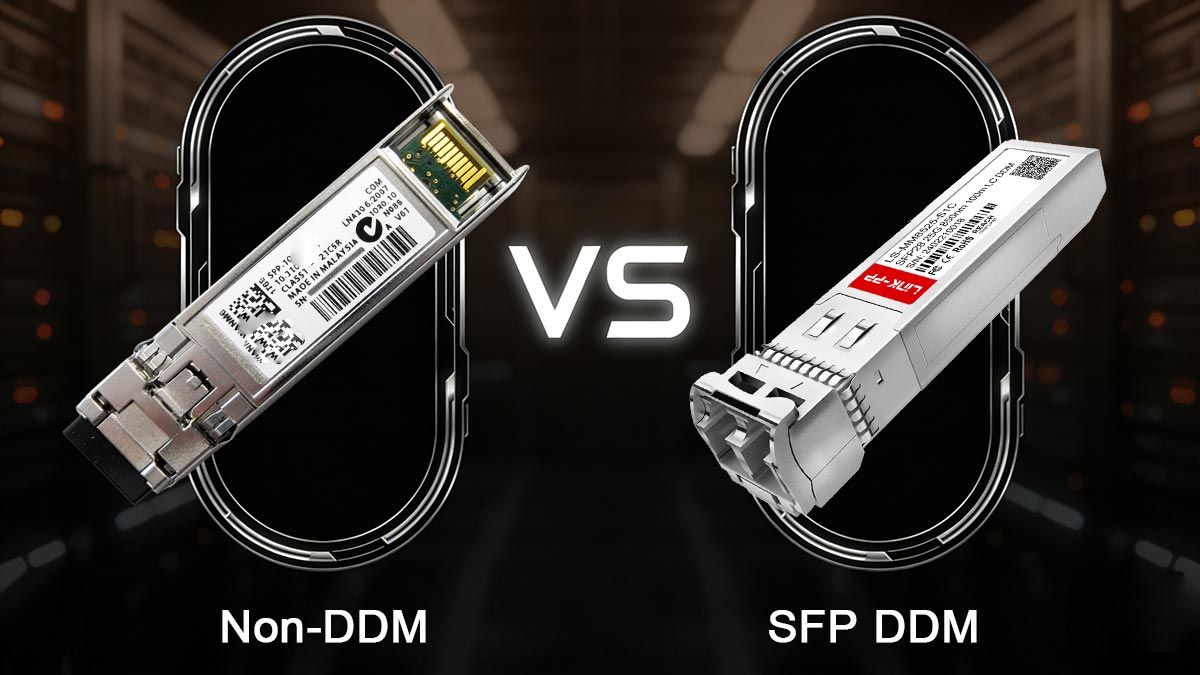
Not all SFP transceivers provide diagnostic monitoring capabilities. Regular non-DDM transceivers primarily focus on signal transmission and reception, offering little visibility into their internal operating conditions. In contrast, SFP transceivers with Digital Diagnostic Monitoring add an intelligent monitoring layer that allows network devices to access real-time operational data, making network management more transparent and proactive.
The key differences between SFP DDM and non-DDM transceivers can be summarized in the following table:
| Feature |
SFP DDM Transceiver |
Non-DDM Transceiver |
| Monitoring Capability |
Real-time digital diagnostics (power, temperature, bias current) |
No internal monitoring or diagnostic support |
| Fault Detection |
Early warning for optical and electrical issues |
Requires manual testing or link failure observation |
| Maintenance Approach |
Predictive and proactive |
Reactive and manual |
| Performance Visibility |
High, with detailed metrics via software interface |
Limited to link up/down status |
| Ideal Use Cases |
Data centers, telecom systems, high-uptime networks |
Simple or short-distance links with low maintenance needs |
Core Functional Differences
The primary difference lies in data transparency. SFP DDM modules include embedded sensors and an internal monitoring chip that transmit diagnostic readings through the digital interface. This functionality allows the host device to display temperature, laser bias current, and optical power in real time. Non-DDM SFP transceivers, in contrast, lack this communication layer — they transmit data without self-reporting their operational health, leaving administrators with little insight into performance until an issue occurs.
Performance Impact in High-Demand Networks
In enterprise or carrier-grade networks where performance consistency and uptime are critical, DDM capabilities make a noticeable difference. With DDM, engineers can monitor link margins and preemptively identify signal degradation, ensuring stable performance even under heavy load. Non-DDM modules can still function adequately in less demanding environments, but they provide no early warning before a failure, potentially leading to unexpected downtime and service interruptions.
Use Cases Where SFP DDM Makes the Difference
SFP DDM becomes particularly valuable in environments where network uptime, stability, and large-scale monitoring are critical. For example, in data centers with hundreds of optical links, administrators benefit from centralized monitoring of transceiver conditions to quickly identify problematic connections.
Telecom operators also rely on DDM diagnostics to manage long-distance fiber infrastructure and ensure reliable service delivery. Even enterprise campus networks can benefit from DDM capabilities when managing distributed switches and routers. In contrast, non-DDM transceivers are typically used in smaller or less complex deployments where advanced monitoring is not a priority and basic connectivity is sufficient.
? Key Applications of SFP DDM in Enterprise Networks
SFP DDM plays a crucial role in maintaining the reliability and efficiency of modern enterprise networks. By providing real-time insight into the operating conditions of fiber transceivers, network administrators can quickly detect anomalies, optimize performance, and prevent potential link failures.
SFP DDM in Data Center Network Monitoring
Data centers operate with extremely high traffic volumes and require continuous network availability. SFP DDM helps administrators monitor the health of optical links connecting switches, routers, and servers by providing real-time metrics such as transmit and receive optical power, module temperature, supply voltage, and laser bias current.
By analyzing these parameters, data center operators can quickly identify abnormal conditions such as declining optical power or rising module temperature, which may indicate fiber degradation, dirty connectors, or cooling issues. Instead of waiting for a complete link failure, engineers can intervene early — cleaning connectors, replacing cables, or adjusting cooling systems.
Using SFP DDM for Telecom Infrastructure Management
Telecommunication networks rely heavily on long-distance optical links that connect multiple switching sites, base stations, and aggregation points. In such distributed infrastructures, SFP DDM provides valuable visibility into the performance of transceivers deployed across wide geographic areas.
Through remote monitoring systems integrated with network management platforms, telecom operators can continuously track optical signal levels and hardware conditions without physically accessing each site. For example, gradual decreases in received optical power may signal fiber attenuation due to aging cables or environmental factors. Similarly, abnormal bias current levels can indicate laser stress or early hardware degradation.
SFP DDM in ISP Network Operations
Internet Service Providers (ISPs) manage complex network infrastructures that must deliver consistent connectivity to thousands or even millions of users. SFP DDM enhances operational efficiency by allowing network engineers to monitor link performance across backbone, aggregation, and access layers.
In ISP environments, DDM metrics help detect issues such as optical signal loss, unstable power levels, or overheating modules within high-density networking equipment. For instance, a sudden drop in received optical power could indicate a damaged fiber line or improperly seated connector in a distribution hub. With real-time DDM alerts and historical data analysis, ISPs can quickly isolate the problem and restore service with minimal disruption.
? How to Use SFP DDM Data for Effective Network Diagnostics
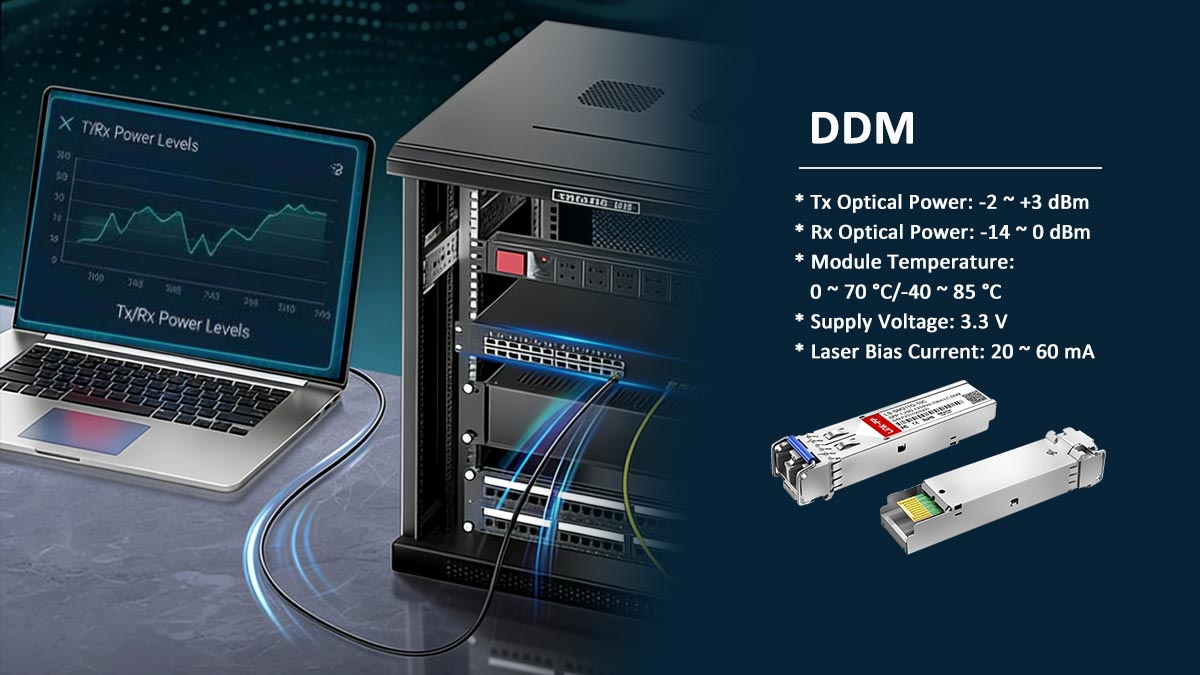
SFP DDM provides valuable real-time operational data that can significantly improve the accuracy and speed of network diagnostics. By analyzing parameters such as optical power, module temperature, supply voltage, and bias current, network engineers can quickly identify potential problems within optical links. Proper interpretation of this data allows administrators to isolate faults, prevent unexpected outages, and maintain optimal network performance.
Interpreting SFP DDM Monitoring Values
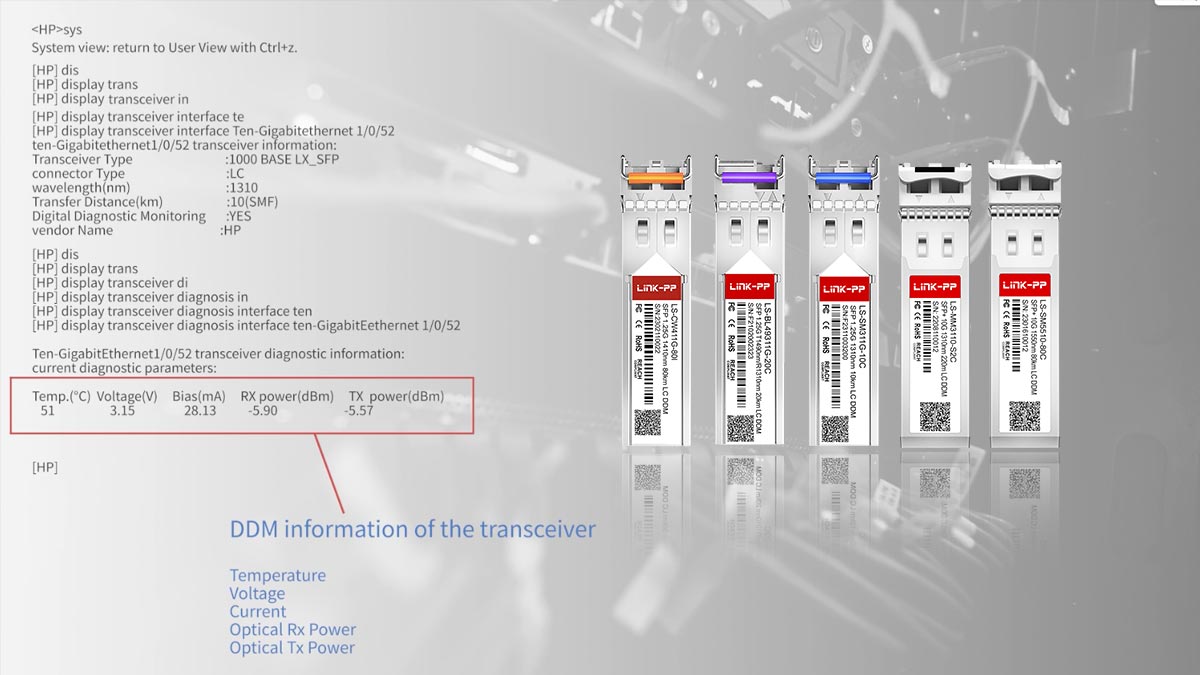
To effectively use SFP DDM data, network administrators must first understand the meaning of each monitored parameter and the acceptable operating ranges defined by the transceiver manufacturer. Common metrics reported by SFP DDM include transmit optical power (Tx power), receive optical power (Rx power), module temperature, supply voltage, and laser bias current.
These values provide a snapshot of the module’s real-time operating condition. For example, transmit power indicates the strength of the optical signal being sent into the fiber, while receive power reflects the signal strength arriving at the transceiver. Temperature and voltage values help determine whether the module is operating within safe hardware limits. By comparing the live readings with the specified thresholds, administrators can determine whether a transceiver is functioning normally or beginning to show signs of degradation.
Identifying Abnormal Optical Power Levels
Optical power levels are one of the most important indicators of link health in fiber networks. SFP DDM allows engineers to monitor both transmitted and received optical power, making it easier to detect signal loss or attenuation along the fiber path.
If the received optical power suddenly drops below the recommended threshold, it may indicate problems such as damaged fiber cables, loose connectors, dirty optical ports, or excessive link distance. On the other hand, unusually high optical power levels may cause receiver saturation, which can also degrade signal quality. By continuously tracking optical power trends, network teams can quickly pinpoint the root cause of link instability and take corrective action before the connection fails completely.
Detecting Temperature or Voltage Anomalies
Environmental and electrical conditions can also impact the stability of optical transceivers. SFP DDM continuously monitors module temperature and supply voltage, helping administrators detect abnormal operating conditions that could lead to hardware failure.
For instance, consistently high module temperatures may indicate insufficient airflow in network equipment racks or excessive load on switching hardware. Over time, overheating can reduce the lifespan of optical components or cause sudden module shutdowns. Similarly, irregular voltage readings may point to unstable power supplies or hardware faults within networking devices. By identifying these anomalies early through DDM monitoring, network engineers can improve cooling, stabilize power conditions, or replace faulty components before they affect overall network reliability.
? Common Issues Detected Through SFP DDM Monitoring
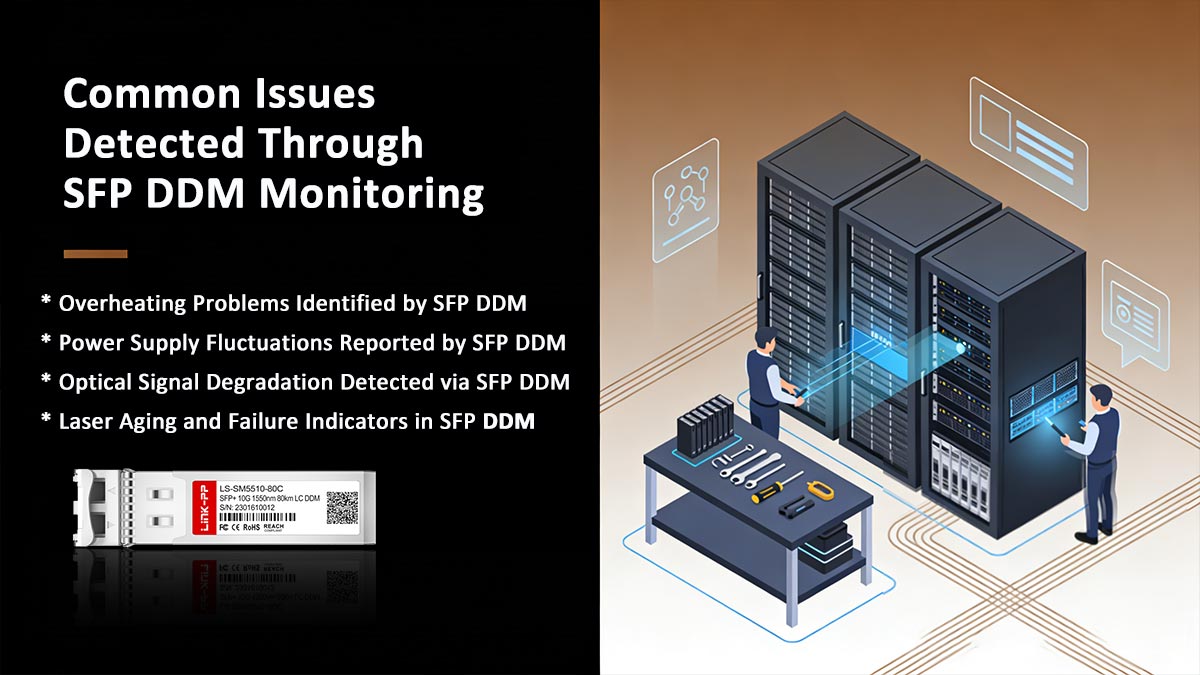
SFP Digital Diagnostic Monitoring (DDM) provides continuous visibility into the internal operating conditions of optical transceivers. By analyzing parameters, network administrators can quickly identify potential issues before they lead to link failures. Below are some of the most common problems that can be detected through SFP DDM monitoring.
Overheating Problems Identified by SFP DDM
One of the most frequent issues revealed by SFP DDM data is abnormal module temperature. Optical transceivers typically operate within a defined temperature range, and exceeding this threshold may indicate poor ventilation, high ambient temperatures, or excessive power consumption.
DDM temperature readings allow administrators to detect overheating early and take corrective actions such as improving airflow in network racks, redistributing workloads, or replacing faulty modules. Prolonged overheating can degrade laser performance and shorten the lifespan of the transceiver, making temperature monitoring a critical preventive measure.
Power Supply Fluctuations Reported by SFP DDM
Voltage instability is another issue that can be identified through SFP DDM monitoring. Transceivers rely on stable voltage levels to maintain consistent signal transmission. If the monitored voltage deviates from the specified operating range, it may indicate a faulty power supply, unstable switch hardware, or issues with the host device.
By regularly monitoring voltage readings through DDM, network engineers can identify fluctuations early and investigate the root cause. Addressing power irregularities helps maintain stable optical performance and prevents unexpected network interruptions.
Optical Signal Degradation Detected via SFP DDM
DDM also provides real-time data on transmitted (Tx) and received (Rx) optical power levels. When these values begin to drift outside normal operating thresholds, it may signal fiber attenuation, connector contamination, or excessive link distance.
Monitoring optical power trends enables administrators to identify signal degradation before it leads to packet loss or link failure. Cleaning fiber connectors, checking patch cords, or verifying proper fiber routing are common maintenance steps triggered by abnormal DDM optical power readings.
Laser Aging and Failure Indicators in SFP DDM
Laser bias current is a key indicator of the health of the optical transmitter. As a laser ages, it typically requires higher bias current to maintain the same output power. DDM monitoring makes it possible to track these changes over time.
If the bias current steadily increases while transmit power remains constant or begins to decline, it may indicate that the laser is nearing the end of its operational lifespan. Early detection allows network teams to replace aging modules proactively.
? Key Takeaways about SFP DDM Monitoring
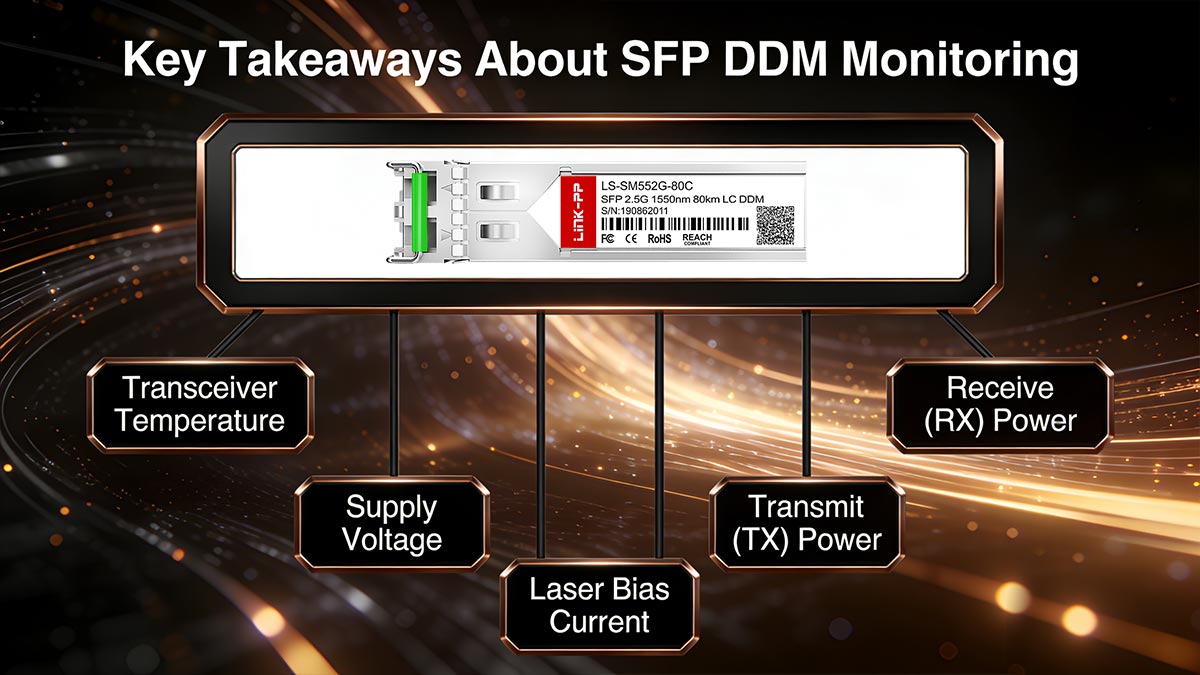
SFP DDM monitoring provides network administrators with valuable real-time insights into the operating conditions of optical transceivers. By continuously tracking parameters such as temperature, voltage, transmit and receive optical power, and laser bias current, DDM enables more accurate visibility into module health and link performance.
With this level of monitoring, network teams can quickly identify abnormal trends, diagnose link issues, and implement preventive maintenance strategies before failures occur. As a result, organizations can improve network reliability, reduce unexpected downtime, and simplify troubleshooting across data centers, enterprise networks, telecom systems, and ISP infrastructures.
If you are planning to deploy optical transceiver modules with built-in DDM capabilities for better monitoring and diagnostics, you can explore available solutions at the LINK-PP Official Store.