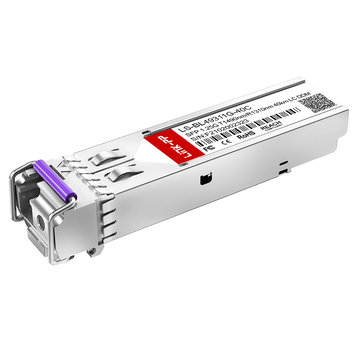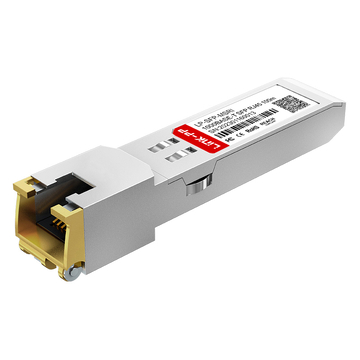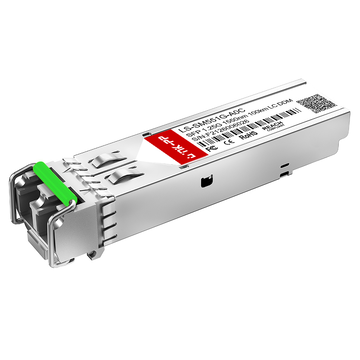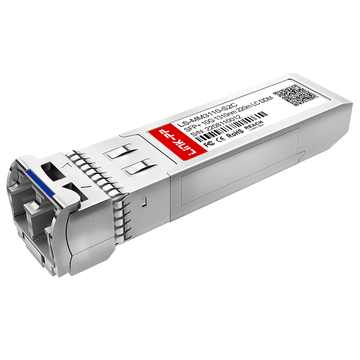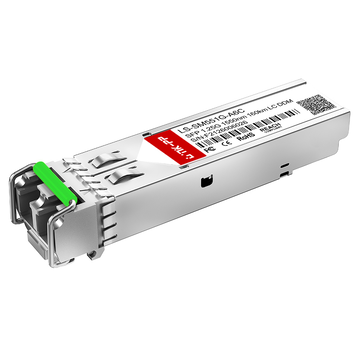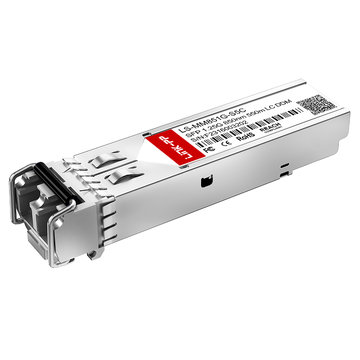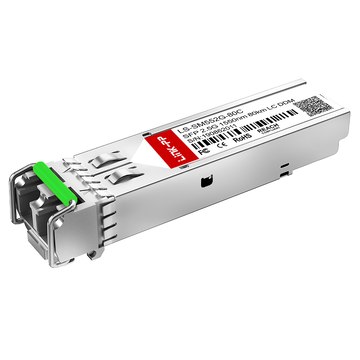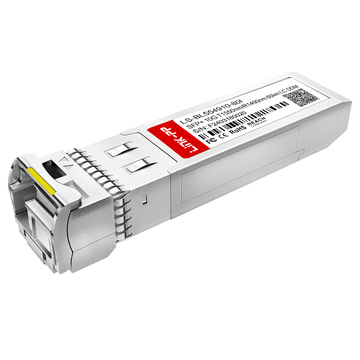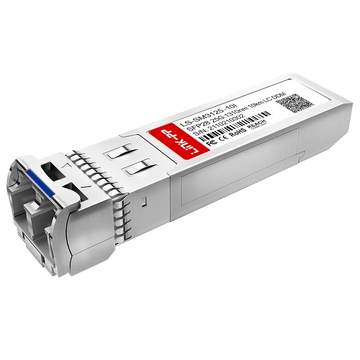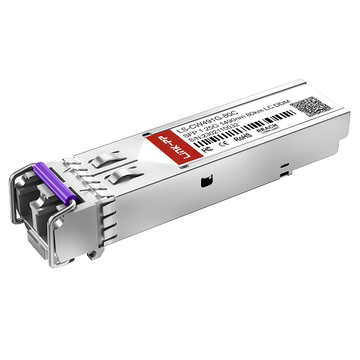
SFP technology is a foundational component of modern intelligent networks, enabling flexible, high-speed connectivity across data centers, enterprise systems, and telecommunications infrastructure. As a modular transceiver standard, SFP technology allows network devices such as switches and routers to support a wide range of transmission media, data rates, and distances without requiring hardware replacement.
With the rapid growth of cloud computing, artificial intelligence workloads, and edge computing architectures, network demands are shifting toward higher bandwidth, lower latency, and greater scalability. SFP modules address these challenges by providing hot-swappable, compact, and interoperable connectivity solutions that can adapt to evolving network requirements.
This article explores the fundamentals of SFP technology, including how it works, its evolution, key components, and common module types. It also examines its advantages, deployment considerations, and future role in shaping intelligent, software-driven network infrastructures.
✔️ What Is SFP Technology?
SFP technology refers to a modular, hot-swappable transceiver standard used to enable flexible connectivity in networking equipment such as switches, routers, and network interface cards. It allows these devices to support different transmission media, including fiber optic and copper cables, by inserting interchangeable SFP form factor modules into designated ports. This modularity makes SFP technology a key enabler of scalable and adaptable network design.
Definition of SFP Modules
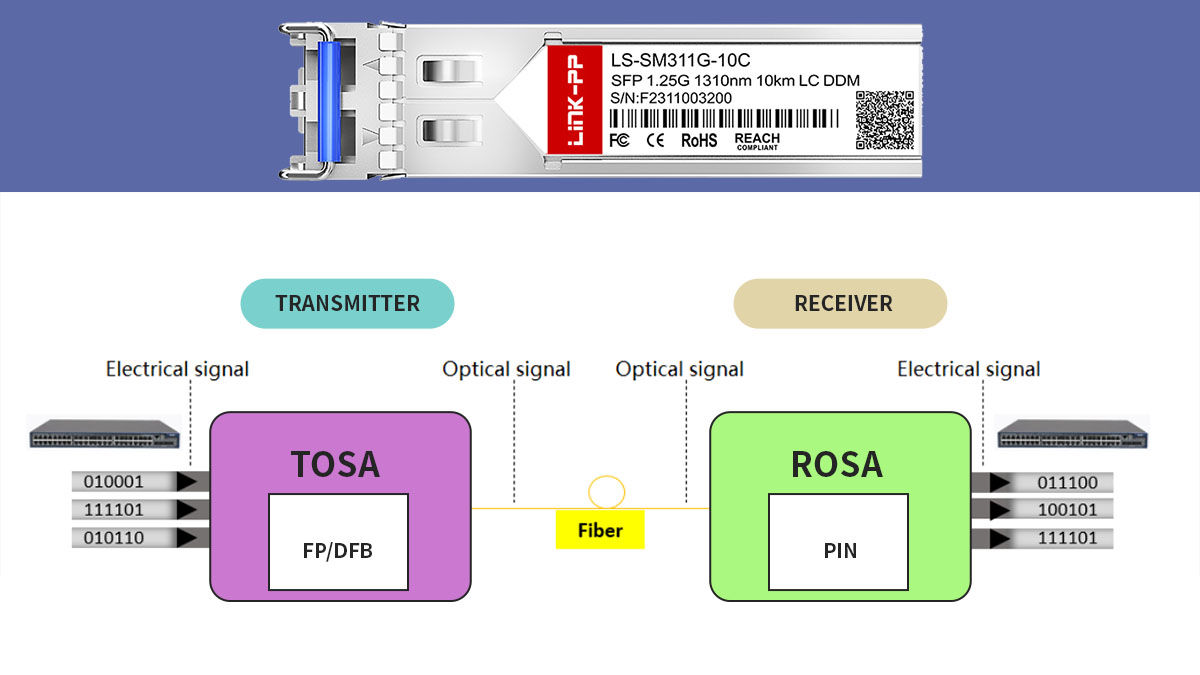
SFP (Small Form-factor Pluggable) modules are compact transceivers that convert electrical signals from network devices into optical signals for transmission over fiber, or into electrical signals for copper-based connections. They are designed to be easily inserted or removed without shutting down the system, supporting real-time network upgrades and maintenance.
Key characteristics of SFP modules include:
-
Hot-swappable design that minimizes network downtime
-
Support for multiple communication standards such as Gigabit Ethernet and Fibre Channel
-
Compatibility with both multimode and single-mode fiber, as well as copper interfaces
-
Standardized form factor for broad interoperability across vendors
Key Characteristics of SFP Technology
SFP technology is widely adopted because it provides a balance between flexibility, performance, and cost efficiency in modern networks.
The following table summarizes the core characteristics of SFP technology and their practical implications:
| Characteristic | Description | Network Benefit |
|---|---|---|
| Modular Design | Interchangeable transceivers | Simplifies upgrades and scaling |
| Compact Form Factor | Small physical size | Enables high port density |
| Media Flexibility | Fiber and copper support | Adapts to diverse environments |
| Hot-Swappable | Replaceable without shutdown | Reduces operational disruption |
These characteristics allow network operators to optimize infrastructure without replacing entire devices, making SFP technology especially valuable in dynamic environments such as data centers and enterprise networks.
How SFP Technology Works
SFP technology operates by converting signals between electrical and optical domains, enabling data transmission over different physical media.
At a high level, the working process includes:
-
A network device sends an electrical signal to the transceiver module
-
The transmitter inside the module converts the electrical signal into an optical signal using a laser diode
-
The optical signal is transmitted through a fiber optic cable to the receiving end
-
The receiver converts the optical signal back into an electrical signal for processing by the destination device
This conversion process ensures efficient, high-speed communication over varying distances while maintaining signal integrity.
Internally, an SFP connectors typically consists of:
-
A transmitter (laser or LED) for signal generation
-
A receiver (photodiode) for signal detection
-
Control circuitry for signal processing and diagnostics
By abstracting the physical transmission layer into a replaceable module, SFP technology allows network hardware to remain consistent while supporting evolving connectivity requirements.
✔️ Evolution of SFP Technology
SFP technology has evolved to meet the growing demands for higher bandwidth, greater port density, and more flexible network architectures. From its origins as a replacement for bulky transceivers to its role in enabling modern high-speed connectivity, SFP technology reflects the continuous advancement of network infrastructure.
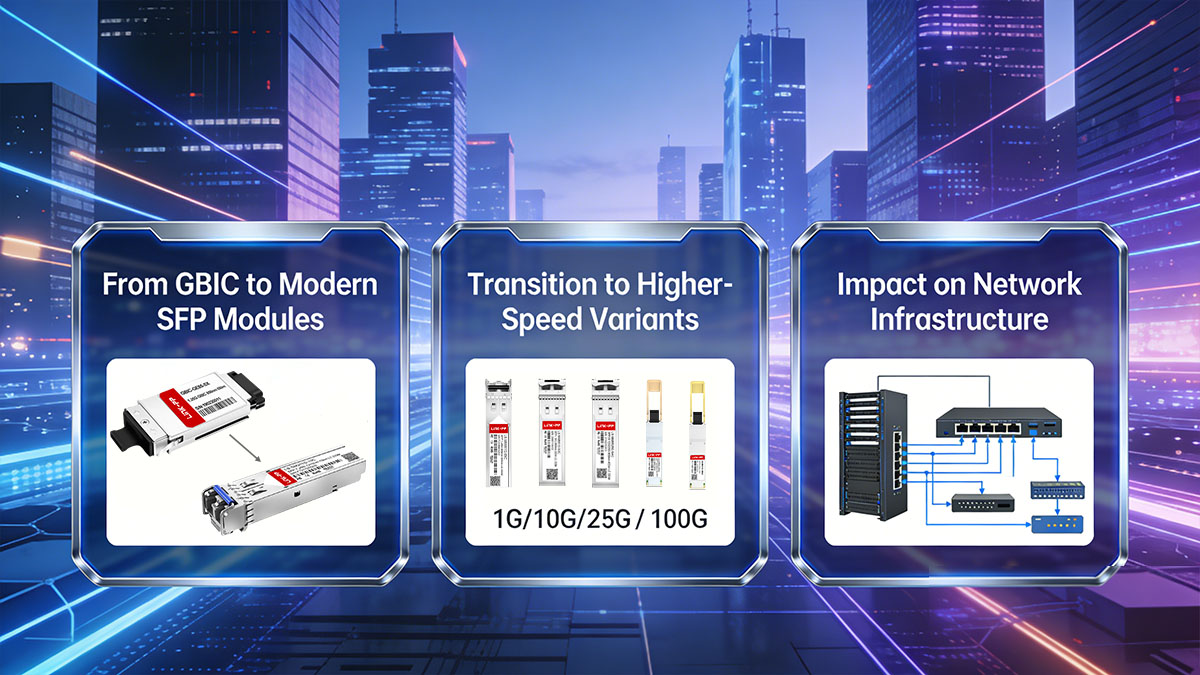
From GBIC to Modern SFP Modules
SFP modules were introduced as a more compact and efficient alternative to earlier transceiver standards, particularly GBIC (Gigabit Interface Converter). The primary improvement was a significant reduction in size, allowing more ports to be integrated into a single networking device.
The following table highlights the key differences between GBIC and SFP modules:
| Feature | GBIC | SFP |
|---|---|---|
| Form Factor | Large | Compact |
| Port Density | Low | High |
| Hot-Swappable | Supported | Supported |
| Typical Use Case | Early Gigabit networks | Modern modular networks |
The transition to SFP transceiver module enabled network equipment manufacturers to design switches and routers with significantly higher interface density, which is essential for data centers and enterprise environments.
In addition, SFP modules maintained compatibility with existing communication standards while improving thermal efficiency and reducing power consumption.
Transition to Higher-Speed Variants
As network traffic increased due to cloud computing, video streaming, and enterprise applications, the original SFP standard expanded into higher-speed variants to support greater bandwidth requirements.
Common SFP-based variants include:
-
SFP: Typically supports 1Gbps data rates
-
SFP+: Designed for 10Gbps applications
-
SFP28: Supports 25Gbps transmission
-
Enhanced variants supporting specialized protocols and extended reach
The following table summarizes the evolution of SFP data rate capabilities:
| Module Type | Data Rate | Typical Application |
|---|---|---|
| SFP | 1Gbps | Access and aggregation |
| SFP+ | 10Gbps | Data center and enterprise |
| SFP28 | 25Gbps | High-performance networks |
| Advanced SFP | >25Gbps | Emerging architectures |
This progression demonstrates how SFP technology has adapted to increasing performance requirements while retaining the same fundamental form factor, ensuring backward compatibility and investment protection.
Impact on Network Infrastructure
The evolution of SFP technology has significantly influenced how modern networks are designed, deployed, and scaled.
Key impacts include:
-
Increased scalability
Networks can be expanded by upgrading transceivers rather than replacing entire devices -
Simplified upgrade paths
Organizations can transition from 1Gbps to 10Gbps or higher with minimal infrastructure changes -
Standardization across vendors
The widespread adoption of SFP standards ensures interoperability between different equipment manufacturers -
Support for diverse deployment scenarios
From short-range data center links to long-distance telecommunications connections
As a result, SFP technology has become a cornerstone of intelligent network design, enabling flexible and future-ready infrastructure capable of adapting to rapidly changing digital demands.
✔️ Core Components of SFP Technology
SFP technology relies on a set of integrated optical and electronic components that work together to enable reliable signal transmission and reception. These components determine the performance, transmission distance, and stability of SFP modules in real-world network environments.
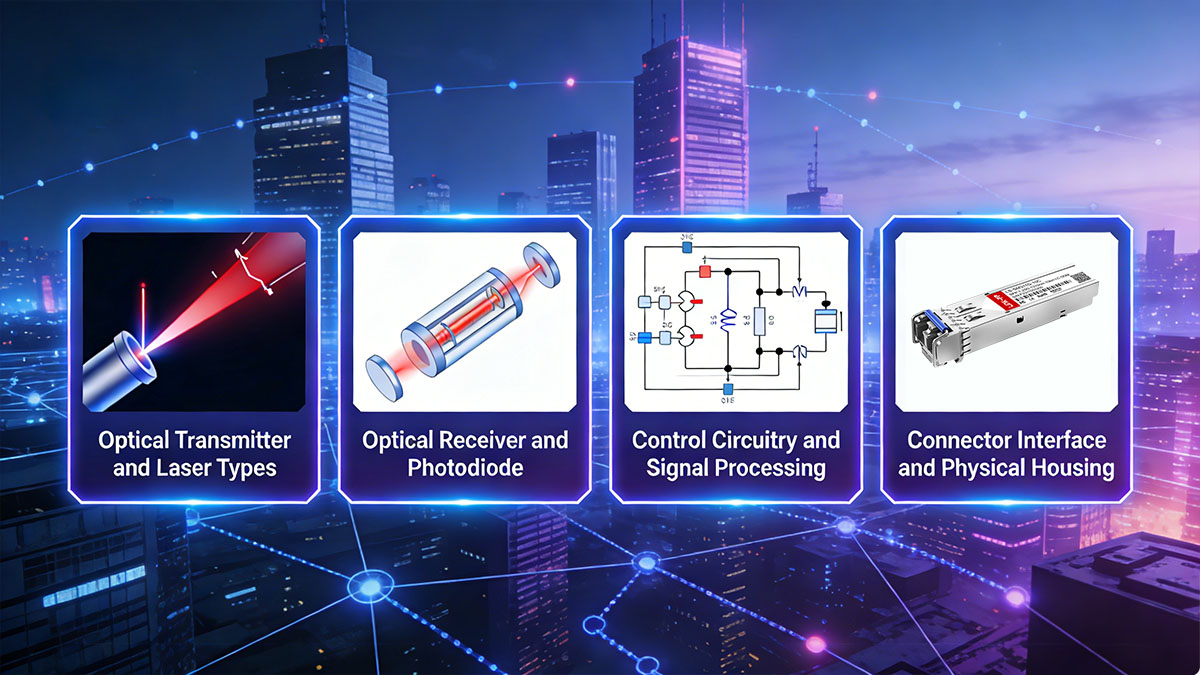
Optical Transmitter and Laser Types
The optical transmitter is responsible for converting electrical signals into optical signals for transmission over fiber. The type of laser used directly affects transmission distance, signal quality, and application scenarios.
Different laser technologies are used depending on network requirements:
-
VCSEL (Vertical-Cavity Surface-Emitting Laser) is typically used for short-range multimode applications due to its lower cost and power consumption
-
DFB (Distributed Feedback Laser) is used for longer distances and single-mode fiber, offering higher precision and signal stability
-
FP (Fabry-Pérot Laser) provides a balance between cost and performance for mid-range applications
The following table compares common laser types used in SFP modules:
| Laser Type | Fiber Type | Typical Distance | Application Scenario |
|---|---|---|---|
| VCSEL | Multimode | Up to 550m | Data center interconnects |
| FP | Single-mode | Up to 20km | Enterprise networks |
| DFB | Single-mode | 40km and beyond | Telecom and long-haul links |
These laser options allow SFP modules to be tailored for specific deployment needs, from short-reach high-density environments to long-distance backbone networks.
Optical Receiver and Photodiode
The optical receiver converts incoming optical signals back into electrical signals that can be processed by network devices. Its performance is critical to maintaining signal integrity, especially over longer distances or in high-speed applications.
Key aspects of the receiver include:
-
Photodiode type, typically PIN or APD
-
Sensitivity level, which determines the minimum detectable signal strength
-
Noise tolerance, affecting overall link reliability
The following table outlines the differences between common photodiode types:
| Photodiode Type | Sensitivity Level | Cost Level | Typical Use Case |
|---|---|---|---|
| PIN | Moderate | Lower | Short to medium distances |
| APD | High | Higher | Long-distance transmission |
Higher sensitivity receivers enable longer transmission distances but may introduce additional cost and power considerations.
Control Circuitry and Signal Processing
Control circuitry manages signal conditioning, data recovery, and overall module operation, ensuring stable communication between the host device and the transmission medium.
Its core functions include:
-
Signal amplification and conditioning
-
Clock and data recovery (CDR) for high-speed links
-
Interface communication with the host device
-
Stability control across varying operating conditions
These electronic components ensure that both transmitted and received signals remain accurate and synchronized, particularly in high-speed networking environments.
Connector Interface and Physical Housing
The connector interface and physical housing provide the mechanical and optical alignment necessary for reliable connectivity.
Key elements include:
-
Standardized optical interfaces such as LC duplex connectors
-
Metal housing for electromagnetic shielding
-
Thermal design for heat dissipation
-
Precision alignment to minimize signal loss
These structural components play a critical role in ensuring consistent performance, especially in high-density deployments where thermal and mechanical stability are essential.
✔️ Types of SFP Modules in Modern Networks
SFP modules can be categorized based on transmission media, fiber type, and communication technology, allowing networks to support a wide range of deployment scenarios. Selecting the appropriate SFP module type depends on factors such as distance, bandwidth requirements, and infrastructure constraints.
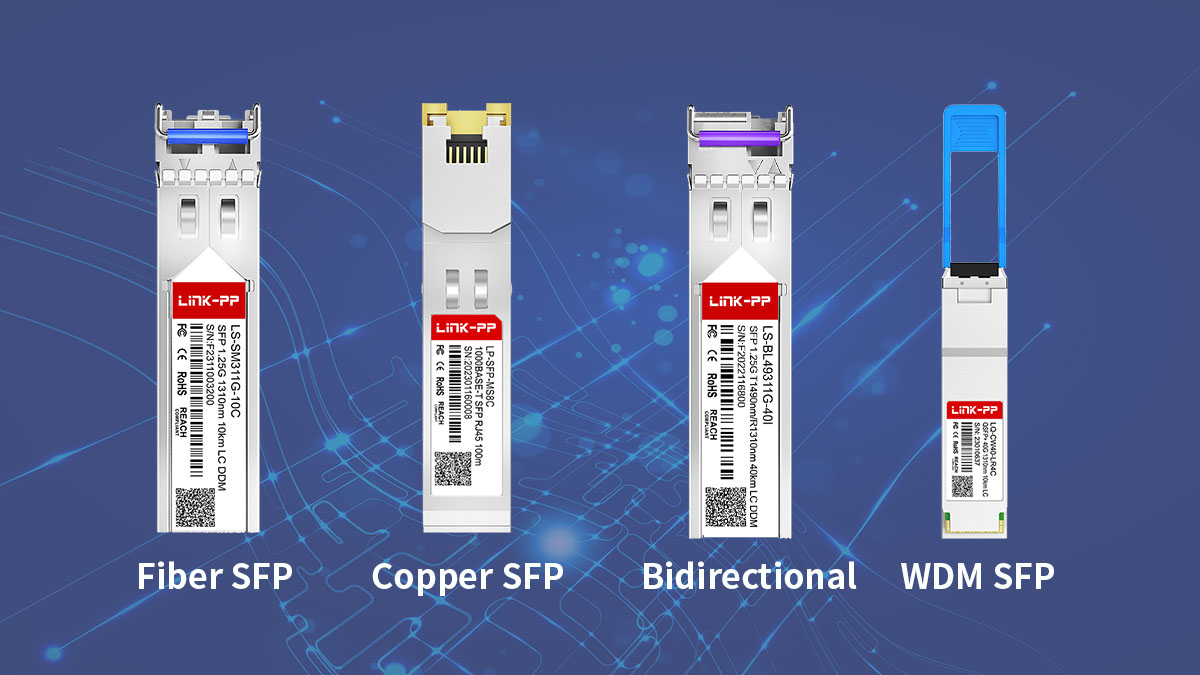
Fiber-Based SFP Modules
Fiber-based SFP modules are the most widely used type, designed for optical communication over multimode or single-mode fiber. They are suitable for both short-range and long-distance transmission, depending on the optical specifications.
The following table summarizes the main types of fiber-based SFP modules:
| Module Type | Fiber Type | Typical Distance | Common Use Case |
|---|---|---|---|
| SX | Multimode | Up to 550m | Data center short links |
| LX | Single-mode | Up to 10km | Campus and enterprise links |
| EX | Single-mode | Up to 40km | Metropolitan networks |
| ZX | Single-mode | Up to 80km | Long-distance transmission |
Multimode SFP modules are typically used for short-distance, high-density environments such as data centers, while single-mode SFP modules are preferred for longer distances due to lower signal attenuation.
Copper SFP Modules
Copper SFP modules enable Ethernet transmission over twisted-pair cables, typically using RJ-45 interfaces. They are commonly used in environments where fiber deployment is unnecessary or impractical.
Key characteristics of copper SFP modules include:
-
Support for standard Ethernet cabling such as Cat5e and Cat6
-
Short transmission distances, typically up to 100m
-
Compatibility with existing copper-based infrastructure
The following table highlights their main attributes:
| Parameter | Copper SFP Module |
|---|---|
| Interface | RJ-45 |
| Transmission Medium | Twisted-pair copper |
| Maximum Distance | Up to 100m |
| Typical Use Case | Access layer connectivity |
Copper SFP modules provide a practical solution for extending network connectivity without requiring fiber installation, particularly in legacy or cost-sensitive environments.
Bidirectional and WDM SFP Modules
Bidirectional (BiDi) and Wavelength Division Multiplexing (WDM) SFP modules are designed to maximize fiber utilization by transmitting multiple signals over a single fiber strand.
These modules are especially useful in scenarios where fiber resources are limited.
Key features include:
-
Bidirectional transmission using two different wavelengths on one fiber
-
Reduced fiber infrastructure requirements
-
Efficient use of existing cabling in access and metro networks
The following table compares BiDi and WDM SFP modules:
| Module Type | Fiber Usage | Technology Basis | Typical Application |
|---|---|---|---|
| BiDi | Single fiber | Dual wavelength | Access networks |
| CWDM | Single or dual | Coarse wavelength mux | Metro aggregation |
| DWDM | Single or dual | Dense wavelength mux | Long-haul backbone networks |
By enabling multiple signals over limited fiber infrastructure, these advanced SFP modules significantly improve network efficiency and scalability.
✔️ Advantages of SFP Technology in Intelligent Networks
SFP technology provides a combination of flexibility, scalability, and efficiency that makes it well-suited for intelligent networks. Its modular architecture allows networks to adapt quickly to changing bandwidth demands, infrastructure constraints, and evolving technologies without requiring major hardware replacements.
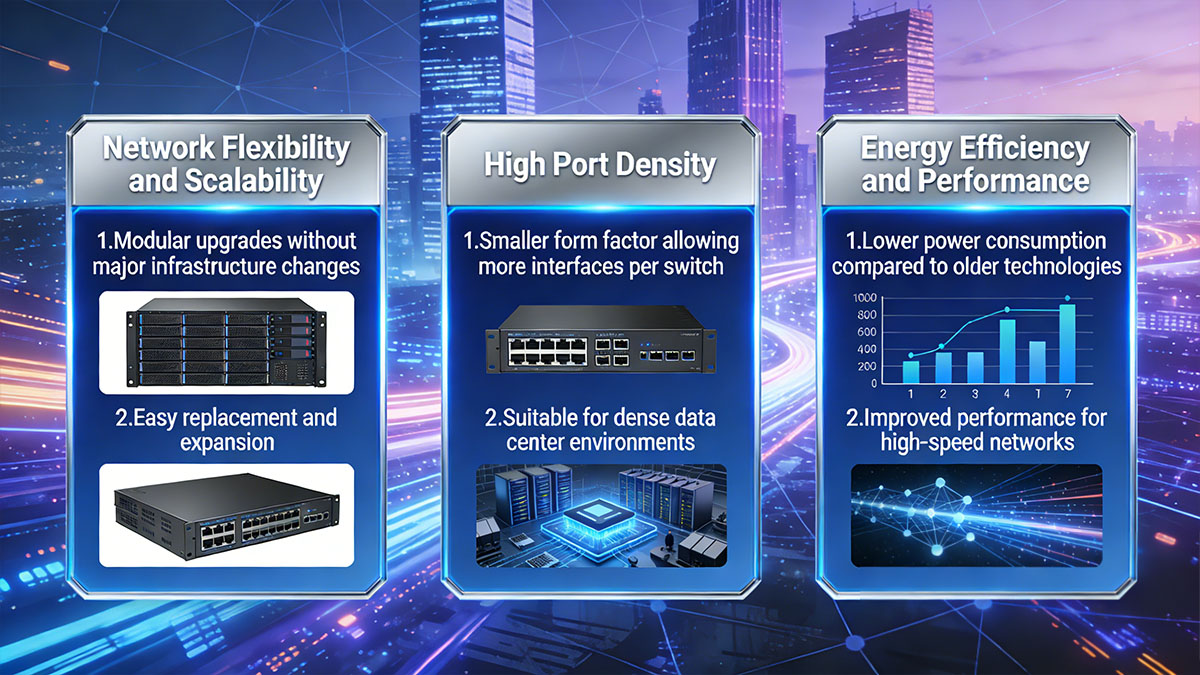
Network Flexibility and Scalability
SFP technology enables networks to scale efficiently by allowing transceivers to be replaced or upgraded independently of the main hardware. This modular approach simplifies network expansion and reduces long-term infrastructure constraints.
Key advantages include:
-
Ability to switch between fiber and copper connections as needed
-
Support for multiple transmission distances using different SFP modules
-
Incremental upgrades without replacing switches or routers
This flexibility is particularly valuable in environments where network requirements frequently change, such as cloud data centers and enterprise campuses.
High Port Density
The compact form factor of SFP modules allows networking equipment to support a higher number of ports within the same physical space, improving overall connectivity capacity.
The following table illustrates how SFP technology enhances port density compared to larger transceiver formats:
| Transceiver Type | Form Factor Size | Port Density Capability | Typical Deployment |
|---|---|---|---|
| GBIC | Large | Low | Legacy systems |
| SFP | Compact | High | Modern switches |
| SFP+ | Compact | Very high | Data center environments |
Higher port density enables:
-
More efficient use of rack space
-
Greater scalability in high-density environments
-
Reduced need for additional networking hardware
This is especially important in modern data centers where space and power efficiency are critical.
Energy Efficiency and Performance
SFP modules are designed to deliver high performance while maintaining relatively low power consumption, making them suitable for large-scale deployments.
The following table summarizes the balance between performance and power efficiency:
| Module Type | Data Rate | Typical Power Consumption | Performance Efficiency |
|---|---|---|---|
| SFP | 1Gbps | Low | Moderate |
| SFP+ | 10Gbps | Moderate | High |
| SFP28 | 25Gbps | Moderate | Very high |
Lower power consumption contributes to:
-
Reduced operational costs in large deployments
-
Less heat generation, improving system stability
-
Better alignment with energy-efficient data center design
At the same time, SFP technology supports high-speed data transmission, ensuring that performance requirements are met in demanding applications.
Interoperability and Standardization
SFP technology is widely standardized, enabling interoperability across different vendors and platforms. This reduces the risk of vendor lock-in and simplifies network design.
Key interoperability benefits include:
-
Compatibility with a wide range of networking equipment
-
Support for industry-standard protocols and interfaces
-
Flexibility to deploy mixed-vendor environments
This level of standardization allows organizations to build more adaptable and cost-efficient network infrastructures.Overall, these advantages make SFP technology a critical component in intelligent networks, supporting scalable growth, efficient resource utilization, and high-performance connectivity across diverse deployment scenarios.
✔️ Applications of SFP Technology
SFP technology is widely used across various networking environments due to its flexibility, modularity, and support for diverse transmission media. Its ability to adapt to different distances, speeds, and physical infrastructures makes it suitable for data centers, enterprise networks, and telecommunications systems.
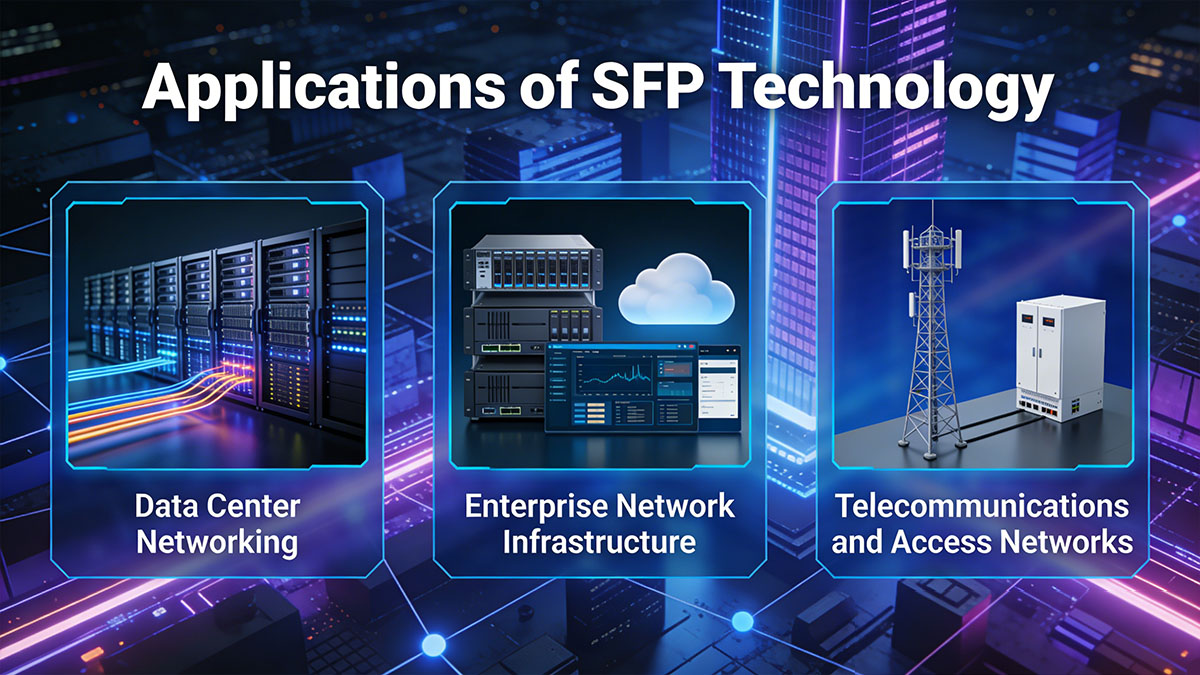
Data Center Networking
SFP modules are extensively deployed in data centers to interconnect servers, switches, and storage systems. Their modular design supports incremental upgrades and helps maintain high port density in space-constrained environments.
Key applications in data centers include:
-
High-speed server-to-switch connections
-
Inter-switch links (uplinks and spine-leaf architectures)
-
Redundant links for fault tolerance and high availability
The following table summarizes typical SFP module choices in data center environments:
| Module Type | Data Rate | Fiber Type | Distance Range |
|---|---|---|---|
| 1000BASE-SX | 1Gbps | Multimode | Up to 550m |
| 10GBASE SFP+ | 10Gbps | Multimode | Up to 300m |
| 25GBASE SFP28 | 25Gbps | Single-mode | Up to 10km |
By selecting the appropriate module, data centers can optimize performance, energy efficiency, and overall network scalability.
Enterprise Network Infrastructure
In enterprise networks, SFP technology enables flexible connectivity between buildings, floors, and campus segments. It supports both fiber and copper deployments, allowing organizations to balance cost, distance, and performance requirements.
Common enterprise applications include:
-
Campus aggregation and distribution links
-
Inter-building fiber connections
-
Upgrading legacy copper networks to fiber without replacing existing hardware
SFP modules allow enterprises to implement scalable network topologies that can evolve with organizational growth and increasing bandwidth demands.
Telecommunications and Access Networks
Telecommunications providers rely on SFP modules to extend fiber connectivity in metro and long-haul networks. Bidirectional SFP and WDM SFP modules are particularly valuable in scenarios with limited fiber infrastructure, enabling multiple signals over a single strand.
Key telecom applications include:
-
Fiber-to-the-home (FTTH) and fiber-to-the-building (FTTB) access networks
-
Metro aggregation links connecting multiple central offices
-
Long-distance backbone transmission using single-mode SFPs with extended reach
The flexibility of SFP technology allows telecom operators to deploy cost-effective, high-capacity networks while supporting future upgrades to higher-speed standards.
✔️ Deployment Considerations for SFP Technology
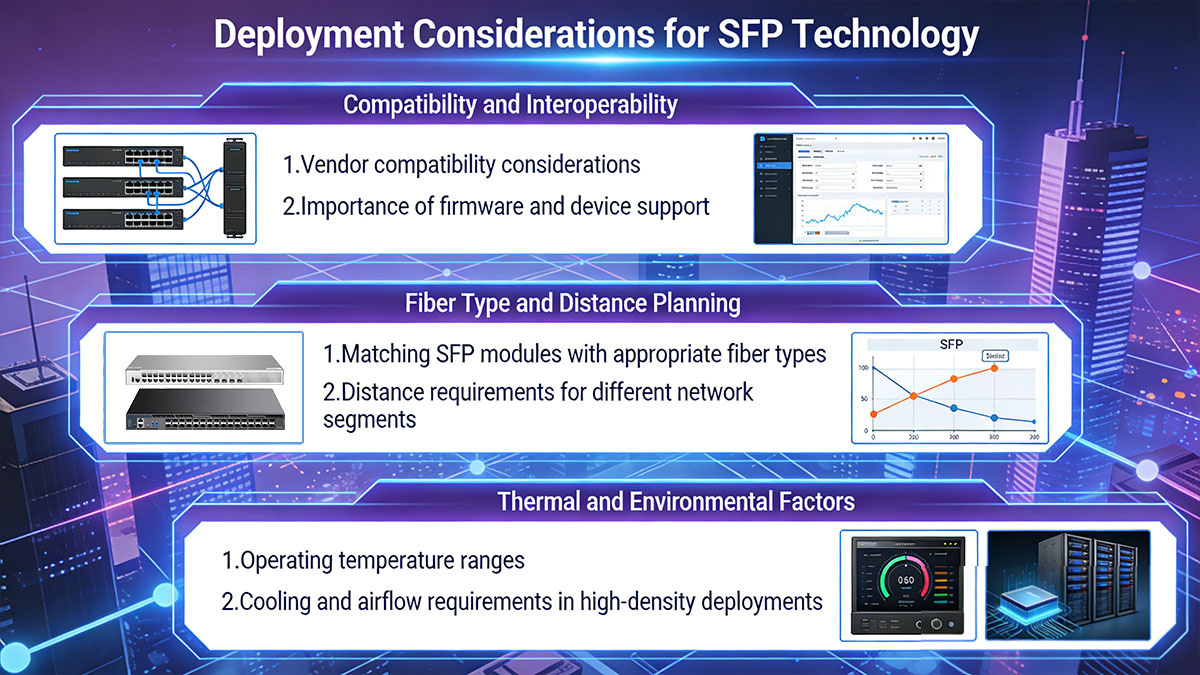
Successful deployment of SFP modules requires careful planning to ensure compatibility, optimal performance, and long-term reliability. Several factors, including fiber type, transmission distance, and environmental conditions, must be evaluated before installation.
Compatibility and Interoperability
SFP modules must match the specifications of the host device to function properly. Compatibility considerations include:
-
Vendor support and firmware requirements
-
Supported data rates and protocol standards
-
Physical interface alignment (LC, RJ-45, etc.)
Ensuring interoperability across devices reduces the risk of link failure and simplifies network management.
The following table summarizes key compatibility points for SFP deployment:
| Factor | Consideration | Impact on Deployment |
|---|---|---|
| Vendor Compatibility | SFP module supported by switch/router | Prevents hardware mismatch |
| Protocol Support | Ethernet, Fibre Channel, or other standards | Ensures data integrity |
| Physical Interface | Fiber connector type or copper interface | Determines cabling requirements |
Properly matching these factors ensures smooth integration into existing network infrastructure.
Fiber Type and Distance Planning
The type of fiber and maximum transmission distance are critical when deploying SFP modules. Incorrect selection can lead to signal degradation or connectivity failure.
Key planning considerations:
-
Multimode fiber is ideal for short distances (typically up to 550m)
-
Single-mode fiber supports longer distances, from 10km to over 80km depending on the module type
-
Optical budget calculations should account for connectors, splices, and cable attenuation
The following table provides a quick reference for fiber types and distances:
| Fiber Type | Suitable Module | Typical Maximum Distance | Common Application |
|---|---|---|---|
| Multimode | SX SFP | Up to 550m | Data center short links |
| Single-mode | LX SFP | Up to 10km | Campus networks |
| Single-mode | ZX SFP | Up to 80km | Long-haul telecom links |
Planning fiber type and distance ensures optimal signal quality and avoids costly re-deployment.
Thermal and Environmental Factors
Environmental conditions directly impact SFP module reliability and lifespan. Considerations include:
-
Operating temperature range of the module
-
Heat dissipation in high-density switch racks
-
Ambient humidity and dust levels in the deployment area
High-density deployments may require additional cooling or environmental controls to maintain module performance and prevent overheating. Regular monitoring of environmental parameters helps sustain long-term reliability.
✔️ Future Trends in SFP Technology
SFP technology continues to evolve to meet the increasing demands of intelligent networks. Emerging trends focus on higher data rates, enhanced monitoring capabilities, and support for next-generation network architectures, ensuring that SFP modules remain a key enabler of scalable, high-performance connectivity.
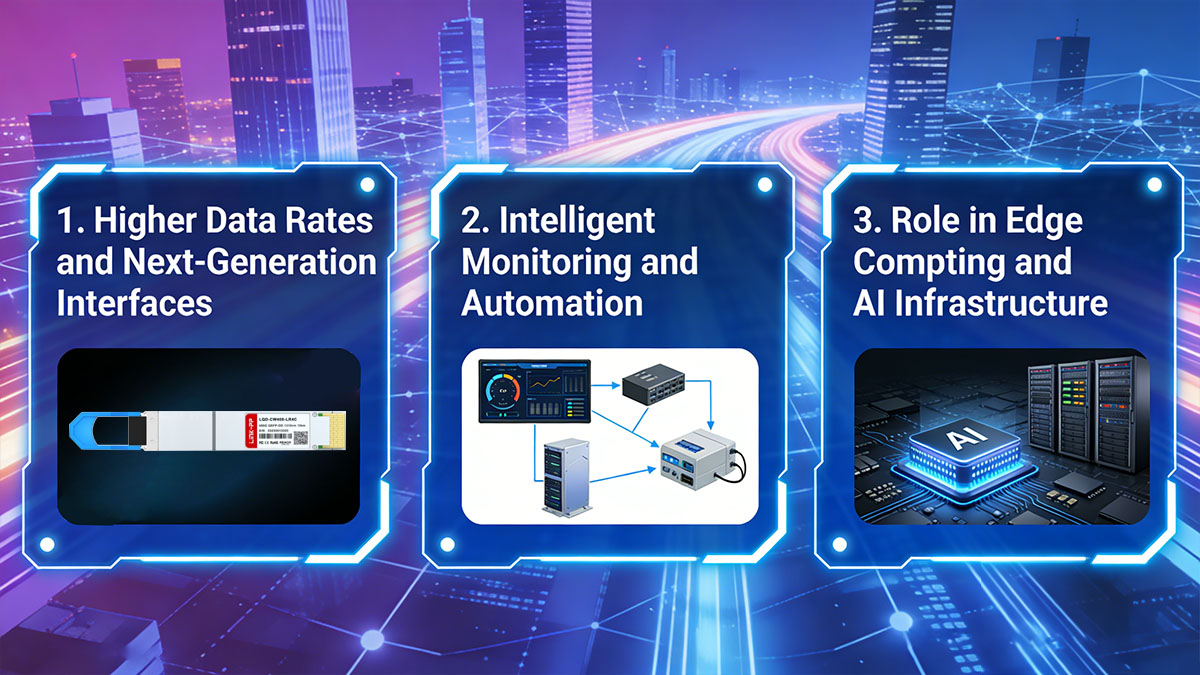
Higher Data Rates and Next-Generation Interfaces
The demand for bandwidth continues to grow due to cloud computing, video streaming, and AI workloads. SFP technology is evolving to support these requirements:
-
10G SFP+ and 25G SFP28 have become standard in modern data centers
-
Next-generation SFP variants(such as QSFP+、QSFP28、QSFP-DD) are being developed to support 50Gbps and higher speeds
-
Backward compatibility ensures smooth upgrades without replacing host devices
These advancements allow networks to increase capacity while maintaining a modular and flexible infrastructure.
Intelligent Monitoring and Automation
Future SFP modules are expected to incorporate enhanced monitoring and automation features:
-
Real-time diagnostics for temperature, voltage, and optical signal levels
-
Integration with software-defined networking (SDN) and AI-driven management systems
-
Predictive maintenance to detect potential failures before they impact network performance
By combining hardware capabilities with intelligent monitoring, operators can improve reliability, reduce downtime, and optimize network resources.
Role in Edge Computing and AI Infrastructure
Edge computing and AI-driven applications demand low-latency, high-speed connections close to end users or devices. SFP technology supports this trend by:
-
Providing modular, high-performance connectivity for distributed computing nodes
-
Enabling dense port deployment in edge switches to accommodate multiple devices
-
Reliable links for every span—supporting Short-Distance (SR) and Long-Distance (LR) connections with a versatile selection of fiber and copper transceivers.
SFP modules thus play a crucial role in enabling intelligent, decentralized network architectures capable of handling real-time data processing and AI workloads.
These trends indicate that SFP technology will remain a cornerstone of intelligent networks, providing adaptable, high-speed, and energy-efficient solutions for evolving digital infrastructures. Its continued evolution ensures that both enterprise and telecom networks can meet the demands of next-generation applications.
✔️ Conclusion
SFP technology continues to be a foundational element of modern intelligent networks, providing modular, high-performance, and flexible connectivity across data centers, enterprise networks, and telecommunications infrastructure. Its evolution—from early SFP modules to high-speed variants like SFP+ and SFP28—demonstrates its adaptability to growing bandwidth demands, dense deployments, and emerging technologies such as edge computing and AI-driven networks. By combining scalability, energy efficiency, and interoperability, SFP modules enable networks to expand and upgrade without major hardware replacements, ensuring reliable and future-ready infrastructure.
For organizations looking to implement or upgrade their SFP-based networks, exploring high-quality, compatible SFP modules is essential to maximize performance and long-term reliability. Discover a comprehensive selection of SFP solutions at the LINK-PP Official Store to support scalable, intelligent network deployments.