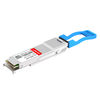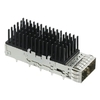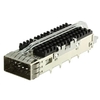
The CVR-QSFP-SFP10G Cisco adapter, commonly known as a QSFP to SFP+ (QSA) adapter, is a critical component for network administrators looking to bridge the gap between high-speed 40G ports and existing 10G infrastructure. By converting a 40-Gigabit Ethernet port into a single 10-Gigabit SFP+ slot, this module provides a seamless migration path, allowing legacy hardware to coexist with modern, high-density switches without requiring a total equipment overhaul.
As data centers scale, the demand for high-quality CVR-QSFP-SFP10G Cisco compatible alternatives has surged. While original equipment manufacturer (OEM) hardware ensures reliability, professionals increasingly seek compatible alternatives to balance performance with budget constraints. These third-party modules offer identical functionality — maintaining low latency and protocol transparency — while providing the flexibility needed to optimize port mapping and maximize the ROI of existing networking hardware.
ℹ️ Introduction to CVR-QSFP-SFP10G Cisco Compatible Adapters
The CVR-QSFP-SFP10G Cisco compatible adapters offer a versatile and cost-effective solution for network administrators looking to bridge 40G QSFP ports with 10G SFP+ interfaces. By converting the higher-speed QSFP connections to a more widely used 10G standard, these adapters help maximize the potential of existing hardware and enable greater flexibility in network design.
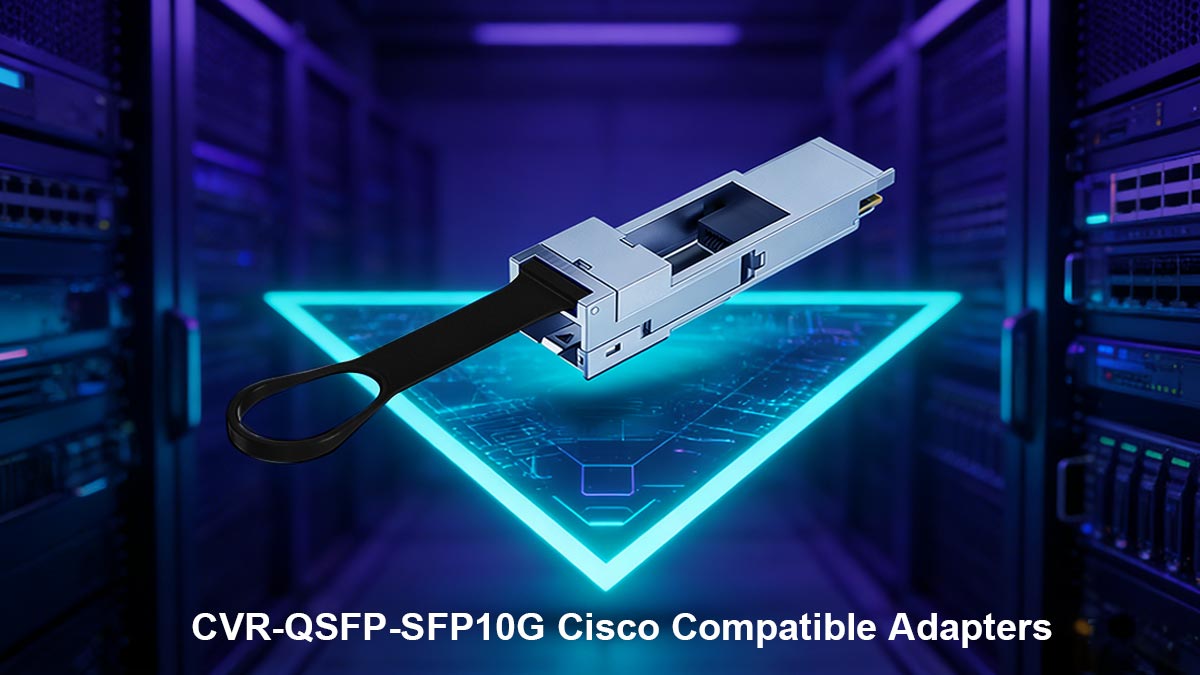
What is a QSFP to SFP+ (QSA) Adapter
A QSFP to SFP+ Adapter, commonly referred to as a QSA, is a mechanical and electrical conversion tool designed to fit into a 40G QSFP+ port. It effectively creates a gateway that allows a single 10G SFP+ transceiver or cable to operate within a slot originally designed for much higher bandwidth.
The beauty of the QSA lies in its simplicity; it does not require complex configuration to function. By providing a physical housing that matches the QSFP+ form factor while maintaining the internal electrical pinouts for SFP+ signals, it ensures that existing 10G assets can be utilized in newer, high-speed switch architectures.
Overview of the CVR-QSFP-SFP10G Cisco Compatible Adapter
The CVR-QSFP-SFP10G Cisco is the industry-standard model specifically engineered for Cisco networking environments, including the Nexus and Catalyst series. It is a passive adapter that ensures a secure, low-loss connection between the switch's backplane and a variety of 10G modules, such as SFP-10G-SR, SFP-10G-LR, or even Direct Attach Cables (DAC).
Built with a tool-less, hot-swappable design, this adapter allows for immediate deployment without powering down the system. It is recognized by Cisco’s operating systems (NX-OS and IOS) as a valid interface converter, ensuring that the connected 10G link is treated as a standard Ethernet port with full monitoring capabilities.
Why Professionals Seek High-Quality Cisco Compatible Alternatives
IT professionals and data center managers frequently turn to high-quality CVR-QSFP-SFP10G Cisco alternatives to bypass the high premiums associated with OEM-branded hardware. A reliable alternative provides the exact same technical performance and reliability as the original, but at a fraction of the cost, allowing for more aggressive infrastructure scaling.
Beyond cost, these alternatives often offer better availability and broader compatibility across multi-vendor environments. By choosing a reputable third-party manufacturer, network engineers can maintain 100% signal integrity and "plug-and-play" functionality while freeing up budget for other critical network upgrades.
ℹ️ Technical Specifications of CVR-QSFP-SFP10G Cisco Adapter
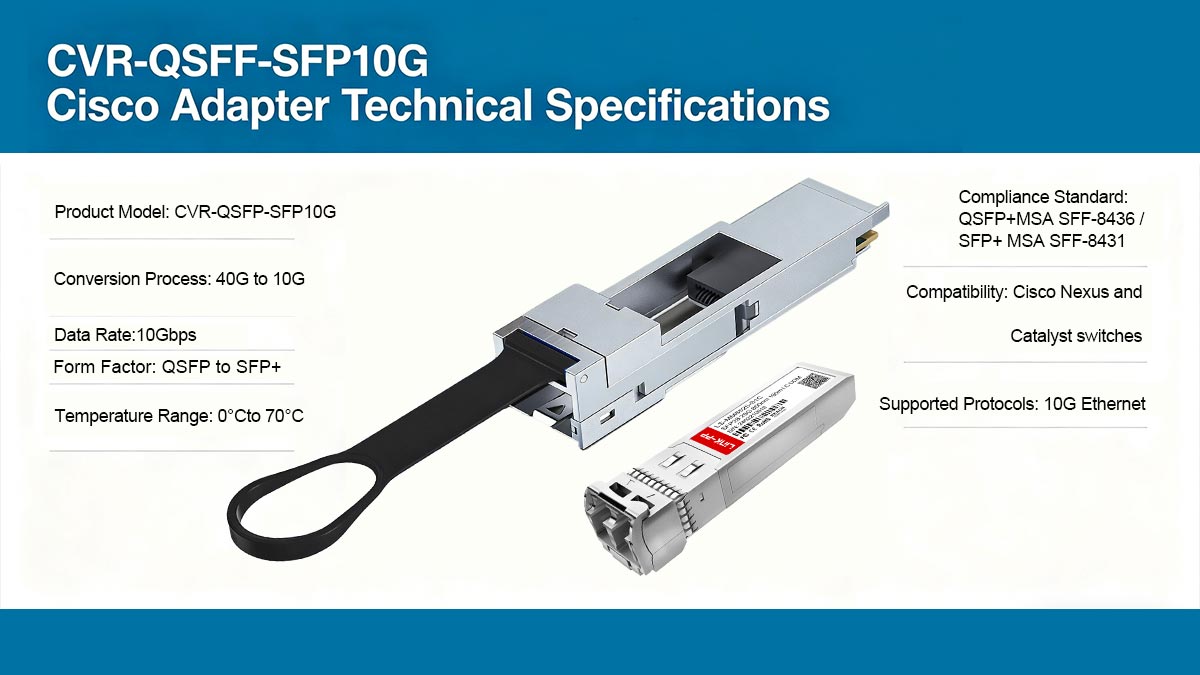
The technical integrity of a CVR-QSFP-SFP10G Cisco adapter is defined by its ability to maintain signal precision while adapting physical form factors. These specifications ensure that the adapter operates within the strict electrical and mechanical tolerances required by high-performance Cisco switching environments.
The following table provides a detailed breakdown of the primary technical parameters for these adapter modules:
| Parameter |
Specification Details |
| Form Factor |
QSFP to SFP+ adapter |
| Connector Type |
QSFP+/SFP+ |
| Data Rate |
10Gbps |
| Compliance Standard |
QSFP+ MSA SFF-8436 / SFP+ MSA SFF-8431 |
| Compatibility |
Cisco Nexus and Catalyst switches |
Physical Dimensions and Form Factor Standard
The CVR-QSFP-SFP10G Cisco adapter is precision-engineered to meet the SFF-8436 multi-source agreement (MSA) for QSFP+ form factors. Its external dimensions allow it to slide perfectly into any standard 40G port, while the internal cavity is meticulously shaped to accept SFP+ transceivers (SFF-8431), ensuring a snug, vibration-resistant fit.
Because it adheres to these international standards, the adapter maintains the high-density port spacing required in modern data center racks. The mechanical latching mechanism is designed for thousands of insertion cycles, providing a durable physical interface that prevents accidental disconnects during routine maintenance.
Understanding the 40G to 10G Conversion Mechanism
The conversion process in a CVR-QSFP-SFP10G Cisco adapter is fundamentally a lane-mapping exercise. A standard 40G QSFP+ port consists of four independent 10G transmit and receive lanes; the adapter intelligently routes one of these 10G lanes (typically Lane 0) to the SFP+ interface while terminating the unused lanes.
This is achieved through a passive electrical path that preserves the integrity of the differential signals. By remapping the high-speed pins from the QSFP+ backplane to the SFP+ port, the adapter allows the switch's software to treat the 40G physical port as a single 10G logical interface without any active signal processing.
Power Consumption and Thermal Management
One of the primary advantages of the CVR-QSFP-SFP10G Cisco is its passive architecture, which results in negligible power consumption. Since it lacks active chipsets for retiming or amplification, it adds almost no heat load to the switch chassis, making it an environmentally friendly and thermally stable solution.
Despite its passive nature, the adapter is designed with high-quality thermal conductive materials to ensure that any heat generated by the inserted SFP+ transceiver is efficiently dissipated. This thermal management ensures that the module operates reliably even in high-airflow, high-density environments where temperature control is critical.
Data Rate Support and Protocol Transparency
The CVR-QSFP-SFP10G Cisco adapter supports a data rate of 10Gbps, providing full compatibility with 10G SFP+ modules, while seamlessly integrating with 40G QSFP interfaces. This data rate ensures that the adapter can handle high-bandwidth applications, such as video streaming, cloud computing, and big data analysis, without bottlenecks.
In addition, the adapter maintains protocol transparency, ensuring that it does not interfere with the data protocols being transmitted. Whether used for Ethernet, Fibre Channel, or other common protocols, the adapter supports a wide range of applications, ensuring flexibility in various networking environments.
ℹ️ Key Benefits of Using a CVR-QSFP-SFP10G Cisco Alternative
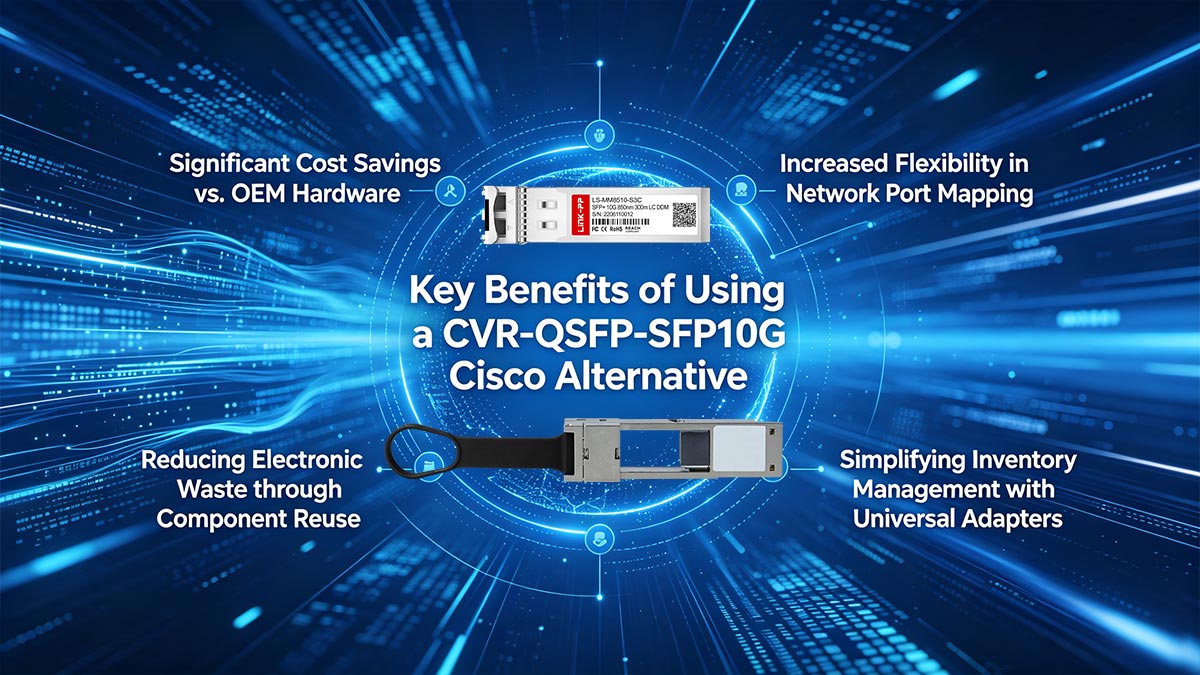
Choosing a CVR-QSFP-SFP10G Cisco alternative provides both economic and operational advantages for modern network environments. These adapters enable organizations to extend the value of their existing infrastructure while maintaining performance and compatibility. As a result, they are widely adopted in data centers and enterprise networks seeking efficiency and scalability.
Significant Cost Savings vs. OEM Hardware
One of the most compelling reasons to adopt a CVR-QSFP-SFP10G Cisco alternative is the substantial cost reduction compared to original Cisco OEM modules. Third-party compatible adapters often deliver equivalent functionality at a fraction of the price, making them ideal for large-scale deployments where budget constraints are critical.
In addition, lower upfront costs allow organizations to allocate resources more effectively, investing in other areas such as network expansion or redundancy. Over time, this cost efficiency can significantly reduce total cost of ownership (TCO) without sacrificing reliability.
Increased Flexibility in Network Port Mapping
A CVR-QSFP-SFP10G Cisco alternative enhances flexibility by allowing network engineers to repurpose 40G QSFP ports for 10G SFP+ connections. This capability is particularly valuable in mixed-speed environments where not all devices require 40G bandwidth.
By enabling more granular port utilization, these adapters support dynamic network configurations and simplify scaling strategies. This flexibility helps optimize port usage and ensures that available bandwidth aligns more closely with actual application requirements.
Reducing Electronic Waste through Component Reuse
Sustainability is becoming a core pillar of modern IT strategy, and the CVR-QSFP-SFP10G Cisco alternative supports this by extending the lifecycle of existing SFP+ modules. Rather than discarding perfectly functional 10G transceivers when upgrading to 40G switches, these adapters allow them to remain in active service.
This practice significantly reduces electronic waste by preventing the premature disposal of expensive optical components. By bridging the gap between hardware generations, companies can fulfill their corporate social responsibility goals while maintaining a highly efficient and modern network.
Simplifying Inventory Management with Universal Adapters
A major operational advantage of CVR-QSFP-SFP10G Cisco alternatives is the simplification of inventory management. With a single adapter type supporting multiple deployment scenarios, organizations can reduce the number of spare parts they need to stock.
This standardization streamlines procurement, lowers storage costs, and improves maintenance efficiency. Network teams can respond more quickly to hardware needs without managing a complex inventory of specialized modules.
ℹ️ Hardware Compatibility for CVR-QSFP-SFP10G Cisco Alternatives
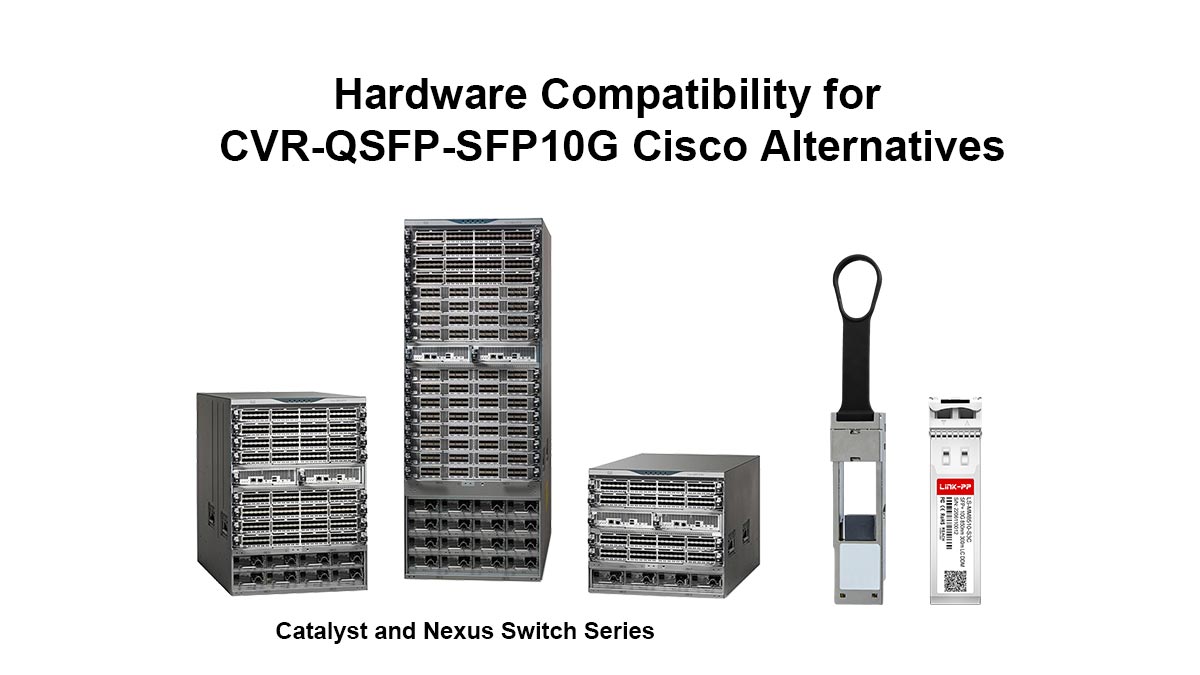
Ensuring hardware compatibility is critical when deploying a CVR-QSFP-SFP10G Cisco alternative in a production network. These adapters are designed to work seamlessly with a wide range of Cisco platforms and transceiver modules, but proper validation is still essential. Understanding compatibility factors helps avoid connectivity issues and ensures stable, long-term operation.
Compatibility with Catalyst and Nexus Switch Series
The CVR-QSFP-SFP10G Cisco alternative is engineered to function across Cisco’s premier enterprise and data center switching lines. Because these switches utilize a variety of operating systems (IOS-XE vs. NX-OS), the adapter must be physically and logically compatible with the specific port architectures found in these high-performance machines.
- Nexus Series: These adapters are widely used in Nexus 9000, 7000, and 3000 series switches. In these environments, they allow high-density 40G leaf-and-spine architectures to support 10G server downlinks.
- Catalyst Series: For campus networks, the adapter is compatible with the Catalyst 9500 and 3850 series. It enables the use of 40G uplink ports as standard 10G interfaces for connecting to distribution layer switches.
List of Supported SFP/SFP+ Transceiver Types
One of the primary strengths of a high-quality alternative is its broad support for various media types. Since the adapter is a passive bridge, it can host a range of 1G and 10G modules, provided the switch port itself supports the underlying data rate. Typical supported modules include:
- 10G Fiber Modules: SFP-10G-SR (Short Range), SFP-10G-LR (Long Range), and SFP-10G-ER (Extended Range).
- 10G Copper/Direct Attach: 10G SFP+ Direct Attach Copper (DAC) cables and Active Optical Cables (AOC).
- 1G Legacy Support: SFP-1G-SX and SFP-1G-LX modules for connecting to older hardware that has not yet transitioned to 10G speeds.
Verifying EEPROM Coding for Seamless Integration
EEPROM coding plays a crucial role in ensuring that a CVR-QSFP-SFP10G Cisco alternative is recognized as a valid module by Cisco devices. Properly coded adapters mimic Cisco’s original identifiers, allowing them to pass system checks and function without restrictions.
To ensure seamless integration, users should:
- Confirm that the adapter is Cisco-compatible encoded before deployment.
- Use CLI commands such as show inventory or show interface transceiver to verify recognition.
- Work with reputable vendors that provide tested and validated EEPROM profiles.
Accurate EEPROM coding minimizes compatibility warnings and ensures that the adapter operates as expected within the network.
Handling "Unsupported Transceiver" Error Messages
In some cases, switches may display “unsupported transceiver” warnings when using third-party CVR-QSFP-SFP10G Cisco alternatives. While this does not always prevent functionality, it can impact monitoring or trigger system alerts.
To address this issue effectively:
- Check firmware settings: Some Cisco devices allow the use of unsupported modules via specific commands (e.g., service unsupported-transceiver).
- Update switch software: Newer firmware versions may improve compatibility handling.
- Use certified-compatible modules: High-quality alternatives are less likely to trigger errors.
By proactively managing these scenarios, network administrators can maintain stable operation while still benefiting from cost-effective compatible solutions.
ℹ️ Installation Guide for CVR-QSFP-SFP10G Cisco Adapters
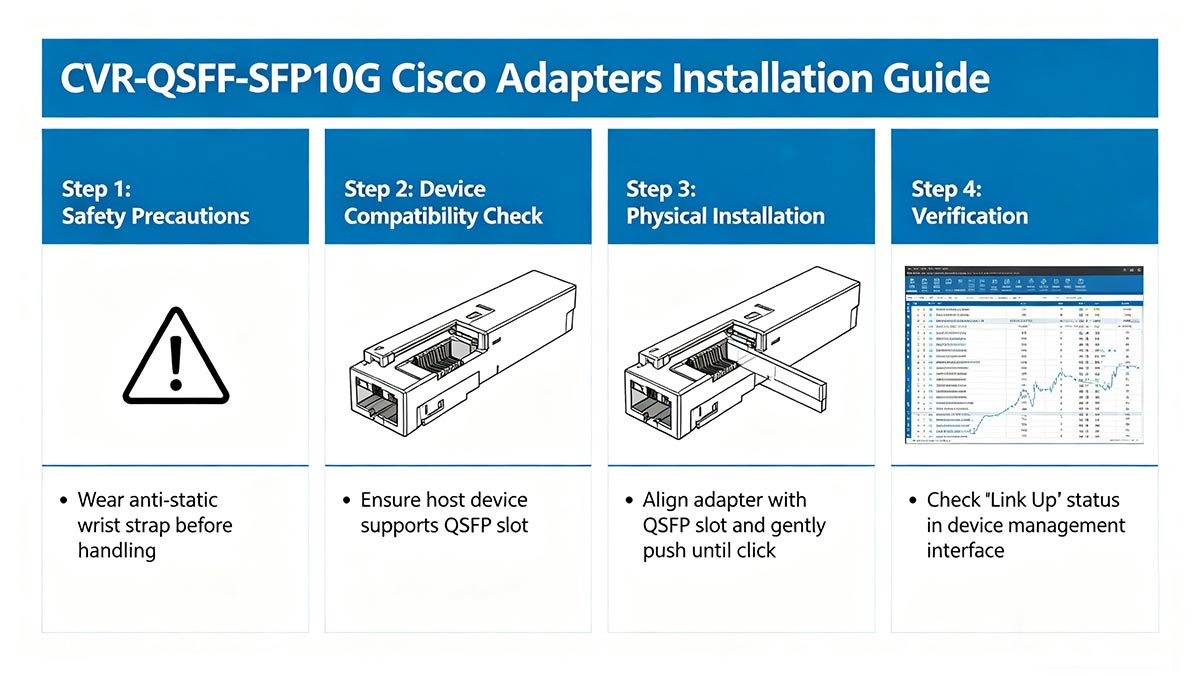
Installing a CVR-QSFP-SFP10G Cisco adapter is a straightforward process, but it requires adherence to specific physical handling standards to ensure long-term reliability. By following a structured installation workflow, you can prevent mechanical damage and ensure that the 10G link initializes correctly on the first attempt.
Step-by-Step Insertion and Removal Procedures
The installation process involves two distinct stages: seating the adapter into the switch and then inserting the SFP+ module into the adapter. Precision is key to ensuring the electrical pins align without force.
- Insertion Process: Align the adapter with the 40G QSFP+ slot on the Cisco switch. Slide it into the port until you feel it click into place; then, insert your 10G SFP+ transceiver into the back of the adapter until it is fully seated.
- Removal Process: To remove the assembly, first detach any fiber or copper cables. Pull the latching mechanism on the SFP+ module to remove it from the adapter, then pull the pull-tab on the CVR-QSFP-SFP10G module to safely slide the adapter out of the 40G port.
Best Practices for Handling Fiber Optic Connectors
Fiber optic components used with the CVR-QSFP-SFP10G Cisco adapter require careful handling to maintain signal quality and prevent contamination. Even minor dust particles can impact performance.
To ensure optimal handling:
- Keep connectors clean: Use dust caps when not in use and clean connectors with proper tools before insertion.
- Avoid touching end faces: Direct contact can introduce oils or debris that degrade signal transmission.
- Use proper cable management: Prevent excessive bending or tension on fiber cables.
- Store components properly: Keep unused modules in anti-static packaging.
Following these practices helps maintain signal integrity and extends the lifespan of optical components.
Hot-Swappable Functionality Explained
One of the key advantages of the CVR-QSFP-SFP10G Cisco adapter is its hot-swappable capability, allowing installation or removal without powering down the switch. This feature is critical for maintaining network uptime in production environments.
However, while hot-swapping is supported, it should still be performed carefully. Avoid rapid or repeated insertions, and always monitor system logs or interface status after changes. This ensures that the device properly recognizes the adapter and associated transceiver.
Tool-less Design and Mechanical Latches
The CVR-QSFP-SFP10G Cisco adapter is designed with a tool-less mechanism, simplifying installation and reducing the risk of improper handling. Built-in mechanical latches ensure a secure fit within the QSFP port.
Key design features include:
- Pull-tab or bail latch: Enables easy insertion and removal without tools.
- Secure locking mechanism: Prevents accidental disconnection during operation.
- Ergonomic design: Allows quick access in high-density switch environments.
This user-friendly design not only speeds up deployment but also minimizes the chance of installation errors, making it suitable for both experienced engineers and routine maintenance tasks.
ℹ️ Performance Benchmarking of CVR-QSFP-SFP10G Cisco Alternatives
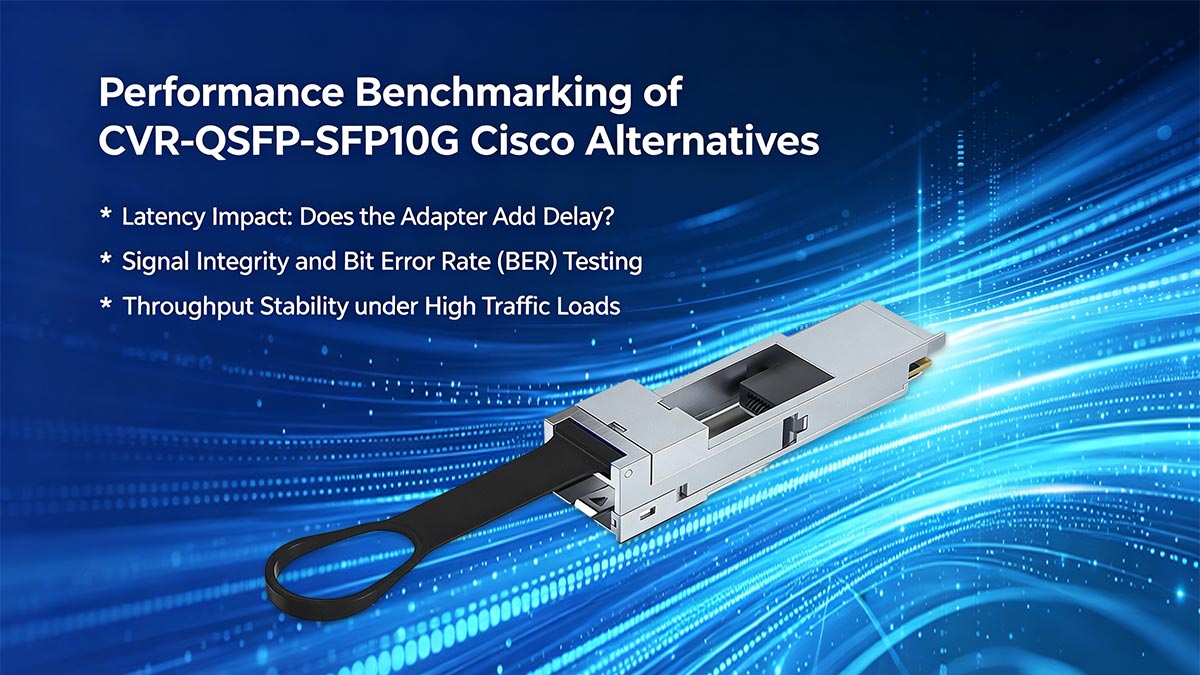
Performance benchmarking is crucial for evaluating the real-world capabilities of CVR-QSFP-SFP10G Cisco alternatives. While these adapters are designed to maintain high-speed connectivity, testing ensures they meet operational expectations for latency, signal integrity, and throughput under varying network conditions. Benchmarking data helps administrators make informed decisions about deployment and network scaling.
Latency Impact: Does the Adapter Add Delay?
One of the primary concerns for network engineers is whether adding a physical adapter introduces measurable latency. Because the CVR-QSFP-SFP10G Cisco is a passive device, it lacks active electronic components that process or buffer data packets. This results in "near-zero" added latency, as the signal simply travels through high-quality traces from the QSFP+ port to the SFP+ interface.
In benchmarking tests, the delay introduced by the adapter is typically measured in picoseconds, which is negligible even for high-frequency trading (HFT) environments or real-time high-performance computing (HPC) clusters. For all practical purposes, the network performance remains identical to a native SFP+ port configuration.
Signal Integrity and Bit Error Rate (BER) Testing
Maintaining signal integrity is crucial when converting a 40G lane down to 10G. High-quality Cisco compatible alternatives are subjected to Bit Error Rate (BER) testing to ensure that data transmission remains reliable. A standard performance benchmark for these adapters is a BER of 10⁻¹² or better, meaning less than one bit error occurs for every trillion bits transmitted.
Poorly manufactured adapters can introduce "crosstalk" or signal reflection, leading to dropped packets. Reputable alternatives use precision-engineered impedance matching on their internal PCB (Printed Circuit Board) to prevent these issues, ensuring that the 10Gbps signal remains clean and crisp from the switch backplane through to the fiber optic transceiver.
Throughput Stability under High Traffic Loads
Throughput stability measures the adapter's ability to handle sustained, full-line-rate traffic without degradation. In stress tests, CVR-QSFP-SFP10G Cisco alternatives are pushed to a constant 10Gbps load to monitor for any frame loss or thermal-induced performance throttling.
Because the adapter is passive and does not generate its own heat, it maintains consistent throughput even during prolonged periods of peak congestion. This stability is vital for data center environments where switches operate at high utilization levels, ensuring that the 10G link remains a "set-and-forget" component of the infrastructure.
ℹ️ Troubleshooting Common CVR-QSFP-SFP10G Cisco Connectivity Issues
Even with high-quality CVR-QSFP-SFP10G Cisco alternatives, connectivity issues can occasionally arise due to configuration mismatches or physical environmental factors. Rapidly identifying whether a problem is rooted in the software settings, the physical seating of the module, or the fiber itself is essential for maintaining network uptime.
Diagnosing Port Link-Down Status
When a port remains in a "link-down" or "notconnect" state after inserting the adapter, the first step is to verify the administrative status of the port. Because a 40G port is being used as a 10G interface, the switch may require an explicit command to change the port speed or breakout mode.
If the port is active but the link is still down, check for a speed mismatch between the local switch and the remote device. Ensure that the interface is not hard-coded to 40G; forcing the speed to 10G or ensuring "auto-negotiation" is appropriately configured on both ends is often the solution to establishing a stable link.
Firmware Discrepancies and How to Resolve Them
Software compatibility is a common hurdle when using third-party CVR-QSFP-SFP10G Cisco alternatives. Cisco switches run internal checks against the transceiver's EEPROM data, and if the firmware version of the switch is significantly newer or older than the adapter's coding, the port may be placed into an "err-disable" state.
To resolve firmware-related discrepancies, ensure your Cisco IOS or NX-OS is updated to a version that supports QSA adapters. If the hardware is recognized but fails to initialize, applying the "service unsupported-transceiver" command — usually bypasses these software-level restrictions and restores functionality.
Inspecting Physical Connections and Dust Contamination
Physical layer failures are frequently caused by improper seating or contamination. A CVR-QSFP-SFP10G Cisco adapter involves two connection points (QSFP to adapter and adapter to SFP+), doubling the chances for a loose fit or a dust-obscured optical path.
Visually inspect the pull-tab and latch to ensure the adapter is locked into the switch chassis. If the link is intermittent or experiencing high error rates, remove the SFP+ module and clean the optical connectors with a specialized cleaning tool. Often, simply reseating both the adapter and the transceiver will resolve contact-related issues.
Command Line (CLI) Verification Tips for Cisco IOS
The Cisco Command Line Interface provides powerful tools for real-time troubleshooting. Using commands like “show interface status” and “show inventory” allows you to confirm that the switch physically recognizes the CVR-QSFP-SFP10G Cisco adapter and understands its role as a converter.
For deeper analysis, “show controllers ethernet-controller [interface] phy” can be used to view low-level physical layer data. Note that these passive adapters themselves do not support DOM (Digital Optical Monitoring); however, if a DOM-capable SFP+ module is inserted, you may still be able to read its DOM data via “show interfaces transceiver”. The CLI can also help identify loss of signal (LOS) or electrical faults by checking interface counters, error statistics, and platform‑specific logs (e.g., “show logging” or “show platform”), enabling you to pinpoint exactly where the communication chain is breaking down.
ℹ️ Conclusion: Future-Proofing Infrastructure with CVR-QSFP-SFP10G Cisco Alternatives
As network demands continue to evolve, adopting flexible and cost-effective solutions like CVR-QSFP-SFP10G Cisco alternatives is a strategic way to future-proof your infrastructure. These adapters enable seamless integration between 40G and 10G environments, maximize hardware utilization, and provide the scalability needed to support growing bandwidth requirements — all without compromising performance or reliability.
By choosing high-quality compatible solutions, organizations can reduce capital expenditures while maintaining enterprise-grade network standards. For reliable and fully tested optical connectivity products, consider exploring the LINK-PP Official Store for a wide range of transceiver module solutions designed to meet modern networking needs.