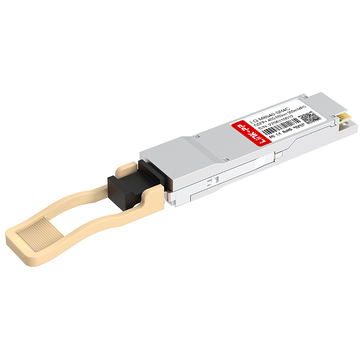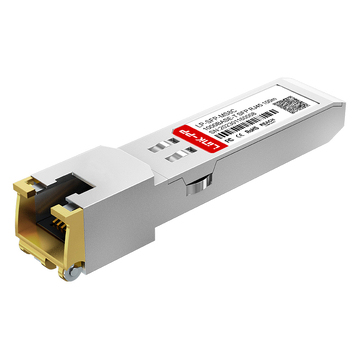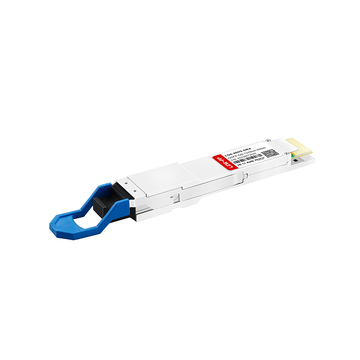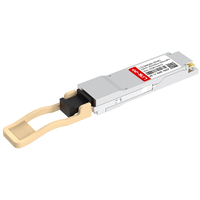
The Juniper QSFPP-4X10GE-SR is widely recognized as a practical solution for enabling 40G to 4×10G breakout connectivity in high-density network environments, especially in modern data centers that require flexible and scalable bandwidth distribution. As network architectures evolve toward spine-leaf designs, the need to efficiently split 40G links into multiple 10G connections continues to grow, making this type of optical transceiver a critical component in infrastructure planning.
In real-world deployments, organizations are not only concerned with performance, but also with compatibility, scalability, and long-term cost control. While original vendor modules provide guaranteed interoperability, they often come with higher acquisition and replacement costs, which can significantly impact large-scale rollouts or ongoing network expansion.
As a result, compatible alternatives have become an increasingly relevant option. Solutions such as LINK-PP equivalent modules are designed to deliver comparable functionality, standardized compliance, and reliable interoperability with Juniper and multi-vendor platforms. This shift reflects a broader industry trend toward more flexible sourcing strategies without compromising network stability.
This article explores the technical characteristics, compatibility considerations, and deployment value of Juniper QSFPP-4X10GE-SR, while also examining how LINK-PP alternatives can support efficient and scalable network design.
♣️ Overview of Juniper QSFPP-4X10GE-SR
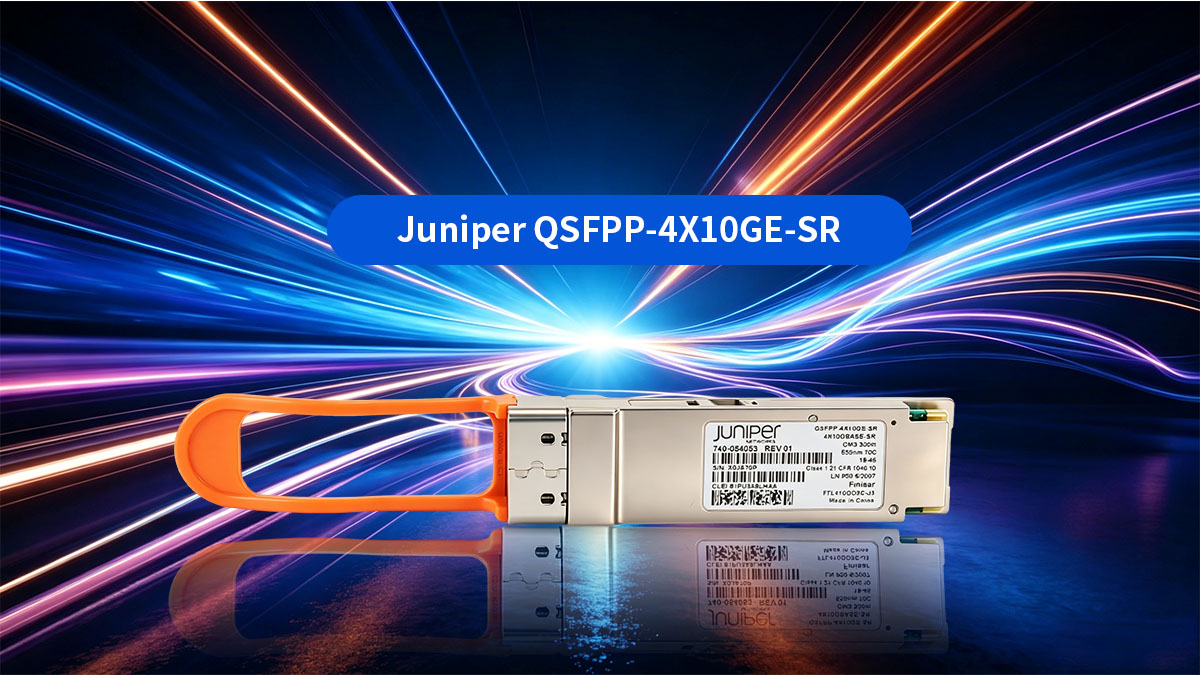
Juniper QSFPP-4X10GE-SR is a 40G QSFP+ breakout optical module designed to split a single 40Gbps interface into four independent 10Gbps connections, making it a key component for flexible bandwidth distribution in modern data center networks. Its primary value lies in enabling efficient port utilization and smooth integration between 40G backbone links and existing 10G server infrastructure, especially in high-density environments where scalability is critical.
What is QSFPP-4X10GE-SR
Juniper QSFPP-4X10GE-SR functions as a QSFP+ to 4×10G breakout transceiver that allows one high-speed port to be divided into multiple lower-speed connections. This design is widely used in environments where network operators need to maximize switch capacity without overhauling existing 10G infrastructure.
Its operating principle can be summarized through several key technical points:
- Converts a single 40G QSFP+ interface into four 10G channels
- Uses parallel optical lanes for simultaneous data transmission
- Typically paired with MPO-to-LC breakout fiber assemblies
- Designed for short-reach multimode fiber applications
In practical terms, this module helps bridge different network speed generations, enabling smoother infrastructure scaling and gradual upgrade paths.
Key Features and Capabilities
The Juniper QSFPP-4X10GE-SR is engineered to deliver stable breakout performance while maintaining compatibility with high-density switching environments. Its feature set focuses on efficiency, flexibility, and ease of deployment.
Key capabilities include:
- Support for 40G to 4×10G breakout connectivity
- Compatibility with OM3 and OM4 multimode fiber types
- MPO-12 interface for parallel optical transmission
- Hot-swappable QSFP+ design for simplified maintenance
- Low-latency signal transmission suitable for data center workloads
These capabilities allow network designers to optimize switch port usage while maintaining consistent performance across multiple 10G links.
Typical Use Cases
Juniper QSFPP-4X10GE-SR is commonly deployed in environments where high port density and flexible connectivity are required, particularly in modern data center architectures.
Typical applications include:
- Top-of-Rack switching, where one 40G uplink supports multiple 10G servers
- Spine-leaf network architectures requiring efficient traffic distribution
- Server aggregation layers consolidating multiple 10G connections
- Gradual migration from SFP+ 10G to QSFP+ 40G infrastructure without full replacement
Each of these scenarios benefits from the module’s ability to simplify network expansion while preserving existing investments in 10G hardware.
♣️ Technical Specifications Explained
Juniper QSFPP-4X10GE-SR is defined by its parallel optical architecture and short-reach multimode transmission capabilities, making it suitable for high-density 40G breakout deployments. Understanding its technical specifications is essential for evaluating compatibility, performance limits, and deployment scenarios in real-world data center environments.
Optical and Electrical Parameters
The module’s optical and electrical characteristics determine how it performs in short-reach high-speed environments and how reliably it supports 4×10G breakout transmission.
Key parameters include:
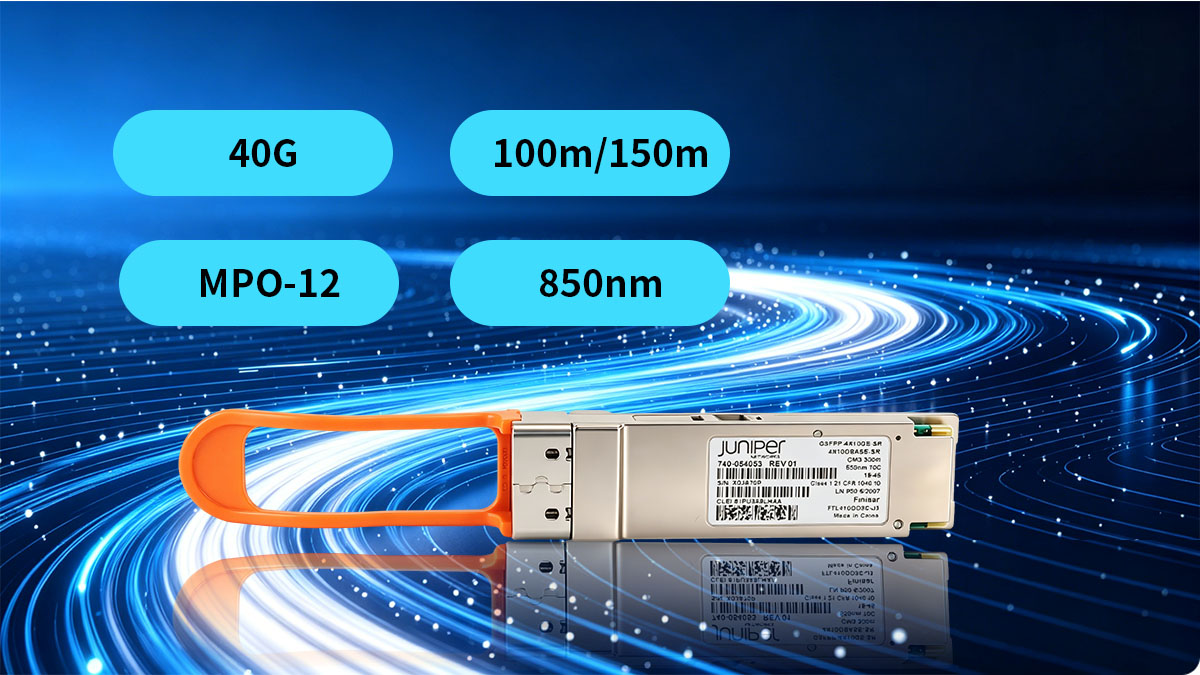
- Wavelength: 850nm VCSEL-based transmission for multimode fiber
- Data rate: 40Gbps aggregated throughput (4×10Gbps lanes)
- Transmission distance: up to 100m on OM3 and up to 150m on OM4 fiber
- Power consumption: typically low to moderate depending on platform implementation
- Modulation type: parallel optics across four independent channels
These specifications show that the module is optimized for intra–data center connectivity rather than long-distance transmission. The use of 850nm VCSEL technology ensures cost-effective short-range performance while maintaining stable signal integrity across multiple lanes.
Interface and Cabling Requirements
The physical interface and cabling structure of QSFPP-4X10GE-SR directly impact deployment flexibility and installation planning in breakout configurations.
Core interface and cabling characteristics include:
- QSFP+ form factor with MPO-12 optical connector
- Breakout configuration typically using MPO-to-4×LC duplex cable assemblies
- Strict lane mapping requirement for accurate signal distribution
- Compatibility with OM3 and OM4 multimode fiber infrastructure
- Polarity management required for correct transmit/receive alignment
Before deployment, proper cable planning is essential to avoid misalignment issues. MPO connectors carry four parallel lanes, and incorrect polarity or mapping can result in link failures or degraded performance.
Performance Metrics
Performance behavior of Juniper QSFPP-4X10GE-SR is primarily defined by its ability to maintain low latency, stable signal integrity, and consistent throughput across all four 10G breakout channels.
Key performance indicators include:
- Bit Error Rate (BER): typically maintained at industry-acceptable thresholds for data center use
- Latency: negligible contribution due to direct optical transmission design
- Signal integrity: dependent on fiber quality and MPO connector cleanliness
- Channel balance: requires consistent optical power distribution across all four lanes
A comparative overview of its core physical performance parameters is shown below:
| Parameter | Specification |
|---|---|
| Aggregate Data Rate | 40Gbps |
| Lane Configuration | 4×10Gbps |
| Wavelength | 850nm |
| Max Distance (OM3) | 100m |
| Max Distance (OM4) | 150m |
These metrics highlight that performance is tightly linked to multimode fiber quality and proper breakout cable implementation.
♣️ Compatibility with Juniper and Multi-Vendor Platforms
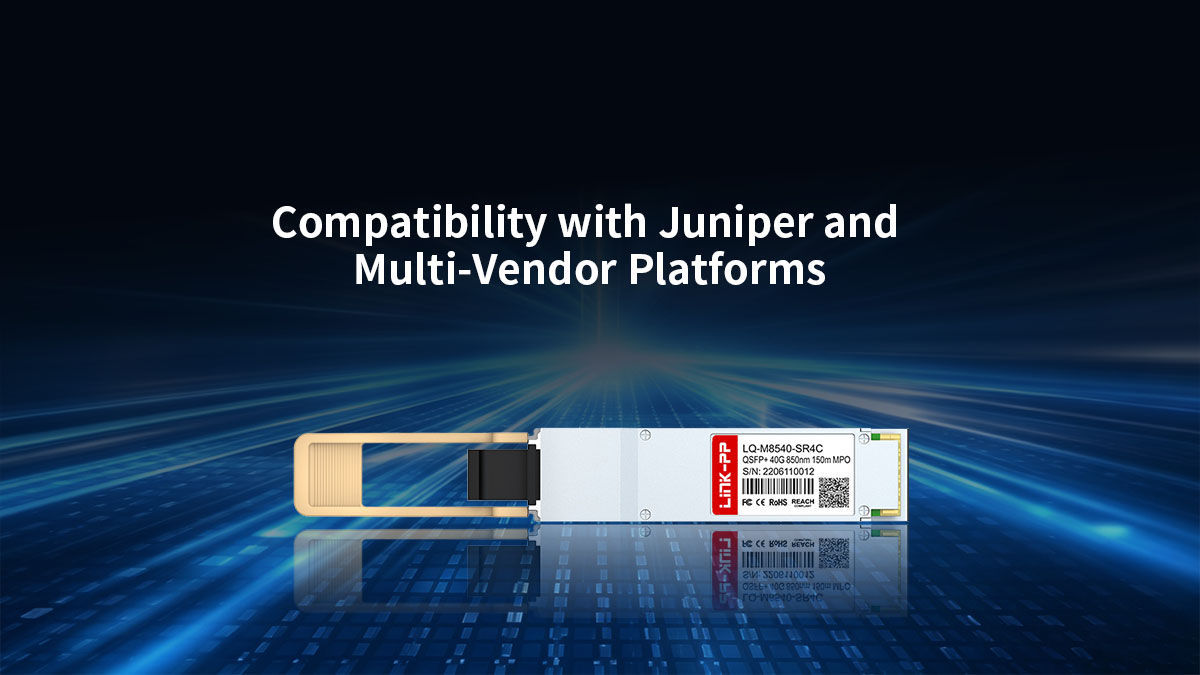
Juniper QSFPP-4X10GE-SR is designed to operate within Juniper networking environments while also being capable of working in broader multi-vendor data center infrastructures. In practice, compatibility depends on both hardware recognition at the platform level and optical interoperability across fiber and breakout configurations.
Supported Juniper Devices
Juniper QSFPP-4X10GE-SR is primarily validated for use within Juniper’s QSFP+ enabled switching and routing platforms, where it can be recognized and operated as a 40G breakout interface.
Its compatibility behavior typically includes:
- Native support on Juniper QSFP+ port-equipped switches and routers
- Automatic module detection through system firmware and optics database
- Support for 40G breakout mode configuration at the operating system level
- Integration with Junos OS diagnostic and monitoring tools (DDM/DOM)
Before deployment, it is important to confirm that the target Juniper platform supports 40G breakout functionality, as not all QSFP+ ports are configured for split-mode operation by default.
Interoperability with Third-Party Equipment
Beyond native Juniper environments, QSFPP-4X10GE-SR may also be used in mixed-vendor networks where interoperability is required across different switching platforms. However, compatibility is not always guaranteed and depends on system-level restrictions.
Key interoperability considerations include:
- QSFP+ standard compliance enabling basic physical-layer compatibility
- Dependence on vendor-specific coding or EEPROM validation rules
- Requirement for consistent breakout support across connected devices
- Variations in optical power thresholds between different vendors
In many multi-vendor environments, the module may function at the physical layer, but operational recognition or full feature support can vary depending on platform restrictions.
To improve interoperability outcomes, network operators often standardize on widely compatible optical coding profiles and ensure consistent breakout configurations across all connected devices.
Common Compatibility Challenges
Even when using standard QSFP+ breakout modules, compatibility issues can still arise due to differences in hardware design, firmware policies, and optical configuration requirements.
Typical challenges include:
- EEPROM coding mismatches that prevent module recognition
- Firmware restrictions blocking non-native optics in certain platforms
- Breakout mode misconfiguration at switch or port level
- Inconsistent optical power levels between vendors
- Diagnostic alerts related to unsupported transceiver identification
These issues are often not related to physical incompatibility but rather to system-level validation rules enforced by networking equipment.
To reduce deployment risks, it is important to verify compatibility matrices in advance and ensure that both the hardware and software environments support 40G breakout operation consistently.
♣️ LINK-PP Equivalent Alternative: A Practical Option
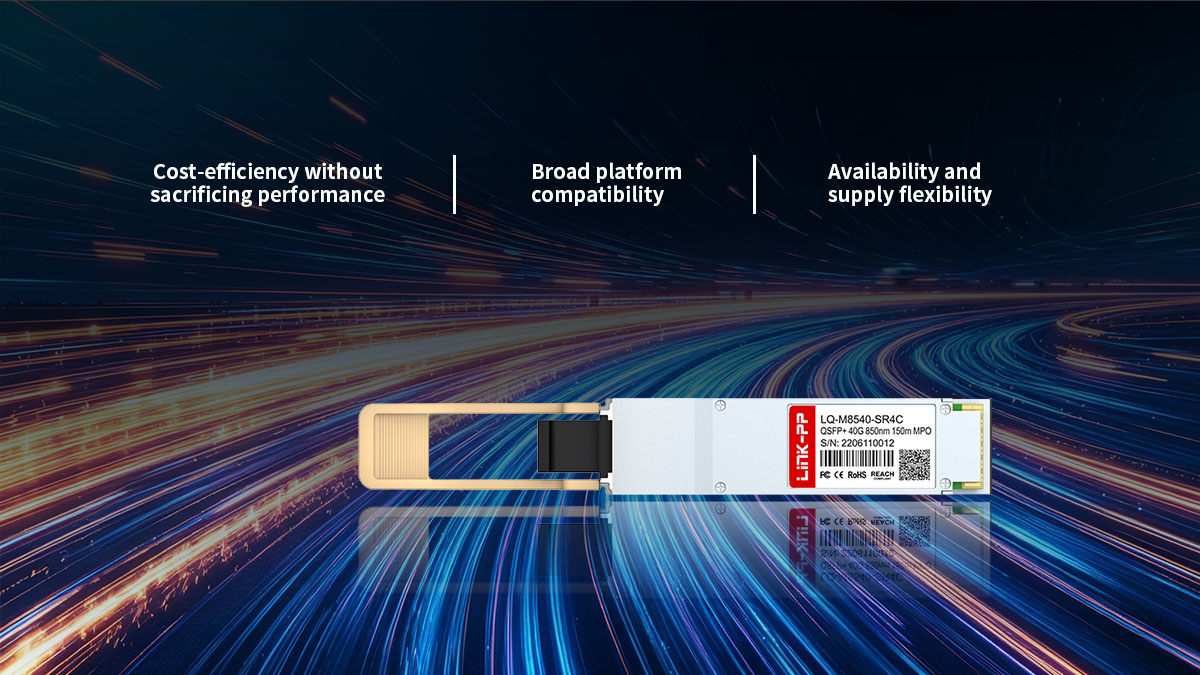
LINK-PP equivalent modules for Juniper QSFPP-4X10GE-SR are designed to provide the same 40G QSFP+ to 4×10G breakout functionality while focusing on broader compatibility and cost-efficient deployment. In many large-scale data center environments, these alternatives are evaluated not as replacements in performance, but as practical sourcing options that support scalable network expansion without changing the underlying architecture.
Overview of LINK-PP Compatible Modules
LINK-PP compatible optical modules are engineered to align with industry-standard QSFP+ specifications, enabling interoperability with Juniper and other major networking platforms. The focus is on maintaining equivalent optical performance while ensuring flexible deployment across multi-vendor environments.
Key characteristics include:
- QSFP+ 40G form factor supporting 4×10G breakout operation
- MPO-12 interface compatibility for parallel optical transmission
- Support for OM3 and OM4 multimode fiber infrastructure
- Standard-based optical design aligned with IEEE requirements
- Pre-configured coding options for different switch platforms
In practical deployment scenarios, these modules are used in the same physical topology as original equipment, allowing seamless integration into existing breakout architectures.
Key Advantages Compared to Original Modules
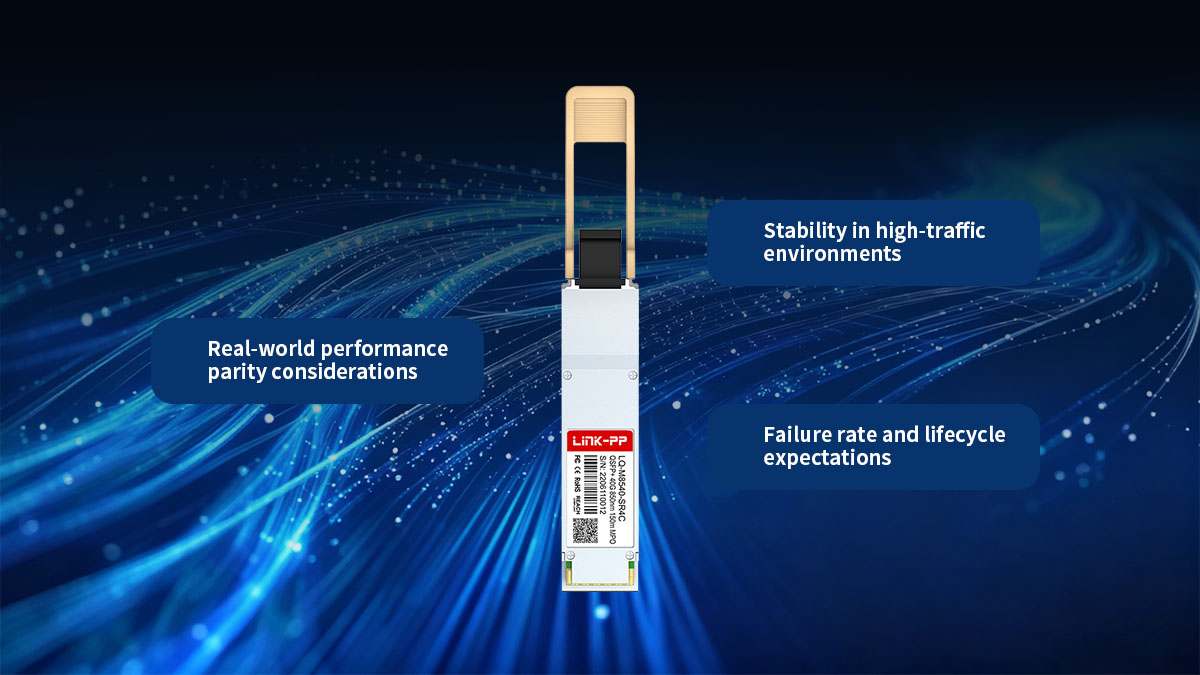
LINK-PP equivalent solutions are often evaluated based on operational flexibility and total cost optimization rather than raw functional differences. In most standard data center environments, performance parity is designed to meet typical transmission requirements.
The main advantages include:
- More flexible sourcing for large-scale procurement strategies
- Cost optimization for high-density deployment scenarios
- Broad compatibility across multiple networking vendors
- Availability advantages in fast-expansion infrastructure projects
- Functional alignment with standard 40G breakout use cases
These advantages make them particularly relevant in environments where network scaling speed and procurement flexibility are more critical than vendor exclusivity.
Quality Assurance and Testing Standards
To ensure stable operation in demanding data center environments, LINK-PP equivalent modules undergo structured testing and validation processes before deployment.
Core quality assurance measures include:
- Optical performance testing for transmit and receive consistency
- Compatibility validation with major switching platforms, including Juniper systems
- Environmental stress testing under temperature and load variations
- Bit error rate (BER) verification for signal stability
- Digital diagnostics monitoring (DDM/DOM) functionality checks
These testing procedures are designed to ensure that modules perform reliably under continuous high-throughput workloads.
♣️ Cost vs Performance: Making the Right Choice
Choosing between Juniper QSFPP-4X10GE-SR and LINK-PP equivalent modules is typically not a question of whether they function, but how well they align with budget constraints, scalability needs, and long-term network strategy. In most data center deployments, both options can support 4×10G breakout connectivity, so the decision is driven by total cost of ownership and operational flexibility.
Price Structure Analysis
The pricing difference between original OEM modules and compatible alternatives is primarily influenced by branding, supply chain structure, and certification overhead rather than fundamental optical functionality.
Key cost-related factors include:
- OEM modules typically include higher branding and certification premiums
- Compatible modules focus on reducing procurement overhead
- Large-scale deployments amplify price differences significantly
- Supply availability can affect lead time and project scheduling
- Standardized QSFP+ breakout design keeps baseline production costs similar
In practice, organizations deploying hundreds or thousands of ports often evaluate total infrastructure cost rather than per-unit pricing alone. Even small per-module differences can scale into significant budget impact in high-density environments.
Performance Comparison
From a functional standpoint, both Juniper QSFPP-4X10GE-SR and LINK-PP equivalent modules are designed to meet the same 40G breakout requirements. Performance differences, when present, are typically related to validation depth and platform-specific optimization rather than raw optical capability.
Key comparison points include:
- Signal transmission quality under standard short-reach conditions
- Stability across OM3 and OM4 multimode fiber deployments
- Bit error rate consistency in continuous traffic environments
- Compatibility behavior with different switch firmware versions
- Thermal performance under high port density conditions
| Aspect | Juniper QSFPP-4X10GE-SR | LINK-PP Equivalent |
|---|---|---|
| Data Rate | 40G (4×10G) | 40G (4×10G) |
| Fiber Type | OM3/OM4 | OM3/OM4 |
| Interface | QSFP+ MPO-12 | QSFP+ MPO-12 |
| Deployment Focus | Native Juniper environments | Multi-vendor compatibility |
This comparison shows that both options are aligned at the physical and functional level, with differences emerging mainly in ecosystem integration and sourcing flexibility.
When Alternatives Make Strategic Sense
In real-world network planning, LINK-PP equivalent modules become particularly relevant when scalability, procurement speed, and cost optimization are prioritized over strict vendor alignment.
Common scenarios include:
- Large-scale data center expansions requiring hundreds of breakout ports
- Multi-vendor environments where interoperability is essential
- Infrastructure upgrades with controlled budget constraints
- Rapid deployment projects with tight procurement timelines
- Standardized 10G server connectivity across multiple racks
In these cases, the ability to maintain consistent 40G breakout functionality while reducing procurement complexity becomes a key operational advantage.
♣️ Deployment Best Practices for QSFPP-4X10GE-SR
Successful deployment of Juniper QSFPP-4X10GE-SR depends on more than just installing the module. In real data center environments, performance stability is strongly influenced by cabling quality, breakout configuration accuracy, and operational handling practices. Following structured deployment guidelines helps ensure consistent 40G to 4×10G breakout performance across all connected links.
Installation Guidelines
Proper installation is the foundation for stable optical performance, especially in high-density QSFP+ breakout environments where multiple 10G links depend on a single 40G interface.
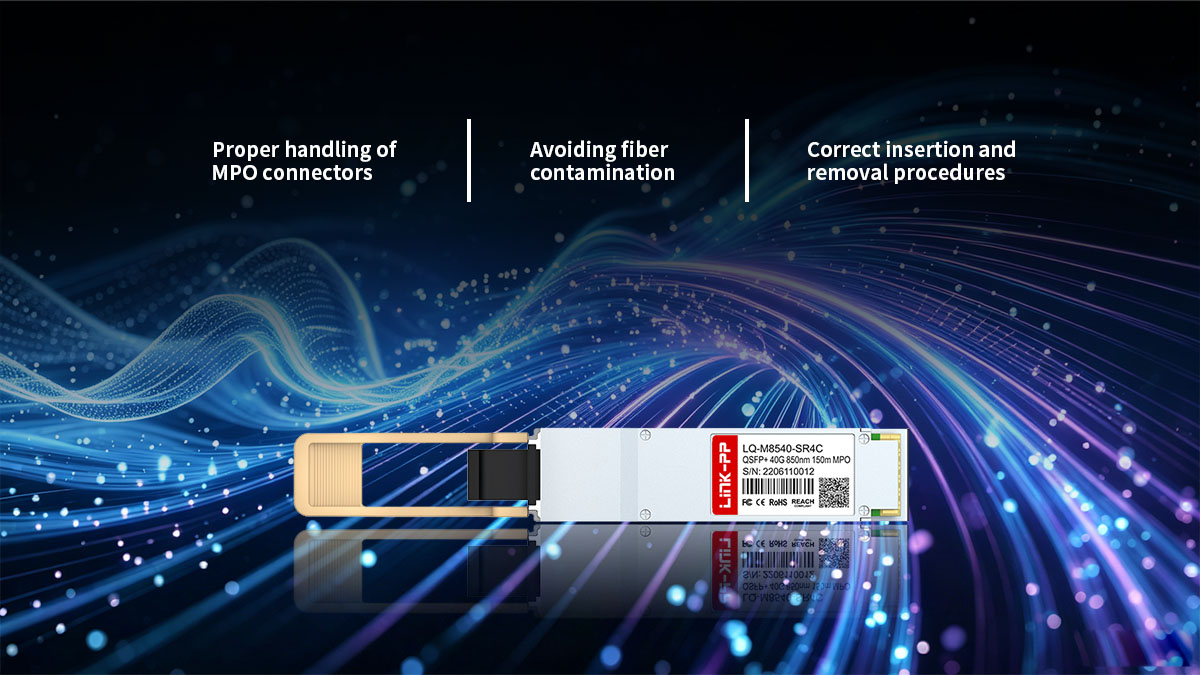
Key installation practices include:
- Ensure the QSFP+ port is fully compatible with 40G breakout mode before insertion
- Insert the module gently into the QSFP+ slot until it is fully seated and locked
- Use clean, dust-free MPO connectors to avoid signal degradation
- Avoid bending fiber cables beyond recommended bend radius limits
- Verify correct polarity alignment in MPO-to-LC breakout assemblies
After installation, it is important to check interface status on the switch to confirm proper recognition and link initialization before activating traffic.
Network Design Considerations
Effective network design ensures that QSFPP-4X10GE-SR modules are used in a way that maximizes port efficiency while maintaining predictable traffic flow across the network.
Key design considerations include:
- Planning 40G uplinks as aggregation points for multiple 10G servers
- Maintaining consistent breakout mapping across all racks for easier management
- Ensuring sufficient OM3/OM4 fiber availability in high-density zones
- Aligning spine-leaf architecture with predictable 4×10G distribution patterns
- Avoiding uneven load distribution across breakout lanes
A well-structured design reduces operational complexity and minimizes troubleshooting overhead when scaling the network.
Monitoring and Maintenance
Ongoing monitoring and preventive maintenance are essential to maintain long-term stability in 40G breakout environments. Optical links are sensitive to contamination, aging, and environmental variation, making continuous visibility important.
Recommended practices include:
- Using Digital Diagnostics Monitoring (DDM/DOM) for real-time optical health tracking
- Monitoring transmit/receive power levels for early detection of degradation
- Regular inspection and cleaning of MPO and LC connectors
- Tracking error rates to identify potential fiber or module issues
- Scheduling preventive maintenance in high-traffic network segments
Consistent monitoring allows network operators to detect issues before they escalate into service disruptions.
♣️ Common Pitfalls and How to Avoid Them
Deploying Juniper QSFPP-4X10GE-SR in 40G breakout environments can deliver strong performance, but configuration and physical layer mistakes often lead to avoidable instability. Most issues are not caused by the module itself, but by improper setup, inconsistent planning, or overlooked compatibility details.
Misconfiguration Issues
Incorrect configuration is one of the most common causes of failed or unstable 40G breakout deployments. Since the module relies on proper lane mapping and breakout mode activation, even small setup errors can disrupt multiple 10G links at once.
Typical misconfiguration problems include:
- Breakout mode not enabled on the QSFP+ port
- Incorrect 4×10G mapping on switch interfaces
- Mismatched speed settings between connected devices
- Improper interface grouping or aggregation setup
- Firmware not recognizing breakout configuration automatically
To avoid these issues, it is important to verify that the switch supports breakout functionality and that each 10G interface is explicitly configured after module insertion. In many cases, validating configuration before activating traffic prevents cascading link failures.
Compatibility Misjudgments
Compatibility assumptions often lead to deployment challenges, especially in multi-vendor or mixed hardware environments. Although QSFP+ is a standardized form factor, operational behavior can still vary across platforms.
Common compatibility pitfalls include:
- Assuming all QSFP+ ports support 40G breakout by default
- Ignoring platform-specific optics validation rules
- Overlooking firmware or OS version limitations
- Using inconsistent coding profiles across different switches
- Expecting full feature parity in non-native environments
To reduce risk, compatibility should always be verified at both hardware and software levels before deployment. This includes checking vendor documentation and ensuring that breakout support is explicitly listed for the target platform.
Physical Layer Problems
Physical layer issues are often the most overlooked but can have the greatest impact on link stability. Because QSFPP-4X10GE-SR relies on parallel optics, even small physical defects can affect multiple channels simultaneously.
Key physical issues include:
- Dirty or contaminated MPO connectors affecting signal quality
- Excessive fiber bending causing attenuation or signal loss
- Incorrect polarity in MPO-to-LC breakout cables
- Low-quality or non-standard fiber patch cables
- Improper cable management leading to mechanical stress
Preventing these problems requires strict handling procedures and proper cabling discipline during installation and maintenance.
♣️ Future Trends in 40G Breakout Optics
The role of 40G breakout optics such as Juniper QSFPP-4X10GE-SR is evolving as data center architectures continue to scale toward higher speeds and greater automation. While newer standards like QSFP28 100G and QSFP 400G are expanding rapidly, 40G breakout remains relevant in many enterprise and cloud environments where cost efficiency and infrastructure reuse are still priorities.
Transition Toward Higher Speeds
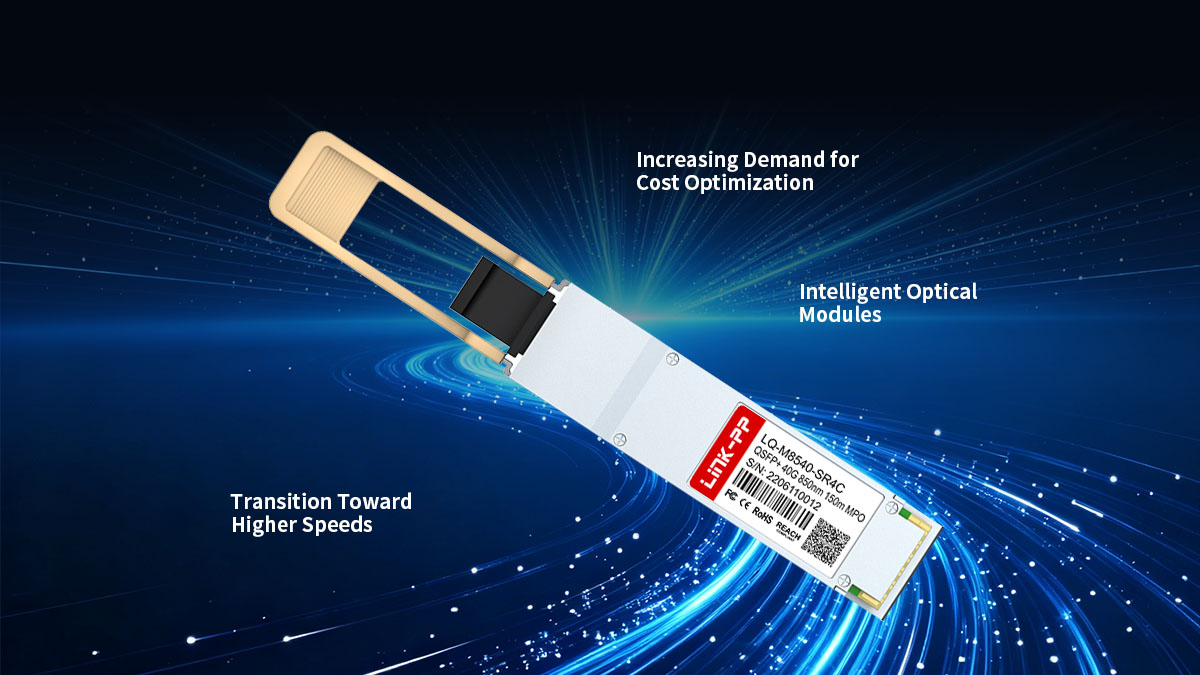
The industry is steadily moving toward higher-speed Ethernet standards, but this transition is not eliminating the need for 40G breakout optics. Instead, it is reshaping how they are used within hybrid network environments.
Key trends in speed evolution include:
- Gradual migration from 10G/40G architectures to 100G and beyond
- Continued use of 40G breakout for server access layers
- Coexistence of multiple speed tiers within the same data center
- Increased use of 4×10G breakout as a transitional connectivity model
- Legacy infrastructure extension to maximize existing investment
In practical terms, 40G breakout modules remain important in bridging older 10G server ecosystems with newer high-speed spine layers, allowing organizations to upgrade gradually rather than replacing entire infrastructures at once.
Increasing Demand for Cost Optimization
As data center scale continues to grow, cost efficiency has become a central factor in optical network planning. This has directly increased the relevance of alternative sourcing strategies for breakout modules.
Key cost-driven trends include:
- Growing adoption of compatible optical modules alongside OEM products
- Increased focus on total cost of ownership rather than unit pricing
- Bulk deployment strategies for large-scale server connectivity
- Supply chain diversification to reduce procurement risk
- Standardization of QSFP+ breakout architectures across vendors
In many environments, the performance gap between compliant modules has narrowed significantly, shifting decision-making toward availability, scalability, and lifecycle cost control.
This trend reinforces the role of solutions like LINK-PP equivalents as part of a broader procurement strategy rather than a purely technical substitution.
Intelligent Optical Modules
Another important development in optical networking is the integration of smarter monitoring and diagnostic capabilities directly into transceiver modules. This evolution is improving visibility and automation in large-scale deployments.
Emerging capabilities include:
- Enhanced Digital Diagnostics Monitoring (DDM) with richer telemetry data
- Real-time monitoring of temperature, voltage, and optical power
- Predictive failure detection through trend analysis
- Integration with network automation and orchestration systems
- Improved support for software-defined networking (SDN) environments
These advancements allow network operators to move from reactive troubleshooting to proactive infrastructure management.
♣️ Conclusion
Juniper QSFPP-4X10GE-SR remains a widely deployed solution for 40G to 4×10G breakout connectivity, supporting efficient bandwidth distribution in modern data center architectures. Its value lies in enabling scalable integration between high-speed aggregation layers and legacy 10G server environments, making it a practical choice for spine-leaf and top-of-rack designs where port density and flexibility are essential.
From a technical and operational perspective, several key points define its overall role in network infrastructure planning:
- It enables 40G aggregation to multiple 10G endpoints through a single QSFP+ interface
- It relies on multimode fiber (OM3/OM4) and MPO-based parallel optics for short-reach connectivity
- It requires careful attention to breakout configuration, polarity, and compatibility settings
- It performs best in environments where structured cabling and consistent network design are applied
Alongside OEM deployments, LINK-PP equivalent optical modules have become a widely considered option for organizations seeking more flexible sourcing strategies. These alternatives are designed to align with standard QSFP+ breakout requirements while supporting multi-vendor compatibility and large-scale deployment efficiency.
For procurement teams and network architects, the decision is ultimately shaped by a balance of performance stability, platform compatibility, and total deployment cost. In many high-density scenarios, compatible solutions can provide a practical path for scaling infrastructure without compromising operational requirements.
For organizations evaluating reliable optical sourcing options, the LINK-PP Official Store offers a structured portfolio of compatible transceivers designed to support Juniper environments and broader multi-vendor networks, helping simplify procurement while maintaining deployment consistency across large-scale architectures.