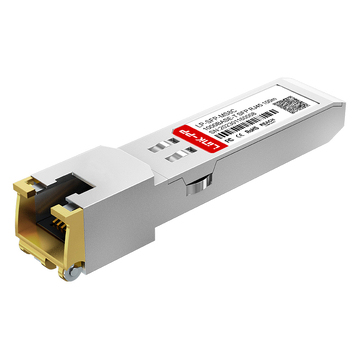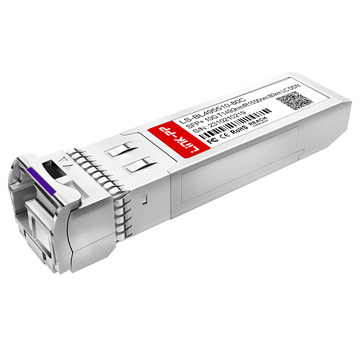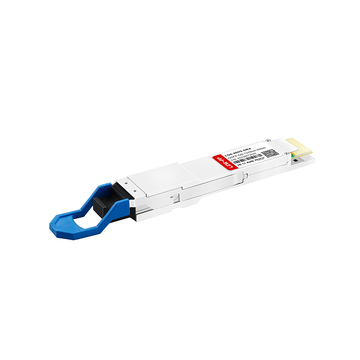
In modern enterprise networking, choosing the right SFP transceiver can make a decisive impact on both performance and cost efficiency. The D-Link 310GT (DEM-310GT), a widely recognized Gigabit Ethernet optical transceiver, is known for its stability and reliability in high-demand environments. Yet, as networks grow more complex and budgets tighter, many organizations are now exploring D-Link 310GT compatible alternatives that offer the same functionality at a fraction of the cost.
As enterprises move toward multi-vendor infrastructures, the term “D-Link 310GT compatible” has taken on new significance. These third-party modules are engineered to align with D-Link specifications while delivering performance consistent with original equipment manufacturers (OEMs). For network engineers and procurement teams, assessing the nuances of compatibility, quality, and interoperability ensures seamless integration across switches, routers, and fiber links. This foundation sets the stage for a deeper look at how D-Link 310GT compatible transceivers can enhance sourcing strategies, reduce costs, and maintain uncompromised reliability in large-scale deployments.
♦️ Understanding D-Link 310GT Compatibility in Enterprise Networks
Compatibility is central to achieving stable network performance. For enterprises relying on fiber connectivity, ensuring that transceiver modules — like the D-Link 310GT or its compatible alternatives — work seamlessly with existing infrastructure is essential.
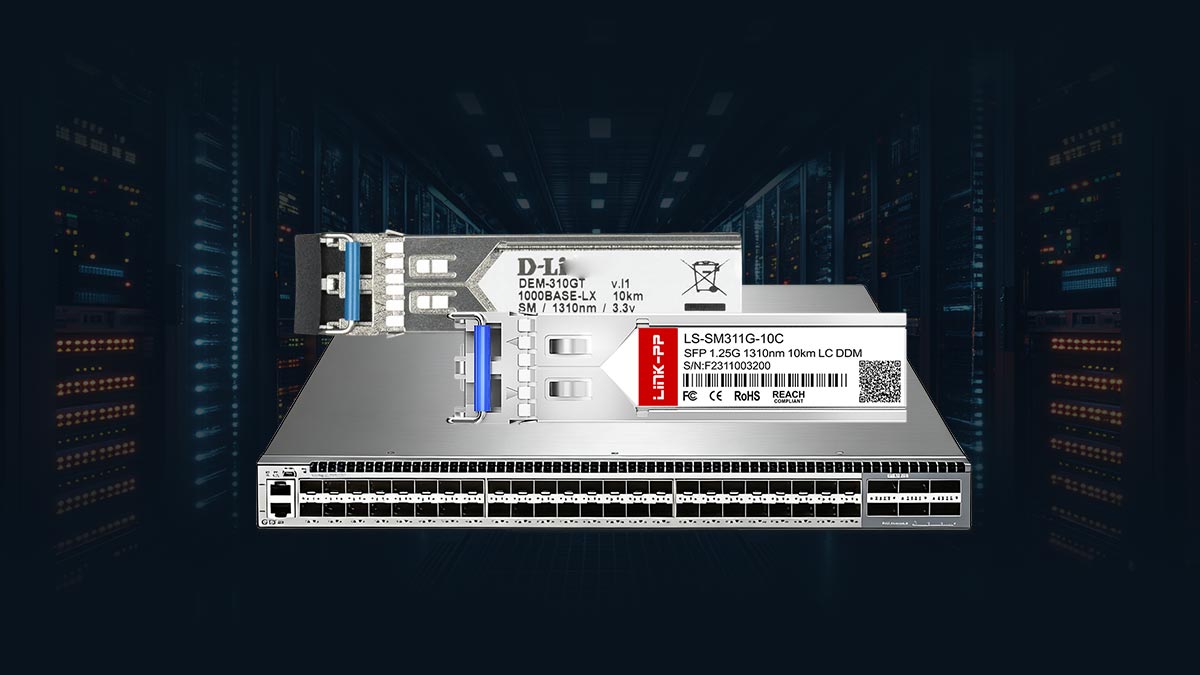
What Does “Compatible” Mean for D-Link 310GT SFP Transceivers
A “D-Link 310GT compatible” transceiver refers to a module designed and tested to perform the same functions as the original D-Link 310GT fiber optic SFP module, while maintaining full interoperability with D-Link switches, routers, and fiber cables. These transceivers conform to the same industry standards, such as IEEE and MSA specifications, ensuring identical optical performance, communication protocols, and mechanical design.
In practical terms, compatibility means that the module can be recognized and managed by D-Link equipment in the same way as an OEM part — allowing plug-and-play functionality without requiring firmware modification or specialized configuration. This makes them a seamless alternative for enterprises expanding or upgrading their networks with minimal disruption.
OEM vs D-Link 310GT Compatible Modules: Key Differences
Although they serve the same purpose, OEM and compatible D-Link 310GT transceivers differ in brand origin and pricing strategy. OEM modules are manufactured by D-Link and typically carry higher costs due to branding, certification, and bundled support services. Compatible modules, produced by third-party manufacturers, adhere to the same engineering and compliance standards but are often priced more competitively.
For clarity, the table below outlines the typical differences between OEM and compatible D-Link 310GT modules:
| Feature | D-Link 310GT (OEM) | D-Link 310GT Compatible Module |
| Manufacturer | Produced and branded by D-Link | Manufactured by certified third-party vendors |
| Performance Standards | Meets D-Link and IEEE standards | Meets IEEE/MSA standards identical to OEM |
| Firmware Compatibility | Optimized for D-Link devices | Interoperable with D-Link firmware and other vendors |
| Pricing | Premium-tier, brand-included | Cost-effective, budget-oriented |
In essence, while OEM modules provide brand assurance, compatible alternatives offer the same level of performance and compliance at a lower total cost of ownership — making them a strategic option for large-scale enterprise deployments.
Common Misconceptions about Third-Party D-Link 310GT SFP
A frequent misconception is that third-party or “compatible” modules sacrifice quality or reliability. In reality, many reputable manufacturers (like LINK-PP) perform rigorous testing and certification to ensure their products meet or exceed OEM standards. They undergo the same interoperability checks, temperature performance tests, and safety compliance evaluations that original D-Link modules do.
Another misunderstanding is that using third-party D-LINK 310GT compatible modules may void network warranties or cause device incompatibility. However, most enterprise-grade network equipment supports SFP modules that follow MSA and IEEE standards, meaning that as long as compliance is verified, network integrity and support coverage remain intact.
♦️ Why Choose D-Link 310GT Compatible Transceivers for Enterprises
For enterprises seeking scalable and cost-effective networking solutions, D-Link 310GT compatible transceivers offer a compelling alternative to OEM modules. They deliver comparable performance while enabling greater flexibility in procurement and deployment. By balancing cost, reliability, and interoperability, these modules are increasingly becoming the preferred choice in modern enterprise networks.
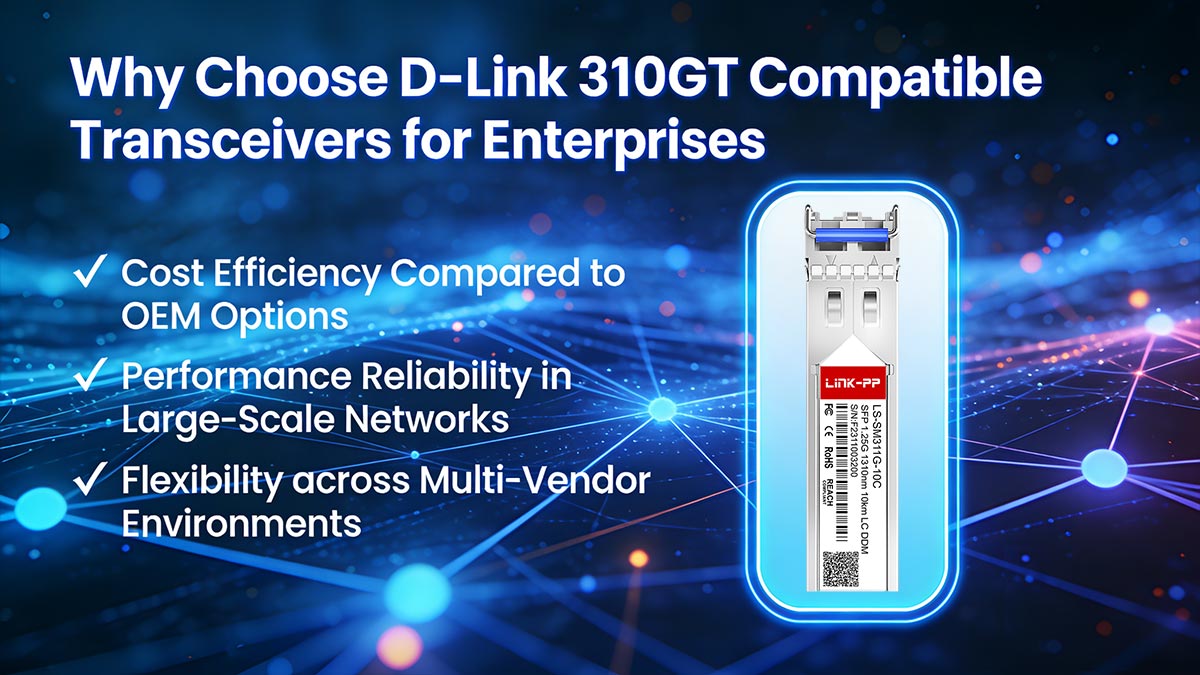
Cost Efficiency Compared to OEM Options
One of the most significant advantages of D-Link 310GT compatible transceivers is their cost-effectiveness. Compared to original OEM modules, compatible options can reduce expenses by 40 - 60%, making them highly attractive for enterprises managing large-scale deployments or ongoing network expansions. This cost saving becomes even more impactful when purchasing in bulk.
Beyond the initial purchase price, compatible transceivers also help reduce the total cost of ownership (TCO). Enterprises can allocate saved budget toward other critical infrastructure investments, such as network upgrades, redundancy planning, or cybersecurity enhancements, without compromising on essential connectivity performance.
Performance Reliability in Large-Scale Networks
Modern D-Link 310GT compatible SFP transceivers are designed and tested to meet or exceed industry standards, ensuring stable and consistent performance in enterprise environments. Many reputable third-party manufacturers conduct rigorous testing, including interoperability checks, environmental stress tests, and signal integrity validation, to guarantee reliability under demanding conditions.
In large-scale networks where uptime is critical, these transceivers can deliver dependable data transmission with minimal latency and error rates. When sourced from qualified vendors, enterprises can confidently deploy compatible modules in core, aggregation, and access layers without sacrificing network performance or stability.
Flexibility across Multi-Vendor Environments
Enterprises often operate in heterogeneous network environments that include equipment from multiple vendors. D-Link 310GT compatible transceivers provide the flexibility needed to support such infrastructures, as they are typically programmed to ensure interoperability across different brands of switches and routers.
This flexibility simplifies network design and reduces vendor lock-in, allowing IT teams to mix and match hardware based on performance requirements and budget constraints. As a result, organizations gain greater control over their network architecture while maintaining seamless connectivity across diverse systems.
♦️ Technical Specifications of D-Link 310GT Compatible Modules
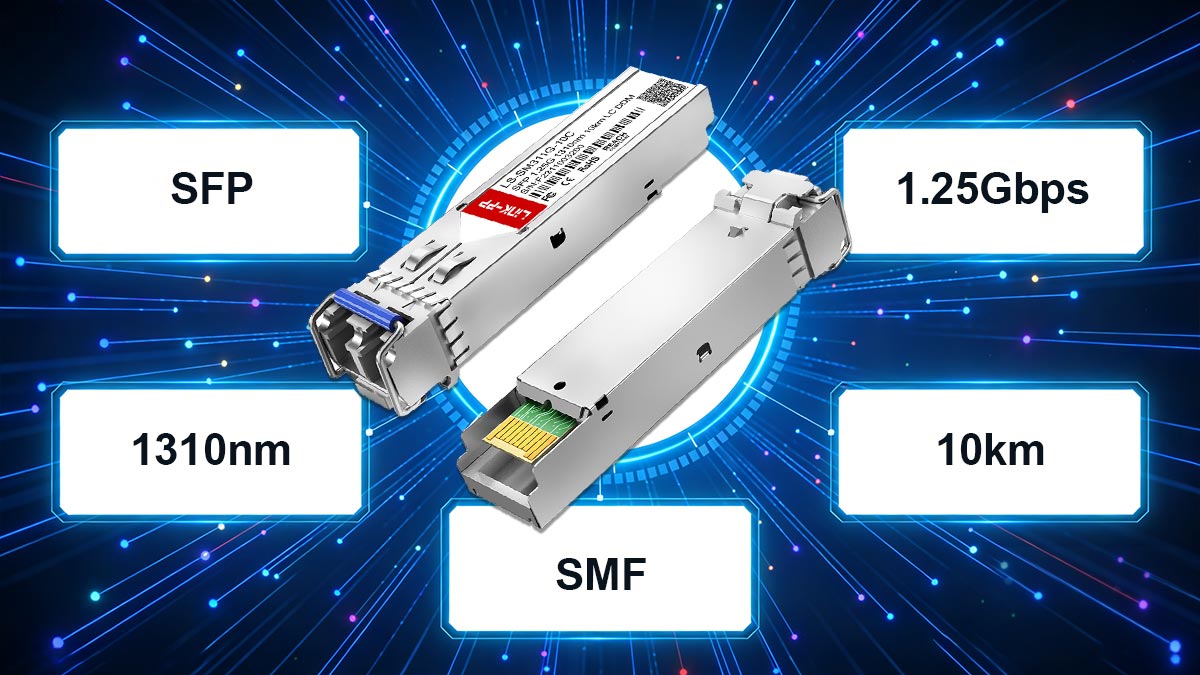
D-Link 310GT compatible modules deliver enterprise-grade performance through standardized Gigabit Ethernet capabilities. These specs ensure reliable fiber connectivity for switches and routers in diverse network setups. Key attributes align closely with OEM standards for optimal integration.
Data Rate and Transmission Distance
D-Link 310GT compatible modules are typically designed for Gigabit Ethernet applications, supporting a data rate of 1.25Gbps in accordance with IEEE 802.3 standards. They are commonly used with 1000BASE-LX optics, enabling long-distance transmission over fiber networks. Key transmission characteristics include:
- Single-mode Fiber (SMF): up to 10km transmission distance (standard LX specification).
- Wavelength: typically 1310nm for long-range communication.
- Duplex Communication: supports bidirectional (BiDi) data transfer over two fibers.
These specifications make the module suitable for enterprise campus networks, metropolitan area connections, and long-distance backbone links where stable gigabit throughput is required.
Connector Types and Cabling Standards
D-Link 310GT compatible transceivers generally use LC duplex connectors, which are compact and widely adopted in modern fiber networking. They are compatible with standard fiber cabling infrastructures, ensuring easy integration into existing environments. Important cabling considerations include:
- Connector Type: LC/UPC duplex interface for high-density deployments.
- Fiber Type: optimized for single-mode fiber (OS1/OS2), though mode conditioning may be used for multimode scenarios.
This compatibility allows enterprises to deploy the modules without requiring significant changes to their current cabling systems.
Power Consumption and Thermal Performance
Efficient power usage and stable thermal performance are critical in high-density network environments. D-Link 310GT compatible modules are designed with low power consumption, typically under 1W, reducing the overall energy footprint of network equipment. This is especially beneficial in large data centers or wiring closets with multiple active ports.
In terms of thermal characteristics, these modules are built to operate reliably within a standard temperature range (commonly 0°C to 70°C for commercial-grade modules). Advanced designs may include enhanced heat dissipation and industrial-grade options for extended temperature ranges, ensuring consistent performance even under demanding environmental conditions.
Compliance with Industry Standards
D-Link 310GT compatible modules adhere to a range of industry standards to guarantee interoperability, safety, and performance. Compliance ensures that the modules can be deployed confidently across enterprise networks without compatibility issues. Key standards typically include:
- IEEE 802.3z: defines Gigabit Ethernet over fiber (1000BASE-LX).
- SFP MSA (Multi-Source Agreement): ensures mechanical and electrical compatibility across vendors.
- RoHS Compliance: restricts hazardous substances for environmental safety.
- FCC/CE Certifications: ensure electromagnetic compatibility and regulatory compliance.
By meeting these standards, compatible modules provide a reliable and standardized solution that aligns with enterprise networking requirements.
♦️ D-Link 310GT Compatibility with Network Equipment
Ensuring compatibility with network equipment is a critical factor when deploying D-Link 310GT compatible transceivers in enterprise environments. These modules are designed to integrate seamlessly with a wide range of D-Link devices while also supporting interoperability across multi-vendor infrastructures. Proper compatibility planning helps avoid connectivity issues, reduces deployment risks, and ensures stable long-term network operations.
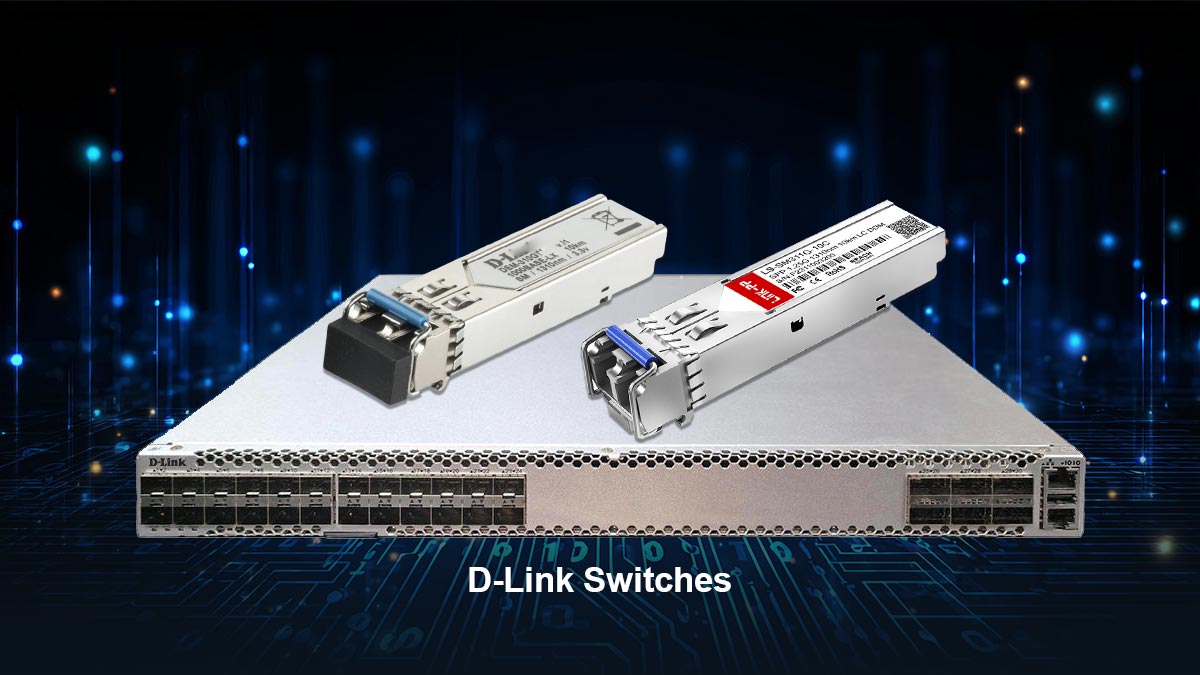
Supported D-Link Switches and Routers
D-Link 310GT compatible transceivers are engineered to work with a variety of D-Link switches and routers that support SFP ports, particularly those designed for Gigabit Ethernet applications. Commonly supported device families include D-Link managed and unmanaged switches from series such as DGS (Gigabit Switches) and DXS (aggregation switches), provided they support 1G LX optics.
These transceivers are typically pre-programmed with D-Link-compatible EEPROM coding, allowing the host device to recognize them as valid modules without triggering compatibility errors. As a result, enterprises can deploy them confidently across access, distribution, and core layers within D-Link-based network architectures.
Interoperability with Other Vendor Devices
Beyond native D-Link environments, D-Link 310GT compatible modules are often designed for cross-vendor interoperability, enabling them to function in mixed-brand networks. Many high-quality third-party transceivers can be coded or re-coded to match the requirements of different vendors such as Cisco, HP, or Juniper, ensuring seamless communication between devices.
This capability is particularly valuable in enterprise networks that evolve over time or incorporate equipment from multiple suppliers. By supporting industry standards like SFP MSA and IEEE 802.3z, these modules help maintain consistent performance and link stability across heterogeneous network infrastructures.
Firmware Considerations and Updates
Firmware plays an important role in determining how network devices recognize and interact with fiber SFP transceivers. Some D-Link switches and routers may include firmware-level checks that validate module compatibility, which can occasionally impact third-party transceiver functionality. To mitigate this, enterprises should ensure that both the network device firmware and the transceiver coding are aligned and up to date.
In some cases, firmware upgrades may enhance compatibility with third-party modules, while in others, working with vendors that provide firmware-matched or customizable coding ensures smoother deployment. Proper firmware management helps prevent issues such as port shutdowns, warning messages, or degraded performance.
♦️ Key Factors to Consider When Sourcing D-Link 310GT Compatible Modules
Sourcing D-Link 310GT compatible modules requires more than just comparing prices — it involves evaluating quality, reliability, and long-term support. Enterprises must consider multiple technical and operational factors to ensure the modules meet performance expectations and integrate seamlessly into existing networks. A strategic sourcing approach helps minimize risks and maximize return on investment.
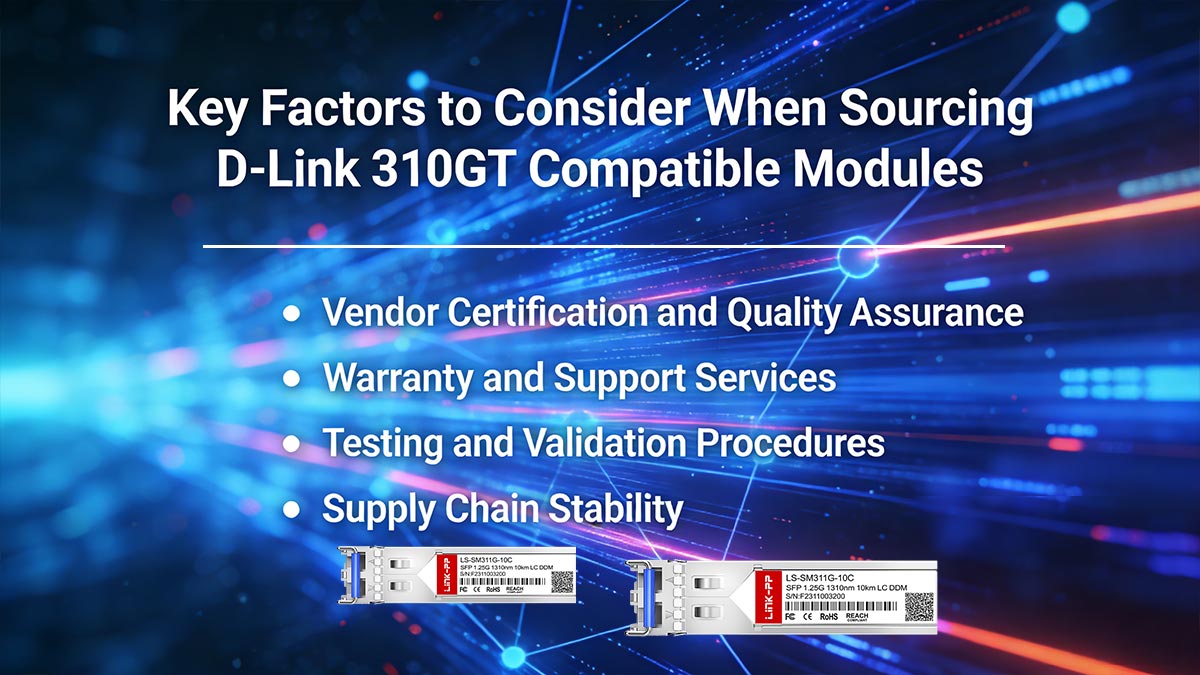
Vendor Certification and Quality Assurance
When selecting a supplier, vendor certification and quality assurance processes are critical indicators of product reliability. Reputable manufacturers typically adhere to strict production standards and hold certifications such as ISO 9001 for quality management, ensuring consistent manufacturing processes and traceability. Additionally, high-quality vendors often implement advanced testing procedures during production, including optical performance checks, EEPROM programming validation, and compatibility testing with target devices.
Beyond certifications, enterprises should assess whether the vendor provides documented quality control measures. This may include:
- Detailed test reports for each module (e.g., optical power, wavelength accuracy).
- Batch traceability and serial number tracking.
- Compliance with industry standards such as MSA and IEEE.
These practices ensure that each transceiver delivered meets enterprise-grade performance and reliability requirements.
Warranty and Support Services
A strong warranty policy reflects the supplier’s confidence in their product quality and provides enterprises with risk mitigation. Most reliable vendors offer warranties ranging from 1 to 3 years or even 5 years, which is comparable to or better than many OEM offerings. This ensures that defective modules can be replaced promptly without incurring additional costs.
Equally important is the availability of technical support services. Enterprises should look for suppliers that provide:
- Pre-sales consultation for compatibility and deployment planning.
- Post-sales technical support for troubleshooting and configuration.
- Efficient RMA (Return Merchandise Authorization) processes with quick turnaround times.
Robust support services help minimize downtime and ensure smooth network operations, especially in mission-critical environments.
Testing and Validation Procedures
Comprehensive testing and validation are essential to guarantee that D-Link 310GT compatible modules will function correctly in real-world deployments. Leading suppliers perform multi-stage testing, including interoperability testing with D-Link switches, environmental stress testing, and signal integrity verification to ensure stable performance under various conditions.
From the enterprise perspective, it is also important to validate modules before large-scale deployment. Recommended practices include:
- Conducting pilot testing in the target network environment.
- Verifying compatibility with specific switch models and firmware versions.
- Monitoring key performance metrics such as error rates and link stability.
These steps help identify potential issues early and ensure a smooth rollout across the network.
Supply Chain Stability
Supply chain stability is a crucial but often overlooked factor in sourcing decisions. Enterprises need suppliers that can consistently deliver large volumes of transceivers without delays, especially for ongoing projects or future network expansions. A stable supply chain ensures predictable lead times and reduces the risk of operational disruptions.
Additionally, working with vendors that maintain strong inventory management and global logistics capabilities can provide significant advantages. Key considerations include:
- Availability of stock for immediate shipment.
- Ability to support long-term contracts and recurring orders.
A reliable supply chain partner enables enterprises to maintain continuity, scale efficiently, and respond quickly to changing network demands.
♦️ Pricing Analysis of D-Link 310GT Compatible Transceivers
Pricing plays a crucial role in enterprise procurement decisions, especially when deploying transceivers at scale. D-Link 310GT compatible modules offer a cost advantage over OEM options, but a thorough pricing analysis should consider not only upfront costs but also long-term value. Understanding pricing structures helps enterprises optimize budgets while maintaining network performance and reliability.
OEM vs Third-Party Pricing Comparison
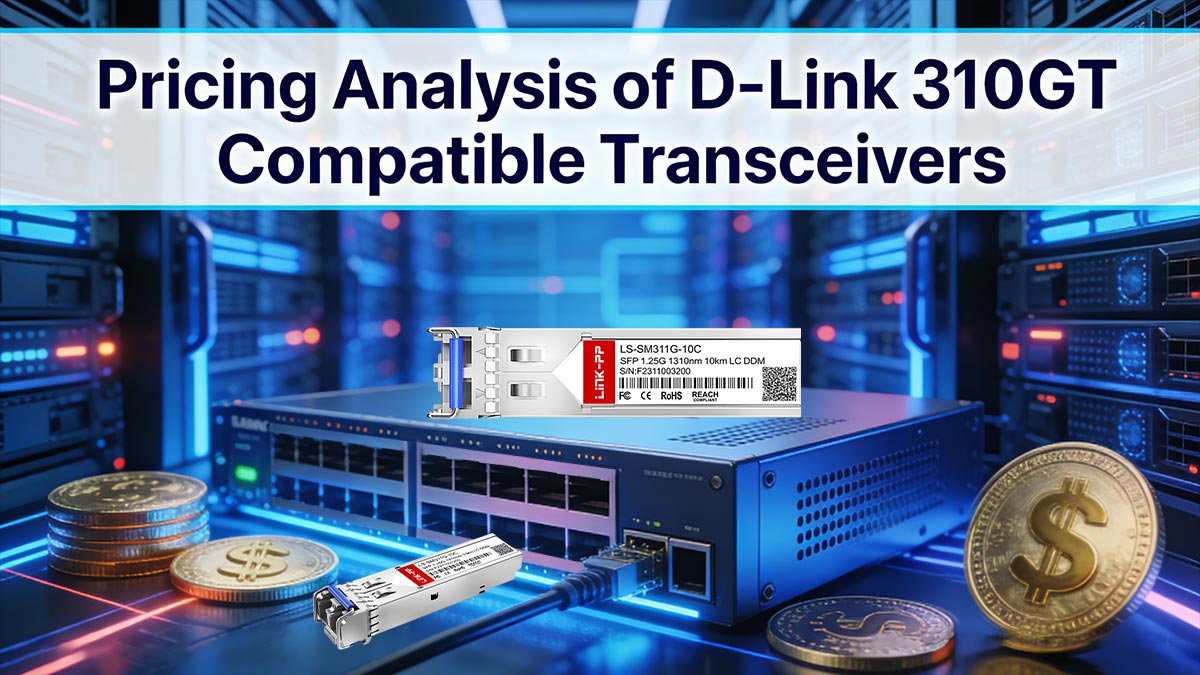
OEM D-Link 310GT transceivers are typically priced at a premium due to brand positioning, proprietary support, and bundled services, often costing several times more than third-party alternatives. In contrast, compatible transceivers can deliver similar technical performance at 40 - 60% lower cost, making them highly attractive for enterprises with large deployment needs. While OEM modules may include official vendor support, many reputable third-party suppliers now provide comparable warranties and technical assistance, narrowing the value gap while maintaining significant cost savings.
Bulk Purchasing and Volume Discounts
Enterprises can further reduce costs by leveraging bulk purchasing and volume-based pricing models offered by third-party suppliers. Large orders often qualify for tiered discounts, contract pricing, or customized quotes, especially for ongoing projects or long-term partnerships. This approach not only lowers the per-unit cost but also ensures consistent supply and pricing stability, which is particularly beneficial for organizations planning phased network expansions or maintaining spare inventory.
Hidden Costs to Watch out for
While compatible transceivers are generally cost-effective, enterprises should be aware of potential hidden costs that can impact the total investment. These may include compatibility issues requiring reconfiguration, lack of proper testing leading to replacement expenses, or delays caused by unreliable suppliers. Additionally, factors such as limited warranty coverage, higher failure rates from low-quality vendors, or insufficient technical support can increase operational costs over time. Conducting due diligence and selecting reputable suppliers helps mitigate these risks and ensures true cost efficiency.
♦️ How to Identify Reliable Suppliers for D-Link 310GT Compatible Modules
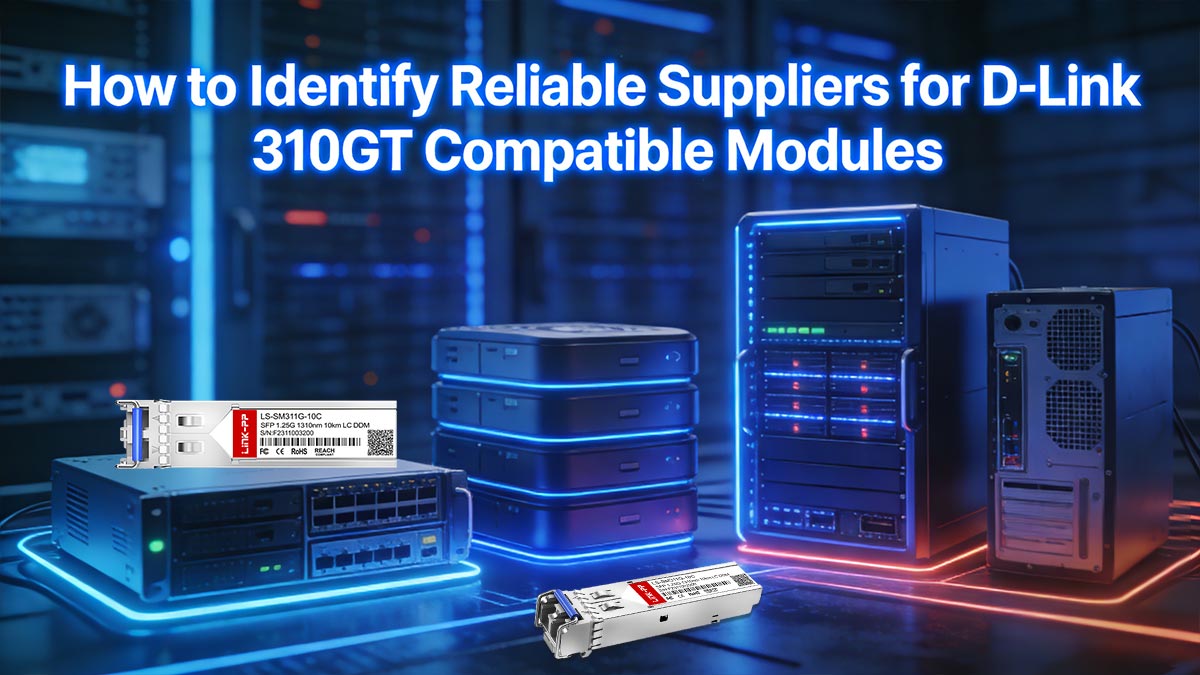
Selecting a reliable supplier is essential to ensure the quality, compatibility, and long-term performance of D-Link 310GT compatible transceivers. With many vendors in the market, enterprises must carefully evaluate suppliers based on credibility, compliance, and service capabilities. A well-chosen supplier not only delivers high-quality products but also supports smooth deployment and ongoing network operations.
Verify Supplier Certifications and Industry Standards
A dependable supplier should demonstrate compliance with recognized industry certifications and quality management systems. This serves as a baseline indicator of their manufacturing standards and operational credibility. Key aspects to verify include:
- ISO Certifications (e.g., ISO 9001, ISO 14001): Indicate adherence to quality management and environmental standards.
- RoHS and CE Compliance: Ensure products meet environmental and safety regulations.
- MSA (Multi-Source Agreement) Adherence: Confirms that transceivers are designed according to industry-standard specifications for interoperability.
Additionally, reputable suppliers often provide documentation such as test reports, compliance certificates, and traceability records. These materials are essential for enterprise procurement teams that require audit-ready sourcing processes.
Evaluate Product Quality and Compatibility Assurance
Product reliability is a core factor when sourcing D-Link 310GT compatible modules, especially in mission-critical environments. Enterprises should assess whether the supplier has robust quality assurance and compatibility testing procedures in place, such as:
- 100% Functional Testing: Including optical performance, signal integrity, and error rate validation before shipment.
- Compatibility Testing: Verifying operation across a wide range of D-Link switches as well as third-party equipment.
- EEPROM Programming and Coding Accuracy: Ensures seamless plug-and-play functionality without triggering compatibility errors.
Suppliers that invest in advanced testing labs and provide detailed test data reports typically offer higher reliability. It is also beneficial to check whether they support customization or re-coding services for specific network environments.
Analyze Supply Chain Stability and Delivery Timelines
A reliable supplier must have a stable and scalable supply chain to meet enterprise demand, especially for large deployments or ongoing projects. Important considerations include:
- Inventory Management Capabilities: Availability of stock to avoid delays in urgent deployments.
- Production Capacity: Ability to handle bulk orders without compromising quality.
- Logistics and Delivery Efficiency: Clear lead times, global shipping options, and on-time delivery performance.
Enterprises should also evaluate the supplier’s track record, including customer references and long-term partnerships. A supplier with a resilient supply chain and transparent communication can significantly reduce procurement risks and ensure continuity in network expansion projects.
♦️ Key Takeaways for Sourcing D-Link 310GT Compatible Transceivers
When sourcing D-Link 310GT compatible transceivers, enterprise network planners should focus on long-term reliability, verified compatibility, and supplier credibility. The right choice can significantly reduce operational costs while ensuring seamless integration across multi-vendor environments.
Here are the main takeaways to keep in mind:
- Prioritize Certified Quality: Choose manufacturers that provide product certification, rigorous testing, and full compliance with MSA and IEEE standards.
- Evaluate Total Cost of Ownership: Beyond unit price, consider warranty, support, and failure rate to gauge real-world cost efficiency.
- Ensure Wide Compatibility: Make sure the transceivers have been tested with both D-Link switches and other major network brands for stable performance.
- Work with Trusted Suppliers: Partner with vendors offering consistent supply chain reliability, responsive customer service, and transparent return policies.
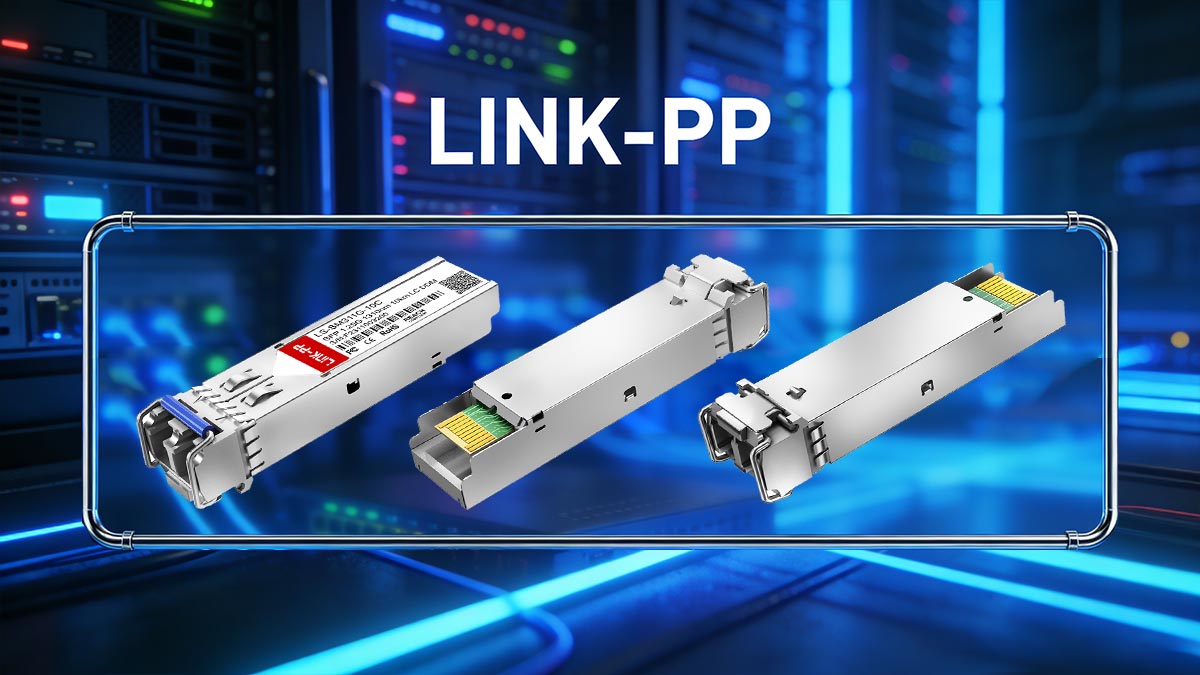
For enterprises looking for a dependable option, the Link-PP LS-SM311G-10C 1000BASE-LX SFP stands out as an excellent D-Link 310GT compatible solution. It delivers consistent performance, extended transmission distance, and proven interoperability across a wide range of network systems.
To explore more high-quality, fully tested compatible transceivers, visit the LINK-PP Official Store and discover cost-effective options designed for enterprise-grade networking.