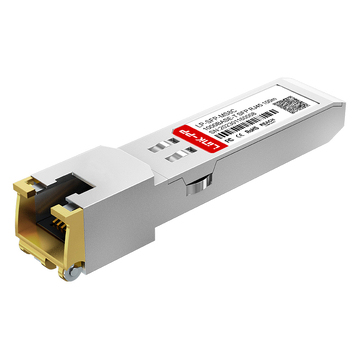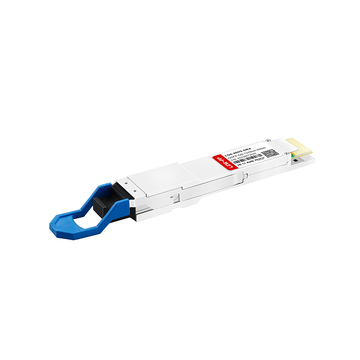
As 10GbE infrastructure becomes increasingly common in enterprise networks, campus environments, and high-performance homelabs, demand for reliable optical connectivity continues to grow. Many organizations deploying UniFi switches, aggregation devices, and gateways rely on Ubiquiti 10GB SFP+ modules to support high-bandwidth uplinks, storage traffic, and low-latency network communication across fiber infrastructures.
At the same time, network administrators are paying closer attention to interoperability, fiber compatibility, and long-term scalability when selecting 10G optical transceivers. Because modern networks often include equipment from multiple vendors, understanding how Ubiquiti 10GB SFP+ alternatives interact with UniFi hardware has become an important part of network planning, maintenance, and future expansion.
This article explores several key areas related to Ubiquiti 10GB SFP+ interoperability, including:
- Common 10G SFP+ optical standards and transmission characteristics
- UniFi compatibility and MSA compliance fundamentals
- Fiber infrastructure and deployment considerations
- DOM monitoring and troubleshooting practices
- Differences between official and third-party compatible modules
By understanding these factors, network engineers and IT administrators can build more stable, scalable, and interoperable 10GbE environments within UniFi-based infrastructures.
🔯 Understanding Ubiquiti 10GB SFP+ Modules
Ubiquiti 10GB SFP+ modules are designed to provide high-speed optical and copper connectivity for UniFi and other compatible 10GbE networking environments. These transceivers are widely used for switch uplinks, aggregation layers, storage networking, and long-distance fiber connections where low latency and stable bandwidth are essential.
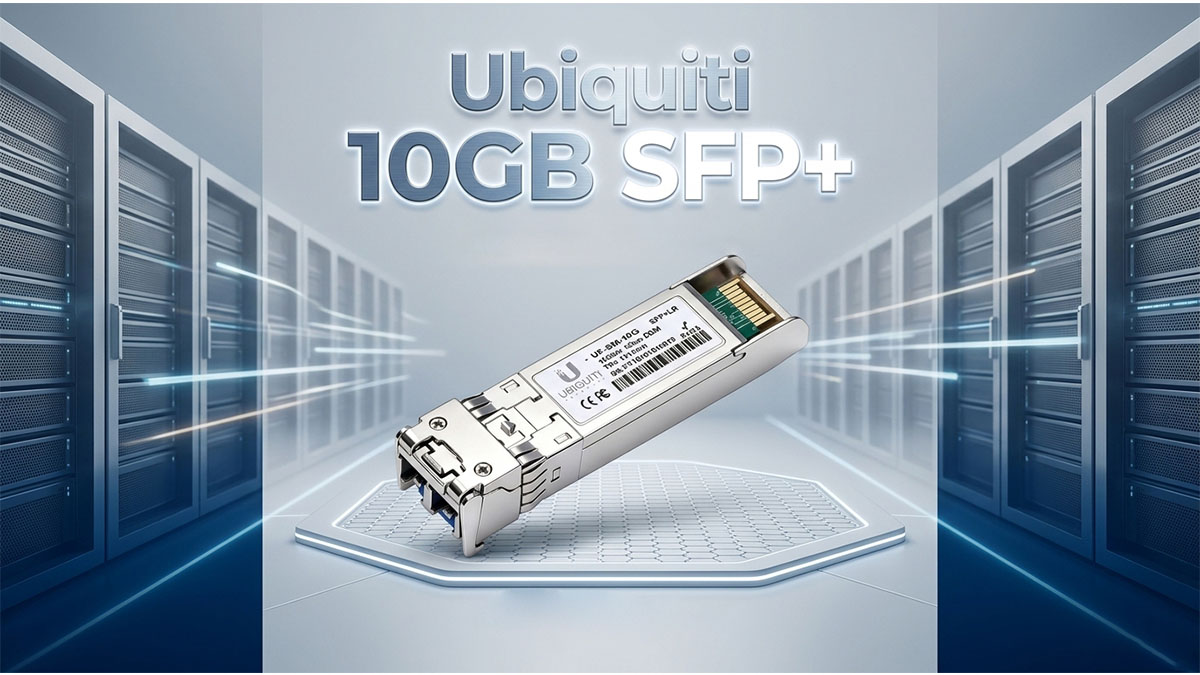
What Is a Ubiquiti 10GB SFP+ Transceiver?
A Ubiquiti 10GB SFP+ transceiver is a compact hot-swappable optical or copper module that enables 10GbE communication between networking devices. It inserts directly into SFP+ ports on UniFi switches, routers, and aggregation platforms.
Key characteristics of SFP+ technology include:
- Support for 10Gbps Ethernet transmission
- Compact modular form factor
- Hot-swappable installation capability
- Compatibility with both fiber and DAC connectivity
- Lower power consumption compared to older 10G interfaces
These modules are commonly used to establish:
- High-speed switch uplinks
- Fiber backbone connections
- Server-to-switch connectivity
- Storage area network communication
- Inter-building network links
Compared with legacy 10G interfaces such as XENPAK or X2, SFP+ modules offer improved port density, reduced heat generation, and better deployment flexibility in modern network architectures.
Common Ubiquiti 10GB SFP+ Module Types
Different Ubiquiti 10GB SFP+ modules are designed for specific transmission distances, wavelengths, and fiber types. Selecting the correct optical standard is critical for maintaining stable UniFi interoperability and minimizing signal loss.
The following table summarizes the most common 10G SFP+ optical standards used in UniFi environments:
| Module Type | Wavelength | Fiber Type | Typical Distance | Common Deployment |
|---|---|---|---|---|
| 10GBASE-SR | 850nm | MMF | Up to 300m | Data centers and short uplinks |
| 10GBASE-LRM | 1310nm | MMF | Up to 220m | Legacy multimode infrastructure |
| 10GBASE-LR | 1310nm | SMF | Up to 10km | Campus and enterprise backbones |
| 10GBASE-ER | 1550nm | SMF | Up to 40km | Metropolitan fiber links |
| 10GBASE-ZR | 1550nm | SMF | Up to 80km | Long-distance connectivity |
Each module type is optimized for different optical budgets and deployment environments. Short-range multimode optics are typically used inside buildings or data centers, while single-mode optics support longer transmission distances across campuses and metropolitan networks.
Typical UniFi Network Deployment Scenarios
Ubiquiti 10GB SFP+ modules are widely deployed in UniFi environments where higher throughput and lower latency are required than standard Gigabit Ethernet can provide.
Common deployment scenarios include:
- Aggregation links between UniFi core and access switches
- High-capacity uplinks for enterprise Wi-Fi infrastructure
- Server and NAS connectivity within local data centers
- Fiber backbone links between multiple buildings
- Surveillance networks handling large-scale video traffic
- Virtualization and storage traffic segmentation
These deployments often involve mixed fiber infrastructures, multiple switch generations, and varying transmission distances. Because of this, interoperability and standards compliance become essential factors when selecting compatible 10G SFP+ alternatives for UniFi networks.
🔯 Why Organizations Consider Ubiquiti 10GB SFP+ Alternatives
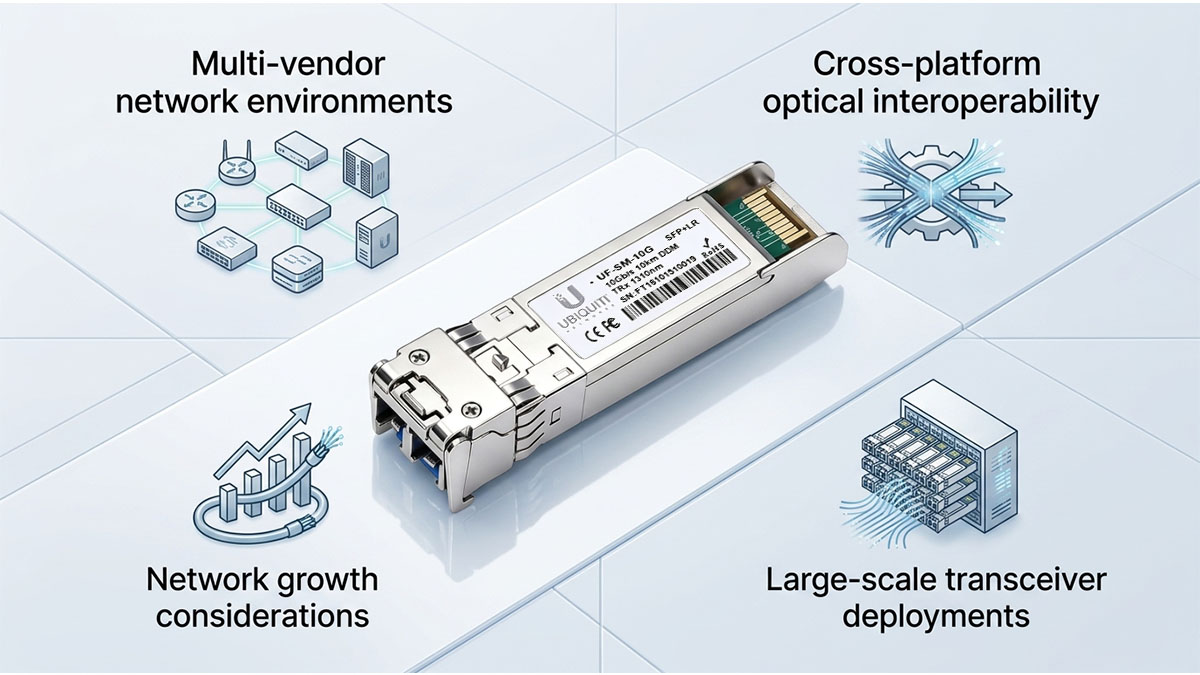
Many organizations evaluate Ubiquiti 10GB SFP+ alternatives to improve interoperability, support diverse fiber infrastructures, and maintain long-term network scalability. As UniFi environments expand across enterprise campuses, data centers, and multi-site deployments, network administrators often require flexible transceiver options that align with evolving operational and technical requirements.
Expanding Vendor Flexibility
Modern enterprise networks rarely operate with equipment from a single manufacturer. Many environments combine UniFi switches with servers, storage platforms, firewalls, and aggregation hardware from different vendors.
Organizations often prioritize vendor flexibility for several reasons:
- Supporting mixed-vendor network architectures
- Simplifying interoperability across existing infrastructure
- Standardizing optical modules across multiple platforms
- Reducing operational complexity in large deployments
- Maintaining compatibility during infrastructure expansion
This approach allows network teams to deploy consistent optical standards while improving overall deployment flexibility across heterogeneous environments.
Operational Scalability Requirements
As bandwidth demand increases, organizations must ensure that their optical infrastructure can scale efficiently alongside network growth. Ubiquiti 10GB SFP+ alternatives are frequently evaluated in environments where high port density and long-term scalability are critical.
Common scalability considerations include:
- Expanding aggregation layer capacity
- Supporting virtualization and storage traffic growth
- Increasing uplink bandwidth for Wi-Fi 6 and Wi-Fi 7 deployments
- Scaling fiber backbone infrastructure across buildings
- Preparing for future migration to 25G or higher-speed networks
In rapidly growing environments, scalable transceiver strategies help maintain operational consistency and reduce deployment challenges during future upgrades.
Availability and Lifecycle Management
Network infrastructure typically remains operational for many years, while optical module product cycles may change more frequently. Organizations therefore consider transceiver availability and lifecycle continuity when planning long-term UniFi deployments.
Several factors influence lifecycle planning:
- Hardware refresh schedules
- End-of-life transitions
- Maintaining spare inventory availability
- Compatibility with older UniFi hardware generations
- Long-term maintenance planning
Consistent transceiver interoperability becomes especially important in environments where multiple switch generations coexist within the same network infrastructure.
Optical Specification Diversity
Different deployment environments require different optical characteristics. A single transceiver type may not be suitable for every UniFi networking scenario, especially when transmission distance and fiber infrastructure vary significantly.
Common factors affecting module selection include:
- Multimode versus single-mode fiber infrastructure
- Short-range versus long-range transmission requirements
- Indoor and outdoor deployment conditions
- Optical attenuation across longer fiber runs
- Existing cabling limitations within older facilities
The table below highlights how deployment requirements influence optical standard selection:
| Deployment Requirement | Recommended Standard | Typical Fiber Type | Common Environment |
|---|---|---|---|
| Short-distance rack uplinks | 10GBASE-SR | MMF | Data centers |
| Legacy multimode infrastructure | 10GBASE-LRM | MMF | Older enterprise buildings |
| Campus backbone connectivity | 10GBASE-LR | SMF | University and corporate campuses |
| Metropolitan fiber transmission | 10GBASE-ER | SMF | City-wide connectivity |
| Extended long-haul links | 10GBASE-ZR | SMF | Telecom and large-scale WAN |
Selecting the appropriate optical specification helps maintain signal integrity, stable interoperability, and reliable long-distance performance within UniFi-based 10GbE networks.
🔯 UniFi Interoperability Fundamentals
UniFi interoperability depends on how well a 10G SFP+ module aligns with industry standards, optical specifications, and device recognition mechanisms. In most UniFi environments, successful interoperability is influenced by factors such as MSA compliance, firmware compatibility, wavelength consistency, and proper fiber matching.
Because many organizations deploy mixed-vendor infrastructure, understanding the technical foundations of SFP+ interoperability is essential for maintaining stable 10GbE connectivity across switches, aggregation layers, and backbone links.

How UniFi Devices Validate SFP+ Modules
UniFi switches and gateways identify inserted transceivers through EEPROM-based module information stored inside the SFP+ hardware. This information allows the device to recognize optical characteristics, vendor identifiers, supported transmission standards, and diagnostic capabilities.
Several elements are typically involved during module validation:
- Vendor identification data
- Supported Ethernet standards
- Wavelength information
- Transmission distance capabilities
- Digital Optical Monitoring (DOM) support
- Power and electrical specifications
The following table summarizes common validation parameters used in SFP+ interoperability:
| Validation Parameter | Function | Importance in UniFi Networks |
|---|---|---|
| EEPROM Identification | Reads module metadata | Determines module recognition |
| Vendor Coding | Identifies manufacturer profile | Affects compatibility behavior |
| Optical Standard | Defines transmission protocol | Ensures link establishment |
| Wavelength Information | Matches optical signaling | Prevents transmission mismatch |
| DOM Capability | Enables diagnostics | Supports monitoring and troubleshooting |
In most cases, standards-compliant SFP+ modules can establish stable links when their optical characteristics align correctly with UniFi hardware and fiber infrastructure requirements.
Understanding MSA Compliance
MSA compliance is one of the most important factors affecting interoperability between UniFi devices and third-party optical transceivers. MSA, or Multi-Source Agreement, defines common electrical, mechanical, and optical standards for transceiver manufacturing.
MSA-compliant modules are designed to maintain interoperability across networking equipment from multiple vendors by following standardized specifications.
Core areas covered by MSA standards include:
- Physical transceiver dimensions
- Electrical interface characteristics
- Optical signaling behavior
- Power consumption limits
- Connector and pin assignments
- Communication protocols
MSA compliance provides several operational advantages:
- Improved cross-vendor compatibility
- Greater deployment flexibility
- Easier infrastructure standardization
- Simplified maintenance processes
- Reduced interoperability risks
Although MSA compliance significantly improves compatibility expectations, actual deployment stability may still depend on firmware behavior and optical specification matching within the UniFi environment.
Factors Influencing Successful Interoperability
Successful UniFi interoperability depends on more than simply inserting a compatible SFP+ module. Multiple technical variables must align correctly to maintain stable 10GbE communication.
Key interoperability factors include:
- Matching Ethernet standards between both endpoints
- Correct wavelength pairing
- Appropriate fiber type selection
- Compatible transmission distances
- Stable optical power levels
- Firmware compatibility between devices and modules
The table below highlights several common interoperability factors and their operational impact:
| Interoperability Factor | Potential Issue | Network Impact |
|---|---|---|
| Incorrect Fiber Type | MMF/SMF mismatch | Link failure |
| Wavelength Incompatibility | Tx/Rx mismatch | No optical communication |
| Excessive Distance | Optical attenuation | Unstable connectivity |
| Firmware Incompatibility | Recognition problems | Module detection failure |
| Poor Optical Budget | Signal degradation | Packet loss and CRC errors |
In addition to hardware compatibility, environmental conditions and physical installation quality also influence long-term link stability. Dirty fiber connectors, excessive bending, and poor cable management can all contribute to degraded optical performance.
Careful validation of optical standards, transmission requirements, and fiber infrastructure helps ensure consistent interoperability across UniFi-based 10GbE deployments.
🔯 Compatibility Matrix of Common 10G Optical Standards
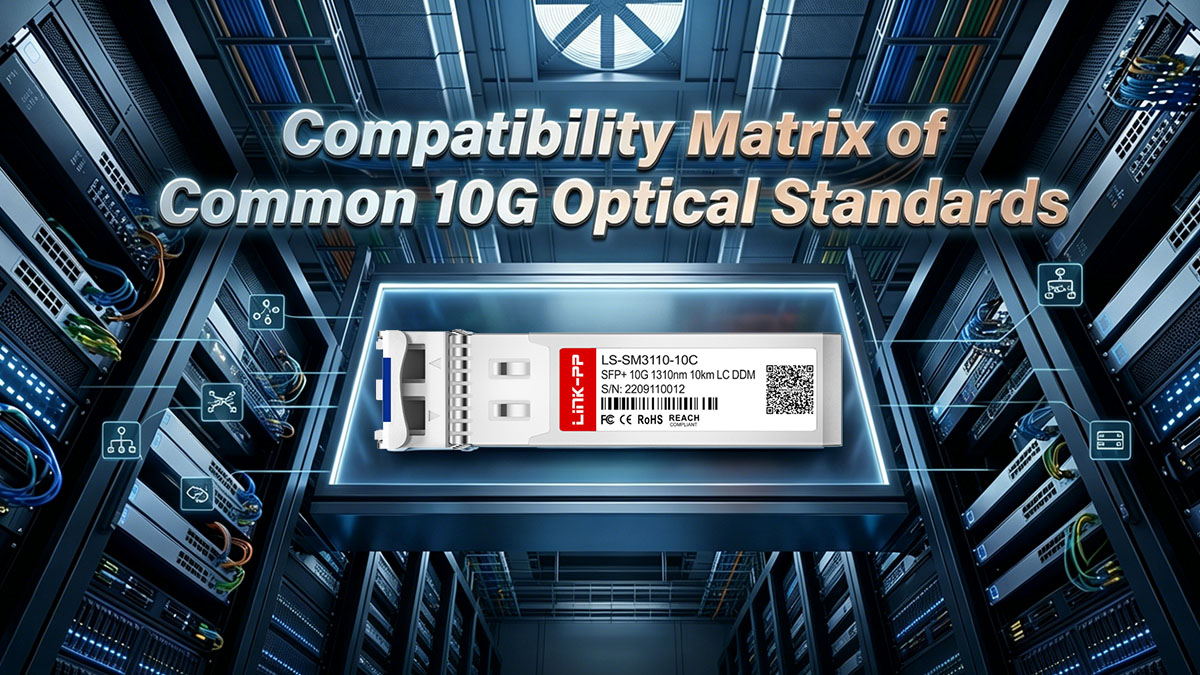
Understanding the differences between major 10G optical standards is essential when deploying Ubiquiti 10GB SFP+ modules or compatible alternatives in UniFi environments. Each standard is designed for specific transmission distances, fiber types, and deployment scenarios, which directly affects interoperability, link stability, and long-term network performance.
Overview of Major 10G SFP+ Standards
Different 10GBASE standards are optimized for varying operational environments. Some are designed for short-distance multimode deployments inside data centers, while others support long-range single-mode transmission across campuses and metropolitan networks.
The following compatibility matrix summarizes the most widely deployed 10G SFP+ optical standards:
| Optical Standard | Wavelength | Fiber Type | Typical Distance | Connector Type | Common Application |
|---|---|---|---|---|---|
| 10GBASE-SR | 850nm | MMF | Up to 300m | Duplex LC | Short-range data center links |
| 10GBASE-LRM | 1310nm | MMF | Up to 220m | Duplex LC | Legacy multimode environments |
| 10GBASE-LR | 1310nm | SMF | Up to 10km | Duplex LC | Enterprise campus backbones |
| 10GBASE-ER | 1550nm | SMF | Up to 40km | Duplex LC | Metropolitan fiber links |
| 10GBASE-ZR | 1550nm | SMF | Up to 80km | Duplex LC | Long-haul WAN connectivity |
| 10G DAC | N/A | Copper Twinax | Up to 7m | SFP+ Direct Attach | Rack-level interconnects |
These standards are all commonly associated with 10GbE networking, but their deployment requirements differ significantly depending on transmission distance and infrastructure type.
Choosing the Right Standard for UniFi Networks
The best 10G optical standard for a UniFi deployment depends on transmission distance, fiber infrastructure, environmental conditions, and future scalability requirements. Improper module selection can result in unstable connectivity, excessive attenuation, or complete link failure.
Several factors should be evaluated before choosing a 10G SFP+ standard:
- Existing fiber type within the building or campus
- Required transmission distance
- Aggregation and uplink bandwidth demands
- Future expansion plans
- Environmental and installation conditions
- Long-term interoperability requirements
The table below outlines common UniFi deployment scenarios and suitable optical standards:
| Deployment Scenario | Recommended Standard | Typical Infrastructure | Primary Advantage |
|---|---|---|---|
| Rack-to-rack uplinks | 10G DAC | Short copper runs | Low latency and simplicity |
| Data center aggregation | 10GBASE-SR | OM3/OM4 MMF | High-density short-range connectivity |
| Enterprise building backbone | 10GBASE-LR | Single-mode fiber | Stable medium-range transmission |
| Campus inter-building links | 10GBASE-ER | Single-mode fiber | Long-distance optical reach |
| Metro or WAN extension | 10GBASE-ZR | Single-mode fiber | Extended long-haul capability |
In many enterprise UniFi environments, 10GBASE-SR and 10GBASE-LR remain the most commonly deployed standards because they balance interoperability, deployment flexibility, and infrastructure compatibility effectively.
🔯 Evaluating Third-Party Ubiquiti 10GB SFP+ Alternatives
Evaluating third-party Ubiquiti 10GB SFP+ alternatives in UniFi environments focuses on whether a module can maintain stable 10GbE performance under real deployment conditions. Compatibility is not defined only by physical fit or basic link establishment, but by optical precision, standards alignment, and long-term operational consistency across different network layers.
Technical Characteristics to Verify
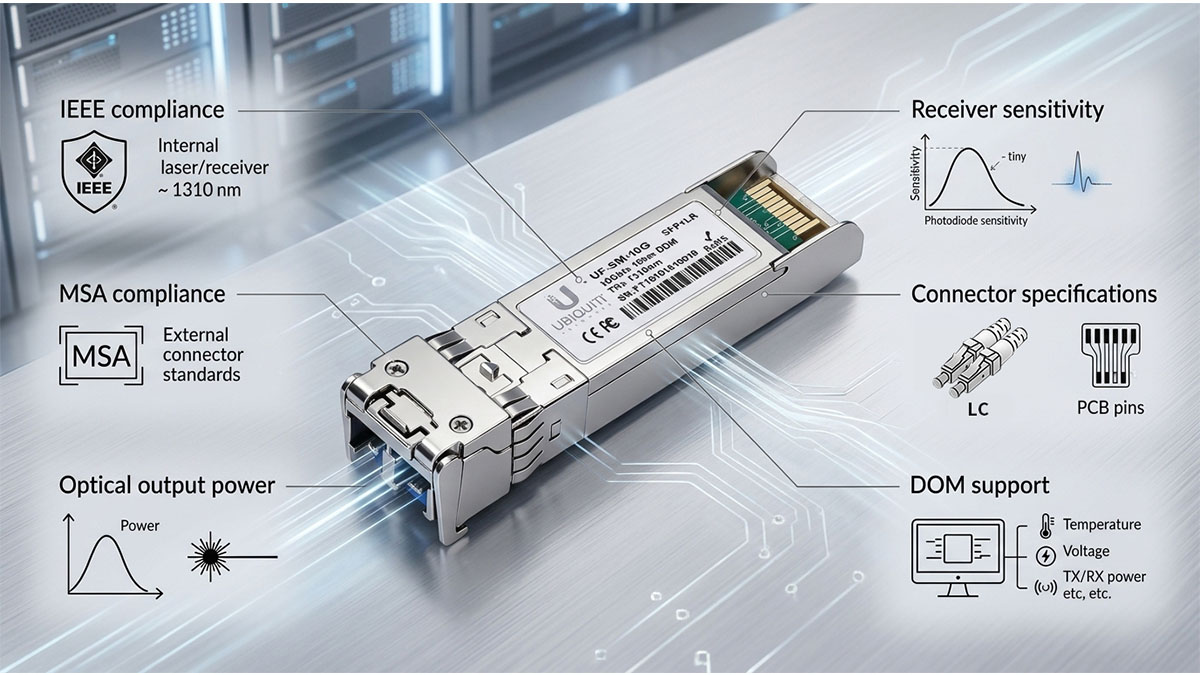
A stable 10G SFP+ deployment depends on whether the module aligns with IEEE standards and matches the optical requirements of the network. Even minor mismatches in wavelength or power levels can affect link quality or long-term stability.
Key technical elements to verify include:
- IEEE 802.3ae compliance for standardized 10GbE operation
- MSA compliance for mechanical and electrical interoperability
- Correct optical standard alignment (SR, LR, ER, etc.)
- Matching wavelength between paired optical links
- Tx/Rx optical power within acceptable link budget range
- Compatibility with multimode or single-mode fiber infrastructure
- Power consumption compatibility with UniFi switch limitations
When these parameters are correctly matched, third-party modules often behave similarly to original ecosystem optics in terms of basic connectivity. However, consistency across different hardware revisions and firmware versions remains an important factor in real-world deployments.
Digital Optical Monitoring (DOM) Capabilities
DOM functionality provides visibility into real-time optical performance and is especially useful for maintaining stable UniFi 10GbE networks. It enables proactive monitoring of signal health instead of relying solely on link status.
| DOM Metric | Purpose | Operational Value |
|---|---|---|
| Tx Optical Power | Measures transmitted signal strength | Ensures signal is strong enough for reliable delivery |
| Rx Optical Power | Measures received signal strength | Detects attenuation or fiber degradation |
| Temperature | Tracks internal module heat levels | Identifies environmental stress or overheating |
| Voltage | Monitors electrical stability | Detects power inconsistencies from switch ports |
| Bias Current | Indicates laser operating condition | Helps assess optical component aging |
These metrics are particularly valuable in backbone links, aggregation layers, and high-traffic environments where small optical variations can gradually impact performance.
Firmware and Coding Considerations
Firmware behavior in UniFi devices can influence how third-party SFP+ modules are detected and monitored. Even when a module is technically compliant, differences in EEPROM coding or firmware interpretation may affect recognition and telemetry.
Key considerations include:
- How UniFi firmware interprets vendor EEPROM data
- Changes in module detection behavior across firmware versions
- Consistency of DOM reporting after system upgrades
- Link initialization behavior during hot-swap events
- Potential warning states despite functional connectivity
To reduce deployment risk, it is common to validate modules in a controlled environment before scaling. Consistency in firmware versions and transceiver models also helps maintain predictable behavior across the network.
🔯 Fiber Infrastructure Considerations for 10GbE Deployments
Fiber infrastructure plays a decisive role in the stability and performance of Ubiquiti 10GB SFP+ deployments within UniFi networks. Even when transceivers are fully compatible, poor fiber design or mismatched cabling can still lead to signal loss, instability, or reduced 10GbE performance.
Multimode Fiber Environments
Multimode fiber (MMF) is commonly used in short-distance 10GbE deployments, particularly within buildings or data center environments. It is widely deployed due to its cost efficiency and ease of installation, especially in existing infrastructure.
In UniFi-based networks, multimode fiber is typically associated with:
- Rack-to-rack uplinks within data centers
- Switch interconnects inside server rooms
- Short backbone links within a single building
- High-density access layer aggregation
Common multimode standards include OM3 and OM4, which differ primarily in supported transmission distance. OM4 generally allows longer reach compared to OM3 under the same optical standard.
Single-Mode Fiber Environments
Single-mode fiber (SMF) is designed for long-distance 10GbE transmission and is widely used in enterprise campus networks, inter-building links, and metropolitan-scale deployments. Compared to multimode fiber, it supports significantly lower attenuation and longer reach.
In UniFi deployments, single-mode fiber is commonly used for:
- Building-to-building backbone connectivity
- Campus aggregation layer design
- Data center interconnect links
- Extended WAN or metro fiber extensions
Single-mode fiber typically pairs with 10GBASE-LR, ER, or ZR optics depending on required distance.
Optical Link Budget Planning
A properly designed optical link budget ensures that transmitted signals arrive at the receiver with sufficient strength to maintain stable 10GbE communication. This is especially important in longer or more complex fiber routes.
Key components affecting optical budget include:
- Fiber attenuation over distance
- Connector insertion losses
- Splice losses in distributed fiber paths
- Transceiver Tx optical power output
- Receiver sensitivity limits
In practical deployment planning, administrators should ensure:
- Adequate safety margin above minimum receiver sensitivity
- Minimal unnecessary connectors in the fiber path
- Proper documentation of all fiber segments and losses
- Validation of end-to-end optical performance before production rollout
Careful fiber infrastructure planning directly improves interoperability outcomes for Ubiquiti 10GB SFP+ and third-party transceivers. When fiber type, distance, and optical budget are correctly aligned, UniFi 10GbE networks can maintain stable, low-latency performance even under high traffic conditions.
🔯 Deployment Best Practices for UniFi 10G Networks
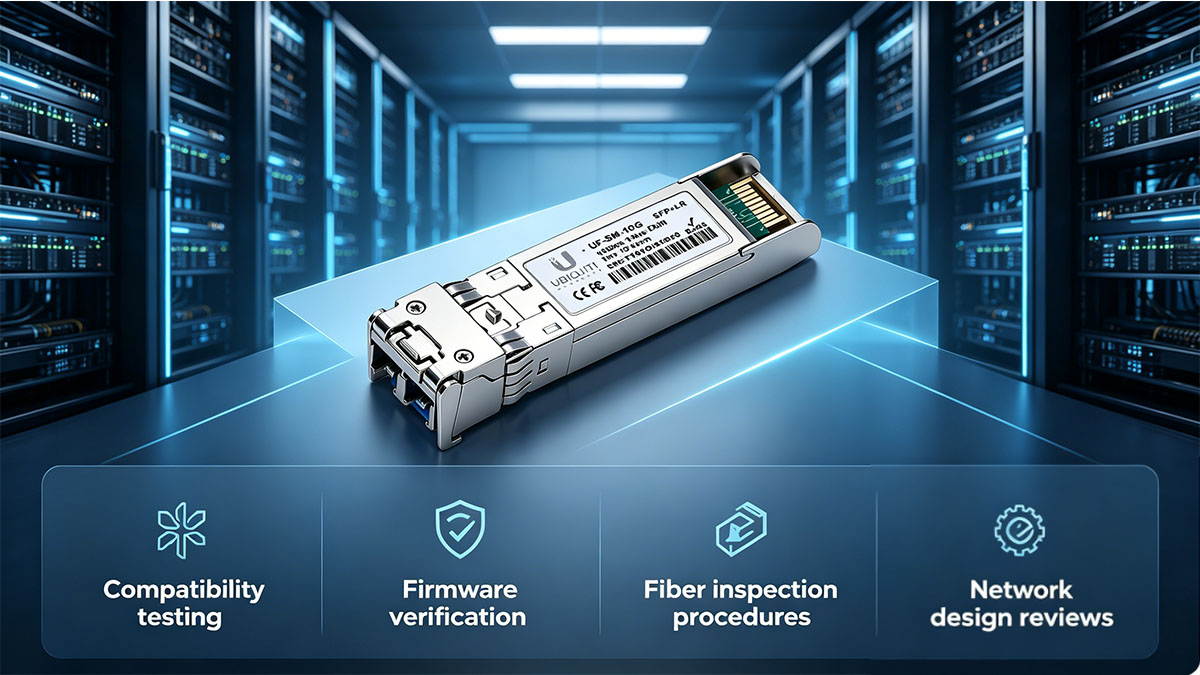
Deploying 10GbE in UniFi environments requires more than installing Ubiquiti 10GB SFP+ modules and connecting fiber links. Stable performance depends on consistent configuration, proper physical installation, and controlled validation of optical behavior across the network.
Pre-Deployment Validation
Before introducing 10GbE links into production, validation in a controlled environment is essential. This step helps confirm interoperability between UniFi hardware, fiber infrastructure, and selected SFP+ modules.
Key validation activities include:
- Testing transceivers in a lab or staging switch before deployment
- Verifying link establishment across intended fiber types
- Checking compatibility across UniFi switch models and firmware versions
- Measuring optical power levels using DOM where available
- Confirming correct wavelength and standard pairing (SR, LR, ER, etc.)
Additional preparation steps often include:
- Standardizing module types across similar link roles
- Documenting tested combinations of switches, optics, and fiber runs
- Ensuring spare modules are pre-validated for replacement scenarios
This stage reduces the risk of unexpected incompatibility in live environments.
Installation and Commissioning
Physical installation quality has a direct impact on long-term 10GbE stability. Even fully compatible Ubiquiti 10GB SFP+ modules can experience issues if fiber handling or connector practices are not properly managed.
Recommended installation practices include:
- Cleaning LC connectors before every insertion
- Avoiding sharp bends or excessive tension in fiber cables
- Ensuring correct duplex polarity alignment
- Inserting and removing SFP+ modules only when necessary and with care
- Confirming secure seating of transceivers in SFP+ ports
During commissioning, it is important to validate:
- Link status across both endpoints
- Initial DOM readings for optical power balance
- Consistency of negotiated 10GbE speed
- Absence of CRC errors or packet loss during initial traffic tests
A structured commissioning process helps ensure that physical-layer issues are identified before production traffic begins.
Ongoing Monitoring and Maintenance
Once deployed, UniFi 10G networks require continuous monitoring to maintain stable performance. Even when links appear operational, gradual optical degradation can occur over time.
Key maintenance practices include:
- Regular review of DOM metrics for all critical links
- Monitoring optical power drift trends over time
- Inspecting fiber connectors during scheduled maintenance cycles
- Replacing aging or high-loss patch cables proactively
- Documenting performance baselines for comparison
Operational monitoring should focus on early warning indicators such as:
- Gradual decrease in Rx optical power
- Increasing error counters (CRC or frame errors)
- Temperature fluctuations in high-density switch environments
- Intermittent link flapping under load
By combining proactive monitoring with structured maintenance, network teams can significantly extend the stability and lifespan of 10GbE deployments. This approach ensures that UniFi-based networks remain reliable even as traffic demand and infrastructure complexity continue to grow.
🔯 Common Compatibility Challenges and Troubleshooting
In UniFi-based 10GbE environments, compatibility issues involving Ubiquiti 10GB SFP+ modules or third-party alternatives are often related to physical-layer mismatches rather than pure switching logic failures. When a link does not behave as expected, the root cause is frequently tied to fiber condition, optical parameters, or firmware interpretation differences.
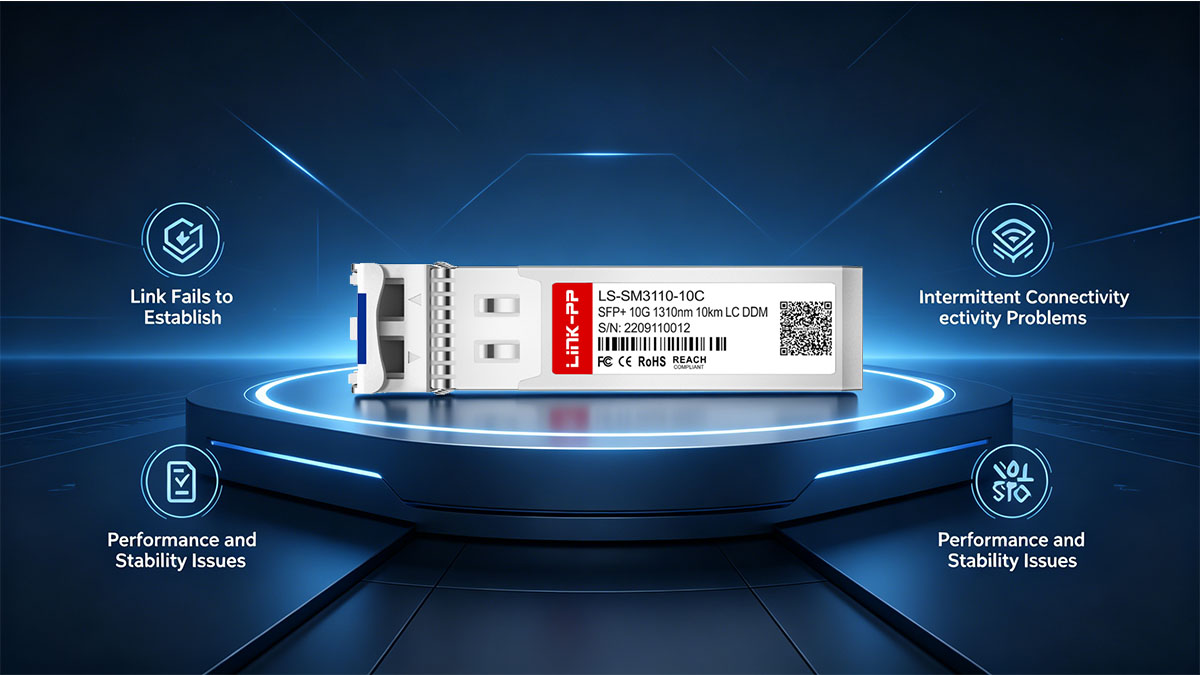
Understanding the most common failure patterns helps reduce downtime and enables faster isolation between transceiver, fiber, and device-level issues.
Link Fails to Establish
A complete link failure typically indicates a fundamental mismatch between optical parameters or physical connectivity issues. Even when modules are correctly inserted, the link may remain down due to underlying incompatibility.
Typical causes include:
- Mismatched optical standards between endpoints (for example SR vs LR)
- Incorrect fiber type usage (multimode vs single-mode mismatch)
- Improper wavelength pairing between transceivers
- Dirty or damaged LC connectors preventing light transmission
- Incompatible or poorly coded SFP+ modules not recognized by UniFi firmware
Recommended troubleshooting steps:
- Verify both ends use identical or compatible optical standards
- Inspect and clean all fiber connectors before retesting
- Confirm fiber type matches transceiver specification
- Swap modules between ports to isolate hardware vs fiber issues
- Check UniFi interface logs for module detection messages
In many cases, link failure is resolved once fiber polarity and optical compatibility are corrected.
Intermittent Connectivity Problems
Intermittent link behavior is often more difficult to diagnose than complete failure because the connection may appear stable under light load but degrade under real traffic conditions.
Common contributing factors include:
- Micro-bending or physical stress on fiber cables
- Marginal optical power levels close to receiver sensitivity limits
- Aging connectors introducing variable insertion loss
- Environmental temperature fluctuations affecting module performance
- Inconsistent module quality in third-party transceivers
Troubleshooting actions include:
- Reviewing DOM logs for fluctuating Tx/Rx optical power
- Replacing patch cables with known-good fiber runs
- Rerouting fiber to reduce bending or tension points
- Testing under sustained traffic to reproduce instability
- Comparing behavior across different switch ports or modules
Intermittent issues often point to physical-layer degradation rather than configuration errors.
Performance and Stability Issues
Even when a 10GbE link is established, performance issues such as packet loss or high error rates can still occur. These problems are typically linked to marginal optical conditions or degraded signal quality.
Common symptoms include:
- CRC errors increasing under load
- Reduced throughput compared to expected 10GbE performance
- Sporadic packet retransmissions
- Latency spikes during sustained traffic
- Link renegotiation under stress conditions
Key troubleshooting strategies:
- Check DOM Rx optical power against receiver thresholds
- Verify optical budget margin is sufficient for link distance
- Inspect for excessive connector points in the fiber path
- Replace suspect transceivers to rule out module degradation
- Ensure both endpoints operate within same 10GbE standard expectations
When performance issues persist, isolating each segment of the fiber path is often the most effective way to identify attenuation or signal integrity problems.
🔯 Ubiquiti 10GB SFP+ Alternatives vs Official Modules
When comparing Ubiquiti 10GB SFP+ modules with third-party alternatives in UniFi networks, the decision is less about basic connectivity and more about operational consistency, diagnostic visibility, and long-term deployment flexibility. Both options can support 10GbE links, but their behavior may differ depending on firmware environment, fiber infrastructure, and network scale.
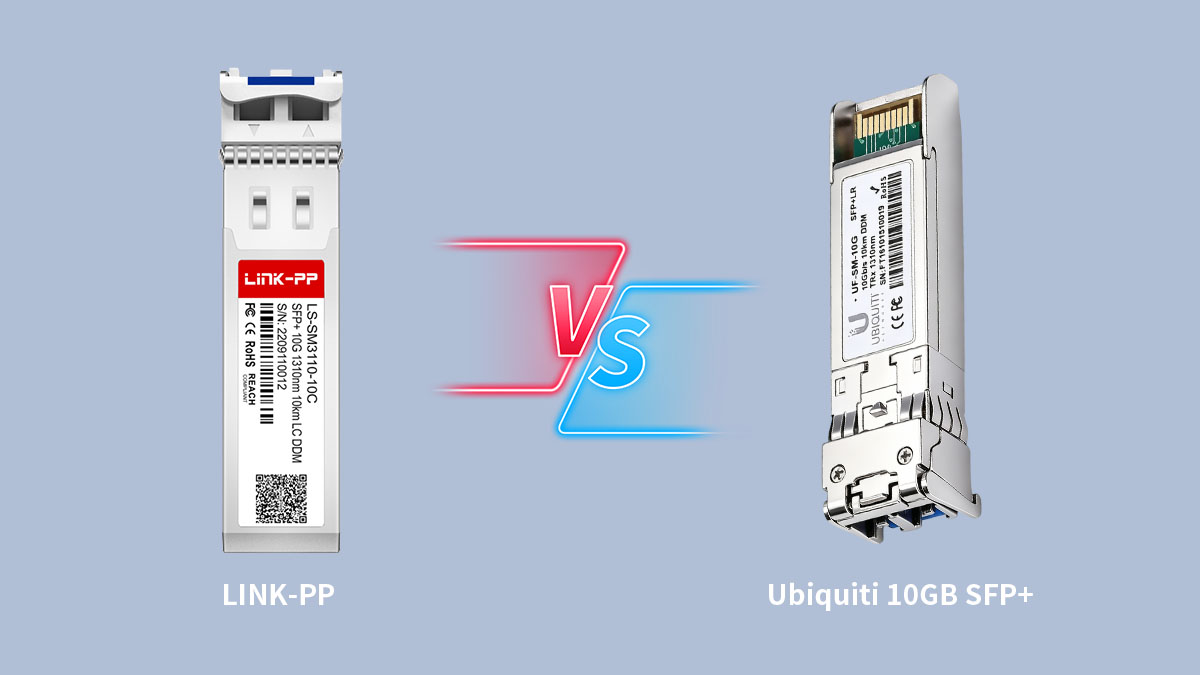
Areas of Similarity
From a technical standpoint, both official and third-party SFP+ modules can deliver equivalent 10GbE performance when they adhere to industry standards. In many UniFi deployments, the underlying optical transmission behavior is identical if specifications are properly matched.
Key similarities include:
- Both support 10GbE Ethernet transmission over fiber or DAC
- Both follow IEEE 802.3ae optical standards
- Both are available in SR, LR, ER, and DAC variants
- Both can operate in UniFi SFP+ ports under correct conditions
- Both rely on correct fiber type and optical budget alignment
In terms of raw data transmission, there is no inherent speed advantage between official and standards-compliant third-party modules. The differences emerge primarily in management behavior and ecosystem integration.
Evaluation Criteria for Network Architects
When selecting between official modules and third-party Ubiquiti 10GB SFP+ alternatives, network architects typically evaluate options based on operational requirements rather than isolated technical specifications.
Key evaluation criteria include:
- Stability across large-scale deployments
- Level of diagnostic visibility required (especially DOM reliability)
- Multi-vendor infrastructure integration needs
- Standardization strategy for long-term maintenance
- Firmware upgrade impact on module behavior
- Availability and lifecycle consistency of components
In enterprise environments, predictability often outweighs marginal cost differences, especially in critical backbone or aggregation layers.
Selection Considerations for Different Network Scales
The optimal choice between official and alternative modules often depends on the size and complexity of the network environment.
Typical deployment patterns include:
- Small office or homelab environments: flexibility and cost efficiency often prioritized
- Mid-size enterprise networks: balanced focus on stability and interoperability
- Large-scale campus or data center environments: emphasis on consistency, monitoring, and standardization
In distributed infrastructures, maintaining consistent optical behavior across multiple sites becomes increasingly important, making interoperability testing and standardization strategies essential parts of the selection process.
🔯 Conclusion
Ubiquiti 10GB SFP+ modules play a central role in building stable and high-performance UniFi 10GbE networks, but real-world deployments often extend beyond a single vendor ecosystem. As network demands grow across enterprise, campus, and distributed environments, the ability to evaluate interoperability, optical standards, and fiber infrastructure becomes increasingly important for maintaining long-term stability.
Throughout 10GbE planning and deployment, several factors consistently determine success:
- Correct selection of optical standards such as SR, LR, ER, and ZR based on distance and fiber type
- Proper alignment of wavelength, power budget, and receiver sensitivity to ensure stable signal delivery
- Consistent use of multimode or single-mode fiber based on infrastructure design
- Awareness of UniFi firmware behavior and how it may affect module recognition and diagnostics
- Effective use of DOM monitoring to identify early signs of degradation or instability
- Structured troubleshooting processes to isolate fiber, transceiver, and configuration-related issues
When these elements are properly managed, both official Ubiquiti modules and high-quality third-party alternatives can operate reliably within UniFi environments. The key difference is not simply hardware selection, but how well each component aligns with the overall optical and operational design of the network.
For organizations looking to standardize or expand their 10GbE infrastructure, sourcing consistent and standards-compliant transceivers is often a critical part of long-term planning. Platforms such as the LINK-PP Official Store can provide access to a wide range of compatible optical modules designed for enterprise networking scenarios, helping support scalable and interoperable deployments across different environments.