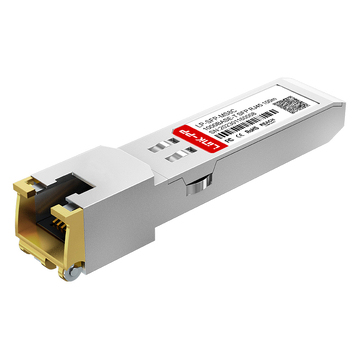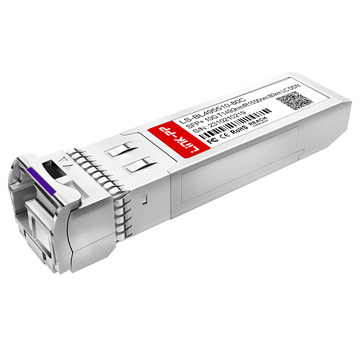






























Optical networks remain the backbone of modern enterprise and data center connectivity, and selecting the right optical transceiver is crucial for reliable performance. The SFP GE LX SM1310 A module has long been a preferred choice for H3C switches, offering stable gigabit transmission over single-mode fiber at a 1310nm wavelength. However, organizations increasingly seek compatible transceivers that maintain performance while providing greater flexibility and availability. This article explores the features of the SFP GE LX SM1310 A, reasons to consider H3C-compatible alternatives, and practical guidance for deployment, helping network engineers make informed decisions for efficient and resilient optical links.
♠️ What Is SFP GE LX SM1310 A
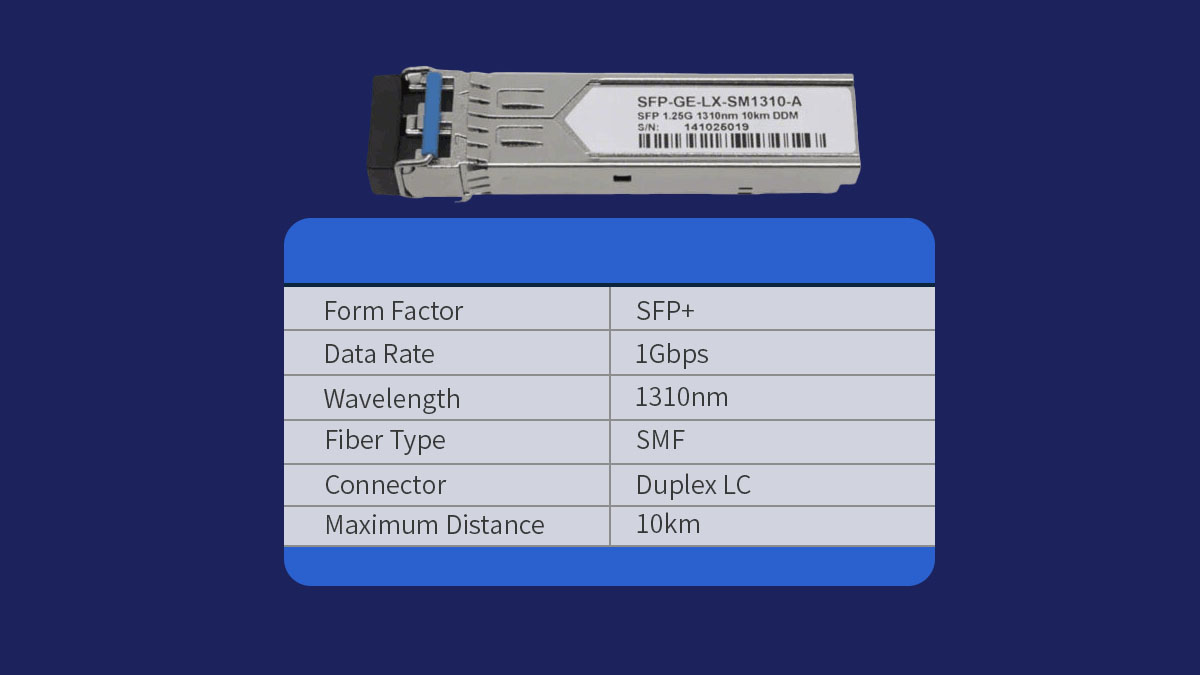
The SFP GE LX SM1310 A is a single-mode Gigabit Ethernet small form-factor pluggable module designed for reliable long-distance optical transmission. It supports 1.25Gbps data rates and operates at a 1310nm wavelength, making it suitable for fiber links up to 10 kilometers. Its primary advantage lies in delivering stable, low latency connectivity for enterprise and metro networks while maintaining interoperability with H3C devices.
Definition and Basic Function
The module is a hot-swappable transceiver that converts electrical signals from switches or routers into optical signals for transmission over single-mode fiber. The 1310nm wavelength offers an optimal balance between attenuation and dispersion in typical single-mode deployments, enabling consistent link quality across medium-range distances. By using an LC duplex connector, the module ensures precise alignment and minimal insertion loss, which is critical for high-speed networks where even minor optical degradation can impact performance.
Key Specifications of SFP GE LX SM1310 A
Understanding the specifications of the SFP GE LX SM1310 A helps network engineers assess its suitability and compare it with compatible alternatives.
| Parameter | SFP GE LX SM1310 A Specification |
|---|---|
| Data Rate | 1.25Gbps |
| Wavelength | 1310nm |
| Transmission Distance | Up to 10km |
| Connector Type | LC duplex |
| Supported Standard | IEEE 802.3z 1000BASE-LX |
| Operating Temperature | 0°C to 70°C |
| Digital Diagnostics | Supported (DDM/DOM) |
The combination of these specifications allows the SFP GE LX SM1310 A to support high-performance links in scenarios such as campus backbone networks, inter-building connections, and metro access networks. The integrated digital diagnostics monitoring enables real-time assessment of optical power, temperature, and voltage, which is essential for proactive maintenance and minimizing network downtime.
By understanding its operational principles, data capabilities, and interface standards, IT teams can better evaluate both the original H3C module and potential third-party alternatives without compromising network stability or reliability.
♠️ Overview of H3C SFP GE LX SM1310 A Module
The H3C SFP GE LX SM1310 A module is engineered to deliver optimal performance and seamless integration within H3C network devices. It is designed to provide stable gigabit connectivity over single-mode fiber links, ensuring low latency and reliable data transmission across enterprise and metro environments. Its compatibility with H3C switches and routers makes it a preferred choice for networks where vendor-standard consistency is critical.
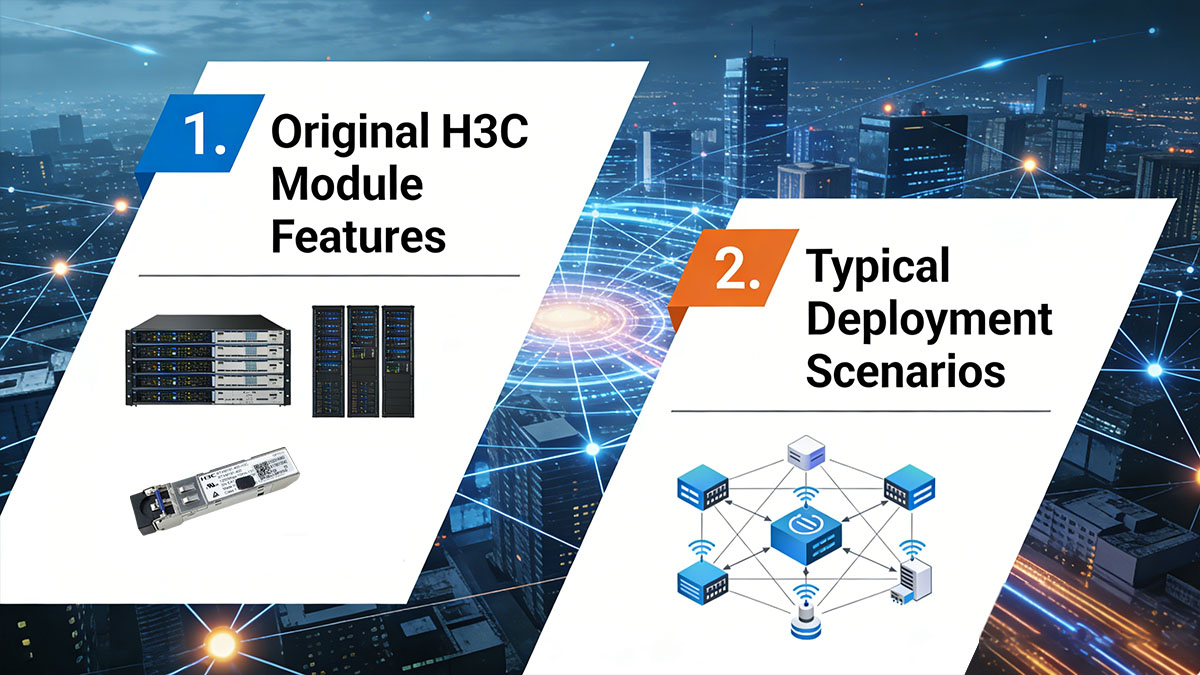
Original H3C Module Features
The original H3C module includes several features that distinguish it from generic alternatives:
- Pre-programmed EEPROM coding to ensure plug-and-play functionality with H3C equipment.
- Support for Digital Diagnostics Monitoring (DDM), allowing real-time monitoring of optical power, temperature, and voltage.
- Compliance with IEEE 802.3z 1000BASE-LX standards for Gigabit Ethernet over single-mode fiber.
- LC duplex connector design for precise optical alignment and minimal insertion loss.
These features collectively ensure that network administrators can deploy the module without additional configuration or compatibility testing, reducing downtime and operational complexity.
Typical Deployment Scenarios
The H3C SFP GE LX SM1310 A is commonly deployed in scenarios that demand reliable medium-range fiber links. Key examples include:
- Enterprise Campus Networks – Connecting buildings or floors with consistent gigabit performance.
- Metro Access Networks – Serving as part of aggregation layers between central offices and local distribution nodes.
- Data Center Edge Connectivity – Linking top-of-rack switches to core or aggregation switches over single-mode fiber.
By addressing these deployment scenarios, the module helps maintain high network reliability, predictable latency, and minimal signal degradation over distances up to 10 kilometers.
Advantages of Using the Original H3C Module
The primary advantages of using the H3C-branded module include guaranteed compatibility, vendor-supported troubleshooting, and integrated monitoring capabilities. These factors reduce operational risk in environments where network uptime and performance are critical. While third-party alternatives can provide similar technical performance, the original module remains a benchmark for reliability and seamless integration in H3C environments.
♠️ Why Consider Alternatives to H3C SFP GE LX SM1310 A
While the original H3C SFP GE LX SM1310 A module guarantees seamless operation within H3C networks, several operational, technical, and strategic factors drive the consideration of compatible alternatives. Carefully selected third-party modules can deliver equivalent optical performance, expand deployment flexibility, and optimize network management without introducing risk when evaluated properly.

Cost Efficiency Without Performance Loss
Third-party compatible modules often replicate the exact optical specifications of the H3C SFP GE LX SM1310 A, including:
- Transmitter output power and receiver sensitivity
- Insertion loss and return loss characteristics
- Bit error rate performance under long-distance single-mode deployment
By matching these parameters, compatible modules maintain signal integrity over 10km fiber links while offering cost savings. For networks with hundreds of SFP slots, even modest per-unit savings can compound into significant budget relief. Importantly, lower-cost alternatives do not inherently mean lower reliability; many vendors produce fully MSA-compliant modules with rigorous factory testing and burn-in procedures.
Flexibility and Multi-Vendor Interoperability
Modern network architectures are rarely homogeneous. Organizations often integrate H3C, Cisco, Huawei, or other switches across campus, data center, or metro networks. Compatible fiber SFP modules with standardized coding and MSA compliance allow:
- Cross-vendor link establishment without manual EEPROM recoding
- Simplified network expansion or equipment replacement
- Reduced risk of firmware incompatibility and forced upgrades
This interoperability enables IT teams to optimize deployment strategies, ensuring long-term adaptability as devices and network topologies evolve.
Supply Chain and Operational Continuity
Relying solely on OEM modules can create vulnerability to supply chain disruptions, particularly in high-demand periods or in regions with limited H3C distribution. Compatible alternatives enhance resilience by:
- Diversifying sources to mitigate single-supplier risks
- Allowing bulk procurement from multiple vendors to maintain inventory buffers
- Enabling rapid replacement during field failures, minimizing downtime
Furthermore, some compatible modules include extended operational testing and thermal tolerance verification, which can match or exceed the reliability specifications of the OEM module under high-density rack deployments.
Technical Considerations Beyond Cost
Beyond price and availability, several technical factors justify alternative adoption:
- Power Budget Optimization: Certain third-party modules offer slightly higher transmitter output without exceeding safety limits, which improves signal margin for aging fiber or longer-than-standard links.
- Enhanced Diagnostics: Some alternatives provide advanced digital monitoring features, including optical power logging over time, which aids predictive maintenance.
- Lifecycle Management: Alternatives may include multi-year warranty and support options independent of H3C service contracts, offering more control over total cost of ownership.
Takeaways: Exploring alternatives to the H3C SFP GE LX SM1310 A allows organizations to achieve a balance between performance, cost, and operational flexibility. High-quality compatible modules can replicate optical behavior, support multi-vendor environments, enhance supply chain resilience, and even provide additional monitoring capabilities that contribute to long-term network stability and maintainability. For network engineers, this approach is not merely a budget consideration but a strategic decision to strengthen operational continuity and infrastructure adaptability.
♠️ Key Features to Look for in Compatible Alternatives
When considering alternatives to the H3C SFP GE LX SM1310 A, the most important factor is whether the module can deliver equivalent or superior operational performance without compromising network reliability. Selecting a compatible module requires examining not only the optical specifications but also device coding, monitoring capabilities, and compliance with industry standards.
Full H3C Compatibility and EEPROM Coding
A primary determinant of successful integration is proper EEPROM coding. Modules with pre-programmed H3C-compatible codes ensure:
- Plug-and-play recognition by H3C switches and routers
- Avoidance of firmware incompatibility or “unsupported module” errors
- Stable link establishment without manual intervention
Modules that lack correct coding may require third-party reprogramming or firmware adjustments, which introduces operational risk and potential downtime.
Optical Performance and Signal Stability
Even with proper coding, optical performance remains critical. Key technical considerations include:
- Transmitter Output Power: Must be sufficient to maintain signal integrity across the intended distance, typically 0 to +5 dBm for 10km links.
- Receiver Sensitivity: Determines minimum detectable signal, usually around -20 dBm for standard LX modules.
- Insertion Loss and Return Loss: Lower loss ensures higher signal margin and reduced reflection interference.
| Feature | Recommended Specification |
|---|---|
| Transmitter Power | 0 to +5 dBm |
| Receiver Sensitivity | ≤ -20 dBm |
| Max Transmission Distance | 10 km over single-mode fiber |
| Connector Type | LC duplex |
| Digital Monitoring | Supported (DDM/DOM) |
These parameters ensure that the module maintains consistent throughput, minimizes bit errors, and supports long-term reliability even in aging fiber environments.
Compliance and Certification
Industry compliance is another essential aspect. Compatible modules should meet the following criteria:
- MSA (Multi-Source Agreement) Compliance: Guarantees standard form-factor, connector types, and electrical/optical interfaces.
- Safety and Environmental Certifications: RoHS, CE, and FCC ensure safe operation and regulatory compliance in commercial deployments.
- Thermal and Mechanical Standards: Modules should operate within standard temperature ranges (0°C to 70°C) and withstand vibration and shock conditions typical in racks and data centers.
Additional Considerations
Beyond base specifications, certain advanced features can improve network management:
- Digital Diagnostics Monitoring Enhancements: Modules offering logging and historical optical power trends support predictive maintenance.
- Power Budget Margin: Modules with slightly higher transmitter power provide additional tolerance for fiber aging or unexpected link loss.
- Warranty and Support: Vendor support for replacement or troubleshooting reduces operational risk, especially in multi-vendor environments.
In summary, The most suitable compatible alternatives to the H3C SFP GE LX SM1310 A combine correct device coding, stable optical performance, and full industry compliance. Advanced monitoring capabilities and optimized power margins further enhance operational reliability. By evaluating these technical features, network engineers can ensure that alternatives provide seamless performance equivalent to OEM modules while offering additional flexibility and resilience for complex network deployments.
♠️ Top H3C-Compatible SFP GE LX SM1310 A Alternatives
Selecting a high-quality alternative to the H3C SFP GE LX SM1310 A involves balancing compatibility, optical performance, and operational reliability. Several reputable third-party modules deliver equivalent specifications, often at a lower cost or with added features, making them suitable for enterprise, metro, and data center networks.
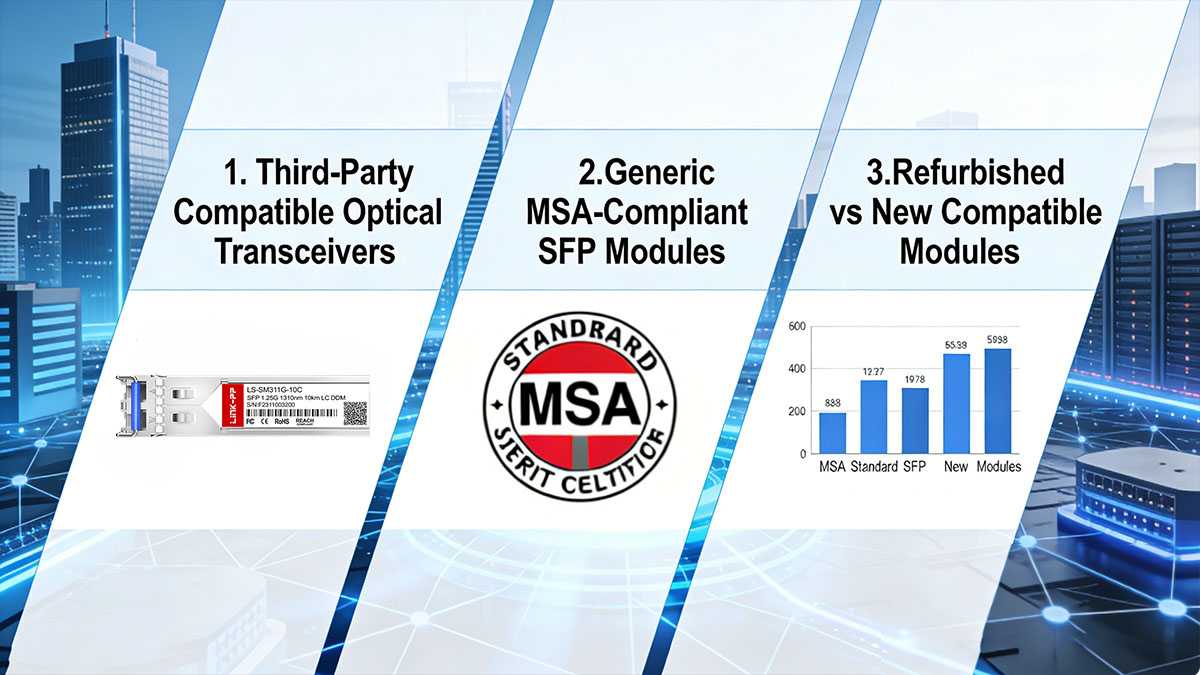
Third-Party Compatible Optical Transceivers
Top third-party alternatives provide full H3C compatibility through pre-programmed EEPROM coding, plug-and-play operation, and adherence to MSA standards. These transceiver modules replicate the critical specifications of the original H3C transceiver, including 1.25Gbps data rate, 1310nm wavelength, and 10km transmission distance.
Key advantages include:
- Immediate recognition by H3C devices without firmware modifications.
- Digital diagnostics monitoring for real-time assessment of optical power, temperature, and voltage.
- Tested stability across multiple H3C switch models and firmware versions.
Generic MSA-Compliant SFP Modules
For less critical applications or mixed-vendor networks, generic MSA-compliant SFP transceiver can be used. They maintain standard form factors and optical parameters but may lack pre-programmed vendor codes.
Advantages and limitations include:
- Pros: Cost-effective, widely available, standardized physical and optical interfaces.
- Cons: May require manual EEPROM coding or firmware adjustments for full compatibility with H3C switches.
- Use Case: Networks with diverse switch brands or temporary deployments where OEM-level integration is not essential.
Refurbished vs New Compatible Modules
Refurbished modules offer an alternative for cost-sensitive deployments but require careful evaluation.
| Feature | New Module | Refurbished Module |
|---|---|---|
| Performance Consistency | Guaranteed by manufacturer | Dependent on previous usage and testing |
| Warranty | Typically 1–3 years | Often shorter or limited |
| Price | Standard competitive pricing | Lower, cost-saving option |
| Risk of Failure | Minimal | Slightly higher due to prior use |
| Use Case | Core and critical links | Temporary or backup links |
Refurbished modules can be a viable option for secondary links, lab environments, or non-critical network segments, while new alternatives are recommended for production networks where uptime and reliability are paramount.
In a word, a well-selected H3C-compatible alternative can match the original SFP GE LX SM1310 A in performance and reliability. Third-party modules with full vendor coding are ideal for seamless integration and critical links. Generic MSA-compliant modules provide flexibility for mixed-network environments, and refurbished options can support secondary deployments. By understanding the distinctions, network engineers can choose alternatives that meet both technical requirements and operational constraints without compromising network stability.
♠️ Performance Comparison: Original vs Compatible Modules
Compatible SFP modules can achieve optical performance nearly identical to the original H3C SFP GE LX SM1310 A, provided they are carefully selected and tested. While the OEM module guarantees full integration, high-quality third-party alternatives often match critical parameters such as transmission distance, signal integrity, and error rates. Understanding these performance metrics is essential for making informed deployment decisions.
Transmission Stability and Error Rates
The primary concern when evaluating alternatives is whether they can maintain stable links over 10km single-mode fiber without introducing packet loss or bit errors. Key observations include:
- Both OEM and high-quality compatible modules maintain a bit error rate (BER) below 10^-12 under standard operating conditions.
- Compatible modules may exhibit slightly wider optical power tolerances, which can improve margin in aging fiber or longer-than-standard runs.
- OEM modules provide predictable performance across all supported H3C switches, while compatible modules should be verified against the target switch models to ensure consistent results.
Power Consumption and Thermal Performance
Efficient power use and thermal stability are critical in high-density deployments. Comparisons show:
| Metric | H3C SFP GE LX SM1310 A | High-Quality Compatible Module |
|---|---|---|
| Typical Power Consumption | 0.8–1.0 W | 0.8–1.2 W |
| Operating Temperature | 0°C to 70°C | 0°C to 70°C |
| Heat Dissipation | Optimized for rack density | Comparable, may vary slightly by vendor |
This comparison indicates that properly selected compatible modules do not significantly increase thermal load, making them suitable for data center or enterprise racks with multiple SFP ports.
Reliability in Real-World Networks
Field experience and laboratory testing reveal that:
- OEM modules have a long track record of reliability and predictable mean time between failures (MTBF).
- Compatible alternatives with proper quality control and burn-in testing can achieve MTBF values comparable to OEM modules.
- Network engineers should consider vendor reputation, manufacturing standards, and testing procedures when selecting alternatives to ensure stable operation over extended periods.
In summary, when evaluated carefully, compatible SFP GE LX SM1310 A modules can deliver performance on par with H3C originals. Critical parameters such as transmission stability, error rates, power consumption, and thermal characteristics are closely matched, provided the module is properly coded, MSA-compliant, and tested. High-quality alternatives can thus serve as viable replacements in enterprise, metro, and data center networks without compromising reliability or signal integrity.
♠️ Compatibility and Deployment Considerations
Ensuring that a compatible SFP GE LX SM1310 A module functions reliably in a network requires careful attention to device compatibility, installation practices, and operational verification. When these considerations are properly addressed, third-party alternatives can operate seamlessly alongside H3C equipment, providing performance comparable to the original module.
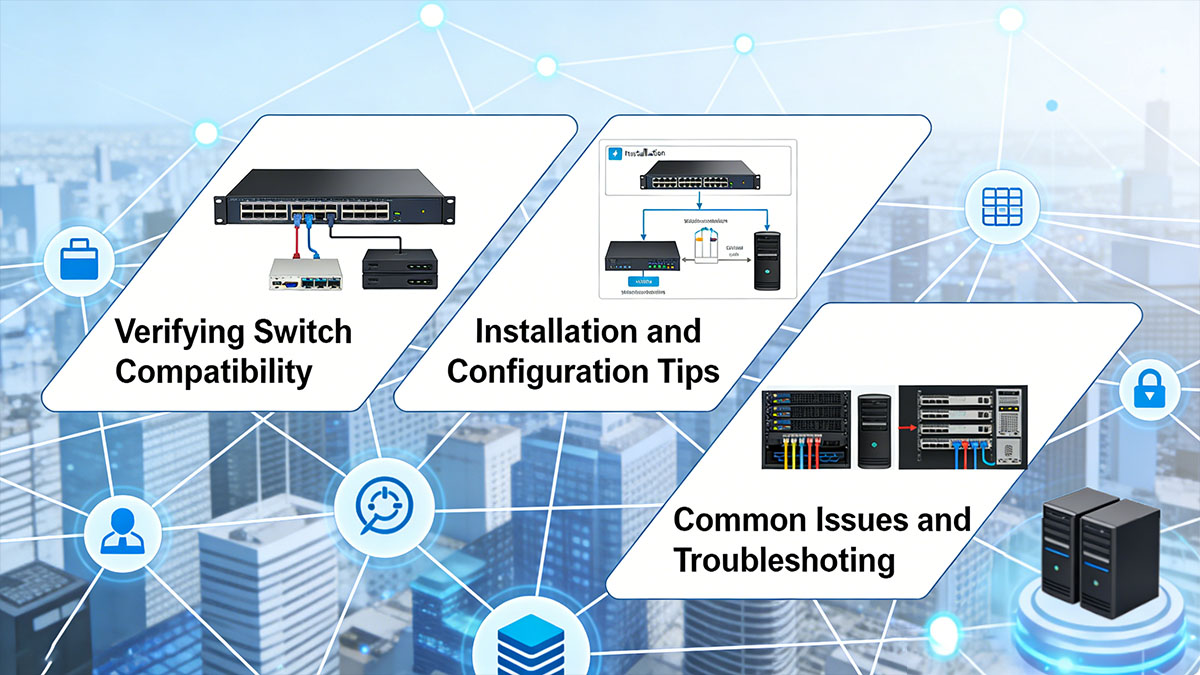
Verifying Switch Compatibility
Before deploying compatible modules, it is essential to confirm device support:
- Check H3C’s official compatibility lists or technical documentation to identify supported fiber optic SFP module models.
- Ensure firmware versions are updated, as older switch firmware may not recognize third-party modules even if they are MSA-compliant.
- Conduct small-scale testing on non-critical links to verify link establishment, auto-negotiation, and digital monitoring functionality.
Proper verification reduces the risk of unsupported module errors, link flapping, or firmware incompatibility issues that could affect network stability.
Installation and Configuration Tips
Correct physical installation and configuration are crucial for consistent performance:
- Hot-Swap Carefully: Insert or remove modules while the switch port is powered on, following vendor safety guidelines.
- Ensure Clean Fiber Connectors: Contaminated LC connectors can degrade optical signal and increase bit error rates.
- Link Testing: After insertion, verify that the optical link achieves full duplex operation and expected throughput.
- Enable Digital Monitoring: Confirm that DDM/DOM readings reflect accurate optical power, temperature, and voltage levels.
These steps help maintain optical integrity, prevent port errors, and ensure the module operates within its specified tolerances.
Common Issues and Troubleshooting
Even with careful selection, some challenges may arise with compatible modules:
- Link Not Coming Up: Often caused by incorrect coding, firmware incompatibility, or dirty fiber connectors.
- DDM/DOM Reading Inconsistencies: Some third-party modules may have minor deviations in monitoring readings; verify against expected ranges.
- Vendor Lock Warnings: Certain H3C devices may generate alerts when non-OEM modules are detected; confirm that these warnings do not impact actual data transmission.
Proactive troubleshooting involves checking physical connections, reviewing switch logs, and, if necessary, updating EEPROM coding or switch firmware.
Tips: Deploying compatible SFP GE LX SM1310 A modules successfully requires thorough compatibility verification, meticulous installation, and proactive monitoring. By confirming switch support, ensuring proper fiber handling, and validating DDM readings, network engineers can achieve stable, high-performance links comparable to OEM modules. Addressing potential issues upfront minimizes downtime and ensures seamless integration into enterprise or data center environments.
♠️ Use Cases for SFP GE LX SM1310 A Alternatives
Compatible SFP GE LX SM1310 A modules provide the same optical performance as the original H3C modules, making them suitable for a wide range of network scenarios. By understanding where these alternatives can be deployed effectively, network engineers can optimize both cost and operational reliability without compromising performance.

Enterprise Network Expansion
In enterprise campus environments, compatible modules enable cost-efficient scaling:
- Connecting additional buildings or floors without requiring full OEM module deployment.
- Extending backbone links between core and distribution switches while maintaining low latency and stable throughput.
- Supporting temporary network expansions during events, renovations, or office relocations.
Using compatible modules in these scenarios allows organizations to scale rapidly and maintain predictable link performance without being constrained by OEM inventory.
Data Center Interconnect (DCI)
For medium-distance links between data center racks or between adjacent facilities, SFP GE LX SM1310 A alternatives are ideal:
- Providing reliable 10km single-mode fiber connectivity for top-of-rack to aggregation or core switches.
- Ensuring predictable error rates and signal stability, critical for server-to-server or storage-to-switch connections.
- Supporting high-density deployment, where thermal and power efficiency of the transceiver is important.
By selecting high-quality alternatives, data center operators can maintain network integrity and performance while optimizing costs for multiple links.
ISP and Access Network Deployments
Service providers and metro operators can leverage compatible modules to extend fiber-based access networks:
- Aggregating subscriber connections to central offices or distribution nodes.
- Deploying in mixed-vendor environments where network equipment includes H3C alongside other switch brands.
- Utilizing MSA-compliant alternatives to maintain interoperability while reducing dependence on OEM supply chains.
This flexibility allows providers to maintain continuity of service, reduce procurement delays, and adapt to dynamic network growth requirements.
Takeaways: Compatible SFP GE LX SM1310 A modules are versatile tools for network expansion, data center interconnects, and ISP access networks. They provide the same operational stability and optical performance as OEM modules, while offering advantages in cost efficiency, deployment flexibility, and supply chain resilience. Evaluating use cases carefully ensures that alternatives are deployed where they deliver maximum value without compromising network reliability.
♠️ Future Trends in Gigabit Optical Modules
Despite the growing adoption of higher-speed solutions such as 10G SFP+ and 25G SFP28 optical modules, Gigabit SFP modules like the SFP GE LX SM1310 A remain relevant in many networks. The key trends shaping their future involve performance optimization, extended compatibility, and integration into evolving network architectures.
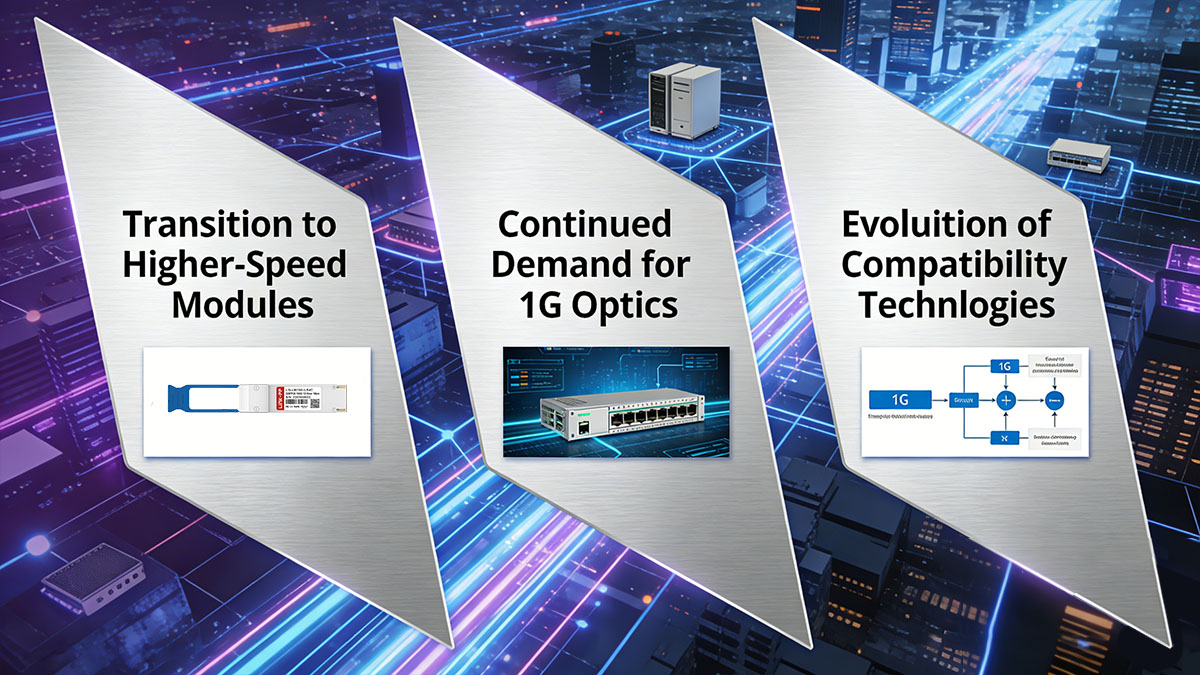
Transition to Higher-Speed Modules
One significant trend is the gradual migration toward higher-speed optical links:
- Enterprise and data center networks increasingly adopt 10G or 25G uplinks to support bandwidth intensive applications, such as cloud services, virtualization, and large-scale storage access.
- In some cases, SFP GE LX SM1310 A modules are being replaced in backbone or aggregation layers, while remaining in access or edge segments.
- Networks often retain 1G LX modules for legacy equipment, mixed-speed deployments, or cost-sensitive links where full 10G upgrades are unnecessary.
This dual-speed strategy allows organizations to balance performance demands with budget constraints.
Continued Demand for 1G Optical Links
Gigabit modules maintain a strong presence in specific environments:
- Legacy enterprise campus networks where devices are not 10G-ready.
- ISP and metro access networks where 1G links are sufficient for subscriber aggregation.
- Cost-sensitive deployments requiring reliable connectivity without unnecessary over-provisioning.
Even as high-speed transceivers proliferate, the demand for well-tested 1G SFP remains stable due to their reliability, simplicity, and proven operational track record.
Evolution of Compatibility Technologies
The future of Gigabit SFP modules also involves improvements in interoperability and monitoring capabilities:
- Advanced EEPROM coding allows seamless plug-and-play operation across multiple vendors’ equipment.
- Enhanced digital diagnostics monitoring provides richer insights, including historical optical power trends, predictive maintenance alerts, and environmental tolerance data.
- Multi-source agreements (MSA) continue to standardize form factors, electrical interfaces, and optical performance, ensuring that third-party alternatives can reliably substitute OEM modules.
These advancements make compatible modules more attractive for mixed-vendor networks, reducing operational risk and simplifying large-scale deployments.
♠️ Conclusion
The SFP GE LX SM1310 A module remains a reliable choice for gigabit single-mode fiber links, offering stable performance, low latency, and seamless integration with H3C switches. High-quality compatible alternatives can match these capabilities while providing advantages in cost, supply flexibility, and deployment versatility. By carefully evaluating technical specifications, device compatibility, and network requirements, organizations can confidently deploy alternatives without compromising signal integrity or operational reliability.
For network engineers seeking tested, reliable options for H3C-compatible SFP GE LX SM1310 A modules, LINK-PP Official Store provides a wide selection of modules that meet industry standards, deliver consistent performance, and support seamless integration into enterprise, data center, and metro networks.