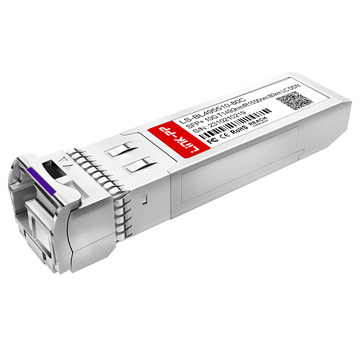
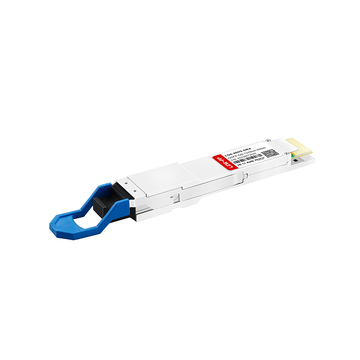
Data centers and enterprise networks are experiencing rapid growth in data traffic, driven by cloud computing, AI workloads, and large-scale data analytics. As organizations increasingly rely on high-speed interconnections between distributed data centers, the demand for reliable, long-reach optical modules has become critical. Efficient and high-performance network links are essential for maintaining low latency and uninterrupted service across metropolitan and regional deployments.
Among the solutions addressing these needs, the QSFP-100G-ZR4-S module stands out for its ability to deliver 100Gbps over distances up to 80 kilometers using single-mode fiber. Its compatibility with Cisco platforms and alignment with industry standards make it a preferred choice for Data Center Interconnect (DCI) applications. Understanding the technical features, deployment scenarios, and operational advantages of this module is essential for network engineers planning scalable, long-distance network links.
This article provides a detailed exploration of the QSFP-100G-ZR4-S, covering its core specifications, role in DCI network links, and compatibility with Cisco devices. You will gain insights into deployment considerations, performance comparisons with alternative 100G transceivers, and practical strategies for optimizing long-reach connectivity. The content is designed to inform network professionals seeking reliable and efficient solutions for modern high-capacity interconnect requirements.
? What is QSFP-100G-ZR4-S?
The QSFP-100G-ZR4-S is a high-performance optical transceiver module designed for long-reach, 100Gbps network applications. It combines high data throughput, extended transmission distance, and compatibility with Cisco devices, making it ideal for Data Center Interconnect (DCI) and other metro or regional high-capacity links. Its design focuses on reliability, efficiency, and seamless integration with modern network infrastructures.

Core Technical Specifications
QSFP-100G-ZR4-S delivers robust performance with specific technical characteristics that make it suitable for demanding network deployments. Its main attributes enable high-speed, long-distance transmission while maintaining low latency and signal integrity.
- Form factor: QSFP28 hot-pluggable module
- Data rate: 100Gbps
- Transmission distance: up to 80km over single-mode fiber (SMF)
- Wavelength: 4 LAN-WDM channels around 1310nm
- Connector type: Duplex LC
- Power consumption: typically around 6–8W
- Operating temperature range: 0°C to 70°C
These specifications allow the module to support long-distance, high-bandwidth applications without requiring additional signal amplification in most DCI scenarios.
Optical Technology and Standards
QSFP-100G-ZR4-S leverages industry-standard technologies to ensure compatibility and performance. Understanding its optical principles helps explain why it excels in long-reach deployments.
- The module uses LAN-WDM (LAN Wavelength Division Multiplexing) to transmit four separate 25Gbps channels simultaneously over a single fiber pair.
- It adheres to IEEE 802.3ba 100GBASE-ZR4 standards, ensuring predictable interoperability across multiple vendors.
- Compared to alternatives like CWDM or DWDM, LAN-WDM provides a balance between cost-efficiency and reach for metro-scale DCI links.
This combination of standards and optical technology enables stable transmission over 80 kilometers, making it suitable for connecting distributed data centers without intermediate regeneration.
Key Functional Features
The QSFP-100G-ZR4-S is designed not only for performance but also for operational efficiency and monitoring. Its features support proactive network management and reliable deployment.
Before deployment, consider these core functional features:
- Digital Optical Monitoring (DOM): provides real-time monitoring of optical power, temperature, and voltage, allowing network administrators to detect issues early.
- Low power consumption: reduces operational costs and helps maintain thermal stability in dense switch racks.
- High reliability: built for continuous operation in mission-critical networks, with a focus on signal integrity and minimal downtime.
By integrating these functionalities, QSFP-100G-ZR4-S ensures predictable, high-performance operation in large-scale data center and DCI environments.
? Role of QSFP-100G-ZR4-S in DCI Network Links
QSFP-100G-ZR4-S plays a crucial role in modern Data Center Interconnect (DCI) networks by providing reliable, high-speed links over long distances. Its combination of 100Gbps throughput, extended reach, and Cisco compatibility makes it an effective solution for connecting distributed data centers while minimizing latency and infrastructure complexity.

Understanding Data Center Interconnect (DCI)
Data Center Interconnect refers to the optical connections that link separate data centers, enabling data replication, cloud services, and disaster recovery. The efficiency of DCI directly impacts overall network performance, operational resilience, and bandwidth utilization.
Key aspects of DCI include:
- Interconnection of geographically separated data centers
- Support for high-bandwidth applications like AI, cloud computing, and backup services
- Ensuring low-latency, reliable, and secure data transmission
- Enabling redundancy and disaster recovery through synchronized data replication
By understanding these requirements, network engineers can appreciate why long-reach, high-bandwidth transceiver modules like QSFP-100G-ZR4-S are critical for modern DCI infrastructures.
Why ZR4 Modules are Ideal for DCI
QSFP-100G-ZR4-S is specifically designed for DCI applications where distance and bandwidth are key constraints. Its features directly address common challenges in long-reach deployments.
- Supports distances up to 80km without amplification
- Handles high-bandwidth traffic at 100Gbps per link
- Minimizes latency compared to multi-hop or regenerated links
- Simplifies network design by reducing the need for intermediate devices
These capabilities make ZR4 modules suitable for metro and regional DCI links, where high reliability and low maintenance overhead are essential.
Typical DCI Deployment Scenarios
In practice, QSFP-100G-ZR4-S is deployed across various DCI network topologies to connect enterprise, cloud, and carrier networks. Common scenarios include:
- Connecting enterprise data centers in different metropolitan areas for workload distribution
- Cloud service provider backbone links supporting large-scale data transfers
- Disaster recovery and business continuity deployments requiring synchronous replication
- Long-haul interconnections between regional data centers without active amplification
For a quick technical reference, the following table summarizes typical QSFP-100G-ZR4-S DCI deployments:
| Deployment Scenario | Distance | Bandwidth | Notes |
|---|---|---|---|
| Metro enterprise interconnect | 10–40 km | 100Gbps | Low-latency connection between urban sites |
| Regional cloud backbone | 40–80 km | 100Gbps | Supports high-volume data replication |
| Disaster recovery between data centers | Up to 80 km | 100Gbps | Synchronous replication and failover |
These deployment options highlight how QSFP-100G-ZR4-S enables scalable, high-performance DCI networks while reducing network complexity and cost.
? Cisco Compatibility and Interoperability
QSFP-100G-ZR4-S is widely adopted in Cisco network environments due to its tested compatibility, predictable performance, and ease of integration. Ensuring proper interoperability with Cisco switches and routers is critical for maintaining network stability and minimizing downtime in DCI and data center deployments.
Cisco Platform Support
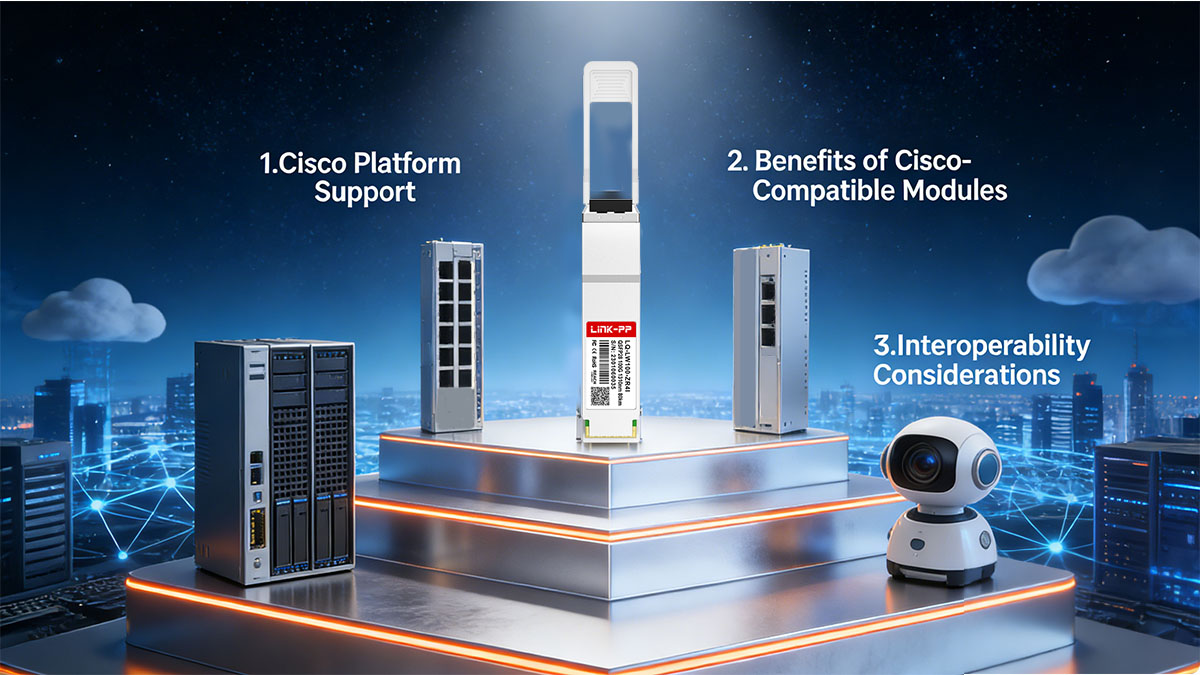
QSFP-100G-ZR4-S is compatible with a broad range of Cisco devices that support QSFP28 ports. Network engineers can integrate these modules without requiring firmware modifications or additional adapters, provided the platform meets the standard port specifications.
Typical Cisco platforms supporting QSFP-100G-ZR4-S include:
- Nexus 9000 Series switches for data center spine-leaf architectures
- ASR 9000 Series routers for high-capacity aggregation links
- Catalyst 9500 Series switches for campus and enterprise backbones
These platforms benefit from seamless integration, enabling high-speed links while maintaining the device’s native features such as traffic monitoring, QoS, and network telemetry.
Benefits of Cisco-Compatible Modules
Using Cisco-compatible QSFP-100G-ZR4-S modules offers several operational advantages:
- Plug-and-play functionality without disrupting existing network configurations
- Performance similar to original Cisco modules, supporting 100Gbps links up to 80km
- Simplified multi-vendor network deployment, allowing integration with third-party modules and optics
- Reduced risk of link errors and interoperability issues through certified compatibility
These benefits ensure that long-reach DCI deployments can be scaled efficiently while preserving network reliability.
Interoperability Considerations
Despite the broad compatibility, certain factors must be addressed to ensure reliable operation:
- Firmware and coding: Verify that the Cisco device firmware supports QSFP-100G-ZR4-S modules, including DOM and signal monitoring features
- Link configuration: Match optical specifications, such as power budget and wavelength, with device requirements
- Vendor testing: Conduct preliminary link tests to confirm module recognition and stable operation
The following table summarizes key interoperability considerations:
| Factor | Recommendation | Notes |
|---|---|---|
| Firmware support | Use latest Cisco-compatible firmware | Ensures full module recognition and DOM reporting |
| Link configuration | Verify optical power budget and wavelength match | Avoids signal loss or link failures |
| Physical installation | Ensure QSFP28 slot cleanliness and proper seating | Reduces risk of connectivity issues |
By addressing these factors, network engineers can maximize the reliability and performance of QSFP-100G-ZR4-S in Cisco environments, ensuring long-term stability for DCI and enterprise links.
? Advantages of QSFP-100G-ZR4-S for Long-Reach Networking
QSFP-100G-ZR4-S provides a combination of long-distance transmission, high bandwidth, and operational efficiency, making it a preferred choice for long-reach network links. Its design addresses the common challenges of extended DCI deployments while reducing network complexity and cost.

Extended Transmission Distance
One of the primary advantages of QSFP-100G-ZR4-S is its ability to transmit 100Gbps signals over distances up to 80 kilometers without the need for intermediate amplification. This extended reach enables simpler network designs and fewer devices between endpoints.
Key benefits of long-distance capability include:
- Direct interconnection of metro and regional data centers
- Reduced latency compared to multi-hop or regenerated links
- Simplified fiber infrastructure planning and maintenance
By supporting long-reach links natively, QSFP-100G-ZR4-S reduces deployment complexity while maintaining high-performance connectivity.
Cost Efficiency in Network Design
Deploying QSFP-100G-ZR4-S modules can lead to measurable savings in network design and operational costs. Its long-reach capability reduces the need for additional equipment, lowering both initial capital expenditure and ongoing maintenance.
Considerations for cost efficiency:
- Eliminates the need for intermediate optical amplifiers in most DCI links
- Optimizes fiber utilization by supporting multiple high-capacity channels on a single fiber pair
- Reduces power consumption relative to multiple short-range optics
This combination of long-reach transmission and low operational overhead helps network engineers balance performance with budget constraints.
High Performance and Reliability
Beyond distance and cost, QSFP-100G-ZR4-S delivers consistent high performance with minimal signal degradation, even over extended links. Its reliability makes it suitable for mission-critical applications in DCI and enterprise networks.
The following table summarizes key performance and reliability advantages:
| Feature | Benefit | Impact on Network |
|---|---|---|
| Long-reach transmission | Up to 80 km without amplification | Simplifies link design |
| Low power consumption | Typically 6–8W per module | Reduces heat and operational cost |
| Digital Optical Monitoring | Real-time monitoring of power, temperature, voltage | Enables proactive maintenance and alerts |
| High signal integrity | Stable 100Gbps transmission over single-mode fiber | Ensures reliable DCI and metro links |
These advantages make QSFP-100G-ZR4-S a compelling option for engineers seeking high-bandwidth, long-reach solutions without compromising operational reliability.
? Comparison with Other 100G Optical Modules
QSFP-100G-ZR4-S offers a unique balance of long-distance reach, high bandwidth, and operational simplicity compared to other 100G optical modules. Understanding its position relative to alternatives helps network engineers select the optimal solution for specific DCI or enterprise scenarios.

QSFP-100G-ZR4-S vs QSFP-100G-LR4
QSFP-100G-LR4 (QSFP-100G-LR4-I / QSFP-100G-LR4-S) is another widely used 100G module, primarily designed for shorter reaches. When comparing it to QSFP-100G-ZR4-S:
- QSFP-100G-ZR4-S supports distances up to 80 km, whereas LR4 is typically limited to 10 km
- ZR4 is optimized for DCI and metro links, while LR4 is more suitable for intra-data-center connectivity
- Both modules support 100Gbps over single-mode fiber, but ZR4’s long-reach design reduces the need for intermediate equipment
The table below summarizes the key differences:
| Transceiver Types | Maximum Distance | Use Case | Notes |
|---|---|---|---|
| QSFP-100G-ZR4-S | 80 km | DCI, metro, regional interconnect | Long-reach without amplification |
| QSFP-100G-LR4 | 10 km | Data center spine-leaf or campus | Short-reach, lower power usage |
This comparison highlights ZR4’s suitability for long-haul and DCI applications compared to LR4.
QSFP-100G-ZR4-S vs QSFP-100G-ER4L-S
QSFP-100G-ER4L-S is another 100G long-distance module, typically supporting distances up to 40 km. Key distinctions include:
- ZR4 doubles the reach compared to ER4, reducing the need for regeneration or additional optical amplifiers
- ER4 may have slightly lower power consumption, but ZR4 offers broader application flexibility for metro and regional links
- ZR4’s LAN-WDM technology supports more efficient high-bandwidth transmission over extended distances
This makes QSFP-100G-ZR4-S more versatile for deployments that require 60–80 km connectivity without intermediate amplification.
QSFP-100G-ZR4-S vs Coherent Optical Solutions
Coherent optical modules are designed for ultra-long-haul links with advanced modulation schemes, but they introduce higher complexity and cost. Compared to coherent optics:
- ZR4 is simpler to deploy, with standard QSFP28 form factor and plug-and-play integration
- Power consumption and operational overhead are lower for ZR4
- Coherent optics can exceed 100 km and support flexible data rates, but require additional equipment and monitoring
In many metro and regional DCI scenarios, QSFP-100G-ZR4-S provides a cost-effective balance between distance, bandwidth, and operational simplicity without the complexity of coherent solutions.
? Deployment Considerations for QSFP-100G-ZR4-S
Deploying QSFP-100G-ZR4-S successfully requires careful planning to ensure optimal performance and reliability. Addressing fiber infrastructure, optical link budget, and environmental factors helps prevent common issues and maximizes the benefits of this long-reach module.

Fiber Infrastructure Requirements
QSFP-100G-ZR4-S is designed for single-mode fiber (SMF) networks, and proper fiber selection is essential for achieving its full 80 km reach. Using high-quality fiber and maintaining physical cleanliness directly affects signal quality.
Key fiber considerations include:
- Use OS2 single-mode fiber for optimal distance and minimal attenuation
- Ensure all fiber connectors are clean and properly polished
- Minimize bends and stress on fiber runs to reduce insertion loss
- Verify end-to-end optical path for connector splices and patch panels
Proper fiber infrastructure reduces signal degradation and supports consistent high-bandwidth transmission across DCI links.
Link Budget and Power Planning
The optical power budget is critical in long-reach deployments. QSFP-100G-ZR4-S must be matched with the fiber link’s total attenuation and connector losses to maintain stable signal transmission.
Considerations for link budget planning:
- Calculate total link loss including fiber attenuation, connector, and splice losses
- Ensure module’s transmit power and receiver sensitivity meet the total link loss
- Include a margin of 1–2 dB for safety to account for aging and environmental changes
The table below provides a reference for typical QSFP-100G-ZR4-S optical parameters:
| Parameter | Value | Notes |
|---|---|---|
| Transmit power | 0 to +4 dBm | Supports 80 km transmission |
| Receiver sensitivity | -8.4 dBm | Ensures low BER over long distances |
| Optical wavelength | 1295–1310 nm LAN-WDM channels | Four wavelengths, 25Gbps each |
| Link margin | 1–2 dB | Recommended for operational safety |
By carefully calculating the link budget, network engineers can prevent unexpected connectivity issues and maintain high reliability.
Environmental and Operational Factors
QSFP-100G-ZR4-S modules operate reliably under specific environmental conditions, and ensuring proper deployment minimizes risks.
Key operational considerations:
- Maintain ambient temperature within 0°C to 70°C for standard modules
- Ensure adequate airflow and cooling in high-density racks
- Avoid physical stress on QSFP28 ports during installation
- Regularly monitor digital optical monitoring (DOM) parameters to detect temperature or voltage anomalies
Addressing these factors ensures continuous operation, reduces the risk of module failures, and maintains long-term signal integrity for DCI or metro network links.
? Common Challenges and Troubleshooting
While QSFP-100G-ZR4-S modules offer high performance and long-reach capabilities, network engineers may encounter operational challenges. Proactive troubleshooting and understanding common issues can prevent downtime and maintain network reliability.

Signal Degradation Over Long Distances
One of the primary challenges in long-reach DCI links is signal degradation, which can result from fiber attenuation, dispersion, or connector issues. QSFP-100G-ZR4-S is optimized for 80 km reach, but careful network design is essential to maintain signal integrity.
Common causes of signal degradation include:
- Excessive fiber length or poor-quality fiber
- Dirty or misaligned connectors and splices
- Unaccounted attenuation from patch panels or bends
- Environmental factors such as temperature variations affecting fiber performance
Regular inspection and cleaning, combined with proper link budget planning, can mitigate these issues and ensure consistent 100Gbps transmission.
Compatibility and Recognition Issues
Another frequent challenge is ensuring the module is correctly recognized and operates reliably in Cisco devices. Incompatible firmware, port configurations, or misaligned coding can cause detection or link stability problems.
Key troubleshooting steps:
- Confirm Cisco device firmware supports QSFP-100G-ZR4-S and DOM functionality
- Verify port configuration settings, including speed and duplex alignment
- Check module seating and connector cleanliness
- Conduct pre-deployment testing to validate full link performance
These steps help maintain interoperability and prevent unexpected downtime in critical DCI deployments.
Performance Monitoring and Maintenance
Even after successful deployment, continuous monitoring is essential for early detection of potential issues. QSFP-100G-ZR4-S supports Digital Optical Monitoring (DOM), which allows real-time tracking of optical power, voltage, and temperature.
Practical monitoring strategies include:
- Set up alerts for transmit/receive power out of normal ranges
- Monitor module temperature and voltage to prevent overheating
- Periodically inspect and clean connectors and fiber paths
- Review historical DOM data to identify trends indicating fiber aging or degradation
The table below summarizes key troubleshooting points and recommended actions:
| Challenge | Potential Cause | Recommended Action |
|---|---|---|
| Signal degradation | Fiber attenuation, connector loss, dispersion | Inspect fiber, clean connectors, recalc link budget |
| Module not recognized | Firmware incompatibility or improper coding | Update firmware, verify EEPROM coding |
| Intermittent link errors | Environmental or mechanical factors | Monitor DOM, ensure cooling and proper seating |
| Performance drift over time | Fiber aging or temperature fluctuations | Review DOM data, replace degraded fiber sections |
By systematically addressing these challenges, network engineers can maintain high reliability and consistent performance of QSFP-100G-ZR4-S modules in long-reach networks.
? Future Trends in 100G DCI Optical Technologies
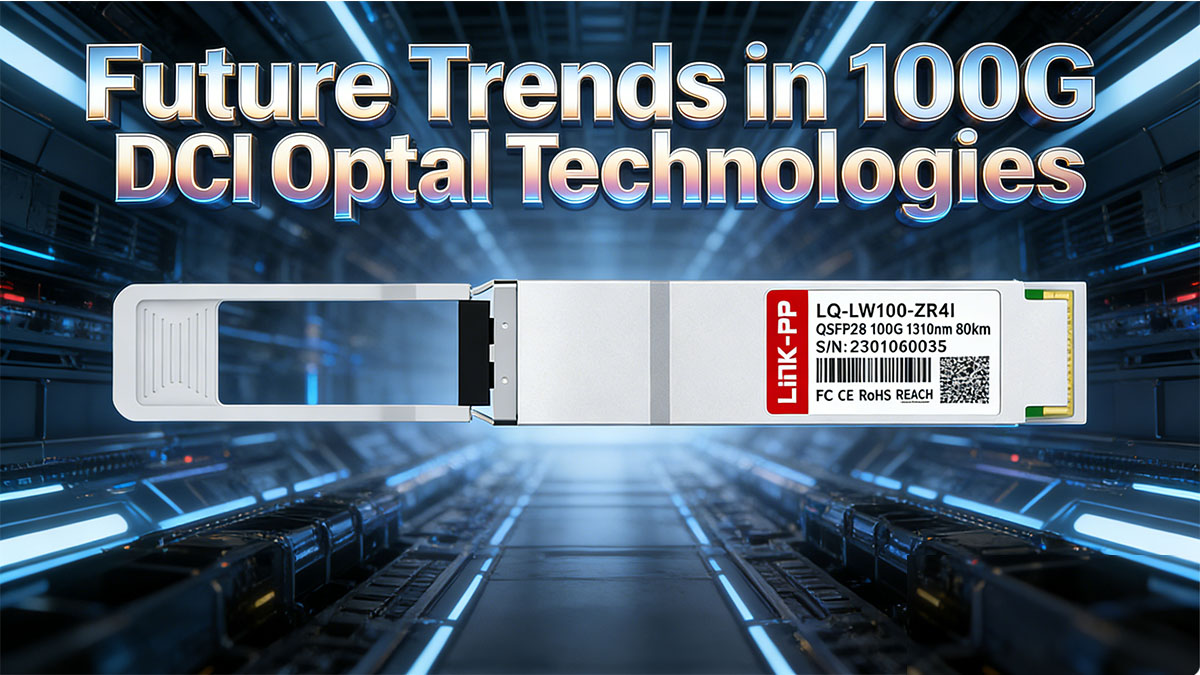
The landscape of 100G Data Center Interconnect (DCI) optical solutions continues to evolve, driven by increasing bandwidth demands, cloud expansion, and emerging high-performance applications. QSFP-100G-ZR4-S represents the current standard for long-reach 100G links, but future trends point toward higher speeds, improved energy efficiency, and smarter network management.
Evolution Toward 400G and Beyond
Data traffic growth and cloud-scale workloads are pushing networks beyond 100G links. Network designers are increasingly adopting higher-speed modules to meet these requirements.
Key trends include:
- Transition from 100GBASE to 400GBASE and 800GBASE pluggable optics in DCI deployments
- Support for multiple lanes and advanced modulation to increase per-fiber bandwidth
- Modular upgrades that allow coexistence with existing 100G links during phased deployments
These developments indicate that while QSFP-100G-ZR4-S remains relevant for current metro and regional links, planning for future scalability is critical for long-term network strategy.
Increasing Role of Coherent Pluggable Optics
Coherent optics, traditionally used in ultra-long-haul networks, are entering metro and DCI applications as pluggable modules. These solutions offer extended distance and higher spectral efficiency without significant fiber upgrades.
Trends in coherent pluggable optics include:
- Integration into compact QSFP-DD and OSFP form factors for easier deployment
- Simplified operational management with standardized modules
- Support for flexible data rates, enabling both 100G and 400G links on the same fiber infrastructure
This evolution allows operators to maintain high performance over longer distances while reducing operational complexity.
Energy Efficiency and Network Integration
Future optical modules emphasize lower power consumption, higher reliability, and integration with software-defined networking (SDN) for intelligent traffic management.
Considerations for energy-efficient optical deployments:
- Advanced cooling and low-power transceiver designs reduce energy consumption per Gbps
- Integration with network monitoring tools enables predictive maintenance using telemetry data
- Modular designs allow operators to optimize density in data center racks without compromising airflow
The table below summarizes emerging trends impacting 100G DCI technologies:
| Trend | Impact on DCI Networks | Implication for QSFP-100G-ZR4-S |
|---|---|---|
| 400G/800G pluggable optics | Increased bandwidth per fiber, reduced link count | QSFP-100G-ZR4-S remains relevant for legacy/medium-reach links |
| Coherent pluggable modules | Longer reach, spectral efficiency | May complement or gradually replace ZR4 in some high-distance links |
| Energy efficiency and SDN integration | Lower operational cost, proactive network management | Existing ZR4 modules benefit from monitoring but future upgrades may improve power metrics |
These trends suggest that while QSFP-100G-ZR4-S is highly effective today, network architects should plan for gradual adoption of higher-speed and coherent solutions to meet evolving DCI demands.
? Conclusion
QSFP-100G-ZR4-S has established itself as a reliable and high-performance solution for long-reach 100G DCI network links. Its extended 80 km transmission capability, compatibility with Cisco platforms, and robust operational features make it ideal for connecting distributed data centers, supporting high-bandwidth applications, and simplifying network infrastructure. By understanding its technical specifications, deployment considerations, and interoperability factors, network engineers can ensure stable, low-latency, and efficient data center interconnects.
As DCI networks continue to evolve toward higher speeds, coherent optics, and more energy-efficient designs, QSFP-100G-ZR4-S remains a relevant choice for medium- to long-reach links while providing a foundation for future scalability. Careful planning around fiber infrastructure, link budgets, and proactive monitoring can maximize the benefits of this module and maintain optimal network performance.
For reliable and tested QSFP-100G-ZR4-S modules compatible with Cisco devices, visit the LINK-PP Official Store to explore options and ensure high-quality deployment in your DCI networks.