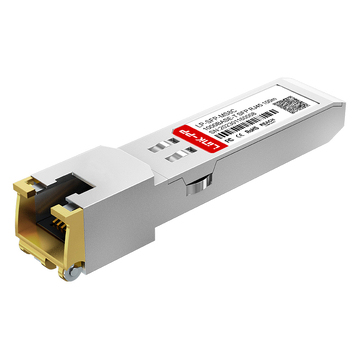
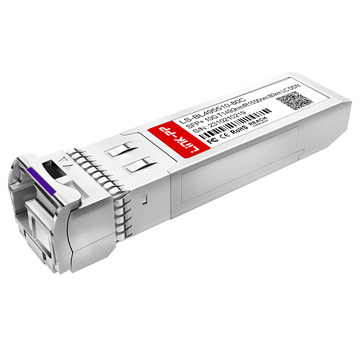
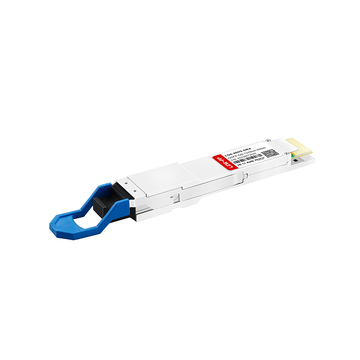
As 400G networks become the backbone of modern data centers, the demand for high-performance and cost-efficient optical transceivers continues to grow. Among these, the QDD-400G-DR4-S module has become a common choice in Cisco-based environments, thanks to its support for high-density 400Gbps transmission over single-mode fiber. However, as network scale expands, many organizations begin exploring Cisco compatible transceivers to balance performance, availability, and long-term operational efficiency.
Third-party QDD-400G-DR4-S replacements are increasingly considered in hyperscale data centers, cloud infrastructure, and AI-driven workloads. While these alternatives can offer comparable technical capabilities, they also introduce important considerations around compatibility, reliability, and deployment practices—especially in ecosystems where vendor-specific requirements are tightly enforced.
This guide focuses on the key technical and operational factors involved in selecting and deploying a QDD-400G-DR4-S Cisco replacement. It provides practical insights into specifications, interoperability, performance expectations, and vendor selection, helping network professionals make informed decisions in high-speed 400G environments.
✅ Understanding QDD-400G-DR4-S and Its Role in 400G Networks
QDD-400G-DR4-S is a 400Gbps optical transceiver designed for short-reach single-mode fiber transmission, commonly used in high-density data center environments. It enables efficient 400G connectivity with a balance of reach, power consumption, and port density, making it a foundational component in modern spine-leaf architectures.

What Is QDD-400G-DR4-S?
QDD-400G-DR4-S is a QSFP-DD form factor optical module within the broader QSFP transceiver family that delivers 400Gbps throughput using four parallel optical lanes, each operating at 100Gbps with PAM4 modulation. It is standardized under IEEE 802.3bs and optimized for distances up to 500m over single-mode fiber.
| Parameter | Value | Description |
|---|---|---|
| Form Factor | QSFP-DD | Double-density pluggable interface |
| Data Rate | 400Gbps | 4×100Gbps PAM4 lanes |
| Wavelength | 1310nm | CWDM-based transmission |
| Reach | Up to 500m | Over single-mode fiber (SMF) |
| Connector Type | MPO-12/APC | 8 fibers used (4 Tx + 4 Rx) |
This module uses parallel single-mode fiber transmission with MPO connectivity, allowing high bandwidth while maintaining relatively low latency. Its design aligns with the need for scalable and energy-efficient 400G deployments.
Core Applications in Modern Networks
QDD-400G-DR4-S is primarily deployed in environments where high throughput and low latency are critical. It is especially suitable for short-reach interconnects within data centers.
Typical application scenarios include:
- Data center interconnects within the same facility (intra-DC links)
- Spine-to-leaf connections in leaf-spine architectures
- High-performance computing clusters and AI/ML workloads that commonly evolve from earlier QSFP-100G-SR4-S or QSFP-100G-LR4-S deployments
- Cloud-scale infrastructure requiring high port density
In these use cases, the 500m reach is sufficient to cover most structured cabling distances inside large data halls, while maintaining signal integrity and minimizing cost compared to longer-reach optics.
Why Cisco QDD-400G-DR4-S Is Widely Used
Cisco’s QDD-400G-DR4-S modules are widely adopted due to their seamless integration with Cisco switching platforms and strong ecosystem support. They are designed to work natively with Cisco hardware, ensuring predictable performance and simplified deployment.
Key reasons for their widespread use include:
- Native compatibility with Cisco 400G switches and routers, including platforms commonly deployed with QSFP-100G-ER4L-S and QSFP-100G-DR-S optics
- Pre-validated firmware alignment, reducing deployment risks
- Consistent performance backed by vendor-level testing
- Integration with Cisco network management and monitoring tools
In large-scale networks, this level of integration reduces operational complexity. However, it also creates a controlled environment where compatibility becomes a critical factor when considering third-party replacements.
✅ Why Consider a Cisco Replacement for QDD-400G-DR4-S
Organizations consider Cisco-compatible replacements for QDD-400G-DR4-S primarily to improve cost efficiency, increase supply flexibility, and maintain comparable performance in large-scale 400G deployments. When properly validated, third-party modules can meet the same technical standards while offering greater procurement agility.

Cost Efficiency Without Compromising Performance
Third-party QDD-400G-DR4-S modules can significantly reduce capital expenditure while delivering equivalent performance in most data center scenarios. This becomes especially impactful in high-density 400G environments where transceiver costs scale rapidly.
| Aspect | Cisco OEM Module | Third-Party Module |
|---|---|---|
| Unit Cost | Higher | Lower |
| Performance | Standards-compliant | Standards-compliant |
| Interoperability | Native | Vendor-tested |
| Scalability Impact | Cost-intensive | More budget-friendly |
The cost advantage does not inherently imply reduced quality. As long as the module complies with IEEE and MSA standards, performance characteristics such as throughput, latency, and error rates remain within acceptable ranges for enterprise and hyperscale applications.
Supply Chain Flexibility
Using third-party replacements helps reduce dependency on a single vendor, improving resilience against supply chain disruptions and long lead times. This flexibility is particularly important in fast-scaling environments.
Key advantages include:
- Broader vendor ecosystem with multiple sourcing options
- Shorter lead times compared to OEM supply constraints
- Reduced risk of deployment delays in large projects
- Ability to maintain inventory consistency across regions
In multi-site or global deployments, this flexibility allows network operators to standardize on compatible modules without being constrained by a single supplier’s availability.
Comparable Technical Performance
Modern third-party QDD-400G-DR4-S modules are designed to match the electrical and optical specifications required by Cisco platforms. With proper coding and testing, they can achieve seamless interoperability.
| Technical Metric | Requirement Standard | Third-Party Capability |
|---|---|---|
| Data Rate | 400Gbps | Fully supported |
| Modulation | PAM4 | Fully supported |
| Reach | Up to 500m (SMF) | Fully supported |
| Compliance | IEEE 802.3bs, QSFP-DD MSA | Fully compliant |
In practical deployments, performance parity depends on the quality of the vendor’s testing and compatibility validation. High-quality third-party modules undergo interoperability testing with Cisco switches to ensure stable link performance and consistent diagnostics reporting.
For network operators, this means that selecting a reliable vendor is the key factor in achieving OEM-level performance with a replacement module.
✅ Key Technical Specifications to Evaluate in Third-Party Modules
When evaluating a third-party QDD-400G-DR4-S module, the most critical factors are optical performance, electrical compatibility, and diagnostic capabilities. These specifications directly determine whether the module can deliver stable 400GBASE connectivity in a Cisco environment without introducing link issues or operational risks.

Optical Performance Parameters
Optical performance defines the quality and reliability of signal transmission over fiber. A qualified third-party module should meet the same optical specifications as the original design to ensure stable link operation over the intended distance.
| Parameter | Typical Value | Impact on Performance |
|---|---|---|
| Transmission Reach | Up to 500m | Determines maximum link distance |
| Wavelength | 1310nm | Affects dispersion and signal quality |
| Power Budget | ~3–4dB | Defines tolerance for link loss |
| BER | ≤1E-12 | Indicates signal integrity |
A sufficient power budget ensures the link can tolerate insertion loss from fiber, connectors, and patch panels. Low BER is essential in PAM4-based 400G transmission, where signal degradation can occur more easily than in NRZ systems.
Electrical and Interface Compatibility
Electrical compatibility ensures that the module can properly interface with the host system, including Cisco switches and routers. Even if optical parameters are correct, mismatches at the electrical level can lead to recognition failures or unstable operation.
| Parameter | Requirement | Description |
|---|---|---|
| Form Factor | QSFP-DD | Must match port design |
| Electrical Interface | 8×50Gbps PAM4 lanes | Host-side signal structure |
| Power Consumption | ≤12W | Affects thermal and system stability |
| Host Compatibility | Cisco-supported | Requires proper coding |
Power consumption is particularly important in high-density deployments, where thermal constraints can limit the number of active ports. Modules exceeding expected power levels may trigger system alarms or reduce overall efficiency.
Digital Diagnostics Monitoring (DDM/DOM)
DDM/DOM functionality is essential for real-time visibility into module health and link conditions. A reliable third-party module should fully support standard monitoring features to enable effective troubleshooting and maintenance.
Key monitored parameters include:
- Temperature of the module
- Supply voltage levels
- Transmit (Tx) optical power
- Receive (Rx) optical power
These diagnostics allow network operators to detect early signs of degradation, such as declining receive power or abnormal temperature increases. In large-scale 400G deployments, this visibility is critical for maintaining uptime and preventing unexpected link failures.
Without proper DDM/DOM support, it becomes significantly harder to isolate issues, especially in environments with hundreds or thousands of optical links.
✅ Compatibility Considerations for Cisco Environments
Ensuring compatibility with Cisco systems is one of the most critical factors when deploying a third-party QDD-400G-DR4-S module. Even if the hardware meets optical and electrical specifications, improper coding or lack of platform validation can lead to recognition errors or unstable operation.

Firmware and Vendor Lock Mechanisms
Cisco devices implement vendor validation mechanisms that check the EEPROM data of inserted transceivers. If a module is not properly coded, the system may flag it as unsupported or restrict functionality.
| Mechanism | Cisco Behavior | Impact on Deployment |
|---|---|---|
| EEPROM Vendor Check | Verifies module identity | May reject unknown modules |
| Firmware Compatibility | Matches supported profiles | Affects recognition and stability |
| Error Messaging | Alerts on unsupported optics | Operational visibility |
| Feature Restrictions | May limit functionality | Reduced monitoring or control |
These mechanisms are designed to ensure network reliability but can create barriers for third-party modules. As a result, correct EEPROM programming and firmware alignment are essential for successful deployment.
Third-Party Coding and Testing Practices
High-quality third-party vendors address compatibility challenges by pre-coding modules specifically for Cisco platforms and conducting interoperability testing.
Key practices include:
- Pre-programming EEPROM to match Cisco identification profiles
- Testing modules on actual Cisco switches and routers
- Verifying DOM/DDM functionality within Cisco operating systems
- Ensuring consistent behavior across firmware versions
Vendors that follow these practices can deliver modules that behave similarly to native Cisco optics, minimizing the risk of compatibility issues in production environments.
Plug-and-Play vs Manual Configuration
Most properly coded third-party QDD-400G-DR4-S modules support plug-and-play deployment in Cisco systems, but validation steps are still recommended to confirm correct operation.
Typical deployment workflow:
- Insert the module into the QSFP-DD port
- Connect MPO fiber and ensure proper polarity
- Verify module recognition using CLI commands
- Check DOM/DDM readings for normal operating ranges
- Monitor link status and error counters
In some cases, network operators may encounter warning messages even if the module functions correctly. These messages do not always indicate a failure but should be evaluated to ensure they do not affect long-term stability.
By combining proper vendor selection with structured validation procedures, it is possible to achieve reliable interoperability between third-party QDD-400G-DR4-S modules and Cisco network infrastructure.
✅ Performance and Reliability Factors
Ensuring stable operation and predictable performance is critical when deploying QDD-400G-DR4-S modules in high-speed 400G networks. Third-party replacements must meet or exceed the performance and reliability characteristics of OEM modules to prevent link degradation, downtime, or data errors in dense data center environments.

Signal Integrity and Link Stability
The 400G DR4 architecture uses PAM4 modulation, which is more sensitive to noise, jitter, and signal degradation than traditional NRZ signaling. Maintaining signal integrity across all four optical lanes is essential to avoid high bit error rates.
Key factors affecting signal integrity:
- Proper optical power levels to avoid under- or over-driving the receiver
- Low insertion loss in fiber connections and patch panels
- Environmental control to minimize temperature fluctuations
- High-quality components in the transmitter and receiver
Even small deviations in signal quality can lead to errors at 400Gbps, which may accumulate and affect the performance of latency-sensitive workloads such as AI training clusters or financial transaction systems.
Thermal Management and Power Efficiency
High-density QSFP-DD modules generate heat that must be managed to maintain consistent performance. Overheating can cause automatic throttling or link instability, making power efficiency and thermal design key considerations.
| Factor | Recommendation | Explanation |
|---|---|---|
| Power Consumption | ≤12W per module | Ensures compatibility with dense switch line cards |
| Operating Temperature | 0–70°C typical data center range | Prevents thermal-induced signal degradation |
| Heat Dissipation Design | Adequate airflow and port spacing | Supports stable operation in multi-module racks |
Modules with lower power consumption reduce cooling requirements and allow more modules to be deployed in a single rack without exceeding thermal limits. This is particularly relevant in hyperscale environments where hundreds of 400G ports may be active simultaneously.
Long-Term Reliability and Failure Rates
Reliability over time is essential in production networks, as link failures can disrupt critical services. Mean Time Between Failures (MTBF) and burn-in testing are key indicators of long-term performance.
Considerations for evaluating reliability:
- MTBF ratings consistent with enterprise or data center-grade optics
- Burn-in testing at temperature and power extremes to identify early-life failures
- Consistent DOM/DDM reporting over time to monitor degradation
A high-quality third-party module that passes stringent testing can offer comparable reliability to Cisco OEM transceivers, providing confidence in both performance and operational continuity.
By assessing signal integrity, thermal behavior, and long-term reliability, network operators can ensure that third-party QDD-400G-DR4-S modules deliver stable, predictable performance in demanding 400G data center deployments.
✅ Third-Party Vendor Selection Criteria
Selecting a reliable third-party vendor (like LINK-PP) for QDD-400G-DR4-S replacements is critical to ensuring consistent performance, compatibility, and long-term operational stability. Not all vendors deliver modules that meet the same quality standards as Cisco OEM optics, so evaluating their processes and certifications is essential.

Certification and Compliance Standards
High-quality vendors provide modules that comply with industry standards and regulatory requirements. These certifications indicate adherence to accepted optical and electrical specifications, which is critical for predictable network performance.
| Certification / Standard | Purpose | Benefit for Deployment |
|---|---|---|
| IEEE 802.3bs | Defines 400G Ethernet optical standards | Ensures signal, speed, and lane compliance |
| QSFP-DD MSA | Form factor and interface agreement | Guarantees physical and electrical compatibility |
| RoHS / CE | Environmental and safety compliance | Confirms module meets international regulatory requirements |
| Vendor-Specific Testing | Cisco interoperability tests | Reduces risk of unsupported optics alerts |
Modules meeting these standards are more likely to operate reliably in Cisco environments and maintain performance parity with OEM equivalents.
Testing and Quality Assurance Processes
The reliability of a third-party module depends heavily on how thoroughly it has been tested prior to shipment. Comprehensive quality assurance includes electrical, optical, and environmental validation.
Key practices include:
- Interoperability testing with Cisco switches and routers across multiple firmware versions
- Optical performance verification including Tx/Rx power, BER, and insertion loss
- Environmental stress tests such as temperature cycling and humidity exposure
- Burn-in procedures to catch early-life failures before deployment
Vendors with robust QA processes provide greater assurance that modules will operate as expected in production networks.
Technical Support and Documentation
Even technically compatible modules can require guidance for troubleshooting or integration. Reliable third-party vendors provide clear documentation and responsive technical support.
Essential support elements:
- Detailed datasheets specifying optical and electrical parameters
- Compatibility lists for Cisco platforms and firmware versions
- Guidance for installation, monitoring, and diagnostics
- Access to firmware updates or pre-programmed EEPROM profiles
Having these resources reduces deployment risk and helps network teams quickly identify and resolve potential issues, especially in large-scale or complex 400G environments.
By carefully evaluating certification, testing, and vendor support, network operators can select third-party QDD-400G-DR4-S modules that meet operational requirements and maintain the reliability expected in Cisco-based 400G networks.
✅ Deployment Best Practices for QDD-400G-DR4-S Replacement
Proper deployment is crucial to ensure that third-party QDD-400G-DR4-S modules operate reliably and deliver expected 400G performance in Cisco environments. Following structured validation, installation, and monitoring procedures reduces risks of compatibility issues, signal degradation, and operational downtime.

Pre-Deployment Validation
Before installing modules in production, validating their compatibility and performance in a controlled environment is essential. This step helps identify potential issues early and ensures smooth integration with Cisco switches.
Recommended validation steps:
- Test modules on a lab setup with the same Cisco hardware and firmware as production
- Verify optical parameters including Tx/Rx power, BER, and link stability
- Check DOM/DDM readings to ensure monitoring functions correctly
- Confirm proper recognition and port status via CLI commands
Pre-deployment validation reduces the likelihood of unexpected errors when modules are rolled out across multiple devices or data center racks.
Installation Guidelines
Correct handling and installation practices are critical for maintaining link quality and avoiding damage to sensitive optical components.
Key installation practices:
- Handle modules by the edges and avoid touching the optical interface
- Inspect and clean fiber connectors before insertion to prevent signal loss
- Ensure correct MPO fiber polarity for proper Tx/Rx alignment
- Insert modules fully and verify the port status LEDs or CLI reports
Following these guidelines protects both the modules and the host equipment, ensuring stable optical links from the start.
Monitoring and Maintenance Strategies
After deployment, ongoing monitoring and routine maintenance are necessary to sustain long-term performance and quickly address any potential issues.
Recommended strategies:
- Use DOM/DDM to track temperature, voltage, and optical power in real time
- Schedule periodic inspections of fiber connectors and patch panels
- Monitor error counters, latency, and link status for early warning signs
- Maintain a record of module installation and operating parameters for troubleshooting
Active monitoring and preventive maintenance allow operators to detect trends or deviations before they escalate into link failures, supporting high availability in dense 400G deployments.
By combining pre-deployment validation, careful installation, and continuous monitoring, network operators can maximize the reliability and performance of third-party QDD-400G-DR4-S modules in Cisco environments.
✅ Common Challenges and How to Avoid Them
Deploying third-party QDD-400G-DR4-S modules in Cisco environments can introduce challenges that, if not addressed, may affect network stability and performance. Understanding these challenges and applying proactive measures helps maintain reliable 400G connectivity.

Compatibility Errors in Cisco Devices
Modules that are not properly coded or tested for Cisco switches can trigger recognition errors or warnings. These issues may prevent full functionality or limit diagnostics.
Common causes:
- EEPROM coding not aligned with Cisco device profiles
- Firmware mismatches between module and switch
- Modules from vendors without verified Cisco testing
Avoidance strategies:
- Choose vendors that pre-program modules for Cisco compatibility
- Verify module recognition using CLI commands such as show interface transceiver details
- Test modules in a lab environment before full deployment
Taking these steps minimizes operational disruptions and ensures that modules behave like OEM optics.
Optical Link Issues
Signal degradation can occur due to fiber quality, connector cleanliness, or mismatched specifications. Even small optical losses can impact BER and link stability at 400Gbps.
Potential problems:
- Dirty or damaged MPO connectors
- Fiber with excessive insertion loss or poor polishing
- Misaligned Tx/Rx polarity
Preventive measures:
- Inspect and clean all fiber connectors before installation
- Use quality-tested single-mode fiber rated for 400G transmission
- Follow correct MPO polarity and cable routing practices
Maintaining high-quality fiber connections ensures that the optical link meets expected performance thresholds.
Performance Degradation Over Time
Environmental conditions and operational stresses can affect module performance. Over time, heat accumulation or voltage fluctuations may reduce signal integrity.
Contributing factors:
- High-density deployments with insufficient airflow
- Temperature fluctuations beyond module specifications
- Power supply instability affecting multiple modules
Mitigation strategies:
- Ensure proper thermal management in racks and switches
- Monitor DOM/DDM parameters for early signs of degradation
- Rotate modules through routine inspection and maintenance schedules
By proactively addressing these common challenges, network operators can sustain stable 400G performance and extend the operational life of third-party QDD-400G-DR4-S modules in Cisco environments.
✅ Future Trends in 400G Optical Transceivers
As data centers evolve to support AI workloads, cloud services, and hyperscale computing, 400G optical modules like QDD-400G-DR4-S continue to play a critical role. Emerging trends indicate both technological evolution and changes in deployment strategies that will impact how these modules are used in the near future.

Evolution Toward 800G and Beyond
The next generation of data center networks is driving demand for higher bandwidth. Earlier QSFP+/QSFP28 generations laid the foundation for today’s QSFP-DD and 800G ecosystems. While 400G remains the standard for many high-density deployments, 800G and beyond are becoming increasingly relevant.
Key trends:
- QSFP-DD800 modules supporting 8×100Gbps PAM4 lanes
- Migration paths that allow coexistence of 400G and 800G optics
- Higher port densities and scalable architecture for hyperscale deployments
This evolution means that 400G modules must be designed with forward compatibility in mind, ensuring a smooth transition as network speeds increase.
Increasing Demand in AI and Cloud Infrastructure
AI, machine learning, and large-scale cloud applications are driving exponential growth in traffic within data centers. Low-latency, high-throughput links are essential to support these workloads.
Implications for 400G optics:
- High-speed 400G links remain critical for spine-leaf architectures connecting compute and storage clusters
- Bandwidth-intensive applications require reliable parallel optical lanes to maintain performance
- Thermal efficiency and low power consumption are prioritized in dense server racks
Even as 800G and 1.6T modules emerge, 400G transceivers like QDD-400G-DR4-S will continue to be deployed extensively in current-generation infrastructure.
Advancements in Optical Technology
Optical transceiver technology continues to evolve to meet growing performance and efficiency requirements. Improvements focus on signal integrity, thermal management, and integration with host systems.
Emerging advancements include:
- Silicon photonics integration to reduce size, power consumption, and latency
- Enhanced forward error correction (FEC) to support longer reach and higher link stability
- Improved diagnostics with advanced DDM/DOM features for predictive maintenance
These innovations allow third-party 400G modules to offer performance and reliability comparable to OEM options while supporting future network upgrades.
In summary, 400G optical transceivers remain a cornerstone of modern data center design, with ongoing advancements in speed, efficiency, and intelligence ensuring their relevance in next-generation networking environments.
✅ Conclusion
QDD-400G-DR4-S modules are essential for high-performance 400G networks, offering the speed, reliability, and density required in modern data centers. Third-party replacements, when properly selected and validated, can provide comparable performance to Cisco OEM modules while offering greater flexibility and supply options. By carefully evaluating technical specifications, compatibility, and vendor reliability, and following best practices for deployment and monitoring, network operators can maintain stable, high-speed connectivity while optimizing operational efficiency.
For a wide selection of high-quality QDD-400G-DR4-S compatible modules and other 400G optical solutions, visit the LINK-PP Official Store to explore options that meet demanding data center requirements.