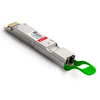

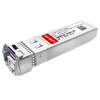



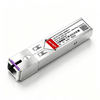
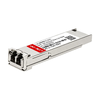


























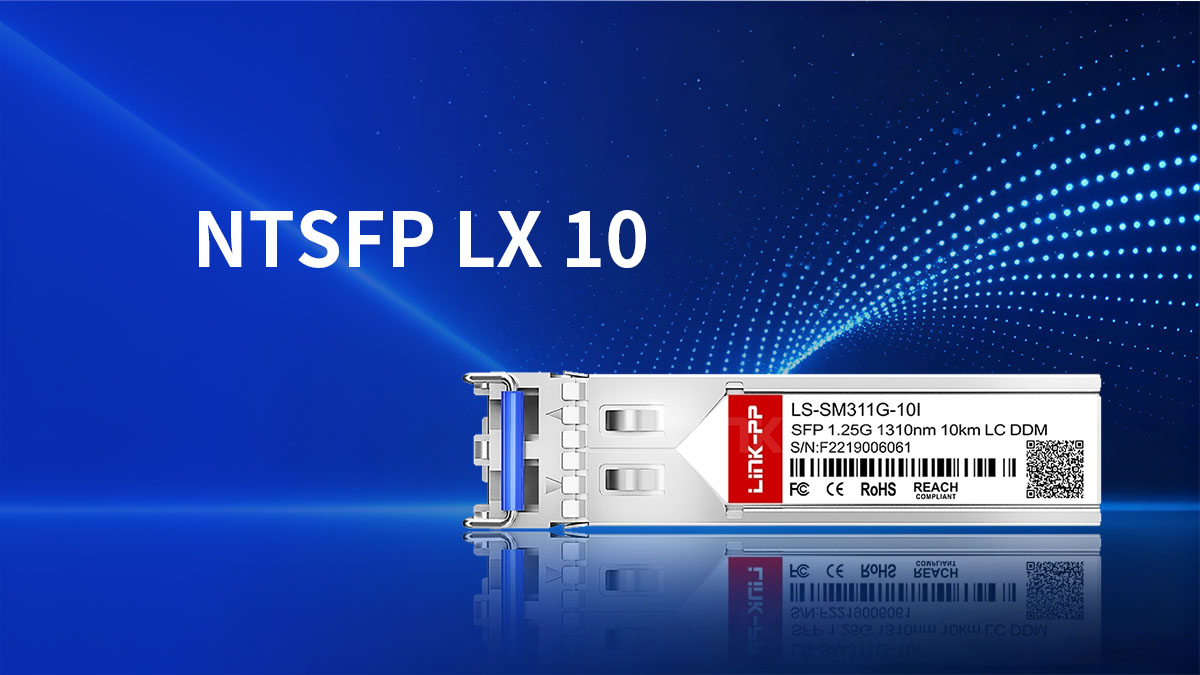
Industrial automation and harsh manufacturing floors demand networking hardware that can withstand extreme conditions. Standard commercial-grade transceivers frequently fail in these environments due to heavy vibration, electrical interference, and intense temperature swings. To maintain uninterrupted data flow, enterprise operations require ruggedized optical components like the NTSFP-LX-10, designed specifically to handle heavy-duty industrial applications.
However, sourcing original legacy N-Tron OEM hardware has become increasingly difficult and costly due to supply chain scarcities and premium pricing. This has led forward-thinking network engineers and procurement managers to seek high-reliability third-party alternatives. Finding robust NTSFP-LX-10 alternatives that match exact factory specifications is now essential to eliminate vendor lock-in and keep critical industrial networks running smoothly.
🔎 Defining the Need for Industrial-Grade NTSFP-LX-10 Robust Alternatives
Deploying reliable networking hardware in factory environments requires a clear understanding of operational demands. Standard networking components often fall short when subjected to the daily stress of industrial applications. Exploring these specific environmental and market challenges highlights exactly why heavy-duty NTSFP-LX-10 alternatives are necessary.
Harsh Environmental Challenges in Industrial Networking
Factory floors, electrical substations, and outdoor deployment sites expose networking equipment to extreme conditions. High levels of electromagnetic interference (EMI) from heavy machinery can easily degrade signal quality and interrupt data transmission.
Additionally, these areas frequently suffer from intense mechanical vibrations, airborne dust, and severe temperature fluctuations. Without specialized protection, sensitive optical components will experience rapid degradation, leading to frequent link drops and unexpected network failure.
Limitations of Standard Commercial SFPs in Automation Environments
Commercial-grade SFP transceivers are built for climate-controlled data centers and office environments. They typically operate only within a narrow temperature range and lack the ruggedized casing needed to resist physical shock.
When deployed in automation environments, commercial modules rapidly overheat or suffer from physical alignment shifts inside the port. This mismatch leads to higher bit error rates, premature hardware failure, and costly operational downtime for the facility.
The Cost and Scarcity of Legacy N-Tron OEM Hardware
Sourcing original legacy N-Tron OEM hardware has become a major challenge for procurement managers. Due to shifting production cycles and component shortages, these original parts are often scarce and come with long factory lead times.
Furthermore, the limited availability drives up purchasing costs significantly, straining maintenance budgets. Relying solely on hard-to-find OEM modules creates a risky supply chain bottleneck that can delay urgent factory floor replacements.
Defining "Robustness" in Modern Industrial Transceiver Sourcing
In the industrial market, an optical transceiver is not considered "robust" simply because it has a metal casing. True robustness means the module can maintain perfect signal integrity and zero packet loss while operating under constant environmental stress. For procurement managers, sourcing robust hardware means finding components engineered to survive where standard IT equipment fails.
Achieving this level of industrial-grade reliability depends on a few specific engineering standards:
- Industrial Thermal Tolerances: Operating smoothly across a wide temperature range from -40°C to 85°C.
- Heavy-Duty Structural Integrity: Utilizing reinforced housing to resist intense mechanical shock and vibration.
- Flawless Firmware Integration: Matching OEM EEPROM coding to guarantee instant hardware handshakes.
- Consistent Supply Availability: Ensuring rapid deployment to replace failed links without factory downtime.
🔎 Hardware Specifications of NTSFP-LX-10 Robust Alternatives
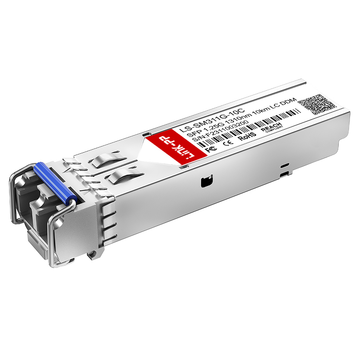
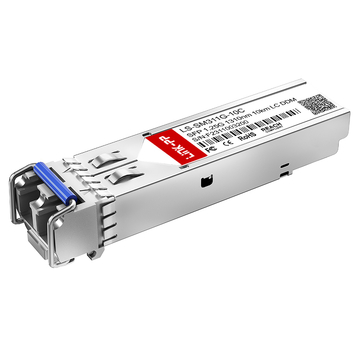
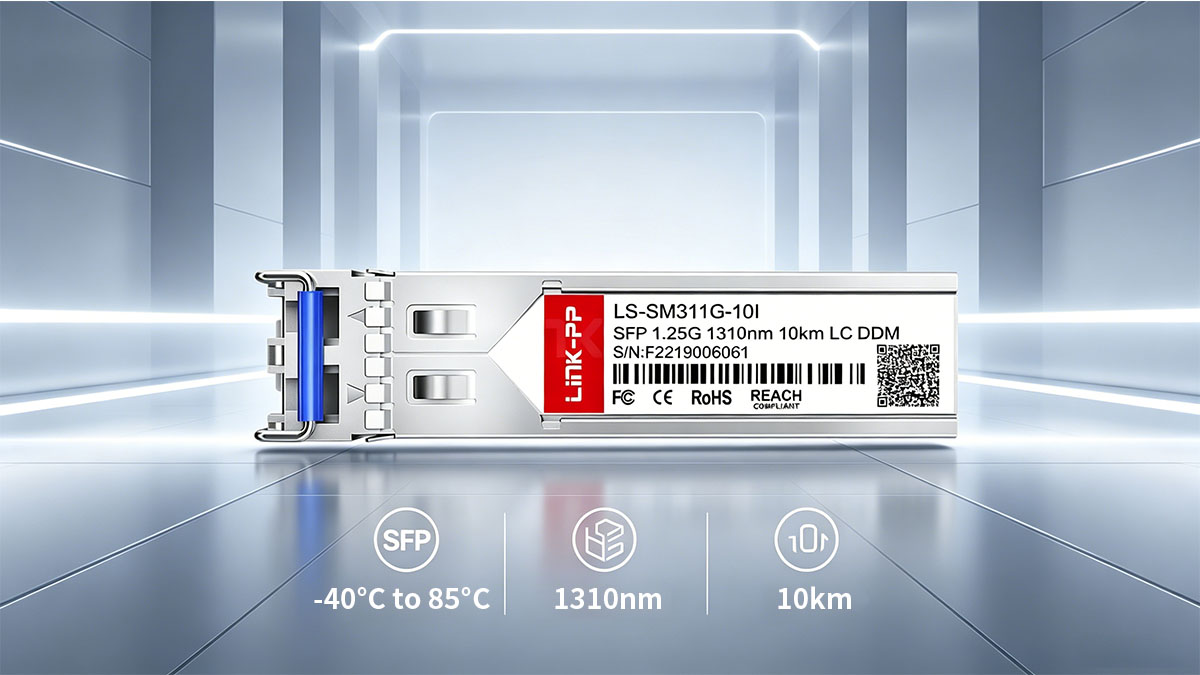
Evaluating the precise technical parameters of third-party transceivers ensures they meet the strict performance levels required by industrial hardware. High-quality NTSFP-LX-10 alternatives must match every optical and environmental metric of the original OEM modules to guarantee reliable field performance. Industrial-grade solutions, such as the LINK-PP LS-SM311G-10I, provide a perfect engineering match for these demanding hardware profiles.
Matching the 1310nm Single-Mode 10km Baseline Specifications
An industrial-grade NTSFP-LX-10 replacement must align completely with standard fiber optic infrastructure baselines. It utilizes a 1310nm wavelength laser to transmit data across single-mode fiber (SMF) cabling plants.
This specific wavelength provides low signal attenuation, allowing data to travel over long distances without degradation. The LINK-PP LS-SM311G-10I, a 1000BASE-LX 1G SFP, perfectly satisfies this requirement, supporting a stable 10km transmission distance at 1Gbps speeds.
Industrial Temperature Operating Ranges (-40°C to 85°C)
Unlike standard IT hardware, industrial networks are frequently deployed in non-climate-controlled environments. High-reliability alternatives are engineered with hardened internal components to withstand brutal thermal stress.
The LINK-PP LS-SM311G-10I is built to operate continuously within a wide temperature range from -40°C to 85°C. This industrial temperature (IND) rating ensures the transceiver maintains optimal laser stability without overheating on the factory floor.
Optical Power Budget and Receiver Sensitivity Calibration
A reliable fiber link depends entirely on the precise calibration of the optical power budget and receiver sensitivity. The transceiver must transmit light within a strict power range to avoid overdriving the receiving port while maintaining enough signal strength to overcome natural fiber attenuation. High-reliability NTSFP-LX-10 alternative modules like the LINK-PP LS-SM311G-10I are finely tuned to ensure consistent, error-free communication across the entire 10km link.
The precise optical power parameters and sensitivity ratings for this compatible module are detailed below:
| Technical Parameter | Specification Value |
| TX Optical Power (Min) | -9dBm |
| TX Optical Power (Max) | 0dBm |
| RX Optical Power (Min) | -23dBm |
| RX Optical Power (Max) | -1dBm |
| Receiver Sensitivity (Max) | -23dBm |
| Optical Link Budget | 14dB |
Structural Integrity: Heavy-Duty Housing and Locking Mechanisms
Physical durability is essential for transceivers installed next to heavy industrial machinery. Standard commercial transceivers often rely on lightweight plastic components that quickly degrade or crack under harsh physical stress. To prevent this, robust alternatives utilize upgraded physical materials designed to survive constant exposure on the factory floor.
The LINK-PP LS-SM311G-10I meets these demanding structural requirements with the following specialized hardware features:
- Zinc Alloy Enclosure: A fully metal housing that provides superior impact resistance and protection against airborne contaminants.
- Heavy-Duty Bail Latch: A ruggedized locking mechanism that ensures a secure, tight fit inside the N-Tron switch port.
- Vibration Resistance: Internal component layout designed to withstand continuous mechanical shaking from automation equipment.
- Dust Protection: Tight mechanical tolerances that shield internal optics from metallic dust and debris.
🔎 Dedicated Compatibility of NTSFP-LX-10 Robust Alternatives for N-Tron Systems
Achieving flawless operational performance requires total synchronization between third-party compatible modules and specialized industrial switches. Without exact firmware replication and mechanical precision, third-party transceivers risk causing link dropouts or communication failures. Deploying a dedicated NTSFP-LX-10 replacement ensures immediate plug-and-play integration into existing network infrastructures.
Ensuring Seamless Integration with Legacy N-Tron Switch Port Architectures
Legacy N-Tron switches rely on strict hardware port dimensions and signaling parameters established by standard Multi-Source Agreements (MSA). High-reliability third-party transceivers are built precisely to these universal SFP MSA benchmarks to ensure physical compatibility with older switch models.
When inserted into an MSA-compliant N-Tron port, the module slides smoothly into place and creates an immediate electrical connection. This precise fit prevents loose port contacts and ensures that standard transmission signals travel between the transceiver and the legacy switch backplane without impedance mismatches.
Decoding EEPROM Firmware for Flawless N-Tron Hardware Handshakes
N-Tron operating systems utilize strict security and identification protocols during hardware initialization. When an SFP module is plugged in, the switch queries the internal EEPROM chip to verify the vendor code, serial number, and part identifier.
High-reliability alternatives feature meticulously cloned EEPROM firmware that completely replicates the original N-Tron data profiles. This precise coding ensures a flawless digital handshake, allowing the host switch to instantly recognize and initialize the transceiver without throwing errors.
Maintaining Full Feature Parity with Original N-Tron Optical Modules
A true premium replacement must deliver more than basic traffic transmission across the fiber link. It must support all advanced monitoring features, including link status reporting and real-time loss of signal (LOS) detection natively utilized by the host software.
By maintaining total operational parity, the alternative transceiver allows facility engineers to use their existing N-Tron management dashboards for remote diagnostics. Network teams can monitor the exact health of the link without losing any monitoring visibility.
Dropping Vendor Lock-In Across Legacy and Modern N-Tron Fabrics
Relying solely on OEM-branded components forces industrial networks into restrictive procurement ecosystems. This vendor lock-in severely limits sourcing agility and leaves critical infrastructure vulnerable to unexpected manufacturing delays.
Utilizing precisely matched third-party modules allows enterprise networks to bypass these arbitrary supply bottlenecks. It creates a flexible hardware environment where older legacy series and modern N-Tron switch fabrics communicate flawlessly using identical optical standards.
🔎 Procurement Strategies for Sourcing NTSFP-LX-10 Robust Alternatives
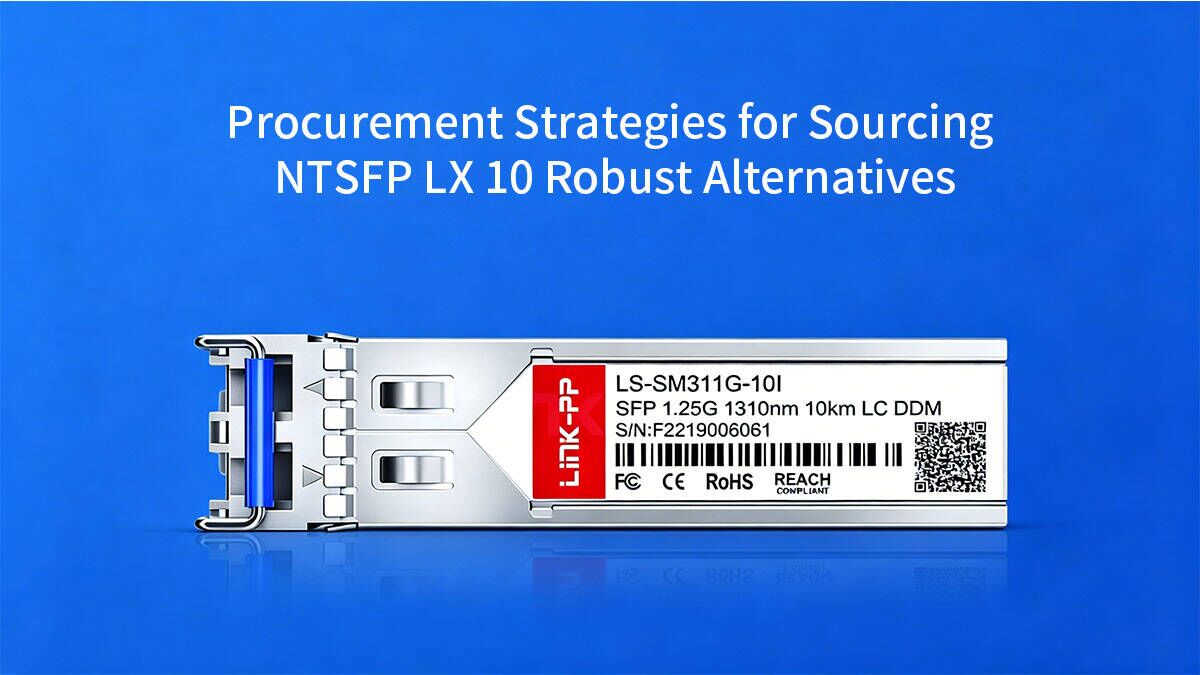
Establishing a resilient NTSFP-LX-10 procurement strategy is essential for protecting modern factory networks from unexpected operational downtime. Relying on a single supply source often exposes industrial facilities to severe logistics bottlenecks and inflated maintenance budgets. Transitioning to a diversified sourcing model ensures a stable supply of critical network components while maximizing long-term corporate ROI.
Mitigating Supply Chain Disruptions with Third-Party Optics
Relying entirely on original equipment manufacturers leaves automation networks highly vulnerable to hardware shortages and sudden manufacturing delays. Integrating high-quality third-party transceivers into the procurement pipeline allows enterprises to diversify their vendor base and bypass traditional supply constraints. This proactive approach keeps manufacturing lines operational and prevents empty distributor shelves from delaying essential infrastructure updates.
Carrier-Grade Sourcing ROI vs. High-Premium OEM Costs
Original hardware manufacturers typically attach high premium markups to standard networking components, straining industrial operational budgets. Opting for carrier-grade third-party alternatives delivers identical optical performance and reliability at a fraction of the cost. The resulting capital savings can then be strategically reallocated toward larger infrastructure enhancements or preventative factory maintenance programs.
Evaluating Vendor Lead Times for Urgent Factory Floor Replacements
When a transceiver fails on a fast-paced production line, long delivery timelines can immediately trigger expensive operational downtime. Enterprise procurement managers must evaluate third-party suppliers based on their consistent, off-the-shelf inventory levels for industrial-grade hardware. Partnering with a manufacturer that maintains steady, predictable production schedules ensures that replacement components are always accessible when an emergency swap is required.
Establishing Strategic Component Buffers for Enterprise Operations
Building a local on-site inventory buffer is a vital practice for protecting high-density industrial networks against sudden link failures. Maintaining a dedicated stock of critical spares allows facility technicians to immediately hot-swap faulty modules without waiting for a new order to ship. This strategic hardware reserve minimizes mean time to repair (MTTR) and safeguards continuous data collection across the entire enterprise fabric.
🔎 Testing Frameworks for Validating NTSFP-LX-10 Robust Alternatives
Deploying third-party hardware into mission-critical networks requires rigorous quality validation before field installation. Specialized laboratory testing ensures that NTSFP-LX-10 alternative transceivers can match or exceed the performance baselines of original OEM modules. Implementing a standardized validation framework guarantees long-term stability and protects automated machinery from sudden data dropouts.
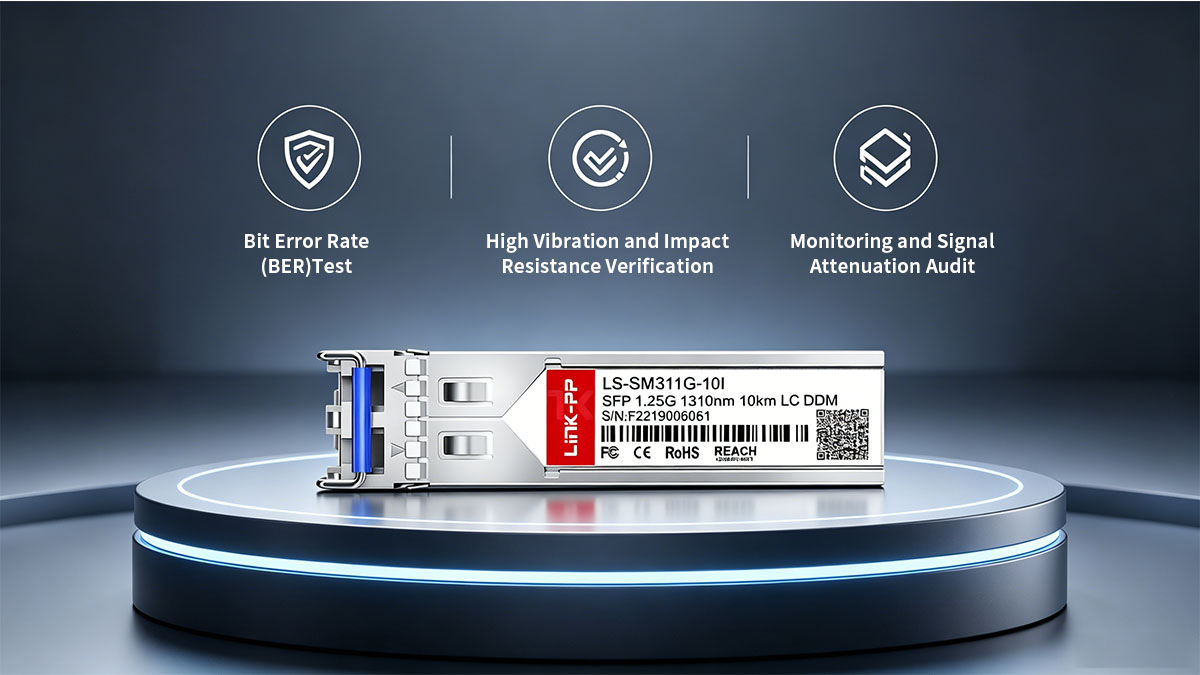
Bit Error Rate (BER) Testing Under Simulated Thermal Stress
Industrial transceivers must maintain perfect data integrity even when surrounding temperatures fluctuate wildly. Environmental test chambers subject compatible modules to rapid thermal cycling while processing full-rate network traffic. This simulation exposes any internal laser instability or component weak points before the hardware reaches the factory floor.
The evaluation process measures data transmission accuracy through several strict environmental milestones:
- Sub-Zero Performance: Verifying zero packet loss at the -40°C lower limit.
- Peak Heat Operation: Monitoring laser wavelength stability at a scorching 85°C.
- Thermal Shock Tolerance: Tracking real-time bit errors during abrupt temperature shifts.
- Maximum Throughput Load: Confirming a 0.00% error rate under full 1Gbps traffic loads.
High-Vibration and Shock Resistance Validation for Manufacturing
Heavy industrial environments expose networking components to constant mechanical shaking from assembly lines and robotic arms. Physical stress testing simulates years of operational wear by mounting the transceivers to high-frequency vibration tables. This rigorous shaking verifies that the internal optical alignment remains perfectly intact.
The mechanical durability audit focuses on checking several vital hardware stress areas:
- Locking Handle Integrity: Ensuring the bail latch stays firmly snapped into the port.
- Optical Axis Alignment: Confirming the internal laser diode does not shift out of place.
- Solder Joint Strength: Checking that surface-mounted circuit boards resist cracking.
- Housing Impact Resistance: Verifying the outer zinc alloy shell absorbs physical impacts.
Long-Term Link Uptime Monitoring and Signal Attenuation Audits
Fiber optic networks naturally experience minor signal loss over time due to cable aging, dust accumulation, and connector wear. Long-term aging tests continuously operate the transceivers for extended periods to measure their resistance to optical degradation. This data helps network engineers predict the true operational lifespan of the hardware.
The long-term performance audit tracks several critical optical health metrics:
- Receiver Sensitivity Degradation: Monitoring if the optical receiver weakens over time.
- Laser Power Stability: Ensuring the transmit power remains constant across months of uptime.
- Attenuation Margin Loss: Testing link stability when simulated fiber loss is increased.
- Continuous Handshake Uptime: Confirming the module never drops its connection with the switch.
🔎 Network Safety and Compliance for NTSFP-LX-10 Robust Alternatives
Adhering to international safety regulations and hardware compliance standards guarantees that third-party NTSFP-LX-10 optical transceivers operate safely within industrial facility networks. Uncertified networking components risk causing electrical faults, localized network failures, or severe equipment damage on the factory floor. Choosing compliant hardware alternatives ensures a secure operational environment while protecting heavy-duty infrastructure assets from unexpected electrical or radiation hazards.
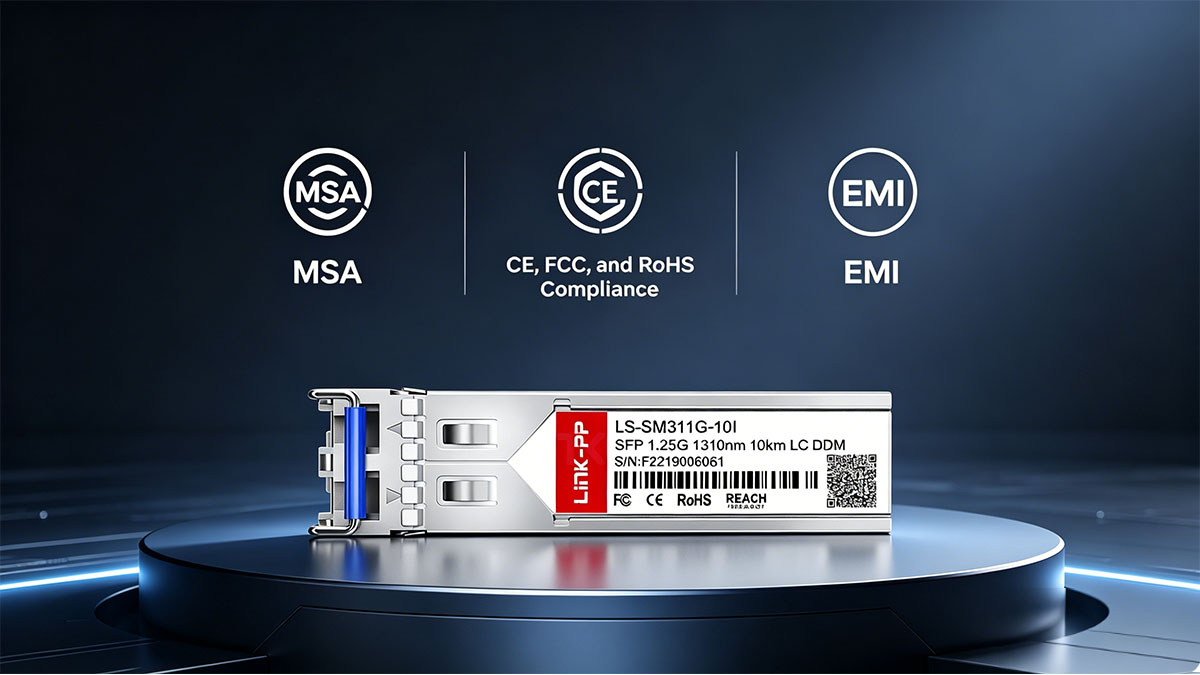
Adherence to Multi-Source Agreement (MSA) Standards
Multi-Source Agreements establish strict engineering guidelines that define the exact physical dimensions and electrical interfaces of optical transceivers. High-reliability alternatives strictly adhere to these shared industry standards to guarantee broad mechanical compatibility across different vendor hardware platforms. This baseline compliance ensures that third-party NTSFP-LX-10 modules can be deployed interchangeably into any open, standard-compliant SFP slot.
By matching universal MSA design requirements, alternative modules completely eliminate the risk of physical interface mismatches or port socket damage. Industrial facilities can confidently mix and match hardware brands knowing the electrical signaling parameters remain perfectly synchronized. This standardized engineering foundation simplifies infrastructure maintenance and supports flexible network expansions without proprietary restrictions.
Industrial Certifications: CE, FCC, and RoHS Compliance
Deploying optical hardware in modern automation environments requires strict verification of regional industrial certifications. Recognized safety marks like CE and FCC confirm that the alternative transceivers meet rigorous safety and electromagnetic radiation limits. These official stamps guarantee the hardware will not cause operational interference or experience catastrophic component meltdowns during heavy production cycles.
Additionally, compliance with environmental mandates such as RoHS ensures that the manufacturing process excludes hazardous substances like lead and cadmium. This protective standard safeguards factory technicians during component installation and simplifies long-term recycling procedures. Procurement teams must verify these certifications to maintain overall plant compliance and satisfy strict workplace safety audits.
Ensuring Electromagnetic Interference (EMI) Shielding Integrity
High-voltage machinery, variable frequency drives, and heavy robotic systems generate intense electromagnetic fields inside industrial plants. Premium NTSFP-LX-10 alternative modules feature reinforced zinc alloy housings specifically designed to act as a protective Faraday cage around sensitive internal optics. This heavy-duty shielding prevents external electrical noise from penetrating the module and distorting high-speed data streams.
At the same time, this metallic enclosure restricts the module's own high-frequency signals from radiating outward into adjacent networking ports. Maintaining strong EMI containment prevents cross-talk between tightly packed switch ports, ensuring clean data transmission across all links. This dual-layer shielding protection is essential for keeping critical telemetry lines free from packet loss and timing jitters.
Class 1 Laser Safety Standards Verification for Field Deployment
Fiber optic transceivers utilize highly focused light beams to transmit massive amounts of data across miles of single-mode cabling. High-reliability alternatives incorporate specialized internal safety switches that continuously monitor the integrity of the laser connection. These modules must meet Class 1 laser safety requirements to ensure the light emitted remains completely harmless to human eyes under all normal operating conditions.
If a fiber patch cable is accidentally severed or pulled out of its port, automatic laser shutdown mechanisms instantly deactivate the optical transmitter. This immediate safety response prevents invisible, high-power infrared light from escaping and injuring nearby maintenance technicians or field engineers. Verifying Class 1 status is a mandatory step for protecting personnel during routine hardware inspections and emergency fiber line repairs.
🔎 Avoiding Pitfalls When Selecting NTSFP-LX-10 Robust Alternatives
Selecting third-party NTSFP-LX-10 optical modules requires careful attention to detail to avoid hidden technical and operational risks. Choosing the wrong hardware can lead to immediate compatibility issues, signal degradation, or catastrophic link failures on the factory floor. Identifying common pitfalls early protects industrial automation fabrics and ensures a reliable hardware upgrade.
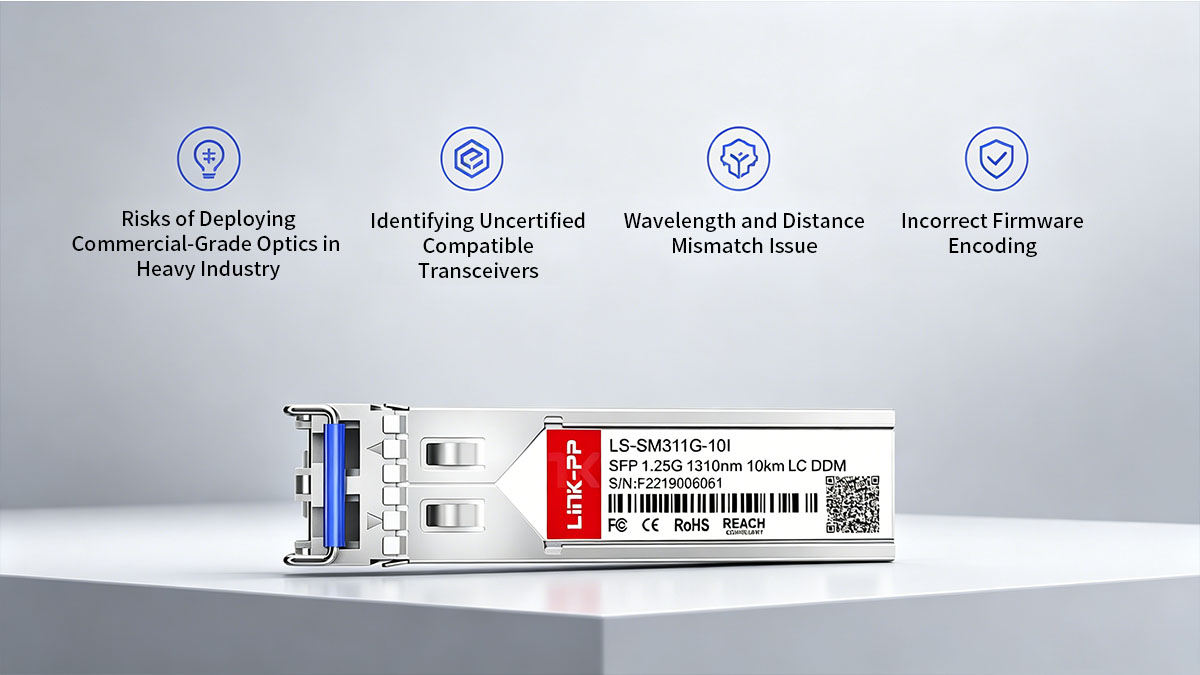
The Risks of Deploying Commercial-Grade Optics in Heavy Industry
Using cheap commercial transceivers in harsh industrial environments is a dangerous shortcut that compromises network reliability. Standard commercial modules are designed for climate-controlled data centers and cannot withstand extreme field conditions. They quickly overheat or crack when exposed to severe factory stress.
Deploying standard commercial optics leads to several critical operational failures:
- Rapid Laser Overheating: High factory temperatures cause rapid laser degradation.
- Frequent Packet Loss: Extreme vibration misaligns the internal optical path.
- Premature Module Death: Lack of hardened casing leads to short component lifespans.
- Unstable Data Links: Minor electrical surges easily fry non-industrial circuits.
Identifying Uncertified Compatible Transceivers
The market is flooded with low-cost, uncertified optical transceivers that skip vital quality control steps. These modules often reuse cheap components and skip major multi-source agreement or regulatory testing frameworks entirely. Buying from unverified suppliers risks introducing unstable hardware into critical infrastructure systems.
Uncertified compatible modules typically exhibit several common engineering defects:
- Missing Safety Stamps: Lack of official CE, FCC, or RoHS compliance marks.
- Weak Metal Castings: Low-grade housing shells that fail to block EMI noise.
- Fluctuating Power Budgets: Optical transmit levels that vary wildly during operation.
- Poor Component Soldering: Weak internal circuit traces prone to vibration cracking.
Wavelength and Distance Mismatches in Legacy Fiber Plants
Network engineers often face issues when mixing new transceivers with old, undocumented fiber optic cable systems. Failing to match the exact optical specifications of the existing fiber plant will cause instant communication failure. Even a minor wavelength mismatch prevents the receiving switch port from detecting the light signal.
Sourcing replacements without verifying legacy infrastructure metrics leads to specific link errors:
- Severe Signal Attenuation: Deploying the wrong wavelength causes massive light loss.
- Connector Type Overlaps: Forcing incorrect physical polish types into legacy ports.
- Receiver Saturation: Using long‑range optics on very short links without attenuation.
- Total Link Blindness: Mixing single-mode modules with multi-mode fiber cabling.
How Incorrect Firmware Coding Triggers Switch Port Shutdowns
N-Tron switches use smart operating systems that actively inspect the internal memory configuration of every plugged-in SFP. If the transceiver contains generic or poorly written firmware, the host switch will flag it as an unauthorized device. To protect the system, the switch software will immediately shut down the affected port.
Flawed or generic firmware configurations trigger immediate network defense responses:
- Software Port Lockouts: Host operating systems disable the slot completely.
- Error Report Flooding: Hardware management consoles fill up with security alarms.
- Diagnostic Blind Spots: Loss of digital diagnostic monitoring data visibility.
- Boot Loop Failures: Switches hanging up during system restarts due to coding errors.
🔎 Choose LINK-PP for High-Reliability NTSFP-LX-10 Robust Alternatives
Sourcing reliable third-party NTSFP-LX-10 transceivers requires a trusted manufacturer that balances strict industrial standards with seamless hardware compatibility. LINK-PP delivers premium, ruggedized optical modules engineered specifically to withstand the brutal physical and thermal stress of modern automation environments. By matching every OEM firmware constraint and MSA specification, these robust alternatives provide an immediate, drop-in solution for your network.
Don't let legacy hardware shortages or inflated OEM prices delay your critical infrastructure maintenance schedules. Protect your industrial uptime, eliminate restrictive vendor lock-in, and streamline your hardware inventory today. Explore our complete selection of high-performance optical solutions by visiting the LINK-PP Official Store to find the perfect compatible transceivers for your network infrastructure.