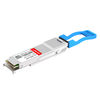
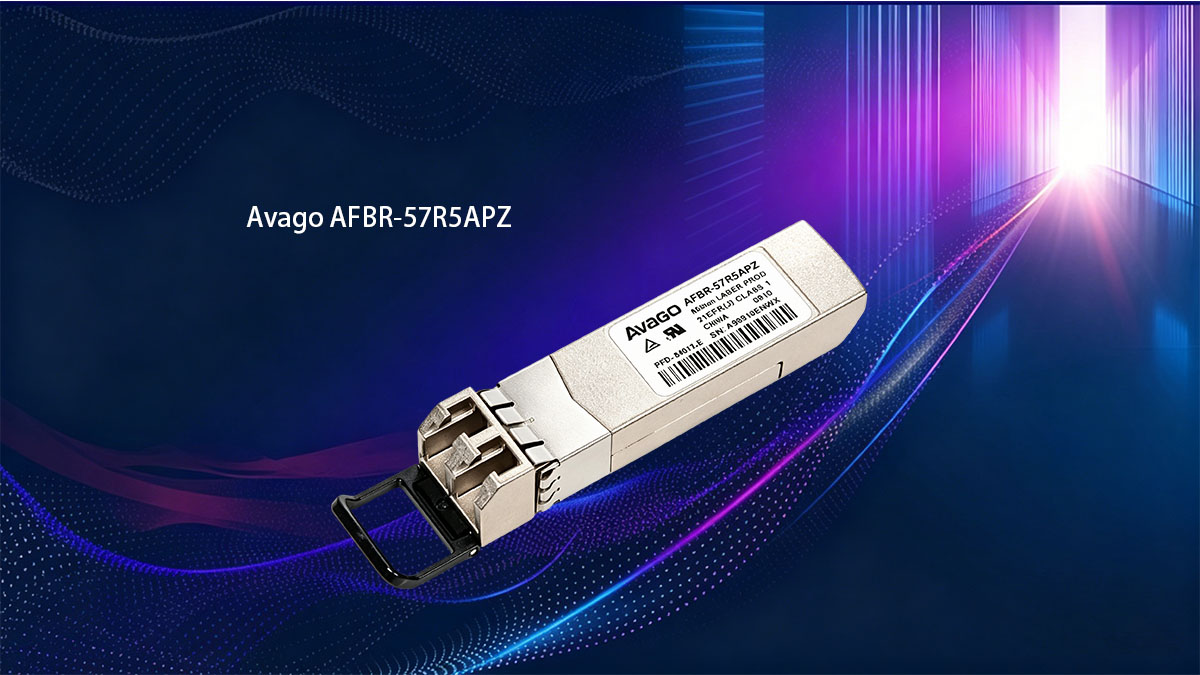
The AFBR-57R5APZ remains a cornerstone for organizations maintaining legacy 4G Fibre Channel (4GFC) infrastructure. As a high-performance SFP transceiver module, it is specifically engineered to support the rigorous demands of Storage Area Networks (SAN), offering reliable data rates of up to 4.25Gb/s. By utilizing an 850nm VCSEL laser over multimode fiber, this module ensures low-latency connectivity and backward compatibility with 1G and 2G systems, making it essential for stabilizing aging yet critical data environments.
However, as original equipment enters the later stages of its lifecycle, sourcing reliable AFBR-57R5APZ alternatives has become a strategic priority for IT procurement. High-quality, MSA-compliant replacements offer a cost-effective way to extend the ROI of legacy hardware without compromising signal integrity or Digital Diagnostic Monitoring (DDM) accuracy. Understanding the technical nuances — from EEPROM coding for Avago-specific compatibility to precise bit error rate (BER) performance — is key to ensuring seamless interoperability in complex, mixed-vendor fabrics.
⏏️ Introduction to the Avago AFBR-57R5APZ SFP Module
The Avago AFBR-57R5APZ is a high-performance, cost-effective SFP transceiver designed specifically for serial optical data communication applications. It serves as a critical component for high-speed storage networking, delivering reliable connectivity within 4G Fibre Channel environments.
Overview of 4G Fibre Channel (4GFC) Legacy Standards
4G Fibre Channel represents a pivotal generation in storage networking history, doubling the throughput of its 2G predecessor to support growing data demands. While modern data centers have transitioned to 16G, 32G, or even 64G FC, the 4G standard remains widely utilized in stable, legacy enterprise environments where reliability outweighs the need for bleeding-edge speed.
The standard operates at a line rate of 4.25Gb/s, utilizing efficient 8b/10b encoding to ensure clock recovery and DC balance. For systems utilizing the AFBR-57R5APZ, maintaining adherence to these legacy specifications is vital for ensuring that older disk arrays and switch fabrics continue to operate without synchronization errors or packet loss.
Key Technical Specifications: 850nm VCSEL and MMF
The AFBR-57R5APZ utilizes an 850nm Vertical-Cavity Surface-Emitting Laser (VCSEL), a technology favored for short-reach applications due to its high efficiency and lower production costs. This optical module is paired with multimode fiber to transmit high-speed data across short to medium distances within a single rack or across a data center floor.
Technically, the 850nm wavelength is optimized for the physical characteristics of MMF, balancing attenuation and modal dispersion. By leveraging this combination, the module achieves a dependable link budget that supports the 4.25Gb/s data rate while maintaining the thermal stability required for dense networking hardware.
The Role of AFBR-57R5APZ in Storage Area Networks (SAN)
In SAN architectures, the AFBR-57R5APZ serves as a critical interface between switches, storage arrays, and host bus adapters (HBAs). It enables high-speed optical links that ensure efficient data transfer between servers and storage resources, supporting applications that demand consistent throughput and low latency.
Its multi-rate capability allows seamless integration into mixed-speed environments, making it particularly valuable in legacy SANs where equipment from different generations must interoperate. This flexibility helps extend the lifespan of existing infrastructure without compromising performance.
Why Compatibility Testing Matters for Legacy Hardware
Compatibility testing is essential when deploying or replacing AFBR-57R5APZ modules in legacy systems, as older hardware often has strict requirements for transceiver recognition and performance. Factors such as EEPROM coding, firmware constraints, and vendor-specific implementations can impact whether a module is accepted by a switch or HBA.
Thorough interoperability testing ensures stable link establishment, minimizes bit error rates, and prevents unexpected downtime. For organizations maintaining 4GFC environments, validating compatibility is a key step in preserving network reliability while considering alternative or third-party transceiver options.
⏏️ Essential Technical Specifications of AFBR-57R5APZ
The AFBR-57R5APZ is defined by its precision-engineered optical characteristics and multi-rate flexibility, which allow it to thrive in diverse Fibre Channel environments. By adhering to strict physical and electrical standards, this module ensures high-speed data integrity across short-range storage networks.
Data Rate Support: 4.25Gb/s, 2.125Gb/s, and 1.0625Gb/s
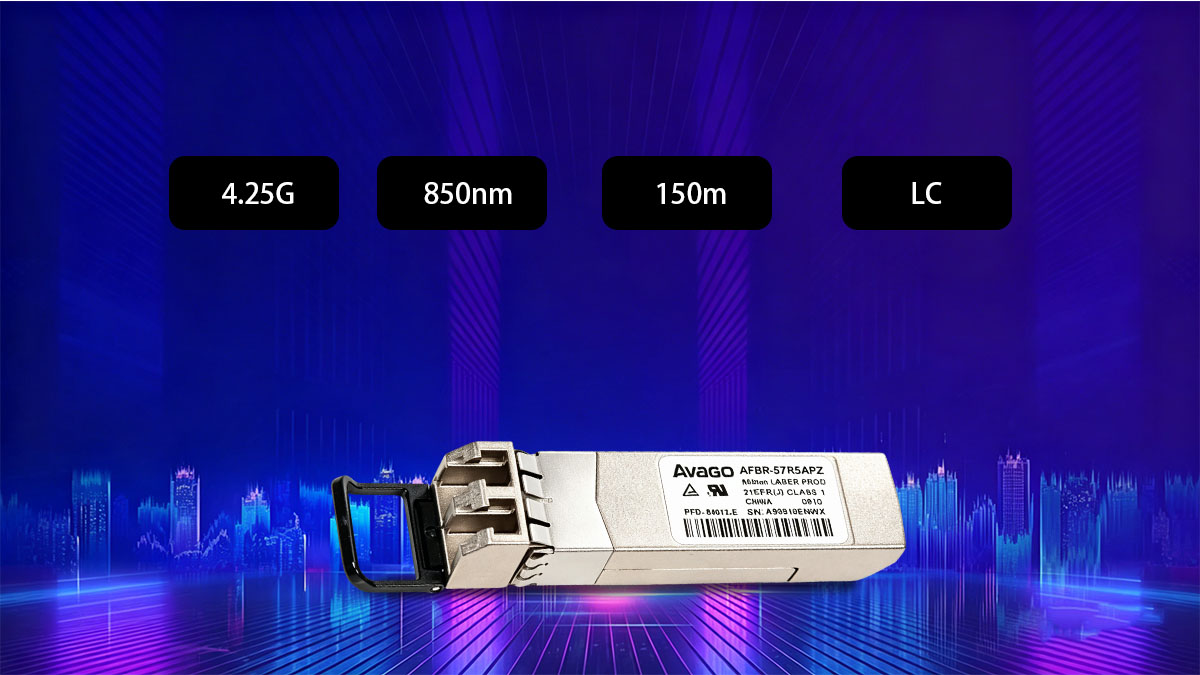
One of the most versatile features of the AFBR-57R5APZ is its multi-rate capability, supporting 4.25, 2.125, and 1.0625Gb/s. This allows the module to be used in older 1G and 2G infrastructures while providing a seamless upgrade path to 4G speeds. The module automatically adjusts to the highest common denominator supported by the host switch and the connected device.
This rate-sensing ability is crucial for maintaining connectivity across heterogeneous storage fabrics. By supporting these three distinct data rates, the AFBR-57R5APZ ensures that legacy servers and newer storage arrays can communicate efficiently without the need for additional media converters or mid-span equipment.
Optical Link Budget and Transmission Distance Limits
Designed for short-reach applications, the AFBR-57R5APZ operates over multimode fiber with an 850nm VCSEL transmitter. It provides a robust optical link budget that accounts for connector losses and fiber attenuation, ensuring reliable signal delivery over distances typical of a data center floor.
Specifically, the module supports transmission distances up to 150m on 50/125µm OM2 fiber at 4.25Gb/s. These distance limits are carefully calculated to prevent modal dispersion from degrading the signal, thereby maintaining a clear path for high-speed data blocks.
Operating Temperature Ranges and Industrial Durability
To maintain peak performance in the high-density environment of a storage switch, the AFBR-57R5APZ is built to withstand significant thermal stress. It typically operates within a commercial temperature range of 0°C to 70°C, though its internal design focuses on efficient heat dissipation to prevent the VCSEL laser from shifting its wavelength or losing intensity.
The durability of this module extends to its mechanical design, featuring a reinforced LC duplex connector and a ruggedized metal housing. These features protect the sensitive internal optics from electromagnetic interference (EMI) and physical vibrations, ensuring the module remains functional even in environments with high airflow and constant hardware activity.
Digital Diagnostic Monitoring (DDM) Capabilities
The AFBR-57R5APZ incorporates advanced Digital Diagnostic Monitoring (DDM), also known as Digital Optical Monitoring (DOM). This feature provides real-time access to operational parameters, allowing network administrators to monitor the health of the fiber link and identify potential issues before they lead to a total system failure.
The following table outlines the primary metrics monitored by the DDM interface and their significance in link maintenance:
| DDM Parameter |
Function / Description |
Impact on Link Stability |
| Temperature |
Measures the internal module temperature. |
Prevents laser degradation due to overheating. |
| Supply Voltage |
Tracks the voltage provided by the host switch. |
Ensures stable electrical operation and signal logic. |
| TX Bias Current |
Monitors the current used to drive the VCSEL. |
Indicates laser health and potential end-of-life. |
| TX Optical Power |
Measures the strength of the outgoing laser signal. |
Confirms the transmitter is meeting link budget requirements. |
| RX Optical Power |
Monitors the intensity of the incoming light signal. |
Detects fiber breaks, dirty connectors, or excessive attenuation. |
These real-time diagnostics are accessed through the I2C serial interface, providing a transparent view of the physical layer's performance across the entire SAN fabric. By tracking these metrics, engineers can implement predictive maintenance strategies to maximize uptime.
⏏️ Evaluating High-Quality AFBR-57R5APZ Alternatives
As the original Avago modules move toward end-of-life, identifying high-quality alternatives is essential for maintaining the longevity of 4G Fibre Channel systems. Selecting the right replacement involves balancing strict adherence to industry standards with proven interoperability in legacy hardware environments.
Criteria for Selecting Multi-Source Agreement (MSA) Compliant Modules
The Multi-Source Agreement (MSA) is the foundational standard that ensures SFP modules are physically and electrically interchangeable across different hardware brands. When evaluating an AFBR-57R5APZ alternative, the first step is verifying that the transceiver meets these specific mechanical and electrical interface requirements to ensure it fits and functions in any standard SFP port.
Beyond physical dimensions, MSA compliance guarantees that the alternative module supports the standardized I2C two-wire serial interface. This ensures that the host system can communicate with the transceiver to access vital identification and monitoring data, providing a baseline level of performance and safety that matches the original specifications.
Comparing Original Brand Performance vs. Third-Party Alternatives
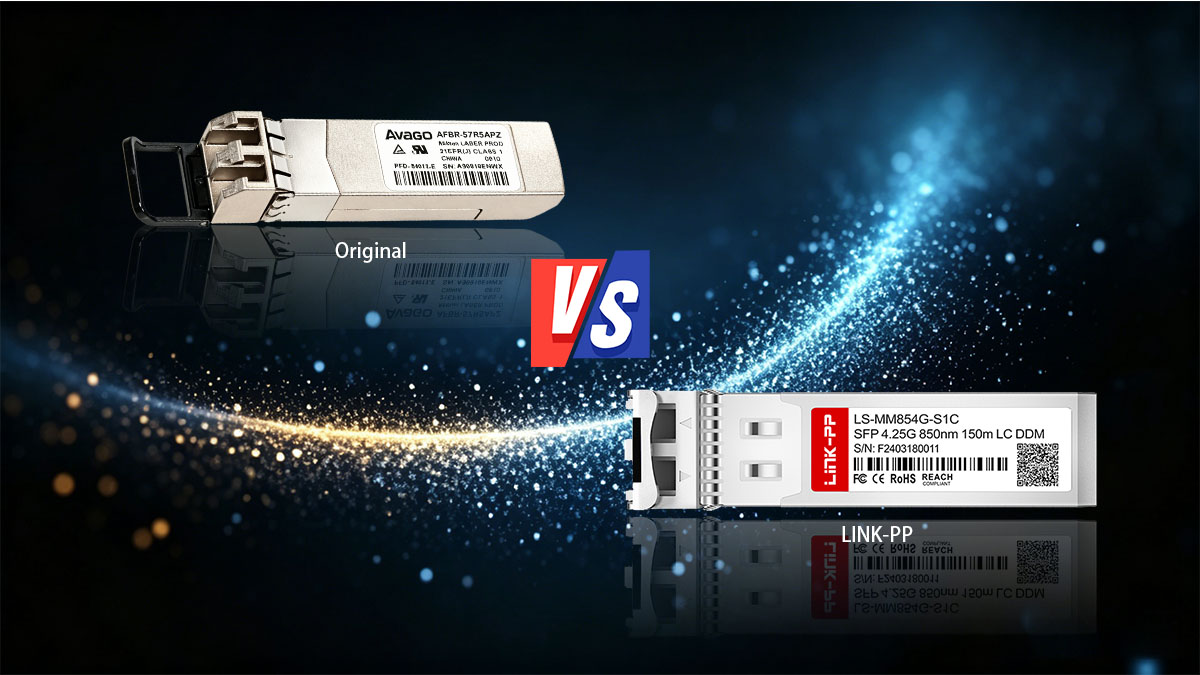
Choosing a third-party AFBR-57R5APZ is like buying a high-quality "store brand" product: you get the same performance without paying for the premium logo. Top-tier alternatives often use the same internal components—like the laser and internal chips—as the original Avago modules. This means they provide the same speed and distance capabilities, ensuring your data moves just as fast and reliably.
The real advantage is value. Because these alternatives are built using modern, efficient manufacturing, they often run cooler and use less power than older original stock. By switching to a verified third-party module, you maintain the same "set-and-forget" reliability your storage network needs while significantly lowering your maintenance costs.
The Impact of EEPROM Coding on Vendor Compatibility
For an AFBR-57R5APZ alternative to be truly "plug-and-play," it must feature precise EEPROM coding tailored to the host equipment. Many legacy systems are designed with "vendor lock-in" software that checks the transceiver’s internal memory for specific manufacturer codes; if the coding does not match the expected Avago parameters, the switch port may be disabled.
A high-quality alternative must be programmed with the correct signatures, part numbers, and checksums to bypass these software barriers. This specialized coding ensures the host system recognizes the module as a native component, allowing for full access to diagnostic features and preventing the dreaded "unsupported transceiver" error messages during installation.
Reliability Metrics: MTBF and Signal Integrity Standards
Reliability is a key factor when evaluating AFBR-57R5APZ compatible alternatives, particularly in mission-critical SAN environments. Metrics such as Mean Time Between Failures (MTBF) provide insight into the expected lifespan and stability of the transceiver under continuous operation.
Equally important is signal integrity, which directly affects data transmission quality. High-quality alternatives should meet strict standards for low bit error rates (BER), minimal jitter, and stable optical output, ensuring consistent performance in high-speed Fibre Channel networks.
⏏️ 4G Fibre Channel Interoperability for AFBR-57R5APZ
Interoperability is a key strength of the AFBR-57R5APZ, enabling it to function reliably across diverse Fibre Channel environments. In legacy SAN infrastructures, seamless communication between devices of different generations and vendors is essential for maintaining stability. Understanding how this module performs in mixed environments helps ensure consistent network operation and minimizes integration risks.
Backward Compatibility with 1G and 2G Fibre Channel Systems
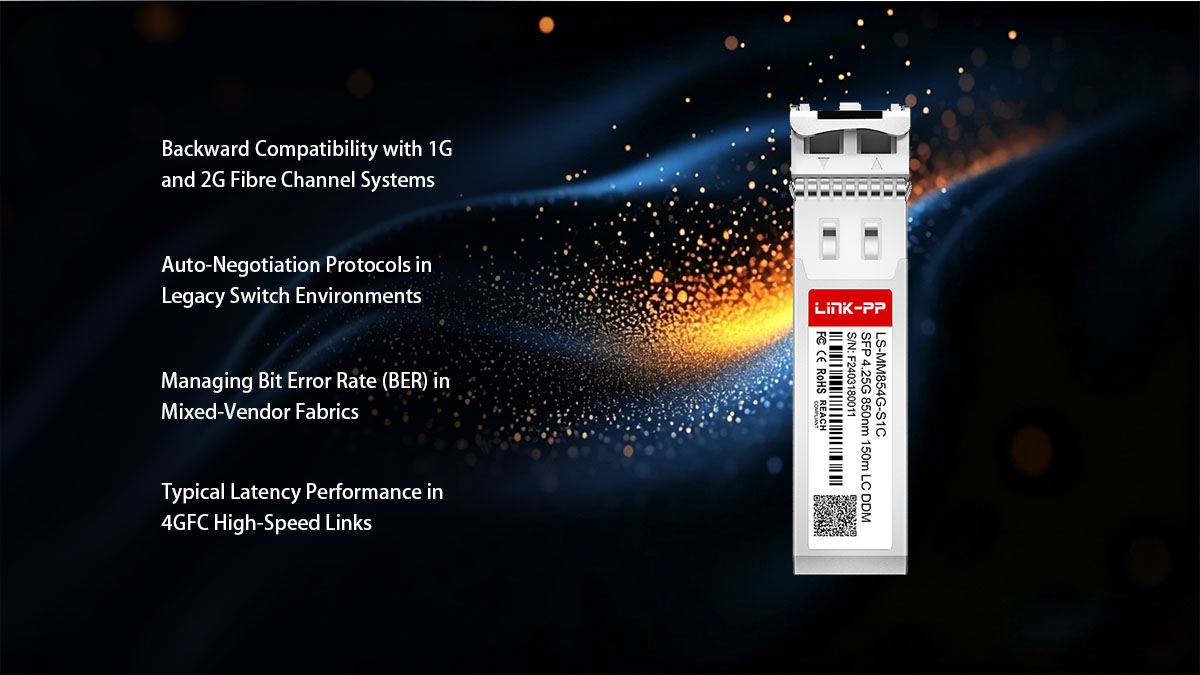
One of the defining features of the AFBR-57R5APZ is its ability to support backward compatibility with earlier Fibre Channel standards. This allows organizations to extend the life of existing infrastructure while gradually upgrading network components.
In practice, this compatibility provides several advantages:
- Seamless Integration: The module can operate across 1G, 2G, and 4G links without requiring hardware replacement.
- Cost Efficiency: Organizations avoid large-scale upgrades by maintaining interoperability with legacy systems.
- Operational Continuity: Mixed-speed environments can function without service disruption.
This flexibility is particularly valuable in SAN deployments where equipment lifecycles vary and phased upgrades are common.
Auto-Negotiation Protocols in Legacy Switch Environments
Auto-negotiation plays a crucial role in establishing stable links between devices operating at different speeds. The AFBR-57R5APZ supports automatic speed detection, allowing connected devices to agree on the highest mutually supported data rate.
In legacy switch environments, however, behavior may vary depending on firmware and vendor implementation. Key considerations include:
- Default Port Settings: Some switches require manual configuration instead of auto-negotiation.
- Firmware Limitations: Older systems may not fully support dynamic rate switching.
- Interoperability Testing: Ensures consistent link establishment across mixed hardware.
Proper configuration and validation are essential to avoid link instability or unexpected downgrades in performance.
Managing Bit Error Rate (BER) in Mixed-Vendor Fabrics
Maintaining a low Bit Error Rate (BER) is critical for ensuring data integrity in Fibre Channel networks, especially when multiple vendors are involved. Variations in transceiver quality, signal processing, and coding standards can impact overall link performance.
To effectively manage BER in mixed-vendor fabrics, consider the following:
- Use High-quality Optics: Ensure all modules meet strict signal integrity standards.
- Maintain Clean Connections: Dirty or misaligned connectors can significantly increase error rates.
- Monitor Link Health: Utilize DDM features to detect early signs of degradation.
Consistent monitoring and adherence to best practices help maintain reliable data transmission across heterogeneous environments.
Typical Latency Performance in 4GFC High-Speed Links
Latency in 4G Fibre Channel networks is generally low and predictable, making it suitable for performance-sensitive applications such as database access and real-time storage operations. The AFBR-57R5APZ contributes minimal additional latency, as optical transmission delays are negligible over short distances.
Typical latency characteristics can be influenced by several factors:
- Switch Processing Delays: Often contribute more to latency than the transceiver itself.
- Link Quality: Poor signal conditions can introduce retransmissions and delays.
- Network Topology: Multi-hop SAN architectures may accumulate latency across devices.
Overall, when properly deployed, the AFBR-57R5APZ supports efficient, low-latency communication in high-speed 4GFC environments.
⏏️ Proper Installation of AFBR-57R5APZ Compatible Transceivers
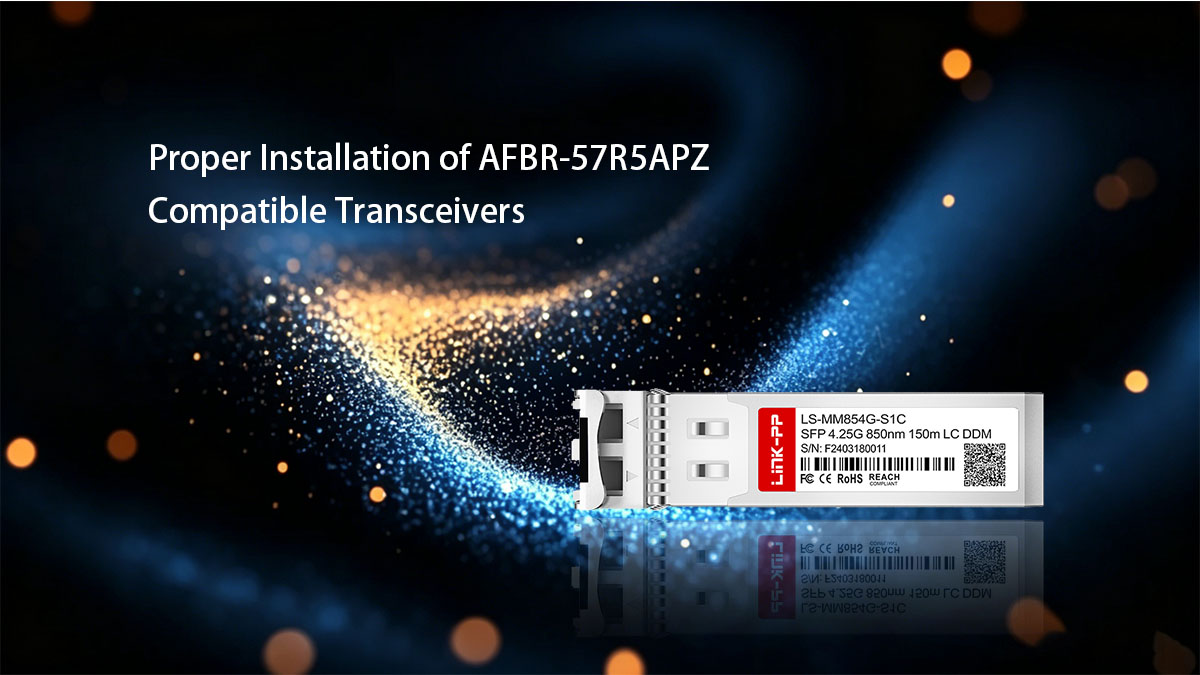
Installing an AFBR-57R5APZ compatible module requires a combination of precision and adherence to physical safety standards. Proper handling not only protects the delicate internal optics but also ensures that the high-speed Fibre Channel link achieves immediate stability upon connection.
Safe Handling and ESD Protection Procedures
Optical transceivers are highly sensitive to Electrostatic Discharge (ESD), which can cause latent damage that leads to premature failure. Before removing the AFBR-57R5APZ from its protective anti-static packaging, technicians must ensure they are properly grounded.
To minimize the risk of hardware damage, follow these protective steps:
- Use ESD Wrist Straps: Always wear a grounded ESD wrist strap connected to the chassis of the switch or a designated grounding point.
- Handle by the Casing: Avoid touching the gold-plated connector pins on the rear of the SFP or the optical apertures at the front. Hold the module only by its metal housing.
- Keep Dust Caps On: Leave the protective dust plugs in place until the very moment you are ready to connect the fiber optic cable.
LC Duplex Connector Alignment and Cleaning
Correct alignment and cleanliness of LC duplex connectors are critical for maintaining optimal optical performance. Misaligned or contaminated connectors can introduce insertion loss and increase bit error rates.
Before connecting fiber cables, it is important to:
- Inspect Connectors: Check for dust, oil, or physical damage.
- Clean Properly: Use lint-free wipes and approved fiber cleaning tools.
- Ensure Correct Polarity: Align transmit (TX) and receive (RX) channels accurately.
Consistent cleaning and alignment practices help preserve signal integrity and reduce troubleshooting efforts.
Verifying Port Link Status and Activity
After installation, verifying the operational status of the transceiver ensures that the link has been established correctly. Most switches and HBAs provide visual indicators and software-level diagnostics for this purpose.
A structured verification process typically includes:
- Checking LED Indicators: Confirm link and activity lights are functioning as expected.
- Reviewing System Logs: Identify any compatibility or recognition issues.
- Monitoring Interface Status: Ensure the port is up and operating at the correct speed.
These steps help quickly identify configuration or hardware issues before they impact production traffic.
Managing Optical Fiber Bend Radius Limits
Fiber optic cables must be handled carefully to avoid excessive bending, which can degrade signal quality or cause permanent damage. Maintaining the correct bend radius is especially important in dense data center environments.
Key considerations include:
- Follow Manufacturer Guidelines: Adhere to specified minimum bend radius limits.
- Avoid Sharp Bends: Prevent kinks during routing and cable management.
- Use Proper Cable Management Tools: Employ trays and guides to maintain smooth cable paths.
Proper fiber management not only protects the physical infrastructure but also ensures consistent optical performance over time.
⏏️ Monitoring AFBR-57R5APZ Alternative Health via Digital Diagnostics
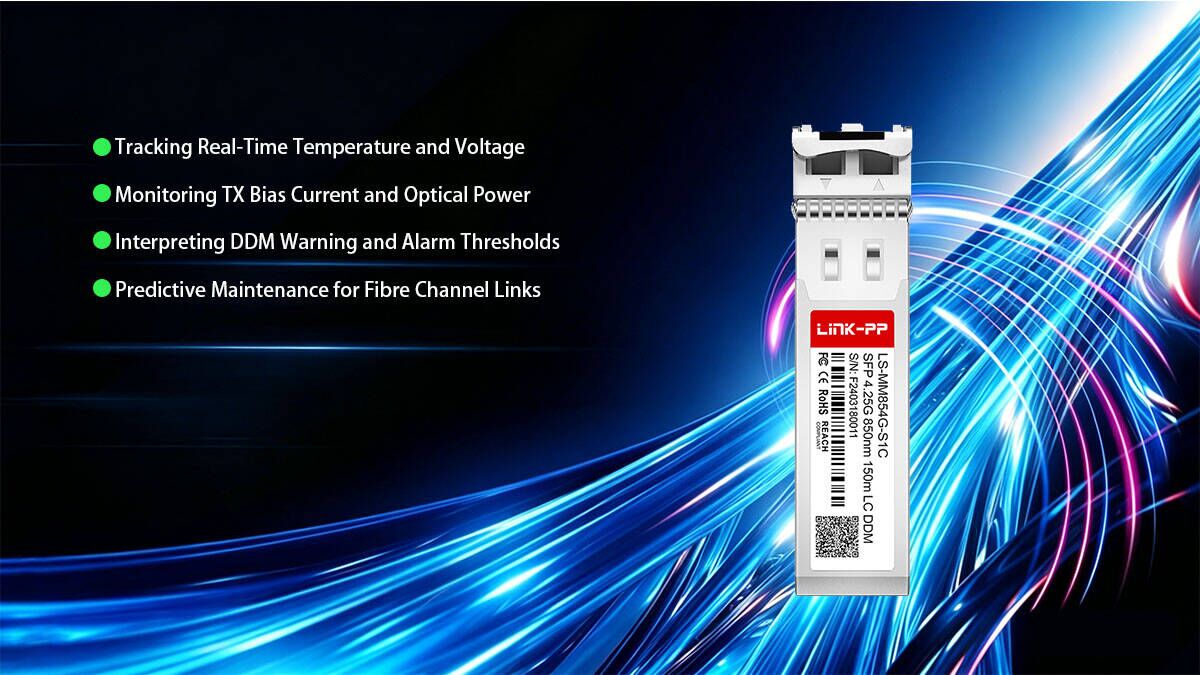
Monitoring the health of AFBR-57R5APZ alternative transceivers is crucial for maintaining optimal performance and preventing network disruptions. The digital diagnostic monitoring (DDM) feature enables real-time monitoring of key parameters such as temperature, voltage, current, and optical power, providing valuable insights into the transceiver’s operating conditions. Effective health monitoring ensures early detection of potential issues, allowing for proactive maintenance and reduced downtime.
Tracking Real-Time Temperature and Voltage
Temperature and supply voltage are the two primary environmental factors that influence the longevity of the AFBR-57R5APZ compatible alternative. The module’s internal sensors continuously track these values to ensure they stay within the standard 0°C to 70°C operating range. Significant temperature spikes often signal a failure in the switch’s cooling system or high-density airflow blockages that could lead to thermal shutdown.
Similarly, monitoring voltage is essential for stable electrical-to-optical conversion. If the supply voltage fluctuates outside of the regulated 3.3V specification, it can cause the internal logic to reset or the laser to flicker. By keeping a close eye on these two metrics, engineers can protect the sensitive VCSEL components from electrical stress and premature aging.
Monitoring TX Bias Current and Optical Power
TX bias current and optical power are the primary indicators of a laser's health and performance. The bias current represents the amount of electricity used to keep the laser active; as a transceiver ages, it typically requires more current to produce the same level of light. By tracking this metric, technical teams can identify when a module is beginning to wear out before it actually fails.
Optical power monitoring measures the strength of the light signals being sent (TX) and received (RX). Consistent TX power ensures the module is transmitting a strong enough signal to reach the other end of the fiber. Meanwhile, monitoring the RX power helps detect external issues, such as contaminated connectors or damaged cables, that might be weakening the signal. Keeping these levels within their specified ranges is essential for preventing data errors and maintaining a stable connection.
Interpreting DDM Warning and Alarm Thresholds
DDM provides more than just raw numbers; it utilizes a tiered system of "Warnings" and "Alarms" based on pre-set thresholds. A Warning indicates that a parameter (like temperature or RX power) is drifting toward the edge of its safe operating limit, suggesting that the link requires attention soon.
An Alarm, however, indicates a critical failure or a state where the signal is likely already compromised. Understanding these thresholds is vital for legacy 4GFC systems, as it allows the switch software to automatically log events or send alerts. This automated oversight ensures that human operators are notified the moment the AFBR-57R5APZ alternative module encounters an environment that threatens data integrity.
Predictive Maintenance for Fibre Channel Links
Predictive maintenance involves using real-time data to replace components just before they fail, rather than waiting for an actual breakdown. By analyzing the data trends provided by the AFBR-57R5APZ alternative, such as a gradual decrease in light levels or a steady increase in operating temperature, administrators can spot early signs of hardware exhaustion. This allows for the identification of a failing link while it is still operational, providing a window of opportunity to address the issue.
Implementing this strategy in a Fibre Channel environment significantly reduces the risk of sudden network outages. Instead of reacting to an emergency disconnect that could disrupt storage access, technical teams can schedule the replacement of aging modules during planned maintenance windows. This approach ensures the storage fabric remains highly available and extends the reliable lifespan of the entire 4G infrastructure.
⏏️ Cost-Benefit Analysis of AFBR-57R5APZ Replacement Strategies
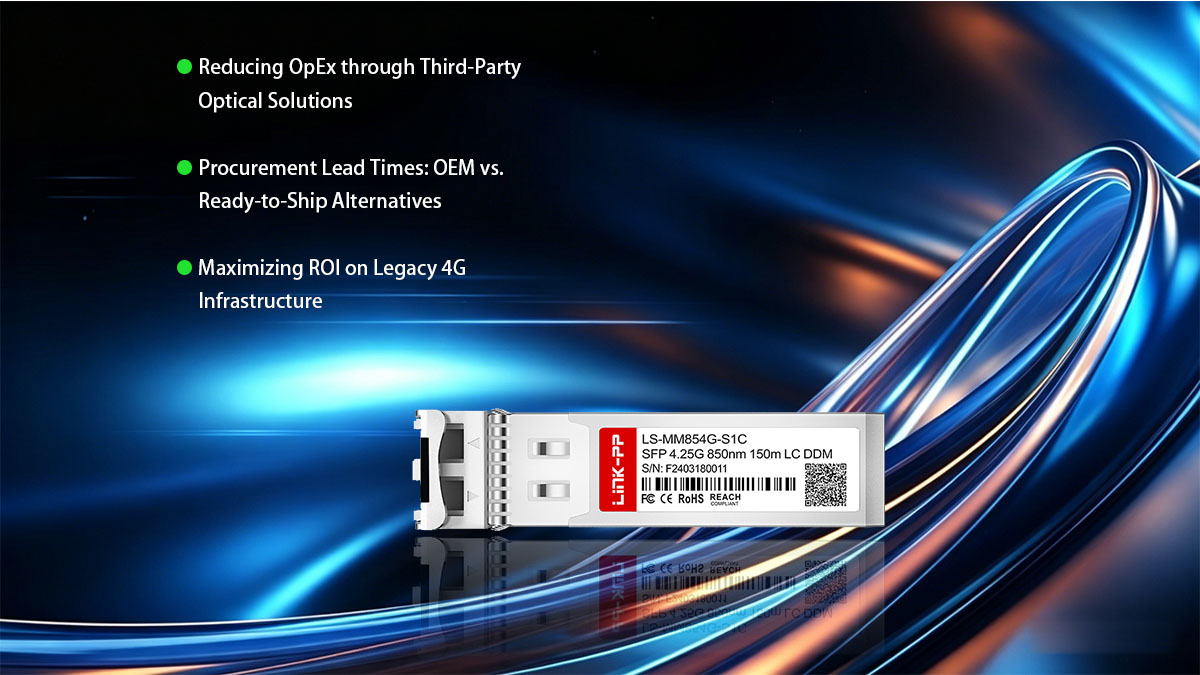
Managing legacy 4G infrastructure requires a careful balance between maintaining high performance and controlling operational costs. A strategic replacement plan for the AFBR-57R5APZ allows organizations to sustain their storage networks without the high price tag associated with older, branded hardware.
Reducing OpEx through Third-Party Optical Solutions
Switching to high-quality third-party AFBR-57R5APZ compatible modules is one of the most effective ways to lower Operating Expenses (OpEx). Because these modules offer the exact same technical performance as the original brand but at a fraction of the cost, IT departments can reallocate significant portions of their budget toward other critical projects. This approach allows you to maintain the same network quality and reliability while drastically reducing the ongoing costs of hardware upkeep.
Procurement Lead Times: OEM vs. Ready-to-Ship Alternatives
When a critical link goes down in a storage network, every hour of downtime is costly. Sourcing original Avago AFBR-57R5APZ modules can often involve long lead times due to limited stock of legacy parts. In contrast, third-party compatible modules are usually kept in high stock and are ready to ship. This speed ensures that you can replace faulty parts quickly and keep your data flowing without waiting weeks for a branded replacement to arrive.
Maximizing ROI on Legacy 4G Infrastructure
The goal of using AFBR-57R5APZ compatible alternatives is to maximize the Return on Investment (ROI) of your existing 4G hardware. By using affordable, reliable replacements, you can extend the useful life of your current switches and storage arrays for several more years. This avoids the massive capital expense of a full system upgrade, allowing you to delay a complete overhaul until it is truly necessary for your business needs.
⏏️ Final Verdict on Choosing an AFBR-57R5APZ Alternative
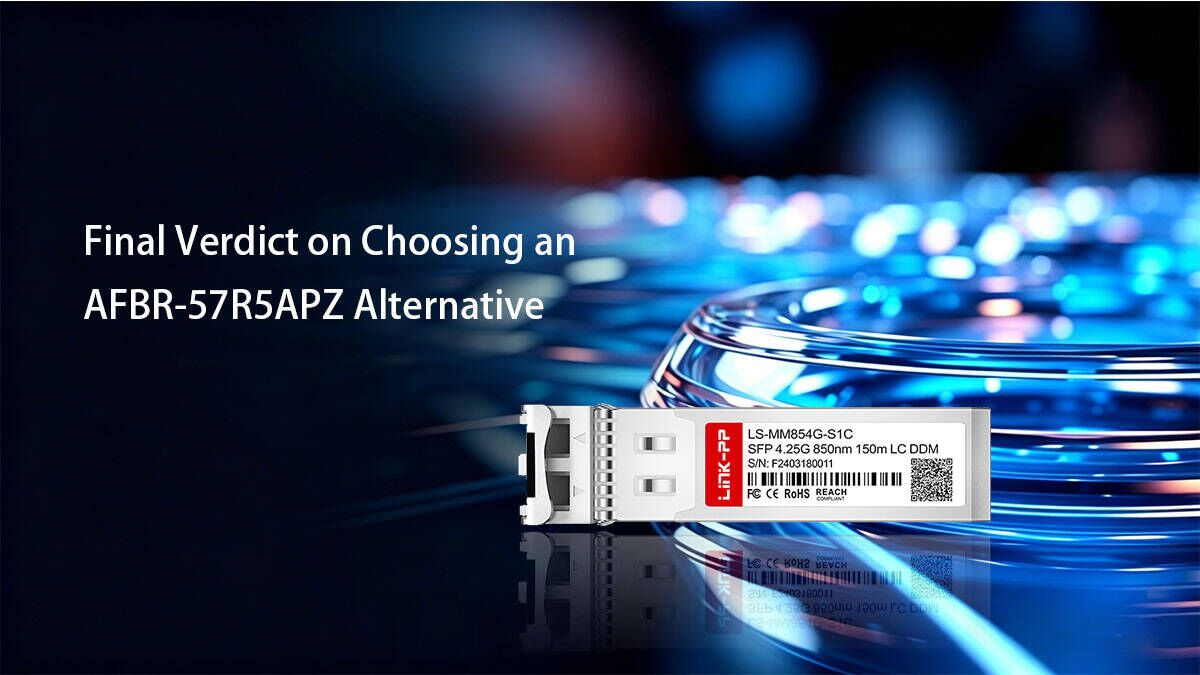
Selecting a high-quality alternative for the AFBR-57R5APZ is the most effective way to sustain legacy 4G Fibre Channel systems without the high costs of OEM hardware. By focusing on MSA compliance, precise EEPROM coding, and robust DDM capabilities, organizations can maintain seamless interoperability and high-speed signal integrity across their storage area networks. A well-chosen replacement ensures that aging infrastructure remains reliable, efficient, and fully compatible with existing host adapters and switches.
For those looking to optimize their network's ROI, high-performance compatible modules offer the perfect balance of durability and value. Explore professional-grade optical solutions and reliable transceivers at the LINK-PP Official Store to ensure your legacy 4GFC links continue to operate at peak performance.