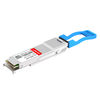
When building or upgrading an industrial Ethernet network, selecting the right optical transceiver is critical for ensuring stable communication, long-distance transmission, and minimal downtime. The Allen-Bradley 1783-SFP1GLX is a widely used fiber module in Rockwell Automation environments, particularly within Stratix switch deployments.
As a 1000BASE-LX SFP module, the 1783-SFP1GLX is designed for single-mode fiber (SMF) applications, supporting transmission distances of up to 10 km over a 1310 nm wavelength. It is commonly used in factory automation, control systems, and plant-wide networks where reliable long-distance connectivity is required and copper cabling is no longer sufficient.
In practice, most users searching for “1783-SFP1GLX” are not just looking for basic specifications. They are trying to answer practical questions such as:
- Is the 1783-SFP1GLX compatible with all Stratix switches?
- What type of fiber and connectors are required?
- Can a third-party 1000LX SFP be used as a replacement?
- What are the risks of using non-OEM transceivers?
These questions reflect real deployment concerns—compatibility, cost, and reliability—rather than simple product definitions.
What You Will Learn in This Guide
This article provides a clear and practical breakdown of the 1783-SFP1GLX, including:
- Key features and technical specifications
- Compatibility with Stratix and other industrial switches
- Fiber type, cabling requirements, and distance considerations
- Common issues and how to avoid them
- Guidance on selecting compatible alternatives
Whether you are designing a new industrial network or evaluating replacement options, this guide will help you understand how the 1783-SFP1GLX fits into your system and how to choose the right solution for your application.
🚩 What Is the Allen-Bradley 1783-SFP1GLX?
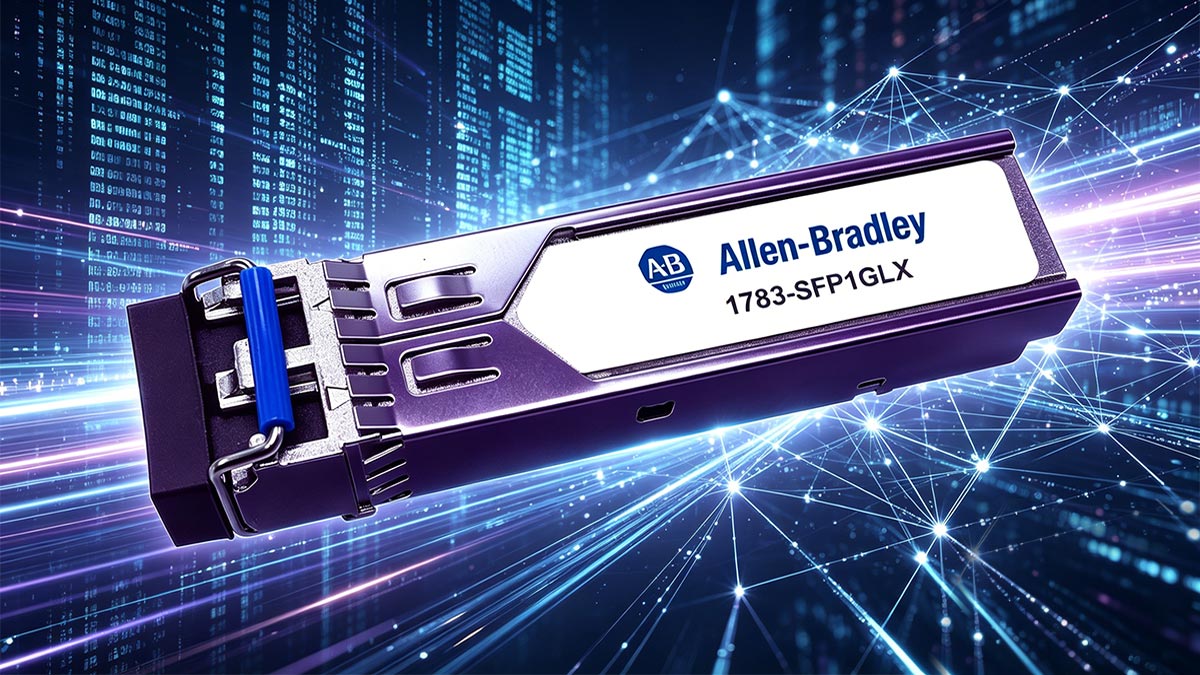
The Allen-Bradley 1783-SFP1GLX is a Gigabit Ethernet optical transceiver designed for use in industrial network equipment, particularly within Rockwell Automation’s Stratix switch family. It follows the SFP (Small Form-Factor Pluggable) standard, meaning it is a hot-swappable module that can be easily inserted into compatible network devices to enable fiber-optic communication.
At its core, the 1783-SFP1GLX converts electrical Ethernet signals from a switch into optical signals that can travel over single-mode fiber (SMF). Using a 1310 nm wavelength, it supports transmission distances of up to 10 kilometers, making it ideal for connecting devices across large industrial sites such as manufacturing plants, warehouses, and campus-style facilities.
Role in Industrial Ethernet Networks
In industrial environments, network reliability and distance are often critical constraints. Copper Ethernet (RJ45) is typically limited to 100 meters, which is not sufficient for many real-world deployments. The 1783-SFP1GLX solves this limitation by enabling:
- Long-distance communication between control rooms and field devices
- Electromagnetic interference (EMI) resistance, which is essential in factory environments
- Secure and stable data transmission for PLCs, HMIs, and industrial controllers
Because of these advantages, fiber SFP modules like the 1783-SFP1GLX are commonly used to build backbone links between switches or to connect remote network segments.
Typical Use Cases
The 1783-SFP1GLX is most often deployed in scenarios where distance, reliability, and industrial-grade performance are required. Common applications include:
- Connecting Stratix switches across different production areas
- Linking control systems and PLC networks over long distances
- Extending network connectivity between buildings in industrial campuses
- Replacing copper links in environments with high electrical noise
In a typical setup, two SFP modules (one on each end) are connected via single-mode fiber with LC duplex connectors, forming a stable Gigabit fiber link between network devices.
Understanding this foundational role is essential before moving into compatibility, fiber selection, and alternative options, which are often the key concerns for engineers and buyers evaluating this module.
🚩 1783-SFP1GLX Key Specifications and Optical Parameters
Understanding the core specifications of the Allen-Bradley 1783-SFP1GLX is essential for selecting the right fiber infrastructure and ensuring stable network performance. This module is designed around the 1000BASE-LX standard, which defines how Gigabit Ethernet operates over long-distance single-mode fiber.
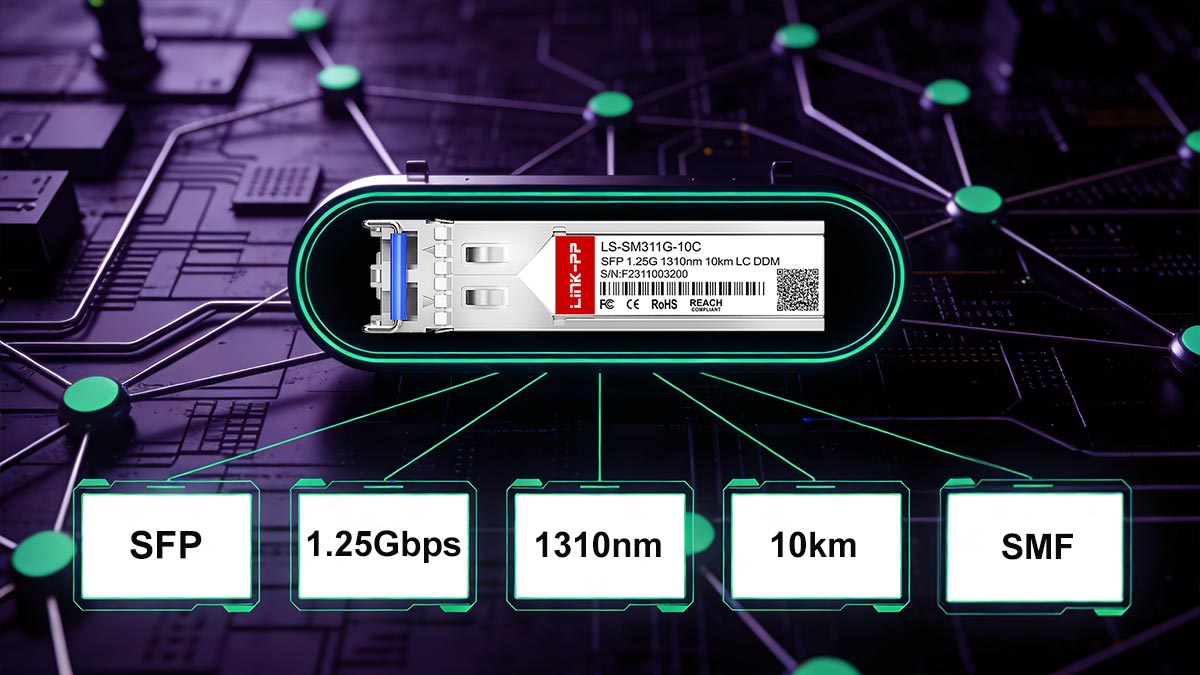
Key Optical Characteristics Explained
- Wavelength (1310 nm):
The module transmits optical signals at 1310 nm, a standard wavelength for single-mode fiber that offers low attenuation and reliable long-distance transmission.
- Transmission Distance (Up to 10 km):
It supports distances up to 10 kilometers over single-mode fiber (SMF), making it suitable for plant-wide or campus-level connections.
- Connector Type (Dual LC):
Uses a duplex LC connector, which enables simultaneous transmit (TX) and receive (RX) over two fiber strands.
- Fiber Type (Single-Mode, G.652):
Optimized for standard G.652 single-mode fiber, commonly used in industrial and telecom environments.
- Data Rate (1 Gbps):
Supports Gigabit Ethernet (1000 Mbps), ensuring high-speed communication between industrial devices.
- Digital Optical Monitoring (DOM):
Built-in diagnostics allow real-time monitoring of parameters like temperature, voltage, and optical power.
- Operating Temperature (Industrial Grade):
Designed for harsh environments, typically supporting ranges down to -40°C and up to 75–85°C, depending on deployment conditions.
These parameters define how the module performs in real-world industrial networks, especially where long-distance stability and environmental resilience are required.
1783-SFP1GLX Specifications Table
| Specification |
Details |
| Product Name |
Allen-Bradley 1783-SFP1GLX |
| Form Factor |
SFP (Small Form-Factor Pluggable) |
| Ethernet Standard |
1000BASE-LX/LH |
| Data Rate |
1 Gbps |
| Wavelength |
1310 nm |
| Fiber Type |
Single-Mode Fiber (SMF, G.652) |
| Max Transmission Distance |
Up to 10 km |
| Connector Type |
Duplex LC |
| Optical Monitoring |
DOM (Digital Optical Monitoring) |
Operating Temperature -40°C to +75°C / +85°C (industrial range) Compatibility Stratix Industrial Ethernet Switches Laser Type FP Laser + PIN Receiver Power Consumption <1 W (typical for LX modules)
Why These Specs Matter in Real Deployments
Each of these specifications directly impacts deployment decisions:
- The 1310 nm wavelength + SMF combination ensures low signal loss over long distances.
- The 10 km range eliminates the need for repeaters in most industrial sites.
- The LC duplex interface standardizes cabling and simplifies installation.
- The wide temperature range ensures stable operation in factories, outdoor cabinets, and harsh environments.
In short, these parameters are not just technical details—they define whether the module will work reliably in your specific industrial scenario.
🚩 1783-SFP1GLX Compatibility with Stratix and Other Switches
The Allen-Bradley 1783-SFP1GLX is specifically designed for Rockwell Automation Stratix industrial Ethernet switches, but its real-world compatibility is one of the most important concerns for engineers and system integrators.
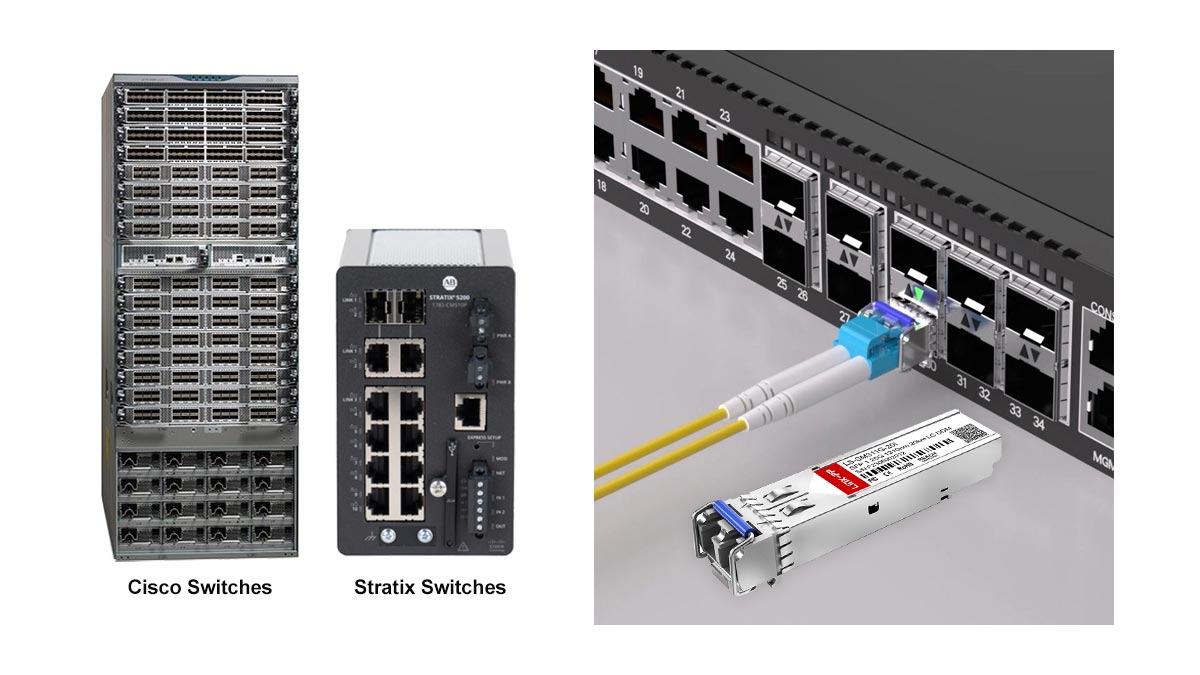
Native Compatibility with Stratix Switches
The 1783-SFP1GLX is officially supported across multiple Stratix switch series, including:
- Stratix 5200
- Stratix 5400
- Stratix 5700
- Stratix 5800
- Stratix 6000 / 8000 / 8300
According to Rockwell documentation, the 1783-SFP1GLX is supported on all major Stratix platforms, making it a standard choice for Gigabit single-mode fiber links in industrial networks.
This broad compatibility is important because Stratix switches are widely used in EtherNet/IP environments, where consistent module support ensures stable communication between PLCs, HMIs, drives, and I/O systems.
Compatibility with Other Network Equipment
Although the 1783-SFP1GLX follows the MSA (Multi-Source Agreement) SFP standard, compatibility outside Rockwell environments is not always guaranteed.
- In theory, it can work with MSA-compliant switches
- In practice, many enterprise or industrial switches (especially Cisco-based systems) may enforce vendor coding restrictions
- Some devices may display warnings such as “unsupported transceiver” or disable functionality
Third-party compatible modules are often pre-coded to match OEM requirements, allowing them to function across different platforms while maintaining interoperability.
Real-World Compatibility Concerns
Across industrial forums and Reddit discussions, compatibility questions tend to focus on cost vs. reliability trade-offs rather than basic functionality.
For example, in one highly engaged thread:
“I know everyone… is not using the Cisco rebranded Rockwell OEM SFPs for $500 a piece…”
This highlights a common situation:
- OEM modules like 1783-SFP1GLX are expensive but fully supported
- Third-party modules are cheaper but may introduce risks
Other recurring concerns include:
- Whether third-party SFPs will trigger alarms or warnings
- If they will work with DLR (Device Level Ring) topology
- Potential impact on technical support and warranty
- Inconsistent behavior across firmware versions or switch models
Typical Deployment Scenarios
In real industrial networks, the 1783-SFP1GLX is most commonly used in:
- Switch-to-switch fiber uplinks (e.g., between Stratix 5200 and 5700)
- Long-distance backbone connections across production areas
- Redundant ring topologies (DLR) for high availability
- Plant-to-plant or building-to-building links
Because Stratix switches are based on Cisco technology, they combine industrial ruggedness with enterprise networking features, making compatibility both powerful—and sometimes restrictive.
Key Takeaways on Compatibility
- Fully supported across all major Stratix switch families
- Designed for industrial EtherNet/IP environments
- May work with third-party or MSA-compliant devices—but not always guaranteed
- OEM modules provide maximum reliability and support assurance
- Third-party options require careful validation before deployment
Understanding these compatibility boundaries is essential before selecting or replacing a 1783-SFP1GLX—especially in mission-critical industrial networks where downtime is not acceptable.
🚩 What Fiber Type and Cabling Does 1783-SFP1GLX Require?
Selecting the correct fiber and cabling is essential for getting reliable performance from the Allen-Bradley 1783-SFP1GLX. This module is designed specifically for single-mode fiber (SMF), and using the wrong cable type is one of the most common causes of link failure in real deployments.
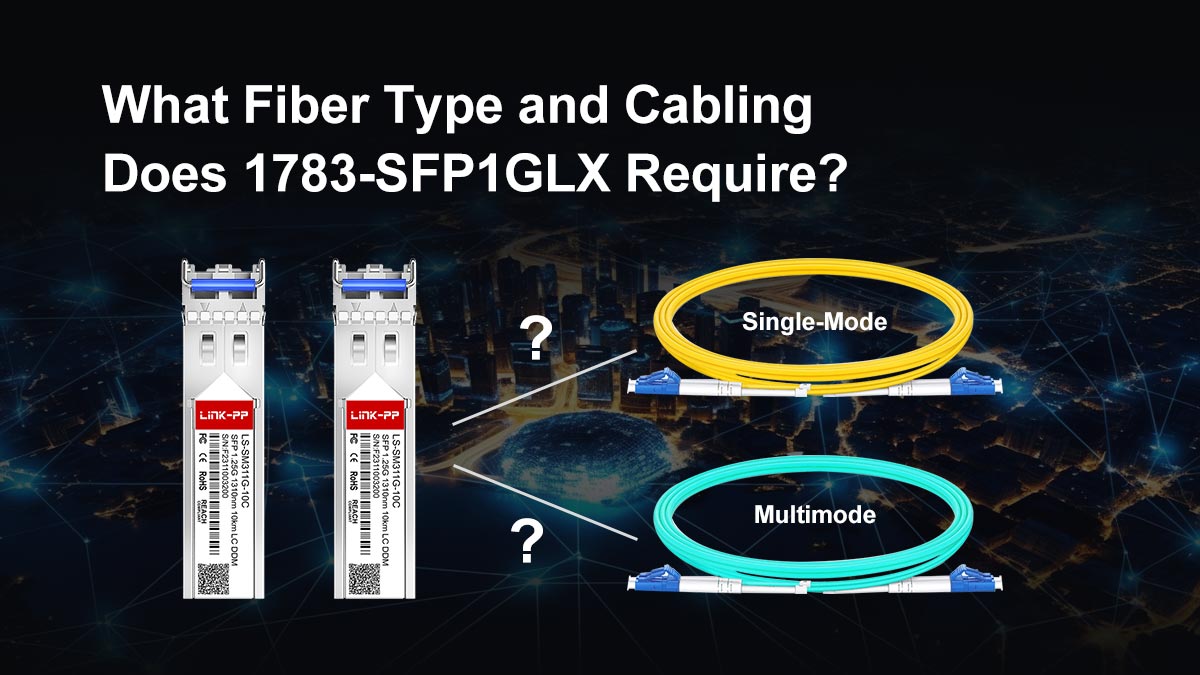
Single-Mode vs. Multimode: What You Need to Know
- Single-Mode Fiber (SMF) — Required
The 1783-SFP1GLX operates at 1310 nm and is optimized for G.652 single-mode fiber, which supports long-distance transmission with minimal signal loss. This is the correct and recommended fiber type.
- Multimode Fiber (MMF) — Not Recommended
While some 1000BASE-LX modules can technically run over multimode fiber using mode conditioning patch cords, this setup is not ideal for industrial environments. It can introduce signal distortion and reduce reliability, especially over longer distances.
In practice, always use single-mode fiber to ensure stable performance and avoid unnecessary troubleshooting.
Connector Type: LC Duplex
The 1783-SFP1GLX uses a duplex LC connector, which means:
- Two fiber strands are required:
- TX (Transmit)
- RX (Receive)
- The connection must be properly paired (TX ↔ RX) between devices
- LC connectors are compact, widely available, and standard in SFP-based networks
Incorrect polarity (TX/RX swapped) is a simple but very common installation issue that can prevent the link from coming up.
Distance and Link Budget Considerations
Maximum Distance: Up to 10 km over single-mode fiber.
Typical Use Cases:
- Factory-to-factory connections
- Long-distance runs across large industrial plants
- Building-to-building links
Although 10 km is the rated maximum, actual performance depends on:
- Fiber quality and attenuation
- Number of connectors and splices
- Cleanliness of fiber end faces
- Overall link loss (optical budget)
For best results, keep total link loss within the module’s supported optical budget and avoid unnecessary patch points.
Practical Installation Considerations
To ensure reliable operation in industrial environments, follow these best practices:
- Use high-quality SMF (G.652 or better) to minimize attenuation
- Keep connectors clean—dust and contamination are a leading cause of signal loss
- Avoid tight bends in fiber cables to prevent micro-bending losses
- Verify polarity (TX/RX) before troubleshooting deeper issues
- Label fiber runs clearly in complex installations to avoid confusion
- Match both ends of the link (same type of SFP module on each side)
Quick Summary
- Fiber type: Single-mode (SMF, G.652)
- Connector: Duplex LC
- Wavelength: 1310 nm
- Distance: Up to 10 km
- Not recommended: Multimode fiber without proper conditioning
Using the correct fiber and cabling is the foundation of a stable network. Many “compatibility” or “hardware” issues reported in the field are actually caused by incorrect fiber selection or installation mistakes—making this step critical for success.
🚩 Common Problems, Troubleshooting, and Best Practices
Even though the Allen-Bradley 1783-SFP1GLX is designed for reliable industrial use, real-world deployments can still run into issues. Most problems are not caused by hardware defects, but by compatibility mismatches, fiber issues, or installation errors.
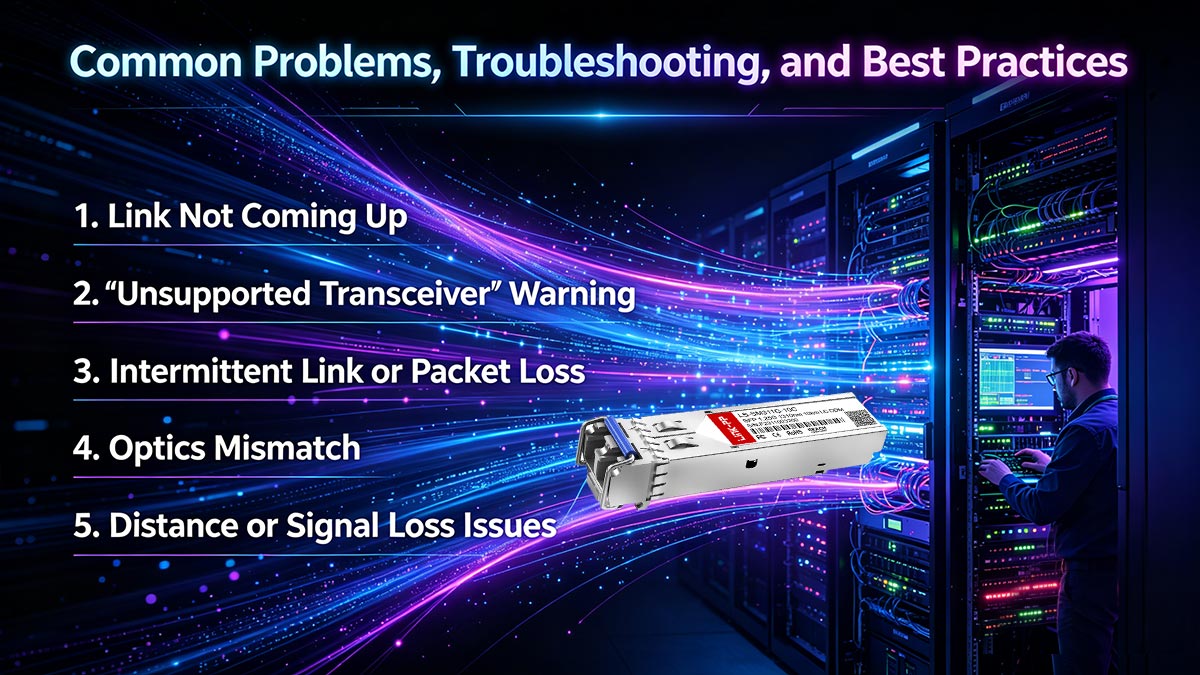
Below are the most common problems engineers encounter—and how to fix them quickly.
1. Link Not Coming Up (No Light / No Signal)
Typical causes:
- TX/RX fibers are reversed
- Wrong fiber type (MMF instead of SMF)
- Dirty or damaged connectors
- One side is not using a compatible 1000BASE-LX module
How to fix:
- Swap the fiber strands (check polarity: TX ↔ RX)
- Confirm both ends are using single-mode fiber
- Clean LC connectors with proper fiber cleaning tools
- Ensure both sides use matching Gigabit LX optics
This is the most common issue, and usually resolved within minutes once polarity and fiber type are verified.
2. “Unsupported Transceiver” Warning
Typical causes:
- Using a third-party or non-OEM SFP module
- Switch firmware enforcing vendor restrictions
- Incorrect EEPROM coding in the SFP
How to fix:
- Use the official 1783-SFP1GLX for full compatibility
- If using third-party modules, choose properly coded versions for Stratix
- Check switch configuration (some platforms allow unsupported modules, others don’t)
Even if the link works, unsupported modules may:
- Trigger alarms
- Be blocked after firmware updates
- Affect vendor technical support
3. Intermittent Link or Packet Loss
Typical causes:
- Poor fiber quality or excessive attenuation
- Loose or contaminated connectors
- Long-distance links near the maximum (10 km) limit
- Environmental factors (vibration, temperature fluctuations)
How to fix:
- Test fiber with an optical power meter or OTDR
- Re-seat and clean all LC connectors
- Reduce link loss (fewer patch panels, better cables)
- Ensure installation meets industrial environmental standards
4. Optics Mismatch (LX vs. SX or Different Wavelengths)
Typical causes:
- One side uses 1000BASE-LX (1310 nm) and the other uses 1000BASE-SX (850 nm)
- Mixing single-mode and multimode optics
- Using BiDi optics on one side and duplex on the other
How to fix:
- Ensure both ends use the same standard (1000BASE-LX)
- Match wavelength and fiber type
- Avoid mixing different optical technologies in the same link
Optical mismatch is a silent failure—no link will establish even though everything “looks correct.”
5. Distance or Signal Loss Issues
Typical causes:
- Exceeding the 10 km limit
- Too many connectors, splices, or patch panels
- Low-quality or aging fiber infrastructure
How to fix:
- Calculate total link loss and compare with SFP optical budget
- Minimize connection points
- Upgrade to higher-quality fiber if needed
- Consider alternative optics for longer distances
Best Practices for Reliable Deployment
To avoid most of the issues above, follow these proven practices:
- Always use single-mode fiber (G.652) for LX modules
- Match SFP type on both ends (LX ↔ LX)
- Keep connectors clean and properly seated
- Validate compatibility before using third-party optics
- Label and document fiber connections clearly
- Test links during installation—not after failures occur
Most problems with the 1783-SFP1GLX are not complex—they come down to fiber selection, compatibility, or installation details. A systematic approach to troubleshooting can quickly isolate the issue and restore stable network performance.
🚩 FAQ About Allen-Bradley 1783-SFP1GLX
Below are concise answers to the most common questions engineers and buyers ask about the Allen-Bradley 1783-SFP1GLX. These address real deployment concerns, compatibility doubts, and purchasing decisions.

Q1. What is the 1783-SFP1GLX used for?
The 1783-SFP1GLX is used to enable Gigabit fiber connections in industrial Ethernet networks. It converts electrical signals from a switch into optical signals for transmission over single-mode fiber, typically for long-distance links between switches, control systems, or buildings.
Q2. Is 1783-SFP1GLX single-mode or multimode?
It is a single-mode fiber (SMF) SFP module. It operates at 1310 nm and is designed for G.652 fiber, supporting distances up to 10 km.
Q3. What is the maximum distance of 1783-SFP1GLX?
The maximum supported distance is up to 10 kilometers over single-mode fiber, depending on link quality and total optical loss.
Q4. What connector does 1783-SFP1GLX use?
It uses a duplex LC connector, which requires two fiber strands:
- One for transmit (TX)
- One for receive (RX)
Q5. Is 1783-SFP1GLX compatible with all Stratix switches?
Yes, it is officially supported across most Stratix switch models, including 5200, 5400, 5700, and 5800 series. It is designed specifically for Rockwell Automation industrial Ethernet environments.
Q6. Can I use a third-party SFP instead of 1783-SFP1GLX?
Yes, but with caution. Some third-party SFP modules may work if they are properly coded for compatibility, but risks include:
- “Unsupported transceiver” warnings
- Potential firmware restrictions
- Loss of official vendor support
For critical systems, OEM modules are generally the safest choice.
Q7. What happens if I use multimode fiber with this module?
Using multimode fiber is not recommended. It may cause signal instability, reduced distance, or complete link failure unless special mode conditioning cables are used—which are uncommon in industrial setups.
Q8. Do both ends need the same SFP module?
Yes. Both ends of the fiber link should use matching optical standards, typically 1000BASE-LX to 1000BASE-LX, to ensure proper communication.
Q9. Why is my fiber link not working?
Common causes include:
- TX/RX fiber reversed
- Wrong fiber type (MMF instead of SMF)
- Dirty connectors
- Mismatched SFP modules
Checking these factors usually resolves the issue quickly.
Q10. Is 1783-SFP1GLX suitable for industrial environments?
Yes. It is designed for industrial use, with support for wide temperature ranges and stable operation in environments with electrical noise, vibration, and harsh conditions.
🚩 How to Choose a Compatible Replacement or Alternative SFP
Choosing a replacement for the Allen-Bradley 1783-SFP1GLX is not just about matching specifications—it’s about balancing cost, compatibility, and long-term reliability in your industrial network.
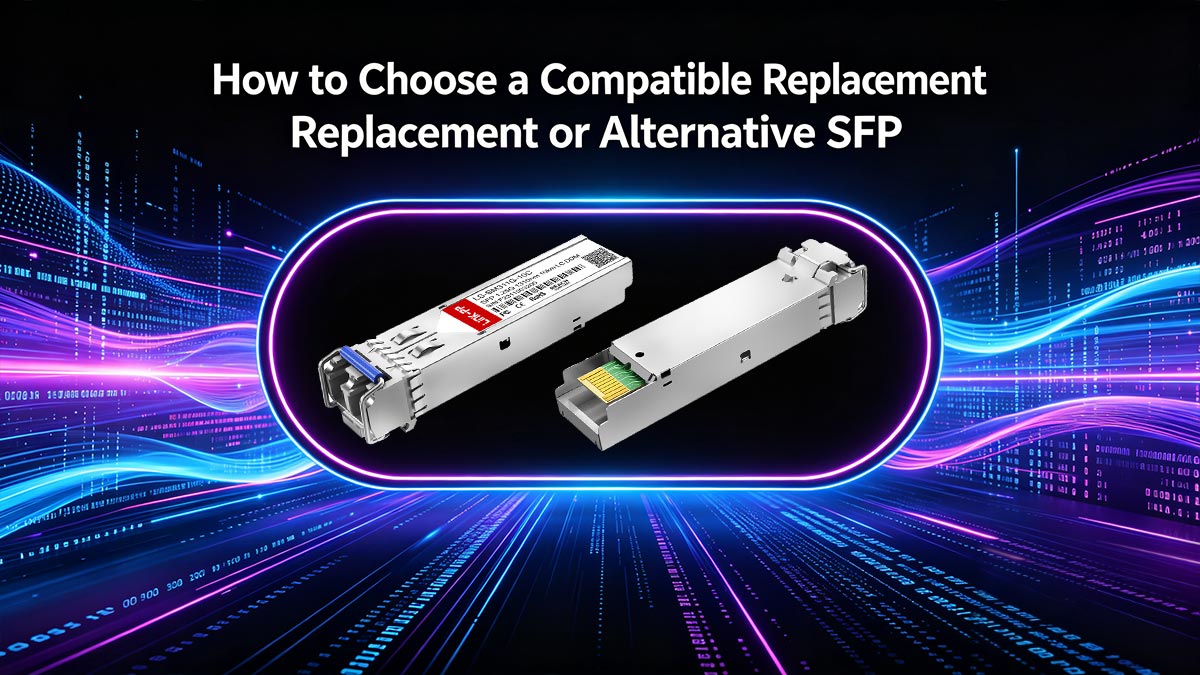
For many buyers, this is the most critical step: deciding whether to stay with the OEM module or switch to a third-party alternative.
OEM vs. Non-OEM SFP: What’s the Real Difference?
OEM (Original Module – 1783-SFP1GLX):
- Fully tested and certified for Stratix switches
- Guaranteed compatibility with firmware and features
- Supported by Rockwell Automation
- Higher cost
Third-Party Compatible SFP:
- Lower cost (often significantly cheaper)
- Can be coded for Stratix compatibility
- Widely available from optical vendors
- May carry risks if not properly validated
In short:
- OEM = maximum reliability, minimum risk
- Third-party = cost savings, but requires careful selection
Key Factors When Choosing an Alternative
If you are considering a compatible replacement, make sure it matches the following critical parameters:
- Standard: 1000BASE-LX / 1000BASE-LX/LH
- Wavelength: 1310 nm
- Fiber Type: Single-mode (SMF, G.652)
- Connector: Duplex LC
- Distance: Up to 10 km
- Industrial Temperature Range: Preferably -40°C to +85°C
Missing any of these can lead to link failure or unstable performance.
Compatibility Risks to Watch For
When using non-OEM SFP modules, be aware of the most common risks:
- Unsupported transceiver warnings on Stratix switches
- Firmware updates blocking third-party optics
- Inconsistent performance across different devices
- Limited or no vendor technical support
These risks don’t always appear immediately—they can surface later during upgrades or maintenance.
When Is a Third-Party SFP a Good Choice?
A compatible SFP can be a practical option when:
- You are working within a budget-sensitive project
- The network is non-critical or has redundancy
- The module has been tested and verified in your environment
- The supplier provides proper coding and quality assurance
In many real-world deployments, properly selected third-party modules perform reliably—but only when chosen carefully.
Best Practice for Safe Deployment
To minimize risk when using alternatives:
- Always test modules before full deployment
- Use the same module type on both ends
- Source from reputable manufacturers with compatibility support
- Keep a small stock of OEM modules for critical links
- Document firmware versions and compatibility behavior
Final Recommendation
If your network is mission-critical, the safest option is to stay with the original 1783-SFP1GLX. If you are optimizing cost and have validation procedures in place, a well-matched compatible SFP can deliver similar performance.
For users looking for reliable, tested alternatives, you can explore options through the LINK-PP Official Store, where compatible 1000BASE-LX SFP modules are designed to match industrial requirements while offering a more cost-effective solution.
By understanding both the technical requirements and the real-world risks, you can confidently choose the right SFP—whether OEM or alternative—for your industrial network.