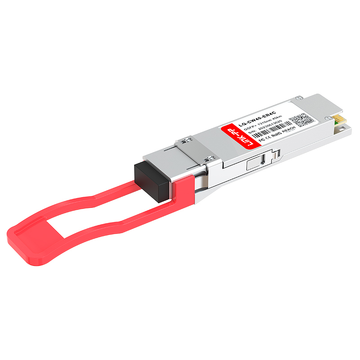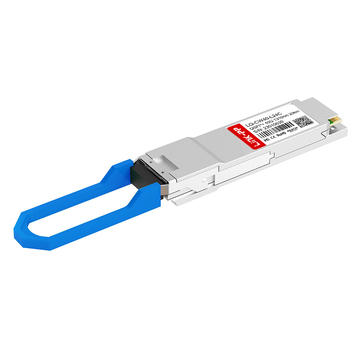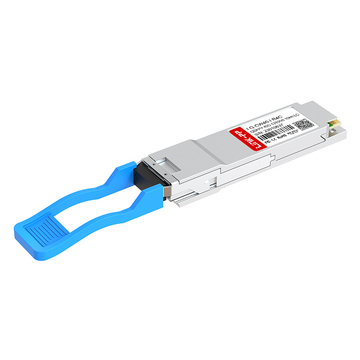
The rapid growth of cloud computing, enterprise data centers, and high-performance networks continues to drive demand for reliable 40G Ethernet connectivity solutions. As a widely deployed 40G optical transceiver, the Cisco QSFP-40G-LR4-S provides long-distance data transmission over single-mode fiber and remains an important option for organizations maintaining Cisco-based network infrastructure.
However, the Cisco QSFP-40G-LR4-S price can vary significantly depending on factors such as module source, compatibility level, product condition, technical specifications, and market availability. Understanding these pricing differences is essential for evaluating the overall value of a 40G optical deployment.
This article provides a detailed analysis of the factors influencing Cisco QSFP-40G-LR4-S price and explains how to evaluate different options effectively, including:
- Key specifications that affect module pricing and market value
- Differences between OEM and compatible Cisco QSFP-40G-LR4-S solutions
- Cost evaluation considerations for enterprise and data center deployments
By understanding these factors, network professionals can make more informed decisions when planning 40G infrastructure upgrades, replacements, and long-term connectivity strategies.
✅ Understanding Cisco QSFP-40G-LR4-S and Its Market Position
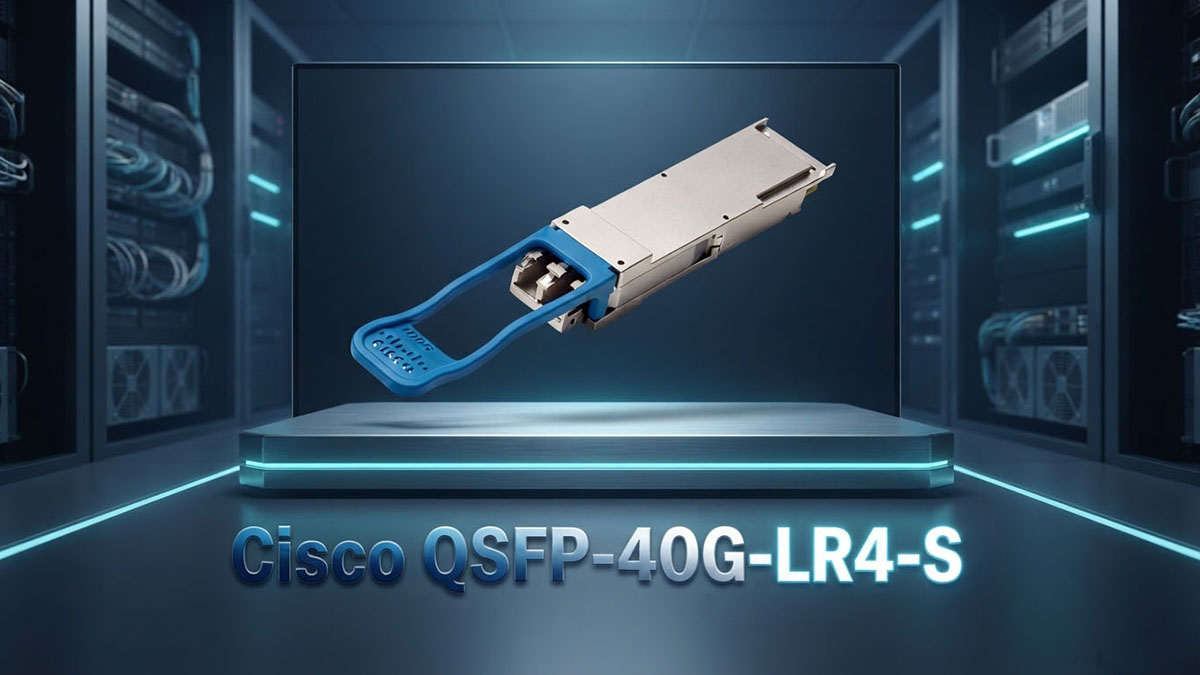
Cisco QSFP-40G-LR4-S remains a significant 40G optical transceiver solution because it combines long-distance transmission capability with compatibility across Cisco networking platforms. Designed for 40GBASE-LR4 Ethernet applications, this QSFP+ module supports transmission distances of up to 10km over standard G.652 single-mode fiber and uses four wavelength channels to deliver high-bandwidth connectivity through a duplex LC interface. Understanding its technical role and market position provides the foundation for evaluating Cisco QSFP-40G-LR4-S price differences across various supply channels.
Cisco QSFP-40G-LR4-S Overview and Core Specifications
Cisco QSFP-40G-LR4-S is a 40GBASE-LR4 QSFP+ optical module designed for extended-reach Ethernet connections where stable performance and fiber efficiency are required. Its specifications directly influence its application value and are also important factors affecting its market pricing.
The key characteristics of Cisco QSFP-40G-LR4-S include:
- Supports 40Gbps Ethernet transmission for high-bandwidth network links
- Uses QSFP+ form factor for high-density switch and router deployments
- Operates across four CWDM wavelength channels within the 1310nm band
- Supports up to 10km transmission distance over single-mode fiber (SMF)
- Uses duplex LC connectors for standard fiber infrastructure compatibility
- Designed specifically for Cisco networking environments
- Supports digital optical monitoring (DOM) features for operational visibility
The four-channel wavelength architecture allows Cisco QSFP-40G-LR4-S to transmit a 40G Ethernet signal over two single-mode fiber strands instead of requiring parallel fiber cabling. This design makes it suitable for backbone links, inter-switch connections, and data center interconnect applications where existing duplex SMF infrastructure is preferred.
Because the module integrates multiple optical components, wavelength management technology, and Cisco-specific compatibility features, its price is typically influenced by more than just transmission speed. Factors such as manufacturing source, coding configuration, testing standards, and availability all contribute to its final market value.
Why Cisco QSFP-40G-LR4-S Remains Relevant in Enterprise Networks
Cisco QSFP-40G-LR4-S continues to maintain market demand because many enterprise and service provider networks still operate 40G infrastructure that requires reliable optical connectivity solutions. Although newer networks are increasingly adopting 100G and higher-speed technologies, existing Cisco 40G deployments create ongoing demand for compatible QSFP+ modules.
The continued relevance of Cisco QSFP-40G-LR4-S is mainly driven by several deployment requirements:
- Existing 40G network infrastructure
Many organizations continue operating Cisco switches, routers, and aggregation systems built around 40G Ethernet connectivity, making compatible QSFP+ modules necessary for expansion and maintenance. - Long-distance fiber connectivity needs
The 10km reach capability over single-mode fiber enables connections between equipment rooms, data centers, and campus network locations without requiring fiber infrastructure replacement. - Cost control during network upgrades
Organizations upgrading network capacity often prefer extending the lifecycle of existing 40G platforms rather than immediately replacing all hardware with higher-speed systems. - High-density network design requirements
The QSFP+ form factor allows network operators to achieve high port density while maintaining long-distance optical connectivity.
As a result, Cisco QSFP-40G-LR4-S occupies an important position between legacy 10G solutions and newer 100G/400G deployments. Its combination of mature technology, broad Cisco platform support, and practical transmission capability keeps it relevant in replacement, expansion, and hybrid network environments. Understanding this market position is also essential when analyzing Cisco QSFP-40G-LR4-S price, as supply availability and lifecycle demand directly influence pricing trends.
✅ Cisco QSFP-40G-LR4-S Price Range and Main Cost Influencing Factors
Cisco QSFP-40G-LR4-S price is mainly determined by the module source, compatibility level, product condition, supply availability, and included service support. Although this 40GBASE-LR4 QSFP+ transceiver has standardized technical specifications, different market channels may offer significantly different pricing because the module value is affected by brand certification, testing procedures, inventory status, and lifecycle factors.
For organizations evaluating Cisco QSFP-40G-LR4-S deployment costs, focusing only on the listed price can lead to an incomplete assessment. A more accurate evaluation requires understanding why different versions of the same optical module have different price levels and how these differences relate to long-term network reliability.
Key Factors That Determine Cisco QSFP-40G-LR4-S Price
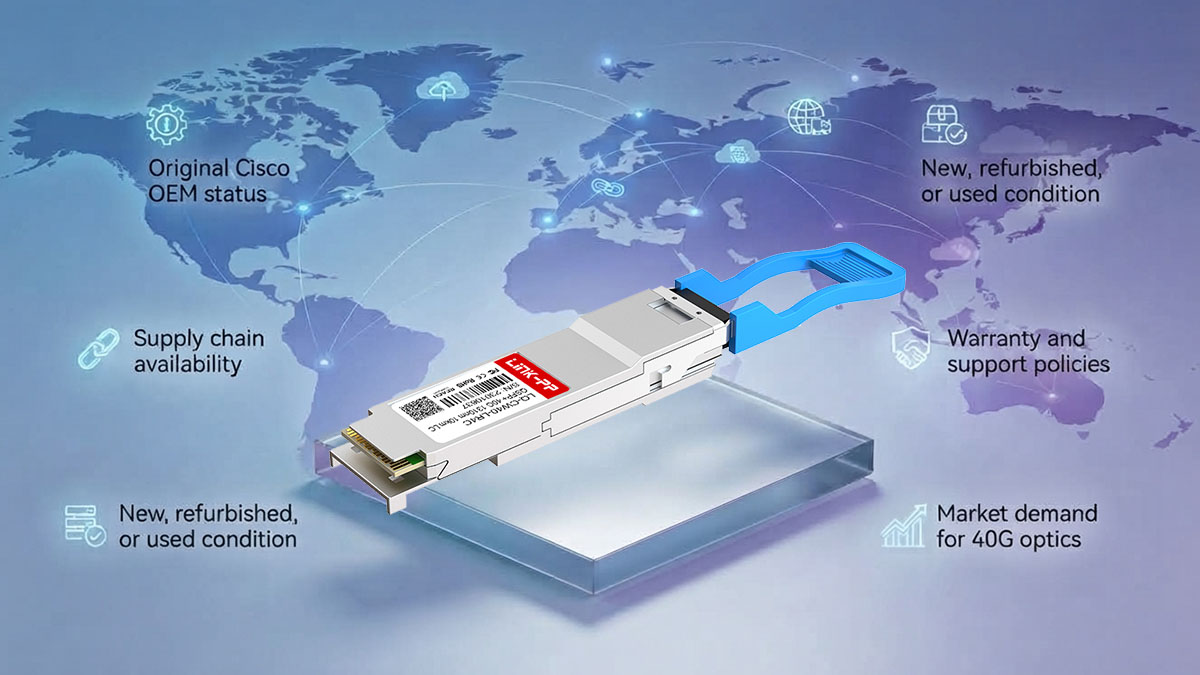
Cisco QSFP-40G-LR4-S pricing varies because multiple technical and commercial factors influence the final market value. The most important factors include module authenticity, compatibility configuration, manufacturing condition, and supply chain availability.
The major elements affecting Cisco QSFP-40G-LR4-S price include:
- Original Cisco OEM status
Cisco-branded modules generally have higher pricing because they are supplied with Cisco-specific coding, official part identification, and brand-based support options. The premium reflects vendor validation, testing processes, and integration assurance within Cisco networking environments. - Compatible module availability
Cisco-compatible QSFP-40G-LR4-S modules are designed to provide the same optical specifications while using alternative supply channels. These solutions often have different pricing structures because they focus on compatibility programming, optical testing, and cost-efficient manufacturing models. - Product condition and lifecycle status
New, refurbished, and used modules usually have different price levels. Remanufactured or previously deployed modules may reduce initial costs but require additional consideration regarding testing standards, warranty coverage, and operational reliability. - Market supply and demand conditions
Since 40G technology has entered a mature deployment stage, pricing can be influenced by inventory availability, remaining demand from existing Cisco installations, and the transition pace toward higher-speed Ethernet networks.
These factors explain why Cisco QSFP-40G-LR4-S price cannot be determined only by the optical specifications. The same 40GBASE-LR4 capability may have different market values depending on where and how the module is sourced.
Comparison of Different Cisco QSFP-40G-LR4-S Pricing Categories
The price difference between Cisco QSFP-40G-LR4-S options is closely related to module category and service expectations. The following comparison highlights how different product types typically differ in cost structure and deployment considerations.
| Pricing Category | Main Characteristics | Cost Impact |
|---|---|---|
| Cisco OEM Module | Original Cisco-coded transceiver with vendor-specific identification and support ecosystem | Higher price due to brand certification and official support |
| Cisco Compatible Module | Third-party manufactured module programmed for Cisco platforms | Lower cost through alternative supply and manufacturing models |
| Refurbished Module | Previously used hardware that has been tested and restored | Reduced cost but depends on testing quality and warranty terms |
| Used Module | Previously deployed equipment with limited service assurance | Lowest initial cost but may introduce higher operational uncertainty |
The comparison shows that price differences are not only related to hardware production costs but also reflect compatibility assurance, testing procedures, and support expectations. For example, Cisco-compatible QSFP-40G-LR4-S products commonly emphasize platform compatibility testing and optical performance validation as alternatives to higher-priced OEM options.
✅ Technical Specifications Affecting Cisco QSFP-40G-LR4-S Value
The technical specifications of Cisco QSFP-40G-LR4-S directly influence its market value because optical performance, transmission capability, and platform compatibility determine its practical deployment range. Although different suppliers may provide modules with similar 40GBASE-LR4 functions, differences in optical components, testing standards, and compatibility configuration can affect reliability and overall cost evaluation. Cisco QSFP-40G-LR4-S supports 40Gbps Ethernet transmission over up to 10km of G.652 single-mode fiber and uses four wavelength channels within the 1310nm band, making its technical characteristics an important reference when assessing pricing differences.
Optical Performance Parameters and Their Cost Relationship
The optical specifications of Cisco QSFP-40G-LR4-S are among the most important factors affecting its value because they determine whether the module can meet long-distance network requirements. Higher-quality optical components and stricter performance testing generally increase manufacturing complexity, which can influence the final market price.
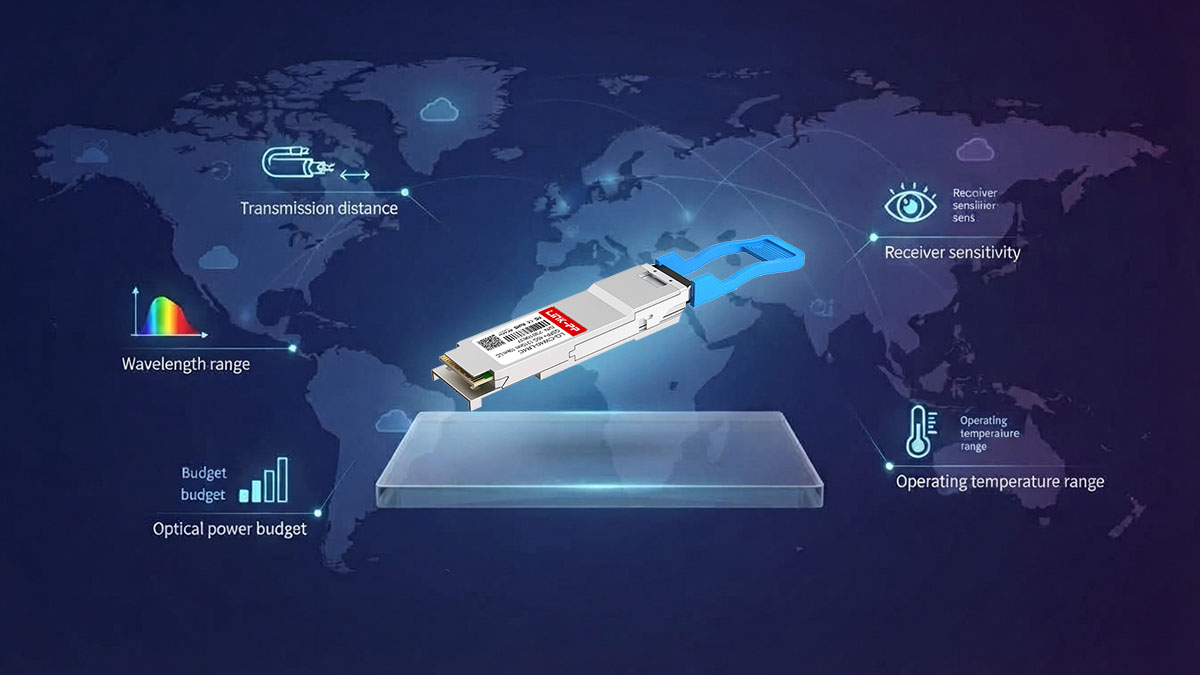
The main optical parameters that affect Cisco QSFP-40G-LR4-S value include:
- Transmission distance capability
Cisco QSFP-40G-LR4-S supports transmission distances of up to 10km over standard G.652 single-mode fiber, making it suitable for data center interconnects, campus backbone links, and metropolitan network connections. The ability to maintain 40G transmission over longer fiber distances increases its application value compared with short-reach optical modules. - Operating wavelength architecture
The module operates in the 1310nm wavelength region and carries the 40G Ethernet signal through four optical lanes. The four-channel CWDM-based design integrates wavelength multiplexing and demultiplexing functions inside the transceiver, allowing high-speed transmission through duplex single-mode fiber infrastructure. - Optical power budget
The available optical power budget determines the maximum supported link loss between connected devices. Modules with stable transmitter output, sensitive receivers, and reliable optical performance testing can provide better deployment confidence in real-world environments. - Receiver sensitivity and signal stability
Receiver sensitivity affects the module's ability to maintain error-free communication under different fiber conditions. Stable optical performance reduces potential troubleshooting requirements and helps protect network availability.
These optical specifications explain why two modules with identical transmission speeds may have different market values. A module designed with consistent optical performance, validated components, and reliable testing procedures typically provides stronger long-term deployment value.
Interface Compatibility and Cisco Platform Support
Cisco QSFP-40G-LR4-S compatibility features also influence its value because successful deployment depends on whether the optical module can be correctly recognized and operated within Cisco networking environments. A module that meets optical specifications but lacks proper platform compatibility may create additional configuration challenges or operational risks.
Important compatibility-related factors include:
- Cisco platform recognition
Cisco QSFP-40G-LR4-S is designed for Cisco switches and routers supporting 40GBASE-LR4 connectivity. Proper coding configuration allows the module to be identified correctly by compatible Cisco equipment. - Digital Diagnostic Monitoring (DOM) support
DOM functions provide visibility into operating parameters such as temperature, voltage, and optical power levels. This capability helps network administrators monitor module health and identify potential issues before failures occur. - EEPROM coding and firmware compatibility
Optical modules contain internal identification information stored in EEPROM. Correct programming ensures that the module communicates properly with the host device and avoids compatibility warnings or operational limitations. - Network standard compliance
Compliance with 40GBASE-LR4 specifications helps ensure interoperability with supported optical infrastructure and simplifies deployment across enterprise networks.
Compatibility factors often create noticeable differences between OEM and compatible Cisco QSFP-40G-LR4-S solutions. While both may provide the same transmission distance and optical characteristics, differences in coding methods, testing processes, and support services can influence the overall value assessment.
✅ Cisco QSFP-40G-LR4-S Price Comparison: OEM vs Compatible Solutions
Cisco QSFP-40G-LR4-S price differences are largely influenced by whether the module is an original Cisco OEM product or a Cisco-compatible alternative. Both solutions are designed to support 40GBASE-LR4 connectivity over single-mode fiber, but they differ in manufacturing source, coding configuration, service coverage, and overall cost structure. Cisco specifies the QSFP-40G-LR4-S as a 40GBASE-LR4 QSFP module supporting up to 10km transmission over G.652 single-mode fiber with duplex LC connectors, which establishes the technical foundation shared by OEM and compatible versions.
For organizations managing 40G network infrastructure, comparing OEM and compatible Cisco QSFP-40G-LR4-S options is essential because the lowest initial price does not always represent the best long-term value. A complete evaluation should consider technical reliability, platform compatibility, warranty support, and deployment requirements.
Differences Between Cisco Original and Compatible QSFP-40G-LR4-S Modules
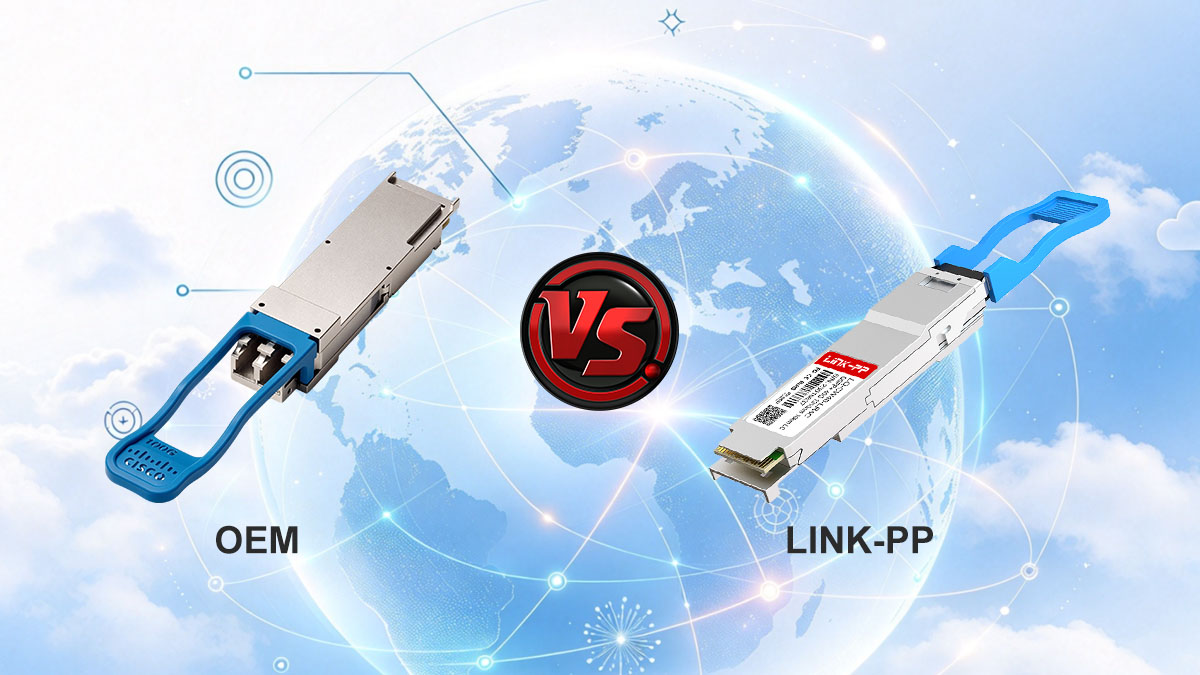
Cisco OEM and compatible QSFP-40G-LR4-S modules share the same core optical objective: delivering reliable 40Gbps Ethernet transmission across long-distance single-mode fiber links. However, differences in production processes and supply models create noticeable variations in pricing and deployment considerations.
The main differences between OEM and compatible Cisco QSFP-40G-LR4-S solutions include:
| Comparison Factor | Cisco OEM QSFP-40G-LR4-S | Cisco Compatible QSFP-40G-LR4-S |
|---|---|---|
| Manufacturing Source | Produced and supplied through Cisco's official optical module ecosystem | Manufactured by third-party optical suppliers with Cisco-compatible coding |
| Platform Compatibility | Official Cisco validation and native device recognition | Programmed to support designated Cisco switches and routers |
| Testing Process | Vendor-specific qualification and certification procedures | Optical performance and compatibility testing based on supplier standards |
| Cost Structure | Higher cost due to brand support, certification, and service ecosystem | Lower cost through alternative manufacturing and supply channels |
| Support Options | Cisco service and support framework | Supplier warranty and technical support services |
Cisco OEM modules typically carry a higher price because the cost includes official branding, vendor qualification, and integration assurance. Cisco documentation highlights that its QSFP modules are tested for Cisco QSFP ports to provide performance, quality, and reliability assurance.
Compatible Cisco QSFP-40G-LR4-S modules focus on matching the required optical and electrical specifications while providing a more flexible cost structure. These modules are commonly evaluated through parameters such as wavelength accuracy, optical power performance, coding compatibility, and interoperability with Cisco platforms.
The practical difference between the two options is therefore not the basic transmission capability, but the level of certification, support model, and supply chain structure behind the product.
Cost Efficiency Considerations for 40G Network Deployment
Compatible Cisco QSFP-40G-LR4-S solutions can provide significant cost advantages in large-scale 40G deployments when compatibility and quality requirements are properly evaluated. For organizations maintaining multiple Cisco switches or expanding existing 40G links, reducing optical module expenses can help control infrastructure investment without replacing existing network equipment.
The cost efficiency of different QSFP-40G-LR4-S options depends on several deployment factors:
- Network scale and module quantity requirements
Large deployments involving dozens or hundreds of optical ports can experience substantial budget differences between OEM and compatible modules. A lower per-module cost can significantly reduce overall infrastructure expenses. - Lifecycle stage of existing 40G equipment
Many organizations continue using Cisco 40G platforms during gradual migration toward higher-speed networks. Compatible optics can provide a practical option for maintaining mature infrastructure without increasing unnecessary hardware costs. - Replacement and expansion scenarios
For maintenance projects, spare inventory planning, and incremental network expansion, compatible modules may offer greater flexibility because they are often available through multiple supply channels. - Operational reliability requirements
Critical network environments should evaluate more than acquisition cost. Optical testing procedures, warranty coverage, compatibility verification, and technical support capability remain important considerations.
When selecting between OEM and compatible Cisco QSFP-40G-LR4-S modules, organizations should match the solution with their operational priorities. Networks requiring strict vendor support and standardized procurement processes may prefer OEM options, while environments focused on cost optimization and flexible sourcing may consider compatible alternatives.
✅ How to Evaluate Cisco QSFP-40G-LR4-S Price Before Deployment
Evaluating Cisco QSFP-40G-LR4-S price before deployment requires more than comparing module quotations from different suppliers. A complete assessment should consider network requirements, technical compatibility, product quality, and long-term operational costs. Since Cisco QSFP-40G-LR4-S is designed for 40GBASE-LR4 Ethernet transmission over up to 10km of G.652 single-mode fiber with duplex LC connectivity, the selected module must match both the optical requirements and the host network environment.
For enterprise networks, data centers, and service provider environments, a proper price evaluation process helps avoid unexpected expenses caused by compatibility issues, insufficient optical performance, or premature replacement. The goal is to identify a solution that provides the required network performance while maintaining reasonable deployment value.
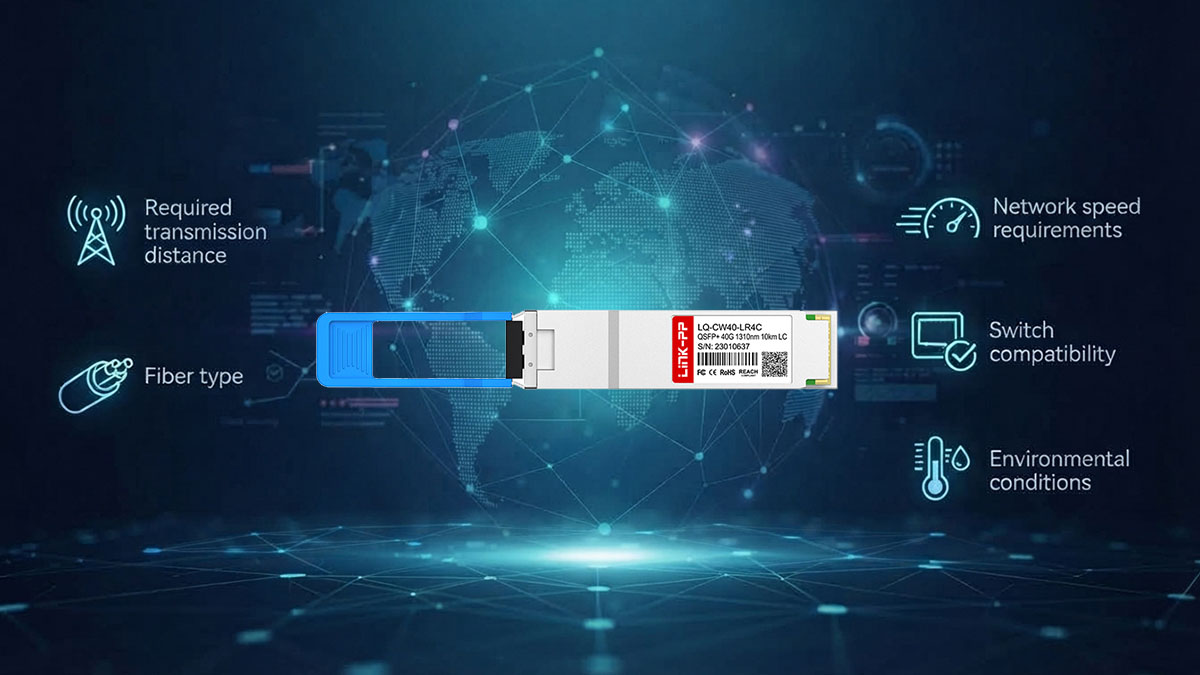
Checking Technical Requirements Before Comparing Prices
The first step in evaluating Cisco QSFP-40G-LR4-S price is confirming the actual technical requirements of the network deployment. A module with a lower price may not provide suitable value if it cannot meet transmission distance, fiber infrastructure, or equipment compatibility requirements.
Before comparing different Cisco QSFP-40G-LR4-S pricing options, organizations should review the following technical factors:
- Required transmission distance
Cisco QSFP-40G-LR4-S supports up to 10km transmission over standard G.652 single-mode fiber, making it suitable for long-distance connections between network switches, data centers, and aggregation points. Selecting a module with the correct reach prevents unnecessary cost from choosing a higher-performance solution than required. - Fiber infrastructure compatibility
The existing fiber type, connector design, and optical link conditions should be verified before deployment. QSFP-40G-LR4-S uses duplex LC connectors and single-mode fiber, so it should be matched with the installed cabling environment. - Network speed and application requirements
The module is designed specifically for 40G Ethernet applications. Organizations should confirm whether their network requires 40GBASE-LR4 connectivity or whether migration to higher-speed platforms would provide better long-term value. - Switch and router compatibility
The optical module must be recognized correctly by the target Cisco platform. Compatibility verification helps prevent operational problems caused by unsupported hardware combinations.
After confirming these requirements, organizations can create a more accurate comparison framework for Cisco QSFP-40G-LR4-S price. This approach ensures that pricing decisions are based on actual deployment needs rather than only the initial module cost.
Evaluating Supplier Reliability and Product Quality
Supplier reliability is another important factor when assessing Cisco QSFP-40G-LR4-S price because optical module quality directly affects network stability. A lower-priced module may create additional operational costs if it lacks proper testing, compatibility validation, or warranty support.
Key supplier evaluation factors include:
- Optical performance testing
Reliable suppliers should verify critical parameters such as transmit power, receiver sensitivity, wavelength accuracy, and error performance before shipment. - Compatibility verification
Cisco-compatible QSFP-40G-LR4-S modules should be programmed and tested for proper recognition on supported Cisco equipment. Correct coding helps ensure stable operation within existing network environments. - Warranty and replacement policies
Warranty coverage provides additional protection against potential hardware failures and reduces the risk associated with optical module replacement. - Technical support capability
Access to professional technical assistance can simplify troubleshooting during installation, testing, and future maintenance.
A supplier offering a reasonable Cisco QSFP-40G-LR4-S price should also demonstrate consistent quality control and compatibility assurance. The overall value of an optical module depends not only on its purchase cost but also on its ability to operate reliably throughout the network lifecycle.
Considering Total Deployment Cost Instead of Initial Price
The most effective Cisco QSFP-40G-LR4-S evaluation considers total deployment cost rather than focusing only on the initial module price. Optical components represent only one part of the overall network investment, and additional operational factors can influence the final cost over time.
A complete cost assessment should include:
- Module acquisition cost
The initial price of OEM, compatible, refurbished, or other module categories should be compared based on required specifications and expected performance. - Installation and integration costs
Modules requiring additional troubleshooting, configuration adjustments, or compatibility verification may increase deployment effort. - Maintenance and replacement expenses
Reliable optical performance can reduce unexpected downtime and minimize replacement frequency. - Future scalability requirements
The selected solution should support current network needs while fitting into future infrastructure planning.
Considering these factors helps organizations avoid evaluating Cisco QSFP-40G-LR4-S price in isolation. A slightly higher initial investment may provide better long-term value when it improves reliability, reduces maintenance requirements, and supports stable network operations.
✅ FAQs About Cisco QSFP-40G-LR4-S Price
What is the typical price range of Cisco QSFP-40G-LR4-S?
Cisco QSFP-40G-LR4-S price varies based on factors such as module source, condition, compatibility level, and supplier support. OEM Cisco modules generally have higher pricing, while Cisco-compatible alternatives often provide a more cost-efficient option for 40G deployments.
Does Cisco QSFP-40G-LR4-S support 10km transmission?
Yes. Cisco QSFP-40G-LR4-S supports 40GBASE-LR4 transmission up to 10km over single-mode fiber, making it suitable for long-distance data center and enterprise network connections.
Is Cisco-compatible QSFP-40G-LR4-S different in performance from the original Cisco module?
A Cisco-compatible QSFP-40G-LR4-S is designed to match the required optical and electrical specifications for Cisco platforms. Performance depends on factors such as component quality, testing procedures, and compatibility programming.
Why do Cisco QSFP-40G-LR4-S prices differ between suppliers?
Price differences usually come from variations in manufacturing source, product condition, warranty coverage, inventory availability, and additional support services provided by suppliers.
What should be checked before selecting a Cisco QSFP-40G-LR4-S module?
The key factors include Cisco platform compatibility, transmission distance requirements, fiber type, optical performance specifications, testing standards, and supplier reliability.
✅ Conclusion
Cisco QSFP-40G-LR4-S price is influenced by multiple factors, including module origin, compatibility level, optical performance, product condition, and supplier support. While OEM Cisco modules provide official ecosystem assurance, Cisco-compatible QSFP-40G-LR4-S solutions can offer a practical alternative for organizations seeking to optimize 40G network deployment costs while maintaining required transmission performance.
The key points to consider when evaluating Cisco QSFP-40G-LR4-S price include:
- Understand the relationship between technical specifications and module value, including 40GBASE-LR4 capability, 1310nm wavelength operation, and 10km single-mode fiber transmission.
- Compare OEM and compatible solutions based on compatibility, testing standards, warranty support, and total deployment requirements.
- Evaluate overall network investment value instead of focusing only on the initial module cost.
For organizations planning Cisco 40G infrastructure expansion, replacement, or lifecycle maintenance, selecting a reliable optical supplier is essential for achieving a balance between cost efficiency and network stability. The LINK-PP Official Store provides Cisco-compatible optical transceiver solutions designed to support various enterprise and data center connectivity requirements, helping customers evaluate suitable 40G optical options based on performance, compatibility, and deployment needs. By considering both technical specifications and long-term operational value, organizations can make more informed decisions when selecting Cisco QSFP-40G-LR4-S solutions.