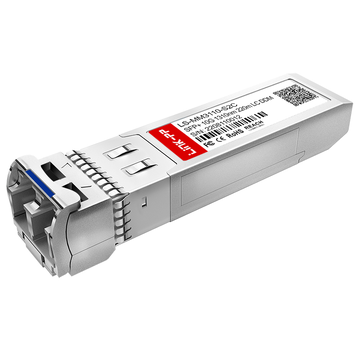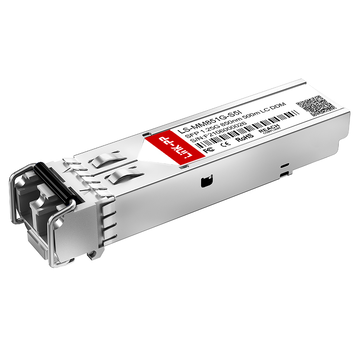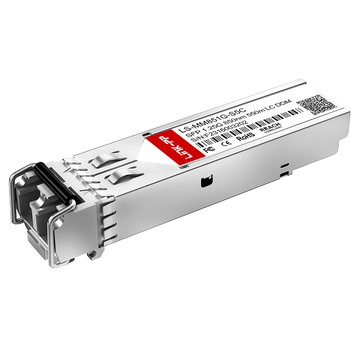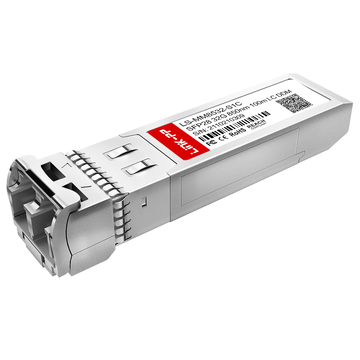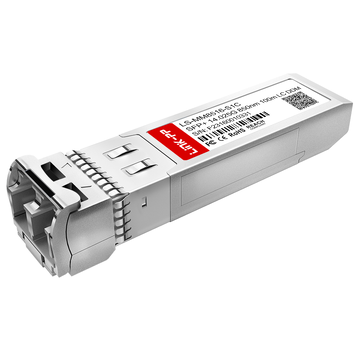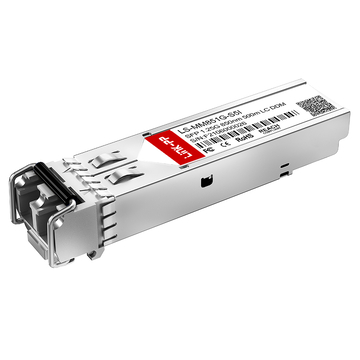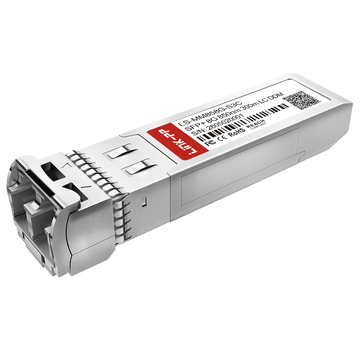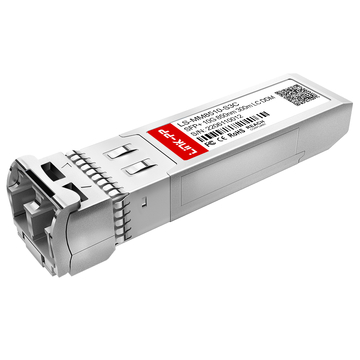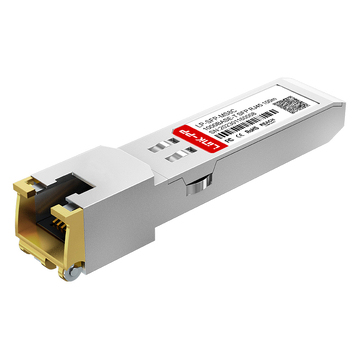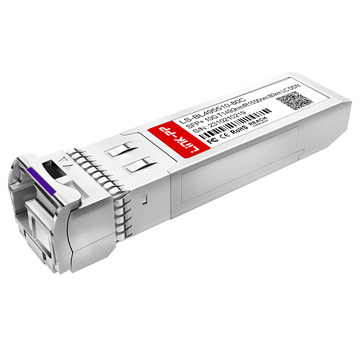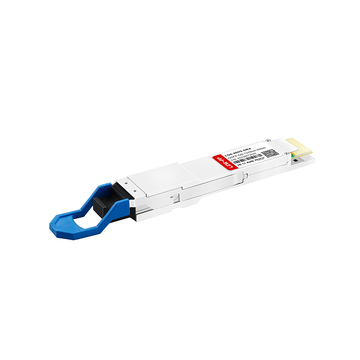
Cisco Multimode SFP modules are widely deployed in enterprise and data center networks to enable high-speed optical communication over multimode fiber infrastructures. These short-range optics support reliable connectivity, commonly used in Gigabit Ethernet and storage networks where stable bandwidth and low latency are essential for daily operations. They play a key role in linking switches, routers, and servers across structured cabling systems using OM3 and OM4 fiber types.
With growing network scalability demands, organizations often evaluate Cisco Multimode SFP replacement options to maintain performance while optimizing infrastructure flexibility. In this context, performance metrics become a critical factor, as they determine whether a replacement module can match optical quality, throughput consistency, and long-term stability compared to original transceivers.
This article explores the key areas involved in evaluating Cisco Multimode SFP replacements and how performance should be measured across different technical dimensions.
- Optical performance and signal integrity
- Data rate and throughput consistency
- Latency and error performance (BER)
- Compatibility with Cisco hardware and software
- Reliability and environmental stability
These insights help guide accurate and efficient deployment decisions in optical network environments.
📡 Understanding Cisco Multimode SFP Modules
Cisco Multimode SFP modules are widely deployed high-speed transceivers designed for short-reach data transmission in enterprise and data center environments. They enable reliable connectivity over multimode fiber by converting electrical signals into optical signals, supporting stable communication between switches, routers, and servers. A clear understanding of their function and design is essential when evaluating performance or considering replacement options in modern network infrastructures.

What Is a Cisco Multimode SFP?
Cisco Multimode SFP is a compact, hot-swappable optical transceiver used primarily for short-distance optical communication over multimode fiber. It is designed to support high-speed Ethernet and Fibre Channel modules in controlled environments such as data centers and enterprise LANs.
To better understand its functional characteristics, the key attributes are outlined below:
- Converts electrical signals into optical signals for fiber transmission
- Commonly supports Gigabit Ethernet and storage networking protocols (e.g., Cisco DS-SFP-FC16G-SW)
- Uses VCSEL-based optical technology for efficient short-range transmission
- Typically operates with LC duplex connectors for bidirectional links
- Designed for structured cabling environments such as rack-to-rack connections
These characteristics make Cisco Multimode SFP modules suitable for high-density networking environments where consistent performance and compact form factors are required.
Multimode Fiber Standards and Connectivity
The performance of fiber SFP modules is closely tied to the multimode fiber standard used in the infrastructure. Different OM fiber grades define the bandwidth capacity and maximum transmission distance, which directly affect overall link performance and deployment flexibility.
The key fiber standards and their characteristics are summarized below:
| Fiber Type | Modal Bandwidth | Typical Reach (1Gbps) | Typical Reach (10Gbps) |
|---|---|---|---|
| OM1 | 200 MHz·km | Up to 275m | Not recommended |
| OM2 | 500 MHz·km | Up to 550m | ~82m |
| OM3 | 2000 MHz·km | Up to 550m | Up to 300m |
| OM4 | 4700 MHz·km | Up to 550m | Up to 400m |
These specifications determine how Cisco Multimode SFP modules such as the SFP-10G-LRM and SFP-10G-SR-S perform in real-world environments and must be carefully matched to network design requirements.
Why Organizations Consider Cisco Multimode SFP Replacements
Organizations evaluate Cisco Multimode SFP replacement options primarily to maintain network performance while improving infrastructure flexibility and lifecycle efficiency. As networks scale and evolve, original transceiver deployments may no longer fully align with cost, availability, or interoperability requirements.
The main drivers behind replacement considerations can be summarized as follows:
- Lifecycle management requirements, including end-of-support or end-of-sale equipment planning
- Expansion of network infrastructure requiring scalable and flexible optical solutions
- Multi-vendor network environments that demand broader interoperability support
- Optimization of operational costs without compromising optical performance consistency
- Standardization across heterogeneous data center or campus network architectures
These factors highlight that replacement decisions are typically driven by operational strategy rather than single technical limitations.
📡 Core Performance Metrics for Cisco Multimode SFP Replacement Evaluation
Evaluating Cisco Multimode SFP replacement options requires a clear understanding of core performance metrics that directly impact optical link quality and network stability. These metrics determine whether a replacement module can maintain equivalent transmission behavior under real operating conditions. In most enterprise and data center environments, performance consistency is more important than peak specification values, especially for sustained traffic loads.
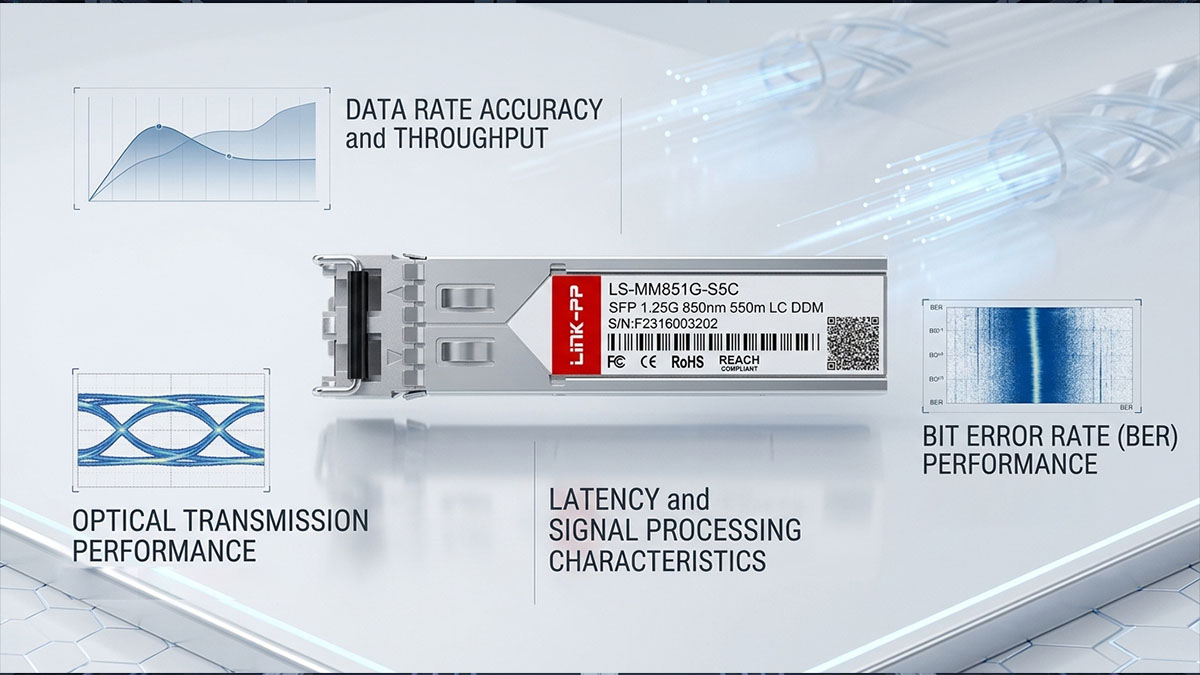
To ensure reliable deployment, performance evaluation should focus on optical behavior, data transmission efficiency, and error performance across the full communication path.
Optical Transmission Performance
Optical transmission performance is one of the most critical evaluation areas when assessing a Cisco Multimode SFP replacement, as it directly determines signal quality, link stability, and effective transmission distance. In multimode fiber networks, even small variations in optical parameters can significantly impact overall communication reliability and error performance.
To ensure accurate evaluation, key optical parameters must be measured and compared against expected operating thresholds. These parameters define how well a transceiver can maintain stable signal transmission across multimode fiber links.
The core optical transmission characteristics are summarized below for clearer technical comparison:
| Parameter | Description | Network Impact |
|---|---|---|
| Transmit Optical Power (Tx Power) | Amount of light emitted from the transceiver | Determines maximum transmission reach and signal strength |
| Receiver Sensitivity (Rx Sensitivity) | Minimum optical signal level required for correct decoding | Affects link stability and tolerance to attenuation |
| Operating Wavelength | Standard wavelength used in multimode SFP modules (typically 850nm) | Ensures compatibility with multimode fiber (OM1–OM4) |
| Link Budget | Difference between Tx power and Rx sensitivity | Defines maximum stable transmission distance |
These parameters collectively define whether a Cisco Multimode SFP replacement can maintain a stable optical link under real network conditions. A properly balanced link budget is especially important in environments with longer multimode runs or higher connector losses, as insufficient margin can lead to increased bit errors or intermittent connectivity issues.
Data Rate Accuracy and Throughput
Data rate accuracy and throughput performance measure how effectively a Cisco Multimode SFP replacement can sustain its rated transmission speed under real network conditions. This metric is essential for ensuring that network performance remains stable during peak workloads.
The primary evaluation aspects include:
- Compliance with expected Ethernet or Fibre Channel standards (e.g., 1Gbps or 10Gbps)
- Sustained throughput under continuous traffic conditions
- Stability of data transmission during congestion or burst traffic
- Packet loss behavior under high utilization scenarios
These factors help determine whether a module can maintain consistent bandwidth delivery without performance fluctuation.
In real-world applications, throughput consistency is often more important than theoretical maximum speed. A replacement module must demonstrate stable performance across varying traffic patterns to ensure predictable network behavior in production environments.
Latency and Signal Processing Characteristics
Latency and signal processing performance reflect the time delay introduced by a Cisco Multimode SFP replacement during optical-electrical conversion and data transmission. While SFP modules generally introduce minimal latency, even small variations can affect time-sensitive applications.
Key considerations include:
- Optical-to-electrical conversion delay within the transceiver
- End-to-end link latency impact in switching environments
- Stability of latency under varying traffic loads
- Influence on latency-sensitive applications such as storage replication or virtualization workloads
These factors are particularly important in environments where low-latency communication is critical.
In practical terms, consistent and predictable latency behavior ensures smoother application performance, especially in distributed systems and high-frequency data exchange scenarios.
Bit Error Rate (BER) Performance
Bit Error Rate (BER) is one of the most critical indicators of signal integrity in Cisco Multimode SFP replacement evaluation. It measures the ratio of corrupted bits to total transmitted bits and directly reflects the quality of optical transmission.
Key aspects of BER evaluation include:
- Industry-standard BER thresholds for acceptable network operation
- Stability of error rates under different traffic loads
- Impact of optical signal degradation on error performance
- Testing methods used to simulate real-world transmission conditions
A lower BER indicates higher transmission accuracy and improved link reliability.
In enterprise deployments, maintaining a consistently low BER is essential to ensure data integrity, reduce retransmissions, and support stable long-term network operations across multimode fiber infrastructures.
📡 Compatibility Metrics Beyond Basic Connectivity
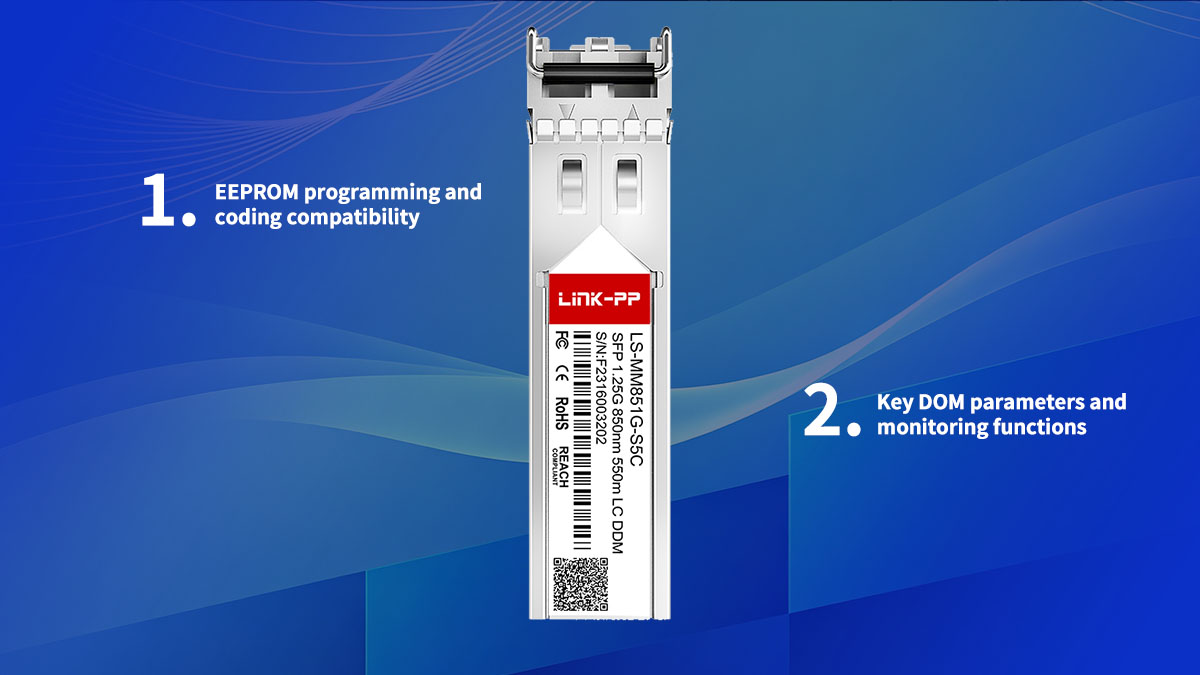
Compatibility is a critical evaluation layer when assessing Cisco Multimode SFP replacement modules, as basic link establishment alone does not guarantee stable or fully functional network integration. Even if optical signals are transmitted correctly, differences in coding, monitoring support, or firmware recognition can lead to performance limitations or operational instability. Therefore, compatibility metrics must be assessed alongside physical layer performance to ensure seamless integration within Cisco environments.
Cisco Switch and Router Interoperability
Cisco switch and router interoperability refers to how effectively a Multimode SFP replacement is recognized and operated by Cisco networking equipment. This includes both physical detection and logical communication between the module and the host device.
Key interoperability considerations include:
- EEPROM coding alignment with Cisco device identification systems
- Proper module recognition during port initialization
- Stable link establishment without administrative overrides
- Consistent operation across different Cisco switch and router series
These factors ensure that the SFP transceiver can function without triggering compatibility warnings or disabling ports.
Digital Optical Monitoring (DOM) Support
Digital Optical Monitoring (DOM) support is a key diagnostic capability that significantly enhances the visibility and manageability of Cisco Multimode SFP replacements. It allows real-time access to critical optical and electrical parameters, enabling network administrators to continuously evaluate module health and link quality without physical intervention.
DOM data is especially important in production environments because it provides early indicators of performance degradation, helping prevent unexpected link failures and reducing troubleshooting time.
The main DOM parameters typically monitored in multimode SFP modules are summarized below:
| Parameter | Description | Operational Significance |
|---|---|---|
| Tx Optical Power | Measures the output optical signal strength of the transceiver | Indicates signal transmission health and consistency |
| Rx Optical Power | Measures the received optical signal level | Helps detect fiber loss or alignment issues |
| Temperature | Monitors internal module operating temperature | Identifies overheating risks in high-density environments |
| Supply Voltage | Tracks electrical input stability | Ensures proper power conditions for reliable operation |
| Laser Bias Current | Reflects laser operating condition and aging status | Useful for predicting potential optical degradation |
These parameters collectively provide a comprehensive view of transceiver operating conditions. When values drift outside normal ranges, they often indicate issues such as fiber attenuation, connector contamination, or thermal stress within the system.
Firmware and Software Compatibility
Firmware and software compatibility determines how well a Cisco Multimode SFP replacement integrates with Cisco operating systems and management frameworks. Even if physical connectivity is successful, firmware mismatches can limit functionality or generate system alerts.
Key evaluation factors include:
- Compatibility with Cisco IOS, IOS-XE, or NX-OS platforms
- Behavior during system boot and module initialization
- Stability after firmware upgrades or system patches
- Support consistency across different software versions
These factors ensure that the module remains functional across lifecycle updates.
In practical use, firmware compatibility plays a significant role in long-term deployment stability. Modules that are not aligned with system software updates may experience recognition issues or reduced monitoring capability, impacting operational visibility.
Multi-Platform Deployment Scenarios
Multi-platform deployment scenarios evaluate how Cisco Multimode SFP replacements perform across heterogeneous network environments. Many modern infrastructures include a mix of Cisco and other vendor equipment, requiring broader interoperability beyond a single ecosystem.
Key considerations in multi-platform environments include:
- Cross-vendor switch compatibility in mixed hardware deployments
- Consistent optical performance across different network architectures
- Standard-based operation without proprietary limitations
- Ease of integration during network expansion or migration
These factors help ensure that replacement modules can function reliably in diverse infrastructure environments.
📡 Reliability Metrics That Influence Long-Term Performance
Reliability is a defining factor when evaluating Cisco Multimode SFP replacement modules, especially in production networks where continuous uptime and stable optical performance are required. Beyond initial connectivity and throughput, long-term behavior under sustained workloads determines whether a transceiver can maintain consistent service quality over its lifecycle.

Component Quality and Manufacturing Standards
Component quality directly affects the stability and durability of Cisco Multimode SFP replacements. High-quality optical and electronic components ensure consistent signal transmission and reduce the likelihood of performance drift over time.
Key quality-related factors include:
- Laser diode stability and precision in optical signal generation
- Receiver sensitivity consistency across operating conditions
- PCB design quality and signal integrity optimization
- Manufacturing calibration processes for optical alignment
- Compliance with industry quality and production standards
These elements collectively determine how reliably a module can maintain optical performance in demanding network environments.
Mean Time Between Failures (MTBF)
Mean Time Between Failures (MTBF) is a widely used reliability indicator that estimates the average operational time before a module failure occurs. It provides a benchmark for comparing the expected lifespan of Cisco Multimode SFP replacement options.
Key aspects of MTBF evaluation include:
- Statistical estimation of operational lifespan under standard conditions
- Comparison of reliability ratings across different transceiver models
- Influence of workload intensity on failure probability
- Role of environmental conditions in accelerating or extending lifespan
A higher MTBF value generally indicates better long-term reliability.
Environmental Performance Testing
Environmental performance testing evaluates how Cisco Multimode SFP replacements behave under varying physical conditions such as temperature, humidity, and airflow. These factors are critical in real-world deployments where equipment is exposed to continuous operational stress.
Key environmental parameters include:
- Operating temperature range stability under continuous load
- Humidity tolerance in controlled and uncontrolled environments
- Thermal dissipation efficiency in high-density switch chassis
- Resistance to performance degradation under heat accumulation
These factors ensure that the module can operate reliably across diverse deployment environments.
Long-Term Network Stability
Long-term network stability reflects how consistently a Cisco Multimode SFP replacement performs over extended periods of continuous operation. It is not only about avoiding failure, but also about maintaining stable optical characteristics and predictable network behavior.
Key indicators of long-term stability include:
- Minimal optical power drift over time
- Stable bit error rate (BER) performance under sustained traffic
- Consistent throughput without degradation during prolonged use
- Predictable behavior during network scaling or traffic variation
These characteristics are essential for maintaining dependable network operations in enterprise environments.
📡 Testing Methodologies for Cisco Multimode SFP Replacements
Testing methodologies are essential for validating whether a Cisco Multimode SFP replacement can meet expected performance, compatibility, and reliability requirements before deployment in production networks. Proper testing reduces operational risk by identifying optical, functional, and interoperability issues early in the evaluation process.

Laboratory Validation Procedures
Laboratory validation is the first step in evaluating Cisco Multimode SFP replacement modules, focusing on controlled measurement of optical and electrical performance. This stage helps establish a baseline for comparison against original Cisco modules.
Key validation procedures include:
- Optical power measurement for both transmit and receive paths
- Bit Error Rate (BER) testing under controlled traffic patterns
- Wavelength verification to ensure multimode compliance (typically 850nm)
- Link stability testing over standardized fiber lengths
- Compatibility checks with Cisco switches and routers in lab setups (e.g., Cisco MGBSX1, GLC-SX-MM-RGD)
These procedures provide objective performance data under repeatable conditions.
Real-World Deployment Testing
Real-world deployment testing evaluates Cisco Multimode SFP replacements under actual network conditions. Unlike laboratory testing, this stage introduces real traffic loads, infrastructure variability, and environmental influences.
Key evaluation aspects include:
- Performance behavior under live network traffic
- Stability during peak utilization periods
- Interaction with existing Cisco and third-party network devices
- Monitoring of optical performance using live DOM data
- Observation of packet loss or retransmission events in production-like environments
These factors provide insight into how the module behaves outside controlled test environments.
Stress Testing and Load Simulation
Stress testing and load simulation focus on evaluating Cisco Multimode SFP replacements under extreme or sustained operating conditions. This helps determine how the module performs when network demand exceeds typical usage levels.
Key stress testing methods include:
- High-throughput traffic generation to simulate peak network loads
- Continuous data transmission over extended time periods
- Burst traffic simulation to test short-term performance spikes
- Multi-port load balancing scenarios in high-density switches
These tests help identify performance degradation thresholds and potential failure points.
Documentation and Benchmark Analysis
Documentation and benchmark analysis consolidate all test results into structured performance reports for evaluation and comparison. This step is critical for making informed deployment decisions based on measurable data.
Key elements of this process include:
- Recording optical, latency, and BER performance results
- Comparing measured values against Cisco specification benchmarks
- Documenting compatibility outcomes across different hardware platforms
- Establishing acceptance criteria for production deployment
These records provide a reference framework for decision-making and future audits.
📡 Comparing Original Cisco Modules and Compatible Replacements
Comparing original Cisco Multimode SFP modules such as the DS-SFP-FC32G-SW with compatible replacement options from other vendors, such as the DELL 407-BBOU, is a critical step in ensuring that network performance, stability, and interoperability requirements are fully met. While both types of modules may deliver similar baseline connectivity, their differences often emerge in long-term reliability, compatibility behavior, and diagnostic capabilities.
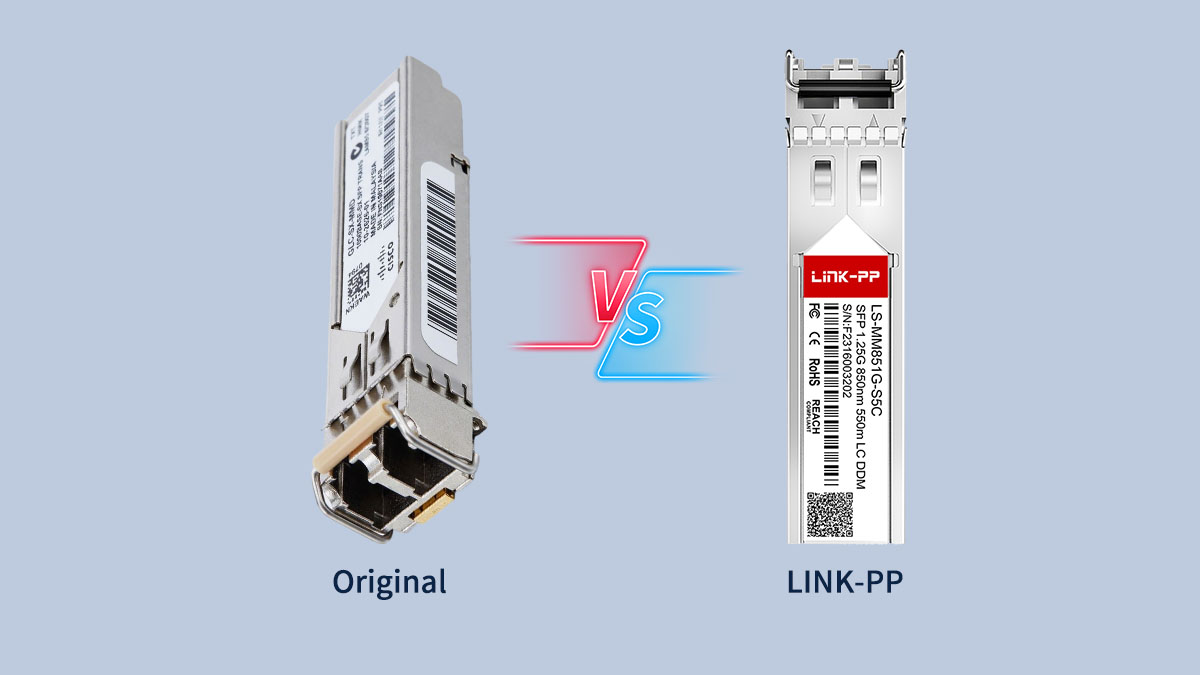
Performance Areas That Should Match
For a Cisco Multimode SFP replacement to be considered functionally equivalent in performance, several key technical areas should align closely with original Cisco modules. These parameters directly influence optical quality and data transmission stability.
Key performance alignment areas include:
- Optical transmission specifications such as wavelength consistency (commonly 850nm)
- Supported data rates including Gigabit Ethernet, 10G Ethernet, and Fibre Channel standards (e.g., Cisco DS-SFP-FC8G-SW)
- Transmit and receive power levels within acceptable link budget ranges
- Bit Error Rate (BER) performance under sustained traffic conditions
- Stable throughput under peak and baseline workloads
These factors ensure that the replacement module can maintain comparable signal integrity and network performance.
Areas Requiring Careful Verification
Beyond baseline performance, certain operational aspects require closer inspection when evaluating Cisco Multimode SFP replacements, as they may vary significantly between original and third-party modules.
Key verification areas include:
- EEPROM coding accuracy for Cisco platform recognition
- Digital Optical Monitoring (DOM) data consistency and reporting accuracy
- Behavior during switch initialization and system boot processes
- Firmware interaction with Cisco IOS, IOS-XE, or NX-OS environments
- Alarm and error handling under abnormal optical conditions
These elements influence how seamlessly a module integrates into Cisco-managed environments.
Common Misconceptions About Replacement Transceivers
When evaluating Cisco Multimode SFP replacements, several misconceptions can lead to inaccurate assumptions about performance and compatibility. Understanding these misconceptions helps ensure more objective decision-making.
Common misconceptions include:
- Assuming identical appearance guarantees identical optical performance
- Believing basic link-up status reflects full compatibility and stability
- Overlooking the importance of DOM support in long-term monitoring
- Assuming all replacement modules behave uniformly across Cisco platforms or multi-vendor equivalents such as Finisar FTLX8571D3BCL and Meraki MA-SFP-10GB-SR
- Underestimating the impact of firmware and software version differences
These misunderstandings can result in incomplete evaluation processes or unexpected operational issues.
📡 Best Practices for Selecting a Cisco Multimode SFP Replacement
Selecting a Cisco Multimode SFP replacement requires a structured evaluation approach that balances optical performance, compatibility assurance, and long-term operational stability. A well-defined selection process helps reduce deployment risks and ensures that the replacement module can integrate seamlessly into existing Cisco-based network infrastructures.

Define Technical Requirements Before Evaluation
A clear definition of technical requirements is the foundation of any Cisco Multimode SFP replacement selection process. Without precise requirements, performance comparisons may become inconsistent or incomplete.
Key requirement categories include:
- Required data rates (e.g., 1Gbps or 10Gbps SFP/SFP+ support)
- Supported fiber types such as OM3 or OM4 multimode fiber
- Expected transmission distance within the network topology
- Port density and physical form factor constraints
- Environmental operating conditions such as temperature range
These parameters establish the baseline for all subsequent evaluation steps.
Verify Compliance with Industry Standards
Compliance with industry standards ensures that Cisco Multimode SFP replacements operate reliably within heterogeneous and multi-vendor network environments. Standardization is a key indicator of predictable performance and interoperability.
Important compliance areas include:
- IEEE Ethernet standards alignment for data transmission behavior
- MSA (Multi-Source Agreement) compliance for physical and optical specifications
- Optical wavelength consistency for multimode applications (typically 850nm)
- Mechanical and electrical interface standardization for SFP modules
These standards ensure that modules can function consistently across different networking platforms.
Prioritize Comprehensive Compatibility Testing
Compatibility testing is essential to confirm that Cisco Multimode SFP replacements function correctly within targeted Cisco hardware and software environments. This step goes beyond basic link validation and focuses on full system integration.
Key testing focus areas include:
- Recognition and initialization behavior in Cisco switches and routers
- EEPROM coding accuracy for platform identification
- Compatibility with Cisco IOS, IOS-XE, or NX-OS versions
- Stability of Digital Optical Monitoring (DOM) reporting
- Performance consistency across different port configurations
These tests ensure that the module operates reliably under real network conditions.
Establish Ongoing Monitoring Procedures
Ongoing monitoring is a critical best practice for maintaining long-term performance stability after deploying Cisco Multimode SFP replacements. Continuous visibility into optical behavior helps detect early signs of degradation or instability.
Key monitoring practices include:
- Regular analysis of DOM metrics such as optical power and temperature
- Tracking bit error rate (BER) trends over time
- Monitoring link stability during peak traffic periods
- Implementing alert thresholds for abnormal optical variations
These practices support proactive maintenance and reduce the risk of unexpected failures.
📡 FAQs
What is a Cisco Multimode SFP used for?
It is used for short-range optical communication over multimode fiber in enterprise networks, typically supporting Gigabit Ethernet or Fibre Channel connections between switches, routers, and servers. Common examples include the Cisco GLC-SX-MM and GLC-SX-MMD for 1G links, and the SFP-10G-SR for 10G links.
What fiber types are compatible with Cisco Multimode SFP modules?
Common compatible fiber types include OM1, OM2, OM3, and OM4 multimode fibers, with OM3 and OM4 preferred for higher bandwidth and longer reach performance.
What is the typical transmission distance of a multimode SFP?
Transmission distance depends on fiber grade and data rate, generally ranging from around 82m for 10G SFP+ on OM2 to up to 550m for 1G SFP on OM3 and OM4 fiber.
Why is Bit Error Rate (BER) important in SFP evaluation?
BER measures data transmission accuracy. A lower BER indicates fewer errors, which directly reflects higher signal integrity and more stable network performance.
Do Cisco switches require specific coding for SFP modules?
Yes, Cisco platforms often use EEPROM coding to identify and validate transceiver modules, which can affect recognition and operational behavior if not properly matched.
What is DOM in optical transceivers?
DOM (Digital Optical Monitoring) provides real-time metrics such as optical power, temperature, and voltage, helping administrators monitor and troubleshoot link health.
What factors affect long-term SFP reliability?
Key factors include component quality, operating temperature, optical stability, and workload intensity, all of which influence module lifespan and performance consistency.
📡 Conclusion
Cisco Multimode SFP replacement evaluation requires a balanced assessment of optical performance, compatibility behavior, and long-term reliability to ensure stable operation in enterprise and data center networks. Across all performance metrics, the most critical outcome is not only achieving link connectivity but maintaining consistent, measurable performance under real network conditions.
A structured evaluation approach helps ensure that replacement modules meet operational expectations across multiple technical dimensions, including optical quality, throughput stability, and system interoperability. When these factors are properly validated, multimode SFP replacements can support scalable and efficient network expansion without compromising stability.
Key evaluation priorities can be summarized as:
- Ensuring optical transmission stability through proper link budget alignment
- Maintaining consistent throughput and low bit error rates under load
- Verifying full compatibility with Cisco switching and routing platforms
- Confirming reliable DOM monitoring for operational visibility
- Validating long-term stability under environmental and workload variations
In practical deployments, these considerations directly influence network reliability and maintenance efficiency, especially in high-density infrastructure environments where even minor inconsistencies can impact overall performance.
For organizations seeking additional technical resources or optical connectivity solutions, the LINK-PP Official Store provides a comprehensive portfolio of optical modules and networking components designed to support diverse multimode fiber applications and enterprise network requirements.