The Avago AFBR 710SMZ is widely deployed in modern 10GbE optical networks where short-reach multimode fiber connectivity is required. As data center traffic continues to grow rapidly, network operators increasingly depend on optical transceivers that can maintain stable performance under continuous high-throughput workloads. In such environments, reliability is no longer a secondary attribute but a core engineering requirement that directly affects service continuity and system efficiency.
Within 10GBASE-SR deployments, the reliability of optical transceivers becomes especially critical due to factors such as thermal density, continuous signal modulation, and long-term component aging. The AFBR 710SMZ is often evaluated not only by its initial performance specifications but also by how consistently it maintains optical stability over time in real-world operating conditions. This makes reliability analysis an essential part of understanding its true operational value.
This article provides a structured reliability-focused analysis of the Avago AFBR 710SMZ, covering the key technical dimensions that influence its long-term behavior, including:
- Optical signal stability under VCSEL aging conditions
- Thermal performance in high-density switching environments
- Mechanical durability of connector and interface components
- Environmental stress factors such as humidity and contamination
- Power stability and electrical consistency during continuous operation
By examining these factors in detail, the article helps build a comprehensive understanding of how the module behaves across its lifecycle in enterprise and data center deployments, enabling more informed network design and operational planning decisions.
🧲 Understanding the Avago AFBR 710SMZ
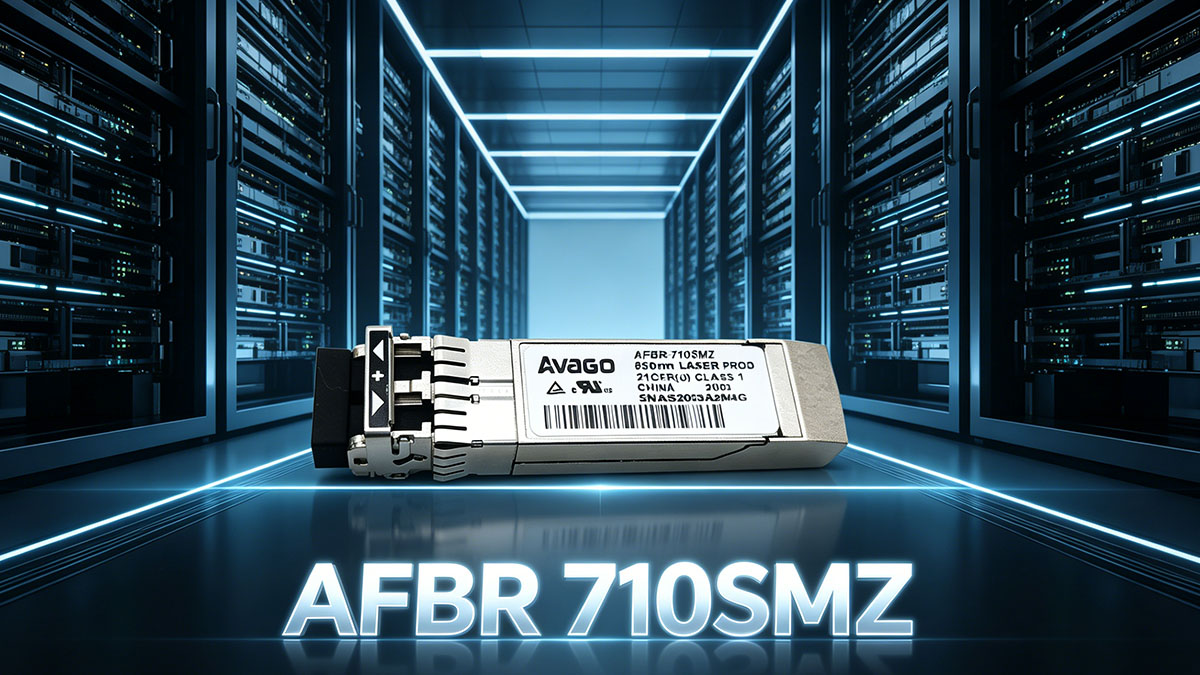
The Avago AFBR 710SMZ is a 10GBASE-SR SFP+ optical transceiver designed for short-reach multimode fiber communication in high-speed Ethernet networks. Its primary role is to enable stable 10Gbps optical connectivity between switches and servers in data center and enterprise environments. From a reliability perspective, it is engineered to maintain consistent optical performance under continuous transmission loads, making it a widely adopted component in high-density network architectures.
Product Positioning in 10G Optical Networks
The Avago AFBR 710SMZ is positioned as a short-range 10GbE optical solution optimized for multimode fiber infrastructure. It operates using an 850nm VCSEL-based transmitter and a PIN photodiode receiver, enabling efficient data transmission over OM3 and OM4 fiber types.
To better understand its technical positioning, key operational parameters can be summarized as follows:
| Parameter | Typical Value | Relevance to Reliability |
|---|---|---|
| Wavelength | 850nm | Ensures compatibility with multimode fiber transmission windows |
| Data Rate | 10Gbps | Supports high-throughput, low-latency network traffic |
| Reach Distance | Up to 300–400m | Defines stable deployment range in structured cabling |
These parameters directly influence link stability, especially in dense switching environments where consistent optical power and minimal signal degradation are required. After understanding these fundamentals, it becomes clear that the module is optimized for predictable short-reach performance rather than long-distance transmission scenarios.
Core Role in Network Architecture
In network systems, the Avago AFBR 710SMZ functions as the optical-electrical conversion interface between switching ASICs and multimode fiber links. It translates high-speed electrical signals into optical signals for transmission and reverses the process at the receiving end.
Its architectural role can be summarized in three key functional layers:
- Electrical layer integration: connects directly to switch PHY interfaces
- Optical transmission layer: enables 10Gbps data transfer across multimode fiber
- System connectivity layer: supports switch-to-switch and switch-to-server communication
This positioning makes it a critical reliability boundary within network infrastructure. Any degradation in this module directly impacts end-to-end link performance, increasing bit error rates and reducing effective bandwidth utilization. Therefore, its stable operation is essential for maintaining overall network resilience.
Key Design Features Supporting Reliability
The Avago AFBR 710SMZ incorporates several design characteristics that contribute to long-term operational stability in demanding environments. These features are primarily focused on maintaining consistent optical output and minimizing performance drift over time.
Key reliability-oriented design elements include:
- VCSEL-based optical source designed for stable modulation performance
- Integrated Digital Diagnostic Monitoring (DDM) for real-time performance visibility
- Hot-pluggable SFP+ form factor supporting safe deployment and replacement cycles
- MSA-compliant mechanical and electrical design ensuring interoperability consistency
These design choices help reduce variability in optical performance and allow operators to monitor degradation trends before they affect network availability. This makes the module suitable for environments where uptime and predictability are critical.
Deployment Environments and Use Cases
The Avago AFBR 710SMZ is typically deployed in environments where stable 10GbE connectivity and predictable performance are required. Its usage is concentrated in structured, high-density network topologies.
Common deployment scenarios include:
- Data center leaf-spine switching architectures
- Enterprise core and aggregation layer networks
- Server-to-switch connectivity in virtualized infrastructure
- High-performance computing clusters with dense traffic patterns
These environments place continuous stress on optical components due to sustained traffic loads and thermal density. As a result, reliability considerations such as thermal management, fiber cleanliness, and signal margin design become essential for maintaining long-term stability of the module in real-world deployments.
🧲 Reliability Fundamentals of 10G SR Optical Transceivers
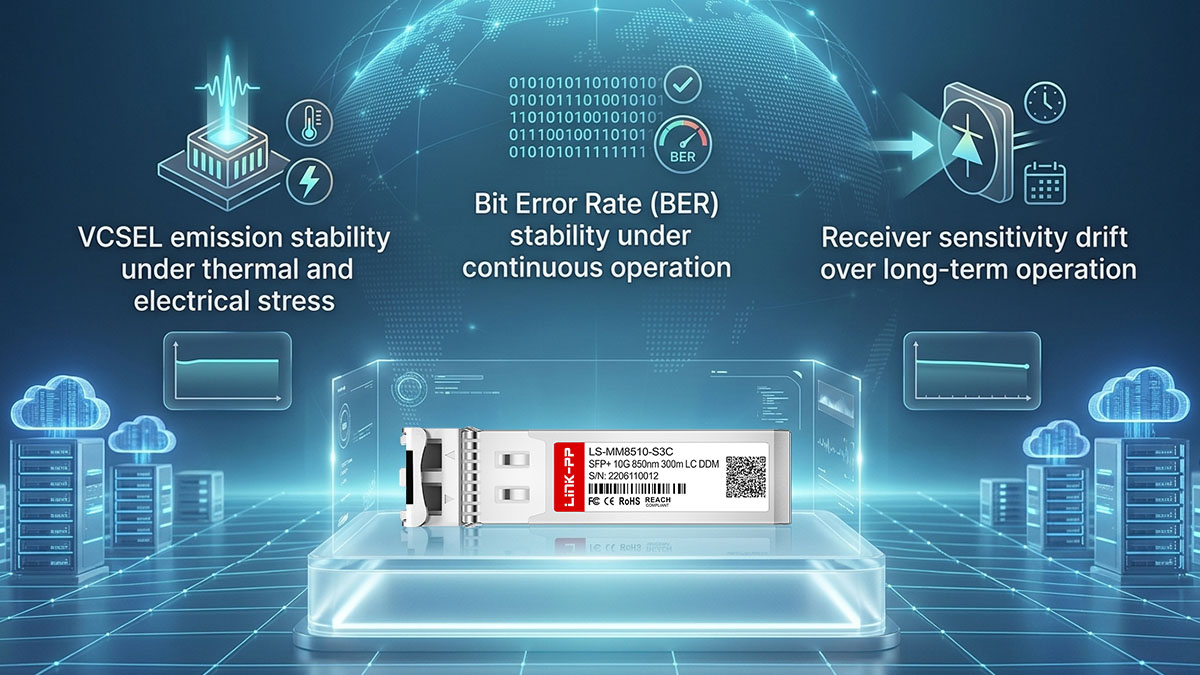
The reliability of 10G SR optical transceivers such as the Avago AFBR 710SMZ is defined by their ability to maintain stable optical performance over long operating periods under continuous data transmission. In high-density Ethernet environments, reliability is not only measured by failure rates but also by signal consistency, thermal resilience, and long-term component stability. Understanding these fundamentals is essential for evaluating real-world deployment behavior.
Definition of Reliability in Optical Communication Modules
Reliability in 10G SR optical transceivers is primarily determined by how consistently the module maintains optical signal quality and link integrity over time. This includes both hardware endurance and signal performance stability under load.
The most important reliability indicators include:
- MTBF (Mean Time Between Failures): represents expected operational lifespan under standard conditions
- BER (Bit Error Rate): measures signal integrity and transmission accuracy over time
- Optical power stability: reflects consistency of transmitter output across operating cycles
These metrics collectively define whether a module can sustain stable 10GbE performance in production environments. Among them, BER stability is particularly critical because even minor optical fluctuations can lead to retransmissions and reduced network efficiency. As a result, reliability is not a static specification but a continuously evaluated performance characteristic.
Key Reliability Drivers in Multimode SR Modules
The reliability of multimode SR modules is influenced by multiple interacting hardware and environmental factors. These drivers determine how well a transceiver maintains stable operation under continuous workload conditions.
Key reliability drivers include:
- VCSEL transmitter stability under electrical modulation stress
- Thermal management efficiency in high-port-density switch environments
- Receiver sensitivity consistency under long-term signal exposure
- Fiber interface cleanliness and connector wear resistance
Each of these factors directly impacts optical link margin. For example, VCSEL stability determines how consistently optical power is maintained, while connector contamination can introduce insertion loss that reduces effective transmission distance. Together, these elements define the practical reliability envelope of a 10G SR transceiver in real-world deployments.
When these drivers are properly managed at both design and operational levels, the module can maintain predictable performance even under sustained high-throughput conditions, ensuring stable network operation across its lifecycle.
🧲 Thermal Stability and Environmental Stress Performance
Thermal stability and environmental resilience are among the most critical factors affecting the long-term reliability of the Avago AFBR 710SMZ. In 10G SR optical transceivers, temperature fluctuations and environmental exposure directly influence optical output stability, signal integrity, and component aging behavior. In dense switching environments, even small thermal variations can accumulate into measurable performance degradation over time.
Operating Temperature Range and Its Impact
The Avago AFBR 710SMZ is designed to operate within a standard commercial temperature range, typically supporting stable performance under continuous workload conditions. Within this range, thermal behavior directly affects both transmitter and receiver stability.
The key temperature-related reliability effects include:
- Increased laser threshold current under higher operating temperatures
- Gradual reduction in optical output power as temperature rises
- Receiver sensitivity variation under thermal stress conditions
To maintain stable operation, it is essential to understand how temperature influences optical link behavior:
| Temperature Effect | Impact on Optical Performance | Reliability Implication |
|---|---|---|
| Elevated temperature | Reduced optical power output | Lower link margin stability |
| Temperature fluctuation | Signal variation and jitter increase | Higher BER risk |
| Stable thermal control | Consistent optical performance | Extended module lifespan |
These relationships show that thermal control is directly tied to long-term reliability. In high-density switches where multiple modules operate in close proximity, insufficient cooling can accelerate performance drift and reduce operational consistency.
Humidity, Dust, and Contamination Effects
Environmental exposure such as humidity and particulate contamination can significantly affect optical transmission quality. Unlike electrical components, optical interfaces are highly sensitive to physical contamination at the fiber connection point.
The main environmental risks include:
- Fiber end-face contamination causing increased insertion loss
- Moisture accumulation leading to micro-reflection and scattering effects
- Dust particles interfering with optical alignment and signal clarity
These issues often do not cause immediate failure but gradually degrade performance over time. In practical deployments, even microscopic contamination can introduce measurable attenuation, especially in high-speed 10Gbps links where margin tolerance is limited. As a result, maintaining a clean optical interface is a key factor in ensuring consistent long-term reliability.
Long-Term Thermal Cycling Effects
Beyond steady-state temperature conditions, repeated thermal cycling is another important factor influencing module reliability. Thermal cycling occurs when the device repeatedly transitions between different temperature states during operation.
The long-term effects include:
- Mechanical stress on solder joints due to repeated expansion and contraction
- Gradual misalignment of optical components affecting signal precision
- Material fatigue in internal packaging structures
These effects accumulate slowly and may not be immediately visible in short-term performance testing. However, over extended deployment periods, they can contribute to gradual degradation in optical stability. In high-availability environments, minimizing rapid thermal transitions through controlled airflow and stable operating conditions is essential to preserving long-term module performance and reducing failure risk.
🧲 Optical Signal Integrity and Degradation Behavior
Optical signal integrity is a core determinant of long-term reliability in the Avago AFBR 710SMZ. In 10G SR multimode systems, even minor variations in optical power, noise level, or receiver sensitivity can accumulate into increased bit error rates and reduced link stability. Over time, these small deviations form predictable degradation patterns that define the practical service life of the module.
VCSEL Aging Characteristics
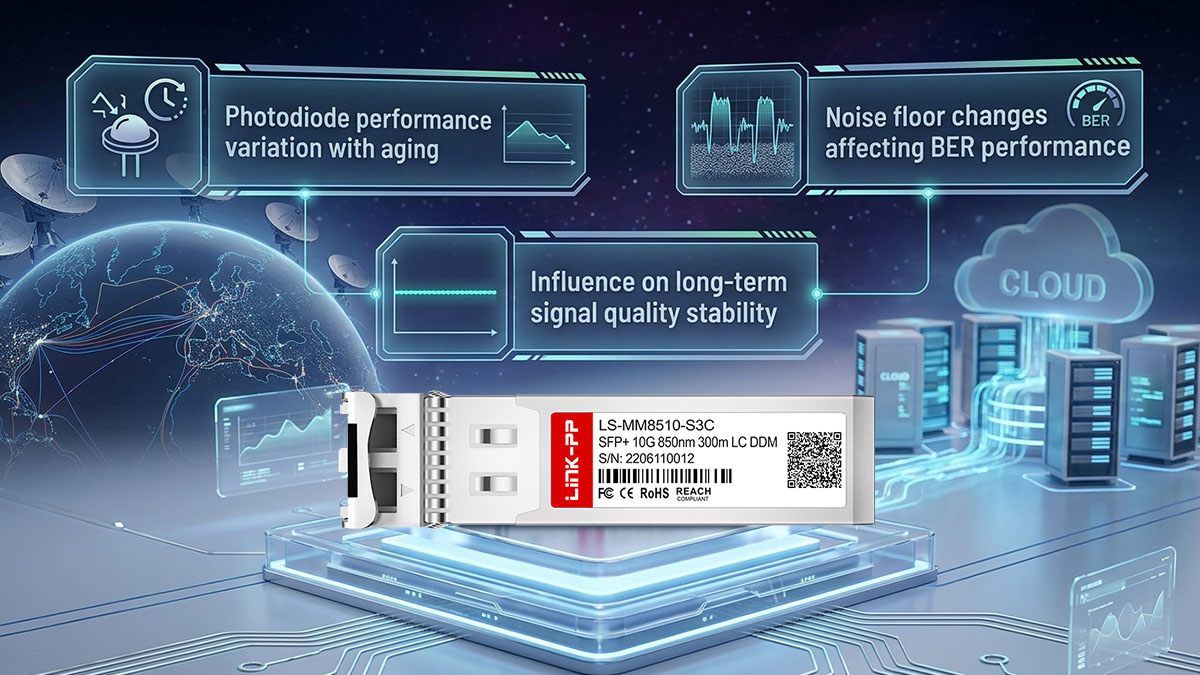
The VCSEL laser used in the Avago AFBR 710SMZ is the primary optical source, and its aging behavior is one of the most important factors affecting long-term performance stability. As the device operates continuously, gradual changes occur in its electro-optical efficiency.
Key aging-related behaviors include:
- Gradual reduction in optical output power over long operational cycles
- Increase in threshold current required for stable laser emission
- Potential variation in modulation efficiency under sustained load
These changes directly affect the optical link margin. When output power slowly declines, the system becomes more sensitive to losses introduced by fiber attenuation or connector contamination. Over time, this reduces the overall reliability buffer of the link, especially in high-density environments where margins are already constrained.
Receiver Sensitivity Drift
The receiver side of the Avago AFBR 710SMZ also experiences performance variation over time, particularly in the photodiode and signal amplification circuitry. Although these components are designed for long-term stability, continuous exposure to optical signals and thermal stress can still cause gradual drift.
Common sensitivity-related effects include:
- Slight increase in required input power to maintain signal detection
- Noise floor elevation affecting signal-to-noise ratio (SNR)
- Reduced tolerance to low-power or degraded optical signals
These changes may not immediately cause link failure, but they reduce the robustness of the communication channel. In practical terms, the system becomes less tolerant to external impairments such as fiber bending loss or connector wear, increasing the probability of intermittent errors under marginal conditions.
Link Budget Margin Retention
Link budget margin is a critical reliability concept that defines how much optical power reserve is available before communication failure occurs. In the Avago AFBR 710SMZ, maintaining sufficient margin over time is essential for ensuring stable 10GbE operation.
Key factors affecting margin retention include:
- Initial optical power design at deployment stage
- Accumulated loss from fiber aging and connector degradation
- Long-term VCSEL and receiver performance drift
When these factors combine, the available margin gradually decreases, reducing system resilience. A well-designed network anticipates this by incorporating conservative link budgets and high-quality fiber infrastructure. Without sufficient margin planning, even minor degradation in optical components can lead to disproportionate impacts on network reliability and error performance.
🧲 Mechanical and Physical Reliability Factors
Mechanical and physical reliability plays a crucial role in the long-term stability of the Avago AFBR 710SMZ. Unlike purely electrical degradation, mechanical wear and physical stress accumulate through routine handling, vibration, and repeated connection cycles. In high-density networking environments, these factors directly influence insertion loss, signal reflectivity, and overall link consistency over time.
Connector Durability and Insertion Cycles
The LC connector interface used with the Avago AFBR 710SMZ is a key mechanical contact point where long-term reliability can be affected by repeated use. Each insertion and removal cycle introduces micro-level wear that gradually impacts optical performance.
Key connector-related reliability factors include:
- Limited insertion cycle lifespan due to physical contact wear
- Gradual increase in end-face micro-scratches affecting reflectance
- Potential misalignment leading to higher insertion loss over time
These effects become more pronounced in environments where frequent reconfiguration or maintenance occurs. Even when connectors remain within specification, accumulated wear can reduce optical signal quality margins. Proper handling practices and controlled insertion cycles are therefore essential to maintaining stable long-term performance.
Structural Integrity of Internal Components
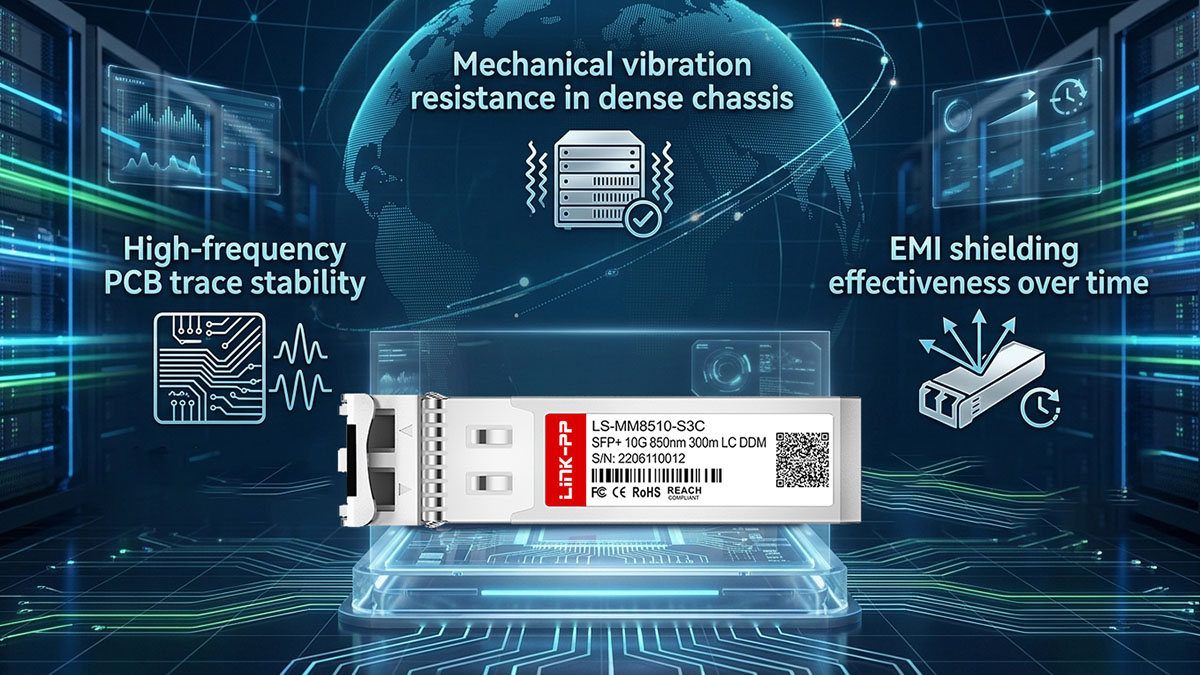
Inside the Avago AFBR 710SMZ, structural integrity of the printed circuit board (PCB) and optical alignment components is essential for maintaining consistent signal performance. Mechanical stress and environmental vibration can gradually influence internal stability.
Key internal reliability considerations include:
- High-frequency PCB trace stability under continuous electrical load
- Mechanical vibration resistance in dense switch chassis environments
- Long-term stability of optical alignment between transmitter and receiver modules
These factors are particularly important in data centers where equipment is densely packed and airflow-induced vibration or thermal expansion may occur. Over time, even minor structural shifts can affect signal precision and contribute to performance drift.
Electromagnetic and Physical Shielding Stability
Electromagnetic interference (EMI) and shielding effectiveness also contribute to physical reliability, especially in high-speed 10Gbps environments. Although the module is designed with shielding mechanisms, long-term exposure to dense electronic environments can still introduce subtle effects.
Key considerations include:
- EMI shielding effectiveness under sustained high-density operation
- Stability of internal grounding paths over long service life
- Resistance to external electromagnetic noise in multi-device racks
These factors ensure that signal integrity is maintained even in electrically noisy environments. When shielding and structural integrity are preserved, the module can sustain stable performance with minimal external interference impact, contributing to overall system-level reliability.
🧲 Electrical Stability and Power Consumption Reliability
Electrical stability is a fundamental requirement for ensuring the long-term reliability of the Avago AFBR 710SMZ. In 10G SR optical transceivers, even minor fluctuations in power supply quality or internal voltage regulation can directly affect laser modulation stability, receiver sensitivity, and overall signal integrity. Over extended operation periods, these electrical factors contribute significantly to performance consistency and degradation behavior.
Power Supply Tolerance and Stability
The Avago AFBR 710SMZ relies on stable power delivery from the host system to maintain consistent optical output and signal processing performance. Variations in voltage levels or electrical noise can introduce instability in internal circuits, particularly in the laser driver and receiver amplifier stages.
Key power stability factors include:
- Sensitivity to voltage ripple from switching power supplies
- Dependence on stable current delivery for VCSEL modulation
- Internal regulation circuits that buffer short-term fluctuations
When power supply conditions are stable, the module maintains consistent optical output power and signal timing. However, in environments with poor power regulation or high electrical noise, small fluctuations can accumulate and lead to increased jitter or reduced signal margin. Over time, this can negatively affect link reliability, especially in dense switching systems where multiple modules share power infrastructure.
Power Efficiency Over Time
Power consumption behavior is another important aspect of long-term reliability. While the Avago AFBR 710SMZ is designed for efficient operation, power characteristics may shift slightly due to component aging and thermal effects.
Key efficiency-related behaviors include:
- Gradual increase in power draw due to aging of internal electronic components
- Higher thermal output under sustained high-load operation
- Correlation between elevated power consumption and optical degradation trends
These changes are typically subtle but become relevant in large-scale deployments where hundreds or thousands of modules operate simultaneously. Increased power consumption leads to higher system-level heat generation, which in turn can accelerate thermal stress across the entire network hardware environment.
Maintaining efficient power delivery and thermal balance is therefore essential not only for energy optimization but also for preserving long-term optical stability and ensuring consistent reliability across the deployment lifecycle.
🧲 Failure Modes and Degradation Patterns
Understanding failure modes and degradation patterns is essential for evaluating the long-term reliability of the Avago AFBR 710SMZ. In real-world 10GbE SR deployments, optical transceivers rarely fail abruptly under normal conditions. Instead, they typically exhibit gradual performance decline or stress-induced failures driven by thermal, electrical, and optical aging mechanisms.
Gradual Performance Degradation
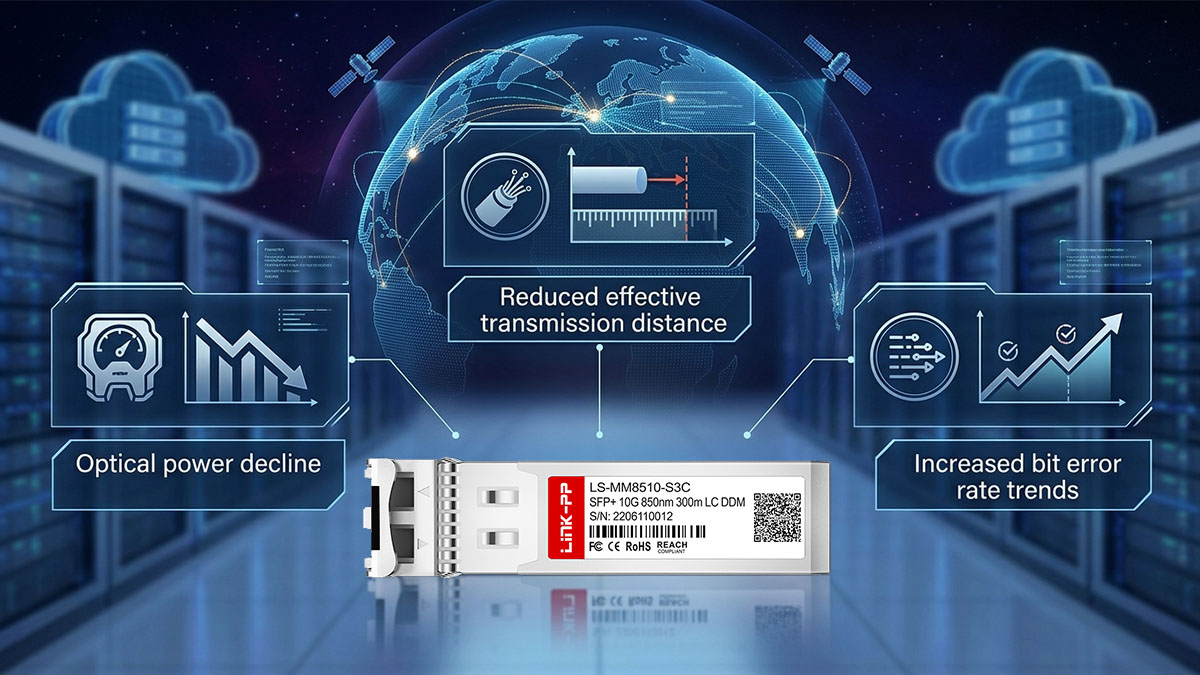
Most reliability-related issues in the Avago AFBR 710SMZ begin as slow, progressive performance degradation rather than immediate failure. These changes often accumulate over extended operating periods and may only become noticeable under marginal link conditions.
Common degradation patterns include:
- Gradual reduction in optical output power from VCSEL aging
- Incremental increase in bit error rate (BER) under sustained load
- Reduced effective transmission distance due to shrinking link margin
These symptoms are typically subtle in early stages but become more apparent when combined with external stress factors such as fiber attenuation, connector contamination, or elevated operating temperatures. Over time, the system may require additional margin or improved environmental conditions to maintain stable connectivity.
Sudden Failure Scenarios
Although less common, abrupt failures can occur due to internal component breakdown or external electrical/thermal stress events. These failures usually result in immediate loss of link connectivity.
Key sudden failure modes include:
- VCSEL transmitter burnout leading to complete loss of optical output
- Photodiode receiver failure causing inability to detect incoming signals
- Internal PCB or solder joint fracture disrupting electrical continuity
Such failures are often associated with overstress conditions, including excessive temperature, voltage irregularities, or manufacturing defects. Unlike gradual degradation, these events typically result in immediate and permanent link failure, requiring module replacement to restore connectivity.
Environment-Induced Failures
Environmental conditions can significantly accelerate failure mechanisms or trigger performance instability in otherwise functional modules. The Avago AFBR 710SMZ is sensitive to both physical contamination and environmental stress factors.
Primary environment-related risks include:
- Electrostatic discharge (ESD) damaging internal electronic components
- Airflow obstruction leading to localized overheating in dense chassis environments
- Fiber contamination introducing high insertion loss and intermittent signal loss
These conditions often create intermittent or unpredictable failures, which are more difficult to diagnose than hardware degradation alone. In many cases, environmental issues mimic component failure symptoms, making proper inspection and maintenance practices critical for accurate fault isolation.
Overall, failure behavior in 10G SR optical modules follows a combination of slow degradation trends and occasional abrupt failure events, both of which must be considered when assessing long-term network reliability and operational risk.
🧲 Reliability Optimization in Network Deployment
Optimizing reliability in real-world deployments is essential for maximizing the operational lifespan of the Avago AFBR 710SMZ. While the module itself is designed for stable 10GbE short-reach performance, system-level factors such as thermal design, fiber handling practices, and monitoring strategies ultimately determine long-term stability and failure resistance in production environments.
Thermal Design in Switching Systems
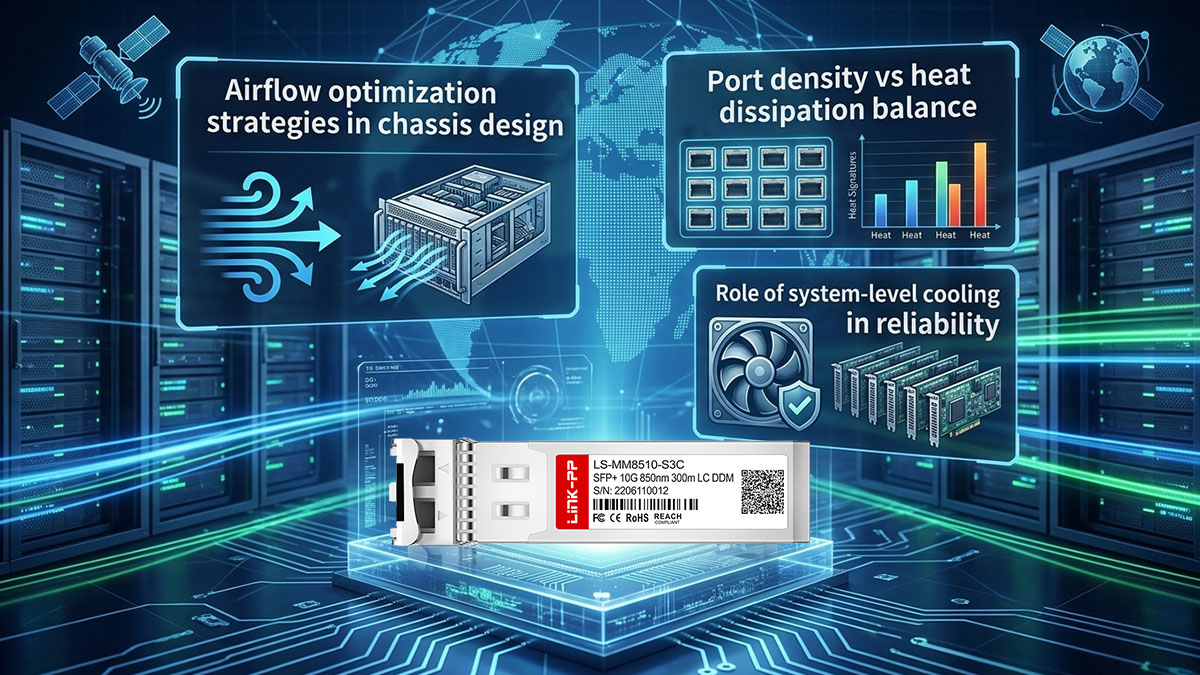
Thermal management is one of the most influential factors in maintaining stable optical performance in high-density networking equipment. Excess heat not only accelerates component aging but also directly affects optical output stability and receiver sensitivity.
Key thermal optimization practices include:
- Ensuring sufficient front-to-back or side-to-side airflow in switch chassis
- Balancing port density with heat dissipation capacity
- Avoiding hot spots in densely populated rack configurations
When thermal conditions are properly controlled, the Avago AFBR 710SMZ maintains more consistent optical output levels and experiences slower degradation over time. Conversely, inadequate cooling can lead to cumulative stress on VCSELs and internal electronics, reducing overall reliability and shortening effective service life.
Fiber Handling Best Practices
Physical handling of fiber infrastructure plays a critical role in preserving optical link quality. Even high-performance transceivers can experience degraded performance if fiber connections are not properly maintained.
Key best practices include:
- Regular cleaning of LC connectors to prevent contamination-induced loss
- Maintaining proper minimum bend radius to avoid micro-bending attenuation
- Using consistent, high-quality patch cables across deployment environments
Contaminated or poorly handled fiber interfaces can introduce insertion loss and reflectance issues, which reduce link margin and increase bit error rates. Over time, these issues may be misinterpreted as transceiver degradation, when in fact they originate from physical layer maintenance shortcomings.
Monitoring and Predictive Maintenance
Proactive monitoring is essential for identifying early signs of degradation before they impact network availability. The Avago AFBR 710SMZ supports Digital Diagnostic Monitoring (DDM), which provides valuable insights into optical performance trends.
Effective monitoring strategies include:
- Tracking transmit and receive optical power levels over time
- Monitoring temperature trends for early thermal stress detection
- Analyzing BER patterns to identify emerging signal integrity issues
By combining these metrics, operators can detect gradual performance drift and take corrective action before failures occur. Predictive maintenance approaches significantly enhance overall system reliability by shifting from reactive replacement to planned lifecycle management, reducing unplanned downtime in critical network environments.
🧲 Long-Term Deployment Considerations
Long-term reliability of the Avago AFBR 710SMZ is not determined solely by its internal design, but also by how it behaves within extended, real-world network lifecycles. Over time, factors such as environmental stability, traffic load consistency, and system architecture choices collectively influence operational lifespan and performance predictability in enterprise and data center deployments.
Lifecycle Expectations in Enterprise Networks
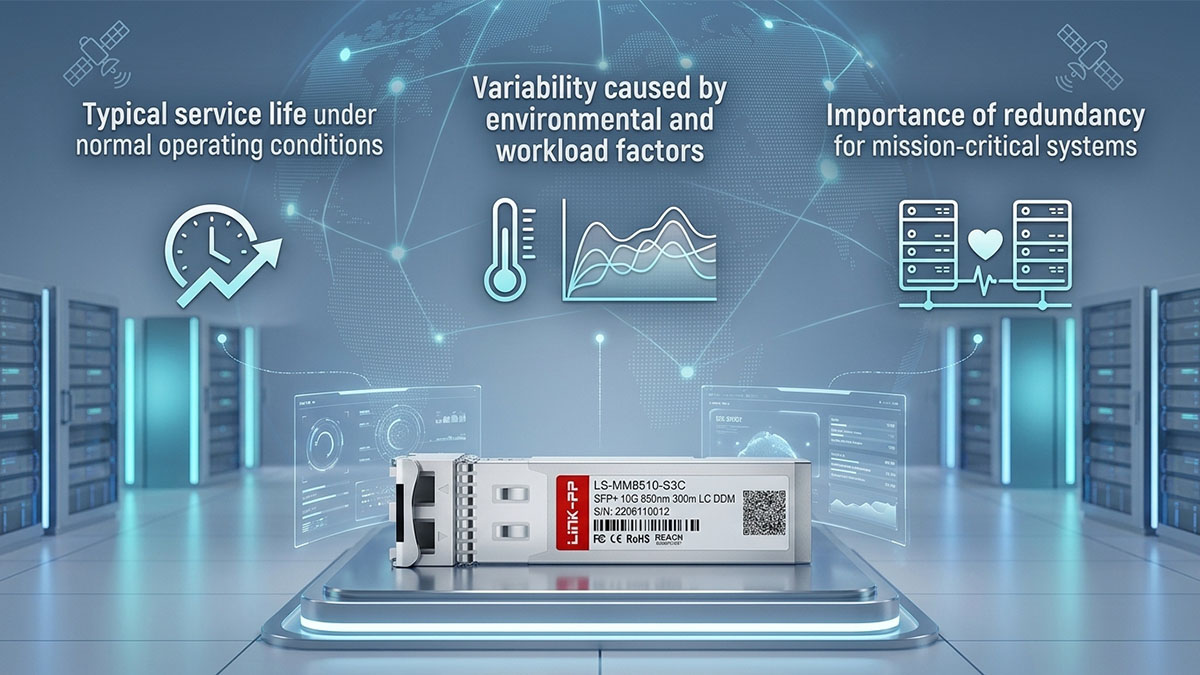
The operational lifecycle of a 10G SR optical transceiver is typically defined by gradual performance stability rather than a fixed failure point. In enterprise environments, the Avago AFBR 710SMZ is expected to maintain consistent performance over multi-year deployment cycles when operating under controlled conditions.
Key lifecycle considerations include:
- Gradual degradation of optical output power due to VCSEL aging
- Environmental variability affecting long-term performance consistency
- Workload intensity influencing thermal and electrical stress accumulation
In stable operating environments, degradation tends to be slow and predictable, allowing network operators to plan maintenance cycles effectively. However, in high-density or poorly cooled environments, accelerated aging may reduce effective service life, requiring closer monitoring and more frequent replacement planning.
System-Level Compatibility and Stability
Long-term reliability is also strongly influenced by system-level compatibility between the Avago AFBR 710SMZ and the host networking equipment. Even when individual components are stable, mismatches in firmware behavior, power management, or optical tolerances can introduce variability over time.
Key stability factors include:
- MSA compliance ensuring consistent cross-vendor interoperability
- Switch firmware updates potentially affecting optical module behavior
- Variations in power budgets across different hardware platforms
In multi-vendor or heterogeneous network environments, maintaining consistent configuration standards is essential to avoid unexpected performance drift. Firmware-level adjustments in switches can sometimes alter optical thresholds or diagnostics interpretation, indirectly affecting perceived module reliability.
Environmental Consistency in Long-Term Operation
Stable environmental conditions are a critical prerequisite for sustained optical performance. Even minor fluctuations in temperature, airflow, or contamination levels can accumulate into measurable long-term effects.
Important environmental considerations include:
- Maintaining stable rack-level cooling profiles across deployment sites
- Avoiding frequent thermal cycling caused by inconsistent airflow or load changes
- Ensuring long-term cleanliness of fiber infrastructure and port interfaces
When environmental conditions remain consistent, the Avago AFBR 710SMZ can operate within its intended reliability envelope for extended periods. Conversely, unstable environments accelerate both optical and mechanical degradation processes, reducing overall system predictability.
🧲 Conclusion
The reliability of the Avago AFBR 710SMZ is ultimately defined by the combined effects of optical stability, thermal resilience, mechanical durability, and long-term environmental control. Across 10GbE SR multimode deployments, its performance consistency depends not only on initial design specifications but also on how well operating conditions are managed throughout its lifecycle. When properly deployed, the module can maintain stable link performance with predictable degradation behavior over extended operational periods.
The Avago AFBR 710SMZ demonstrates that reliability in 10G SR optical transceivers is a system-level outcome rather than a single-device attribute. Its long-term performance is shaped by VCSEL aging behavior, thermal control efficiency, connector integrity, and power stability within the host network environment. These factors collectively determine whether the module can sustain consistent 10Gbps transmission quality in demanding data center conditions.
The most important reliability insights can be summarized as follows:
- Optical stability is primarily influenced by VCSEL aging and receiver sensitivity drift
- Thermal management directly impacts long-term signal consistency and degradation rate
- Mechanical wear at connector interfaces is a major contributor to incremental signal loss
- Environmental control and fiber cleanliness are critical for maintaining link margin
- System-level monitoring (such as DDM-based diagnostics) enables proactive failure prevention
These points highlight that sustained performance is achieved through both robust component design and disciplined operational management.
In modern high-density optical networks, ensuring long-term reliability requires a combination of proper infrastructure design and consistent maintenance practices. The Avago AFBR 710SMZ serves as a representative example of how 10G SR modules perform under real-world stress conditions, where thermal, optical, and mechanical factors interact continuously.
For organizations evaluating optical transceiver strategies and seeking consistent network performance, solutions available through the LINK-PP Official Store provide additional reference options for building stable, scalable, and reliability-focused optical infrastructures that support long-term operational continuity.