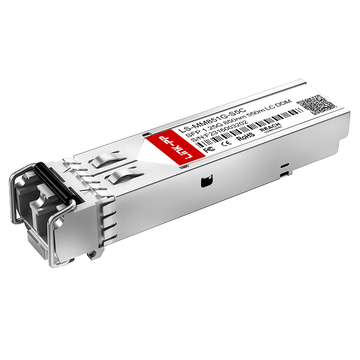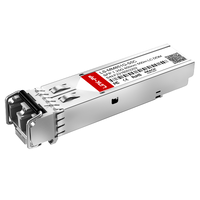
As enterprises scale their network infrastructure, balancing high-performance connectivity with cost-efficiency remains a top priority. The Avago AFBR-5710PZ SFP transceiver has long been a staple for reliable Gigabit 850nm multimode fiber links; however, the rising demand for hardware flexibility has shifted the focus toward high-quality compatible transceivers. These alternatives offer the same technical rigor as original equipment while providing a more agile path for procurement and network expansion.
Navigating the market for AFBR-5710PZ compatible optical modules requires a strategic approach that goes beyond simple cost savings. To ensure seamless integration and long-term reliability, procurement professionals must evaluate technical specifications, supplier credibility, and rigorous validation standards. This article outlines a comprehensive procurement strategy designed to help you secure high-performance modules that meet both your budget and your network requirements.
✨ Avago AFBR-5710PZ Compatible Module Overview
The AFBR-5710PZ compatible fiber optic SFP module is designed as a cost-effective alternative to the original Avago 1G SFP transceiver, delivering similar performance for Gigabit Ethernet applications. It is widely used in networking environments that require stable data transmission over multimode fiber. By maintaining key specifications, these compatible modules provide a practical solution for system upgrades and replacements.
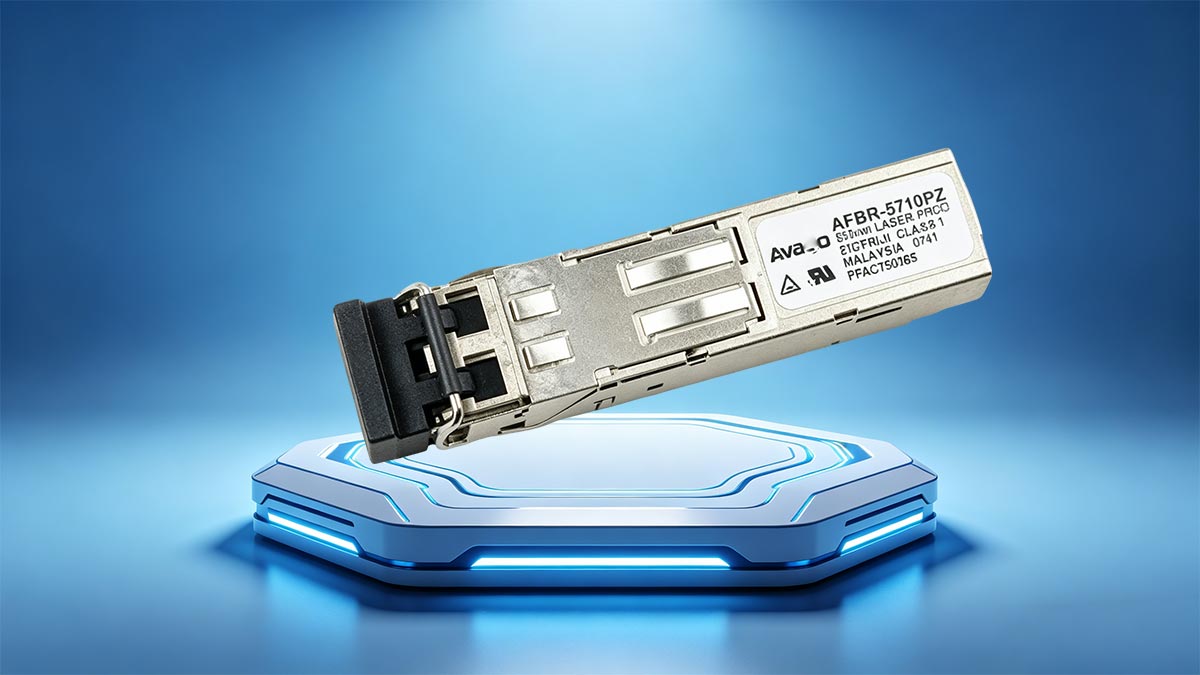
Detailed Specifications of AFBR-5710PZ Compatible Module
The AFBR-5710PZ compatible module typically supports 1.25Gb/s data rates and operates over multimode fiber with reliable signal integrity. It is built to align with SFP MSA standards, ensuring interoperability across a wide range of networking equipment. Core parameters such as wavelength, transmission distance, and power consumption are closely matched to the original module.
The following table summarizes the typical specifications of an AFBR-5710PZ compatible module:
| Parameter | Specification |
| Form Factor | SFP |
| Data Rate | 1.25Gb/s |
| Wavelength | 850nm |
| Optical Component | VCSEL |
| Fiber Type | Multimode Fiber (MMF) |
| Max Transmission Distance | Up to 550m over OM2 MMF |
| Connector Type | Duplex LC |
| Compliance Standard | IEEE 802.3z, SFP MSA |
Key Features and Performance Capabilities of Compatible Modules
These compatible modules are designed with advanced features that ensure they perform identically to the original Avago parts. One of the most critical inclusions is Digital Diagnostic Monitoring (DDM), which allows network administrators to monitor real-time parameters such as optical output power, input power, temperature, and supply voltage. This proactive monitoring capability is essential for identifying potential link failures before they impact network uptime.
Beyond monitoring, these modules boast robust EMI shielding and low power dissipation, typically under 1W. This thermal efficiency is vital for high-density data center environments where heat management is a constant challenge. By utilizing high-quality TOSA (Transmitter Optical Sub-Assembly) and ROSA (Receiver Optical Sub-Assembly) components, AFBR-5710PZ compatible SFP modules maintain high sensitivity and low bit-error rates (BER) even under heavy traffic loads.
How AFBR-5710PZ Compatible Modules Fit into Existing Systems
The primary advantage of the AFBR-5710PZ compatible module is its strict adherence to the Multi-Source Agreement (MSA). This ensures physical and electrical compatibility across a wide range of networking equipment, including switches, routers, and network interface cards (NICs). Because they are programmed with the necessary EEPROM data, these modules are recognized by host systems as "native" optical transceivers, allowing for seamless "plug-and-play" deployment.
Integrating these modules into existing fiber plants requires no infrastructure changes, as they utilize standard LC duplex connectors and work with existing OM1 or OM2 cabling. This makes them an ideal choice for legacy system maintenance or incremental upgrades. Whether used in a top-of-rack switch or a campus backbone, these compatibles provide the necessary interoperability to sustain a diverse hardware ecosystem without vendor lock-in.
✨ Benefits of Procuring AFBR-5710PZ Compatible Modules
Opting for AFBR-5710PZ compatible modules offers significant strategic advantages that extend far beyond initial cost reductions. By integrating these high-quality alternatives, organizations can enhance their procurement agility, optimize hardware budgets, and ensure consistent network performance without being tethered to a single manufacturer's pricing or production timeline.
Cost Savings Compared to Original Modules
The most immediate benefit of procuring compatible AFBR-5710PZ modules is the substantial reduction in Capital Expenditure (CAPEX). Original Equipment Manufacturer (OEM) optics often carry high markups that do not necessarily reflect a difference in hardware quality, as many compatible modules are built using the same high-tier components. By choosing compatible versions, organizations can often save between 40% to 60% per unit.
These savings allow IT departments to reallocate their limited budgets toward other critical infrastructure needs, such as increasing network security or expanding port density. In large-scale deployments involving hundreds of transceivers, the cumulative cost difference can represent a significant portion of the overall project budget, making network scaling more financially sustainable.
Flexibility in Supplier Selection
AFBR-5710PZ compatible modules are available from a wide range of third-party suppliers, giving buyers more options when sourcing transceiver modules. This flexibility reduces dependency on a single vendor and allows organizations to compare pricing, lead times, and service quality.
With multiple qualified suppliers in the market, companies can also mitigate procurement risks and negotiate better terms. This diversified sourcing strategy supports more resilient and adaptable supply chains.
Meeting Project Deadlines with Faster Availability
Third-party AFBR-5710PZ compatible modules are often more readily available than original parts, especially during periods of supply chain disruption or manufacturer backorders. This improved availability helps organizations avoid delays in deployment or maintenance projects.
Faster procurement cycles enable teams to meet tight deadlines and maintain project timelines. In time-sensitive environments such as data centers or network expansions, this advantage can be critical to operational success.
Maintaining Performance Standards
Despite the lower price point, high-quality AFBR-5710PZ compatible modules are engineered to meet or exceed the performance benchmarks set by the original brand. Because they are designed to comply with Multi-Source Agreements (MSA), they provide the same data throughput, low latency, and reliability required for enterprise-grade applications.
Some third-party suppliers (such as LINK-PP) employ rigorous testing protocols to ensure each compatible module is functionally identical to the original. This means that users do not have to sacrifice network stability for affordability; they receive a product that is fully interoperable with their existing switches and routers, maintaining the high performance standards necessary for 1.25Gbps data transmission.
✨ Identifying Reliable AFBR-5710PZ Compatible Module Suppliers
Selecting the right vendor is the most critical step in ensuring the long-term stability of your optical network. A reliable AFBR-5710PZ compatible module supplier acts as more than just a source of hardware; they provide the technical assurance and supply chain consistency necessary to maintain seamless 1.25Gbps connectivity across your infrastructure.
Evaluating Supplier Reputation and Market Experience
The track record of a supplier often dictates the reliability of the modules they provide. When sourcing AFBR-5710PZ compatible modules, it is essential to look for vendors with extensive experience in the optical communication industry. Established brands like LINK-PP have built a strong market presence by consistently delivering high-quality compatible fiber SFP modules that meet the exacting needs of global telecommunications and data center clients.
Market reputation can be verified through customer testimonials, case studies, and the supplier's history of hardware stability. A vendor that has successfully supported large-scale deployments over several years is much more likely to provide modules that are free from firmware glitches or hardware defects.
Assessing Quality Certifications and Compliance
Reliable suppliers should provide clear evidence of compliance with industry standards such as IEEE, RoHS, and SFP MSA. Certifications like ISO 9001 also indicate that the supplier follows standardized quality management processes, which is essential for ensuring consistent product performance.
In addition to certifications, buyers should verify whether the modules undergo rigorous testing procedures, including optical performance validation and compatibility checks. This ensures that AFBR-5710PZ compatible modules meet the required technical and safety standards.
Building Long-Term Partnerships with Trusted Suppliers
Establishing long-term relationships with trusted suppliers can lead to more stable pricing, priority supply, and better technical support. Over time, suppliers gain a deeper understanding of project requirements, enabling more efficient communication and customized solutions.
Working consistently with a reliable brand such as LINK-PP or similar established vendors can also improve supply chain resilience. Long-term partnerships help organizations secure dependable sourcing channels while reducing the risks associated with frequent supplier changes.
✨ Pricing Considerations for AFBR-5710PZ Compatible Modules
Pricing plays a crucial role in the procurement of AFBR-5710PZ compatible modules, directly impacting overall project budgets and cost efficiency. While compatible modules are generally more affordable than original components, pricing can vary significantly depending on supplier, order volume, and market conditions. A strategic procurement approach helps organizations maximize value without compromising quality.
Understanding Market Pricing Trends
The market price for AFBR-5710PZ compatible modules is generally stable but remains subject to fluctuations in raw material costs, particularly semiconductor components and high-precision TOSA/ROSA assemblies. Unlike OEM pricing, which is often artificially inflated, third-party pricing is driven by manufacturing efficiency and global supply-demand dynamics. Monitoring these trends allows procurement teams to identify the "sweet spot" for purchasing before seasonal demand or component shortages drive prices upward.
Additionally, as SFP+ 10G and QSFP28 100G technologies become the new baseline, the pricing for 1.25 Gbps modules like the AFBR-5710PZ has become highly competitive. This commoditization benefits the buyer, but it also necessitates caution: extremely low prices that deviate significantly from the market average can sometimes indicate the use of refurbished components or a lack of rigorous quality control.
Negotiation Strategies with Suppliers
Effective negotiation can significantly reduce procurement costs, especially for recurring or large-scale purchases. Buyers should leverage factors such as order volume, long-term cooperation potential, and competitive supplier quotes to negotiate better pricing and terms.
It is also beneficial to discuss value-added services during negotiation, such as extended warranties, technical support, or faster delivery. These factors can enhance overall procurement value beyond the unit price.
Volume Discounts and Bulk Purchasing
Bulk purchasing remains one of the most effective ways to drive down the cost of AFBR-5710PZ compatible modules. Because shipping and administrative overhead are relatively fixed, many suppliers offer tiered pricing structures that significantly reduce the unit price as order quantities increase. For large-scale data center refreshes or multi-site enterprise expansions, aggregating demand into a single large order can yield substantial savings compared to ad-hoc purchasing.
Beyond immediate discounts, bulk purchasing also provides the advantage of "lot consistency." Buying a large batch of modules manufactured at the same time ensures they share identical firmware versions and component batches, which simplifies network troubleshooting and management. For organizations with predictable growth, establishing a blanket purchase order with a trusted vendor can lock in lower rates while ensuring a steady supply of hardware.
✨ Risk Management in AFBR-5710PZ Compatible Module Procurement
Effective risk management is essential when procuring AFBR-5710PZ compatible modules, as it ensures uninterrupted project timelines and protects network reliability. Potential risks include counterfeit products, supply chain disruptions, and limited warranty coverage. Implementing proactive strategies can minimize these threats and safeguard overall procurement outcomes.
Avoiding Counterfeit Modules
The market for high-demand transceivers like the AFBR-5710PZ can occasionally attract counterfeit products that use substandard components or recycled casings. These "grey market" units often lack proper laser calibration and shielding, which can lead to high bit-error rates or even electrical damage to switch ports. To mitigate this risk, procurement should exclusively deal with verified manufacturers who maintain transparent production histories and provide traceable serial numbers for every unit.
Verification of the module's internal coding and physical build is the second line of defense. Genuine high-quality compatibles will have clean, professional labeling and a firmware signature that is recognized correctly by the host system’s diagnostic tools. Avoiding "too good to be true" prices from unverified auction sites or unknown traders is the simplest way to ensure that your infrastructure is powered by professional-grade optics rather than unreliable imitations.
Supply Chain Disruption Mitigation
Relying on a single manufacturing region or a solitary logistics path can leave your network expansion vulnerable to global supply chain shocks. To manage this risk for AFBR-5710PZ modules, a diversified sourcing strategy is recommended. This involves maintaining a relationship with at least two vetted suppliers or choosing a manufacturer with localized distribution hubs that can bypass international shipping bottlenecks during periods of instability.
Additionally, procurement teams should maintain a "buffer stock" for critical 1.25Gbps links. By holding a small percentage of anticipated annual needs in local inventory, an organization can remain operational even if a supplier faces temporary production delays. This proactive approach transforms the supply chain from a potential point of failure into a resilient asset that supports continuous network uptime.
Warranty and Return Policies
Clear warranty and return policies are critical for protecting investments in AFBR-5710PZ compatible modules. Buyers should confirm the coverage period, conditions for returns, and procedures for defective units before finalizing purchases. This ensures that faulty or underperforming modules can be promptly replaced without additional cost.
Strong warranty support also provides reassurance about the module’s quality and reliability. Reputable suppliers often include technical assistance and post-sales support, reducing operational risks and ensuring continuity in network performance.
✨ Procurement Planning for AFBR-5710PZ Compatible Modules
Effective procurement planning ensures that AFBR-5710PZ compatible modules are available when needed, without causing overstock or project delays. By anticipating demand, managing inventory, and forecasting future needs, organizations can maintain operational continuity and optimize costs. Planning also supports strategic supplier engagement and timely procurement decisions.
Assessing Project Demand and Lead Time
Understanding the specific requirements of each project is the first step in procurement planning. This includes estimating the number of modules needed, identifying project phases, and considering potential system expansions. Accurate demand assessment prevents shortages that could delay critical deployments.
Lead time from suppliers must also be factored into procurement schedules. By aligning order timing with project timelines, organizations can ensure modules arrive when needed, avoiding costly expedited shipping or last-minute sourcing.
Inventory Management and Safety Stock
Maintaining optimal inventory levels is key to avoiding both shortages and excess stock. Safety stock acts as a buffer against unexpected demand spikes or supply delays, ensuring continuous network operation. Organizations should regularly review inventory levels and adjust safety stock according to usage trends.
Inventory management systems can track module usage, expiry, and shelf life, allowing for timely replenishment and minimizing waste. Effective inventory control also helps reduce holding costs while supporting smooth project execution.
Forecasting Future Module Needs
Accurate forecasting of future AFBR-5710PZ compatible module requirements allows organizations to plan long-term procurement strategies. This includes analyzing historical usage, projected network growth, and technology upgrade cycles to predict future demand.
By anticipating upcoming needs, companies can negotiate better pricing with suppliers, plan for bulk purchases, and ensure timely availability. Forecasting also mitigates risks related to sudden supply chain disruptions or market fluctuations.
✨ Technical Validation of AFBR-5710PZ Compatible Modules
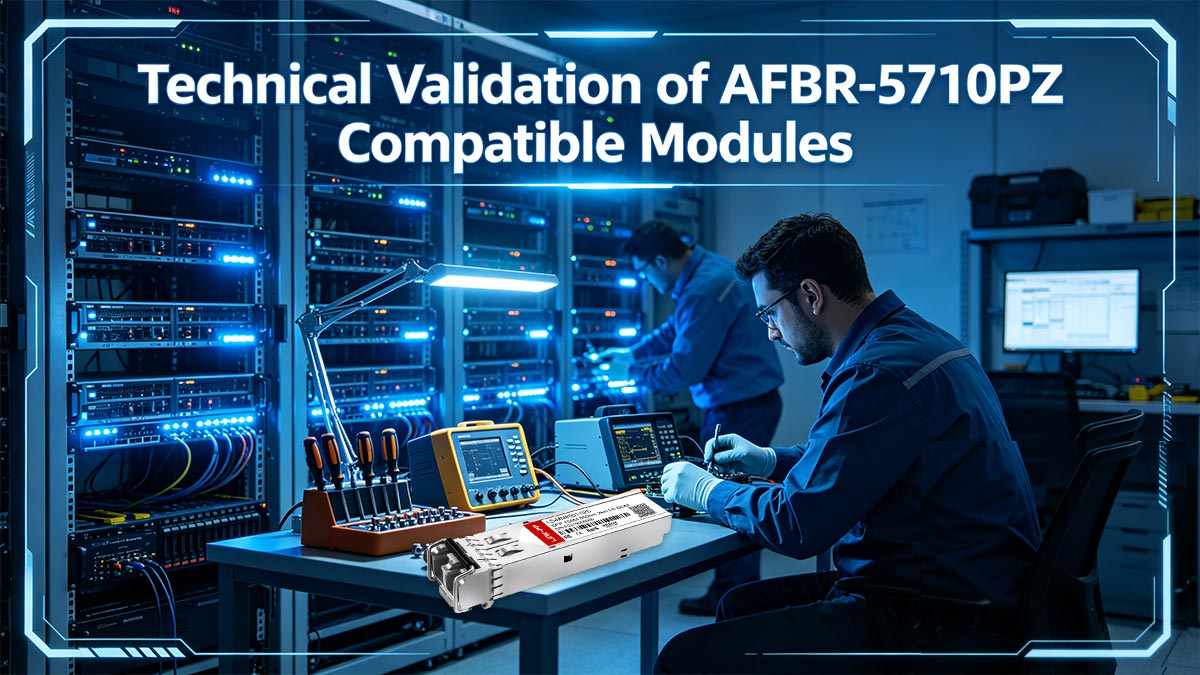
Ensuring that AFBR-5710PZ compatible modules meet performance and compatibility standards is a critical step before full deployment. Technical validation confirms that these compatible modules can reliably replace original transceivers without compromising network integrity. This process includes rigorous testing, compatibility checks, stress assessments, and verification of certifications to guarantee operational stability.
Performance Testing against Original AFBR-5710PZ Specifications
The primary goal of performance testing is to confirm that the compatible module matches the optical and electrical benchmarks of the original Avago AFBR-5710PZ specifications. This involves more than just a simple connection check; it requires specialized equipment to analyze the quality of the optical signal and the integrity of data transmission over the multi-mode fiber.
- Optical Eye Pattern Analysis: This test evaluates the transmitter's signal quality by overlaying multiple signal waveforms. A "clean" eye diagram confirms that the module provides sufficient timing margins and low jitter, ensuring the receiver can accurately interpret data bits.
- Bit Error Rate (BER) Testing: To guarantee reliable 1.25 Gbps throughput, the module is tested under high traffic loads to ensure the BER remains below 10⁻¹². This confirms that the internal VCSEL laser and TOSA assembly are functioning with professional-grade precision.
Compatibility Checks with Existing Hardware and Systems
For AFBR-5710PZ compatible modules, compatibility validation should focus specifically on interoperability with Avago equipment. Even when modules meet standard specifications, ensuring seamless operation within Avago devices is essential to avoid recognition issues or performance limitations.
This validation process typically includes the following checks:
- Device Recognition: Confirming that Avago switches or routers correctly identify the compatible module without triggering errors or restrictions.
- Stable Link Establishment: Verifying that the module can establish and maintain a stable optical link under normal operating conditions.
- EEPROM and Coding Compatibility: Ensuring that the module’s internal coding aligns with Avago system requirements for proper communication.
By focusing on Avago-specific interoperability, organizations can ensure that AFBR-5710PZ compatible modules function reliably within their intended hardware environment, reducing deployment risks and ensuring consistent network performance.
Reliability and Stress Testing under Operational Conditions
Long-term performance reliability is essential for stable network operation. Stress testing subjects modules to extreme temperatures, voltage fluctuations, and continuous data transmission to evaluate durability and resilience.
Testing points include:
- Temperature Cycling: Operating modules across 0°C to 70°C to confirm thermal stability.
- Voltage Variation Tolerance: Verifying performance under minor power supply deviations.
- Continuous Load Testing: Running high-volume data traffic to detect potential performance degradation.
By simulating real-world operating conditions, these tests ensure that AFBR-5710PZ compatible modules maintain performance over extended periods.
Verification of Certification and Compliance Standards
Finally, modules must be checked for compliance with industry standards and certifications. This step confirms adherence to safety, quality, and interoperability requirements, minimizing regulatory or operational issues.
Critical verification aspects include:
- SFP MSA Compliance: Ensuring form factor, connector type, and electrical interface meet standard specifications.
- RoHS and Environmental Compliance: Confirming modules are free from restricted hazardous substances.
- ISO and Quality Certification Validation: Verifying supplier quality management practices are documented and up to standard.
Certification verification provides confidence that the modules are both technically sound and legally compliant, completing the technical validation process.
✨ Final Considerations for Procuring AFBR-5710PZ Compatible Modules
When it comes to sourcing AFBR-5710PZ compatible modules, success ultimately lies in combining smart procurement strategies with careful technical validation. By focusing on supplier reliability, pricing balance, and performance verification, organizations can confidently adopt compatible solutions without compromising network stability. A well-planned approach not only reduces costs but also ensures long-term operational efficiency.
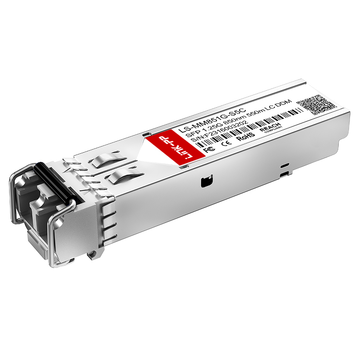
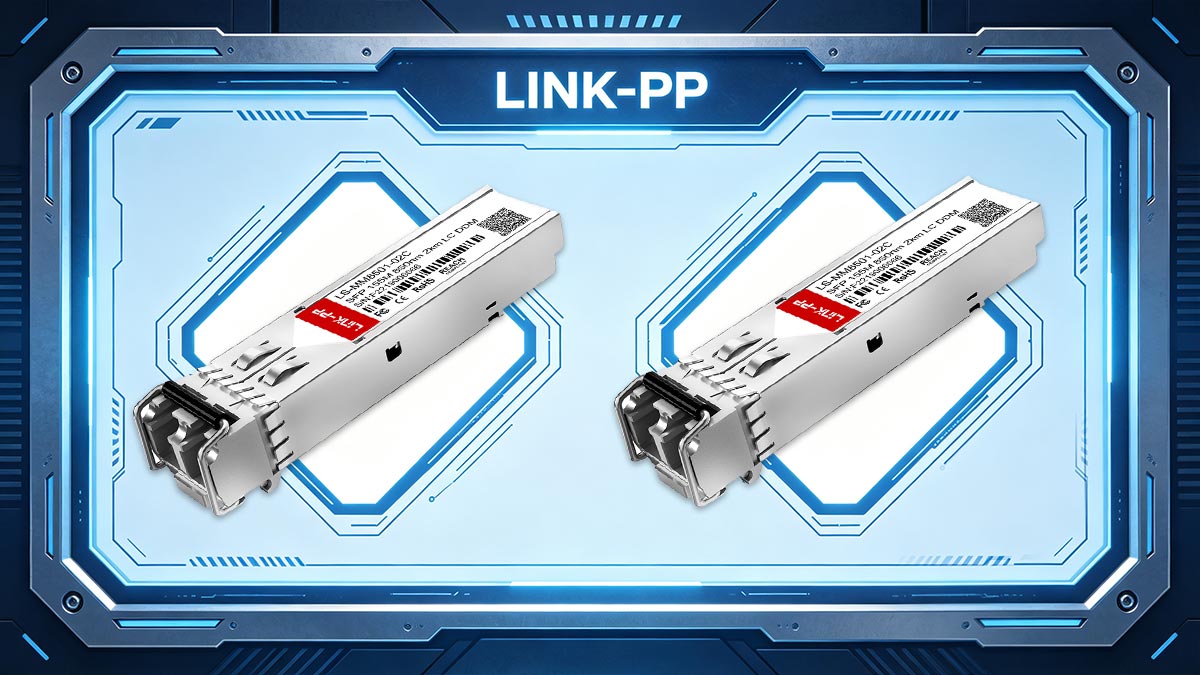
At the same time, choosing the right product and partner can make a noticeable difference. High-quality alternatives like the LINK-PP LS-MM851G-S5C 1000BASE-SX SFP are designed to deliver consistent performance and seamless interoperability with Avago equipment, making them a practical option for both upgrades and new deployments. With proven compatibility and dependable manufacturing standards, such solutions help simplify decision-making in real-world procurement scenarios.
If you are looking for a reliable source of tested and cost-effective compatible modules, it’s worth exploring the LINK-PP Official Store. With a focus on quality, availability, and technical support, it provides a convenient way to access transceiver solutions tailored to your network requirements while keeping procurement efficient and straightforward.